
A single inch of rain falling on a 1,000 square foot roof can yield roughly 600 gallons of water. Most of that usually ends up in a storm drain, carrying roof grit and street debris along with it. Catching even a fraction of it changes how a household thinks about water.
Rainwater harvesting is an old practice, yet it’s easy to start with modest equipment. Before buying barrels or tanks, it helps to understand how the pieces fit together, what the water can safely be used for, and what local rules might apply.
How a Rainwater System Works
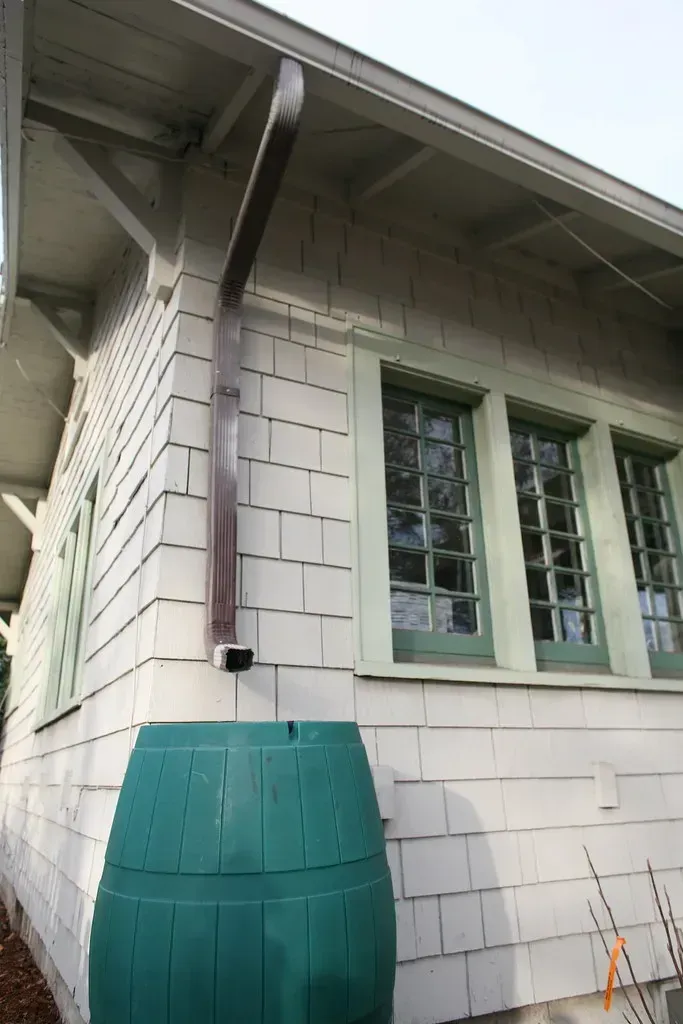
Every system follows the same basic path. Rain lands on a catchment surface, usually a roof, then flows into gutters and downspouts. From there it passes through some form of filtering and into a storage container.
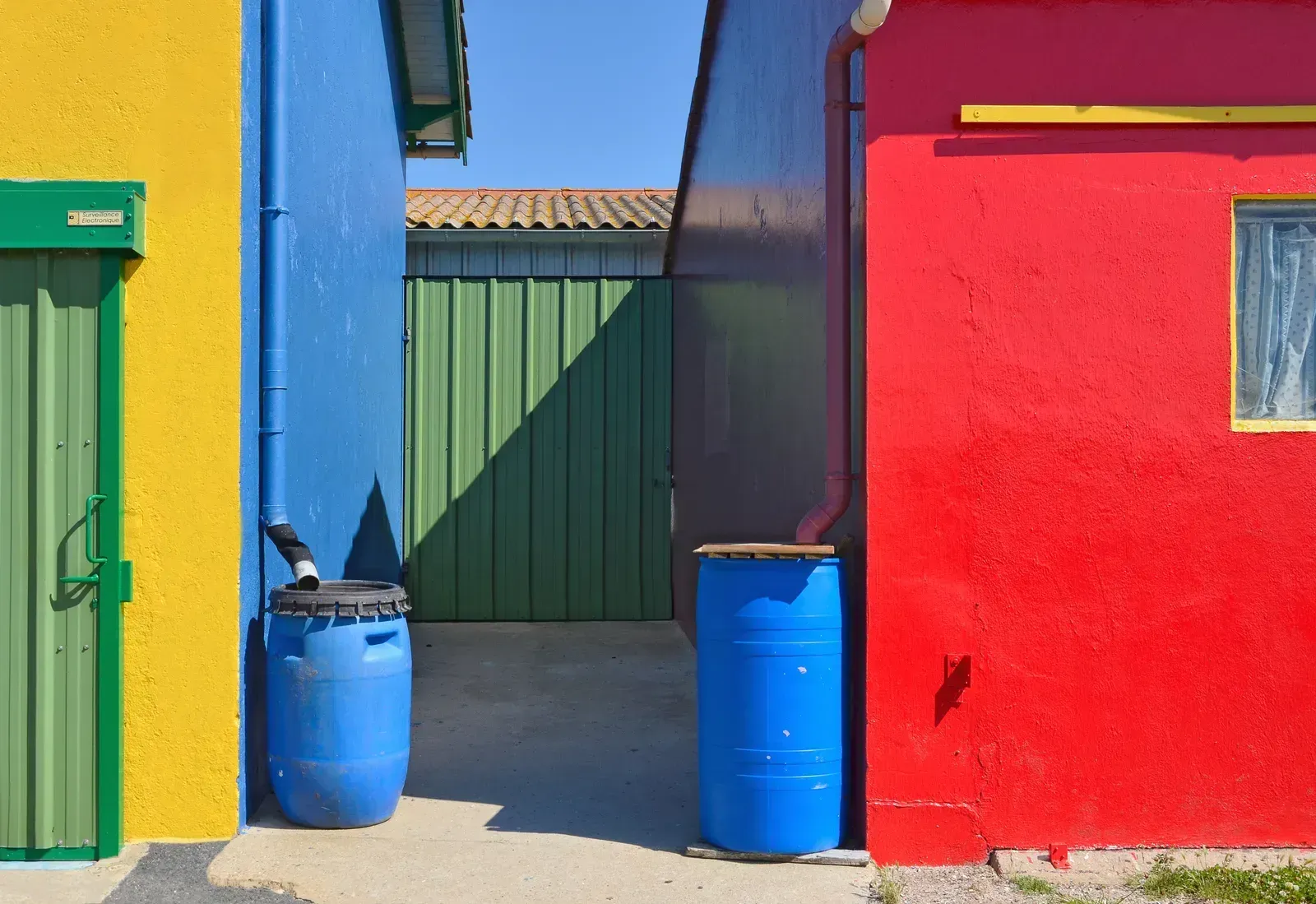
Water leaves storage by gravity, through a spigot, or with a pump. A simple rain barrel under a downspout is the smallest version. Larger setups use cisterns that hold thousands of gallons and may feed irrigation lines or plumbing.
Calculating How Much You Can Collect
The rule of thumb is that one inch of rain on one square foot of roof produces about six tenths of a gallon. Multiply your roof’s footprint by the rainfall in inches and by that factor to estimate potential supply. Real collection is lower, since some water is lost to splash, evaporation, and first flush diversion.
Many designers assume an efficiency of around eighty to ninety percent. Checking your local annual rainfall from a national weather service will make the estimate more realistic. A quick calculation also helps you size storage so you don’t overspend on a tank that rarely fills.
Choosing the Right Catchment Surface
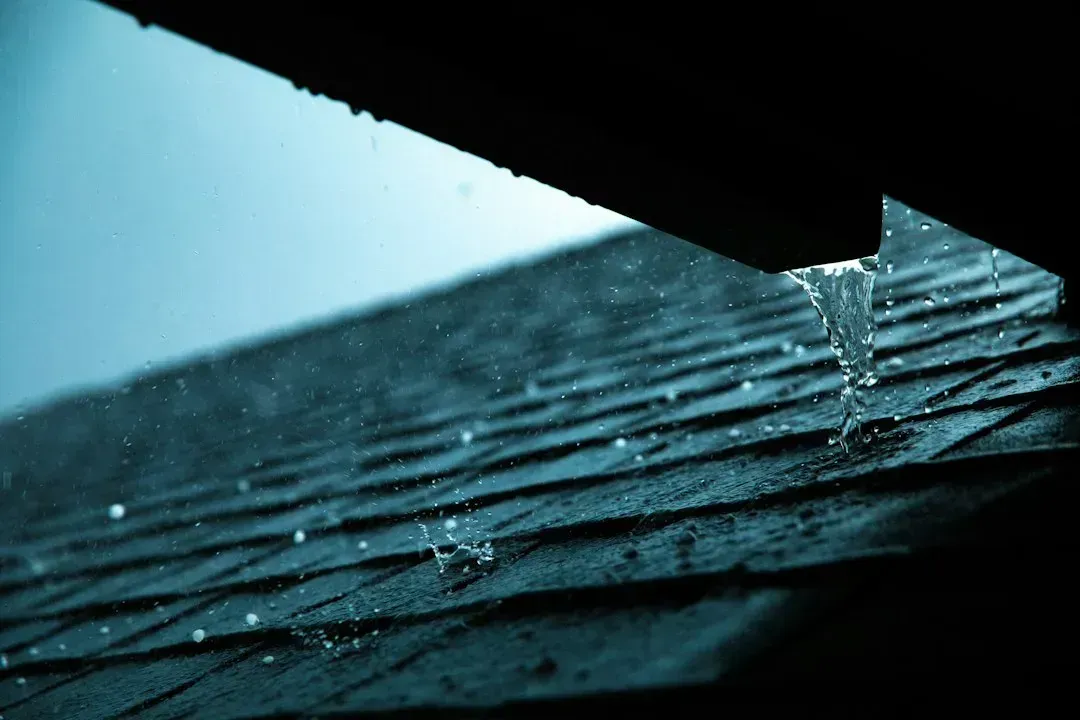
Roof material affects water quality. Metal roofs are generally preferred because they’re smooth, shed water well, and don’t leach much. Asphalt shingles are common and fine for garden irrigation, though they can release small amounts of compounds.
Roofs treated with chemicals, or those with copper or lead flashing, call for more caution. Wood shakes and moss covered roofs can add organic matter and contaminants. Overhanging tree branches also drop leaves and bird droppings onto the surface, so trimming them back pays off.
Gutters, Screens, and First Flush Diverters
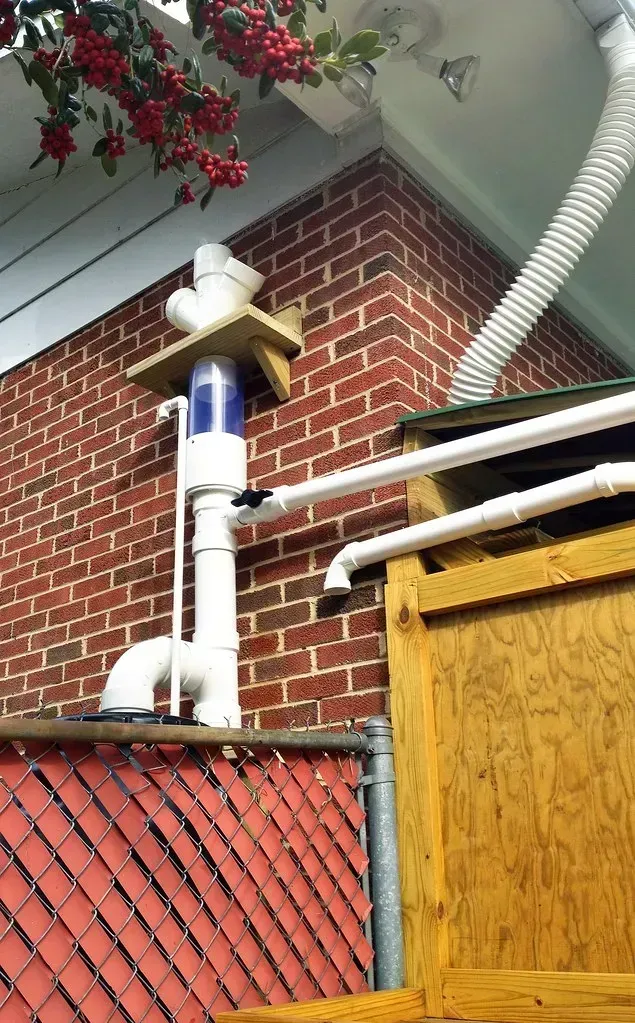
The first rain after a dry spell washes off dust, pollen, and droppings. A first flush diverter sends that initial portion away from the tank, so the cleaner water that follows is what you store. Many guides suggest diverting roughly ten gallons for every thousand square feet of roof, though local conditions vary.
Leaf screens on gutters and a mesh at the tank inlet keep out larger debris. Both need regular cleaning, usually a few times a year and after storms. Skipping that chore is among the most common reasons a system underperforms.
Picking a Storage Container
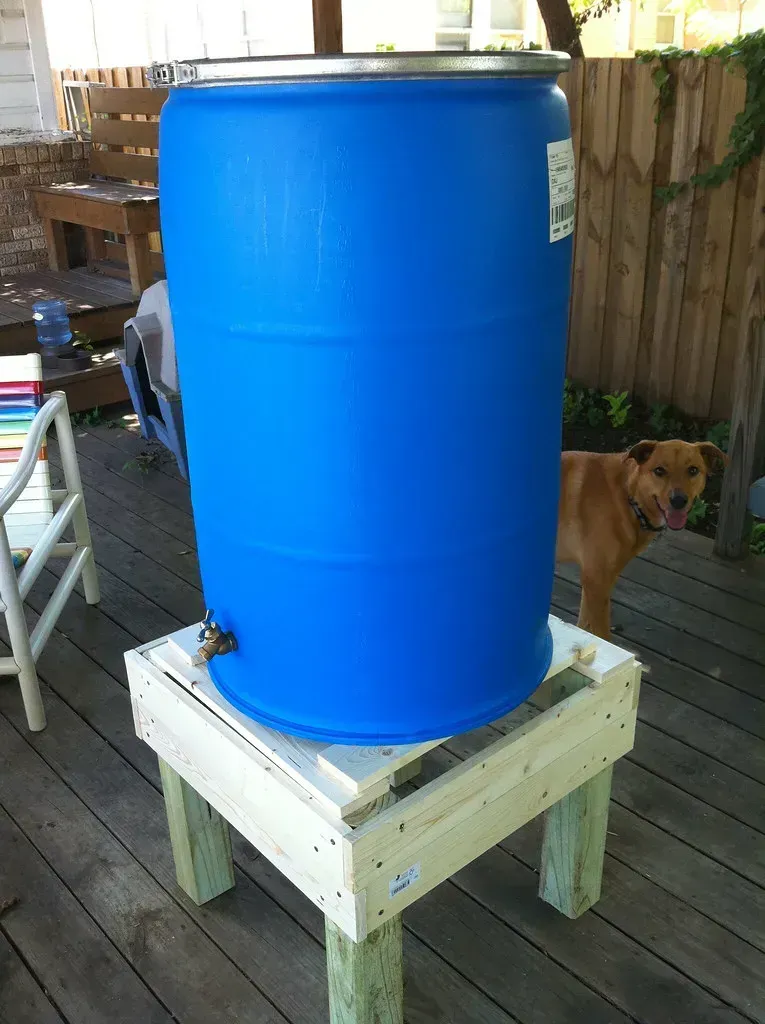
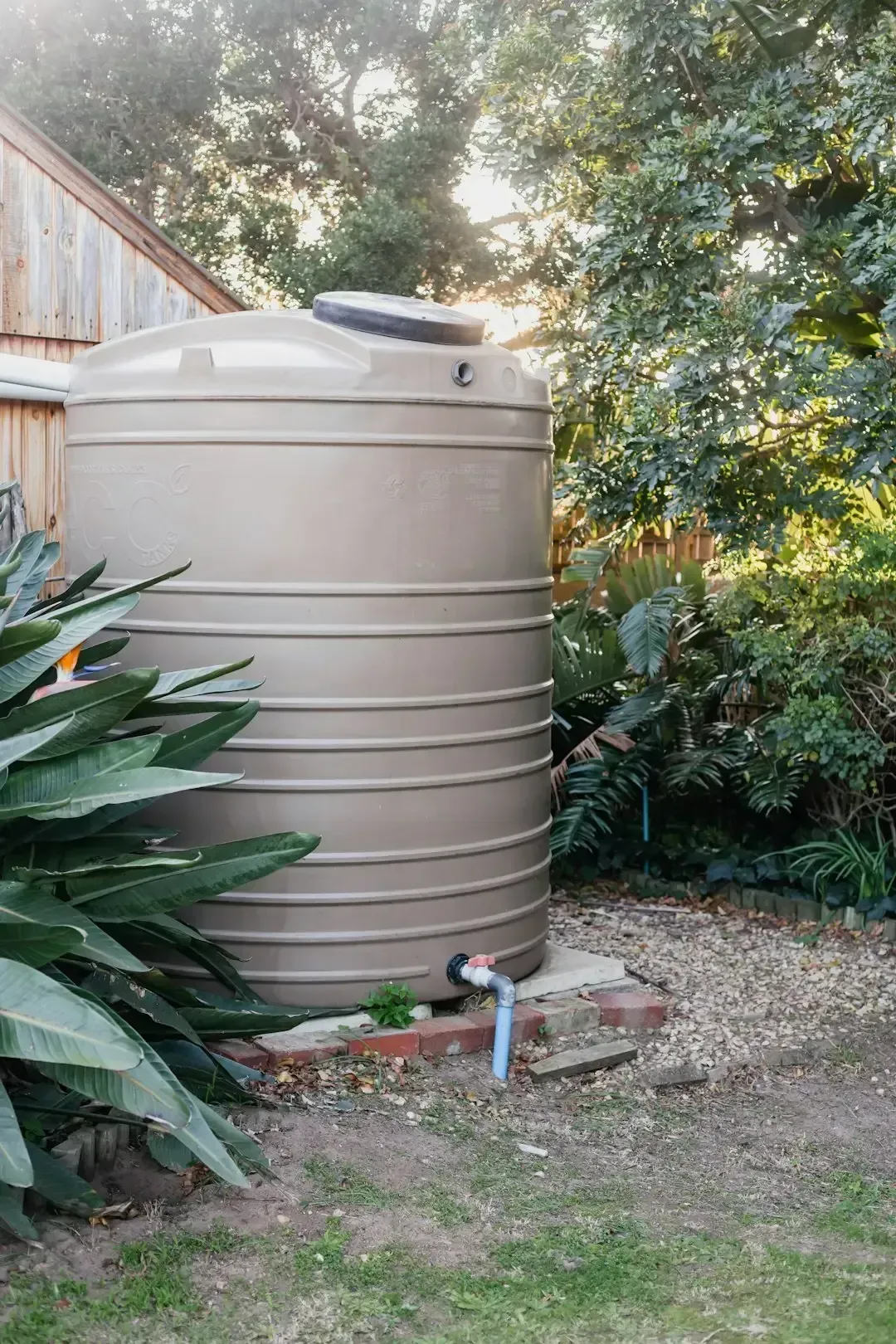
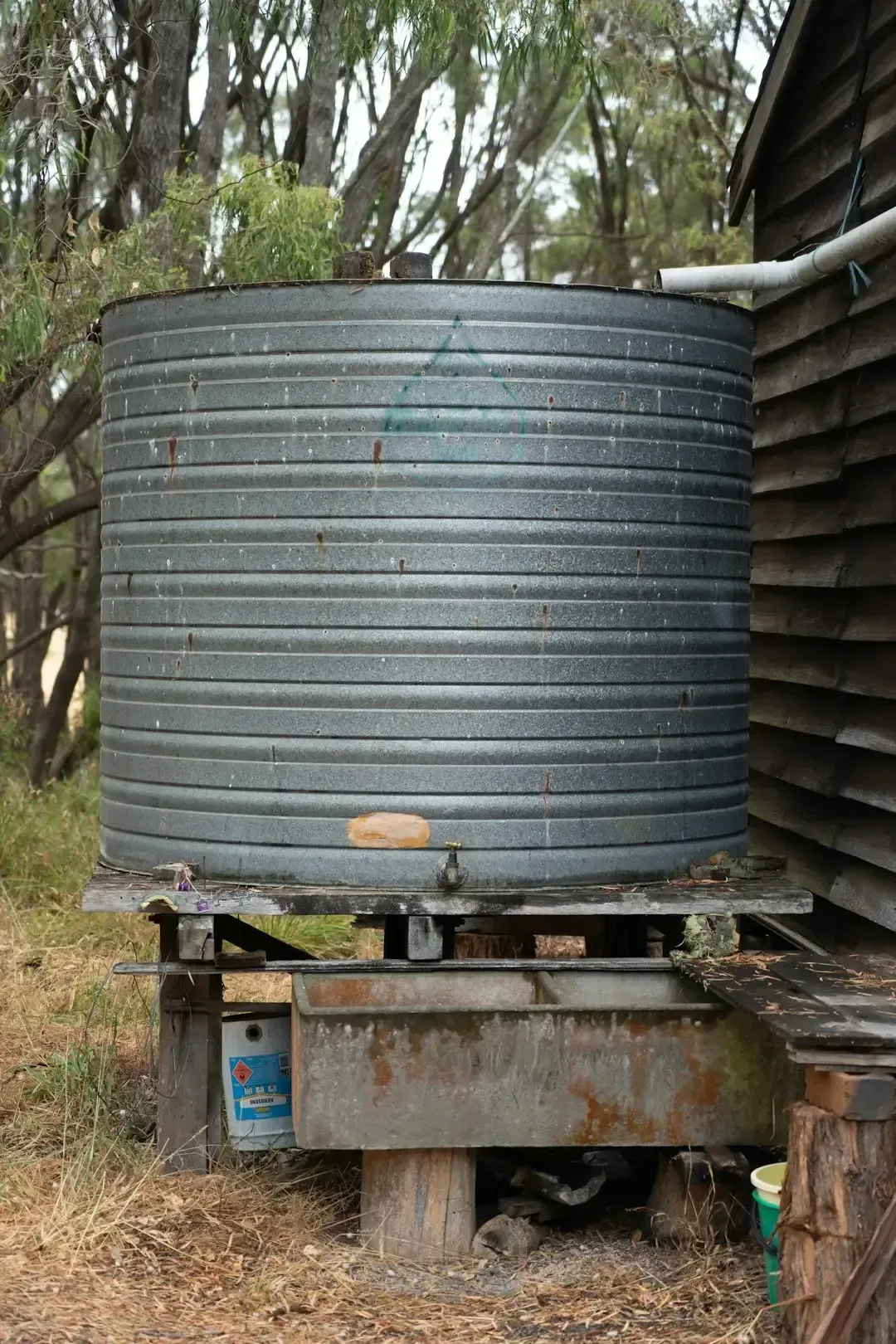
Rain barrels typically hold about fifty to eighty gallons, which suits a small garden. Larger polyethylene, fiberglass, or steel tanks work for bigger needs. Whatever you choose, it should be opaque, since sunlight encourages algae growth, and it should have a tight lid.
Sealed covers also keep out mosquitoes and children. Use food grade or purpose made containers, because old drums may have held harmful substances. Place the tank on a firm, level base, as a full barrel is heavy, and a gallon of water weighs a little over eight pounds.
Safe Uses for Harvested Rainwater
Untreated rainwater is well suited to watering ornamental plants, lawns, and trees. It’s naturally soft and free of the chlorine found in tap water, which plants tend to like. For edible crops, the US Environmental Protection Agency advises caution and suggests applying water at the soil level rather than over leaves, especially close to harvest.
Indoor uses such as toilet flushing and laundry need proper filtration and often disinfection. Drinking rainwater requires treatment and testing, and the Centers for Disease Control and Prevention notes that collected rainwater can carry microbes and chemicals. If potable use is your goal, professional design is worth the cost.
Legal Rules and Local Incentives
Rules differ widely. Many US states actively encourage collection, and several offer rebates or tax benefits for equipment. Colorado, once known for restrictions, now allows residential households to use up to two rain barrels with a combined capacity of 110 gallons, under state law adopted in 2016.
Other places regulate larger systems through plumbing or building codes. Because requirements change, check with your city, county, or water utility before installing anything big. Some utilities sell discounted barrels or run workshops.
Keeping Water Clean and Mosquitoes Out

Stored water needs a bit of upkeep. Inspect screens, empty and scrub barrels once or twice a year, and look for cracks or leaks. Keeping the container dark and covered limits algae.
Mosquitoes can lay eggs in open water within days, so every opening should be screened with fine mesh. Place the barrel where overflow drains away from the house foundation. An overflow hose or connection to a second barrel handles heavy storms.
Using Rainwater in the Garden
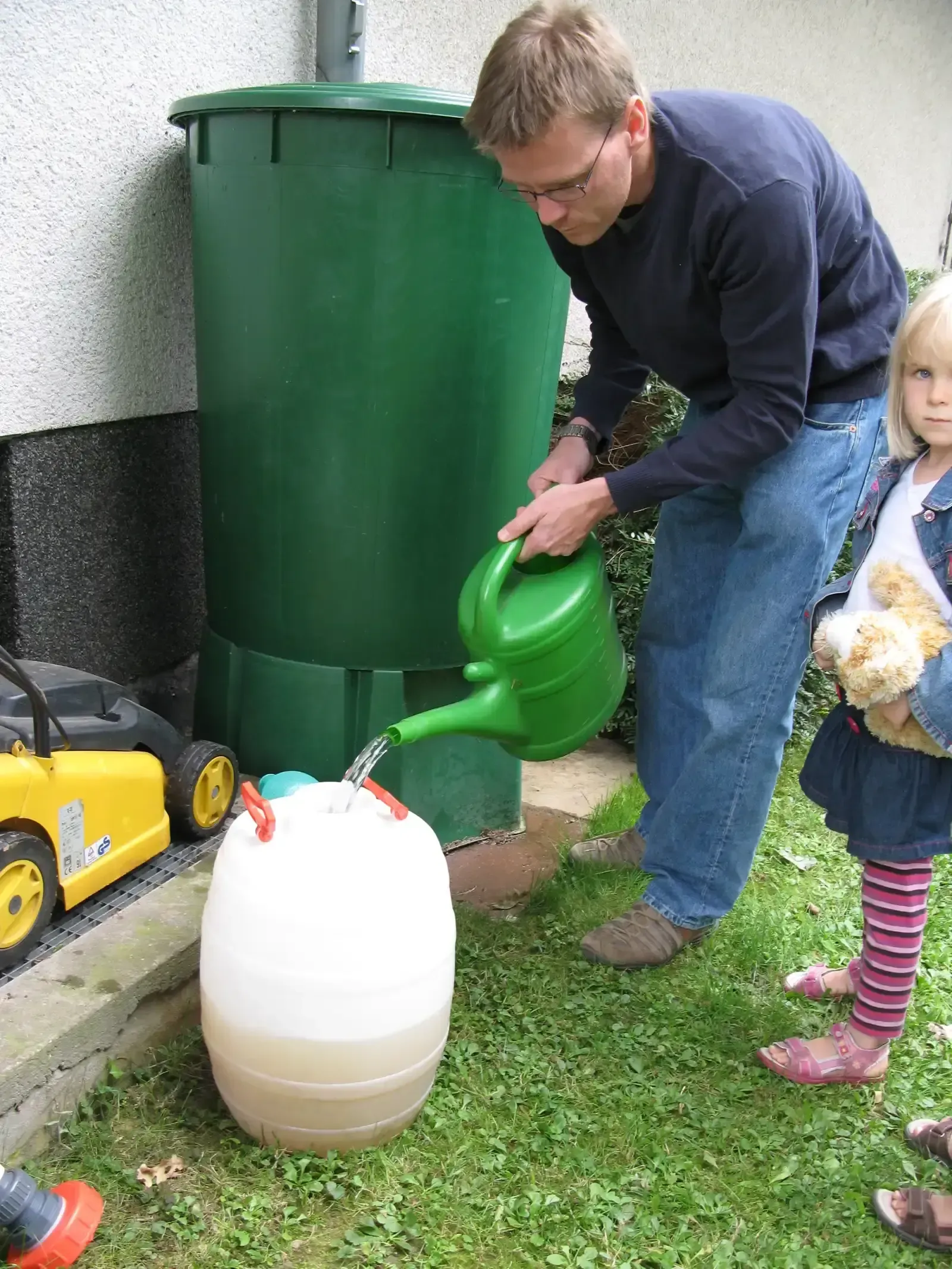
Gardens are the easiest place to put harvested water to work. A spigot near the base of a barrel lets you fill a watering can, and a soaker hose can run by gravity for low pressure irrigation. Raising the barrel on a sturdy stand increases the flow.
Pairing collection with mulch and drip lines stretches each gallon further. Water in the early morning to reduce evaporation. In winter climates, drain and disconnect barrels before freezing temperatures, since expanding ice can crack them.

- Blue whales vanish from the Galápagos, and scientists suspect El Niño - November 11, 2026
- 8 Famous Battles That Were Decided by the Weather - November 11, 2026
- Black Sunday 1935: 9 Photos From the Worst Dust Storm of the Dust Bowl Era - November 11, 2026
