

A tote bag from a conference, a cotton bag from a grocery store, a woven plastic one from the checkout lane. Most households have a pile of them somewhere, usually stuffed in a closet or a car trunk. Each one carries a hidden cost from the day it was made.
That cost is why researchers keep asking how often a reusable bag has to be carried before it beats the thin plastic bag it replaced. The answer depends on the material, the yardstick and even what happens to the plastic bag afterward.
Why a Reusable Bag Starts Out at a Disadvantage
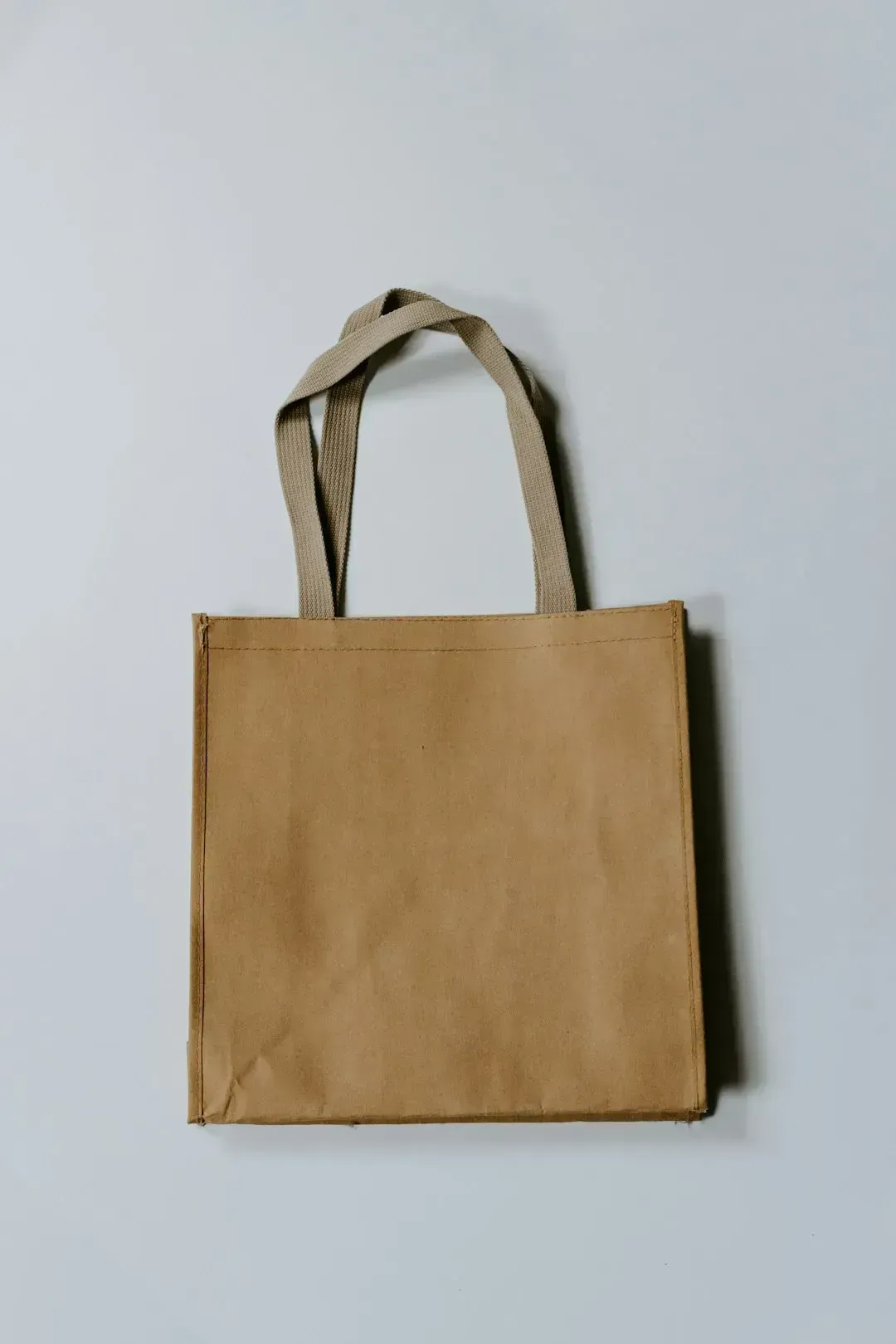
A reusable bag is heavier and made from more material than a thin plastic bag. Growing cotton, weaving fabric or molding thick plastic all take more resources up front. Reusable and paper bags carry a large environmental cost at the start, while plastic bags cause more harm after use.
That is why the comparison never comes down to a single bag. It comes down to how many shopping trips one reusable bag can cover. Spread the production footprint across enough trips and the sums start to favor the sturdier bag.
What the UN Environment Programme Found

A 2020 report for the UN Environment Programme reviewed the evidence on bag alternatives. It found a cotton bag needs 50 to 150 uses to have less climate impact than one thin plastic bag. That makes cotton the most demanding of the common options.
The same review looked at plastic reusables. A thick, durable polypropylene bag must be used an estimated 10 to 20 times, and a slimmer reusable polyethylene bag 5 to 10 times, to match a thin plastic bag’s climate impact. Those numbers are far easier to reach in ordinary life.
The Danish Study Behind the 7,100 Figure
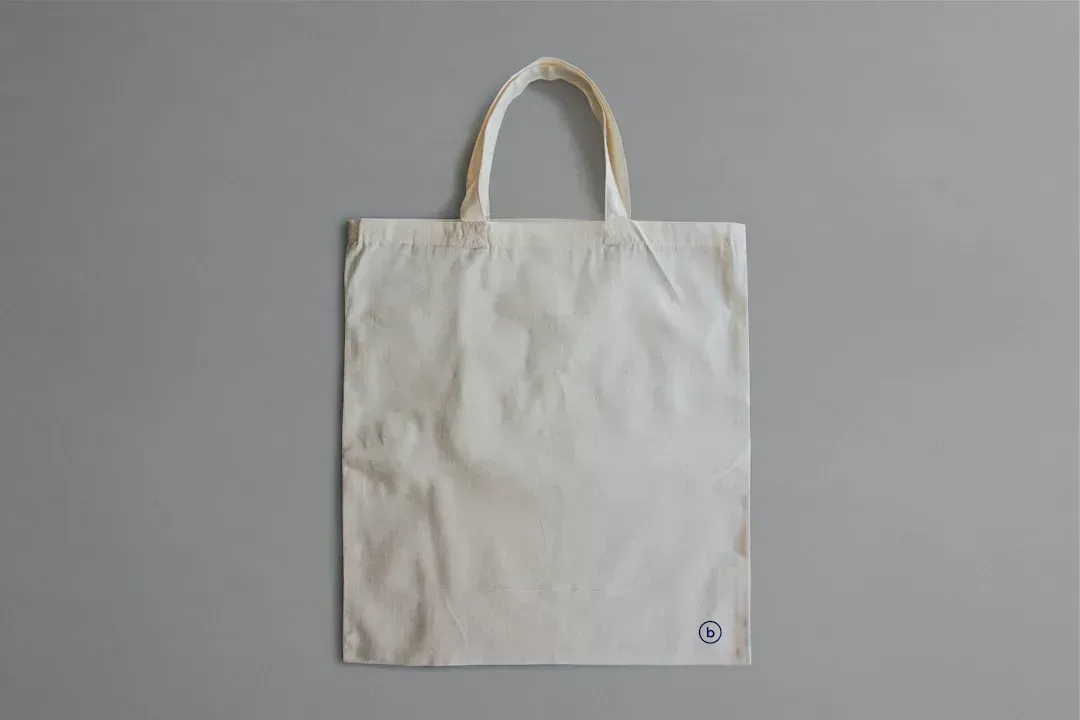
The most dramatic number comes from a 2018 Danish Environmental Protection Agency report. It suggested a cotton bag should be used at least 7,100 times to offset its impact compared to a supermarket plastic bag that is reused once as a trash bag and then incinerated. That is not a typo, and it is why the study still circulates years later.
The report didn’t stop at climate. It looked at 15 environmental indicators, including climate change, ozone depletion, air pollution, water use and land use. Cotton’s heavy demands on water and farmland push the total up quickly.
Organic Cotton Isn’t an Automatic Fix
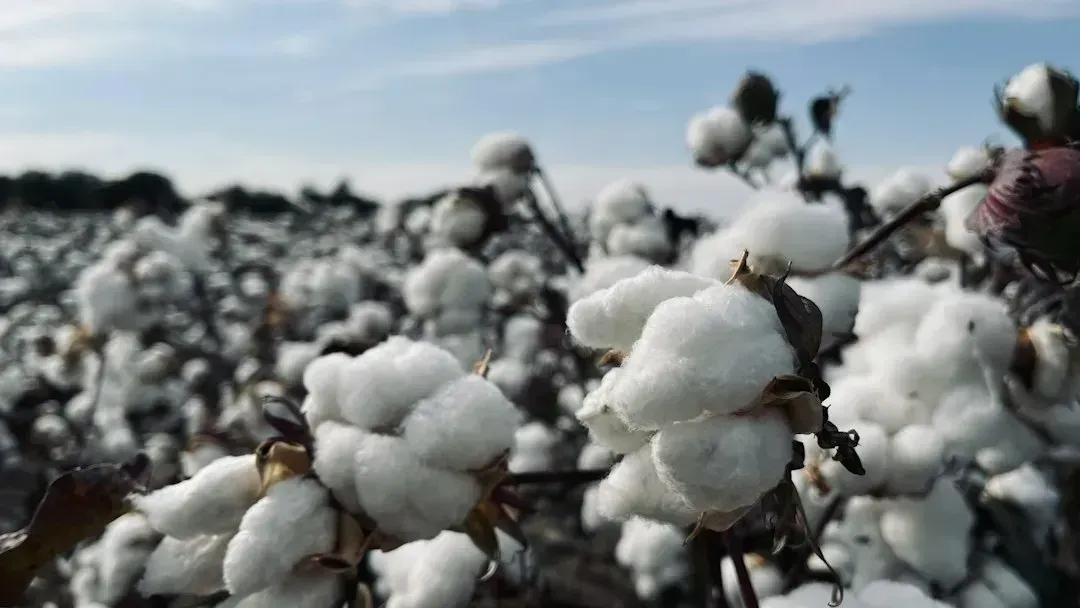
Organic cotton sounds like the greener pick, and in some respects it is. In the Danish analysis, though, the numbers went the wrong way. The figure for organic cotton reached 20,000 uses, because the report assumed a lower yield with the same input of raw materials.
Lower yields mean more land for the same amount of fiber. When land use counts, a gentler farming method can still lose on a per bag basis. It’s a good example of why one label rarely settles a lifecycle question.
The Climate Only Count for Cotton

The picture shifts when the question narrows to carbon emissions alone. A 2011 UK Environment Agency report found a cotton bag would have to be reused 131 times to break even with a plastic bag on climate impact. That is a very different bar from thousands of uses.
Neither figure is wrong. They answer different questions, one about carbon and one about everything from water to land. Anyone quoting a single number for cotton should say which question it answers.
Paper Bags Don’t Last Long Enough
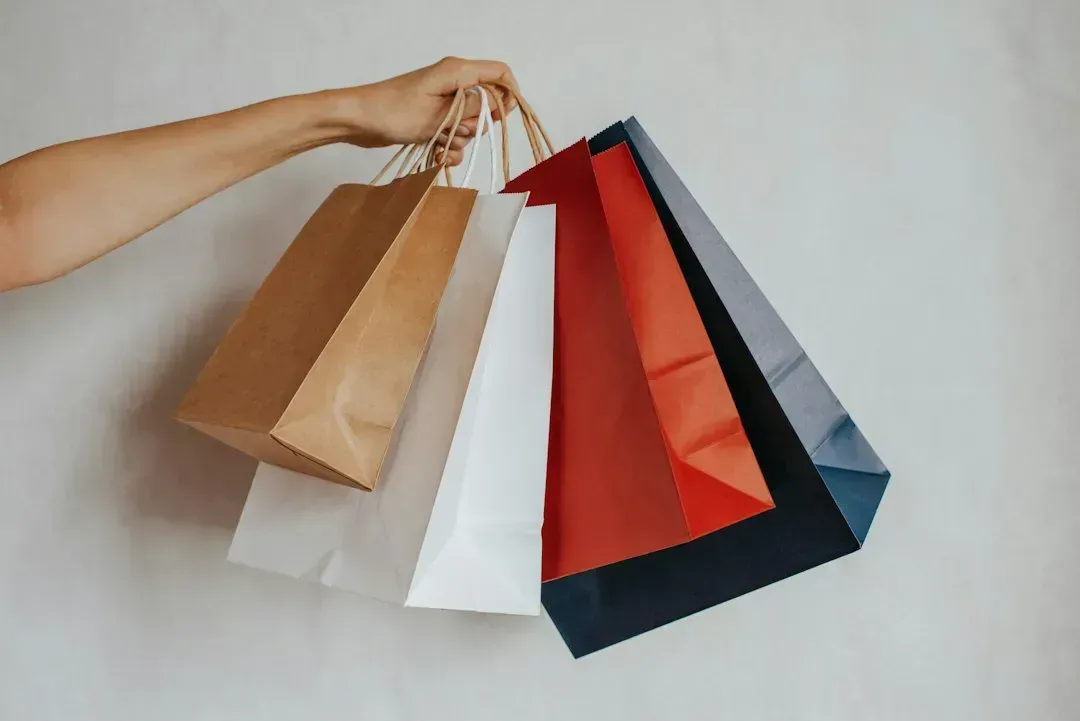
Paper often feels like the natural compromise, but it is the weakest performer in terms of durability. The same UK report found paper bags must be reused at least three times to offset their higher climate warming potential compared with plastic. Other studies put the needed number far higher.
Educational material from National Geographic notes the range. Studies suggest anywhere from three to 43 uses, and because paper is the least durable option, few people would get enough use from one bag to even things out. A wet bottom or torn handle usually ends the story early.
Plastic Reusables Break Even Fastest
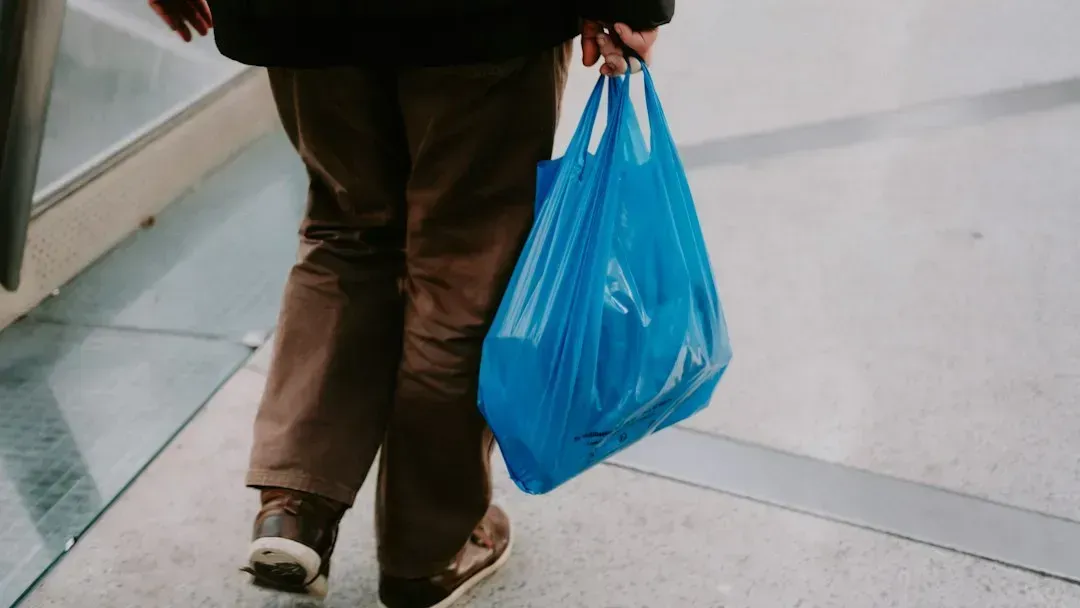
Non woven polypropylene, the stiff fabric like bag sold at many checkouts, tends to pay itself back quickly. These bags need to be reused around eleven times to break even with conventional plastic. For a weekly shopper, that is a couple of months.
Research out of Singapore points the same direction. A study found reusable plastic bags need to be reused four times to offset the emissions of one single use plastic bag, and the lead researcher called them the best option if reused many times. The catch is the word many.
Local Waste Systems Change the Math
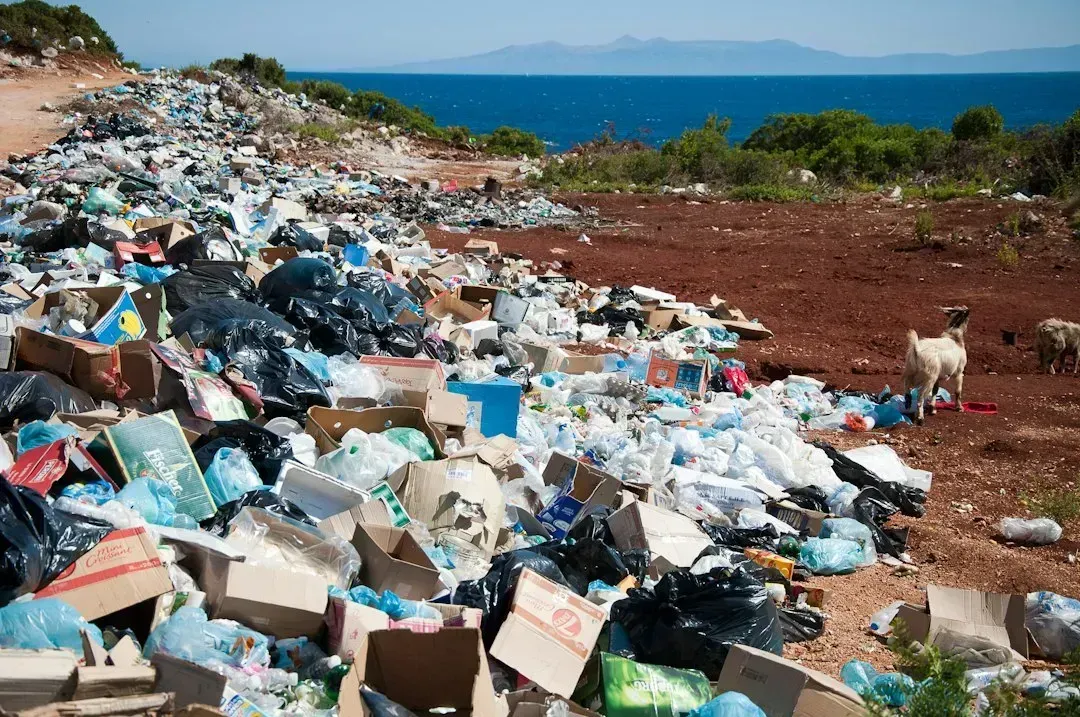
Where a bag ends up matters as much as how it was made. Researchers in Singapore said that in a well structured waste system with incineration, plastic bags may be the best available option, provided there is no significant leakage into the environment. In places with heavy littering, the calculation looks different.
The reasoning is that thin plastic bags cause much of their harm when they escape collection. The study said paper and cotton bags suit countries that use landfills and regions with higher leakage of waste into nature. Context decides, not a universal ranking.
Use What You Already Own
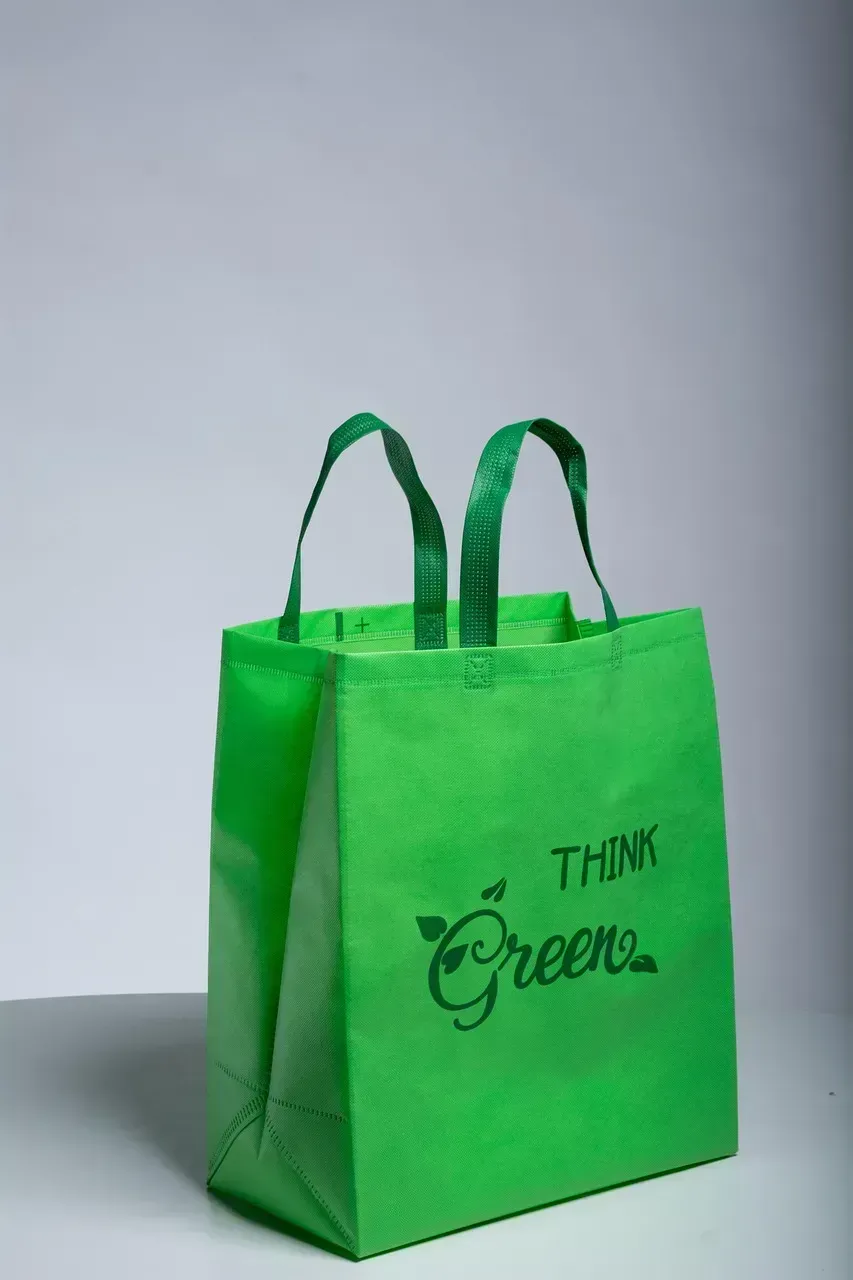
Across all of these studies, one piece of advice holds steady. The guidance boils down to reusing whatever bags you have at home as many times as you can. A bag sitting unused in a drawer has already paid its production cost, so each new trip makes it better.
Buying a fresh bag for every new store or event restarts the clock. In every study and for every bag type, reusing the bag as many times as possible reduced its environmental impact. A cotton tote used for years and a polypropylene bag used for dozens of trips both come out ahead of a bag used just a handful of times.

- The Shoreline Sucked Dry in Seconds – 5 Tsunami Signals Beachgoers Mistake for Low Tide - November 14, 2026
- 9 Dark-Sky Destinations Around the World Where the Stars Look Unreal - November 14, 2026
- The Fault Line That Never Slips – 7 Locked Seismic Zones Overdue for a Massive Release - November 14, 2026
