

- 9 Items Experienced Skywatchers Bring Along That Beginners Always Wish They’d Packed - November 12, 2026
- I Moved to Tornado Alley in Oklahoma – 7 Things I Did Not Anticipate About Storm Season - November 12, 2026
- VR tool shows how rising seas could flood Fort Lauderdale - November 12, 2026
Look up at the Sun (not directly, please) and you’re seeing a moment that has already passed. The light reaching your eyes set off across space roughly eight minutes earlier. It’s a small delay, but it says a lot about how we see the universe.
The numbers behind that delay are well established, and they connect to some of the most basic measurements in physics and astronomy. Here are eight facts that explain why the Sun in the sky is always a little behind.
The Speed of Light Is Fixed

Light in a vacuum travels at 299,792,458 meters per second. That figure isn’t a rough estimate anymore. Since 1983, the meter itself has been defined using this speed, so the value is exact by definition.
Because the speed is constant, any delay in seeing something depends only on distance. Double the distance, double the wait. That simple relationship is the whole reason the Sun appears as it was eight minutes ago.
The Distance to the Sun Is About 150 Million Kilometers
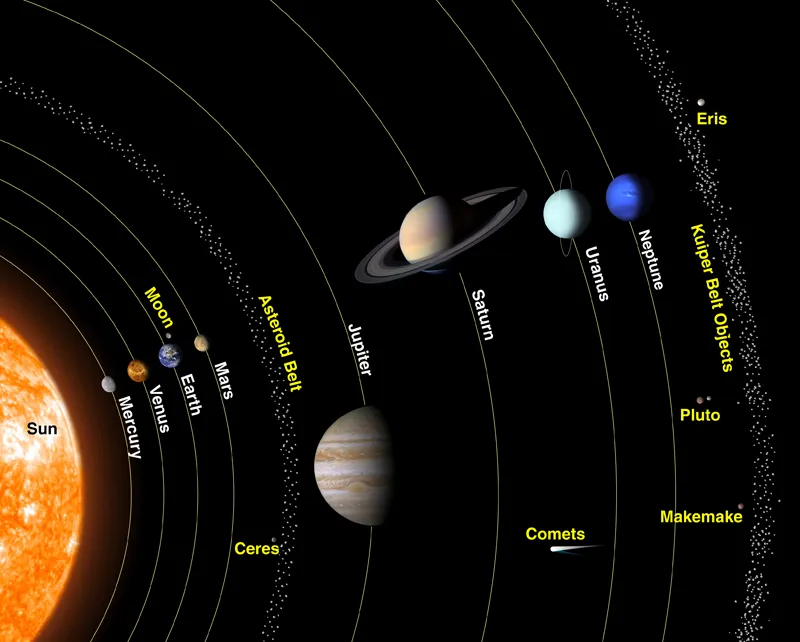
The average distance between Earth and the Sun is roughly 150 million kilometers, or about 93 million miles. Astronomers call this one astronomical unit. In 2012 the International Astronomical Union fixed it at exactly 149,597,870,700 meters.
Divide that distance by the speed of light and you get about 499 seconds. That’s just over eight minutes and nineteen seconds. So the headline number isn’t a round figure for convenience, it’s what the math actually gives.
The Delay Changes Slightly Through the Year
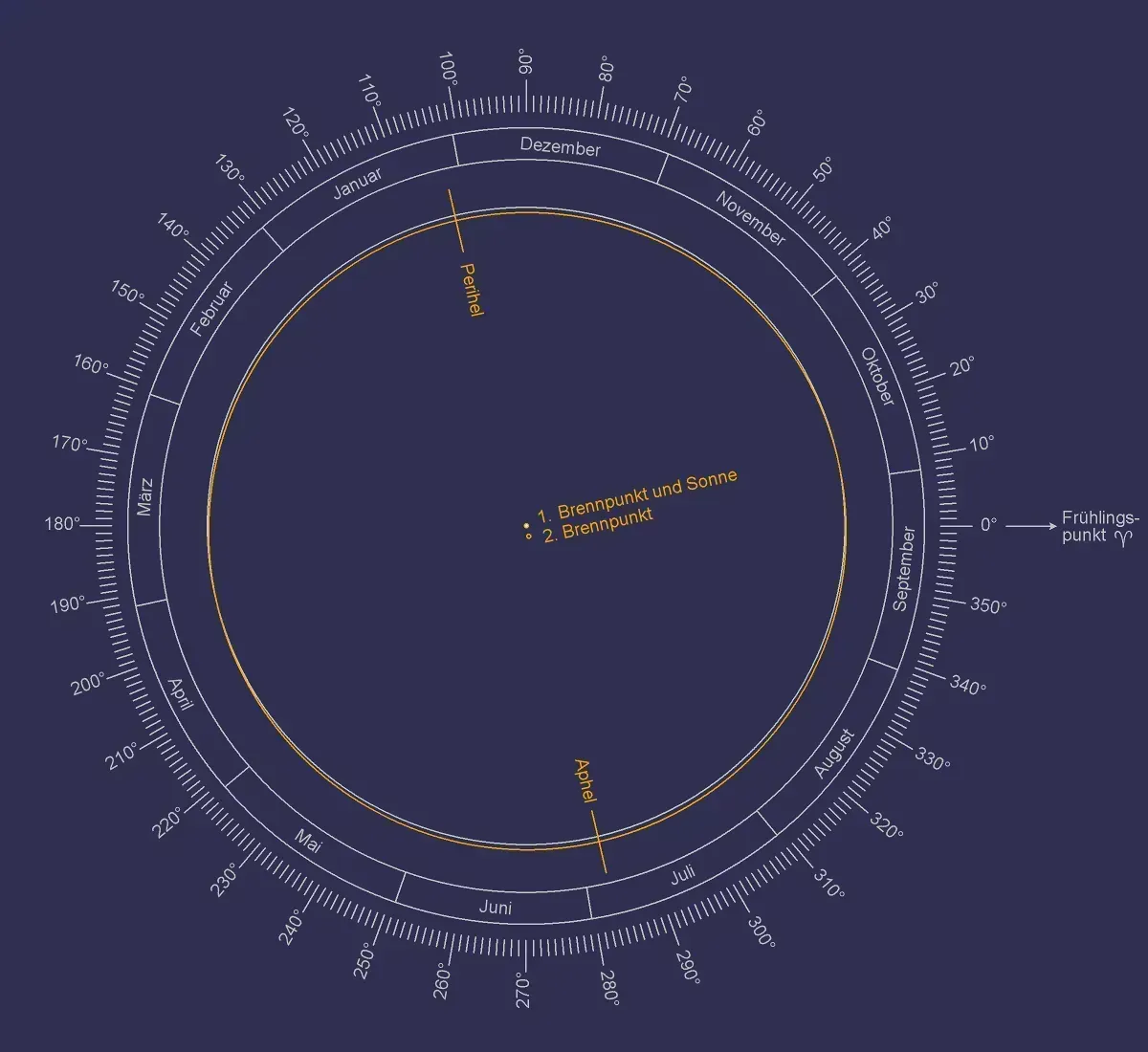
Earth’s orbit is an ellipse, not a perfect circle. Around early January, our planet is at its closest point to the Sun, called perihelion, at about 147 million kilometers. In early July, it reaches aphelion, at about 152 million kilometers.
That shifts the light travel time by a few seconds, from a little under eight and a half minutes to a little over. So “about eight minutes” is fair, though the exact figure drifts with the seasons. Interestingly, we’re closest to the Sun during northern hemisphere winter.
You’re Seeing the Sun’s Past, Not Its Present
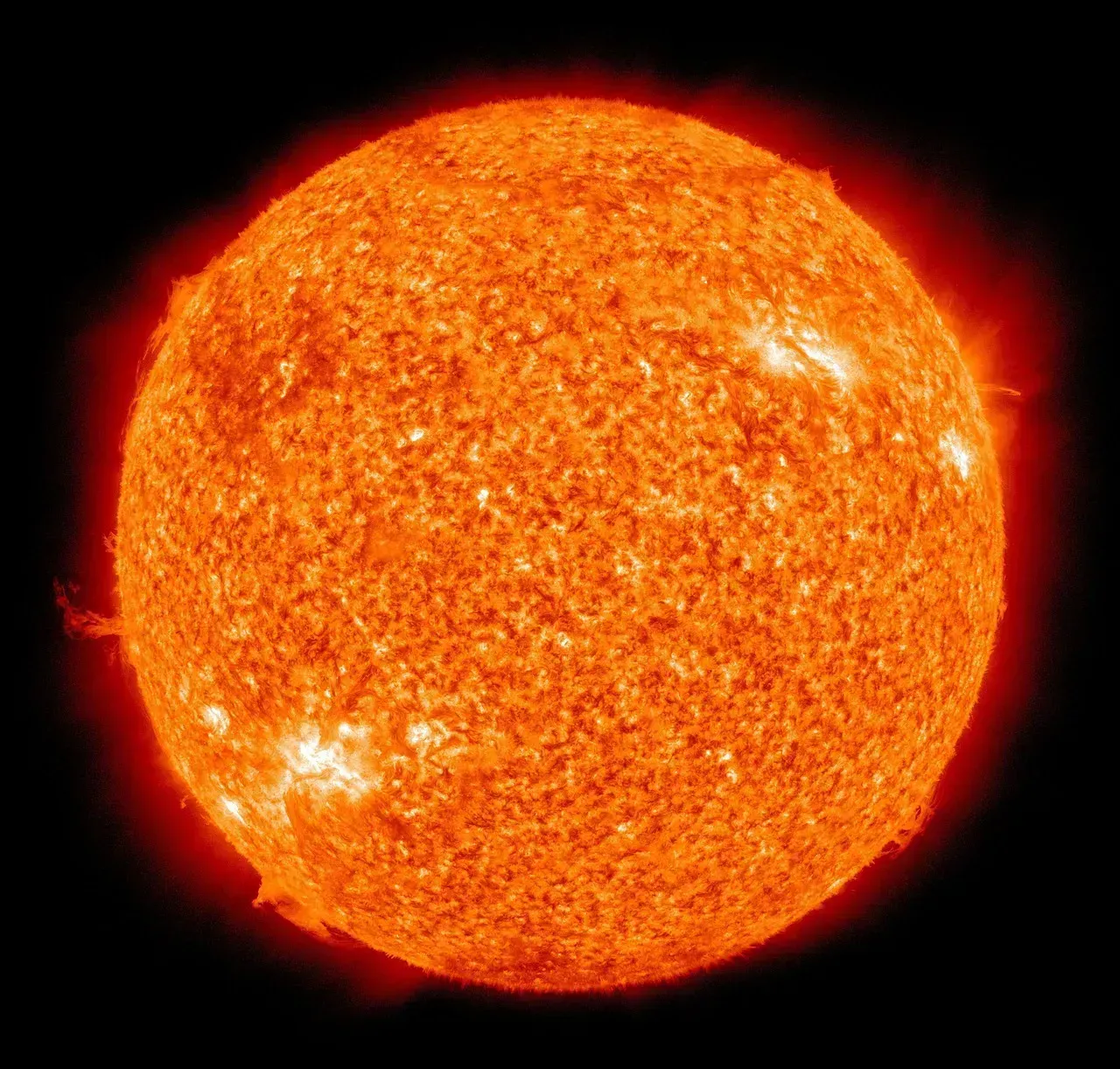
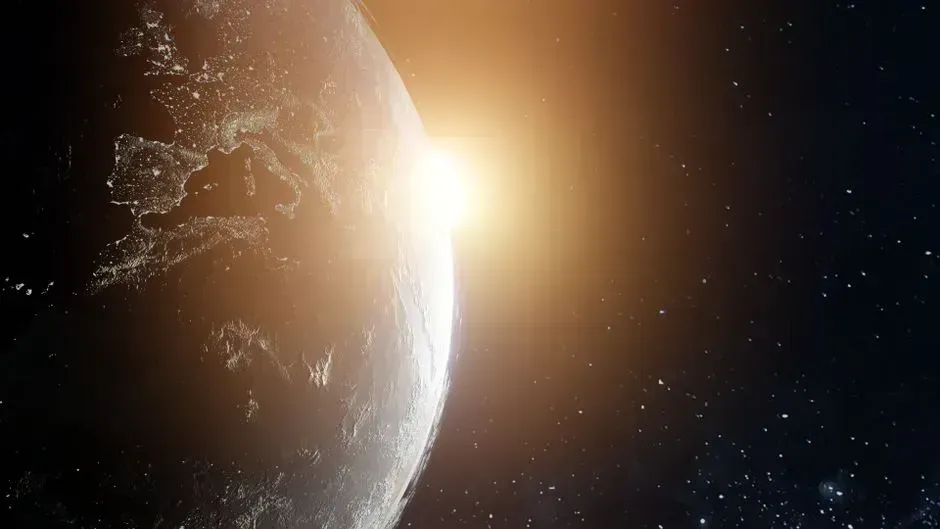
If the Sun vanished this instant, you’d keep seeing it for roughly eight more minutes. Nothing about that moment would reach Earth any faster than light itself. Gravity behaves the same way, since changes in gravity are also understood to travel at light speed.
So Earth would keep orbiting normally for those same eight minutes before anything changed. It’s a thought experiment, of course, because the Sun isn’t going anywhere for billions of years. Still, it shows that no information moves instantly across space.
The Light Took Far Longer to Escape the Sun
Here’s a twist. The eight minutes covers only the trip from the Sun’s surface to us. Energy made in the Sun’s core spends a very long time working its way outward, because photons are absorbed and re-emitted countless times in the dense interior.
Estimates of that journey vary widely, from tens of thousands to hundreds of thousands of years, and some models suggest even more. The sunlight warming you today began as core energy long before recorded history. Its final sprint through empty space is the quickest part of its trip.
Other Planets Get Different Delays
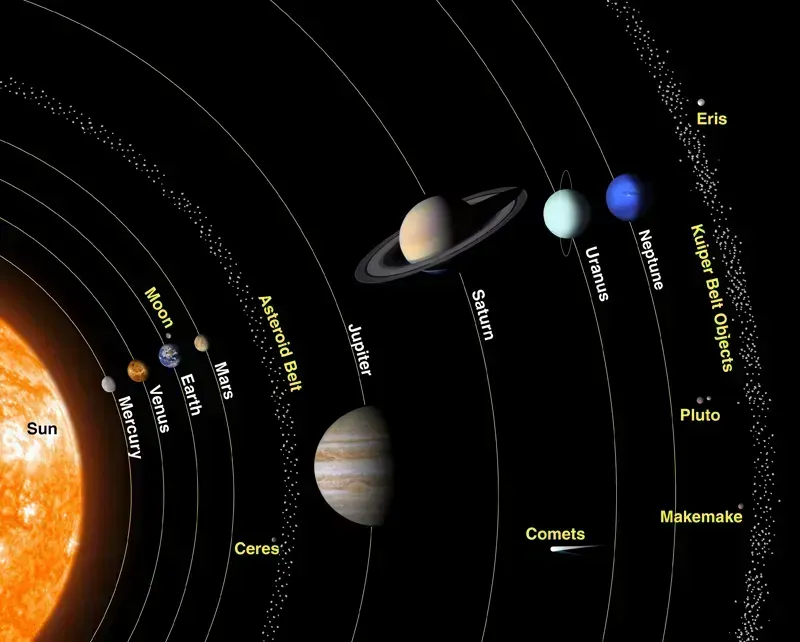
Light takes about three minutes to reach Mercury and a bit over six minutes to reach Venus. Mars sits around twelve to thirteen minutes away on average, depending on its position in orbit. Jupiter is roughly forty minutes out, and Neptune is more than four hours.
NASA relies on these delays in daily operations. Signals between Earth and Mars rovers can take anywhere from several minutes to over twenty, which is why rovers are given instructions in batches and act on their own in between.
Astronomers First Measured Light’s Speed Using the Solar System

In 1676, the Danish astronomer Ole Rømer noticed that eclipses of Jupiter’s moon Io ran early or late depending on Earth’s position in its orbit. He realized the difference came from light needing more time to cross a wider gap. That was the first solid evidence that light has a finite speed.
His estimate was off from today’s value, partly because the scale of the solar system wasn’t well known then. Even so, the idea held up. Later experiments on Earth refined the number into the precise figure we use now.
Everything You See Is a Little Out of Date
The delay isn’t unique to the Sun. The Moon appears as it was about a second and a quarter ago. The nearest star beyond the Sun, Proxima Centauri, shows us light that left a little over four years back.
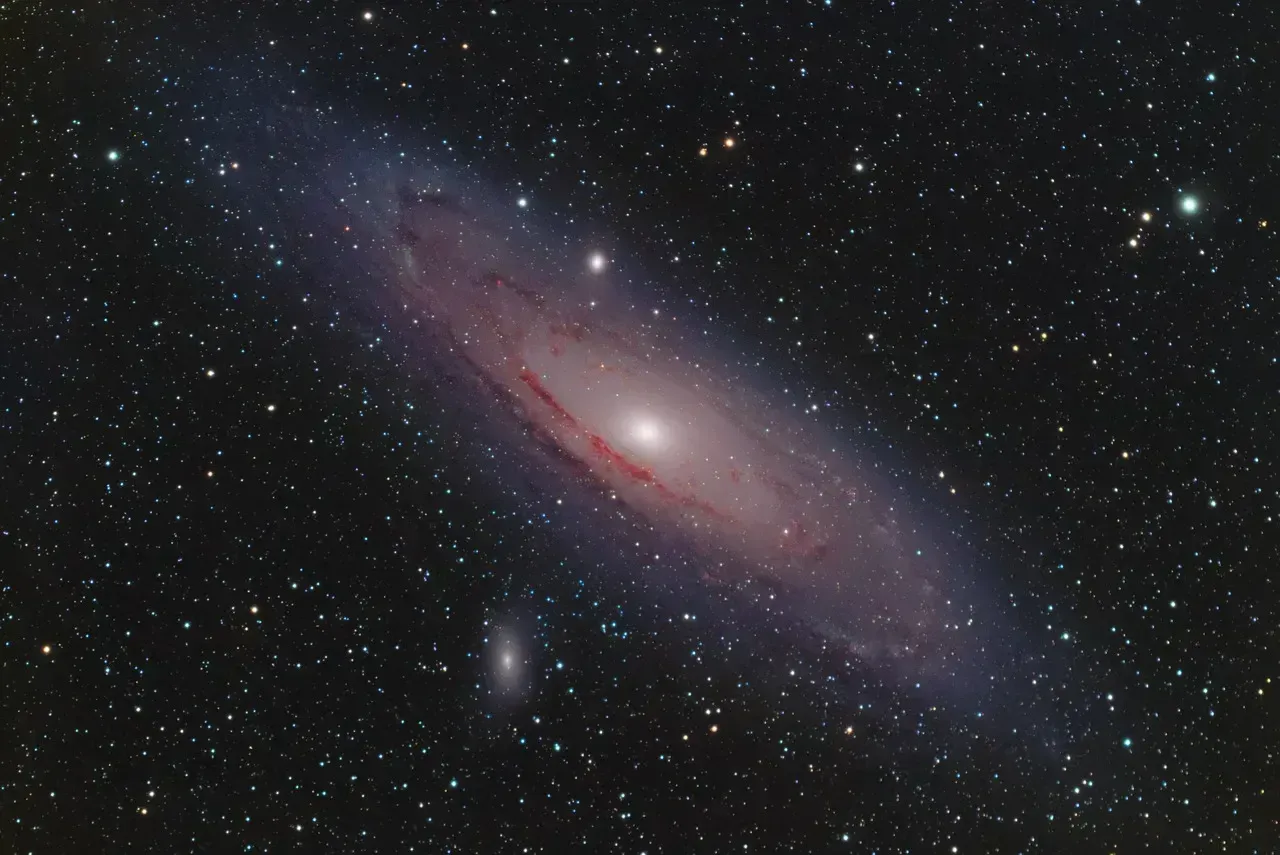
Look at the Andromeda galaxy and you’re seeing light roughly two and a half million years old. Astronomers use this fact on purpose, treating distant objects as a kind of time archive. The Sun is simply the closest example, and the easiest one to picture.
