
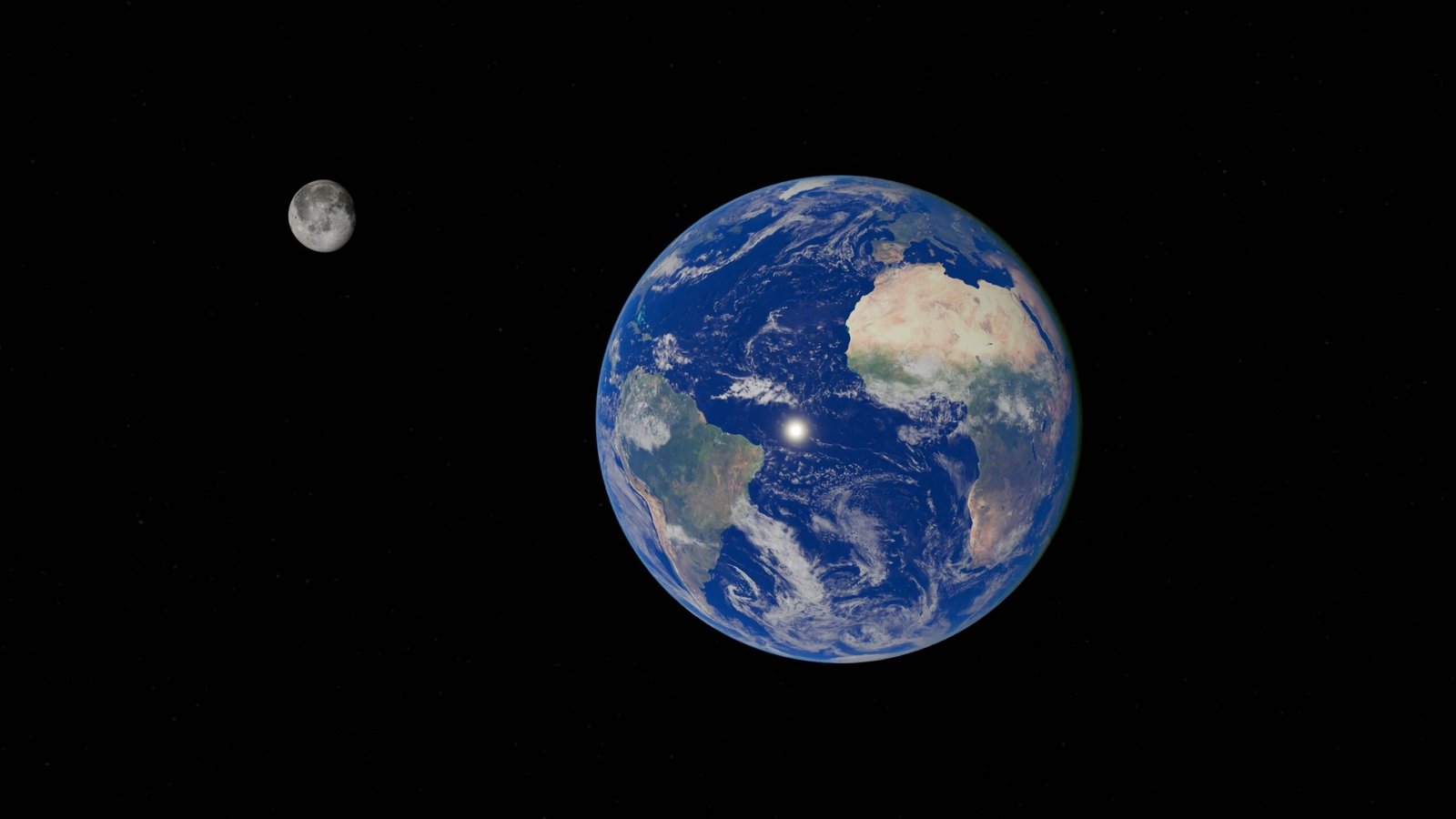
Earth has a new companion, though you won’t see it in the night sky. The small near-Earth object, called 2026 QQ8, entered orbit around our planet in late April. Nobody noticed for months.
The visit is already close to ending. Researchers expect 2026 QQ8 to escape Earth’s gravitational influence around late December or early 2027 and resume its orbit around the Sun. Here’s what is known so far.
A Tiny Rock Caught in Earth’s Grip
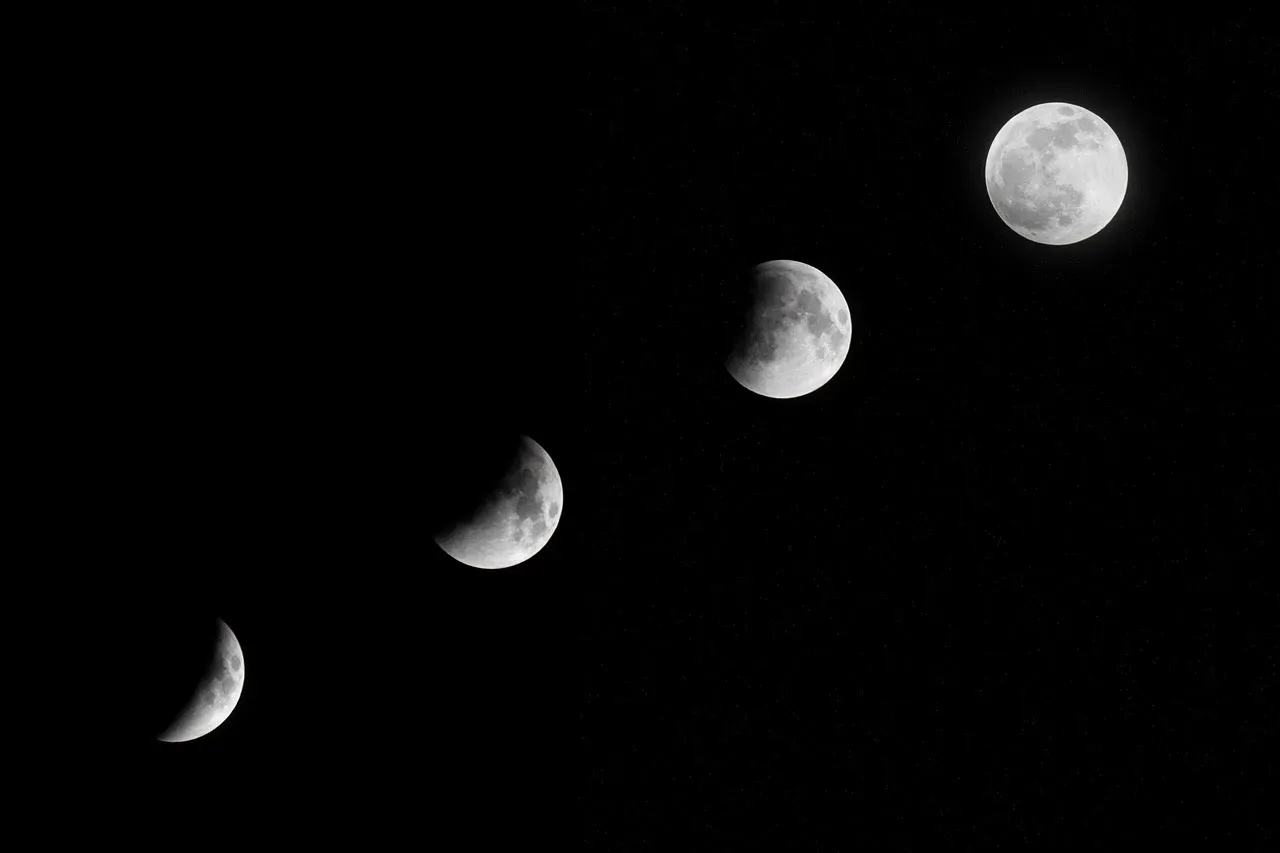
Our planet’s gravity pulled a small space rock into a temporary orbit. Astronomers call an object like this a mini-moon. It is a natural body that is genuinely bound to Earth for a limited time.
The capture happened quietly. For nearly four months, Earth had a second moon that nobody noticed, caught by our planet’s gravity in late April 2026. That’s a reminder of how much small material is moving around near us.
How Small Is “Mini”?

The name fits. 2026 QQ8 measures only about 3 feet (1 meter) across. That’s roughly the size of a washing machine, as one outlet put it.
For context, one report on research presented at the 2026 Europlanet Science Congress says the largest mini-moon present at any given moment is typically around 75 centimeters across. That would make this one a bit larger than the typical case. I’d treat that as a secondary report, though, since I haven’t seen the original research.
Who Spotted It, and When

Hungarian astronomer Krisztian Sarneczky first spotted 2026 QQ8 on August 20 while observing from the Piszkesteto Observatory in Hungary. Sarneczky has discovered hundreds of asteroids, so this wasn’t his first find.
At first, the object was mistaken for something else. It was first thought to be space junk before turning out to be a temporary companion to Earth. Astronomers later confirmed that no link to a known artificial object has been found.
Making It Official
Confirmation took a few more weeks of observation. Astronomers kept collecting data into October before the temporary capture was officially confirmed.
On October 29, the Minor Planet Center announced that orbital calculations showed the asteroid was “temporarily bound to the Earth.” The object was also very faint. At the time of discovery, it was far too dim to see without a telescope.
A Loopy, Distant Orbit
This isn’t a tidy circle like the Moon’s path. An animation by orbit modeler Tony Dunn shows the asteroid tracing a wide, uneven loop around Earth and the Moon before heading back into space.
It also stays far away. Reports give slightly different figures. One puts its closest approach at roughly 568,000 kilometers, while another says it comes no closer than about 353,000 miles. Those two numbers are about the same distance in different units, and both are well beyond the Moon’s orbit.
Mini-Moon or Quasi-Moon?
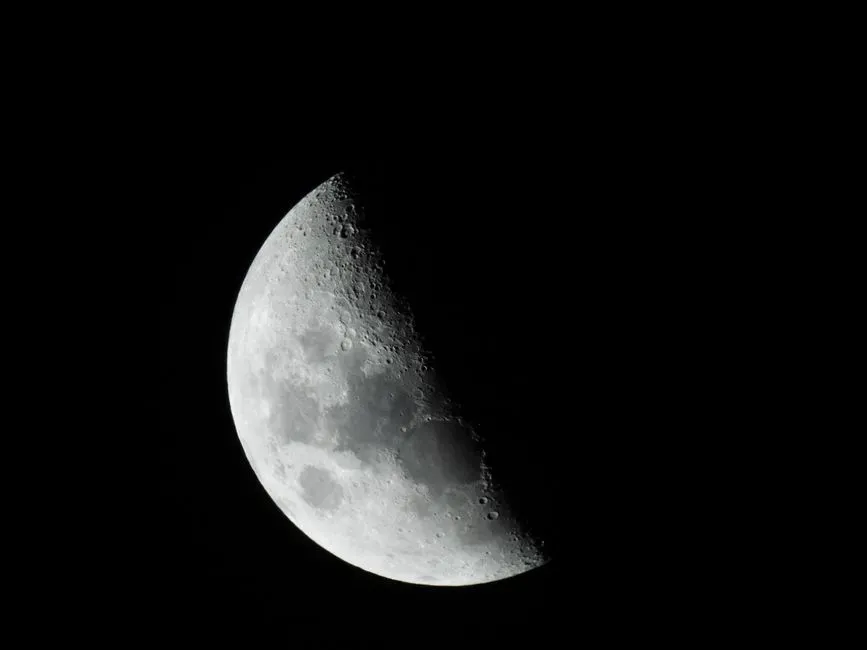
The terms get mixed up. Quasi-moons stay in orbit around the Sun while appearing to accompany Earth for a time. 2026 QQ8, by contrast, has actually been captured by Earth’s gravity.
Its path around the Sun helps explain the capture. It follows a solar orbit remarkably similar to Earth’s, which helps explain how it came close enough to be temporarily captured. It makes a relatively close approach to our planet roughly once every 10 years.
Why It Won’t Stay
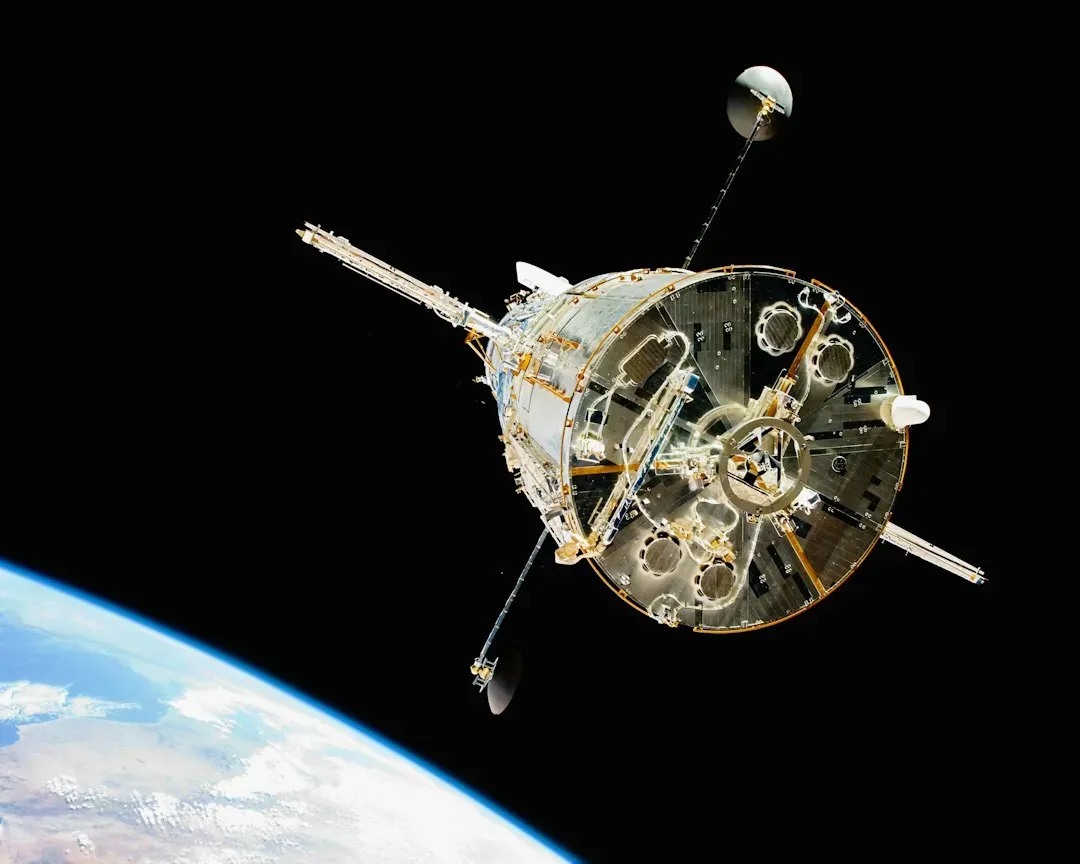
Temporary satellites don’t last. Unlike Earth’s permanent moon, which has orbited the planet for billions of years, temporary satellites like 2026 QQ8 remain in orbit for only a matter of months.
It is projected to break free as early as December 2026, though some orbital models suggest it could stay until early 2027. The uncertainty is normal for such a small object, because tiny orbital differences add up over time. After it leaves, it goes back to its journey around the Sun.
Is It a Threat?
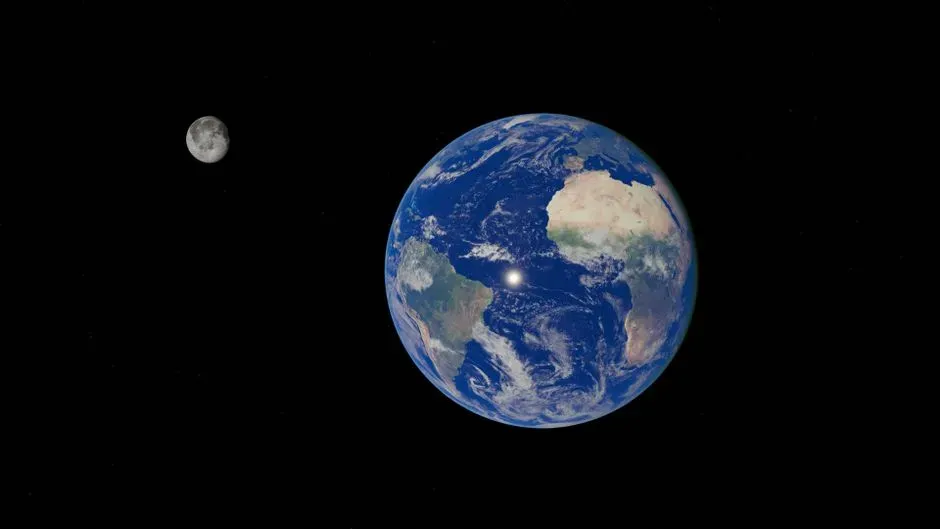
No. There is no risk of collision, and the object is so tiny that it would be obliterated by its descent through Earth’s atmosphere.
It’s also not the first visitor. 2020 CD3 was spotted in Earth’s orbit in February 2020, and 2006 RH120 was captured in June 2006 and stayed until around September 2007. More recently, asteroid 2024 PT5 was expected to spend about two months orbiting the planet.
What This Visit Tells Us
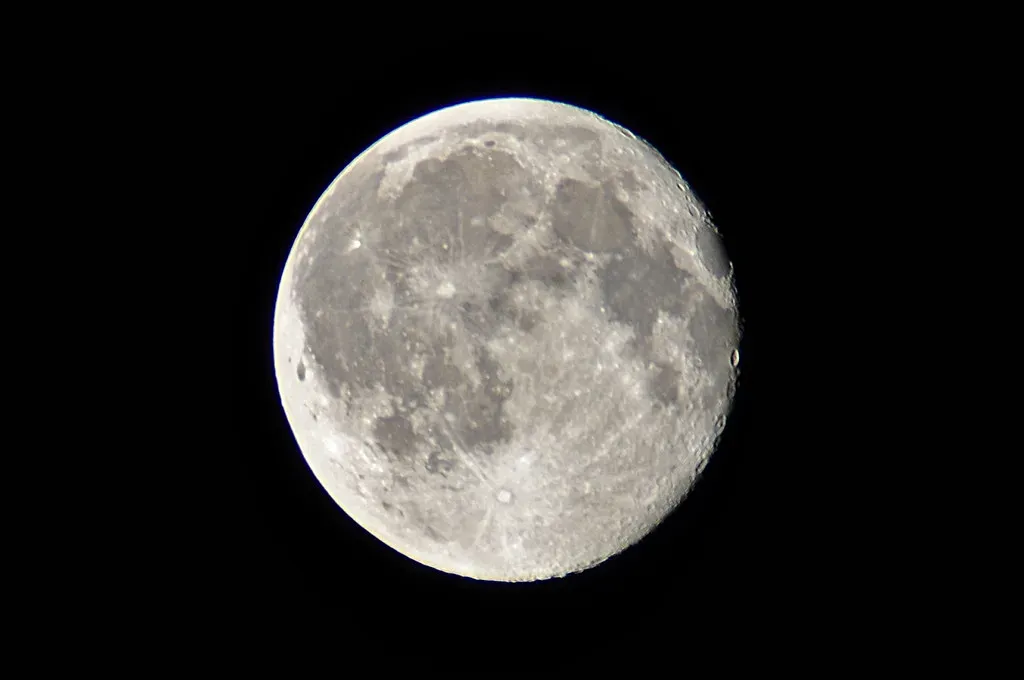
Mini-moons are rare enough to be exciting, but they aren’t unheard of. 2026 QQ8 is the latest in a short list of confirmed cases. It was found only because astronomers kept scanning the sky for faint, fast-moving dots.
It’s a small object on a short stay, and it will soon be gone. Still, it shows that Earth’s gravitational neighborhood is always changing.

- Time Moving Measurably Slower Near Orbit – 5 Relativistic Quirks Astronauts Face - November 13, 2026
- 6 Things Scientists Monitor in Space That Most People Never Think About - November 13, 2026
- I Asked AI and a Waste Auditor How to Cut My Household Trash – Where They Disagreed - November 12, 2026
