
Watch enough footage from the International Space Station and you’ll start noticing strange routines. Crew members tuck themselves into wall mounted sleeping bags, pour liquids into pouches, and spend hours strapped to treadmills. None of it is for show.
Living in microgravity changes how bodies, air, water, and even crumbs behave. Many of the habits below look quirky from the ground, yet each one answers a specific physical or engineering problem that spaceflight has taught people to manage.
Exercising for About Two Hours Every Day
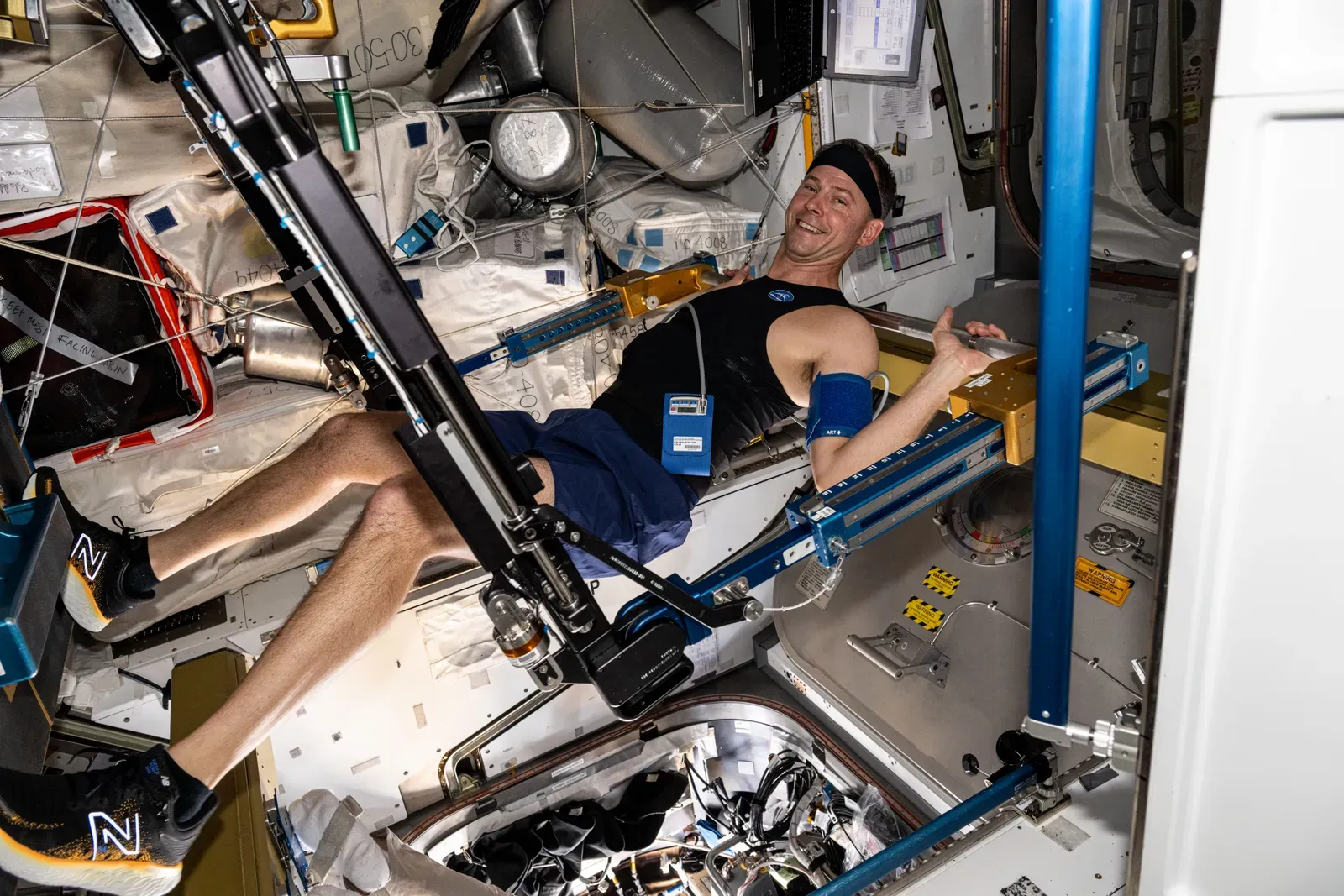
Astronauts on long missions follow a daily workout schedule that would exhaust most gym regulars. Without gravity pulling on the skeleton and muscles, bones lose mineral density and muscles shrink. NASA’s research has long shown that bone loss in weight bearing areas like the hips and spine can be significant over a six month stay.
To fight this, crews use a resistance machine called ARED, a treadmill, and a stationary bike on the station. They work out roughly two hours on most days, and the routine is treated as part of the job rather than free time. Staying strong also matters for the return, since a body that has weakened badly struggles with gravity after landing.
Sleeping Strapped to a Wall
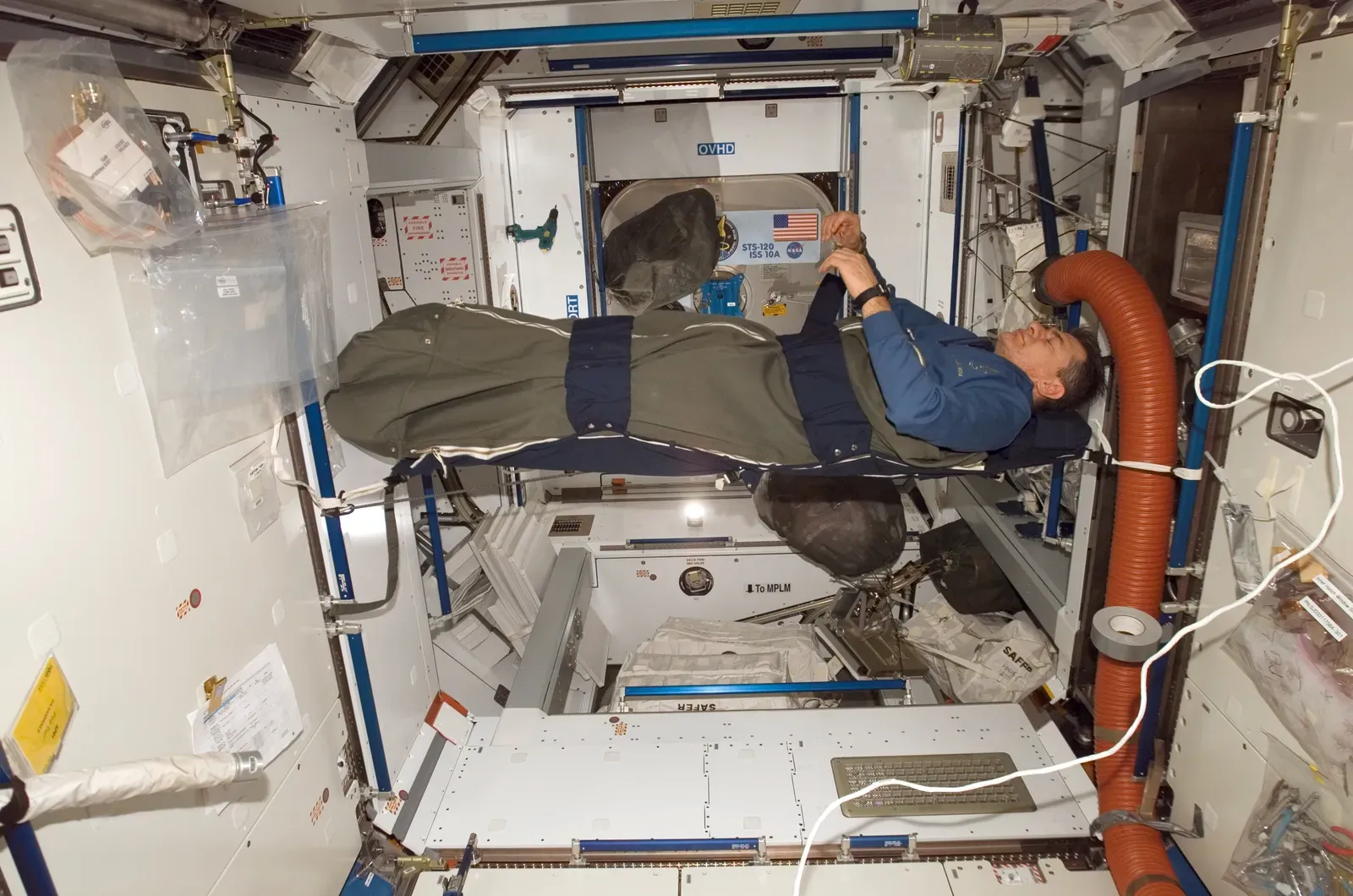
On Earth, a bed holds you down. In orbit, nothing does, so a sleeping astronaut would drift around the module and bump into equipment. Crew members zip themselves into sleeping bags fixed to a wall, ceiling, or inside a small private cabin.
The setup also keeps them out of harm’s way. Floating into a vent could leave a sleeper breathing stale air, which is why anchoring matters beyond comfort. Many crew members also use eye masks and earplugs, because the station is noisy and the sun rises about sixteen times every day.
Drinking Recycled Urine and Sweat
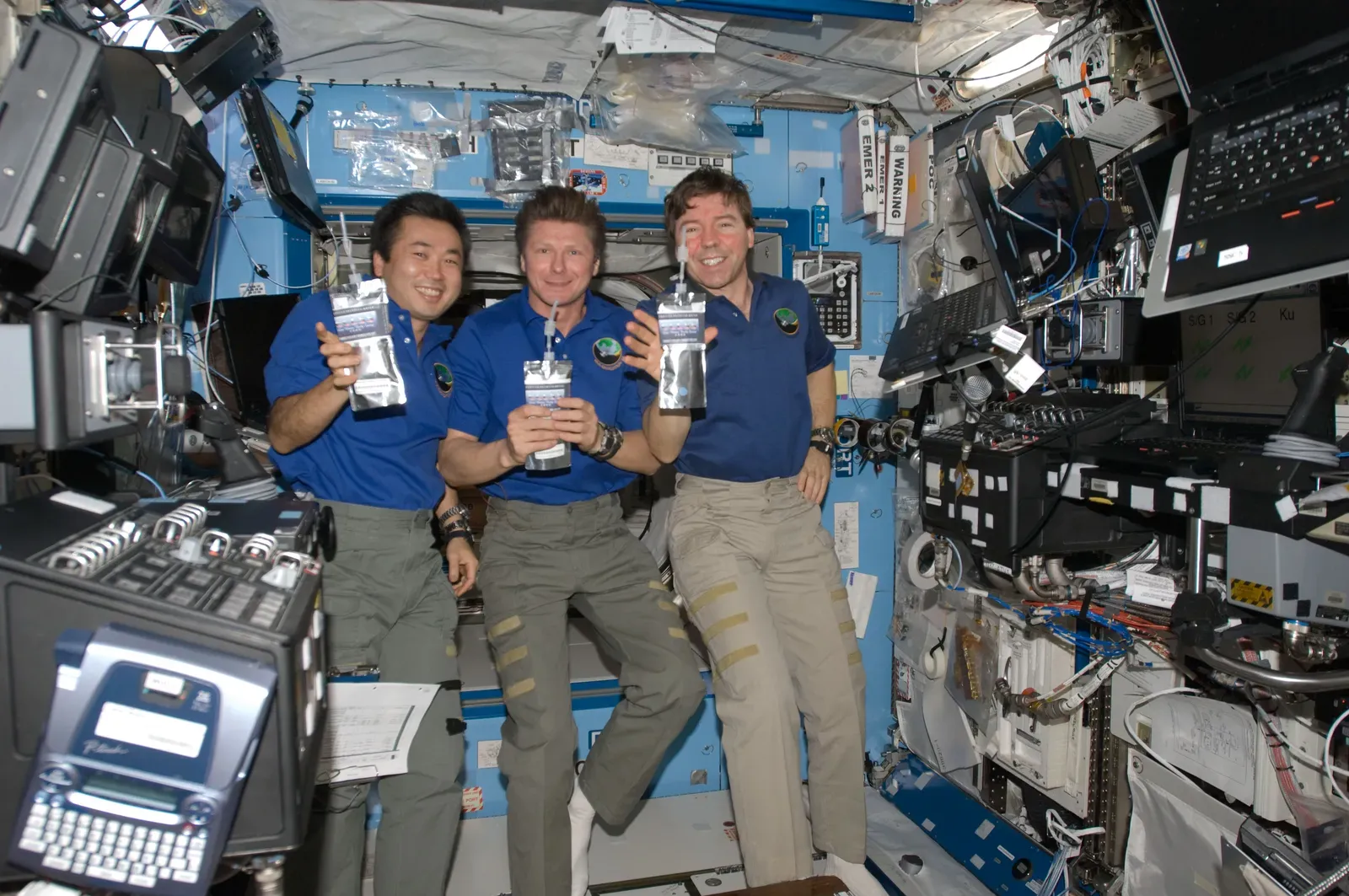
It sounds unappealing, but it’s one of the smartest systems aboard. Shipping water to orbit is extremely expensive, so the station reclaims moisture from cabin air, sweat, and urine. NASA announced in 2023 that its Environmental Control and Life Support System reached a water recovery rate of about ninety eight percent.
The recovered water is processed and tested before anyone drinks it. Astronauts have often said the coffee tastes fine. For future missions to the Moon and Mars, where resupply will be far harder, this habit is a basic requirement for survival.
Choosing Tortillas Over Bread
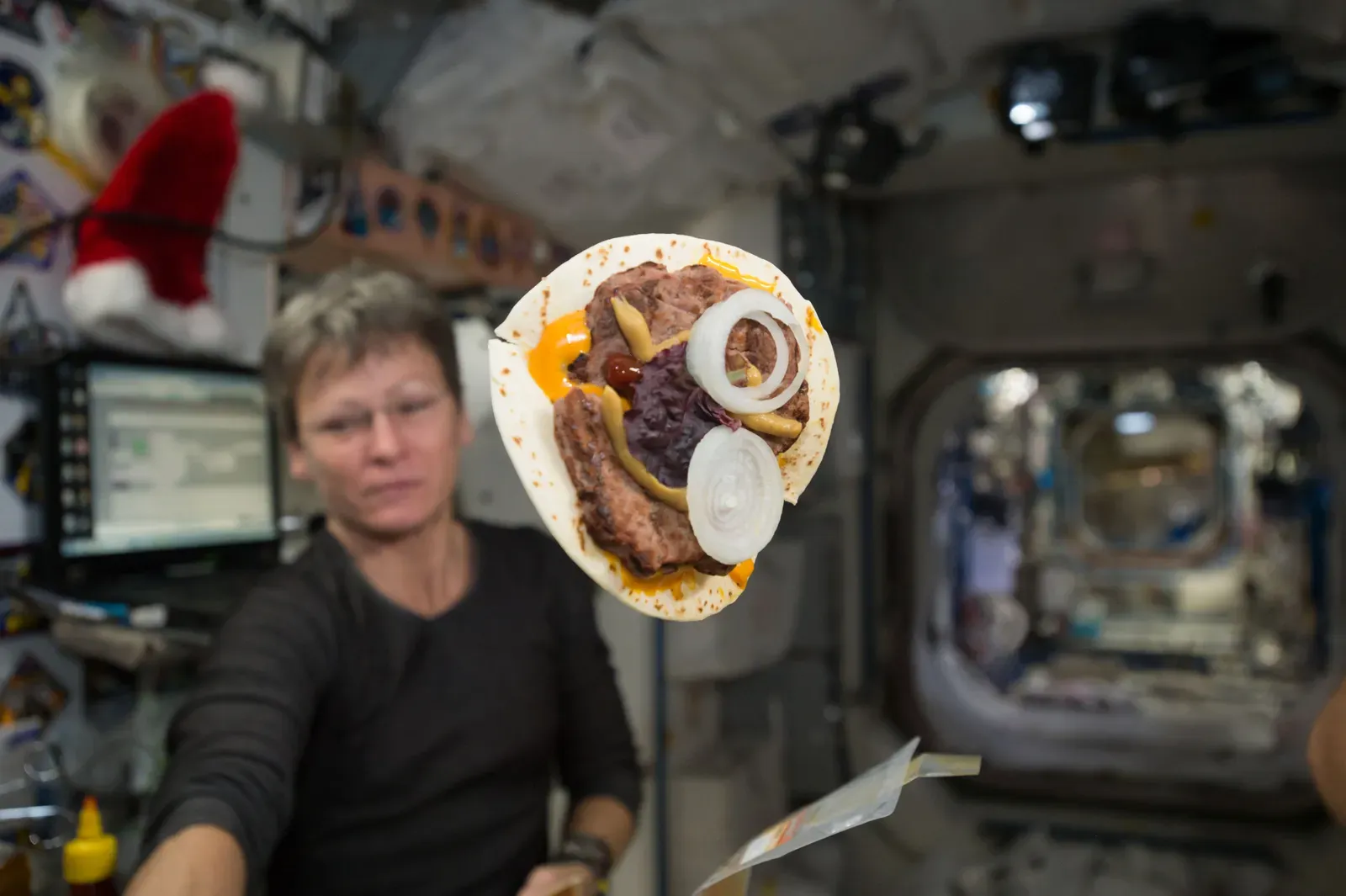
Bread crumbs seem harmless until they float. In microgravity, loose particles drift into air vents, electronics, and eyes, and they can clog filters or irritate lungs. NASA has noted that tortillas became a space staple partly because they produce far fewer crumbs.
The same reasoning explains why salt and pepper are served as liquid suspensions rather than loose grains. Food on the station is packaged so that nothing escapes easily. It’s a small habit, but a crumb in the wrong place can become a maintenance headache.
Breathing Pure Oxygen Before a Spacewalk
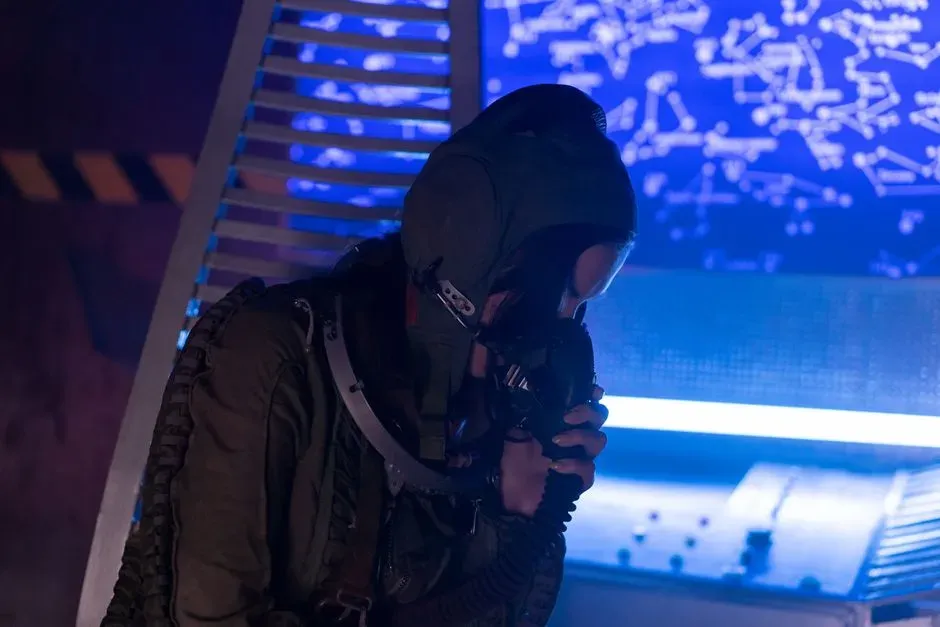
Before heading outside, astronauts spend time breathing oxygen to flush nitrogen out of their blood. The reason is pressure. The station cabin sits near sea level pressure, while spacesuits run at a much lower pressure, and the sudden change could cause decompression sickness, the same condition divers call the bends.
This prebreathe process can take hours, depending on the protocol used. Crews sometimes combine it with light exercise to speed things up. It looks like sitting around in a mask, yet skipping it could be dangerous.
Keeping the Fans Running at All Times
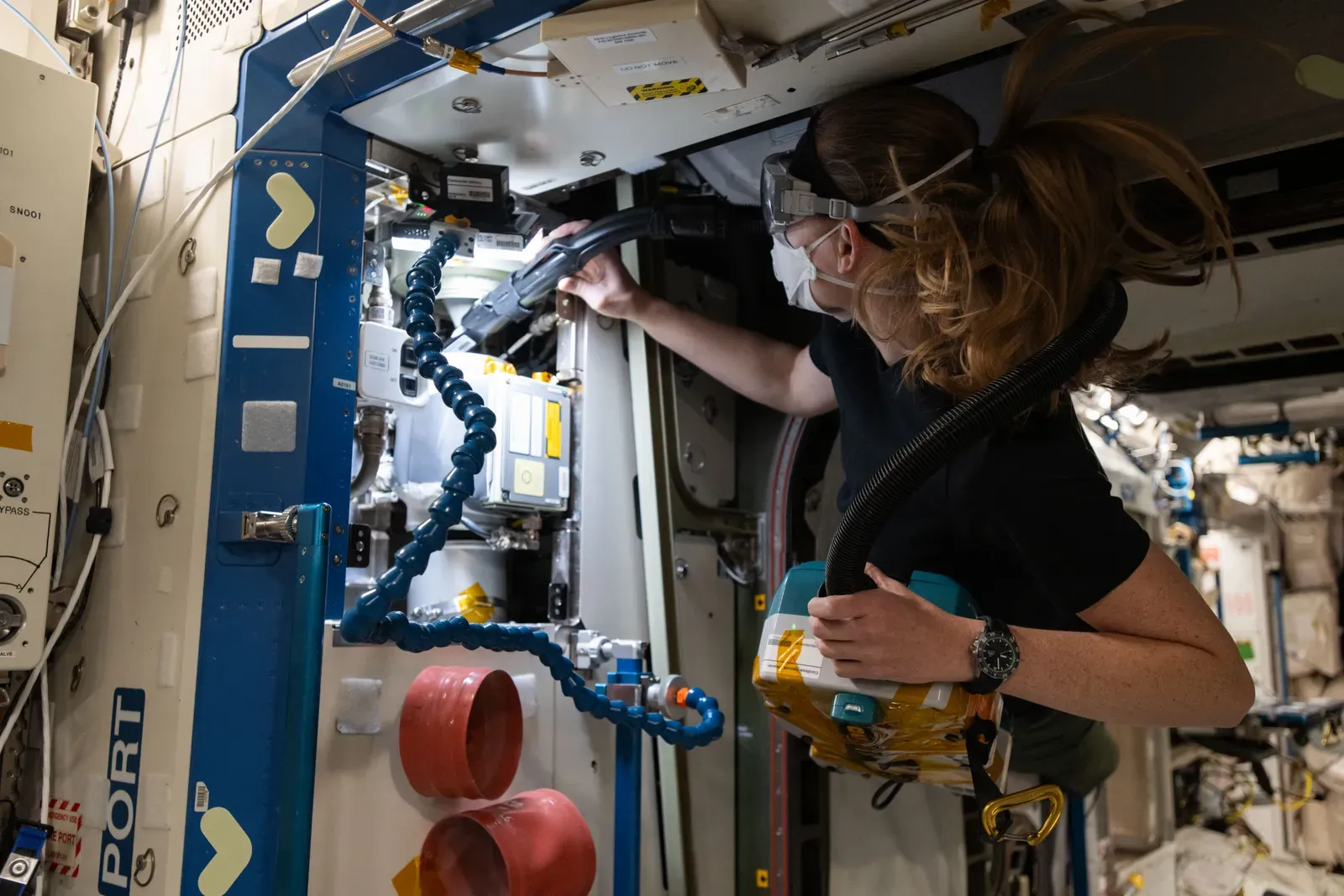
On Earth, warm air rises and carries exhaled carbon dioxide away from your face. In microgravity, that natural convection doesn’t happen. A sleeping or working astronaut could end up inside a bubble of their own exhaled breath, which can cause headaches and, in worse cases, serious trouble.
That’s why the station’s ventilation never stops, and why crew members are careful about blocking airflow. NASA monitors carbon dioxide levels aboard the ISS, and levels there are notably higher than typical outdoor air on the ground. Fans are less a comfort feature and more a lifeline.
Wearing Radiation Dosimeters
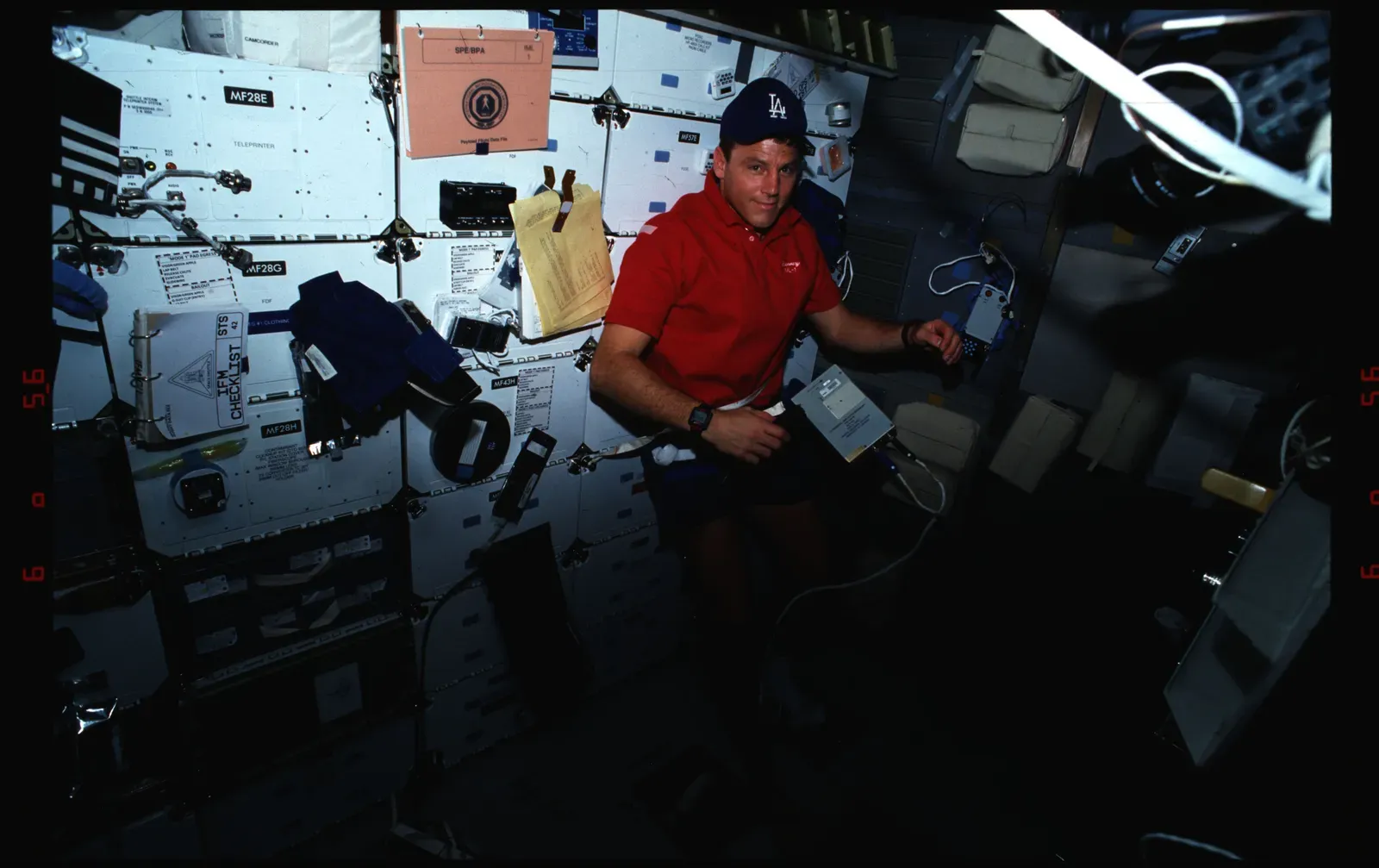
Beyond the protection of Earth’s atmosphere, radiation exposure rises. Astronauts on the ISS still sit within part of Earth’s magnetic shield, yet they receive far more radiation than people on the ground. Each crew member carries personal dosimeters, and instruments around the station record exposure over time.
Agencies track these doses against career limits to manage long term cancer risk. Radiation is considered one of the major hazards for future deep space travel. Wearing a small badge may seem trivial, but the data guides how missions are planned.
Swallowing Toothpaste and Skipping the Shower
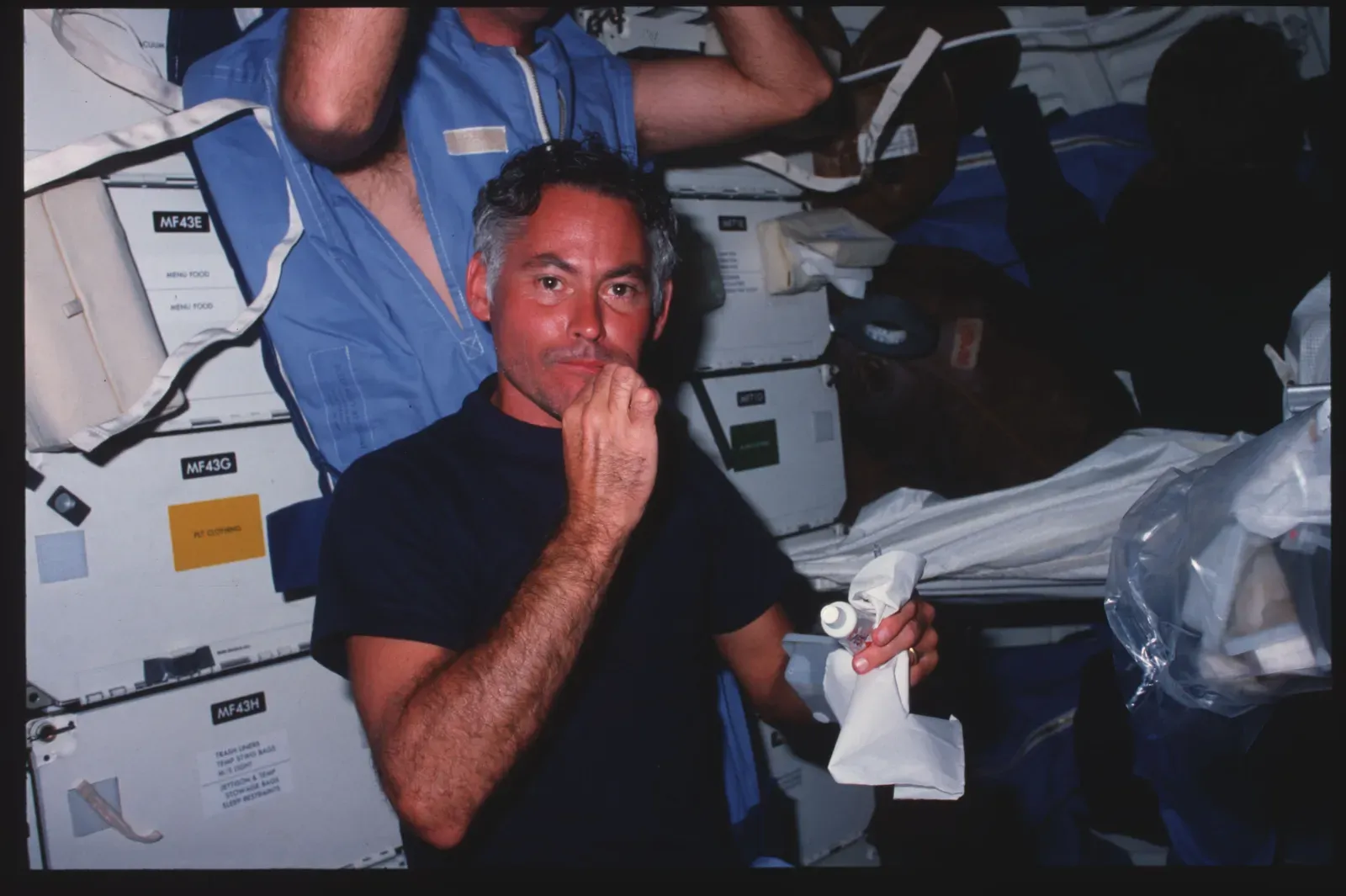
There’s no sink with running water on the station. Astronauts brush their teeth with a small amount of toothpaste and then either swallow it or spit it into a towel. Edible toothpaste exists, though preferences vary from person to person.
Bathing works differently too, since water forms floating blobs that could damage equipment. Crews use rinseless shampoo, wet wipes, and damp towels instead. Keeping clean this way prevents skin problems and keeps free floating liquid out of the electronics.
Scanning Their Own Eyes and Bodies
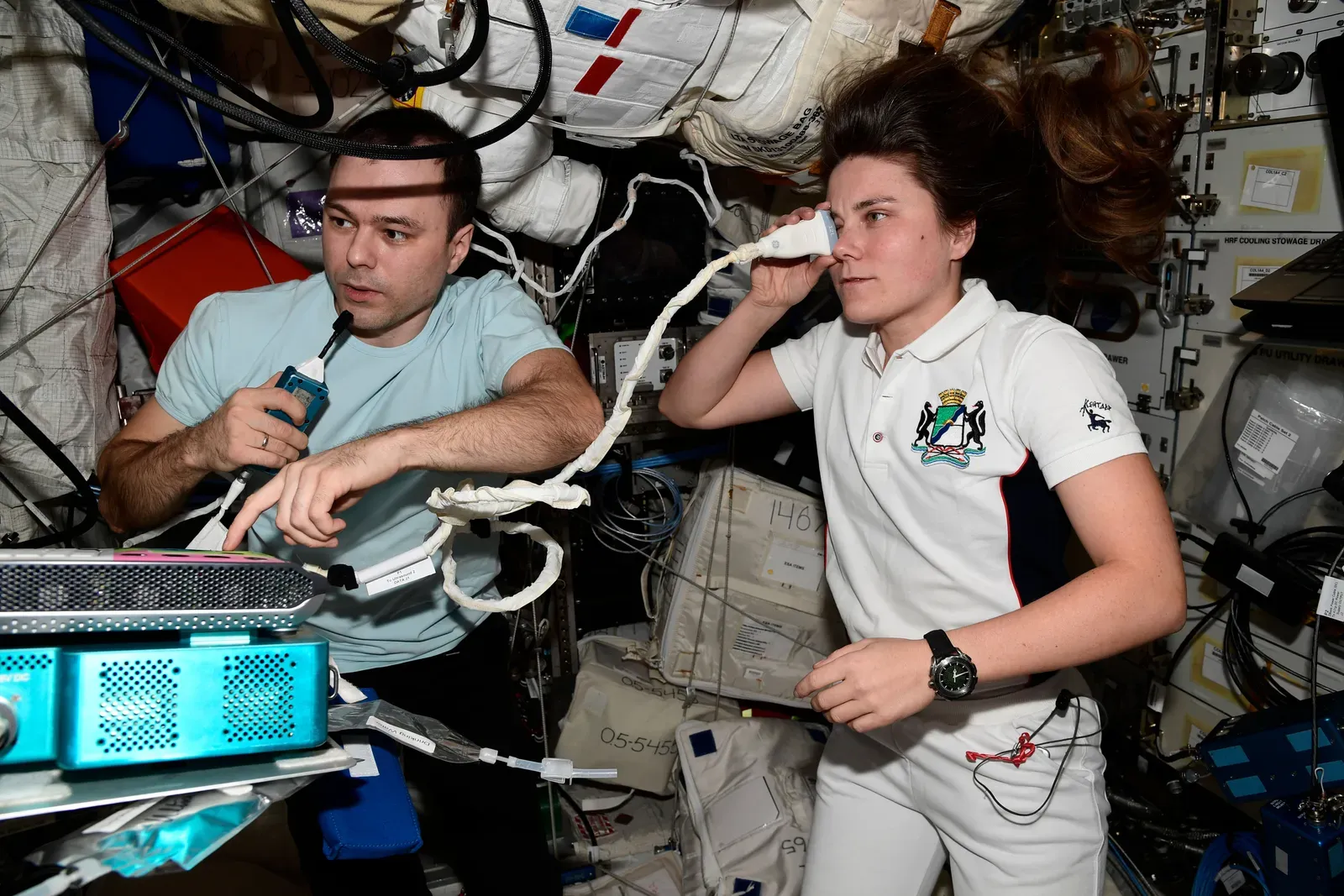
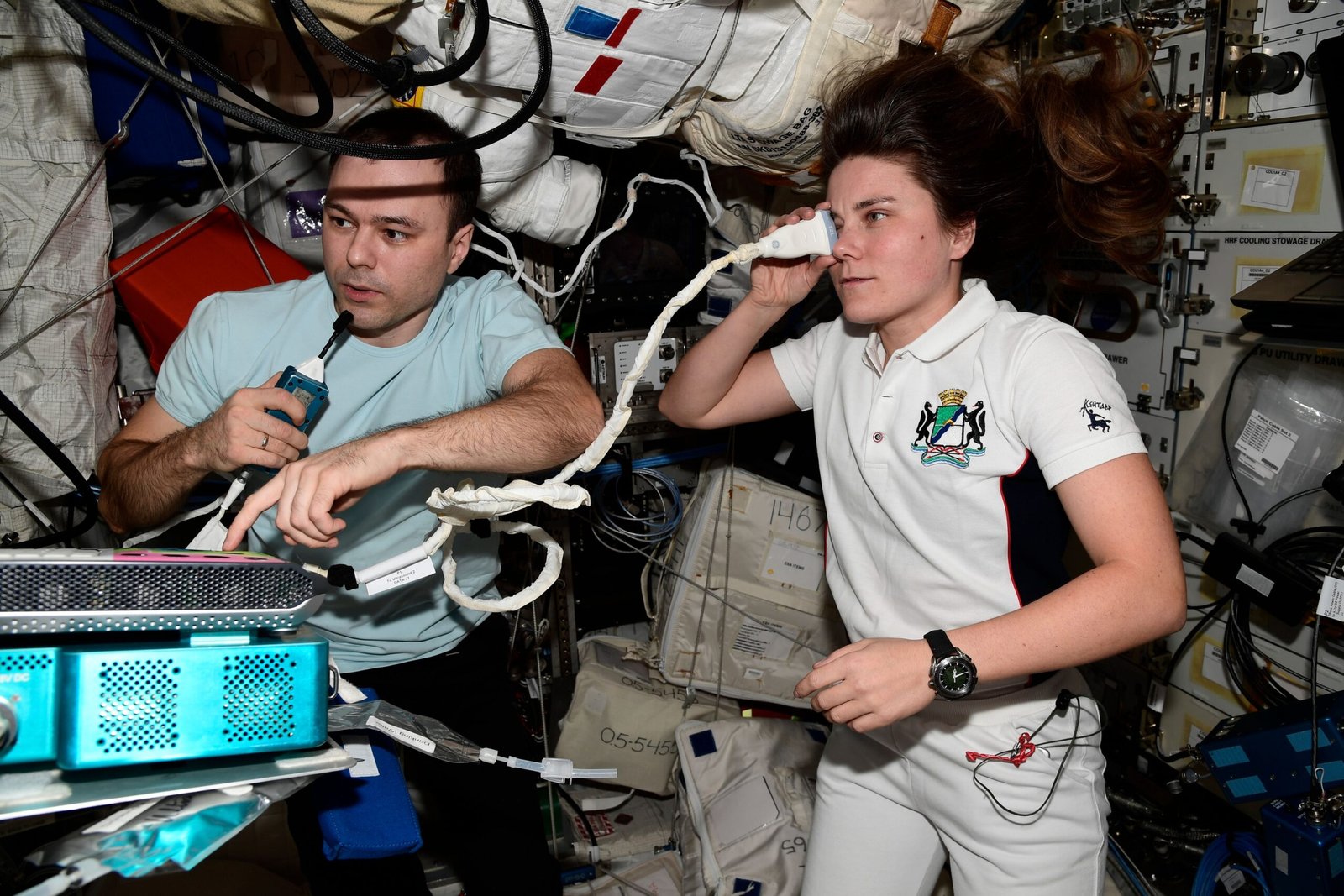
Astronauts often act as both researcher and test subject. Fluids shift toward the head in microgravity, and some long duration crew members develop changes in vision and the shape of the eye, known as spaceflight associated neuro ocular syndrome. To track this, they take eye scans, ultrasound images, and blood samples throughout their stay.
Ultrasound on the station is sometimes done by crew members with guidance from doctors on the ground. These routine checks can look like a lot of paperwork and poking. They allow flight surgeons to catch problems early and build the medical knowledge needed for longer missions.
Rehearsing Emergencies Again and Again
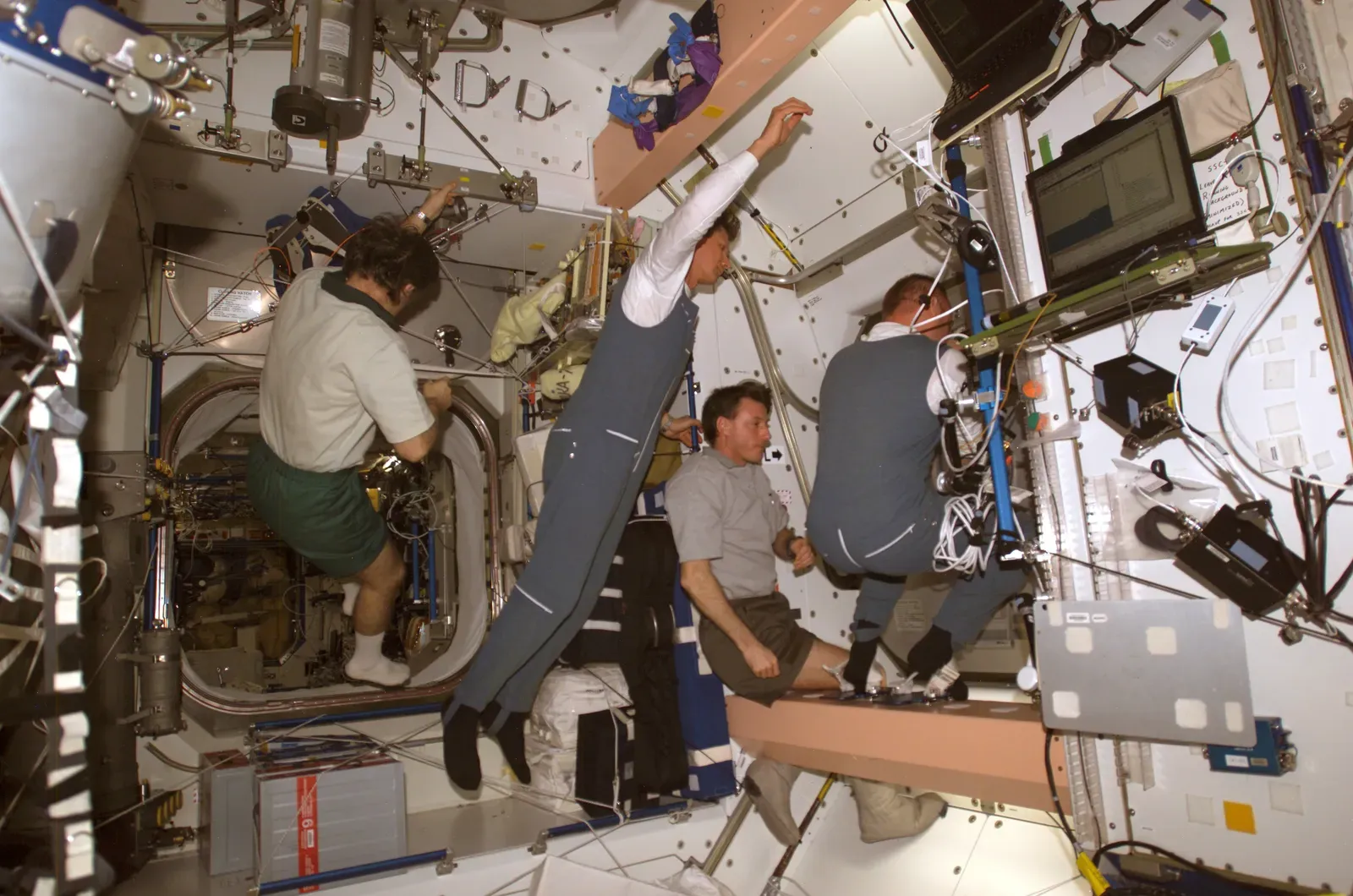
Station crews regularly practice drills for fire, rapid depressurization, and toxic atmosphere events. These exercises involve donning masks, sealing hatches, and knowing exactly which escape vehicle to board. The repetition may seem excessive for people who’ve already trained for years.
Still, help is not minutes away. A crew in orbit has to react on its own, at least at first, and muscle memory saves precious seconds. The habit of rehearsing the worst case is one reason spaceflight has stayed as safe as it has.

- Crows Remembering Human Faces for Decades – 6 Bird Behaviors Far Smarter Than We Knew - November 15, 2026
- 8 Things Astronauts Do on Their First Day in Orbit That Rookies Find Strange - November 15, 2026
- 11 Everyday Routines That Are Completely Normal on the Space Station but Baffle Everyone on Earth - November 15, 2026
