


- Atlantic Hurricane Activity Has Often Rebounded After Strong El Niño Years, Records Show - November 15, 2026
- The Planet Where It Rains Liquid Glass – 7 Alien Worlds Defying Known Physics - November 14, 2026
- Stars Consuming Entire Worlds – 6 Planetary Systems Swallowing Their Own Worlds - November 14, 2026
Hurricane Melissa came ashore on October 28, 2025. It was a Category 5 storm, the strongest and most destructive to make landfall in Jamaica’s history. A year later, the island is open for tourists and most essential services are working again. Even so, the damage is still plain to see in the western parishes.
This article looks at where recovery stands today. It uses figures from the World Bank, the Red Cross, insurers and news reports. Some numbers are still being updated, and some questions, such as how much aid has reached households, don’t have complete answers yet.
The Storm That Changed the Island
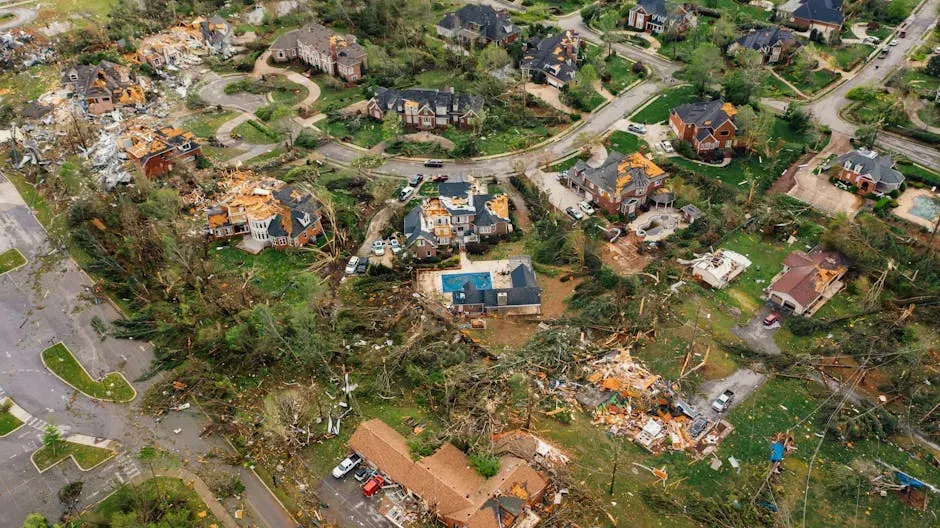
Melissa hit near New Hope in Westmoreland Parish with 185 mph sustained winds and a central pressure of 892 mb. Five months after landfall, NOAA raised its estimate of the storm’s over-water winds to 190 mph, which tied it for the strongest Atlantic hurricane ever measured. The storm’s name has since been retired. The World Meteorological Organization removed Melissa from the rotating name list in March 2026.
Rainfall reached 15 to 30 inches, and storm surges ran roughly 9 to 13 feet. Kingston was spared the worst, but western parts of the island suffered total devastation. At least 45 people died in Jamaica.
A Price Tag Larger Than First Thought
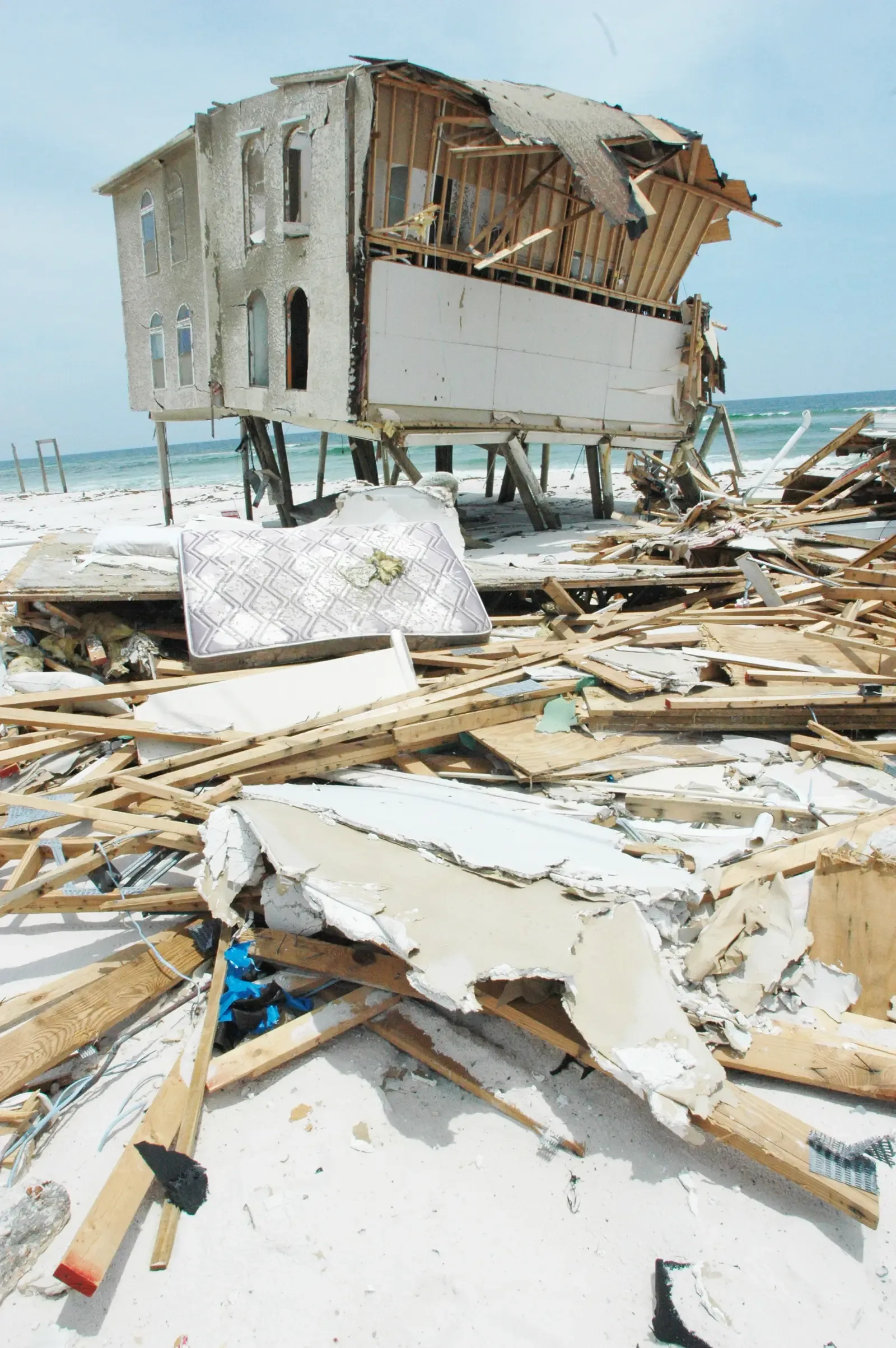
The first big estimate came weeks after the storm. The World Bank and the IDB put physical damage at US$8.8 billion, equal to 41% of Jamaica’s 2024 GDP. That figure covered buildings, infrastructure and farming only. Broader economic losses were expected to be even more significant.
The later figure is higher. The World Bank now puts damages and losses at $12.2 billion, or 56.7 percent of 2024 GDP. To put that in plain terms, the storm cost the country well over half a year’s economic output.
The Western Parishes Took the Hardest Hit
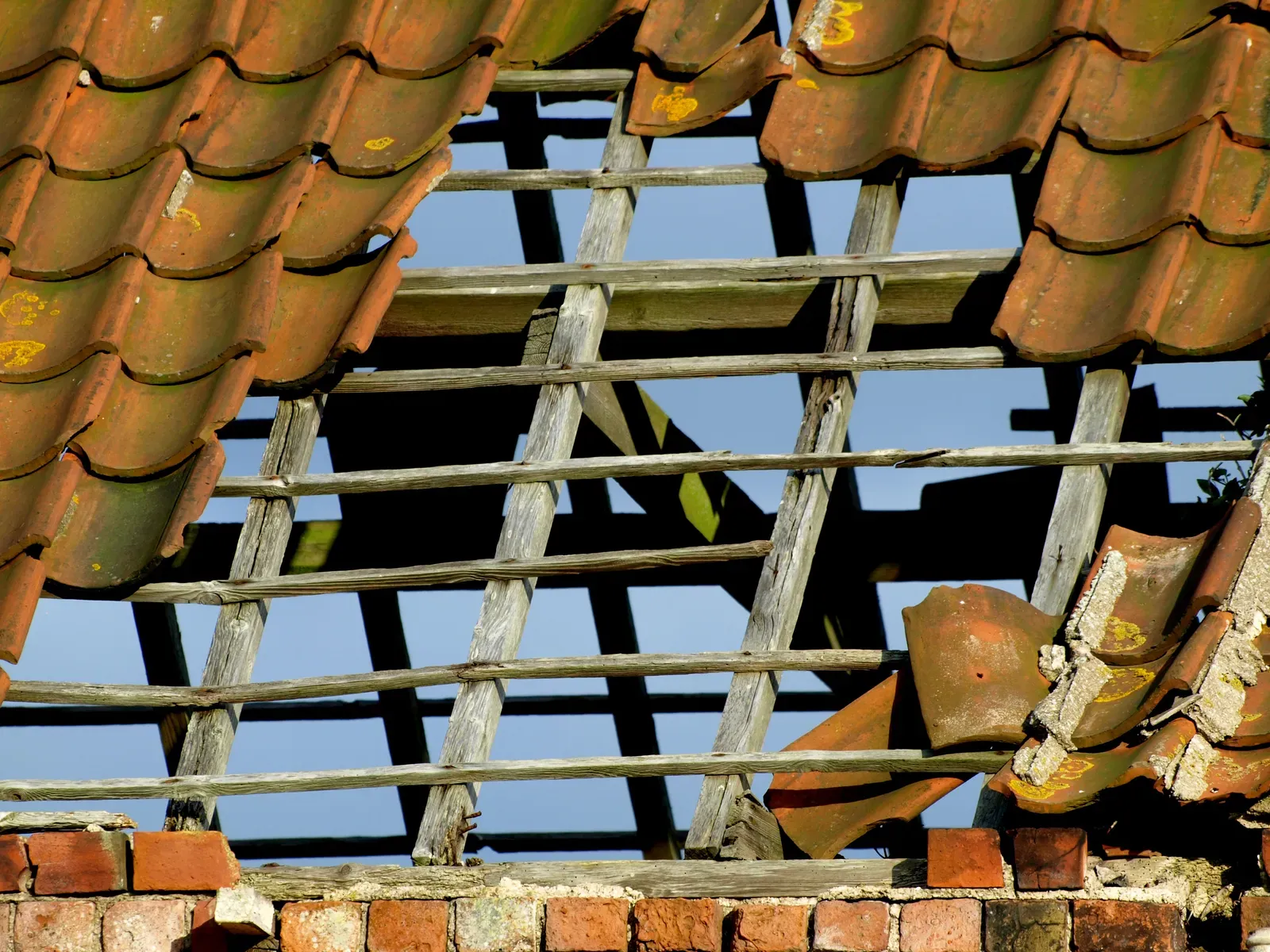
The damage was not spread evenly. The World Bank’s country director said St. Elizabeth, St. James and Westmoreland suffered US$5.5 billion, or 63% of total damage. Those are the parishes where recovery feels slowest.
Homes took the biggest share. Of the assessed damage, 41% was to residential buildings, 33% to infrastructure, 21% to non-residential buildings and 5% to agriculture. Roughly 120,000 buildings lost their roofs, including homes, schools and public facilities.
Families Still Waiting for a Permanent Home
Essential services are mostly back, but housing is a different story. The Red Cross says thousands of families remain displaced, living with relatives, in transition shelters or in partially damaged homes. In coastal and rural areas, people lost crops, fishing assets and small businesses.
One example comes from Savanna-la-Mar. Marine Beale’s café was demolished, the storm took her house, and she now lives in a transition home. Her story is only one case, but it shows how losing a home and an income can happen together.
Schools Still Operating in Tents
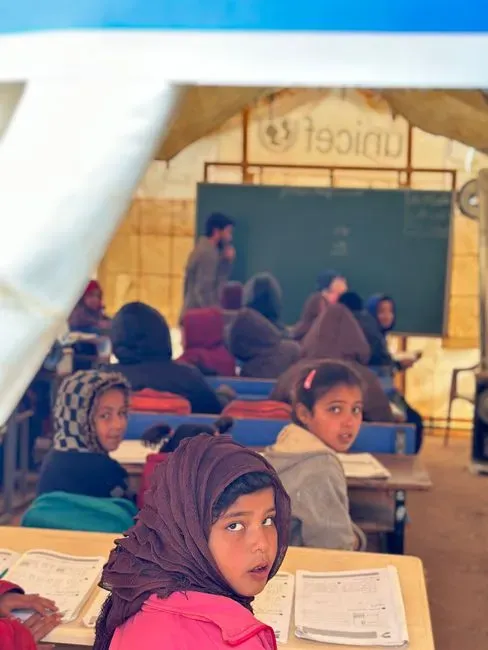
Education is one of the places where the slow pace shows most. A local newspaper said a government report noted that 80 public schools were still teaching “in tents and on rotation.” That suggests classroom repairs are far from finished.
Mental health support has also been part of the response. Health workers and community partners across Jamaica were trained in Psychological First Aid after the storm. A PAHO account from nearly a year on describes a health worker who hears people talk about hope as they pick up the pieces.
Tourism Returns Unevenly
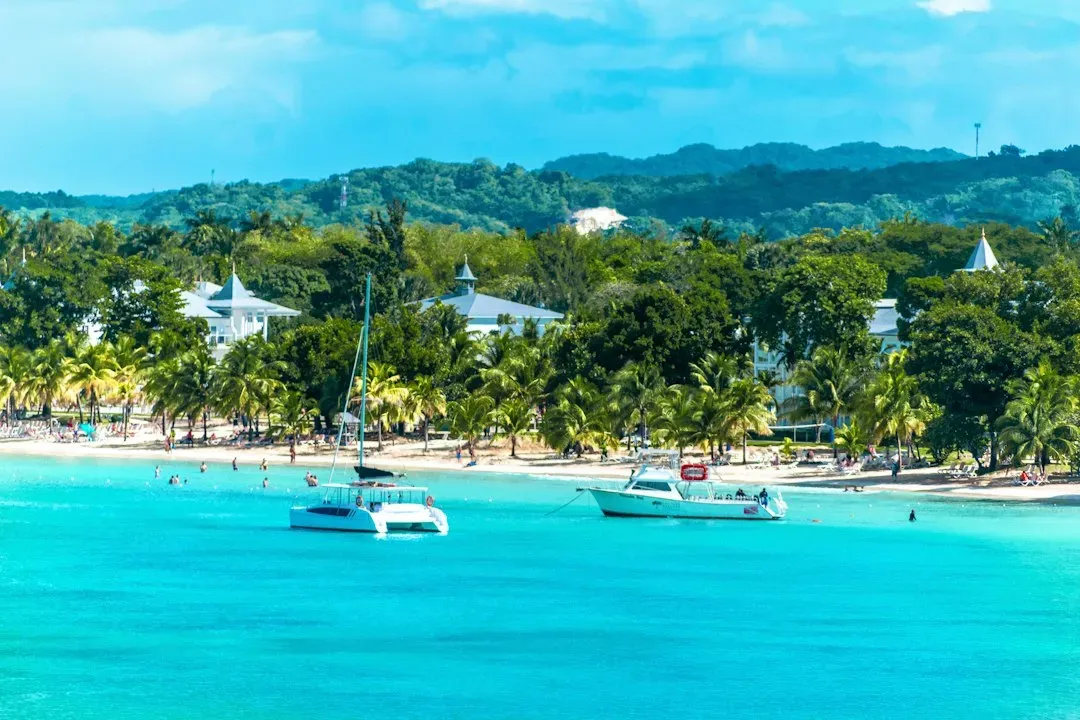
Tourism matters a great deal to Jamaica, and the picture is mixed. Jamaica reported in September that about 70% of the affected tourism room stock had recovered, with more than 11,000 more rooms expected between 2026 and 2027. Those numbers come from a promotional release, so they reflect how the industry presents its progress.
Other reports are more cautious. Peak tourism season is beginning, but the economy is still struggling to recover. The Associated Press says 20 hotels remain closed.
An Economy Still in Contraction

The World Bank’s numbers show the strain. Real GDP fell by an average of 4.7 percent year on year between Q4 2025 and Q2 2026. The economy is projected to contract by 0.8 percent in 2026, with El Niño-related drought and heat stress adding to the damage.
Some financial protection did kick in. Jamaica’s CCRIF payouts totalled $91.9 million, and it received a full payout of its $150 million parametric catastrophe bond. Those payments helped, though they cover only a small part of the overall losses.
Insurance Delays and Unspent Donations

Insurance has been a sore point. The AP reports that 61 percent of claimants haven’t received full settlements, and private insured losses could reach $4.2 billion. Insurers blame a complex process and a shortage of loss adjusters in Jamaica.
Questions have also been raised about donated money. The Rio Times reported that only $26.2 million of $1.4 billion in cash donations, 1.8 percent, had been spent by April 2026. More than 100,000 people were identified as eligible for support as of September, but it’s unclear how many have received help or finished repairs. Those figures come from secondhand reporting, so they’re best read as a sign of the questions being asked.
Aid Groups Settle In for the Long Haul
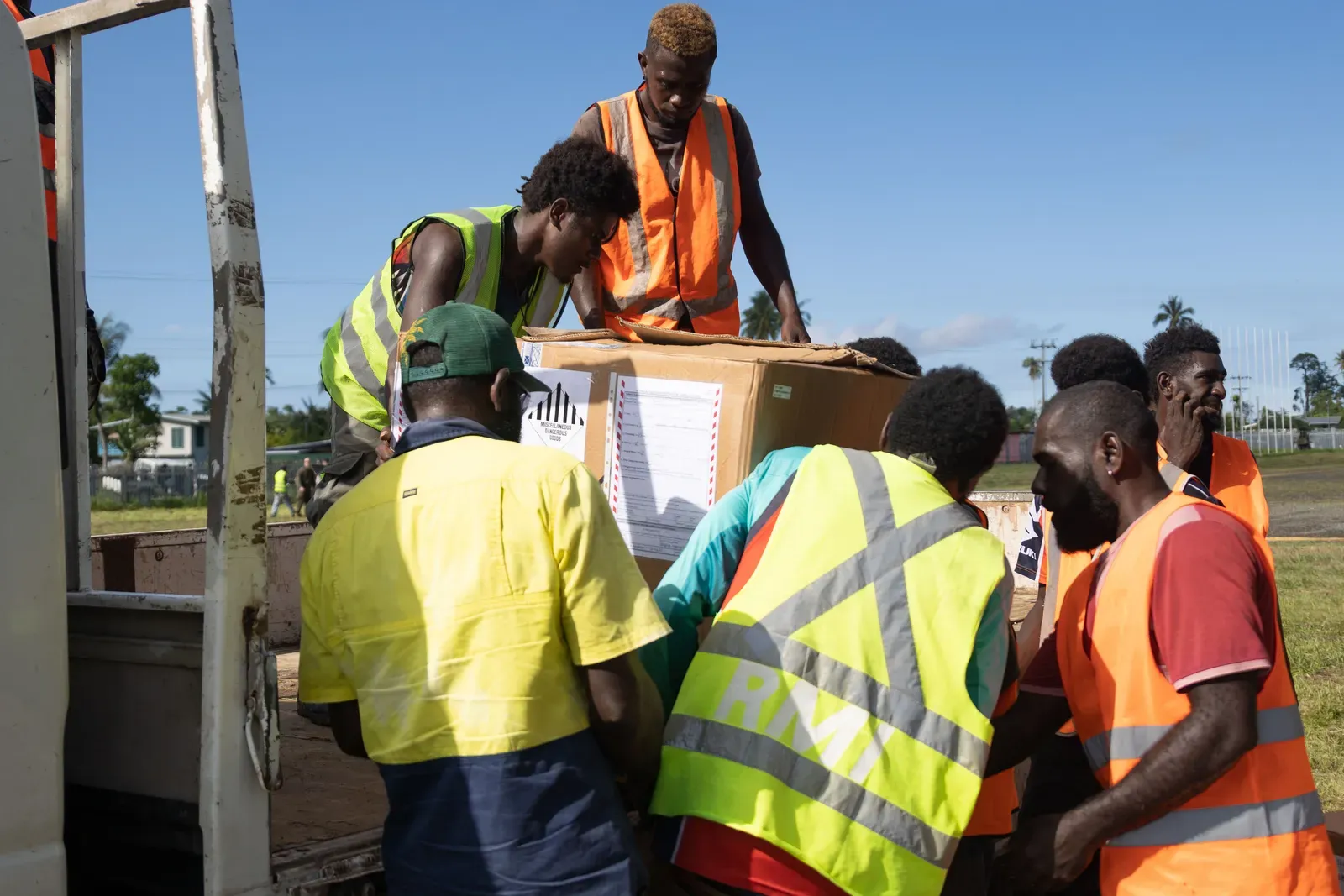
The Red Cross says its work has been large. It has reached more than 91,000 people with humanitarian assistance. So far, 7,161 households have received cash and voucher support totalling J$486.1 million, about USD 3 million.
Funding is still short. National authorities declared the move to the recovery phase in March 2026, but the humanitarian need has not ended. The IFRC’s CHF 19 million appeal, meant to support 180,000 people over 24 months, is 62 percent funded.
Conclusion

Jamaica has made real progress. Power and other essential services are largely restored, and a majority of the damaged tourism rooms are back. Still, thousands of families lack permanent housing, many students are in temporary classrooms, and insurance and aid payments are lagging. Recovery from a storm this big is measured in years, and the western parishes will be the place to watch.
