

Blue Origin has said it will build more launch pads on Florida’s Space Coast. The goal is to ramp up the flight rate of its New Glenn rockets while the company recovers from a catastrophic test fire explosion in May. The announcement came in mid October 2026, as part of a wider set of infrastructure plans.
The details cover pads, factories, ships and payload buildings. Some pieces are already under construction, and others are still only intentions. Here’s what has been confirmed so far, and what hasn’t.
Two additional pads at Cape Canaveral
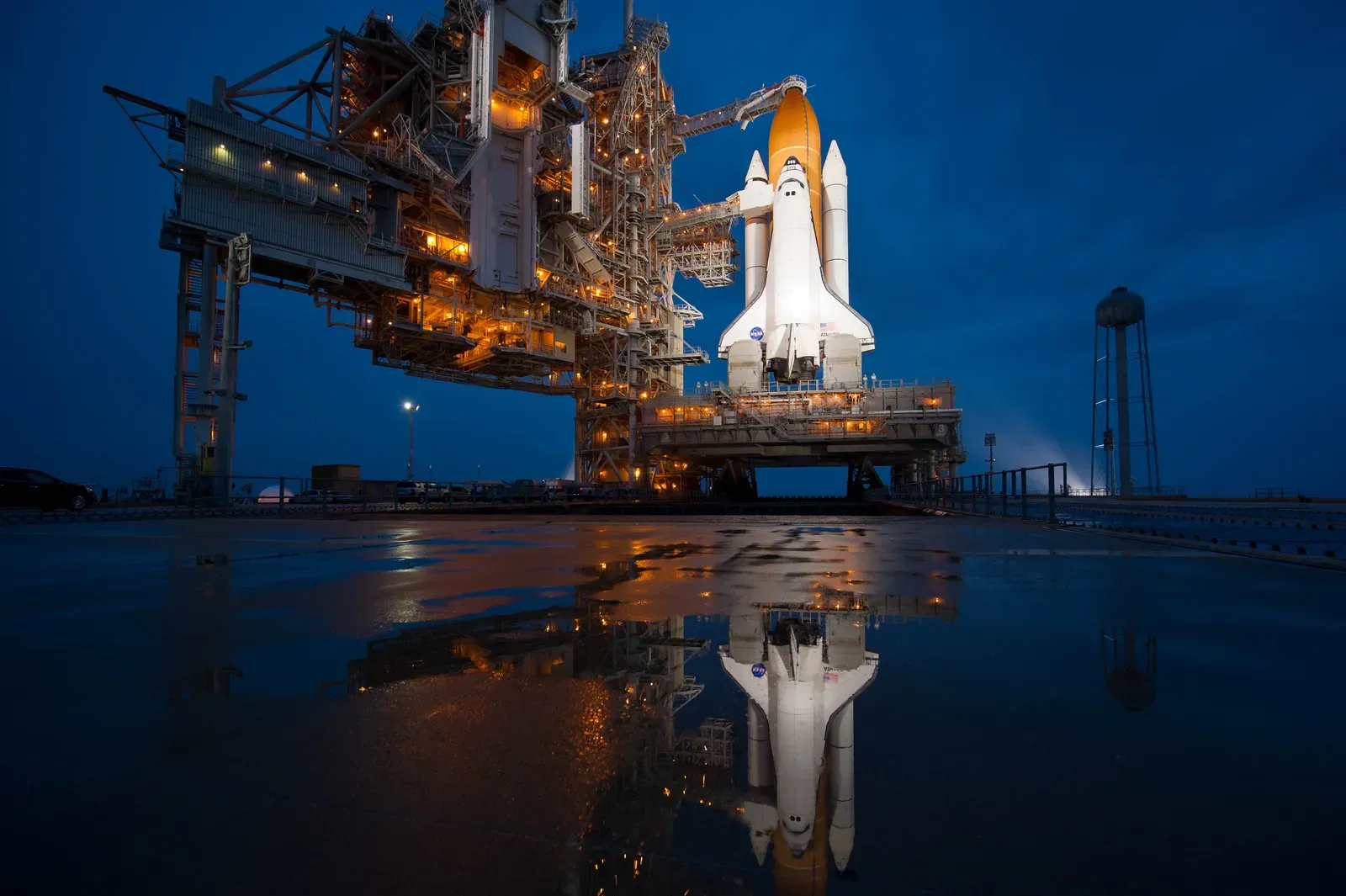
Blue Origin plans two additional launch pads for New Glenn in Florida, along with new production, recovery and payload processing facilities. The pads would be added at Cape Canaveral, where two others are already under construction.
The announcement did not reveal the exact locations of the new pad facilities. So for now, the number is clear, but the map isn’t.
A design borrowed from Launch Complex 36
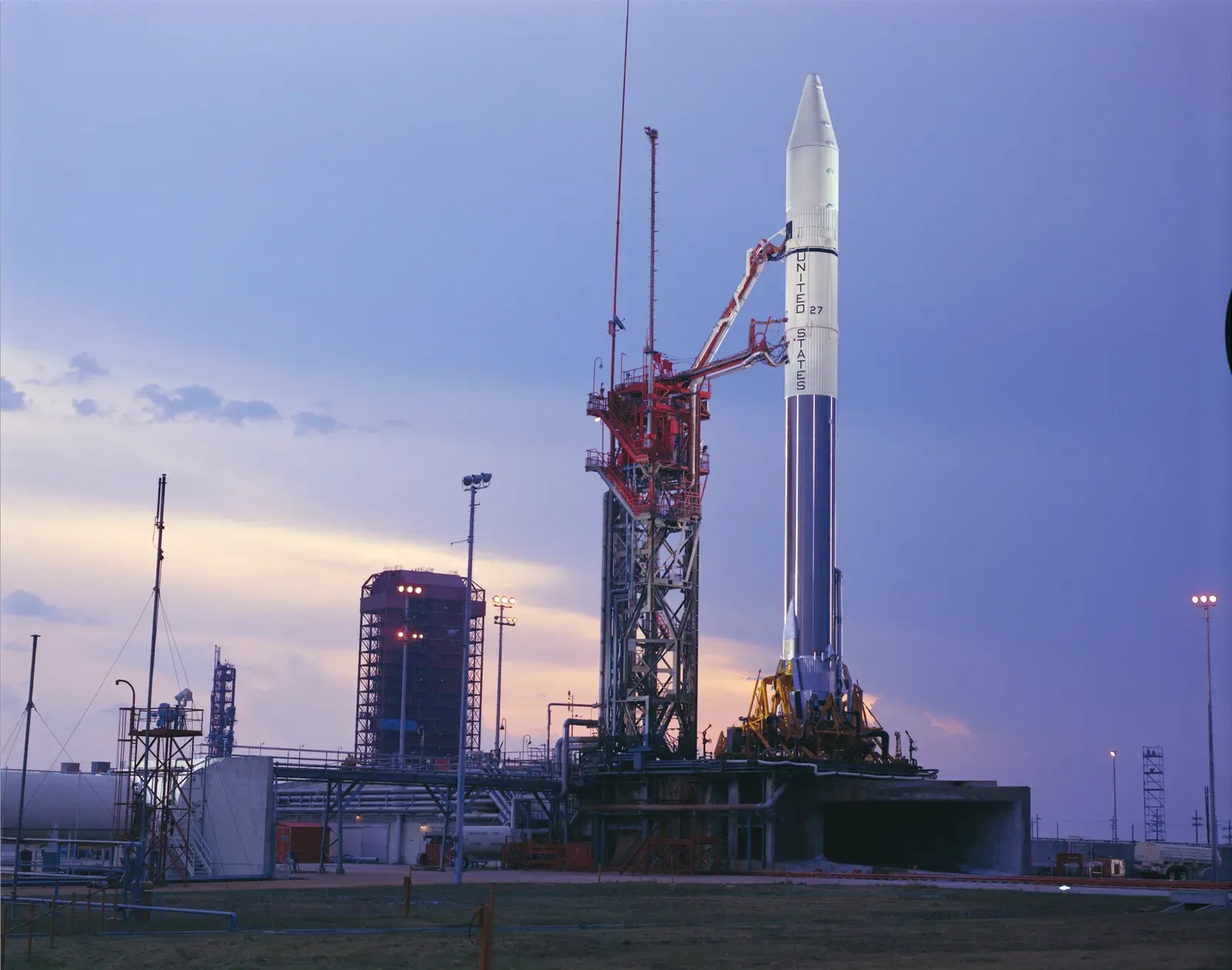
The new pads would be modeled after Blue Origin facilities at Launch Complex 36 at Cape Canaveral Space Force Station. The company plans to use the same design and construction approach demonstrated at Launch Complex 36B to site and build them.
Reusing a template makes sense for a company trying to build quickly. A proven layout can cut design time, though it doesn’t remove the work of pouring concrete and raising towers.
The explosion that set the stage

The May explosion happened days before a planned mission carrying Amazon satellites, and it badly damaged the pad. The rocket had lifted off three times since its 2025 debut.
Reporting indicates a problem with one of the vehicle’s BE-4 engines triggered the failure, which destroyed both the rocket and its only launch site, Launch Complex 36A. That single point of failure helps explain why more pads are now a priority.
Rebuilding LC-36A and finishing LC-36B
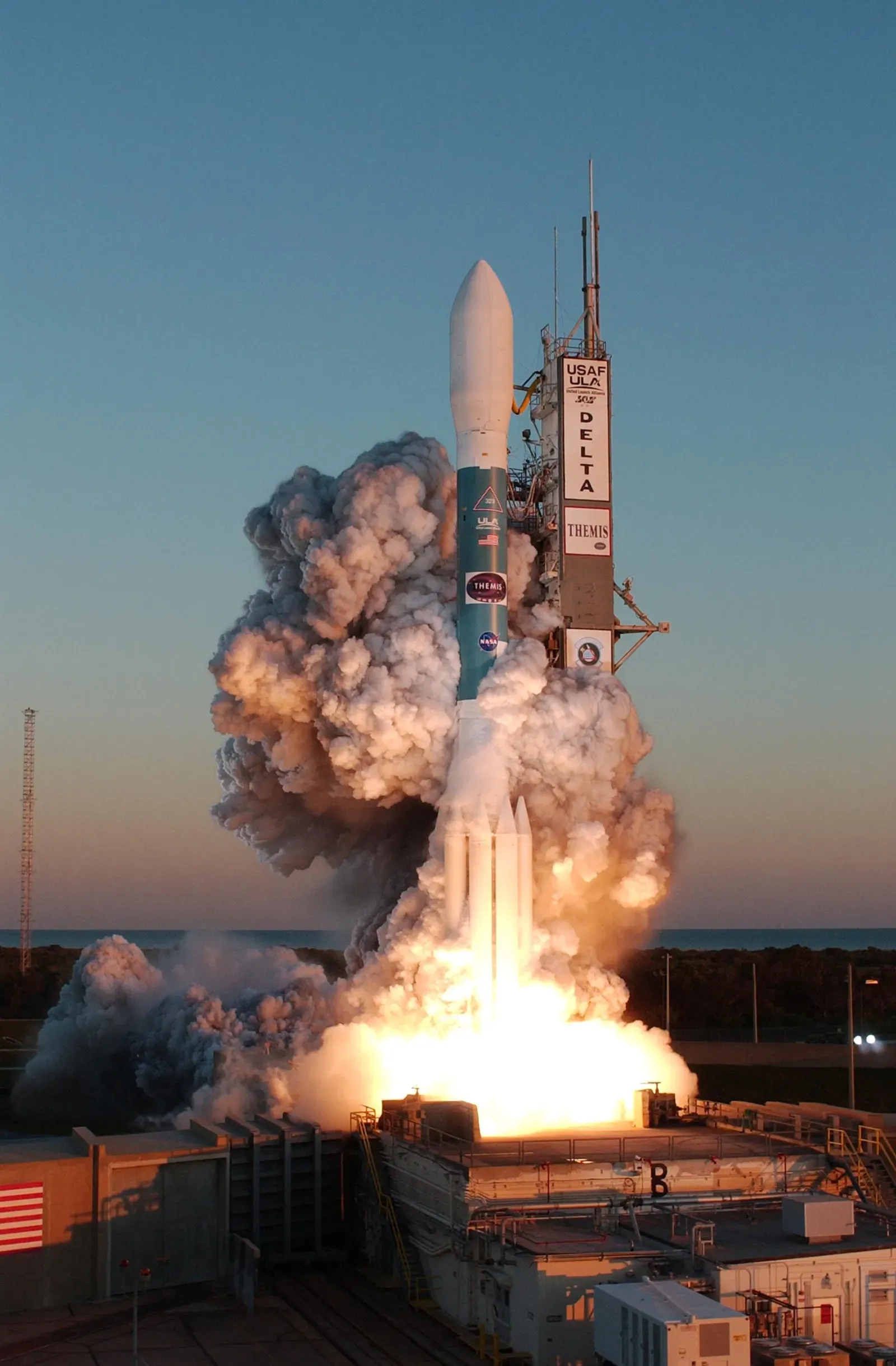
LC-36A is being rebuilt after the static test fire explosion and serves the New Glenn 7×2 rocket, while LC-36B is under construction to support the 9×4 variant. Blue Origin describes LC-36B as the operational home for New Glenn 9×4.
The company is targeting a return to flight in early 2027. Earlier statements had pointed to the end of 2026, so the timeline appears to have shifted, though it’s worth checking for further updates.
What the 9×4 variant brings
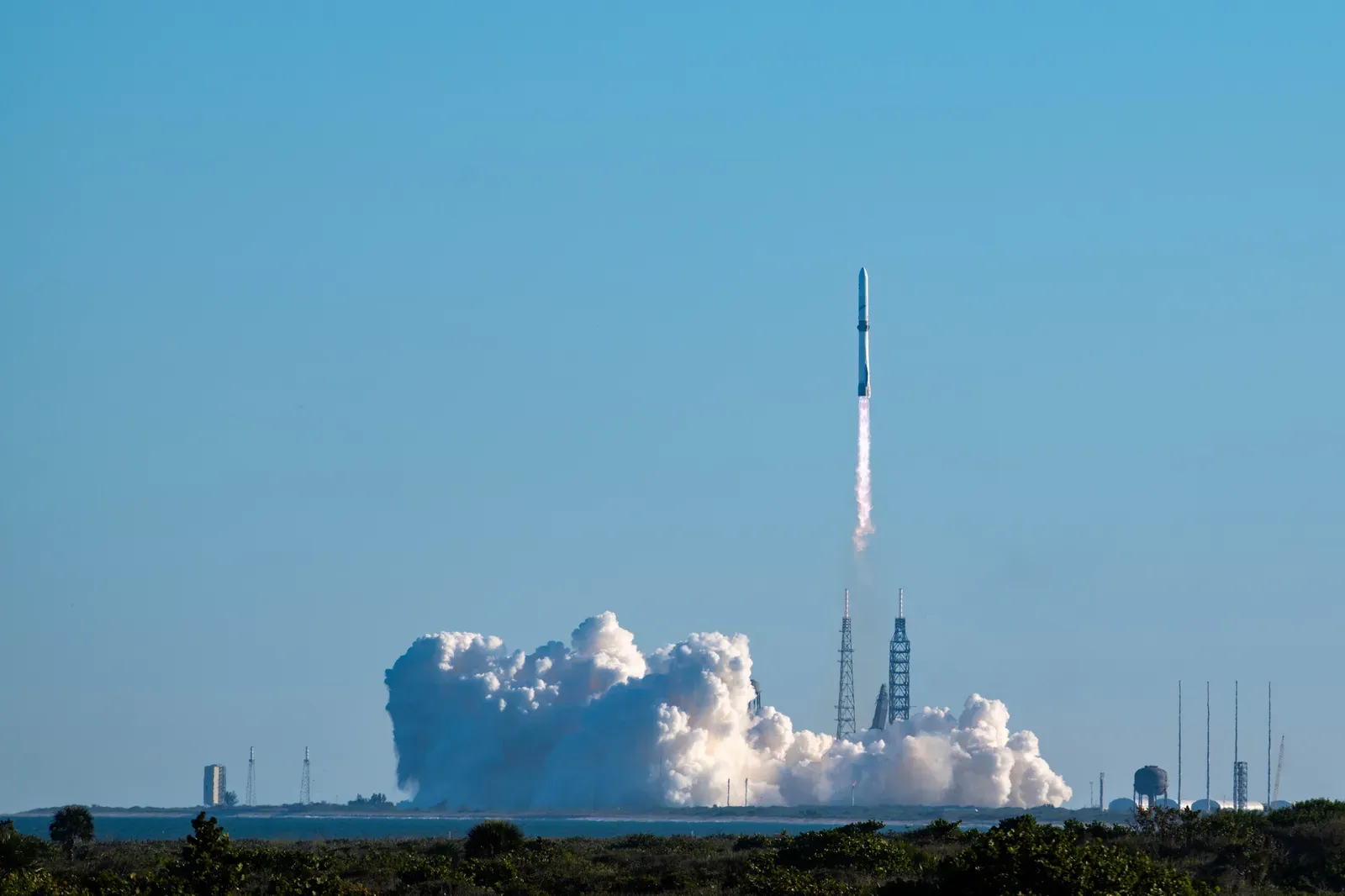
The larger 9×4 New Glenn has nine first stage engines, compared with seven on the 7×2 version. It is designed to carry 70 metric tons to low Earth orbit and more than 20 tons to trans lunar injection.
The 9×4 also has four BE-3U engines on its upper stage. Blue Origin hasn’t given a debut date for it.
A $330 million upper stage factory expansion
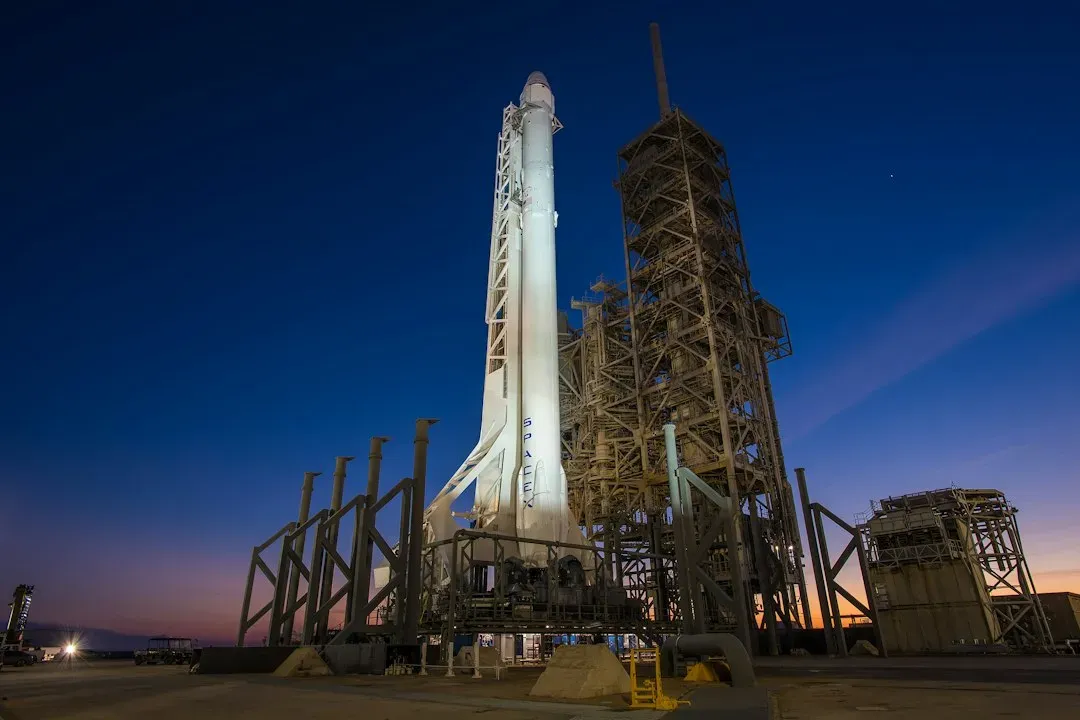
At Rocket Park, a 1.37 million square foot manufacturing campus near NASA’s Kennedy Space Center, teams are building the production capability for a higher flight rate. A $330 million expansion now underway will support manufacturing of the 9×4 second stage.
When it’s finished in summer 2027, it will allow production of up to 150 upper stages a year. Upper stages are expendable, so a high launch rate demands a steady supply of them.
More ships and a four bay payload facility
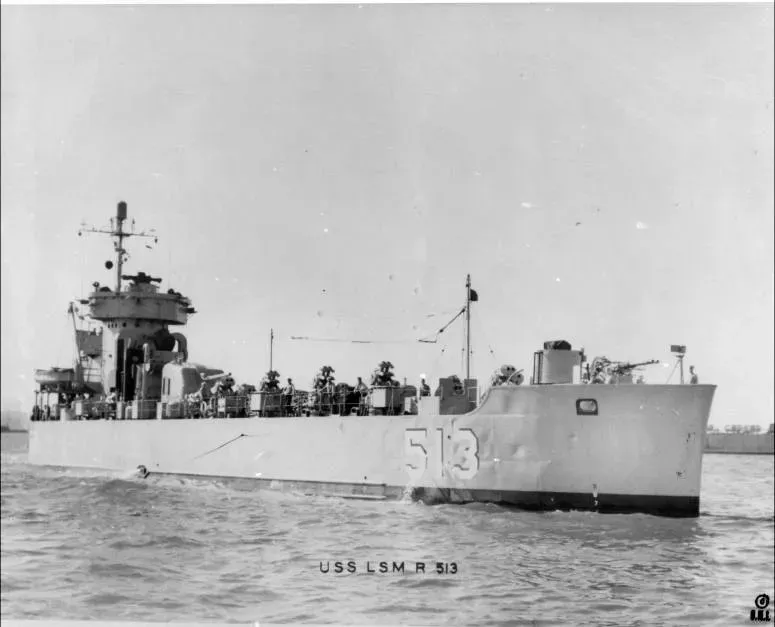
Blue Origin plans to add two landing ships to recover the first stage, expanding a fleet that currently has one. More ships would let boosters return more often without waiting on a single vessel.
A customer integration facility planned with the U.S. Space Force would have four payload bays, so teams can prepare several missions at once. Parallel preparation is a key part of flying many times a month.
Higher launch limits and the weekly cadence goal
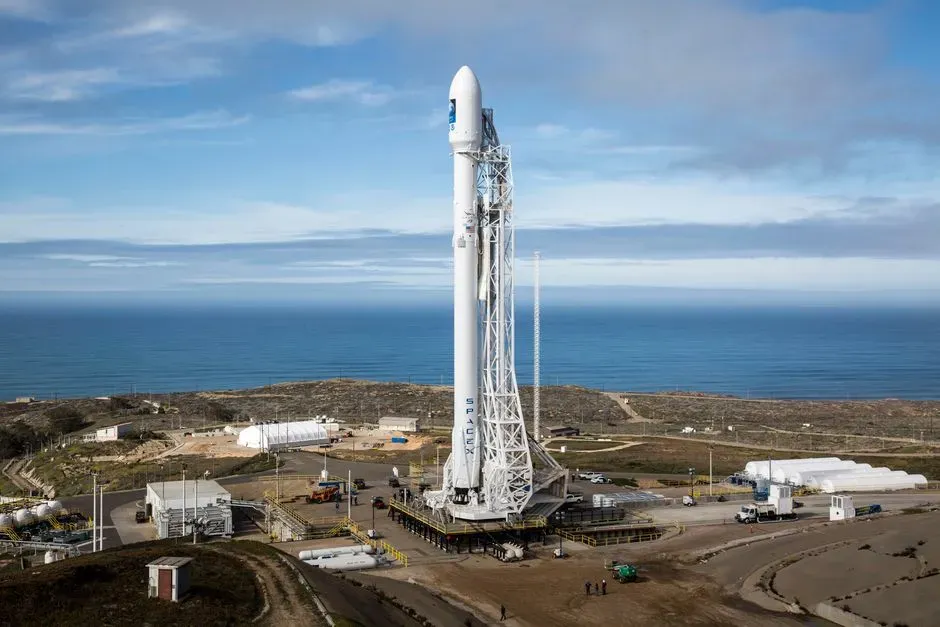
Blue Origin aims to raise the annual launch limit for LC-36 from 12 to 50. That would be a large jump, and it would need regulatory approval.
Ian Richardson, the company’s senior vice president of operations, said the infrastructure is designed to support multiple flights per week by the end of the decade. Given that the rocket has flown only three times, that’s an ambitious target.
Money, footprint and competition
Blue Origin has invested about $3 billion in Florida facilities. Its footprint spans more than 20 sites across Brevard and Orange counties, with more than 5,000 employees in the state. The company also recently raised $10 billion in an oversubscribed funding round, valuing it at $140 billion.
The expansion comes as Blue Origin tries to ramp up its cadence amid stiff competition from SpaceX for commercial and government customers. The next milestone is New Glenn’s return to flight from a rebuilt LC-36A.

- Time Moving Measurably Slower Near Orbit – 5 Relativistic Quirks Astronauts Face - November 13, 2026
- 6 Things Scientists Monitor in Space That Most People Never Think About - November 13, 2026
- I Asked AI and a Waste Auditor How to Cut My Household Trash – Where They Disagreed - November 12, 2026
