


- 9 Items Experienced Skywatchers Bring Along That Beginners Always Wish They’d Packed - November 12, 2026
- I Moved to Tornado Alley in Oklahoma – 7 Things I Did Not Anticipate About Storm Season - November 12, 2026
- VR tool shows how rising seas could flood Fort Lauderdale - November 12, 2026
Hurricane, Utah, is not a place where people expect to wade through their own yards. Yet on a Thursday morning in late October 2026, one resident came home from errands to find her property under water, even though it hadn’t been raining where she was.
That scene was repeated, in different forms, across four states. Heavy rain that began midweek sent rivers over their banks in Colorado, New Mexico, Utah and Arizona, and the cleanup is only beginning.
A Storm That Hit Four States at Once
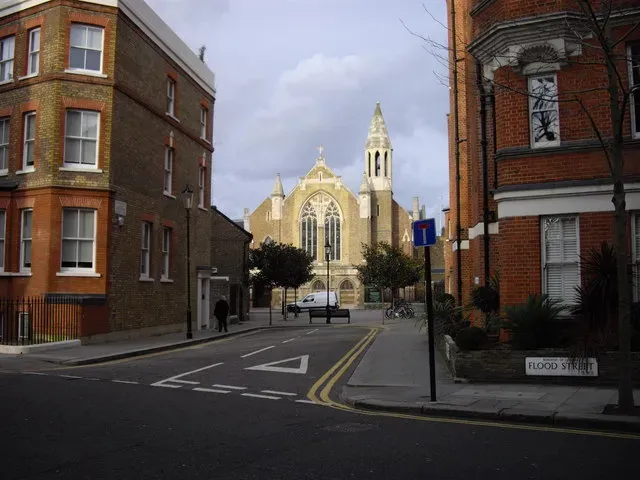
Rare, heavy rainfall began hitting New Mexico, Colorado, Utah and Arizona on Wednesday, and the floodwaters led to road closures, mandatory evacuations and emergency declarations across all four states. NPR reported that the rainstorms were linked to a very active El Niño-driven Pacific hurricane season.
Thousands of people in the Four Corners states have been displaced or are facing massive cleanups. Damage assessments are only starting to trickle in from cities, towns and some of the most remote territory in the continental U.S.
How El Niño Feeds a Storm Like This
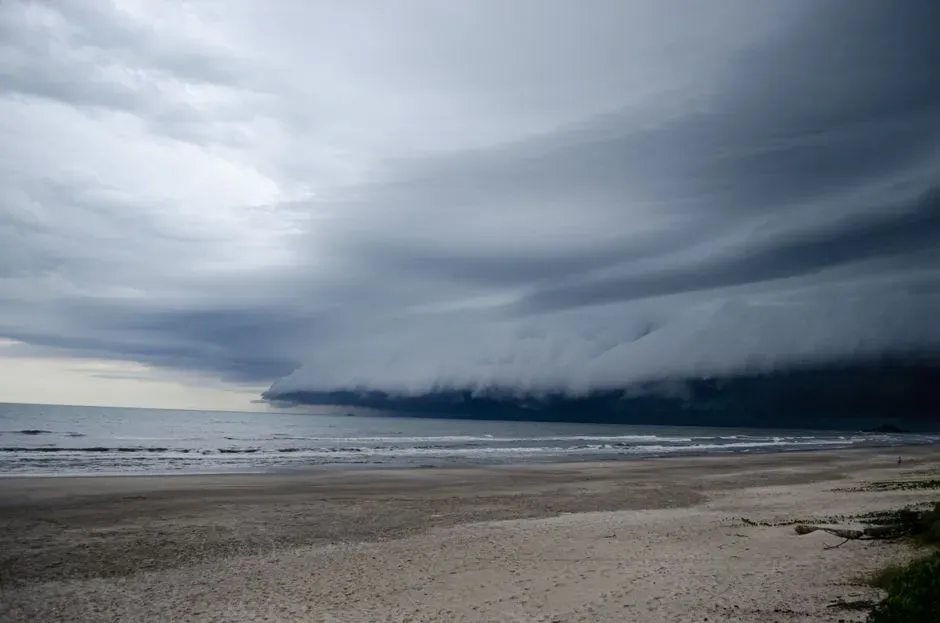
Meteorologists told the Colorado Sun that this storm is a classic symptom of El Niño conditions in the Pacific Ocean. Warmer ocean temperatures put more moisture into the atmosphere, and the jet stream picks it up and carries it over southwestern Colorado.
The pattern isn’t confined to the interior Southwest. Fox Weather reported that another storm was set to hit California that weekend, as tropical moisture from the remnants of Olana met a rapidly strengthening El Niño pattern.
Southwestern Colorado Takes the First Hit

The National Weather Service office in Grand Junction said southwestern Colorado received about 3 to 7 inches of rain. Much of that fell on the San Juan Mountains, which funnel runoff into rivers heading south and west.
In Archuleta County, teams did welfare checks and aerial scanning to gauge the destruction, and the sheriff called the damage catastrophic. As of Sunday evening, there were no reports of injuries or loss of life there.
The San Juan River Surges
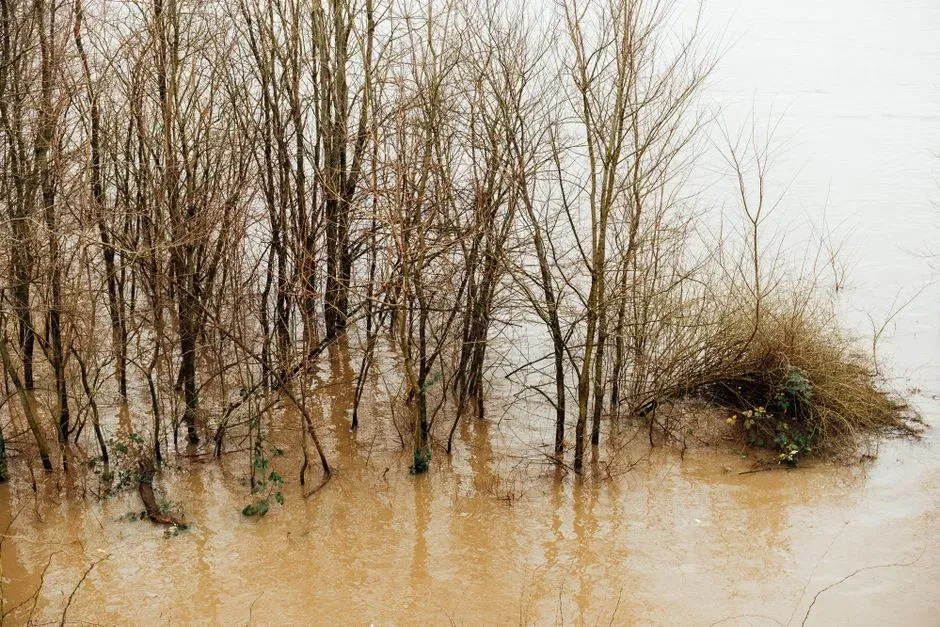
Small towns along the San Juan River, from Pagosa Springs, Colorado, to Bloomfield, New Mexico, and Bluff, Utah, saw historic flooding and are now assessing recovery challenges. The Colorado Department of Transportation said flows in the river rose significantly overnight, and the San Juan River Bridge stayed closed Sunday.
The surge also showed up at a reservoir downstream. The reservoir held about 883,800 acre-feet on Wednesday and more than a million by Saturday, a 19.5% rise, even as dam managers opened release valves.
Farmington and San Juan County, New Mexico
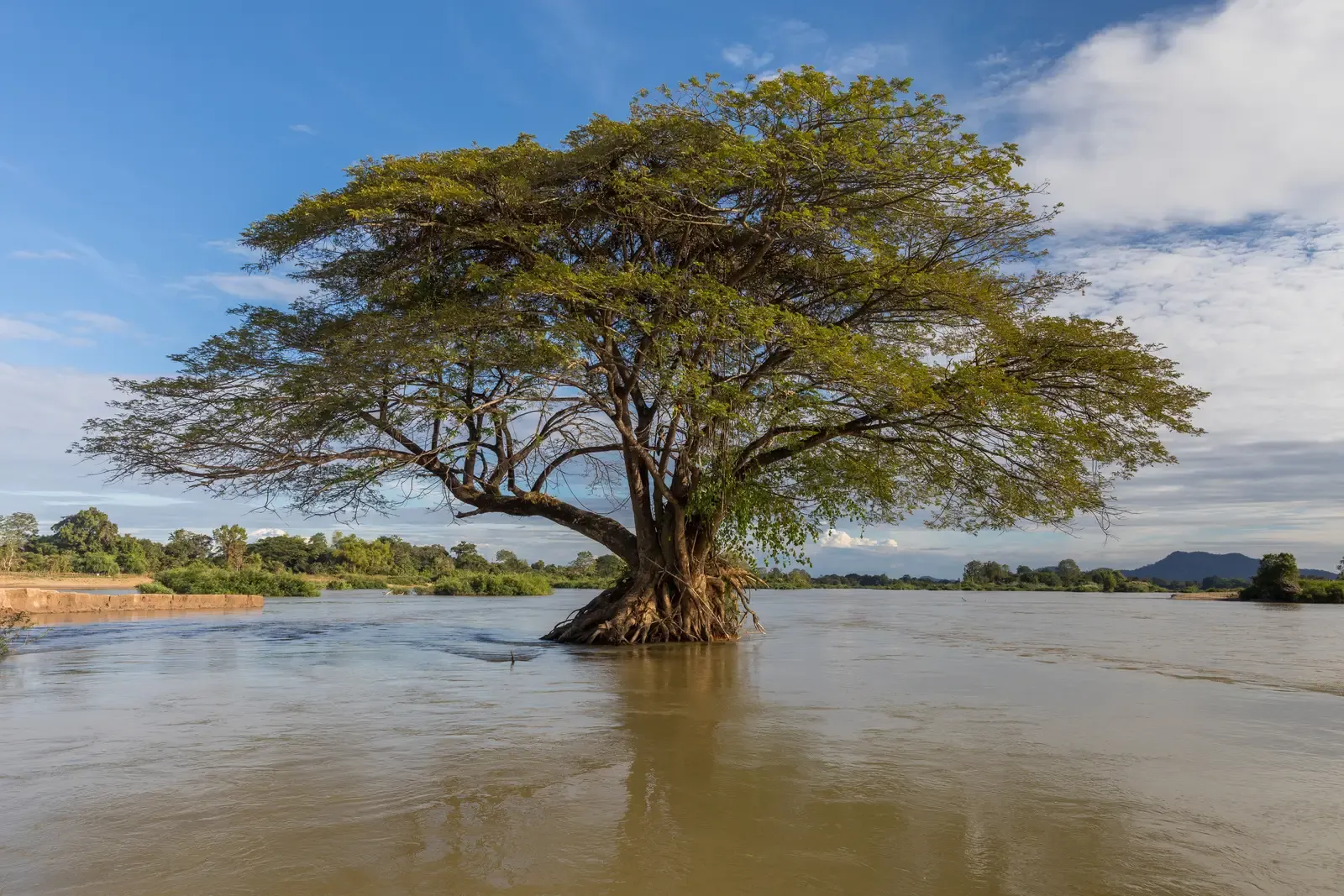
Farmington was hit particularly hard after torrential rain on the San Juan mountains sent floodwaters down the San Juan River. Local officials said the swollen rivers were receding, but many people remained evacuated and hundreds were without power.
San Juan County had no official figures on damaged homes or evacuations, though officials knew of no deaths. About 4 feet of water flooded the home of the county sheriff.
Hurricane, Utah, and the Southern Utah Flooding
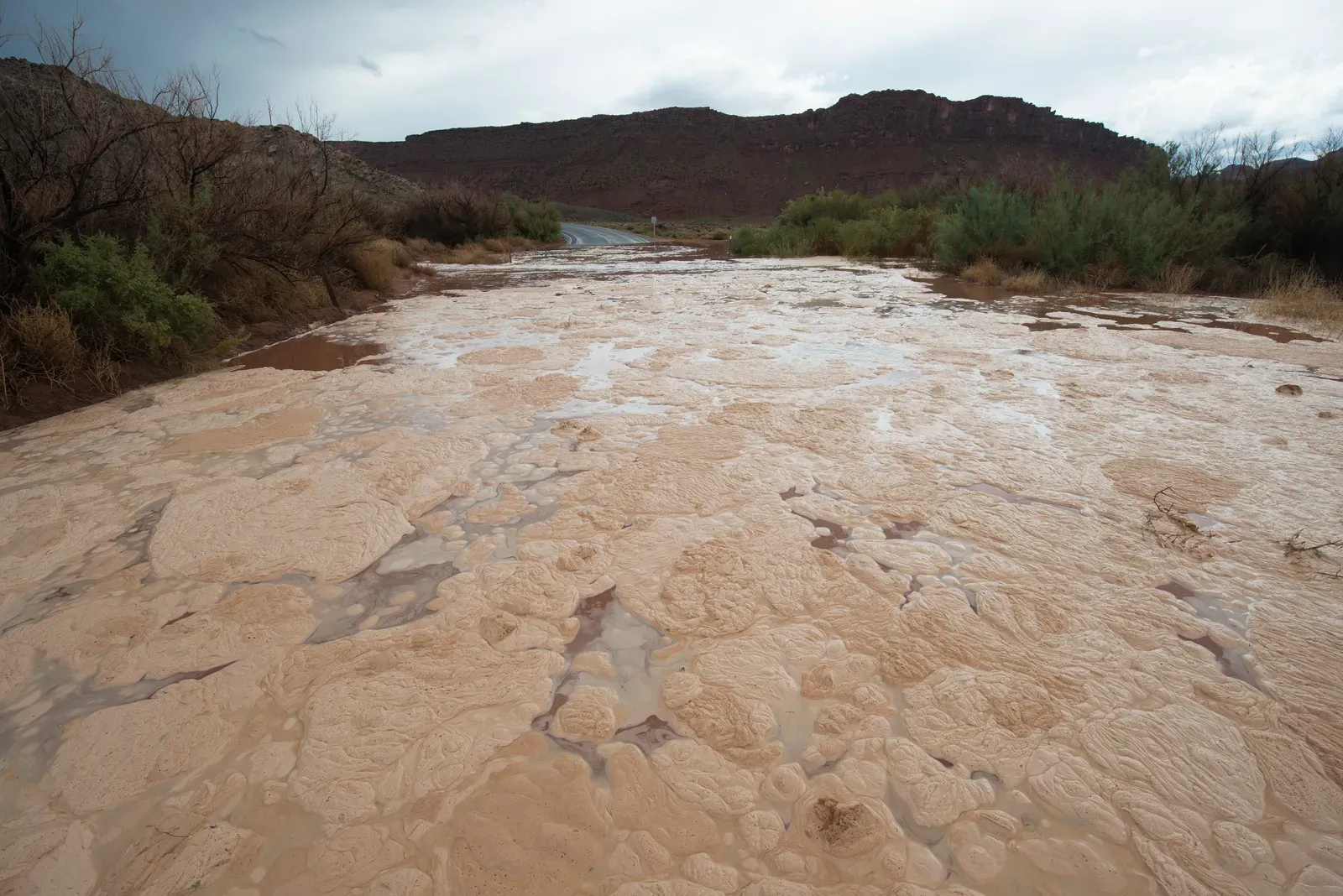
The southern Utah city of Hurricane issued an emergency declaration on Thursday after flooding damaged more than 100 homes and RVs. One resident said most of her house was underwater within five minutes.
Utah’s troubles extended east as well. Some community members near Montezuma Creek received an evacuation alert at 5 a.m. Sunday, while emergency managers monitored another swell, bridge safety and water flowing over roads. No injuries had been reported there as of Sunday afternoon.
Arizona, Sedona and the Hopi Reservation
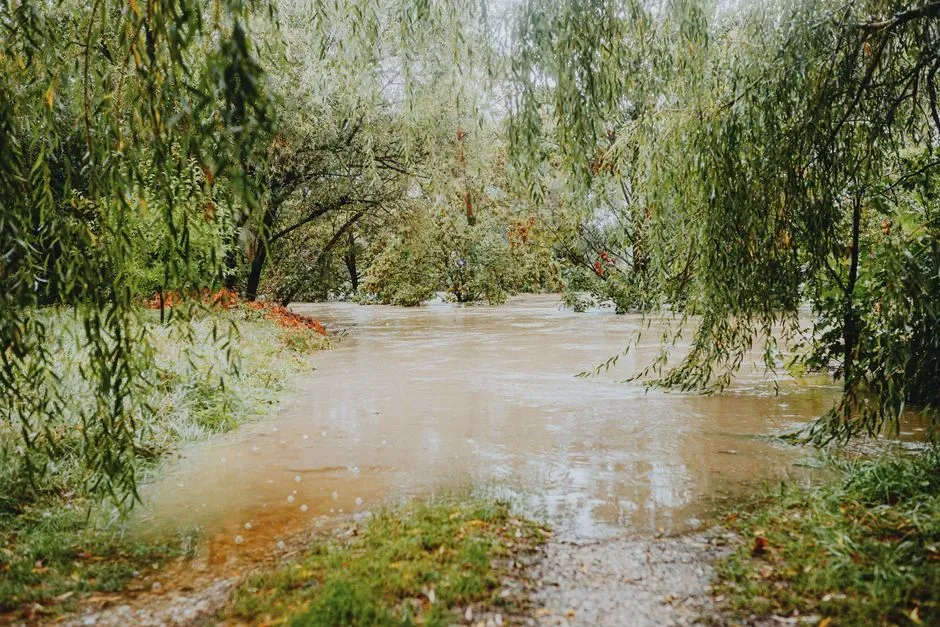
Drinking water impacts included sewage spills from flooded treatment plants in Sedona, Arizona, and other locations. KNAU reported extensive damage on the Hopi reservation.
Arizona’s share of the flooding got less national attention than the San Juan River. Still, the combination of damaged infrastructure and water quality concerns makes it a significant part of the regional picture.
Deaths, Tornadoes and Other Hazards
Fox Weather reported that one person was killed when the Rio Puerco inundated two homes in Socorro County, New Mexico, on Sunday, and nine others were rescued. Storms also spawned a tornado that touched down in Santa Fe on Saturday night.
In New Mexico, crews searched evacuated neighborhoods for dead animals, downed power lines and other hazards left behind by receding water. Officials also warned that floodwater could be contaminated with chemicals and raw sewage.
Damage Estimates and Recovery Priorities
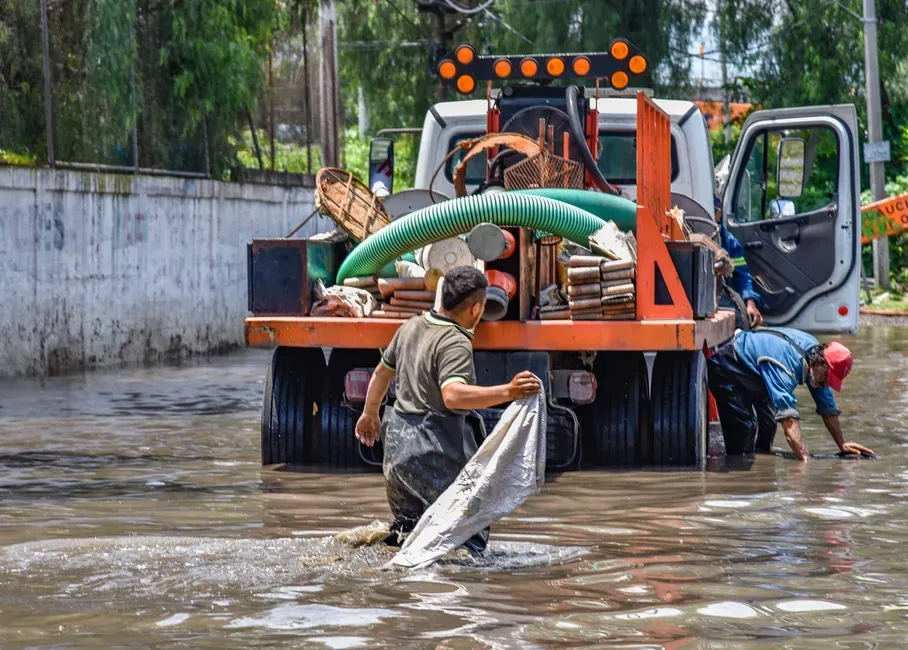
NPR’s headline put New Mexico’s damage in the hundreds of millions of dollars, based on what the governor said. Colorado responders’ immediate priorities include lifting the last evacuation orders as waters recede, assessing damaged bridges and testing well water along the Rio Grande’s path in the San Luis Valley.
Some saturated neighborhoods began cleaning up and assessing damage while parts of the region stayed under a flood warning Monday. A National Weather Service meteorologist in Grand Junction noted that soils were so saturated that it wouldn’t take much rain for small creeks and streams to overflow.
A Second October Flood in Two Years
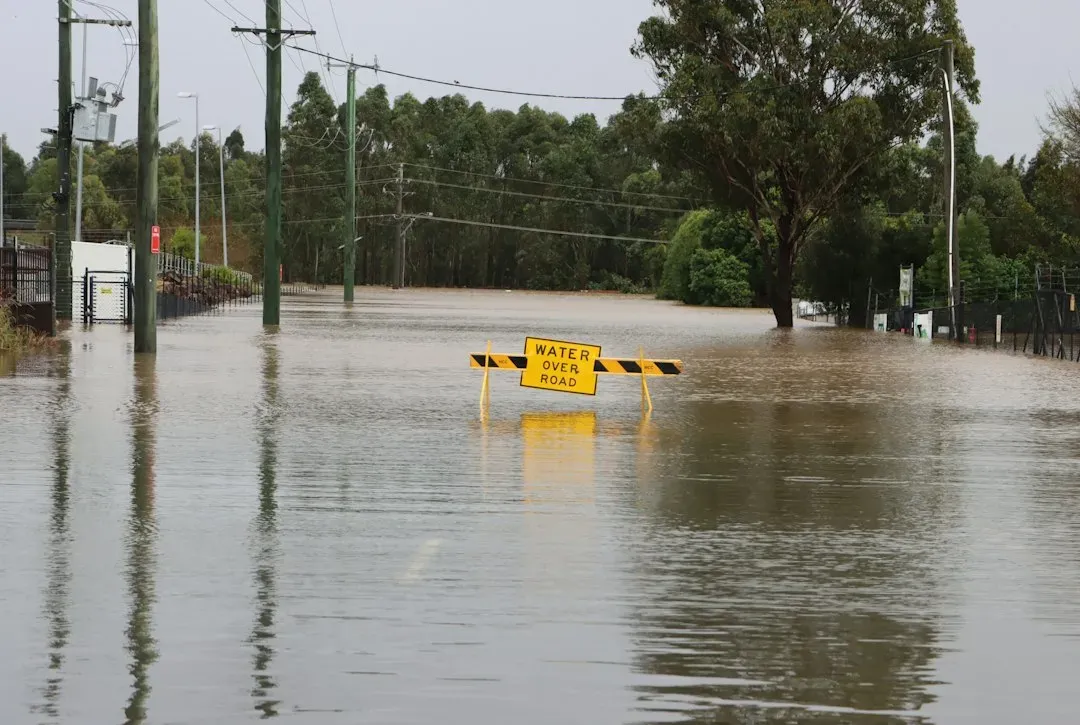
October storms caused flooding in the same region last year, and hundreds of people evacuated. Some communities, like Vallecito in La Plata County, were still recovering from those floods this summer.
Last year’s flooding also locked moisture into the ground as soils froze, which helped forests and farmers during this year’s hot, dry spring and summer. With El Niño strengthening, more storms are expected to follow.
