

Endeavour and Trevi Systems announced a partnership on October 22, 2026. Their pitch is that a data center, normally a large water consumer, could become a source of fresh water.
The claim rests on a simple observation. Computing produces a lot of heat, and most facilities treat it as something to get rid of. The companies want to put that heat to work.
Who is behind the partnership
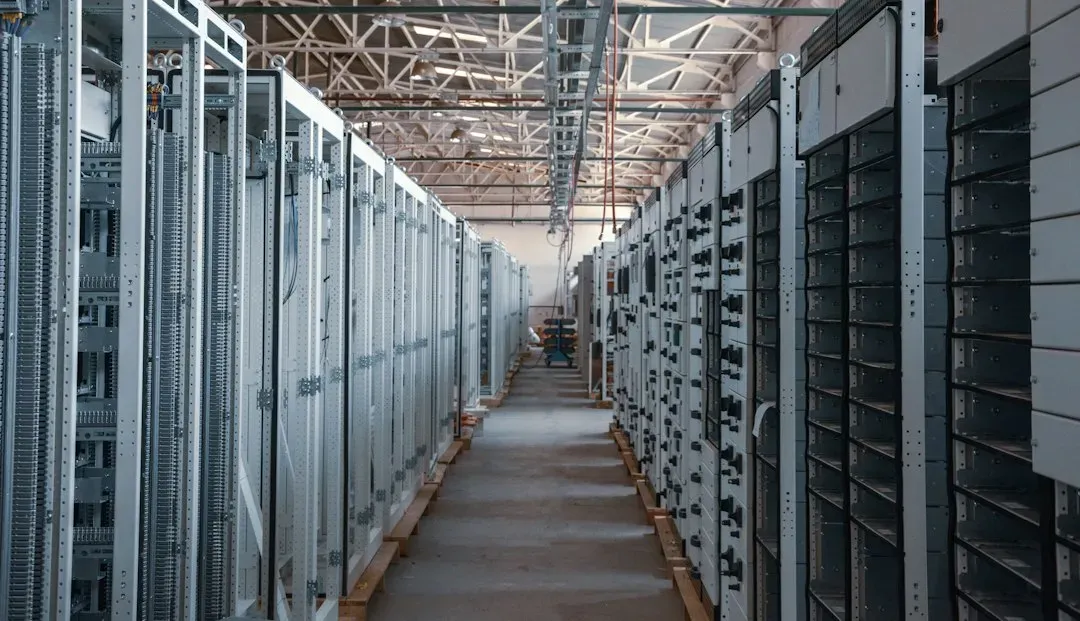
Trevi Systems is a forward osmosis desalination company based in Rohnert Park, California. It has partnered with New York data center developer Endeavour. Trevi was founded in 2010.
Endeavour was set up by Aligned founder Jakob Carnemark. It owns the data center firm Edged and the cooling firm ThermalWorks.
How the heat becomes a water source

ThermalWorks builds closed-loop cooling systems that use no water. It captures heat from the IT load at the temperature Trevi’s process requires. That heat then drives the desalination step.
The draw solution is regenerated with heat of 60 to 80°C so it can be used over and over. The aim is to reduce the extra electricity the process would otherwise need.
What forward osmosis does differently
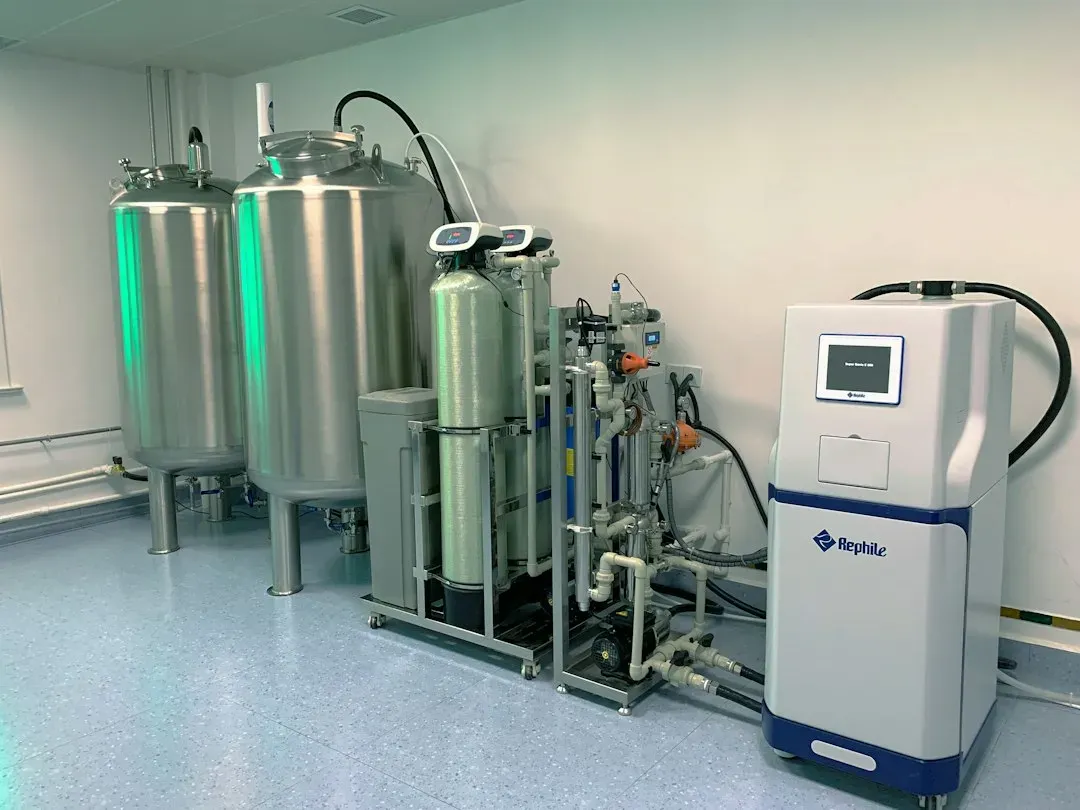
In Trevi’s forward osmosis system, water is naturally pulled through a membrane by a specialized draw solution. Unlike reverse osmosis, it does not require very high pressure.
The system removes salt and other contaminants while turning the brine into solids. That makes the process a different animal from the pressure-driven plants most people picture.
The brine problem it targets
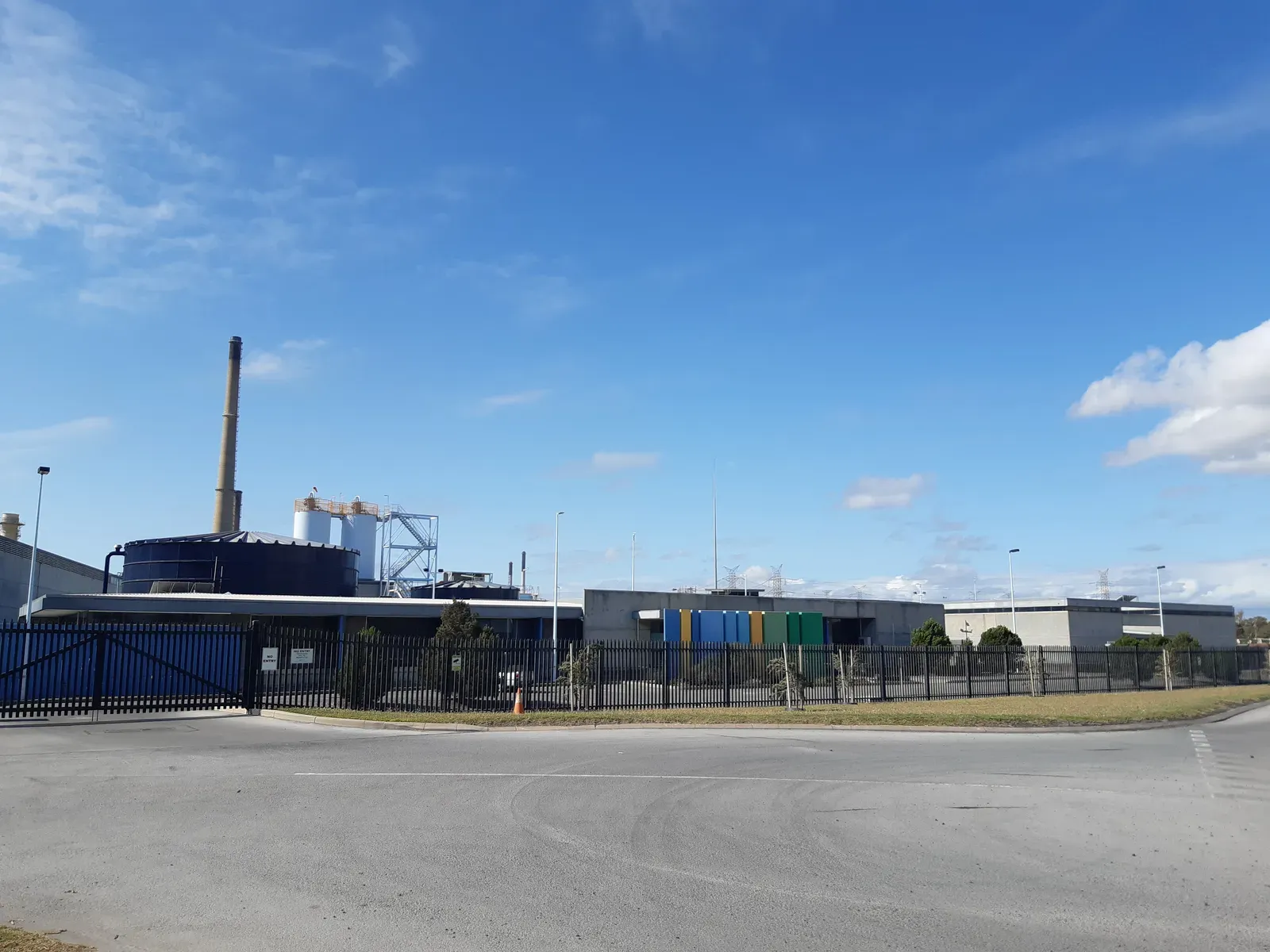
Desalination plants provide essential freshwater to water-scarce regions, but they also produce large volumes of concentrated brine. For every liter of freshwater, a typical seawater plant sends about a liter and a half of salty brine back to the sea.
Eliminating the brine entirely has traditionally been too energy-intensive and expensive for widespread use. Trevi claims its system eliminates or drastically reduces discharge, reaching up to 98 percent water recovery.
The output numbers the companies claim
The companies claim the systems can produce up to 200,000 gallons (750,000 liters) of clean water per day from brackish groundwater for every megawatt of computing power. From oilfield produced water, they claim about 50,000 gallons per day per megawatt.
The company contends that a 100MW campus could produce up to 20 million gallons per day. These are company figures, and they are stated as maximums.
Why data centers’ own water use matters
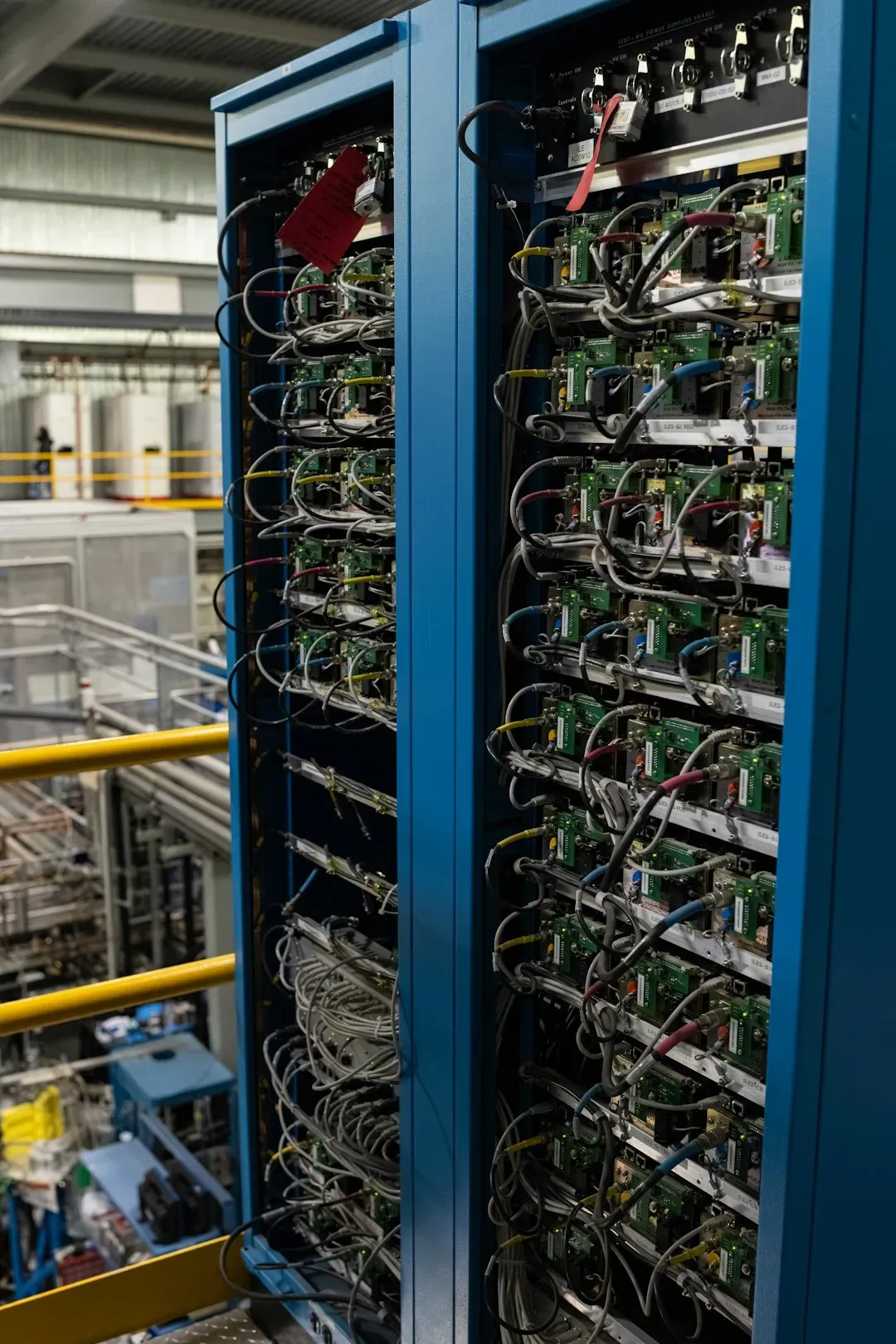
The industry measures a data center’s thirst in liters of water per kilowatt-hour of computing. A conventional evaporatively cooled facility runs at about 1.8 liters per kilowatt-hour.
Endeavour’s closed-loop, waterless systems mean its data centers consume no water. The partnership builds on that design, so the facility would stop drawing water and start supplying it.
Where the first deployments will happen

Endeavour will first deploy the technology at its own U.S. data centers. Its Edged unit has data centers operating or in development in Spain and Portugal. In the US, they are in states including Missouri, Arizona, Texas, Georgia, Iowa, Ohio and Illinois.
Endeavour says its global supply chain and gigawatt-scale manufacturing will support broader deployment with hyperscalers and operators worldwide. No specific sites for the first water systems have been named in the coverage reviewed.
What Trevi has proven so far

Trevi has yet to deploy its system at a data center site. It has completed several trials, including a solar-thermal plant at the Natural Energy Laboratory of Hawaii that made drinking water from seawater with no grid power.
Trevi holds more than 65 patents in 21 countries and has run its process in Hawaii, California and soon Oman. The data center pairing remains to be demonstrated at scale.
How the companies frame the economics
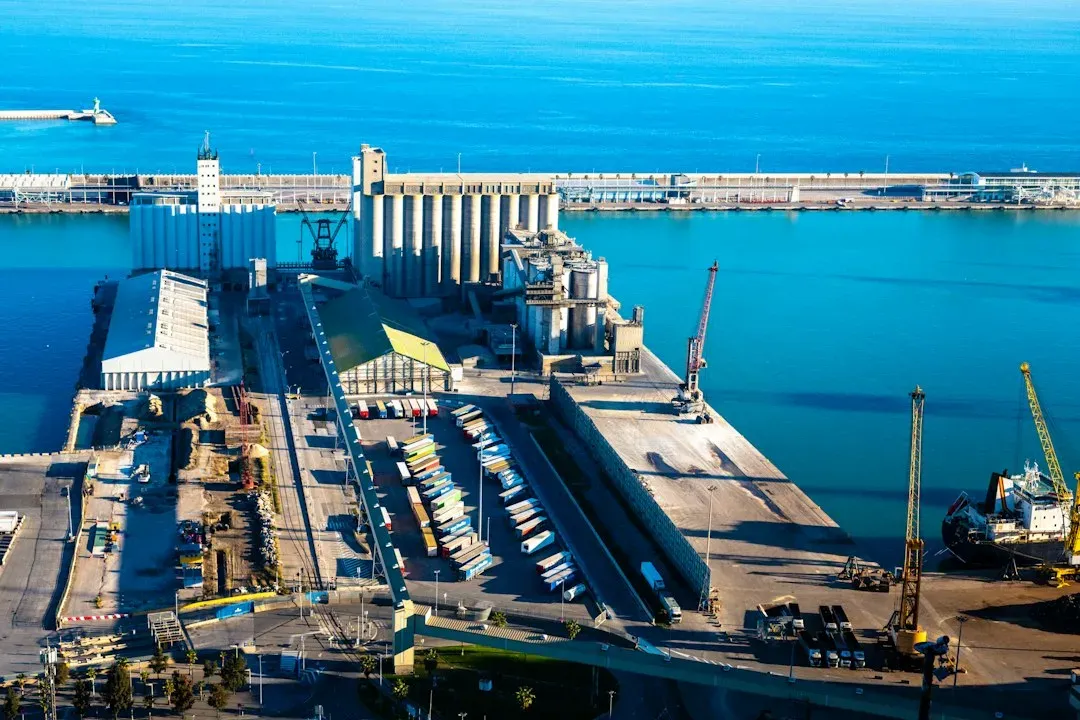
According to the announcement, a 100-megawatt campus can generate billions of gallons of water every year using energy already paid for by the computing beside it. The argument is that the heat is a sunk cost.
Carnemark said desalination can help address water scarcity, but brine remains a major challenge, noting that the world pumps more than a hundred million cubic meters of brine into the sea every day. The companies’ figures come from their own announcement, and independent verification of results at a data center has not yet been reported.

- The Shoreline Sucked Dry in Seconds – 5 Tsunami Signals Beachgoers Mistake for Low Tide - November 14, 2026
- 9 Dark-Sky Destinations Around the World Where the Stars Look Unreal - November 14, 2026
- The Fault Line That Never Slips – 7 Locked Seismic Zones Overdue for a Massive Release - November 14, 2026
