

- Phantom Energy Sucking Power 24/7 – 7 Home Electronics Quietly Inflating Utility Bills - November 14, 2026
- A Million-Mile Storm Raging for Centuries – 6 Violent Weather Wonders in Our System - November 14, 2026
- Animals Flee Hours Before the Tremor – 7 Natural Warnings Before Disasters Strike - November 14, 2026
For roughly eight centuries, the Reykjanes Peninsula in southwest Iceland stayed silent. Then, in March 2021, lava broke through at Fagradalsfjall, and the quiet was over.
Since then the peninsula has produced a long run of eruptions, forced the evacuation of a town, and reshaped how Iceland protects its energy infrastructure. Here’s what has happened and where things stand in late October 2026.
The Restart After Centuries of Silence
The Reykjanes Peninsula last went through a volcanic episode between 1210 and 1240, a period often called the Reykjanes Fires. The current activity has been described collectively as the New Reykjanes Fires, because it resembles those 13th century events.
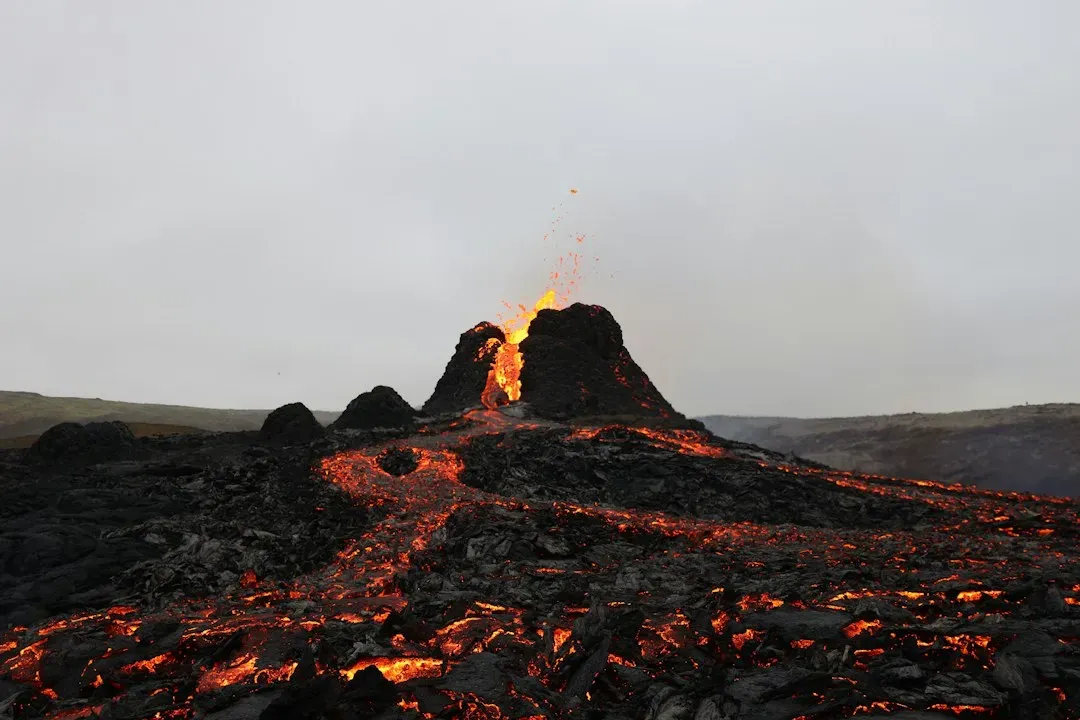
Eruptions began at Fagradalsfjall in 2021 and came again in 2022 and 2023. Nine eruptions then followed at Sundhnúkur between 2023 and 2025.
Why This Corner of Iceland Is Restless
The peninsula sits on the Mid-Atlantic Ridge. There, the Eurasian and North American plates pull apart at about 2 cm per year, which drives the volcanic activity.
That slow separation helps explain why the area can go quiet for centuries and then wake up in clusters. Scientists have noted that the previous episode lasted a long time, so a lengthy sequence this time would not be a surprise. One summary points out that the last series of eruptions in the region lasted about 300 years.
Fagradalsfjall Opens the Chapter
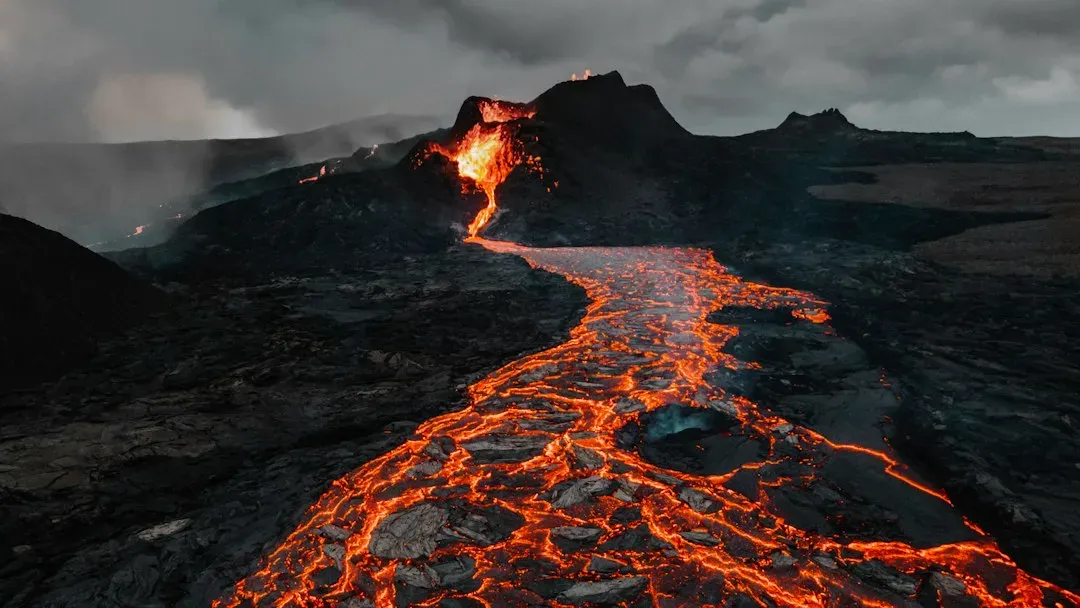
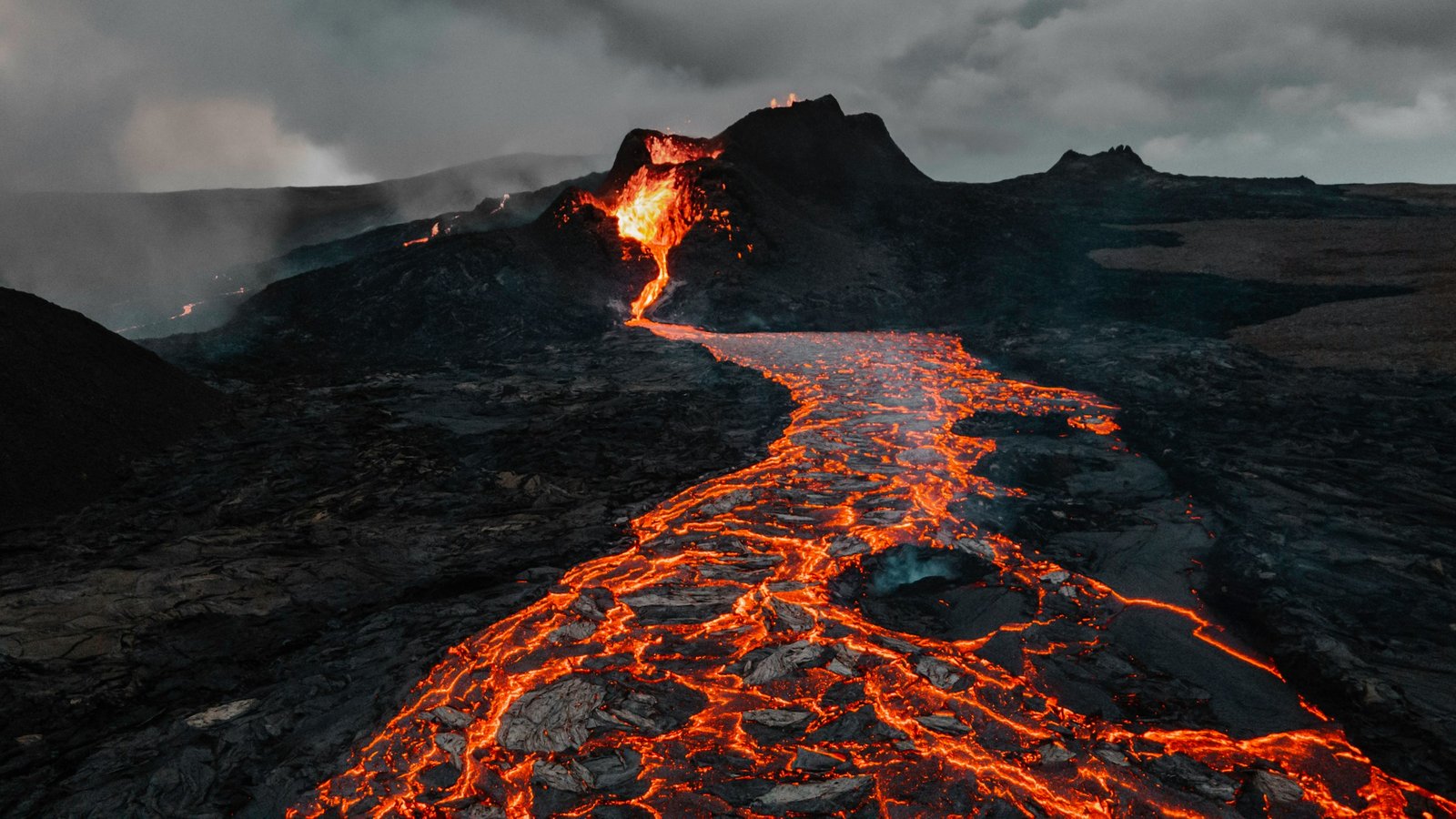
The first eruptions were in an uninhabited valley and became something of a tourist draw. They were relatively contained and produced lava fields that people could visit on foot.
Fagradalsfjall eruptions in 2021, 2022 and 2023 set the pattern. Together they showed that the peninsula’s volcanic systems were reawakening, and the next phase would be far less comfortable for nearby communities.
The Sundhnúkur Crater Row Takes Over
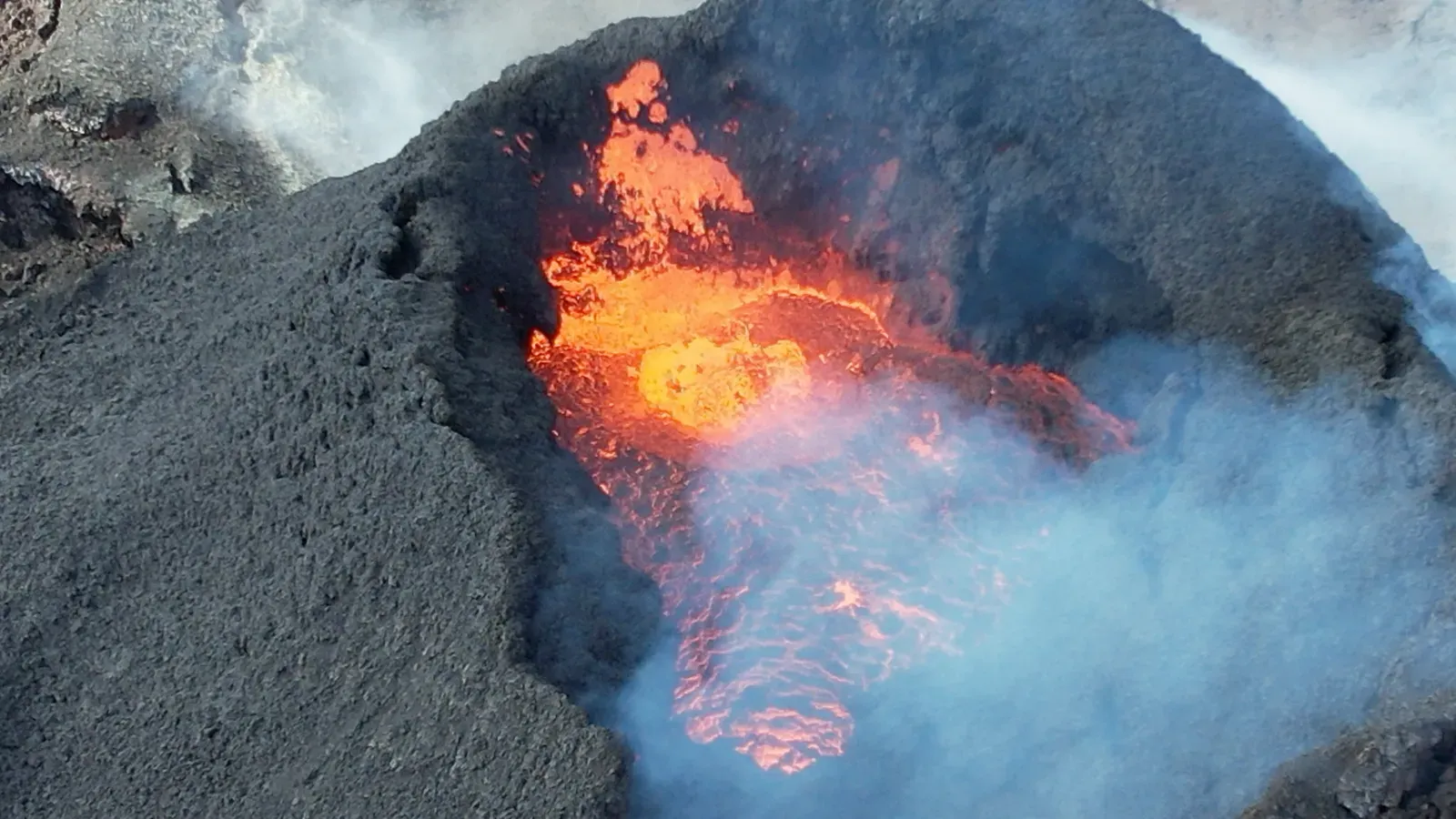
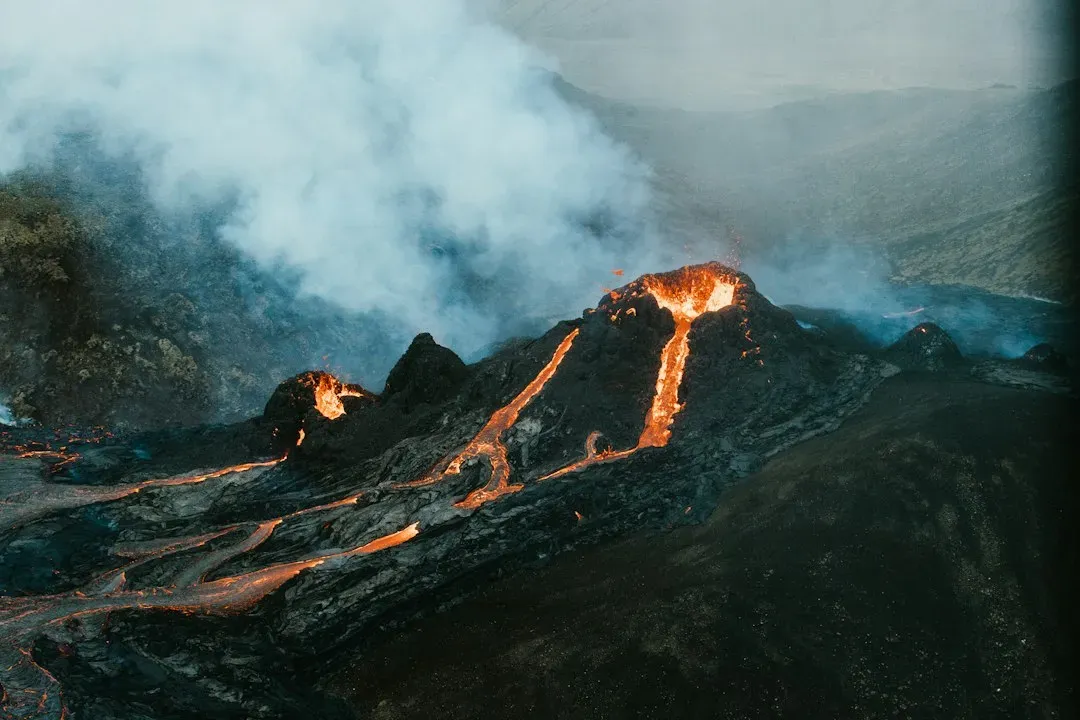
The Sundhnúkur eruptions began on 18 December 2023 as a fissure eruption on the Reykjanes Peninsula. The activity centered on a crater row just north of the town of Grindavík.
Svartsengi acts as the magma reservoir and pressure source, while Sundhnúkagígar is where the eruptions break out. The area sits north of Grindavík and is home to the Svartsengi geothermal power plant, next to the Blue Lagoon.
Grindavík Under Pressure
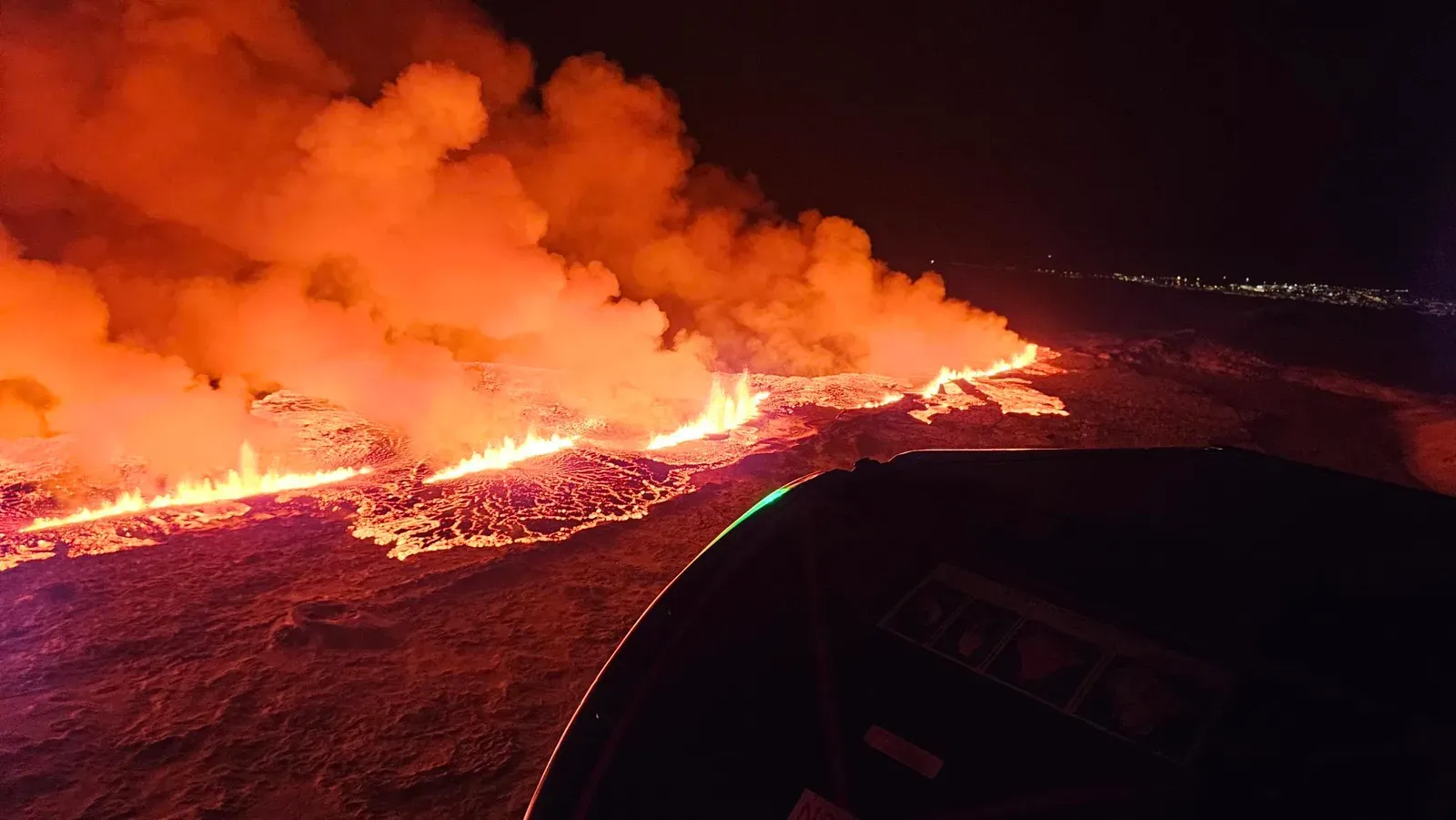
Grindavík bore the heaviest impact. The Sundhnúkur eruptions caused earthquakes, ground subsidence, lava flows and heavy damage in the town, which was evacuated, and one person is presumed to have died from ground cracking.
Repeated fissures opened close to homes and roads. More recently, the Icelandic Meteorological Office’s updated hazard assessment has taken account of fracture repairs in Grindavík.
A Rapid Series of Eruptions in 2024
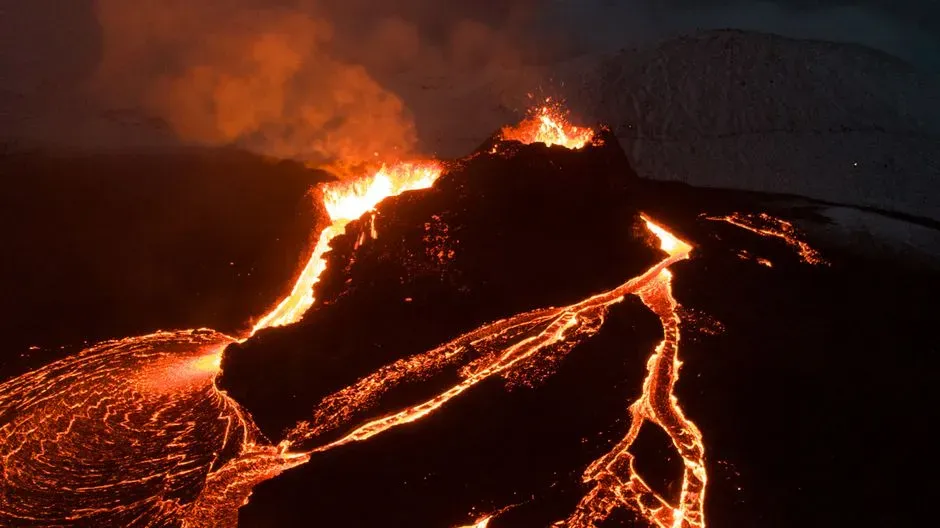
On 8 February 2024, a three kilometer fissure opened after intense earthquakes near Grindavík, and both the town and the Blue Lagoon were evacuated. The eruption also cut off hot water supplies, which made the winter episode a serious practical problem.
Another fissure opened on 29 May, producing the most voluminous eruption of the Sundhnúkur series. Lava fountains reached about 50 meters, and the initial flow peaked at 1,500 to 2,000 cubic meters per second before the eruption ended on 22 June.
Late 2024 and 2025 Bring More Fissures
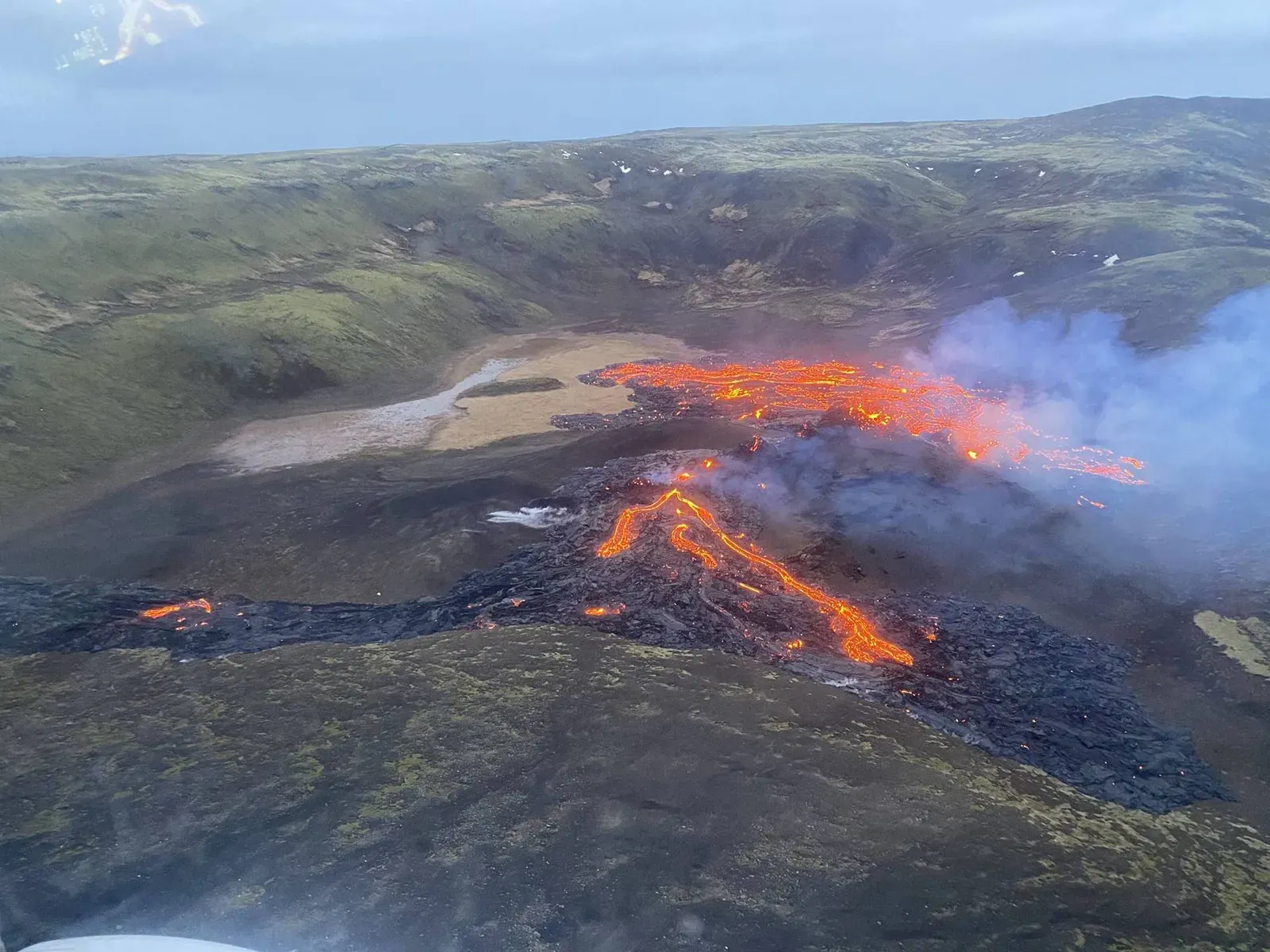
An eruption on 22 August 2024 opened farther north than earlier ones, with a fissure that began at about 4 kilometers and narrowed to roughly 2. A record volume eruption followed in November and December 2024.
In April 2025, an eruption started just north of Grindavík’s protective barriers, with a fissure that grew to about 500 meters and breached the northern wall. The most recent eruption began on 16 July 2025, when a fissure of about 700 to 1,000 meters opened along the crater row.
Barriers Built to Hold Back Lava
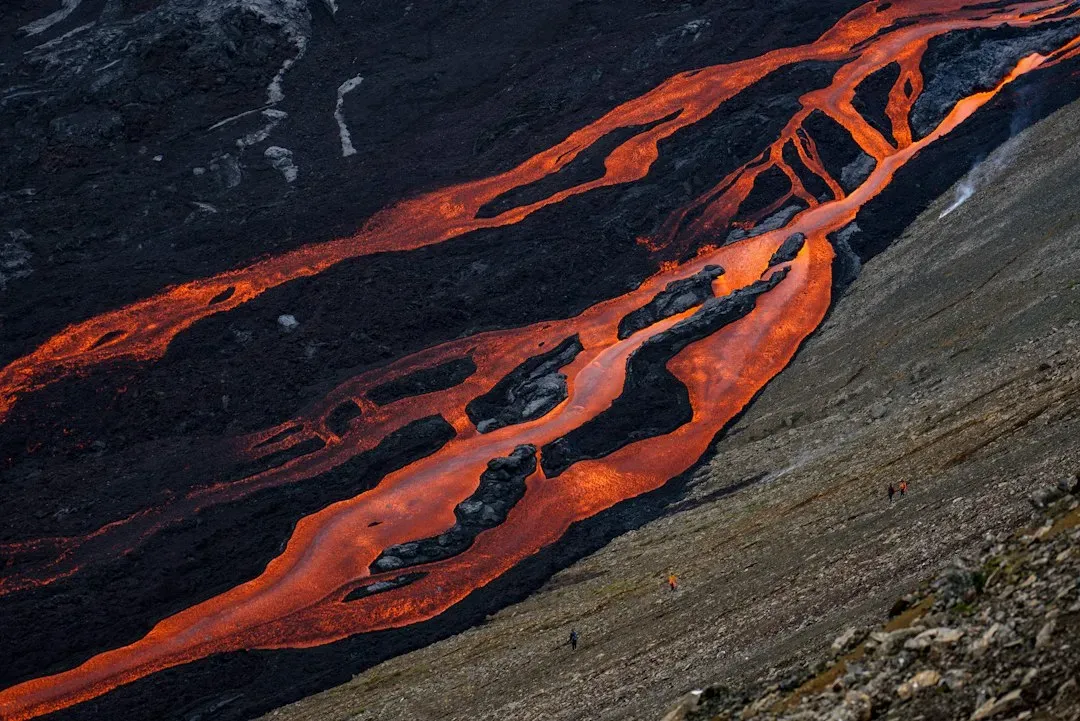
Iceland responded with large earthworks. A 2026 review in the journal Natural Hazards describes about 14 kilometers of barriers, heights up to 25 meters, and roughly 3 million cubic meters of material used by September 2025.
The walls have had mixed results, as the April 2025 breach showed. As of 15 January 2026, barrier work was halted and machinery was held on standby, and earlier intrusions gave between 20 minutes and just over 4 hours of warning.
Where Things Stand in Autumn 2026
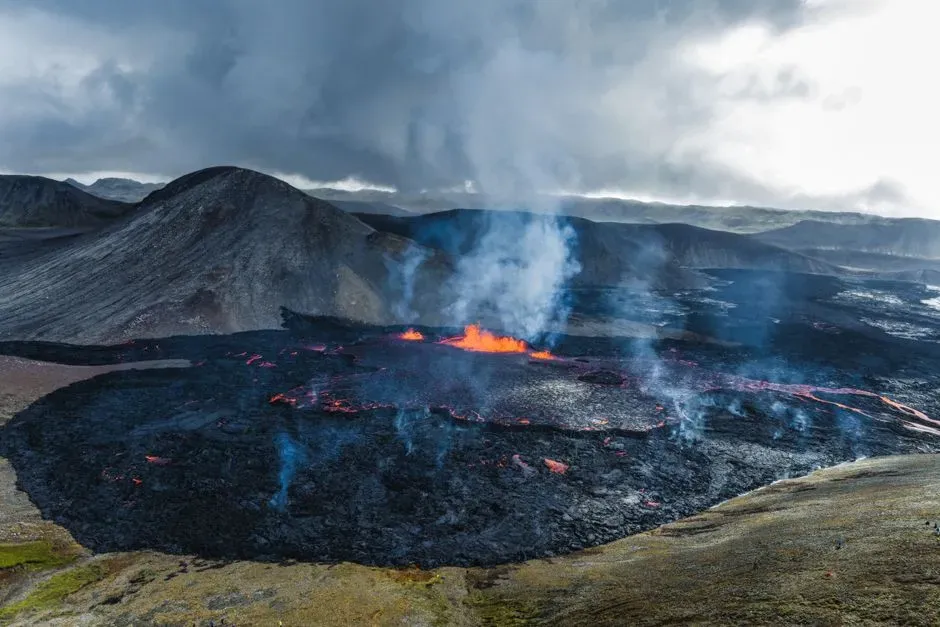
The last eruption ran from 16 July to 5 August 2025. As of 12 October 2026, no eruption is reported underway in Iceland. None of the eruptions on the peninsula since 2021 has disrupted flights to or from Iceland.
Magma is still collecting, though. On 21 July 2026, the Icelandic Meteorological Office estimated 28.3 million cubic meters had accumulated beneath Svartsengi, within a range of 27.5 to 29.1 million. Roughly four centimeters of uplift were measured over the three months to the end of September 2026, at a fairly steady rate.
What Forecasters Expect Next
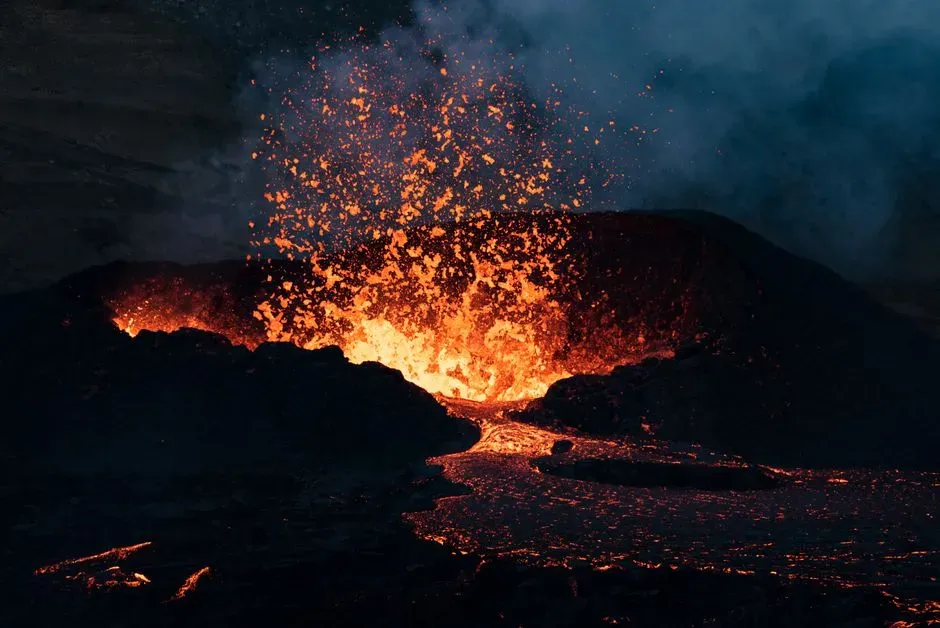
While uplift continues, the most likely scenario is magma moving from Svartsengi toward the Sundhnúkur crater row, potentially leading to an eruption. Timing can’t be predicted, and a short warning time must still be expected.
There is no evidence that the eruptive episode along the crater row is ending. The Reykjanes–Svartsengi system remains at alert level 2, orange.
