

- Phantom Energy Sucking Power 24/7 – 7 Home Electronics Quietly Inflating Utility Bills - November 14, 2026
- A Million-Mile Storm Raging for Centuries – 6 Violent Weather Wonders in Our System - November 14, 2026
- Animals Flee Hours Before the Tremor – 7 Natural Warnings Before Disasters Strike - November 14, 2026
Clocks fall back this weekend. Daylight saving time will end at 2 a.m. Sunday, Nov. 1, 2026, when clocks turn back one hour. You get an extra hour of sleep, but evenings will feel noticeably shorter right away.
This year’s change comes with some political noise attached. Congress has moved closer than usual to ending the clock changes, yet nothing has changed in law. Here’s what to expect on Sunday and in the weeks after.
When Exactly the Clocks Change
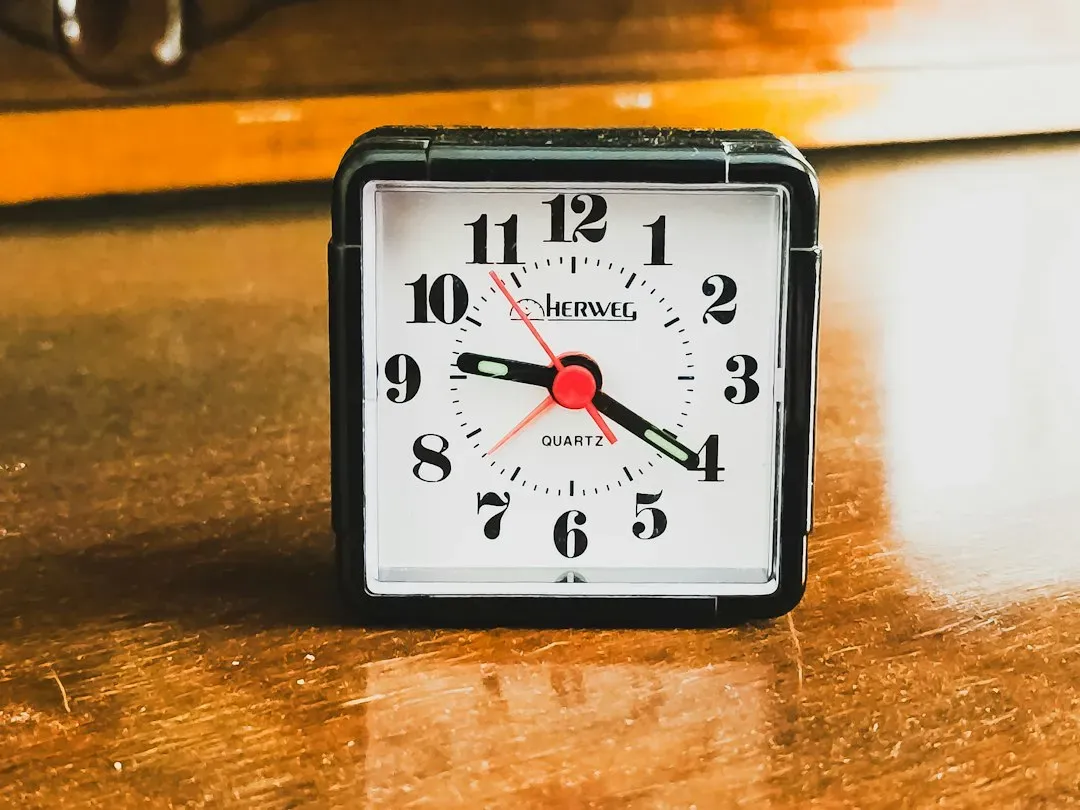
The switch happens at 2:00 a.m. local time on Sunday, Nov. 1. At that moment the clock falls back to 1:00 a.m., and we return to standard time for the winter. Most phones, computers and cable boxes will adjust on their own.
Many people still do the rest by hand, including ovens, wall clocks and car dashboards. Doing it before bed on Saturday is the easiest approach. This is the earliest possible date for the change in any year, so it falls a few days sooner than some people expect.
Why the Date Is Nov. 1 This Year
The date comes from a fixed federal rule. Under current law, daylight saving time begins on the second Sunday in March and ends on the first Sunday in November. Because Nov. 1 is a Sunday this year, the change lands as early as it can.
That rule has a long history. Congress wrote it into the Uniform Time Act of 1966 and extended it in 2005. The current schedule has therefore been in place for roughly two decades.
What Earlier Sunsets Will Look Like

The biggest change you’ll notice is at the end of the day. Sunsets jump about an hour earlier overnight, so the evening commute will often happen in the dark. In the northern United States, sunset drops back to between 4:30 p.m. and 5:00 p.m.
Mornings get the benefit. Sunrise also moves an hour earlier on the clock, which helps anyone leaving for work or school at dawn. The exact times depend on where you live, so check a local sunrise and sunset table for your town.
Why Days Keep Getting Shorter After the Change

Falling back doesn’t add daylight. It shifts when the daylight shows up on the clock. The days continue to shorten in the Northern Hemisphere until the winter solstice in December.
Because of that, sunsets will keep creeping earlier for a few more weeks even after the one-hour jump. Some people feel the shift more than others, especially in northern regions. Planning outdoor exercise or errands for lunchtime or the morning can help you use the available light.
Adjusting Your Sleep and Routine
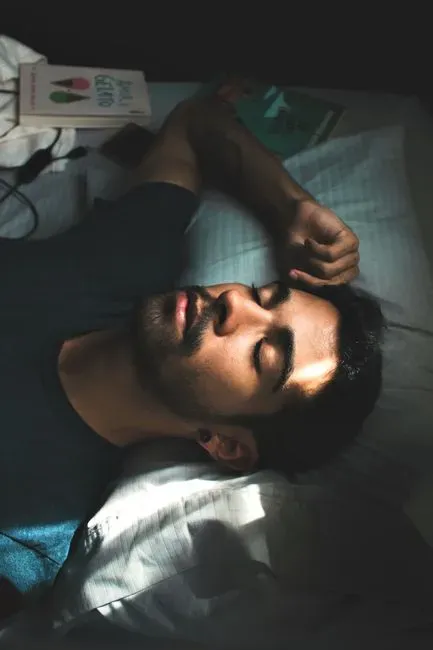
The extra hour is welcome, but your body clock may take a few days to settle. Sleep medicine groups have long cautioned about the effects of clock changes on sleep. The American Academy of Sleep Medicine has publicly supported permanent standard time instead of year-round daylight saving time.
A few small habits can ease the change. Keep your usual bedtime and wake time, get outside in the morning, and dim the lights in the evening. Shift meals and pet feeding times gradually if your routine is sensitive to schedule changes.
Safety Tips for Darker Evenings
With darkness arriving sooner, the evening commute carries different risks. Drivers should expect lower visibility around dusk, and pedestrians and cyclists should wear reflective clothing and use lights. Slowing down in neighborhoods and school zones is a simple precaution.
The change is also a handy reminder for home safety. Many fire departments suggest testing smoke and carbon monoxide alarms when you change the clocks. Replacing batteries as needed takes only a few minutes.
Is Daylight Saving Time Going Away?

Not yet, though the idea has gained ground. The House passed the Sunshine Protection Act on July 14 in a bipartisan 308-117 vote. The legislation would make daylight saving time permanent, eliminating the annual November switch back to standard time for most of the country.
The Senate hasn’t passed the bill. It was referred July 15 to the Senate Committee on Commerce, Science and Transportation. The Senate adjourned for the midterm election and isn’t scheduled to return until the week of Nov. 9, so the Nov. 1 change will go ahead.
Places That Don’t Change Their Clocks
Not everyone in the country is affected. Hawaii and most of Arizona stay on standard time all year. U.S. territories such as Puerto Rico also don’t observe daylight saving time.
Michigan is a different case, because it does observe daylight saving time. After this weekend, Michigan will remain on standard time until daylight saving time begins again March 14, 2027. That is the next date to mark for the spring change.
Conclusion
On Sunday, Nov. 1, clocks go back an hour at 2 a.m., evenings get darker sooner, and mornings get brighter. Congress hasn’t ended the practice, so plan around the change this year. Whether you take the extra hour as a gift or as a nuisance, the shift is only temporary, and the next one arrives in March.
