

Lake Powell, the second-largest reservoir in the United States, has dropped to its lowest level since it filled. On a Saturday in mid-August 2026, its pool elevation fell to 3,519.91 feet, just under the previous record of 3,519.92 feet set in April 2023. The margin was razor thin, but the decline kept going.
Later readings pushed the mark lower. One site that republishes Bureau of Reclamation data lists a low of 3,516.62 feet on September 15, 2026. Here’s what the numbers show and why they matter.
A Record Broken By Inches, Then By Feet
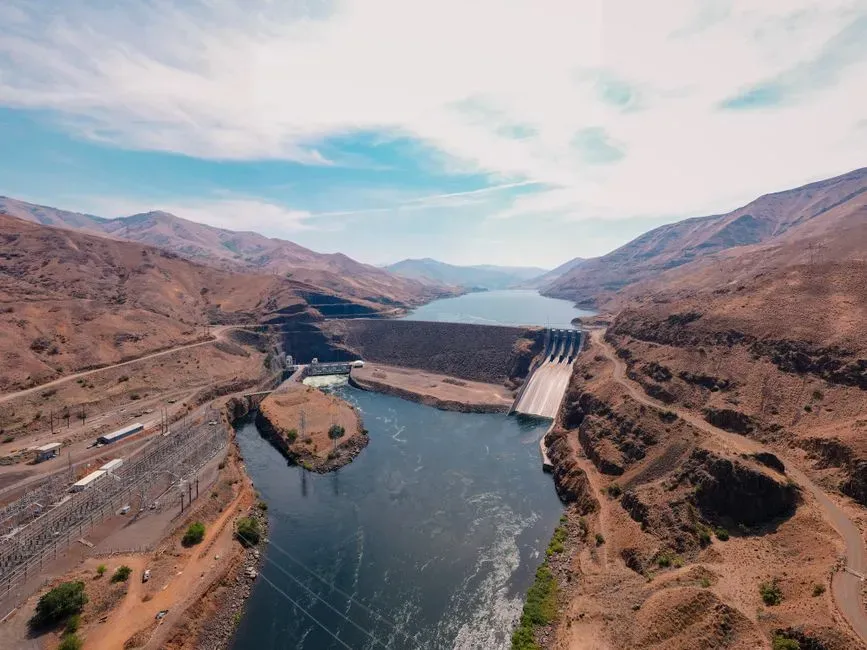
The August milestone was almost symbolic. Federal officials cautioned that the daily figure was provisional and subject to revision, given how small the margin was. Even so, the downward trend meant a clear new record was only days away.
By mid-September, the reservoir had fallen further. Data compiled on one tracking site puts the September 15, 2026 low at 3,516.62 feet. That figure is a third-party summary of official readings, so the Bureau of Reclamation’s own data remains the definitive source.
What The Lake Looks Like Today
As of the end of October, the lake has recovered slightly from its September low. One tracker reports an elevation of 3,531.90 feet on October 31, 2026, with storage of about 5.95 million acre-feet, or 25.5 percent full. That’s still very low by any historical standard.
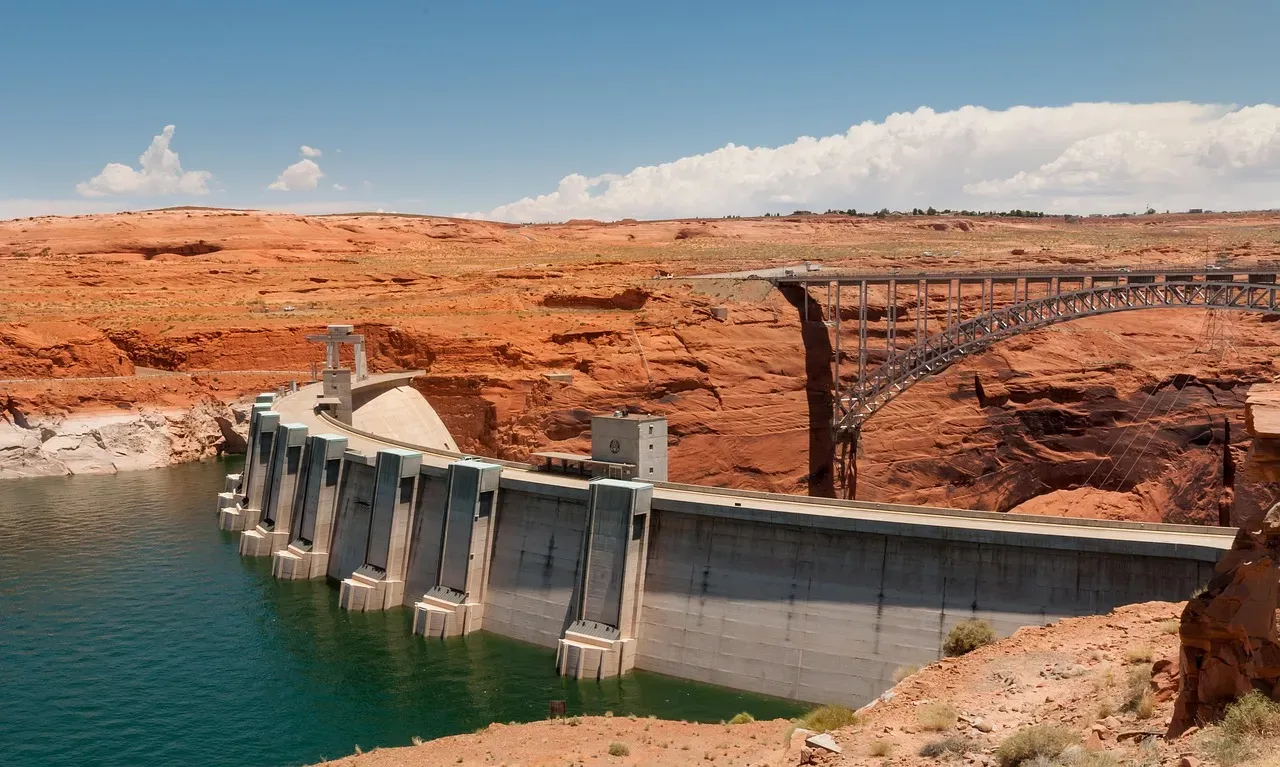
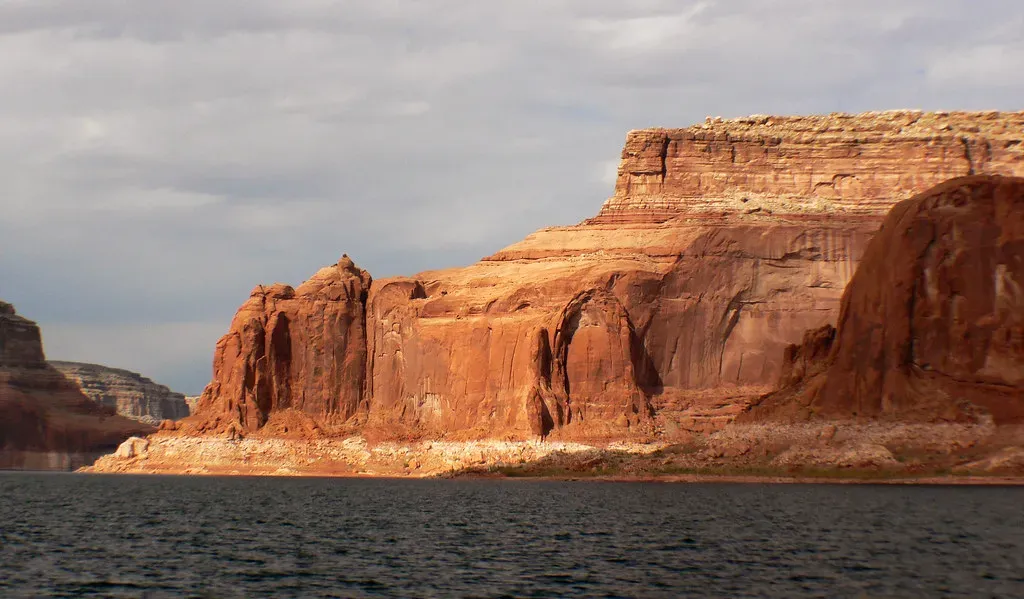
The lake sits about 15 feet above its record low. It’s also roughly 13.5 feet lower than it was twelve months earlier. Photos from the region show the story: water levels several hundred feet below full capacity at Glen Canyon Dam.
How Far Below Full Pool Is It?
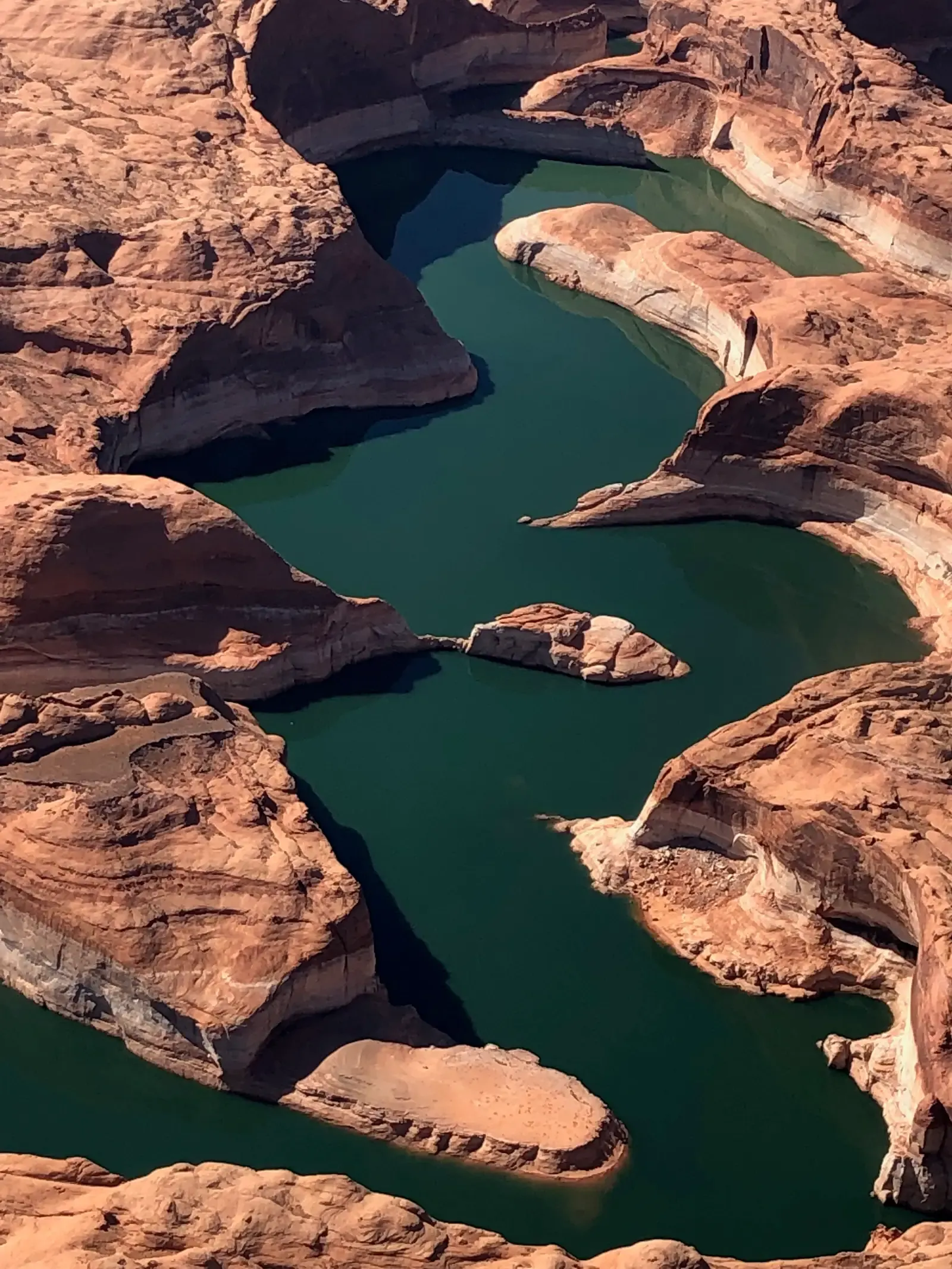
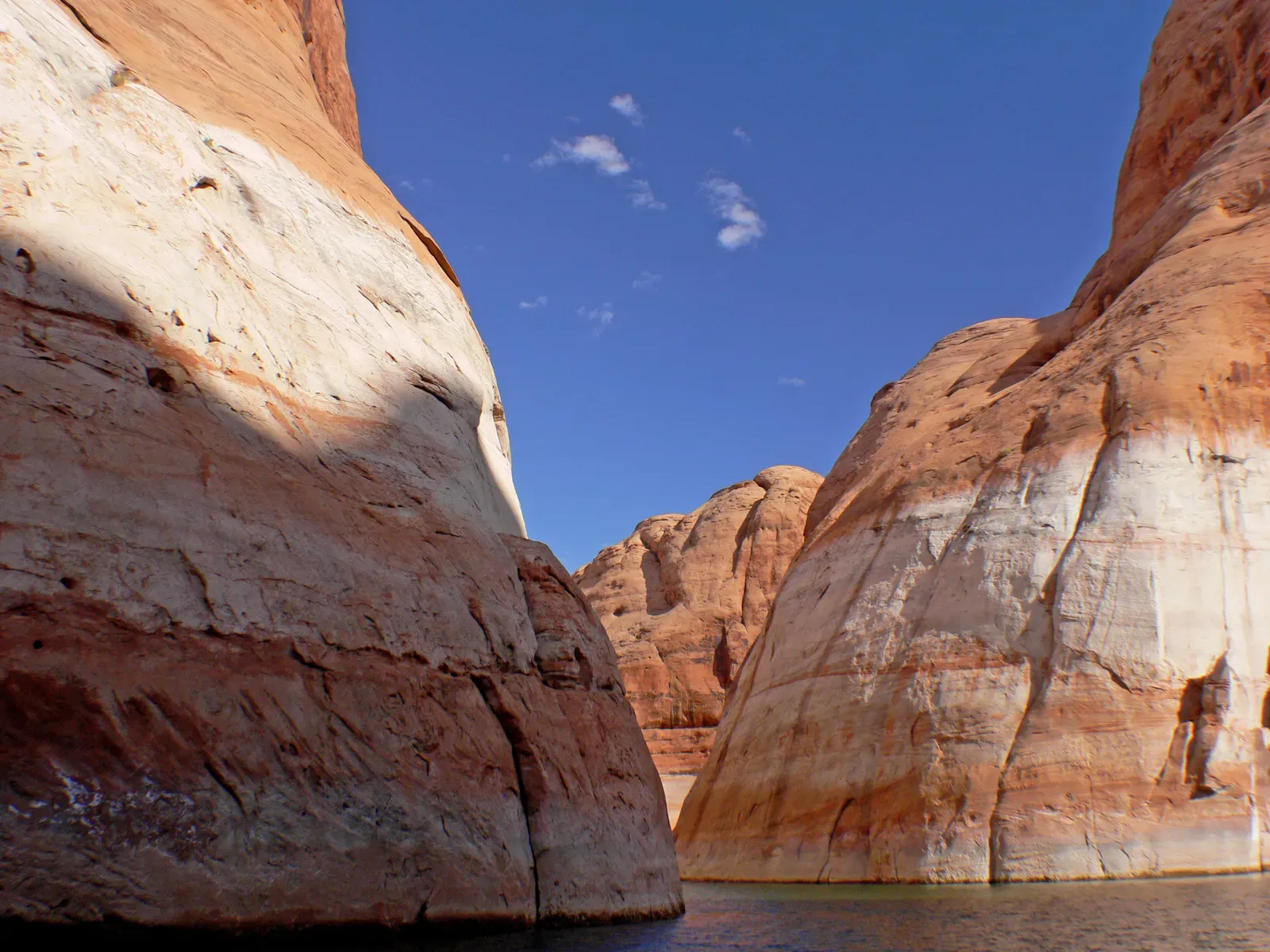
Context helps. Full pool elevation is 3,700 feet. At roughly 3,532 feet, the reservoir is about 168 feet below that mark, which is why bathtub-ring rock walls and stranded boat ramps are so visible.
The practical effects reach recreation too. One tracker notes that only 2 of 11 boat ramps sit above their published minimum launch elevation at current levels. Reservoir recreation depends heavily on access, and that access keeps shrinking.
Why The Lake Fell So Far
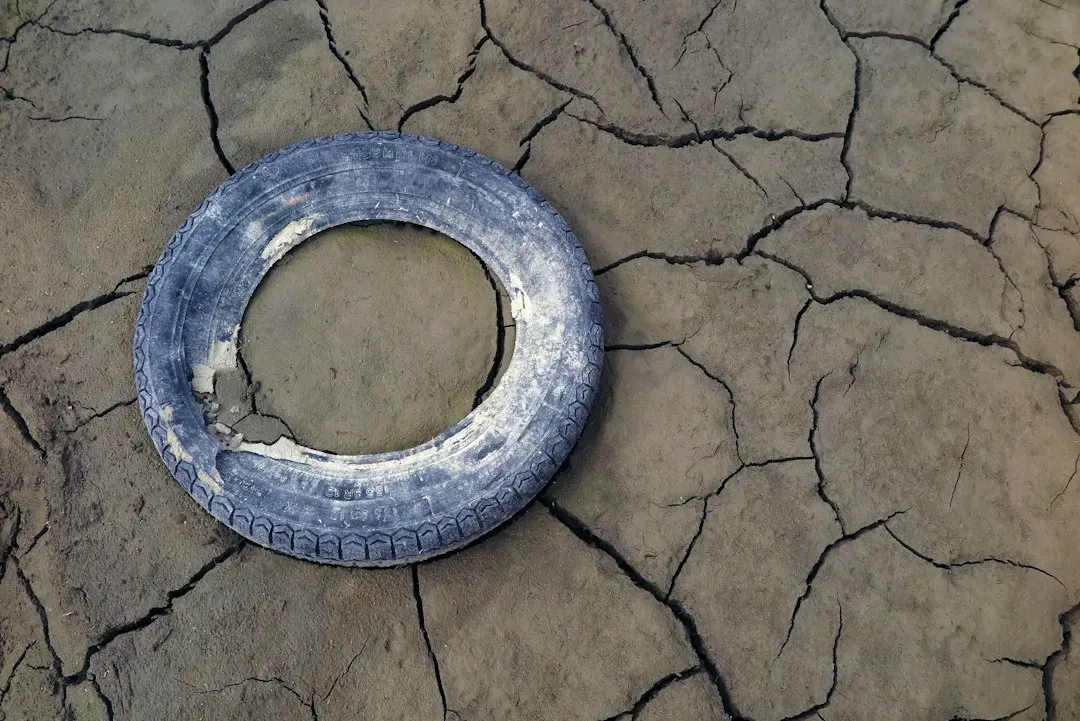
A weak snow year played a major role. The record lows follow a poor snow season across the Upper Colorado River Basin, where mountain snowmelt supplies much of the water reaching Powell and Mead. Less runoff means less water arriving in spring and summer.
The longer backdrop matters as well. Reporting has tied the decline to a decades-long megadrought. AccuWeather also points to drought, rising temperatures and increased demand as combined pressures.
The Hydropower Threshold
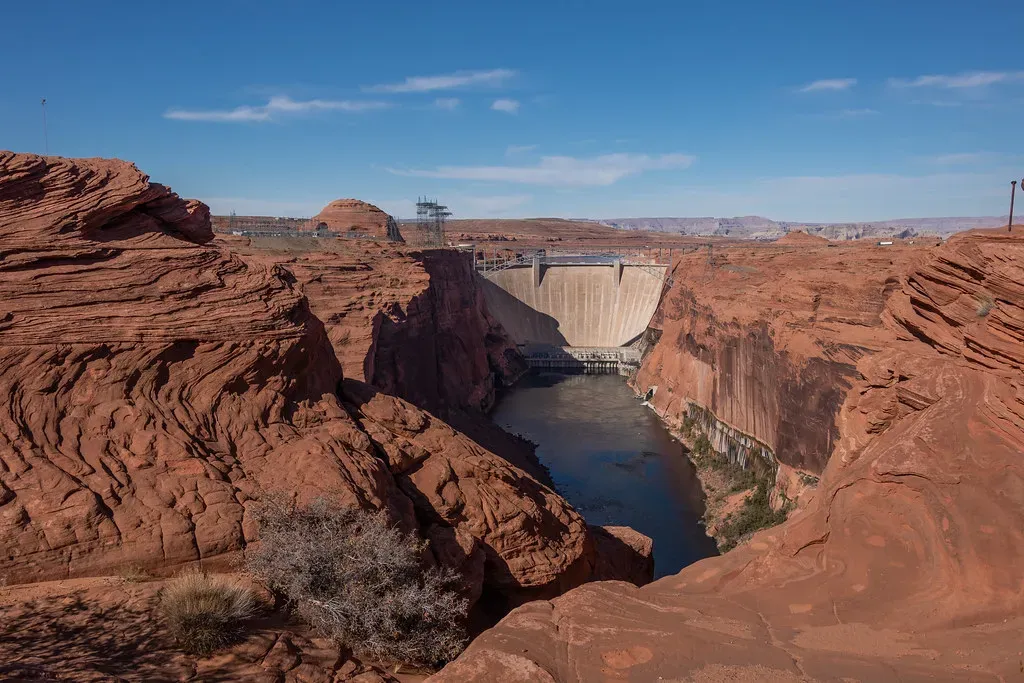
The biggest worry is electricity. Minimum power pool, where water is too low to spin the turbines, starts at 3,490 feet, according to a Bureau of Reclamation spokesperson. Below that, Glen Canyon Dam can’t generate hydropower normally.
When the record was set in August, the lake was about 30 feet above the level at which the dam’s eight turbines would shut down. With the October reading near 3,532 feet, the cushion is roughly 40 feet, a bit more breathing room but not much.
Lake Mead Fell Too
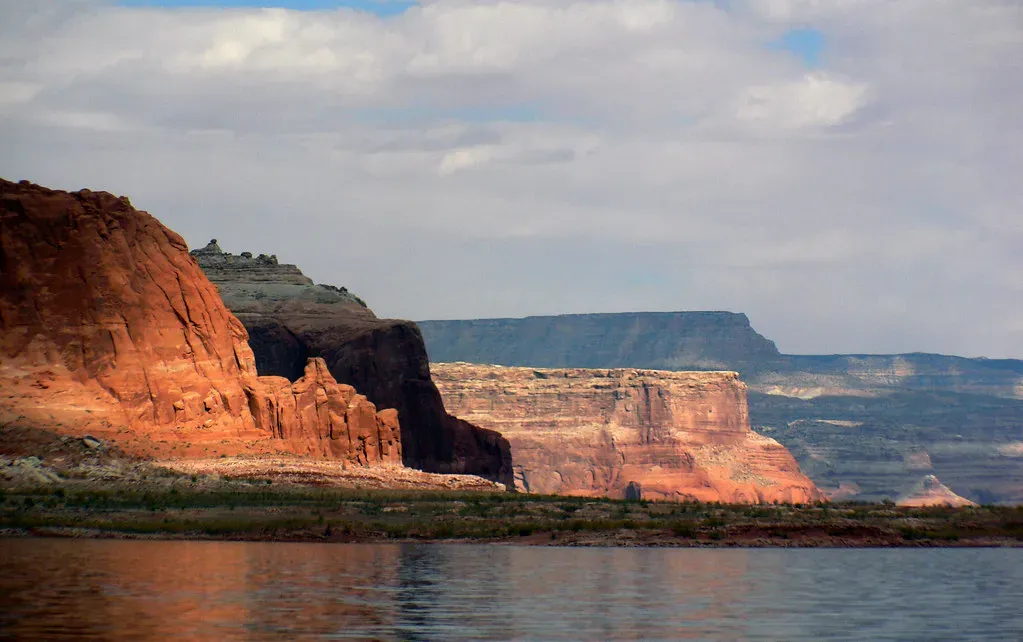
Powell isn’t alone. Less than two weeks before Powell’s record, Lake Mead, the largest U.S. reservoir by capacity, also hit a record low. The two lakes together form the backbone of Colorado River storage.
AccuWeather notes that their combined storage is near levels last seen in the 1950s, before Lake Powell existed. That comparison shows how much the system has been drawn down.
Who Depends On This Water
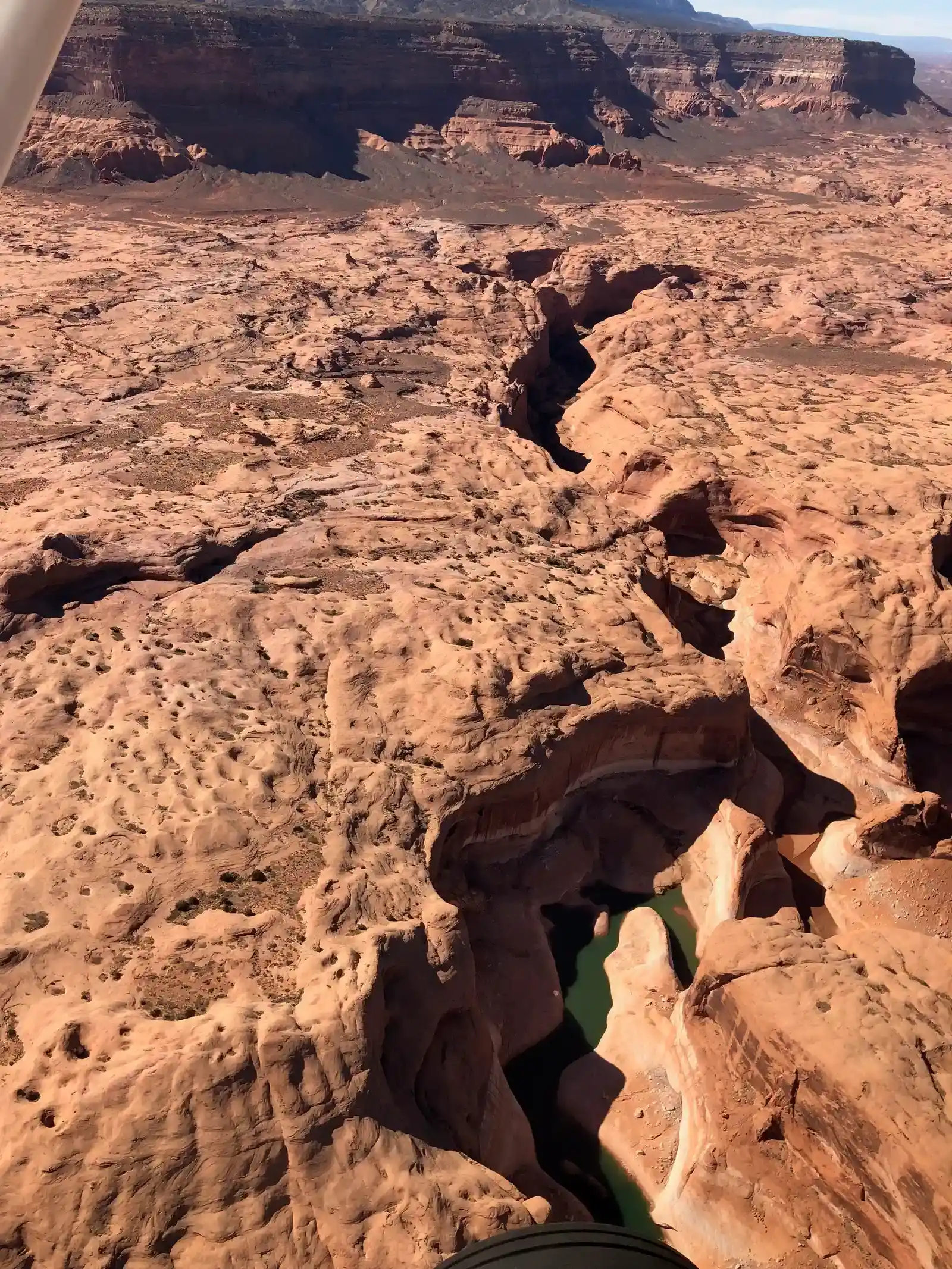
The stakes are large. Agriculture accounts for about 70 percent of Colorado River water, and between 35 million and 40 million people rely on it for at least part of their municipal supply, according to the Bureau of Reclamation. PBS describes it as a key resource for wildlife, hydropower and more than 40 million people in seven states.
Different outlets use slightly different population figures, so it’s safest to say tens of millions. What’s clear is that cities, farms and power customers across the Southwest all feel what happens at Powell.
The Policy Standoff
The record lows arrive amid unresolved negotiations. The federal government and the seven river states are struggling to agree on a long-term management plan. The existing framework is under strain as storage shrinks.
Nothing in the data suggests a quick fix. Lake levels follow a seasonal pattern, rising with snowmelt from roughly April through July, then declining as releases exceed inflows. Whether next spring’s snowpack helps will largely decide where the lake heads next.
Conclusion
Lake Powell’s record low in 2026 is a measurable sign of a river system under pressure. The lake now sits around a quarter full, well below its 3,700-foot full pool, and still within reach of the elevations where hydropower becomes a problem.
The reservoir has dipped and recovered before, but this year’s data shows how little margin remains. The next snow season will say a lot about what comes next.

- The Shoreline Sucked Dry in Seconds – 5 Tsunami Signals Beachgoers Mistake for Low Tide - November 14, 2026
- 9 Dark-Sky Destinations Around the World Where the Stars Look Unreal - November 14, 2026
- The Fault Line That Never Slips – 7 Locked Seismic Zones Overdue for a Massive Release - November 14, 2026
