
On September 22, 2026, a faint star in a neighboring galaxy sent light into an instrument built to find other worlds. The image that came back was noisy and unremarkable to the eye. Still, it was the first time the coronagraph aboard NASA’s Nancy Grace Roman Space Telescope had seen real sky.
The moment was quiet, and that suits the way this kind of work goes. Space instruments rarely start with a showpiece picture. They start with a simple question: does the light come to a focus?
A Telescope Still Settling In
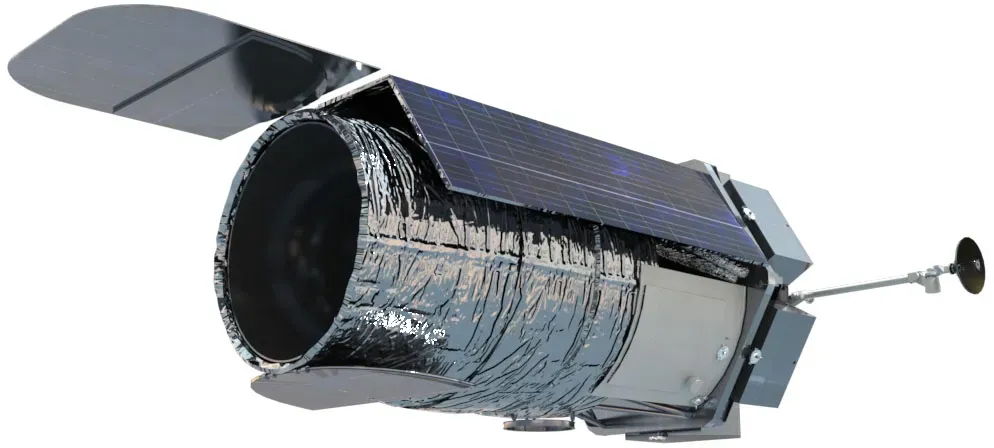
Roman launched on August 30, and it is in a roughly three-month commissioning period. That period is when engineers wake up each system, check it, and tune it before real science begins. NASA expects the telescope to begin science operations by early 2027.
The coronagraph’s first light came a little over three weeks after launch. It was one early step in a long checklist, not a finish line.
Waking the Instrument Up
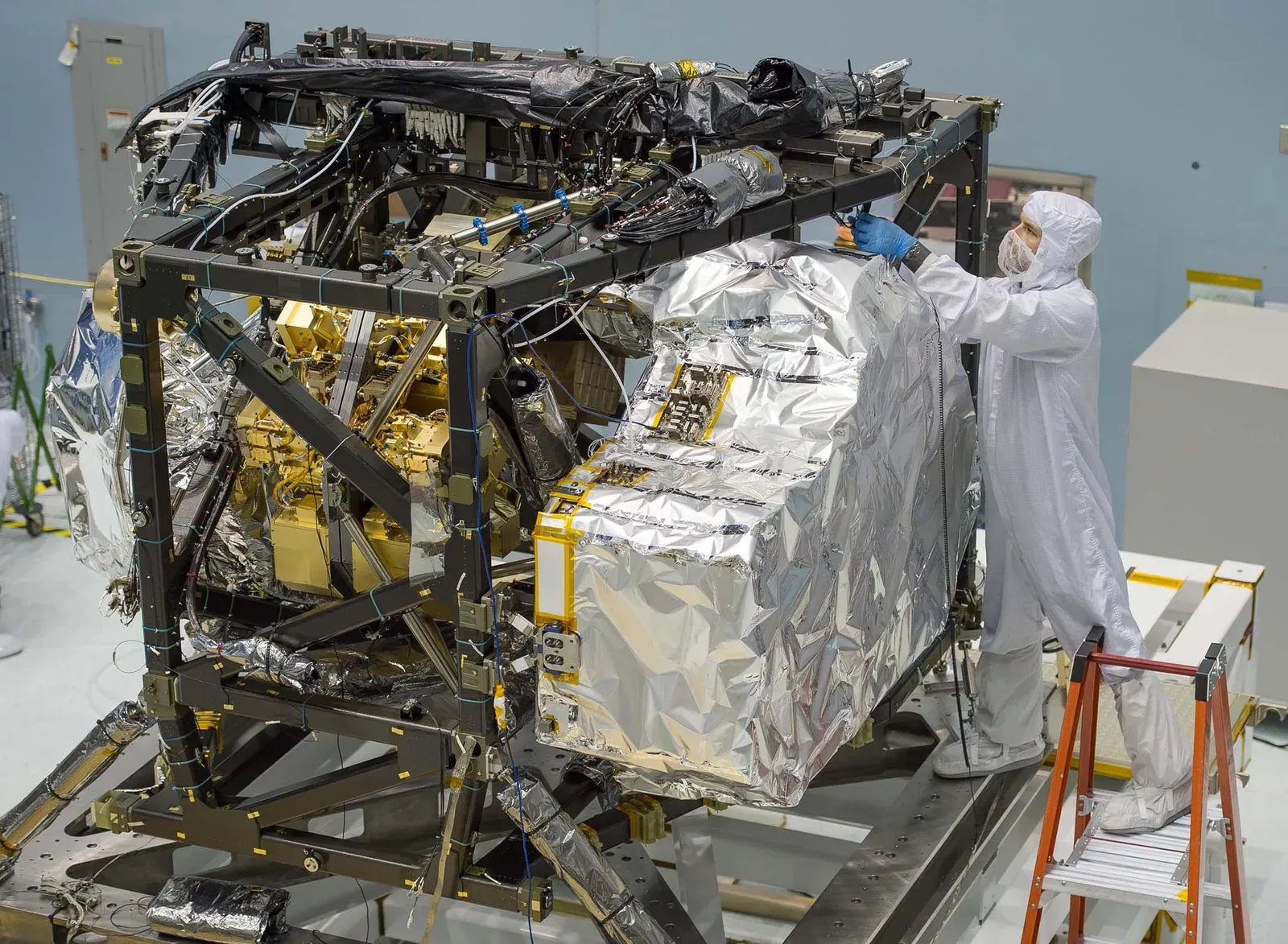
The coronagraph was not pointed at the sky straight away. It first woke up on September 1 and stretched its digital, electronic, and mechanical “limbs” mid-month. Those checks make sure the instrument is healthy before any light reaches it.
Only then did the team move to the sky. The order matters, because an instrument this delicate needs to be confirmed as stable before it is asked to do anything demanding.
Proving the Pointing Was Steady
Before the coronagraph looked out, engineers tested the guidance system. From Sept. 15 to 21, they tested Roman’s fine-guidance system, which helps the observatory stay precisely locked onto its targets. To do this, the team assigned a small part of each of the 18 detectors in the Wide Field Instrument to rapidly observe a separate guide star.
The results were strong. Tests showed Roman could hold its aim to better than 1/100,000 of a degree for up to eight hours. NASA compared this to aiming a laser at a dime from about 150 miles away.
September 22, First Light
Once the guidance system was holding the instrument steady, scientists adjusted the focus so it could take its first bleary-eyed look at space. The date was September 22, a day after the pointing tests ended.
The control work happened on the ground. The Coronagraph Instrument is commanded at Caltech’s IPAC astronomy center. Operators watched telemetry there as the first light arrived.
A Faint Star in the Large Magellanic Cloud
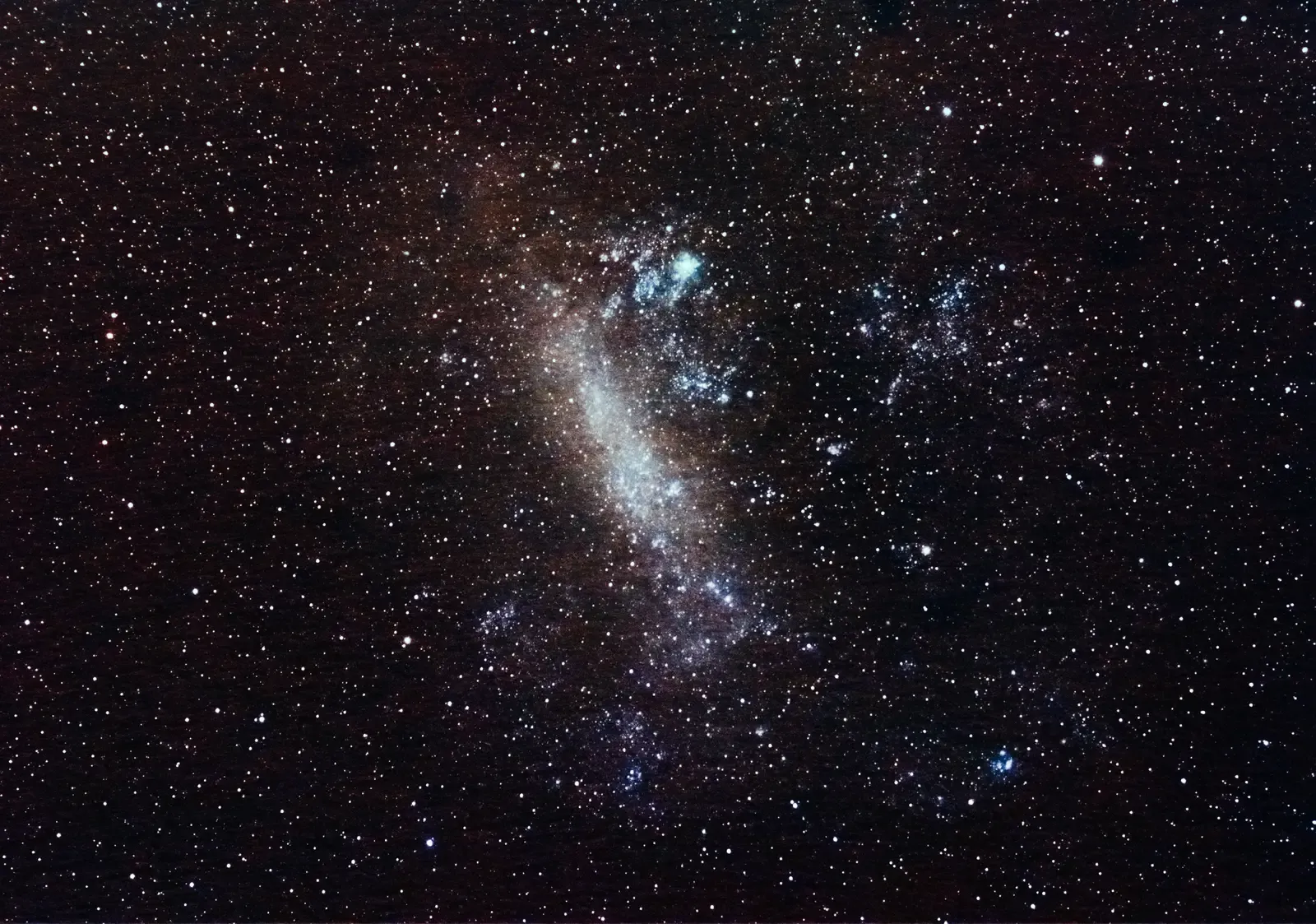
The target was a faint star in the Large Magellanic Cloud, a small galaxy that orbits the Milky Way. That galaxy sits roughly 160,000 light-years away and is visible from the southern hemisphere.
The star was a practical choice, not a scientific one. The image is an early check that light passes through the instrument and comes to a focus. It is not a scientific discovery.
Why the Picture Looks Noisy
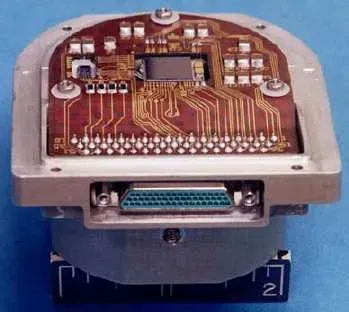
The first image shows electronic noise, and that was planned. The detectors were kept warmer than their final operating temperature to prevent contamination. Warmer detectors are less sensitive, so the picture is rougher than later ones should be.
NASA also followed up. A second observation took place on September 27. The first test contained a single star, and the next contained many.
What the Coronagraph Is Meant to Do
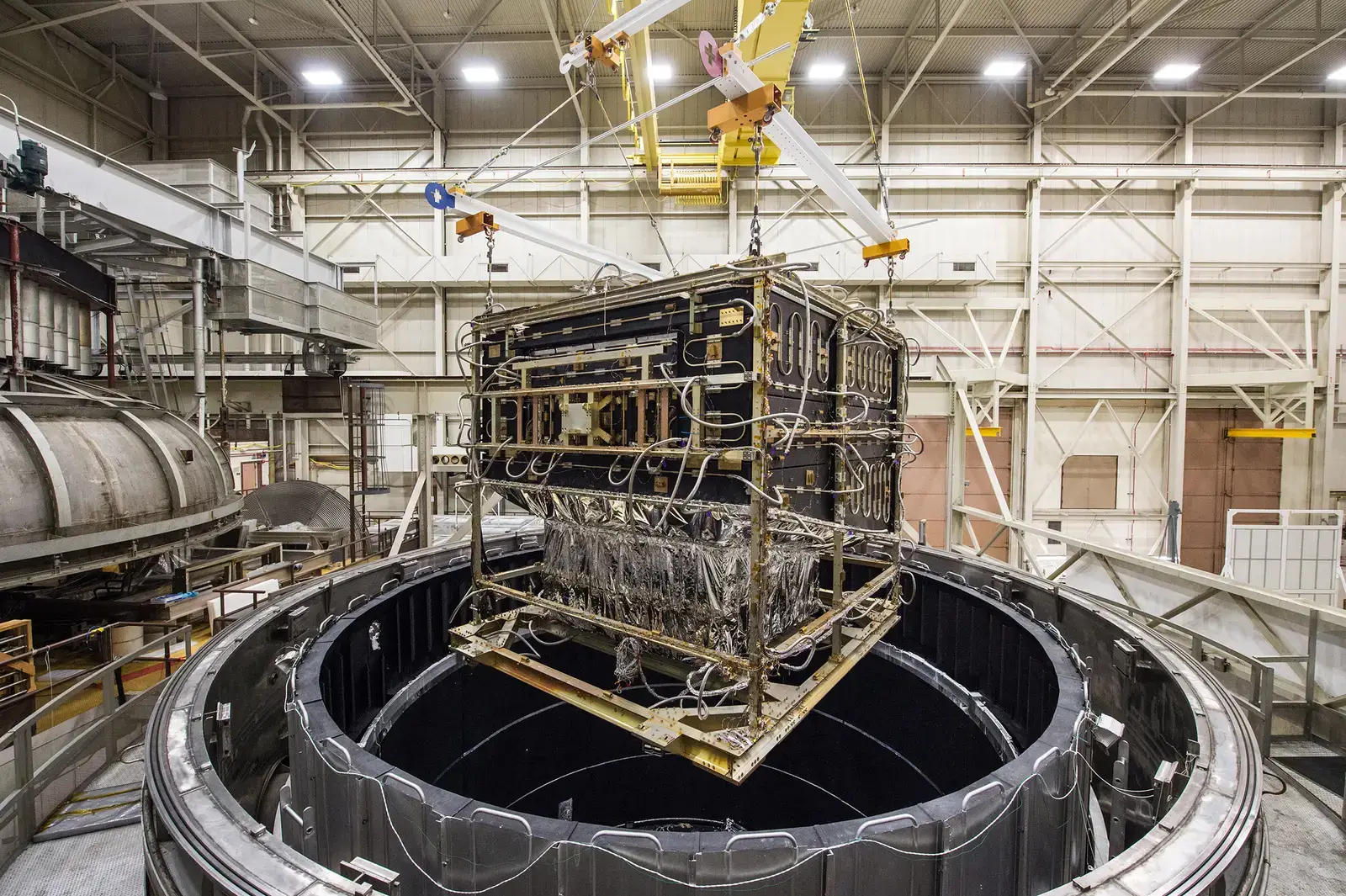
The instrument’s job is to hide a star so its planets can show. It will block out a star’s light, making the surrounding area dark enough to image the faint light of orbiting planets. It can also look at dusty disks around nearby stars.
It was designed and built by NASA’s Jet Propulsion Laboratory. NASA treats it as a technology demonstration, aimed at proving methods that future missions could use to image Earth-like planets directly.
The Long Road to a Dark Hole
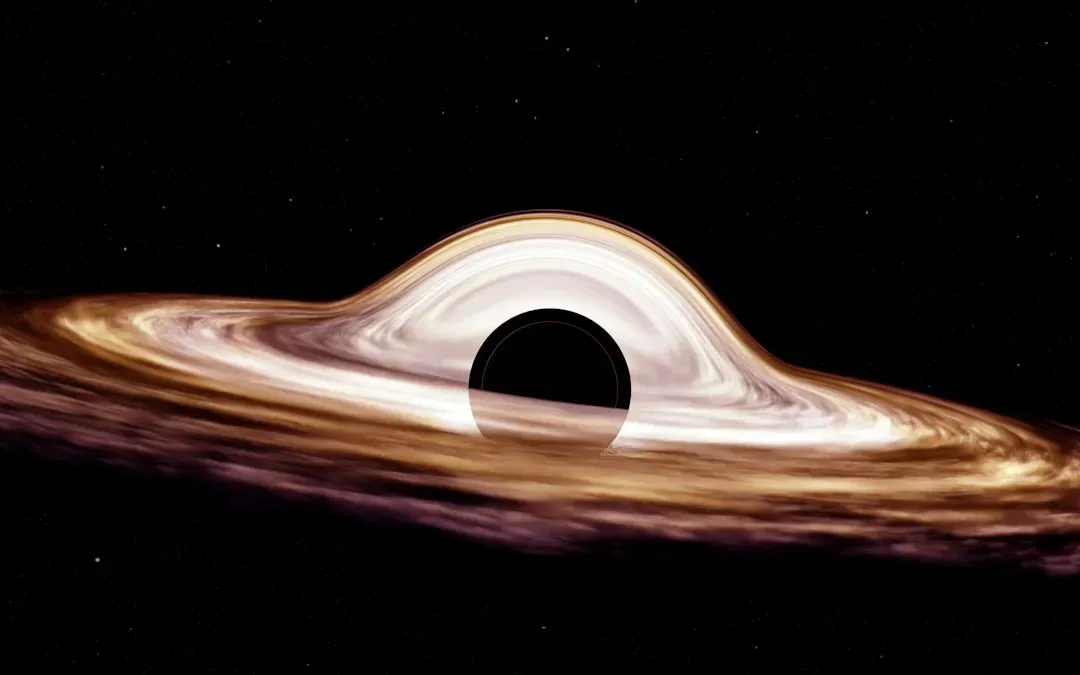
The next goal is a challenging one. A NASA team member described these early tests as building toward digging a dark hole on the sky. That means carving out a patch of near total darkness right next to a bright star.
Part of the method uses deformable mirrors. The plan, as one report described it, involves downloading initial images, analyzing them, and then deforming the mirrors to obtain the clearest possible image of an exoplanet. The same report says this is about 100 times better than previous coronagraphs.
No Planets Yet, and Modest Expectations
It’s worth being plain about this. None of the September images shows a planet. The spectral guiding mode was also still waiting to be validated when NASA wrote its update.
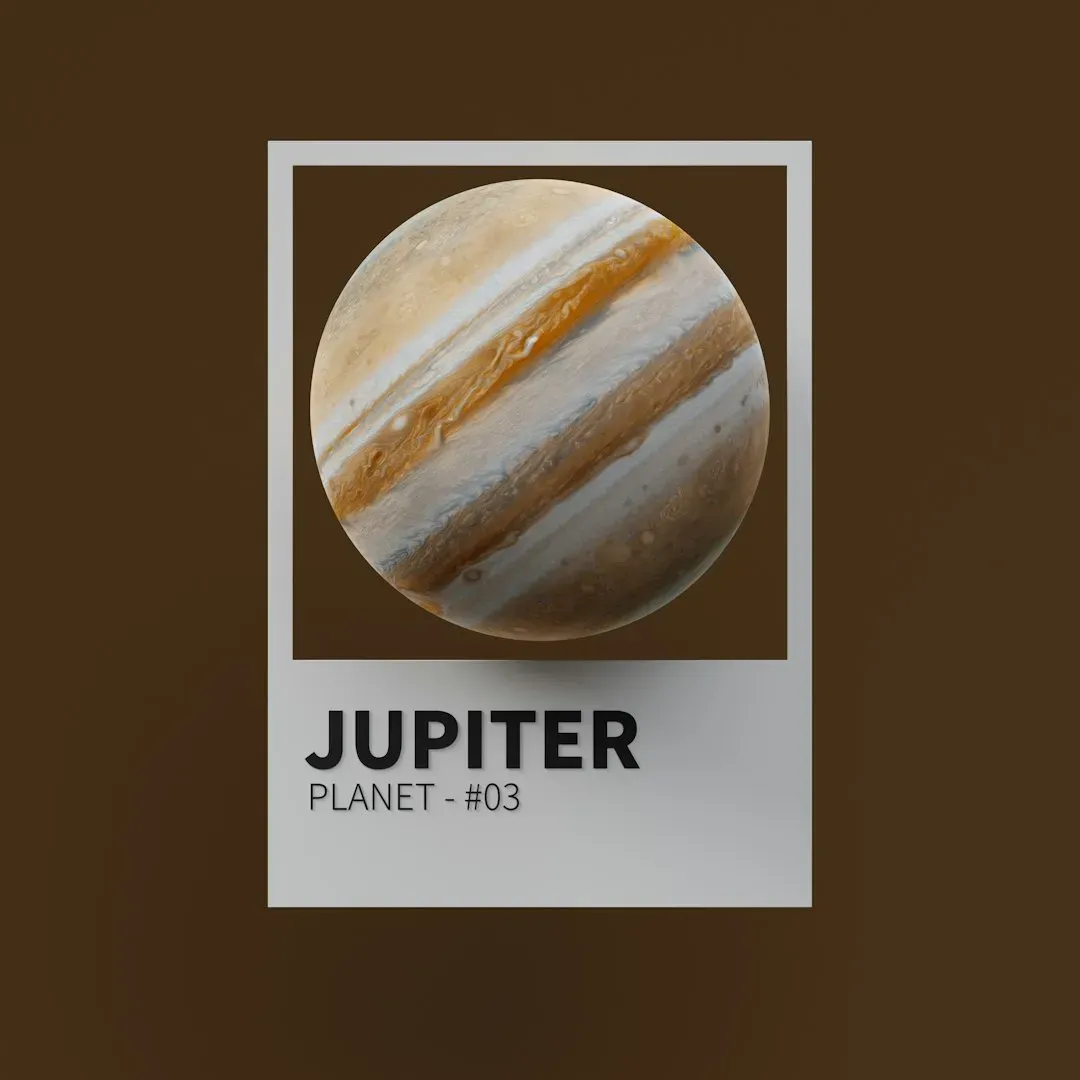
Observing time is limited too. The coronagraph has roughly three months of observing time spread across Roman’s first year and a half. The same report says a Jupiter-like planet will probably look like only a few pixels.
What Comes Next for Roman
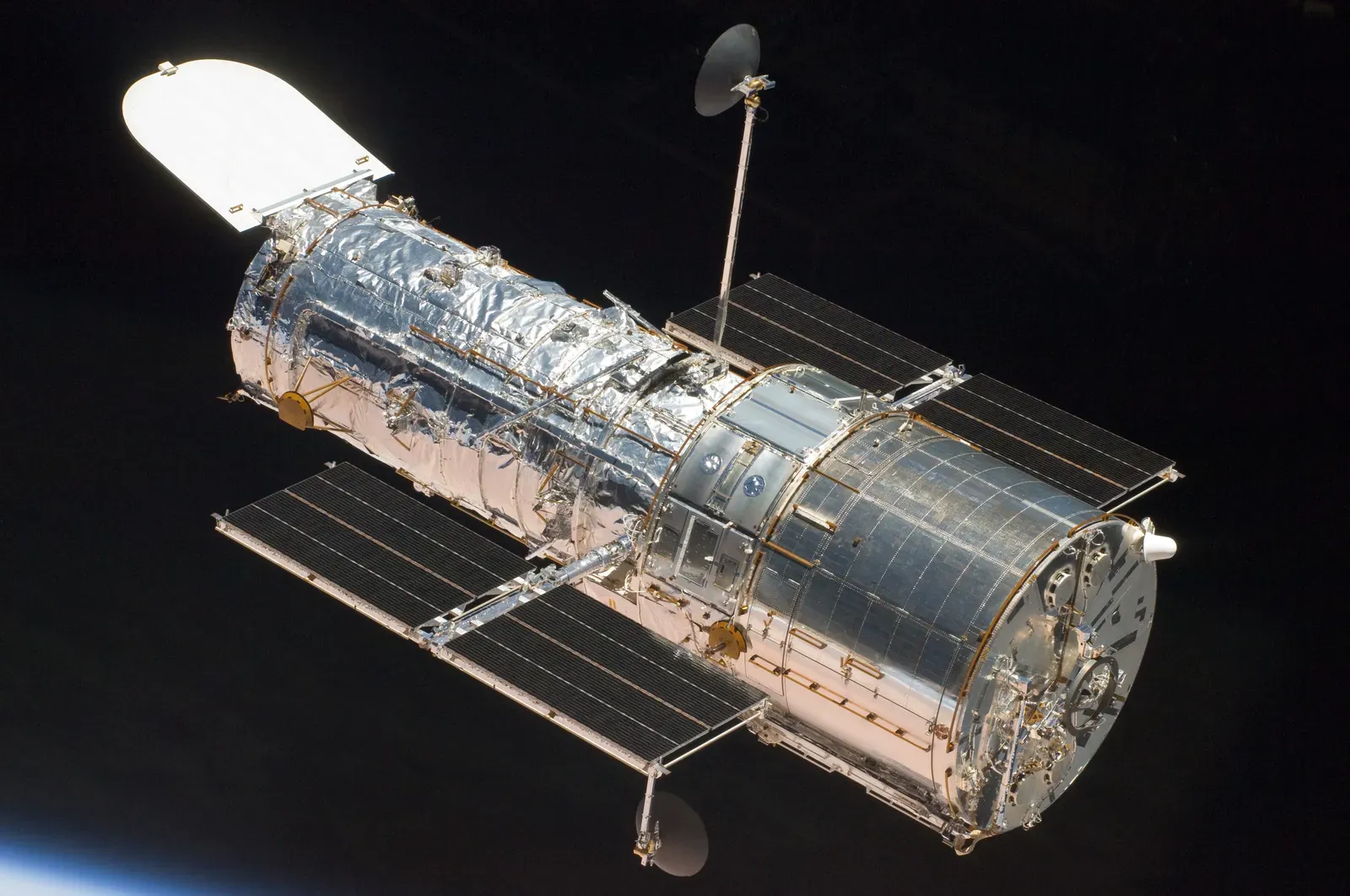
Both instruments still have work to do. The Coronagraph Instrument and the Wide Field Instrument will undergo further calibrations and tests during a three-month commissioning period. That work comes before any science observations.
The public will see more soon. NASA anticipates releasing Roman’s first images by early 2027. Beyond the coronagraph, the telescope will also look for planets through microlensing and the transit method.

- The Shoreline Sucked Dry in Seconds – 5 Tsunami Signals Beachgoers Mistake for Low Tide - November 14, 2026
- 9 Dark-Sky Destinations Around the World Where the Stars Look Unreal - November 14, 2026
- The Fault Line That Never Slips – 7 Locked Seismic Zones Overdue for a Massive Release - November 14, 2026
