

On Sunday, October 11, 2026, the Perseverance rover’s odometer hit 28.10 miles (45.22 kilometers), eclipsing the 28.06-mile (45.16-kilometer) record previously set by NASA’s Opportunity rover. That makes it the farthest any vehicle has driven on the surface of another world.
The margin is small, only a few hundredths of a mile. The timeline is what stands out, and so does the way the rover got there.
The Day the Odometer Turned Over
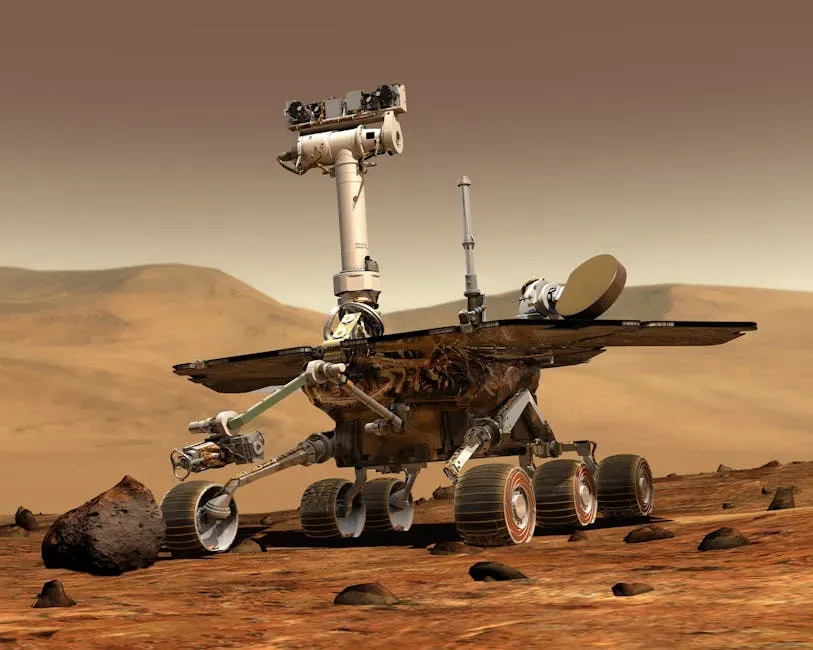
Perseverance reached the mark on the 2,006th Martian day, or sol, of its mission. A 299.6-foot (91.31-meter) drive on that sol pushed its total past Opportunity’s record.
It wasn’t a dramatic sprint. It was one more ordinary drive in a long series, and a navigation camera captured the view from the rover that day.
The Record It Replaced
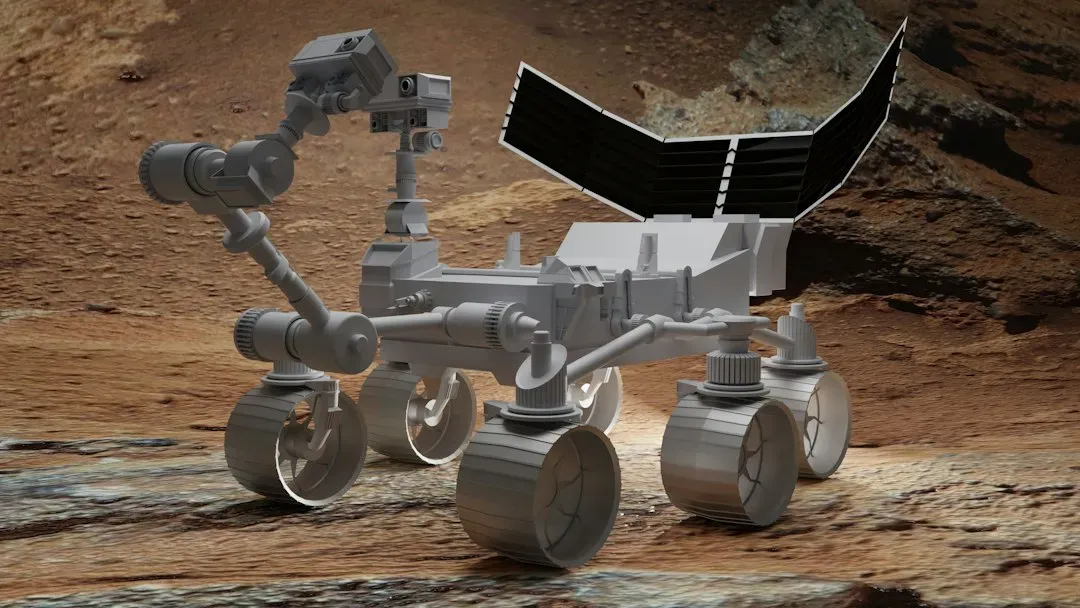
The old mark belonged to Opportunity. That rover explored Mars from 2004 to 2018. It kept rolling for 5,111 sols and completed the first extraterrestrial marathon in 2015.
Opportunity’s final distance stood at 28.06 miles. That figure held even as Curiosity and Perseverance arrived on Mars, until October 2026.
Five and a Half Years Versus Nearly Fifteen
Perseverance covered in five and a half years a distance that took Opportunity almost 15. That is a striking difference in pace.
The two missions were built differently, and the comparison isn’t entirely like for like. Still, the numbers show how much faster a modern rover can cover ground when it’s allowed to.
Where the Rover Was Headed
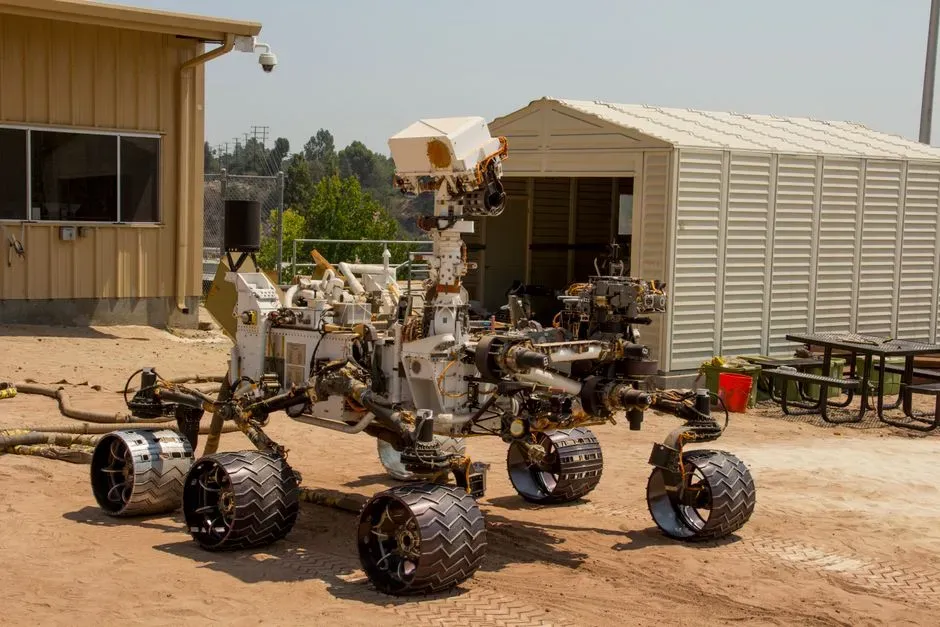
The milestone came as Perseverance traveled toward an area called “Idubi” through the region off the western rim of Jezero Crater nicknamed “Lac de Charmes.” That puts the record just outside the crater where the rover landed in 2021.
The rocks in this area are so ancient that any equivalents on Earth are long gone, erased by erosion and plate tectonics. The record drive was part of a science trip, not a stunt.
Driving Itself
Much of the credit belongs to Perseverance’s self-driving capability. Mark Maimone, deputy team chief for robotic operations, said the rover made its own decisions about the path.
NASA says its newest software teaches the rover to steer less and roll more. It also lets the rover check its own position against orbital maps in the middle of a drive.
Far Beyond the Original Plan
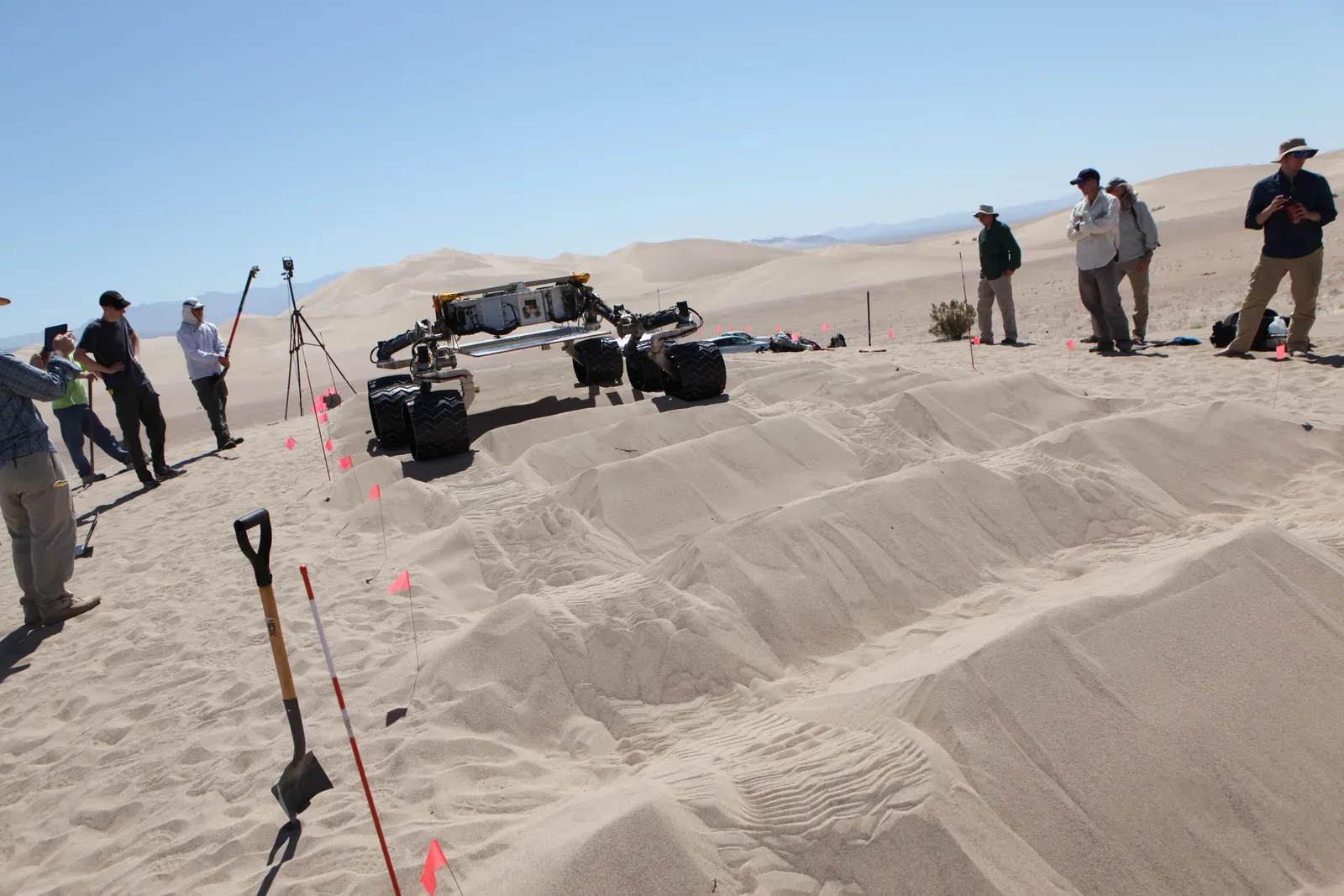
Steven Lee, project manager for the Curiosity and Perseverance rovers at JPL, noted that the original mission called for no more than 12.4 miles of driving. The rover has now gone more than twice that far.
Lee also said all of its mobility systems remain fully operational. That is a good sign for the distance still to come.
How Perseverance Compares with Other Rovers
Curiosity landed in Gale Crater in 2012, remains hard at work, and has logged more than 23.65 miles (38.06 kilometers). Spirit covered 4.8 miles (7.7 kilometers) before its mission ended in 2010.
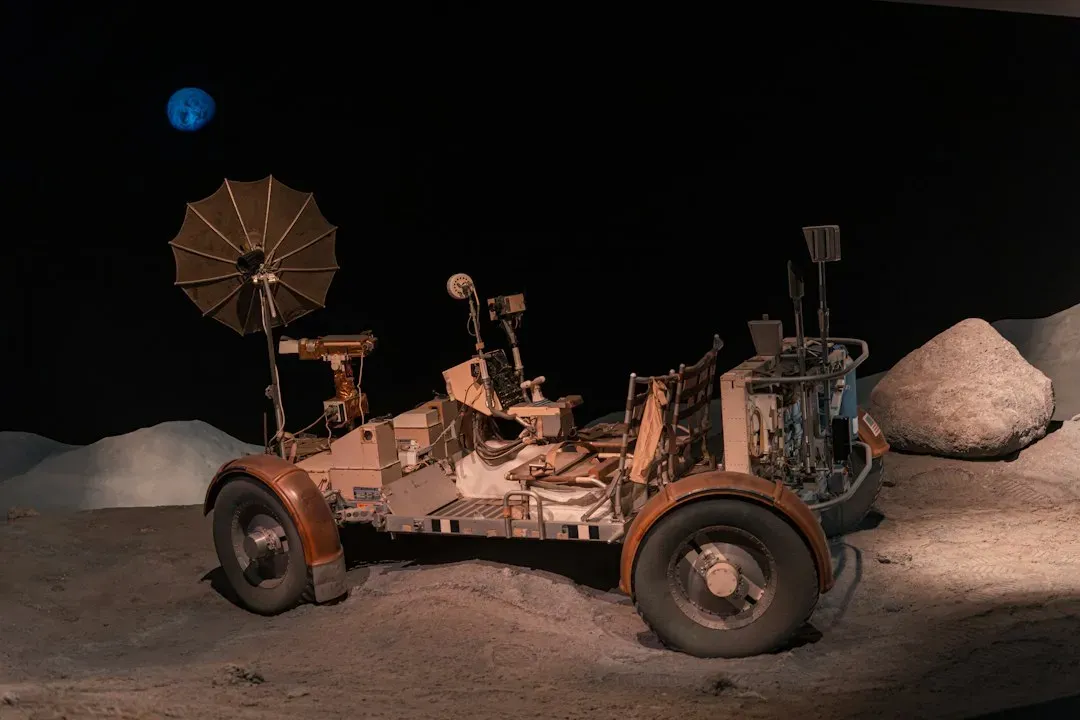
The Moon’s rovers are part of the picture too. Since 1970, humans have sent nine robotic rovers to other worlds, four to the Moon and five to Mars.
Passing the Moon Drivers
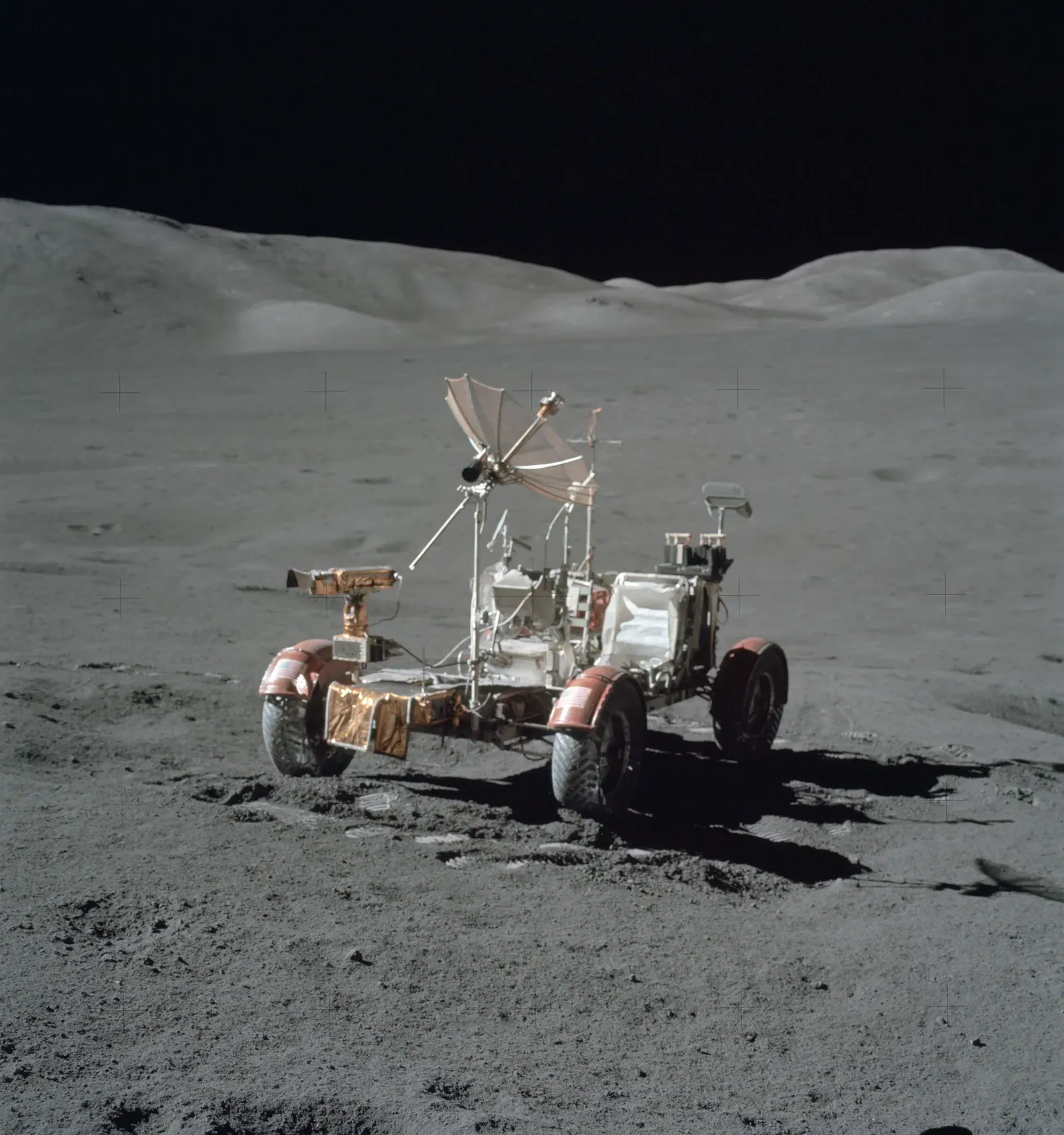
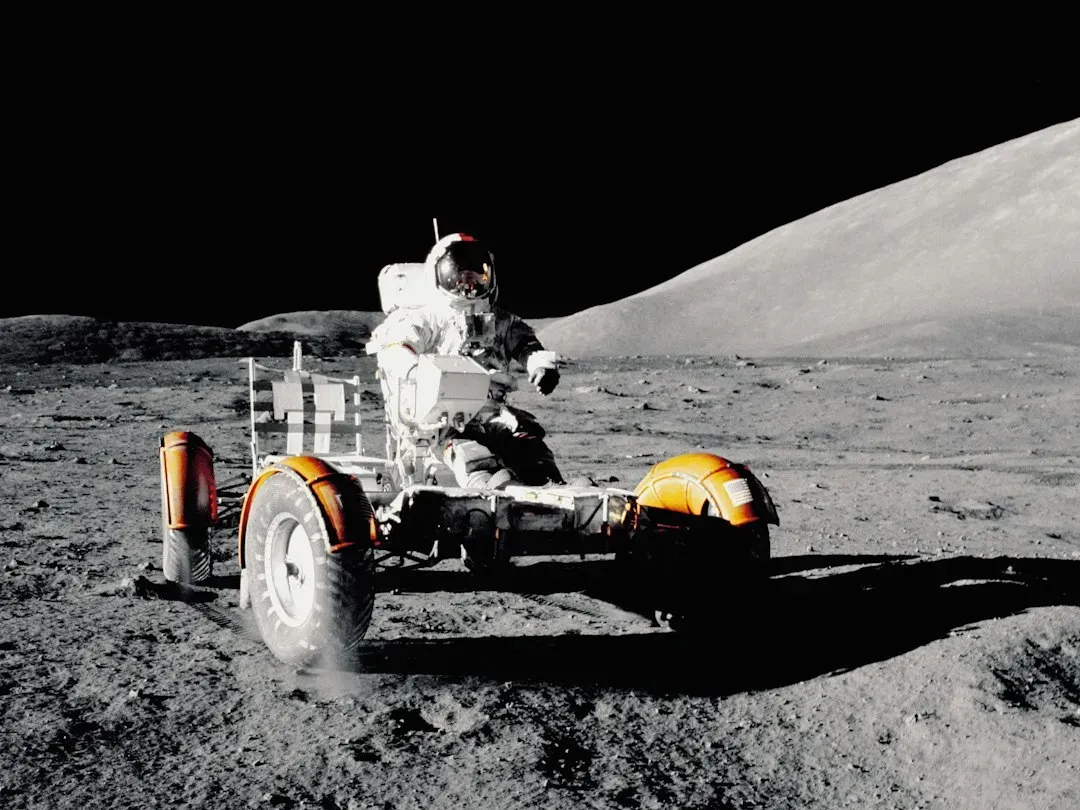
The Moon had its own records, set decades earlier. Perseverance rolled past the 22.2 miles (35.7 kilometers) covered by Apollo 17 astronauts Gene Cernan and Harrison Schmitt in 1972.
It also passed the 24.2 miles (39 kilometers) driven by the Soviet Union’s Lunokhod 2 rover in 1973. Those marks stood for a long time before a Mars rover overtook them.
The Rover Is Still Driving
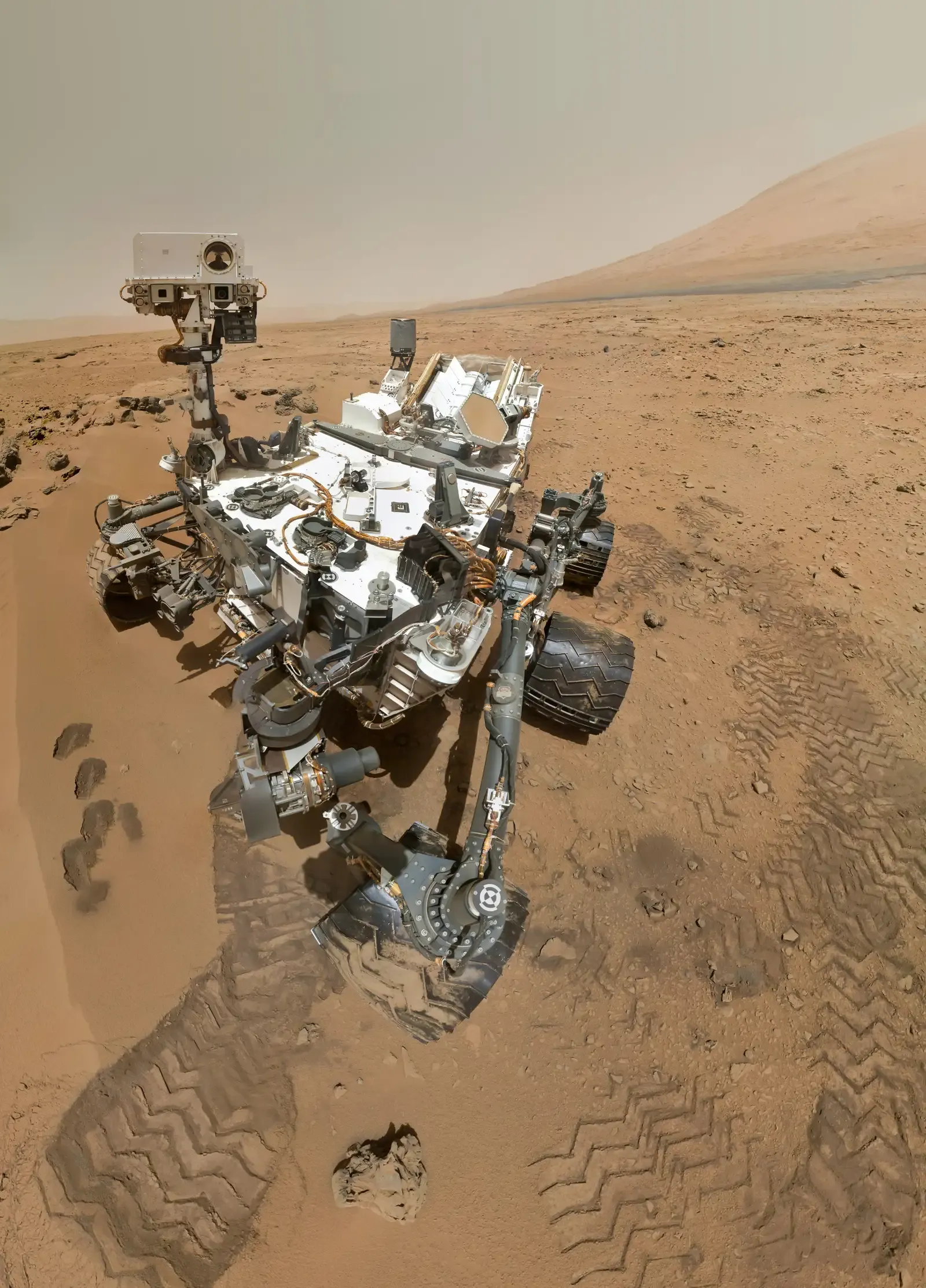
There’s still more distance to cover. Perseverance remains operational and continues to move across the surface.
The record is therefore a running total, not a final figure. Its odometer keeps counting as the rover explores the terrain west of Jezero Crater.

- I Asked AI and a Waste Auditor How to Cut My Household Trash – Where They Disagreed - November 12, 2026
- Einstein’s equations suggest gravity can reconnect like the sun’s magnetic field - November 12, 2026
- This Map Shows Which States Get the Most Severe Storms Each Year – And It’s Not What You’d Expect - November 12, 2026
