


- Real Estate Analysts Just Changed Their Mind About the Safest Places to Buy – Here’s Why - November 12, 2026
- Black Holes Firing Beams at Near-Light Speed – 5 Cosmic Engines Warping Spacetime - November 12, 2026
- Silent Rogue Worlds Drifting in Total Dark – 6 Planets Ejected From Their Star Systems - November 12, 2026
Thwaites Glacier in West Antarctica has been a worry for glaciologists for years. A new study suggests it may be melting even more aggressively than models assumed. The research says its impact on global sea level rise could be double current estimates.
The headlines are stark, but the details matter. This article walks through what the study found, why the glacier is so sensitive, and where other research points in a different direction.
What the New Study Found
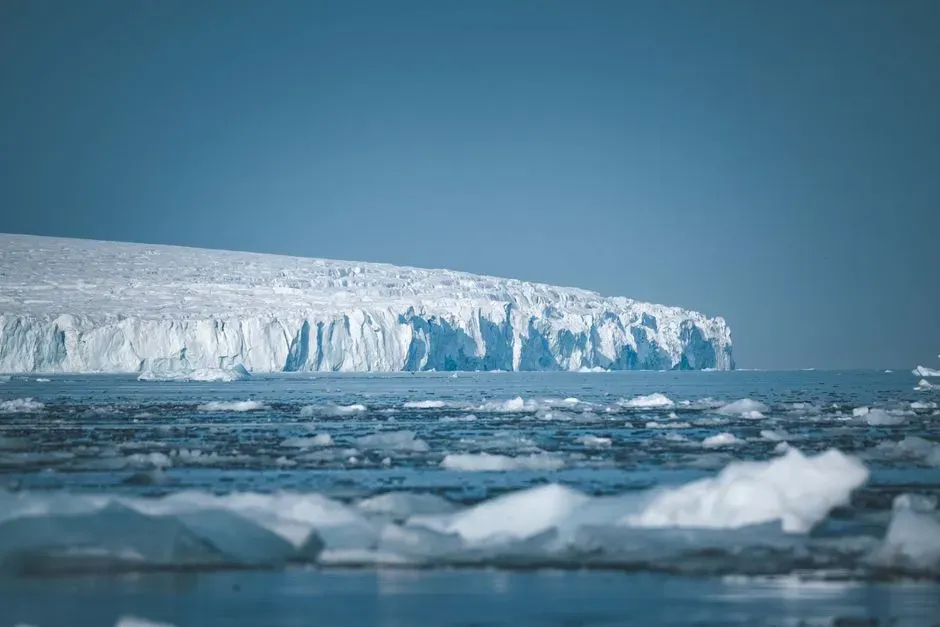
Using a new ice sheet model, the researchers predict the glacier could add up to 1.2 inches of sea level rise by 2100, twice the amount of previous estimates. That figure is measured in millimeters, roughly 30 of them, which sounds small. It’s still a big revision for a single glacier.
Al Jazeera reports that the study used computer simulations of ocean melting over the next century and a half, and was published in Geophysical Research Letters in July. CNN and other outlets covered it in mid-October 2026. As with any model-based projection, the numbers carry uncertainty.
Why It’s Called the Doomsday Glacier
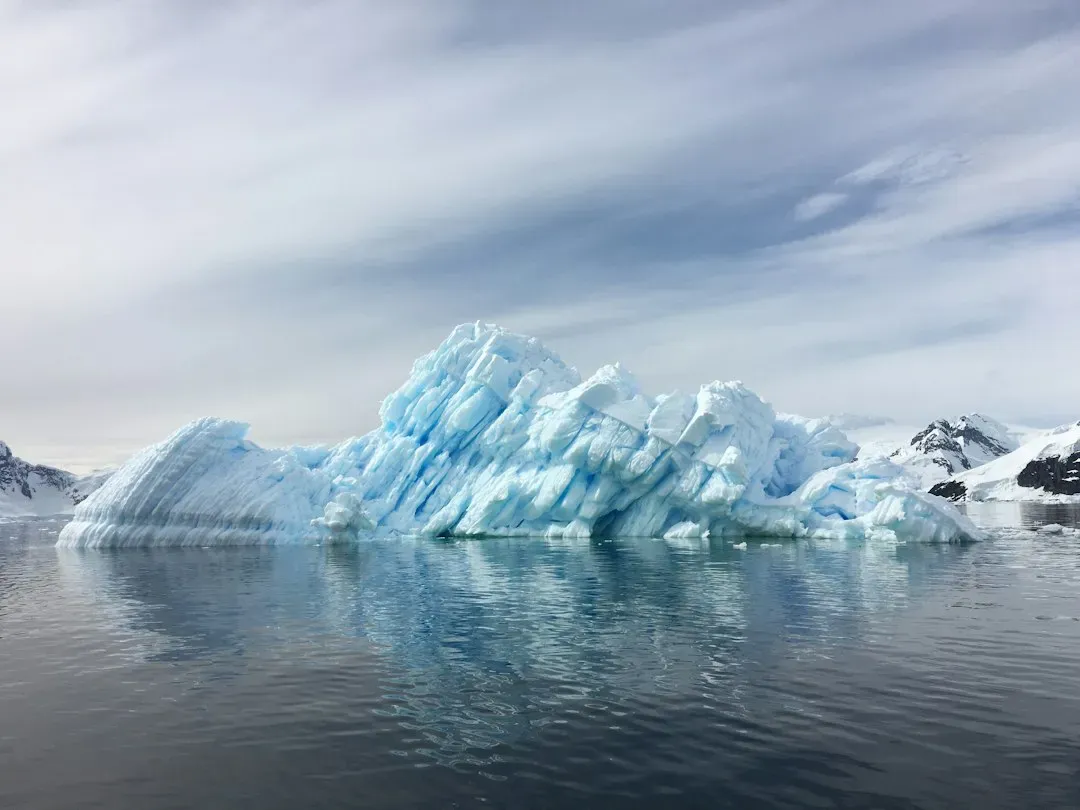
Thwaites is in West Antarctica, and it got its nickname from what its collapse would mean for rising seas. It’s also huge. It covers nearly 70,000 square miles, almost as large as Washington state.
Its current contribution is modest. Sources give slightly different shares, and NASA has described it as responsible for about 1 percent of global sea level rise. The worry is less about today and more about what a faster retreat could unlock, since the glacier holds back a large catchment of ice.
Warm Water Working From Below
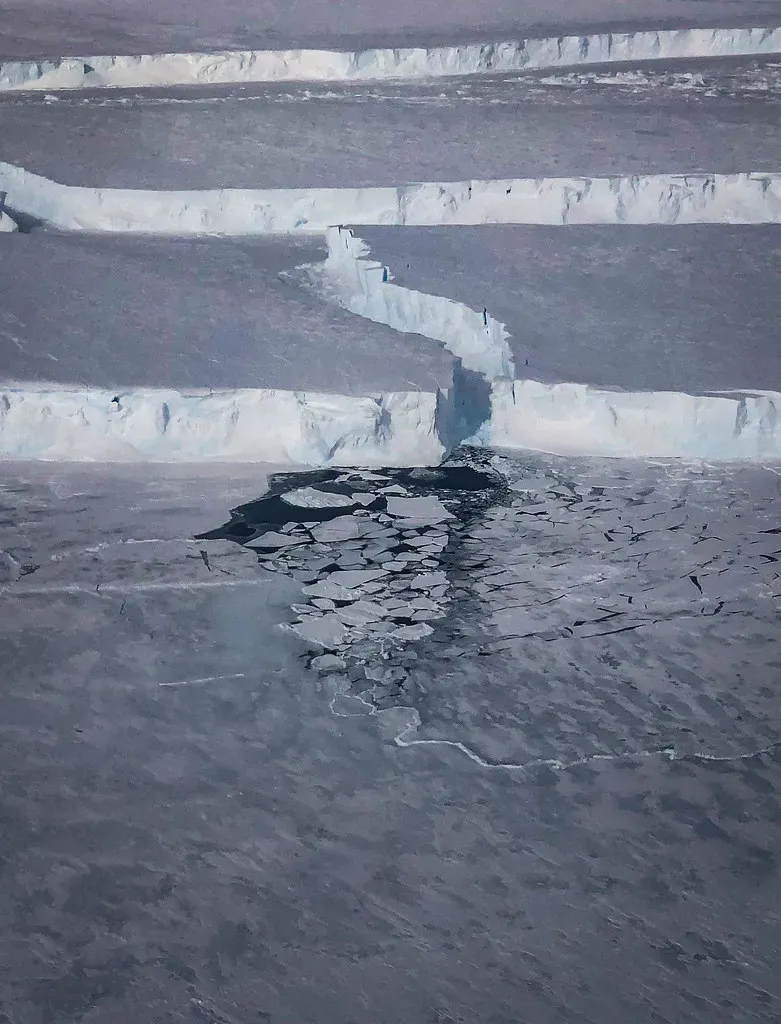
The main culprit isn’t warm air. Warm ocean water is melting the glacier from underneath, according to several studies. Thwaites has lost so much ice that it now floats where it used to rest on bedrock, and warm seawater seeps beneath it.
That process can create new cavities as the ice thins. A 2019 NASA JPL study found a giant underwater cavity under the glacier, covering an area two-thirds the size of Manhattan. Researchers said it was likely speeding up thinning.
The Grounding Zone and the Mouginot Ridge
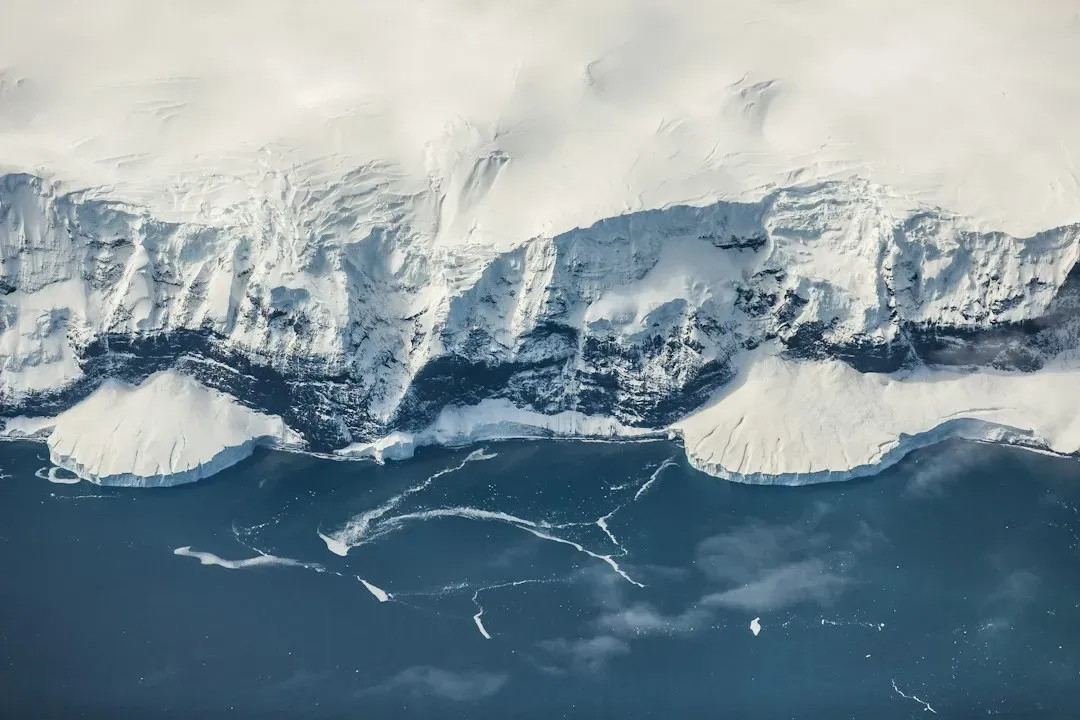
The new work focuses on the grounding zone, where ice shifts from resting on rock to floating. Melting there is accelerating the unpinning of ice from a large ridge called the Mouginot Ridge. The ridge acts as a stabilizer. It’s an underwater bedrock feature that currently steadies the glacier from below.
The odds are notable. The study found a 60% chance the glacier will be unpinned by the end of the century, after which it’s likely to retreat quickly toward the next major ridge. That’s a probability, not a certainty.
A Landscape That Works Against It
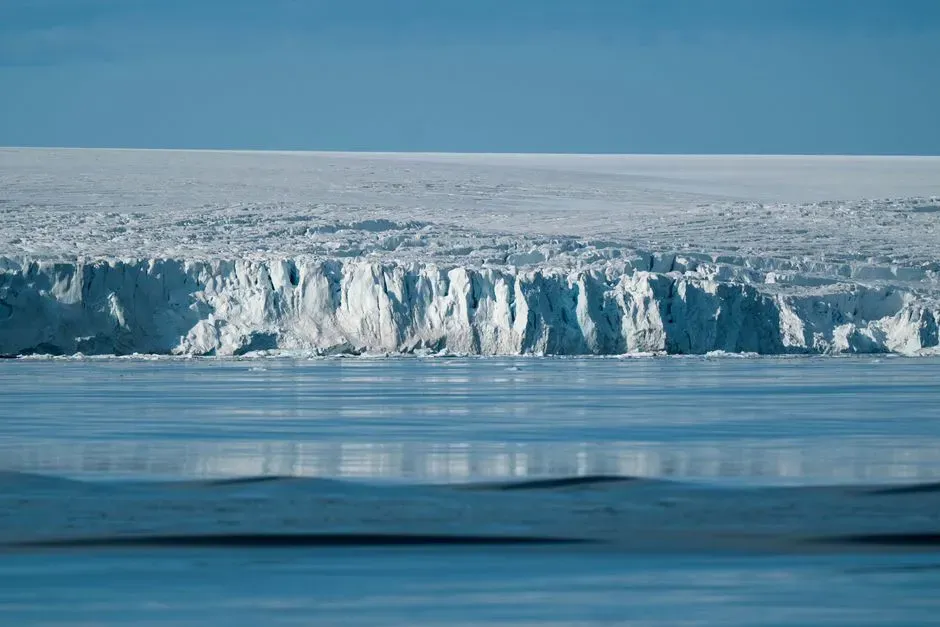
Geography adds to the risk. The land under Thwaites slopes downward, so as the glacier melts, more ice is exposed to warm ocean water. That’s a setup for self-reinforcing retreat.
Earlier research reached a similar conclusion from a different angle. A Nature Geoscience study used the glacier’s imprints on the seabed to trace its past movement up to a century ago. It suggested the glacier could retreat at twice its recent rate.
Tides, Floods and Other Complications
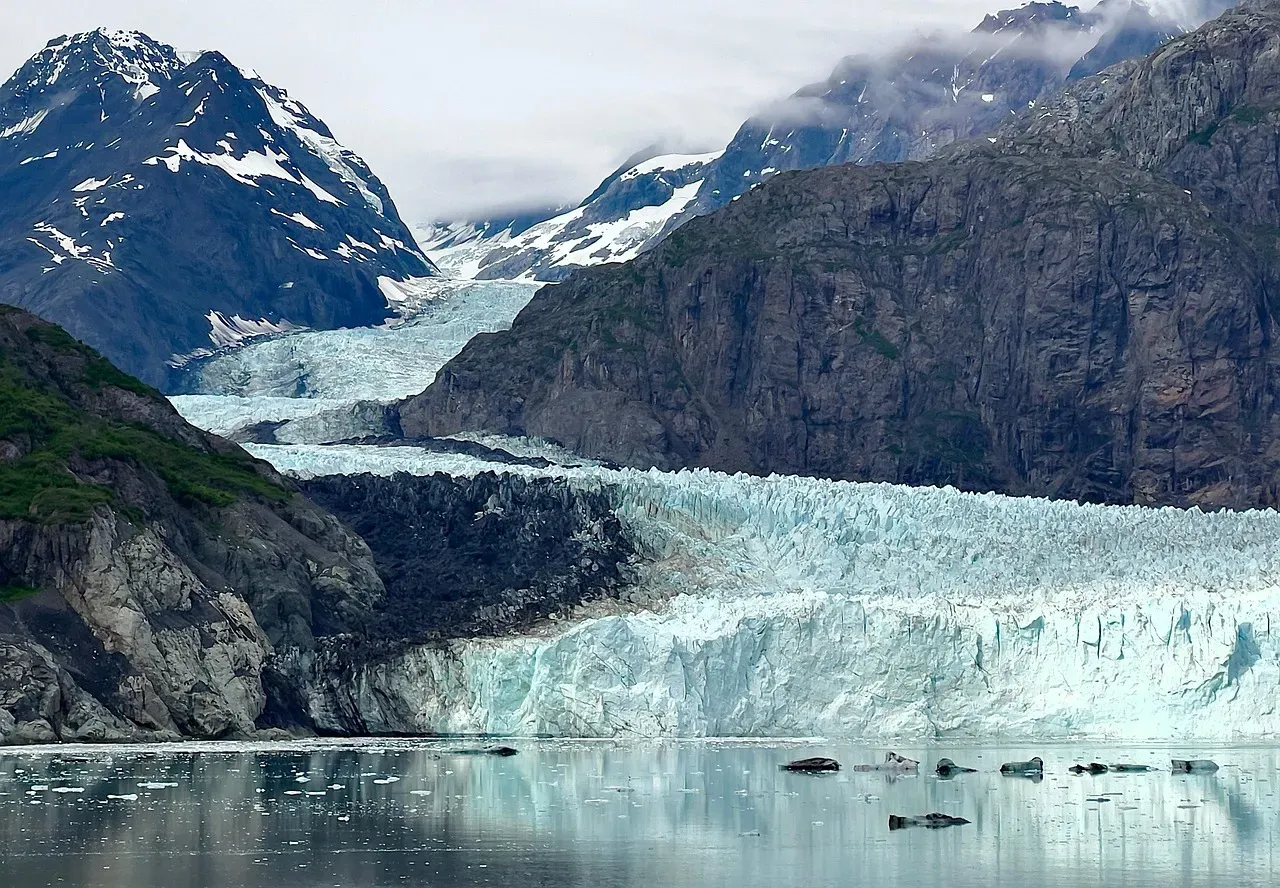
Melting isn’t uniform. A 2025 Nature Communications study on subglacial lake discharge found that steady leakage from beneath the glacier would raise ocean melting by about a quarter. That shows how local water flow can matter.
Tides also play a role. A study published in May 2024 found warming tidal currents are accelerating melting and causing quicker retreat than models predicted. Together, these findings suggest older models missed several small mechanisms that add up.
Not All Studies Point the Same Way
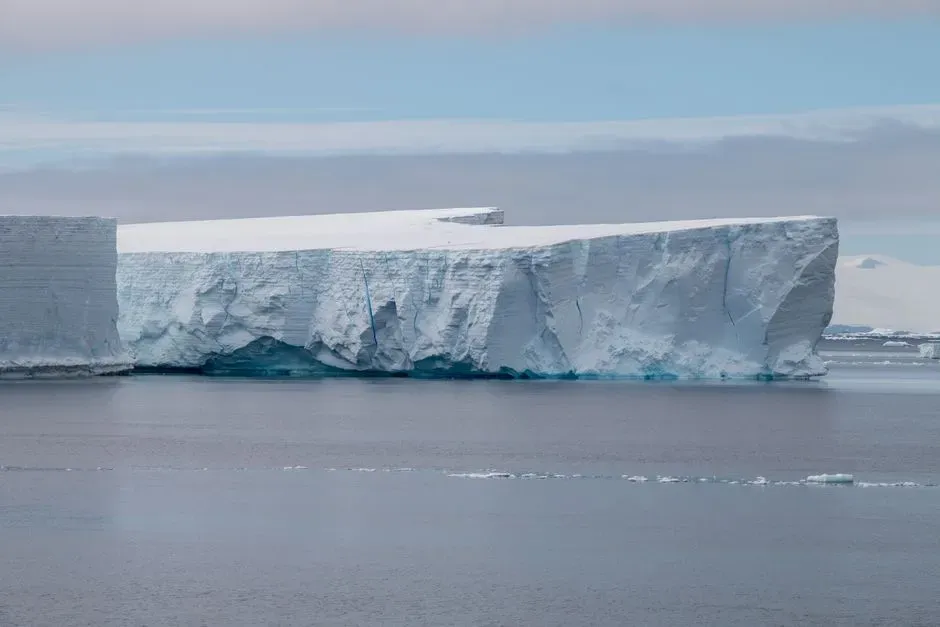
The picture is mixed. A NASA-led study found earlier models overestimated how fast ocean water melts the glacier from below, overstating ice loss over 50 years by about 7 percent. Better physics doesn’t always mean worse news.
Another 2024 study offered some reassurance too. Dartmouth and University of Edinburgh researchers found Thwaites may be less prone to marine ice cliff instability, because thinning could reduce calving and stabilize ice cliffs. That doesn’t contradict the new study, which focuses on melting at the grounding zone.
What This Means Going Forward
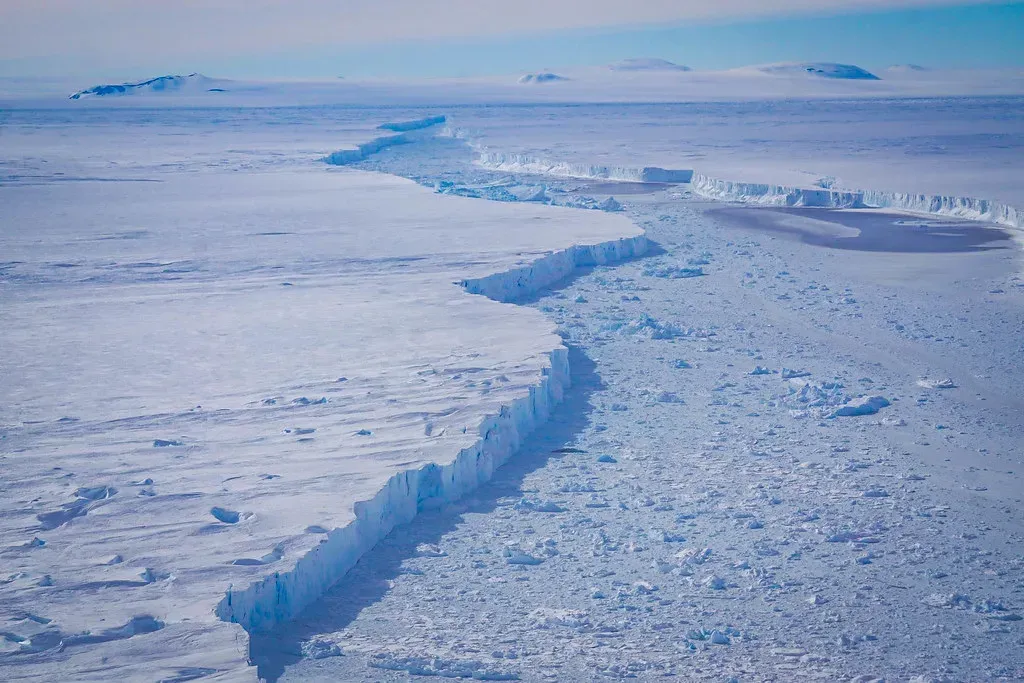
Doubling a projection from roughly half an inch to about an inch by 2100 is meaningful for coastal planning, though it’s far from the catastrophic collapse the nickname implies. The study’s authors also found this could happen even without any additional global warming.
The takeaway is that Thwaites remains one of the biggest uncertainties in sea level forecasts. Each new study narrows or shifts the range, and the latest one moves it upward. Scientists will keep watching the grounding zone, because that’s where the glacier’s future is being decided.
