


- Will travel insurance cover weather-related flight delays and cancellations? - November 11, 2026
- 8 Cities Where the Weather Changes So Fast Locals Carry Everything - November 11, 2026
- 10 Traditional Building Techniques From Hot Climates Architects Are Revisiting - November 10, 2026
Ask a few people where the sky ends, and you’ll probably get a few different answers. Some will point to the clouds, others to the altitude where planes stop flying. Only a small number will say 62 miles, and even they might not know where that figure came from.
The line most people quote is real, and it’s widely used. It isn’t a law of nature, though, and it isn’t universally binding. Here are ten pieces of the story, starting with the number itself.
The Number Behind the Line

The figure of 62 miles is a conversion. It comes from 100 kilometers, which works out to about 62.1 miles. The metric version is the original, and the mile figure is simply how English language sources translate it.
That explains why you sometimes see 62 miles and sometimes 100 km, as if they were two competing claims. They’re the same boundary written in different units. The round metric number is also a clue that this is a convention, chosen partly because it’s easy to remember.
Theodore von Kármán’s Calculation
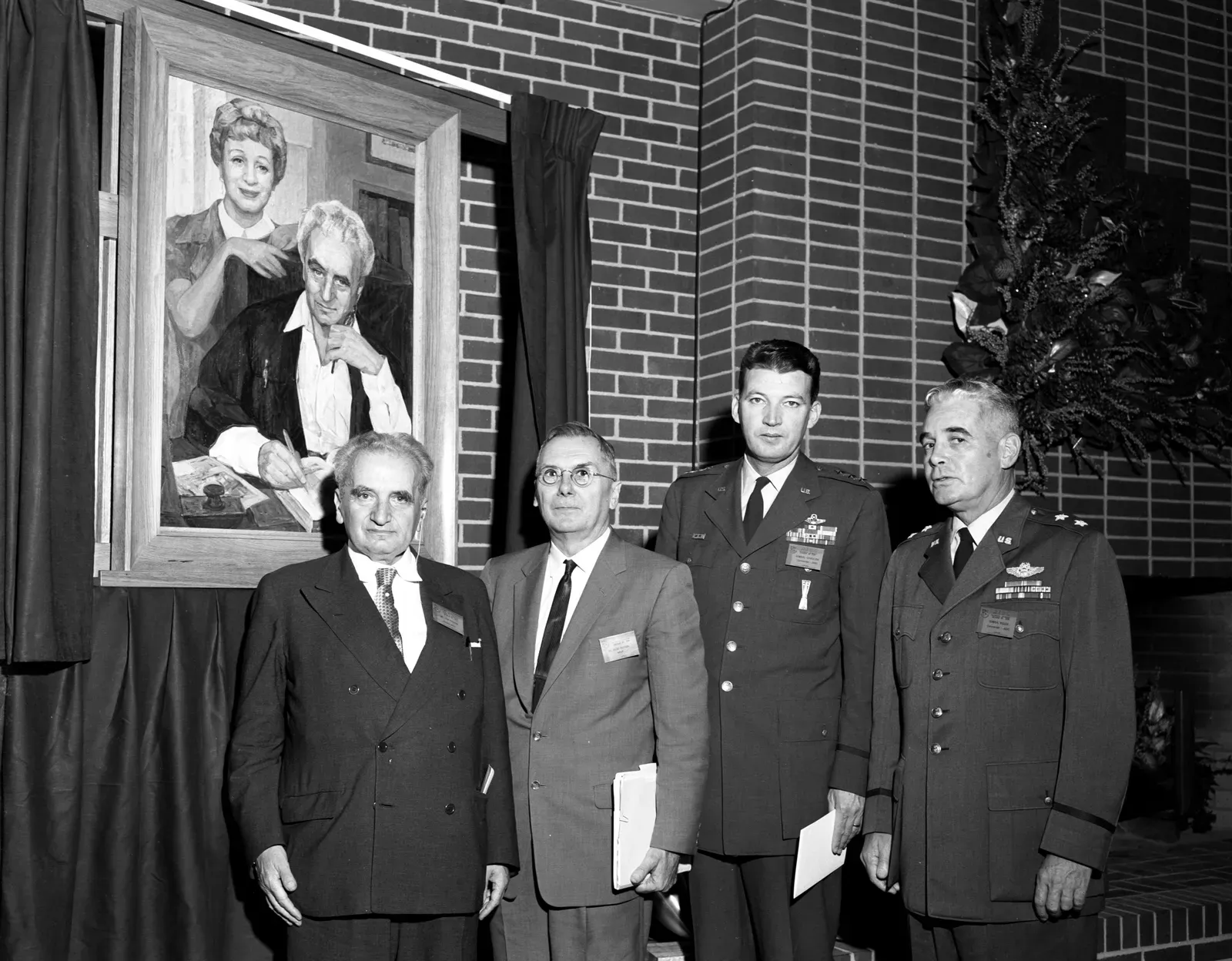
The line is named after Theodore von Kármán, a Hungarian American engineer and physicist who worked on aerodynamics. His reasoning was about flight. As air thins, a wing needs to move faster to generate enough lift, until the required speed matches orbital speed.
Beyond that altitude, a vehicle is effectively in orbit mechanics rather than aerodynamics. Von Kármán’s own estimate came out at roughly 52 miles, not 62. The round figure of 100 km was adopted later, because a clean number is easier to use than a calculated one.
The FAI Makes It Official, Sort Of

The body most associated with the 100 km line is the Fédération Aéronautique Internationale, or FAI. It’s a world organization that sets standards and keeps records for air and space sports. It uses 100 km as the boundary for recognizing spaceflight records.
That matters, but it has limits. The FAI isn’t a government and can’t write binding international law. Its definition works as a respected reference point, which is why the line feels official even though no treaty backs it.
The American 50 Mile Standard
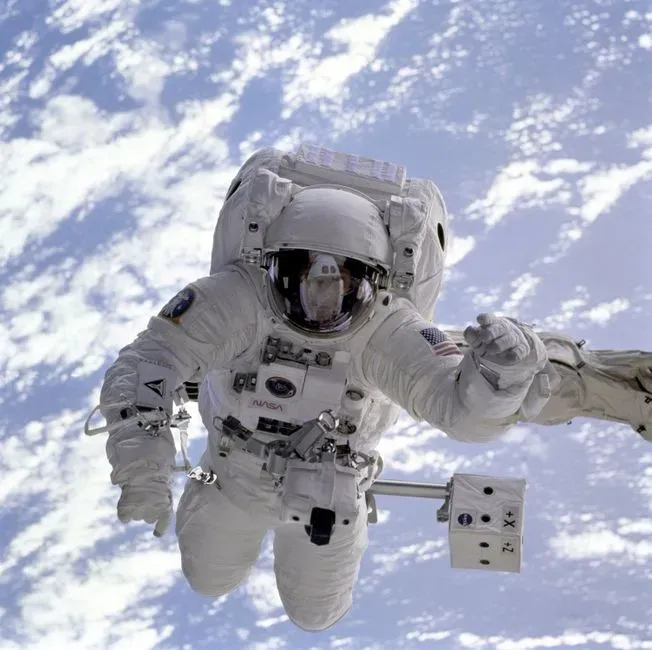
The United States has long used a lower marker. Government and military programs have treated 50 miles, about 80 km, as the threshold for earning astronaut wings. That tradition goes back to the era of high altitude rocket planes in the 1960s.
The FAA revised its commercial astronaut wings program in 2021. It kept the 50 mile altitude but added a requirement that crew members do something during the flight that contributes to public safety or human spaceflight safety. So even within one country, the question has been about more than altitude alone.
The Atmosphere Has No Edge

The basic difficulty is physical. Earth’s atmosphere doesn’t stop at a clean boundary. It thins out gradually, with the density dropping steadily as you climb.
Scientists describe layers such as the mesosphere, thermosphere, and exosphere, and the outer layers stretch very far out. Trace amounts of gas persist at altitudes well above where most spacecraft operate. Any single number is a practical cutoff drawn through a gradual fade.
Jonathan McDowell’s Case for 80 Kilometers
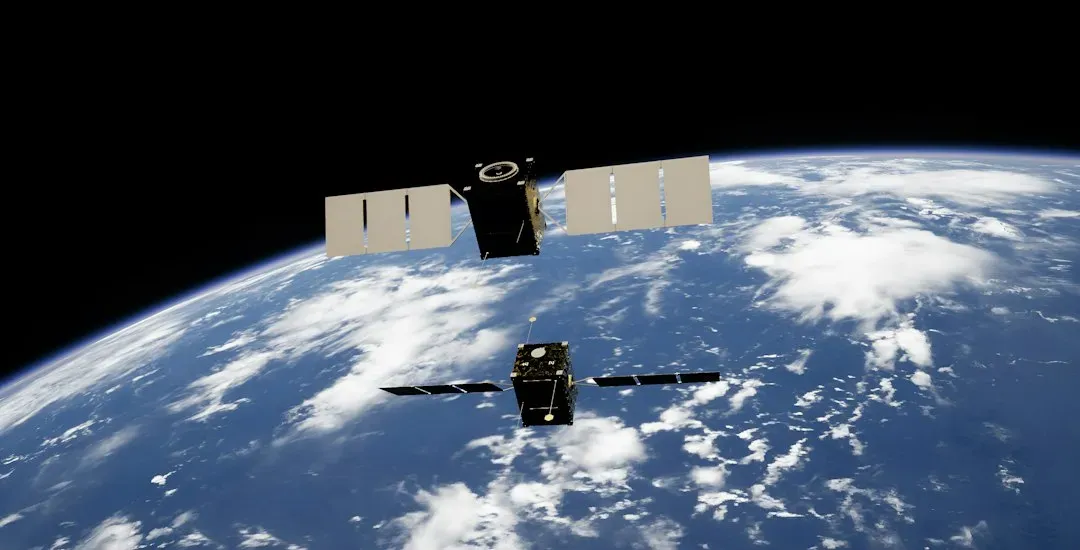
Astrophysicist Jonathan McDowell published a 2018 analysis arguing that the better boundary is nearer 80 km. His reasoning looked at how satellites actually behave. Objects have been observed in orbit with lowest points around that height, if only briefly.
He also pointed to the historical record, including the original von Kármán estimate, which sat well below 100 km. His argument doesn’t make the 100 km line wrong as a convention. It does show that the number has a weaker physical basis than many people assume.
What Orbits Tell Us
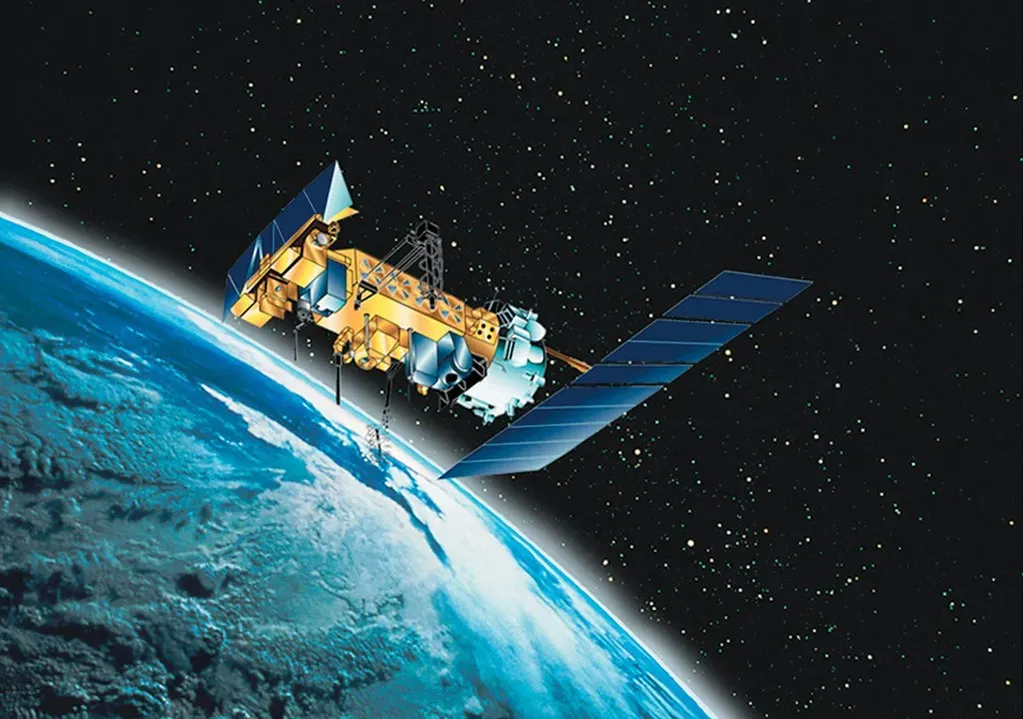
Orbital behavior is one of the most useful tests of where space starts. A satellite that dips too low meets enough air that drag pulls it down quickly. Very low orbits decay in days or weeks rather than years.
For comparison, the International Space Station orbits at roughly 250 miles up and still needs periodic boosts to offset drag. Many satellite constellations, including Starlink, operate several hundred kilometers up. Space, in the working sense, is where an object can stay up long enough to be useful.
Suborbital Tourism and the Line
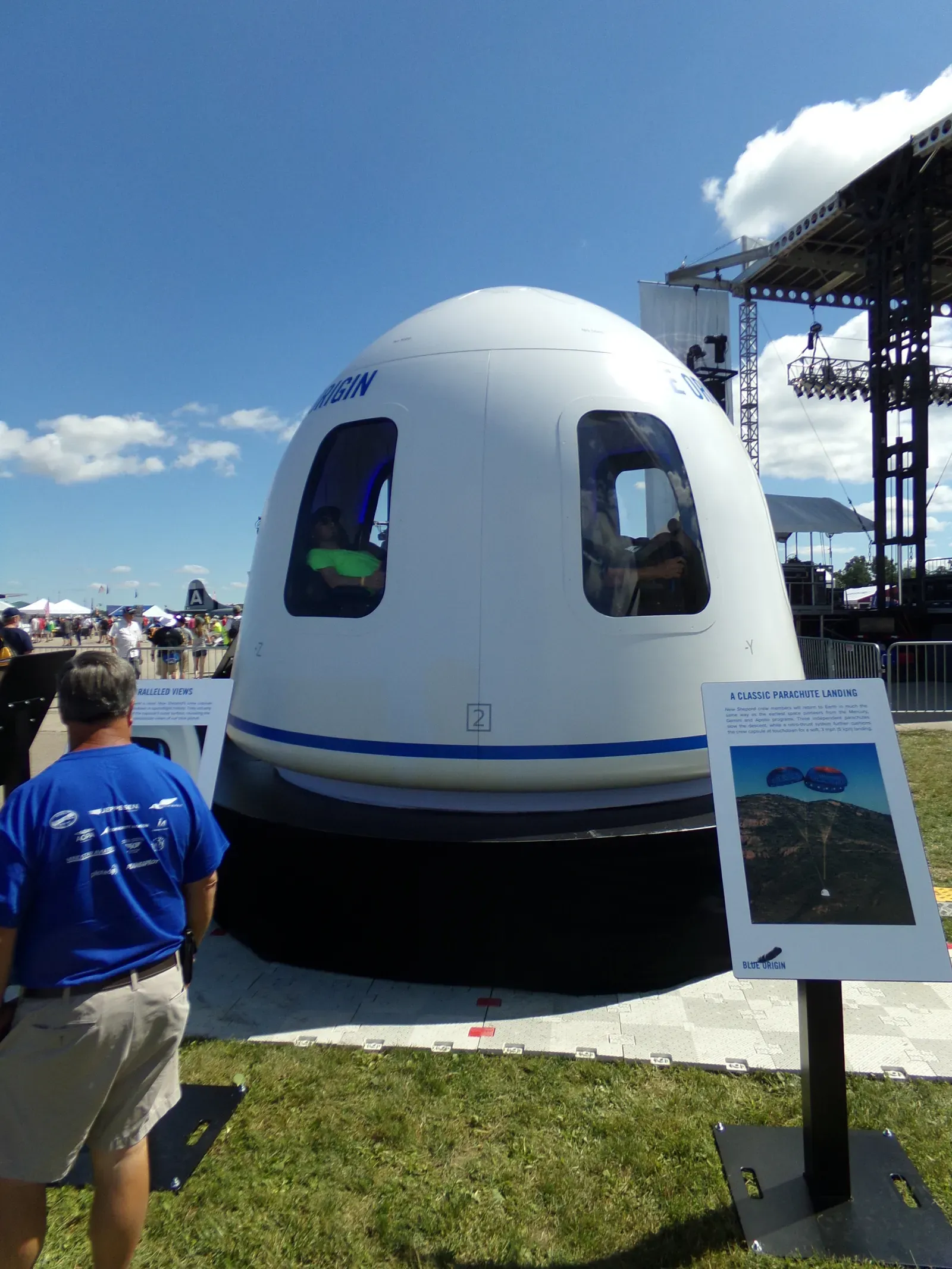
The debate stopped being purely academic when private companies began carrying paying passengers. Blue Origin’s New Shepard capsule flies above 100 km and has carried crews since 2021. That clears the FAI line comfortably.
Virgin Galactic’s VSS Unity took a different path. Its 2021 flight with Richard Branson reached about 53 miles, which exceeds the American threshold but falls short of 100 km. The same flight can therefore count as space under one standard and not another, and that has affected how the companies market their experiences.
Law Without a Clear Boundary
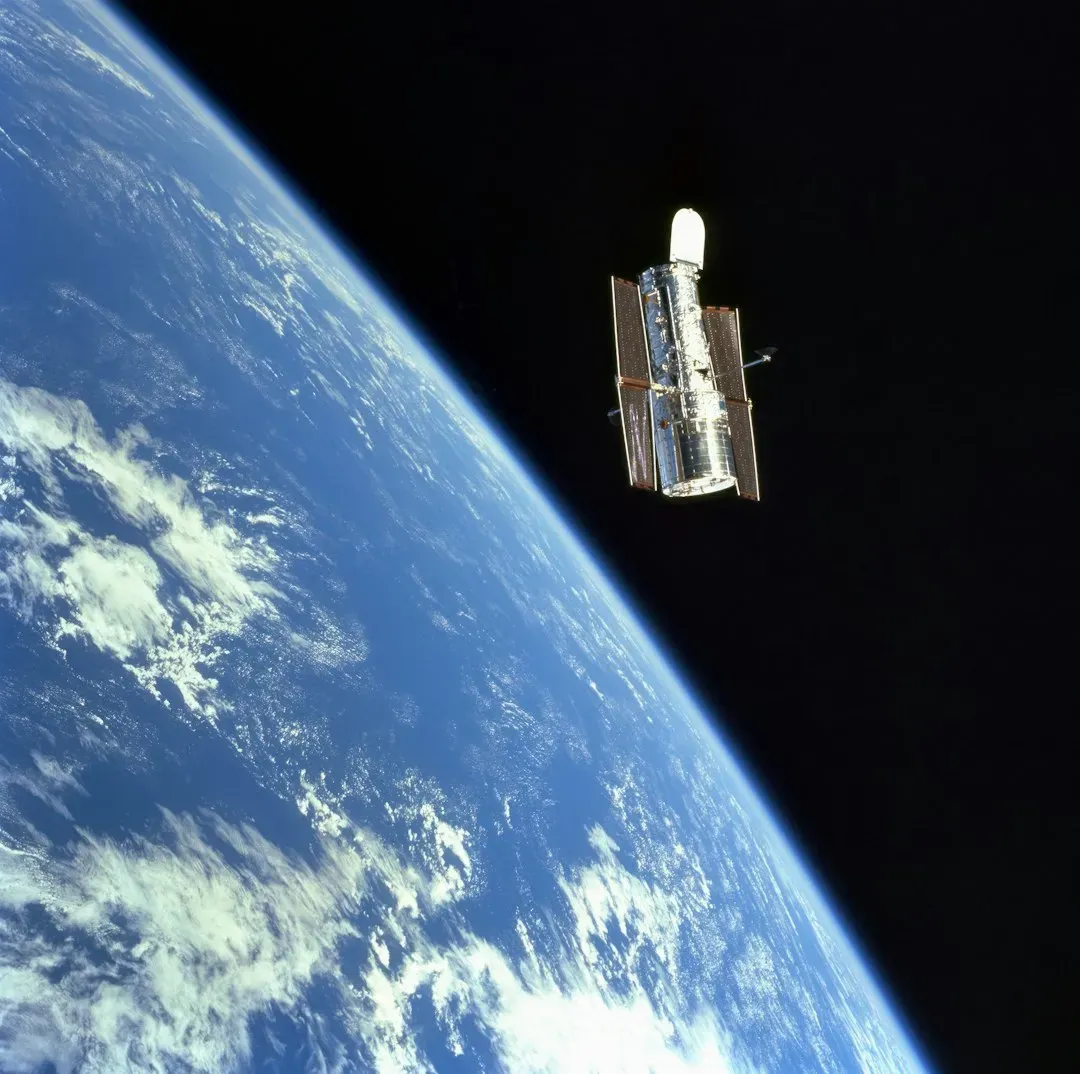
The 1967 Outer Space Treaty is the foundation of international space law, yet it doesn’t define where outer space begins. The United Nations committee that deals with space issues has discussed the matter for decades without settling it. Countries have mostly preferred to leave it flexible.
Some have written their own rules. Australia’s Space (Launches and Returns) Act 2018 uses 100 km, for example. Others avoid a number, partly because a fixed boundary could affect questions like airspace sovereignty and overflight rights.
Why the Debate Still Matters
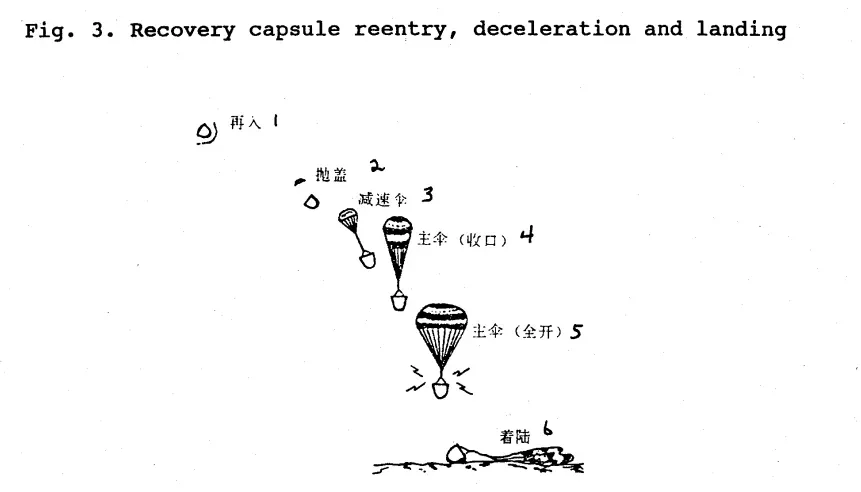
The question gets more practical as launch activity grows. Regulators, insurers, and airlines all need to know where one set of rules ends and another begins. Reentering spacecraft and high altitude vehicles add to that pressure.
There’s no sign of a global agreement yet, and nothing here suggests one is imminent. For now, 100 km remains the most widely cited marker, with 50 miles still used in the United States. Both can be useful, as long as people remember they’re conventions.
Final Thoughts
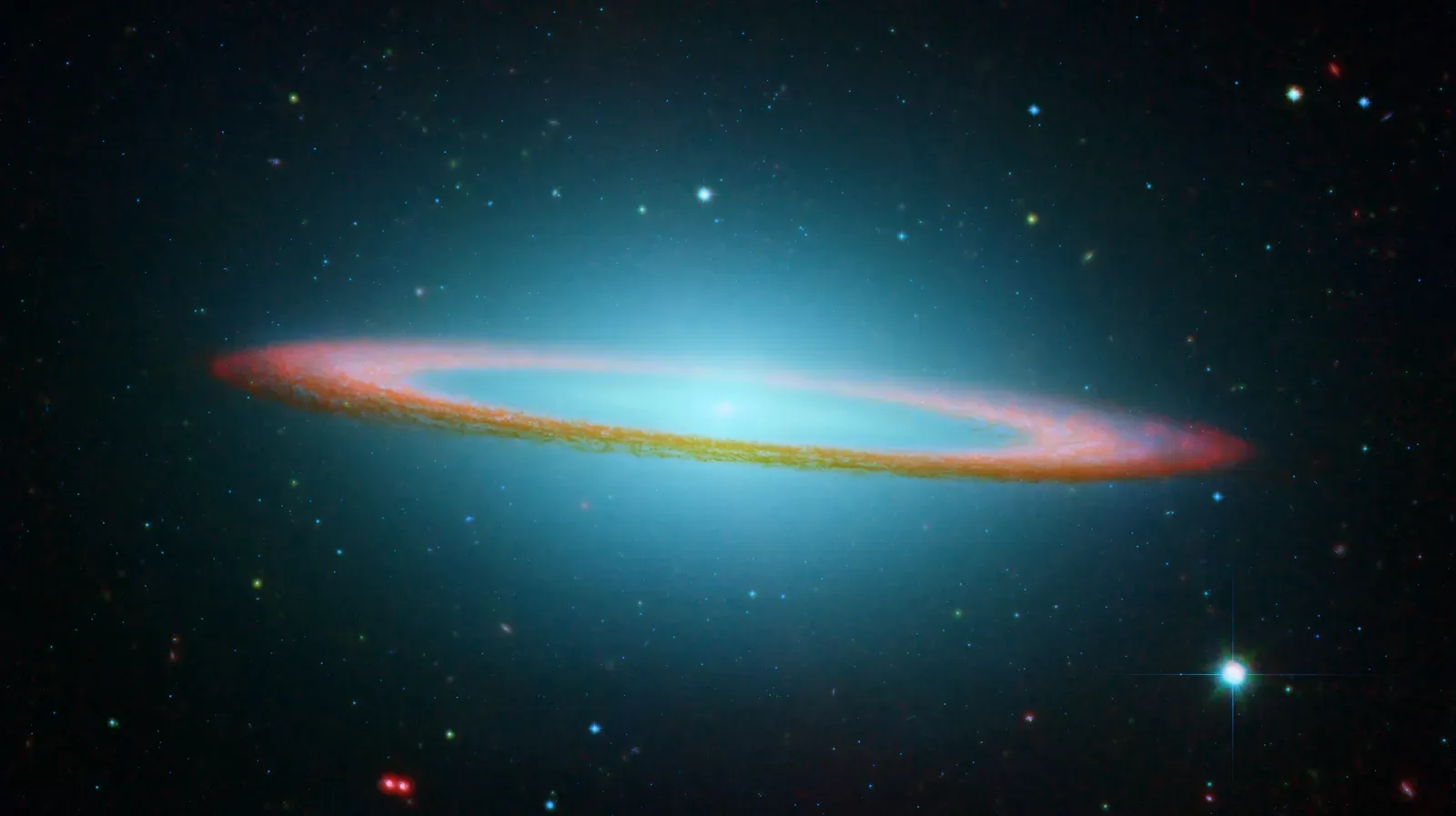
The 62 mile line is best understood as a useful agreement rather than a discovery. It’s tidy, easy to repeat, and widely recognized, though the sky itself never draws a border.
That may be the most honest way to see it. Space begins where people decide it does, and for now most of them have picked about 100 kilometers up.
