


- The Compostable Cup Left Intact for Years – 5 Backyard Composting Failures - November 15, 2026
- Fast-Fashion “Conscious” Lines Under Scrutiny – 5 Red Flags in Eco-Clothing - November 15, 2026
- Space Engineers Explain 5 Quiet Changes Making Rocket Launches Safer Than Ever - November 15, 2026
Hawaii sits about as far from anywhere else as an inhabited place can. Hawaii is the only Polynesian island in the Northern Hemisphere, so the people who first reached it must have been extraordinary navigators. A study published in October 2026 now suggests where those voyagers came from, and what their journey left in the DNA of their descendants.
The research appeared in the journal Science. It adds a genetic chapter to a story that has no written record. It also raises practical questions about health care for Native Hawaiians today.
A New Study Reads Ancestry in the Genome
The findings were published Oct. 8 in Science. The researchers analyzed the genomes of over 1,000 individuals throughout Polynesia. Stanford Medicine researchers led the work with collaborators, including Keolu Fox, an associate professor of anthropology at UC San Diego and a Native Hawaiian.
The study was reported as a cover story, and a team of 13 researchers at institutions including Stanford and UC San Diego was involved, according to press coverage. Its central question was simple. Where did the first people of Hawaii come from?
How Researchers Tracked Shared DNA Segments
The method relied on the idea that genomes carry family history. As co-senior author Alexander Ioannidis put it, people on the islands today have encoded in their genomes essentially the genealogy of all of their ancestors. The team focused on genome segments of Polynesian ancestry, removing more recent additions of European and Asian ancestry.
They then compared the length of chromosomal segments, known as identity-by-descent segments, shared among people from different islands. In general, longer shared segments point to a more recent common ancestor. That lets scientists work out which island populations are most closely linked.
The Surprising Link to Easter Island
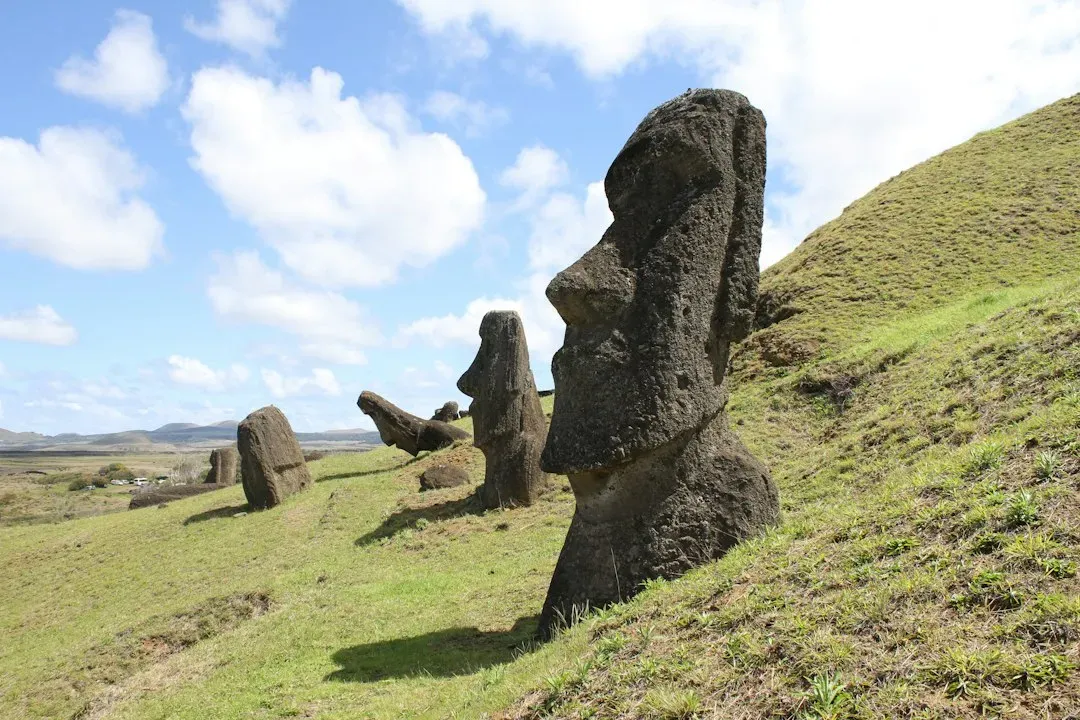
The result surprised the team. Hawaiians share the most Polynesian ancestry with people on Easter Island, followed by people on Mangareva. Easter Island is some 7,000 kilometers away, and it is among the most distant Polynesian islands from Hawaii.
Reports on the study date the connection to the 1200s. The finding challenges assumptions about how the most remote inhabited island chain on Earth was settled. Mangareva, by the same reports, supplies the second-largest ancestry contribution.
Retracing the Eastward Spread Across Polynesia
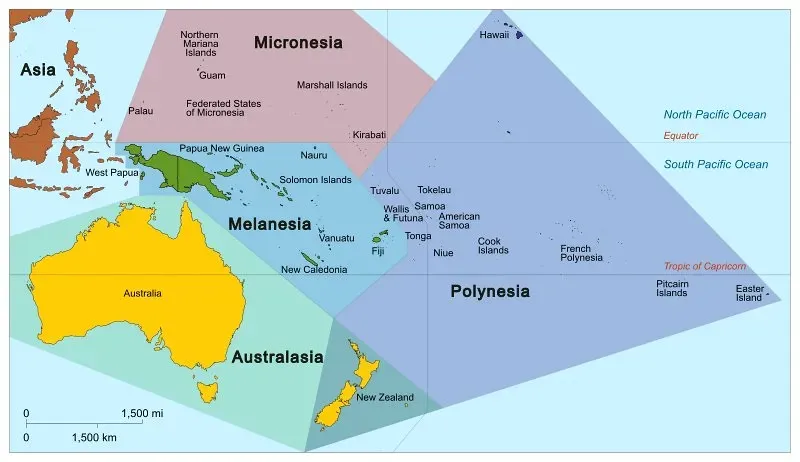
The new work builds on earlier research from the same group. That study traced the settlement of Polynesia from Samoa to Fiji and Tonga, then gradually eastward to the Cook Islands, the Society Islands, Mangareva and ultimately Easter Island around the year 1210.
The latest analysis extended the picture by adding Tahiti. Researchers estimated a founding population of roughly 837 reproductive-age individuals arrived there around AD 1069. These are statistical estimates drawn from modern DNA, so they carry uncertainty.
What Earlier Research Said About Hawaiian Roots
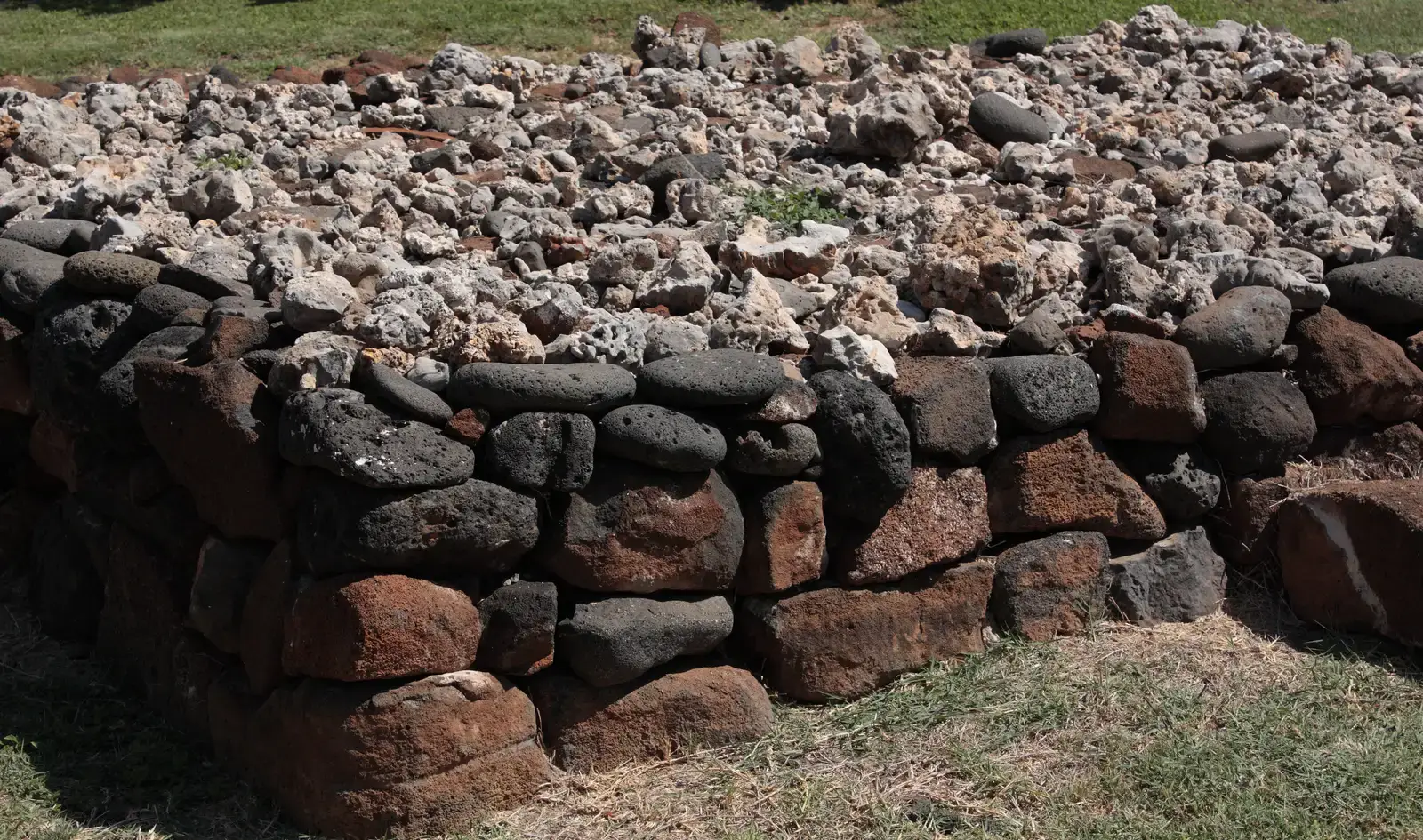
Genetics wasn’t the first discipline to take on this question. Older work noted that archeological and paleoecological evidence suggests the Hawaiian archipelago was initially settled between 300 AD and 800 AD. That is earlier than the 1200s connection reported in the new study, and the sources don’t fully reconcile the two. The dates may describe different events, such as first settlement versus later voyaging contact.
A 2012 study of Native Hawaiians also tested two competing models of Polynesian migration. It estimated a mean of 32% Melanesian ancestry in an analysis of Native Hawaiians and said this supported the “Slow Boat” model. Different datasets and methods have given different estimates for Melanesian ancestry, so the details remain debated.
Founder Effects Stronger Than Expected
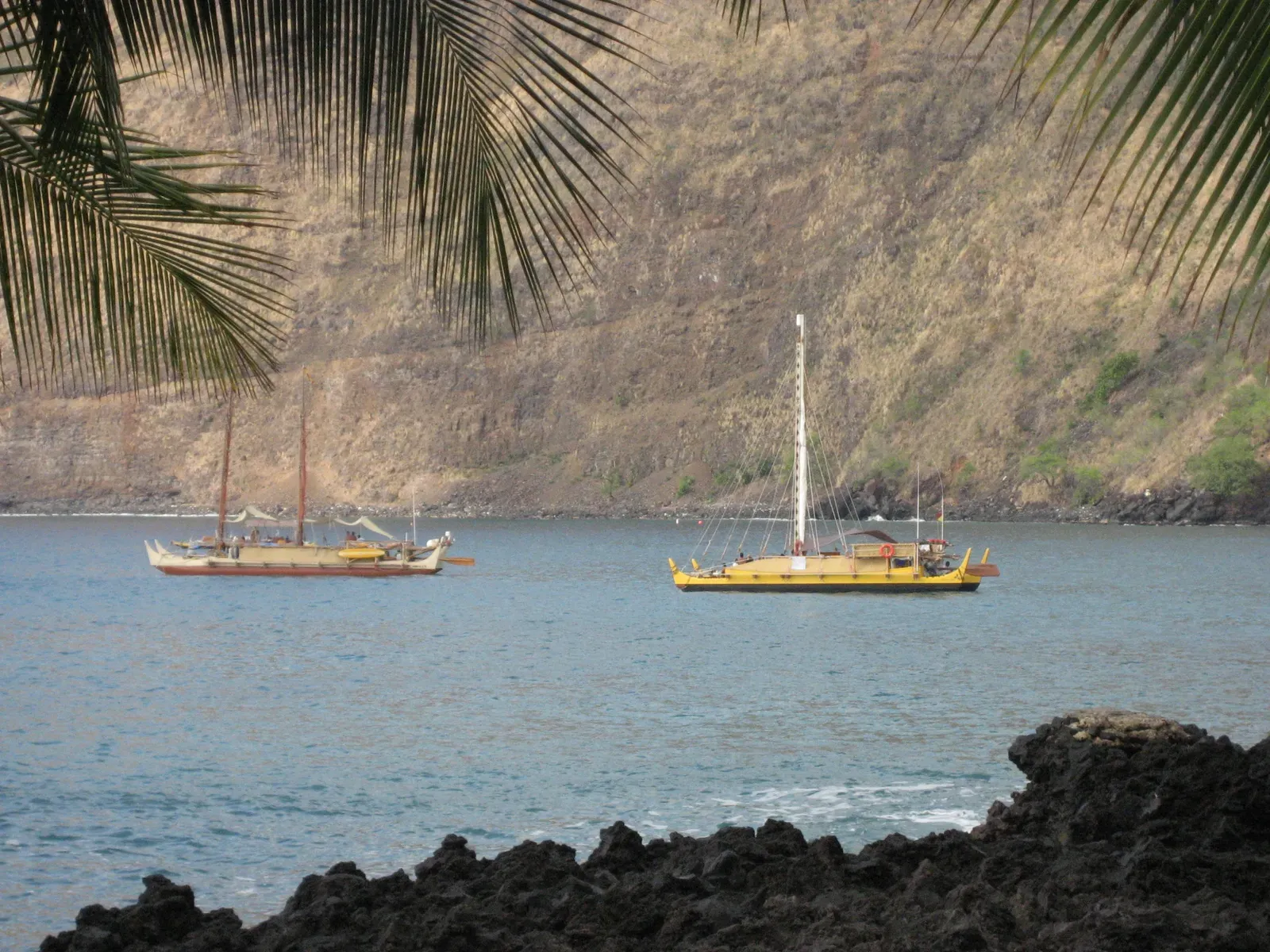
The journey also left a mark on genetic diversity. Each time a small group settled a new island, it carried only a fraction of the parent population’s variation. The study found that an even stronger founder effect has been overlooked among Native Hawaiians.
Ioannidis said the founder effects in Eastern Polynesians are more than 10 times larger than in populations of European descent that have been studied so well. The researchers compared them to groups such as the Amish, as noted in Stanford’s summary.
Rare Variants With Real Health Consequences
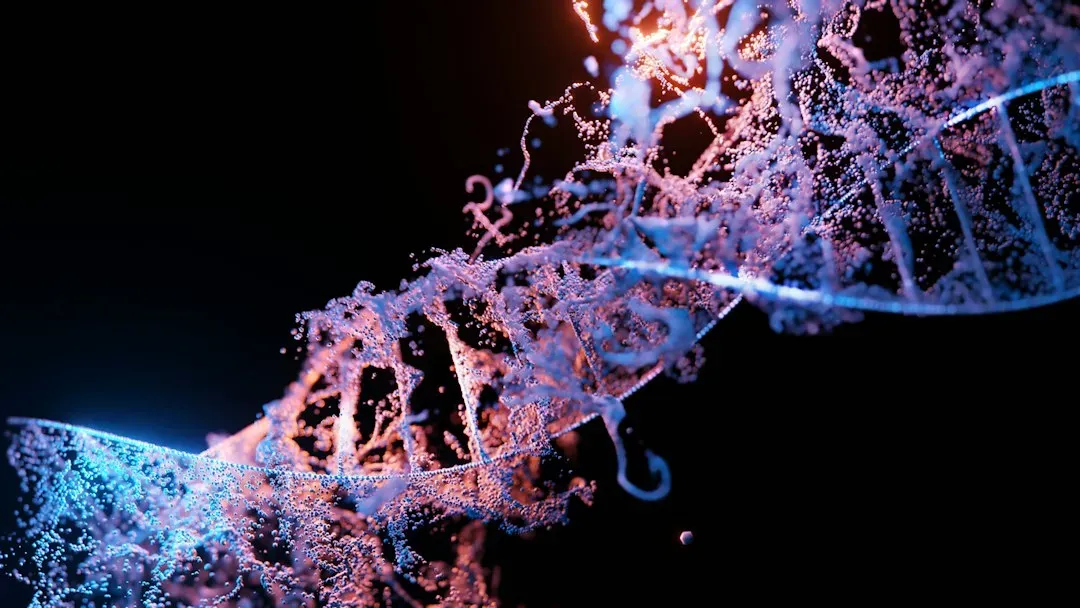
Bottlenecks can make rare gene variants far more common than they would otherwise be. The team identified three mutations present in 2% to 3% of Eastern Polynesians, in the FAN1, ADAMTSL4 and PDE6B genes. Those are linked respectively to kidney failure, dislocated eye lenses and progressive vision loss.
Carrying a variant isn’t the same as having a disease, and how each one plays out depends on inheritance patterns and other factors. Still, the numbers matter for screening. Variants that are rare elsewhere can be relatively common in this population.
Why Screening and Research Resources Matter

The researchers say the results show an urgent need for genetic screening guidelines and research resources for Native Hawaiians, a population currently underserved by genetic testing. Most genetic databases are dominated by people of European descent, which can leave other groups with less accurate risk information.
Common conditions are a separate issue. Earlier epidemiological work found an increased risk of obesity, Type 2 diabetes, cardiovascular disease and several common cancers in Native Hawaiians compared with European- or Asian-Americans in Hawaii. Researchers have cautioned that an association with genetic ancestry is not evidence for a deterministic impact of Polynesian ancestry alone.
Conclusion
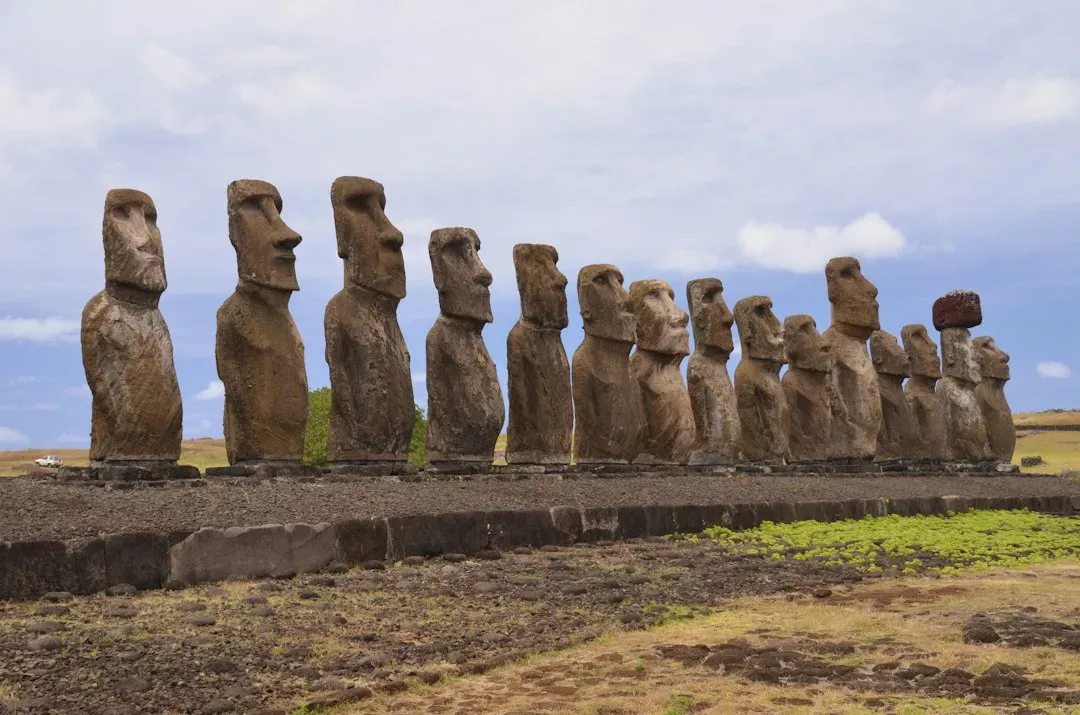
The 2026 Science study gives a genetic outline of one of history’s great sea migrations. It points to Easter Island and Mangareva as the closest ancestral links to Native Hawaiians. It also shows that the same journey that spread people across the Pacific shaped their health risks.
Many details are still estimates, and archaeological and genetic timelines will keep being refined. The practical lesson is clearer. Understanding where a population came from can help doctors care for it better today.
