

Stand on a snowfield on a clear day and you’ll squint, even if the air is freezing. That glare is sunlight bouncing straight back toward space, and it’s one of the quieter ways the planet manages its temperature.
Scientists call this reflectivity albedo. It sounds technical, yet it explains why polar regions matter far beyond their own borders, and why changes at the top and bottom of the globe get so much attention from researchers.
What Albedo Actually Measures
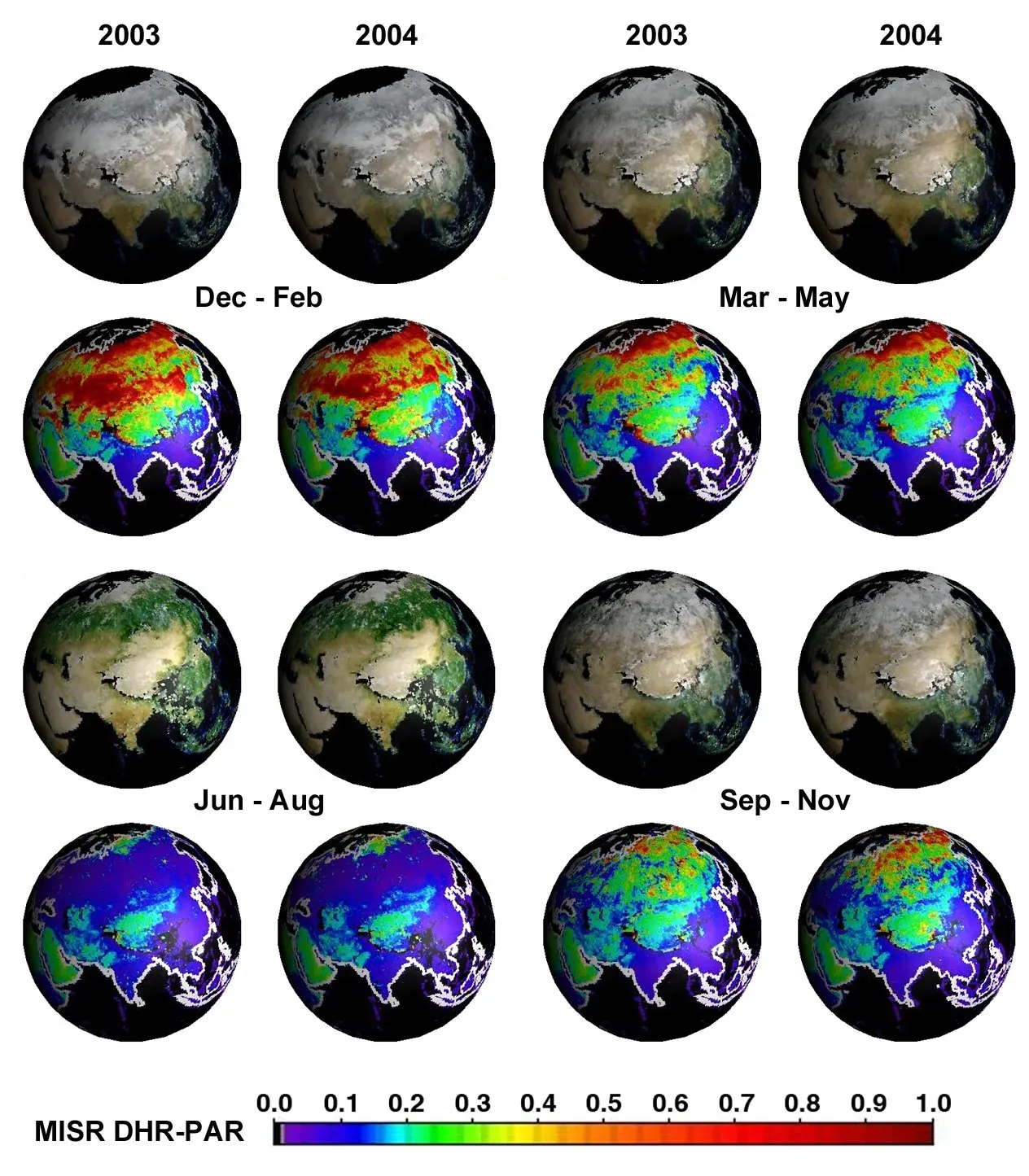
Albedo is the share of incoming sunlight that a surface reflects instead of absorbing. It runs on a scale from zero to one, where zero is a perfect absorber and one is a perfect mirror. Fresh snow sits near the top of that scale, while dark asphalt and open water sit near the bottom.
Averaged across the whole Earth, roughly about three tenths of incoming sunlight is reflected back to space by clouds, air, and the surface. The rest warms the land, oceans, and atmosphere. Small shifts in that balance can matter, because the climate system runs on a fairly tight energy budget.
Why Fresh Snow Is So Reflective
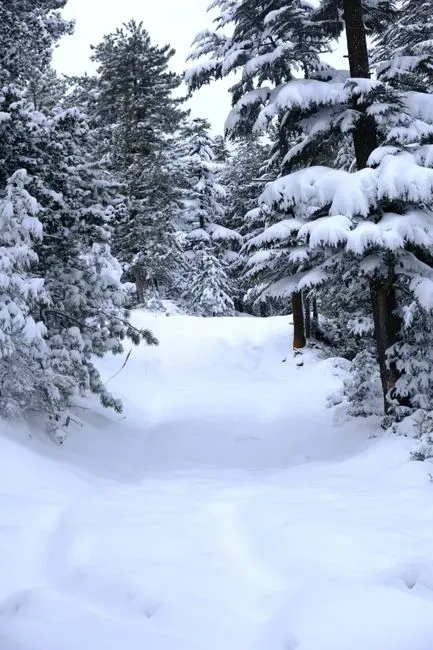
Snow is made of countless tiny ice crystals, and each one scatters light in a new direction. Light enters the snowpack, bounces around between grains, and most of it finds its way back out. Fresh, clean snow can send back the large majority of the sunlight that lands on it.
Age changes that. As snow sits, the crystals grow rounder and larger, and the surface gets less reflective. Wet, melting snow reflects noticeably less than a dry, fluffy layer from a recent storm.
Sea Ice Versus Open Ocean
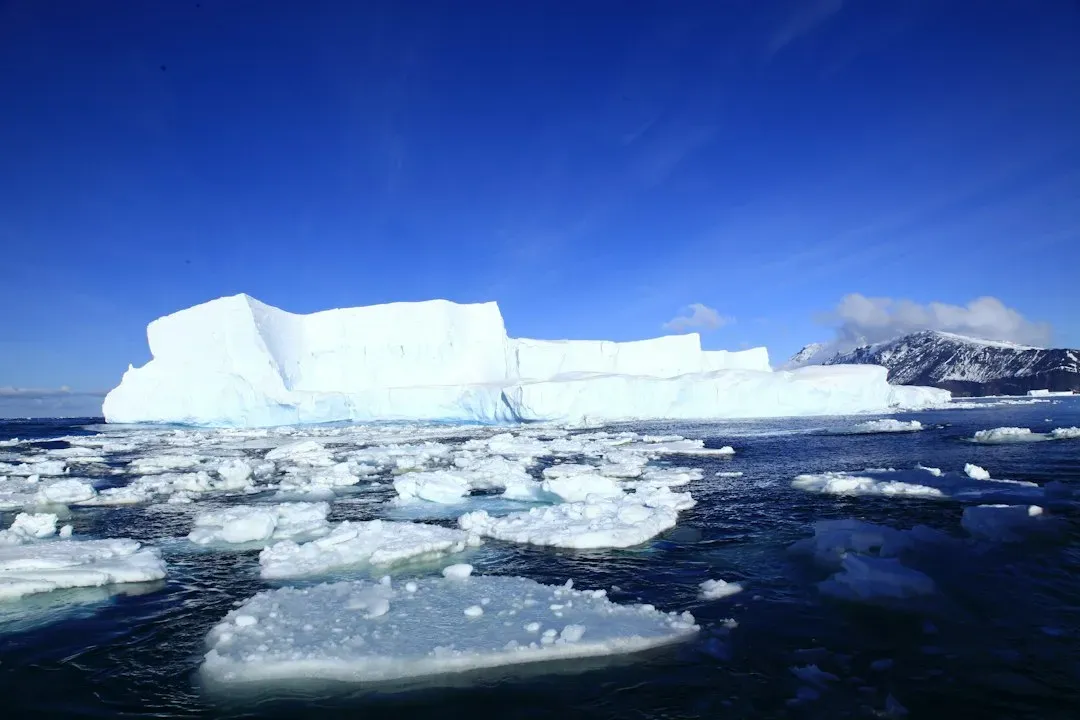
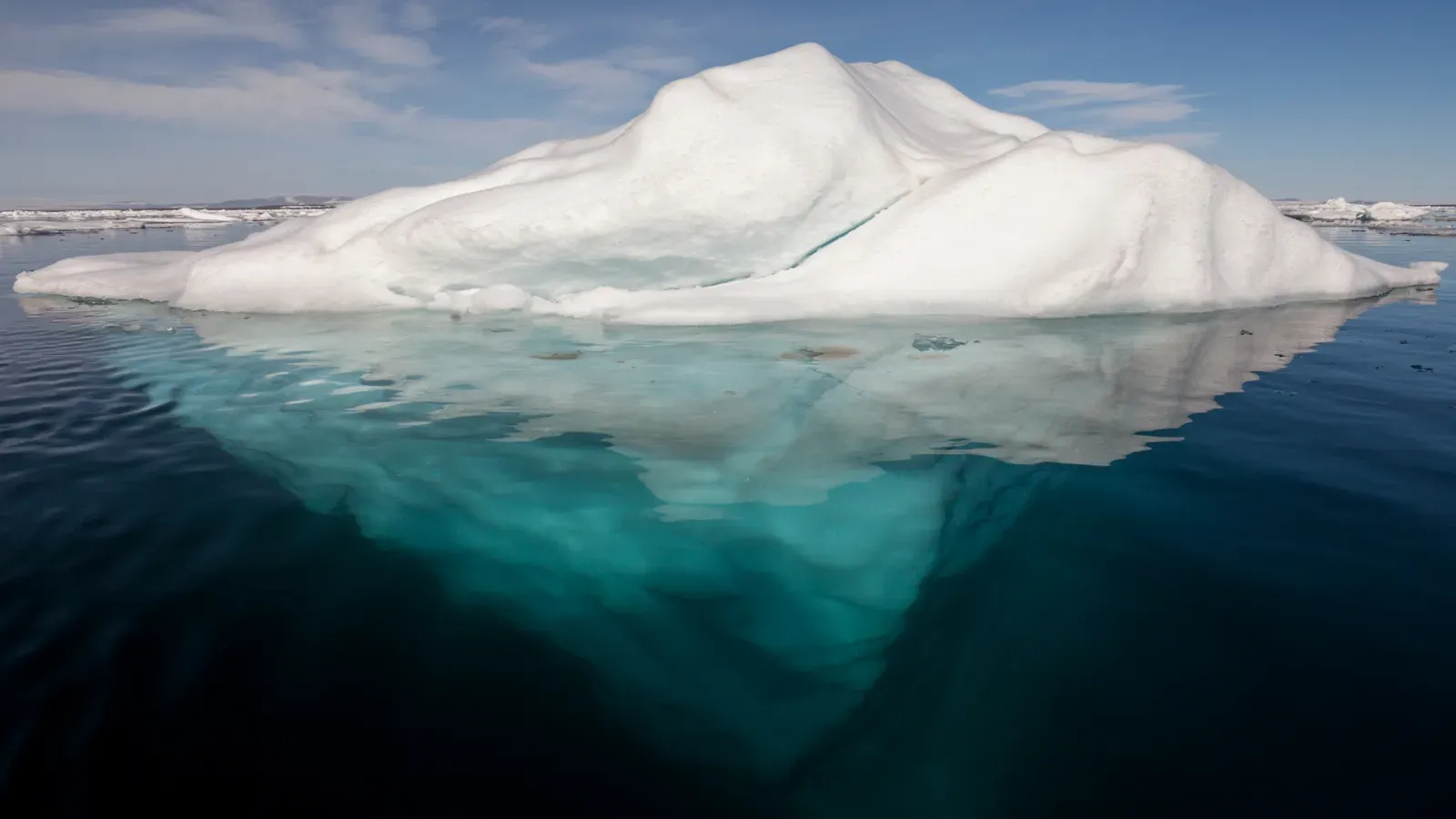
The sharpest contrast in polar albedo is between sea ice and the dark water around it. Sea ice, especially when topped with snow, reflects a good portion of sunlight. Open ocean absorbs nearly all of it, which is why a patch of exposed water warms so readily in summer.
This is the heart of the feedback scientists worry about. When ice melts, more dark water is exposed, that water soaks up more heat, and the extra warmth can melt still more ice. The loop doesn’t run unchecked, but it amplifies change in the polar regions.
What the 2026 Arctic Minimum Showed
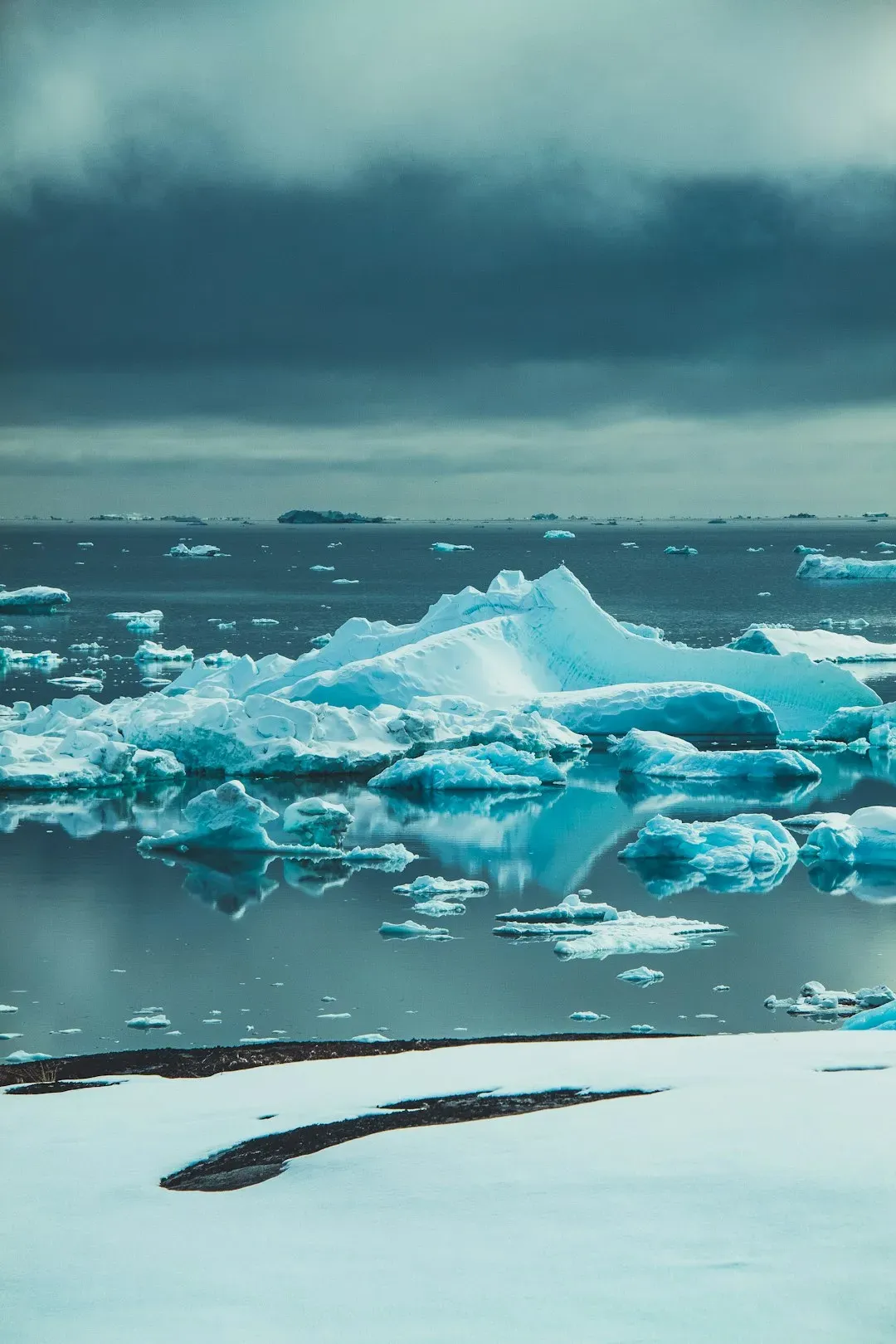
This year gives a useful snapshot. Arctic sea ice likely reached its minimum extent at 4.60 million square kilometers on September 12, 2026, according to NSIDC. That ranks tenth lowest in the nearly 48 year satellite record, tied with 2008, 2010, and 2025.
The longer view is still sobering. The last 20 years are the lowest 20 Arctic sea ice extents in the satellite record. This year’s minimum was about 1.62 million square kilometers below the 1981 to 2010 average, an area roughly equal to Alaska.
A Plateau, Not a Recovery
Some readers may notice that recent minimums look fairly steady and wonder whether the ice is bouncing back. The data say otherwise. The trend in minimum extent since 2007 has been near zero, though the overall record shows a clear decline.
Researchers are still working out why. One major suspected cause is the steady loss of thicker multiyear ice through the 1990s and early 2000s. NASA’s Linette Boisvert has also pointed to increased cloud cover over the last decade, which has limited further melt from solar radiation. A plateau at a low level still means less reflective surface than there used to be.
Dirty Snow and Darker Surfaces
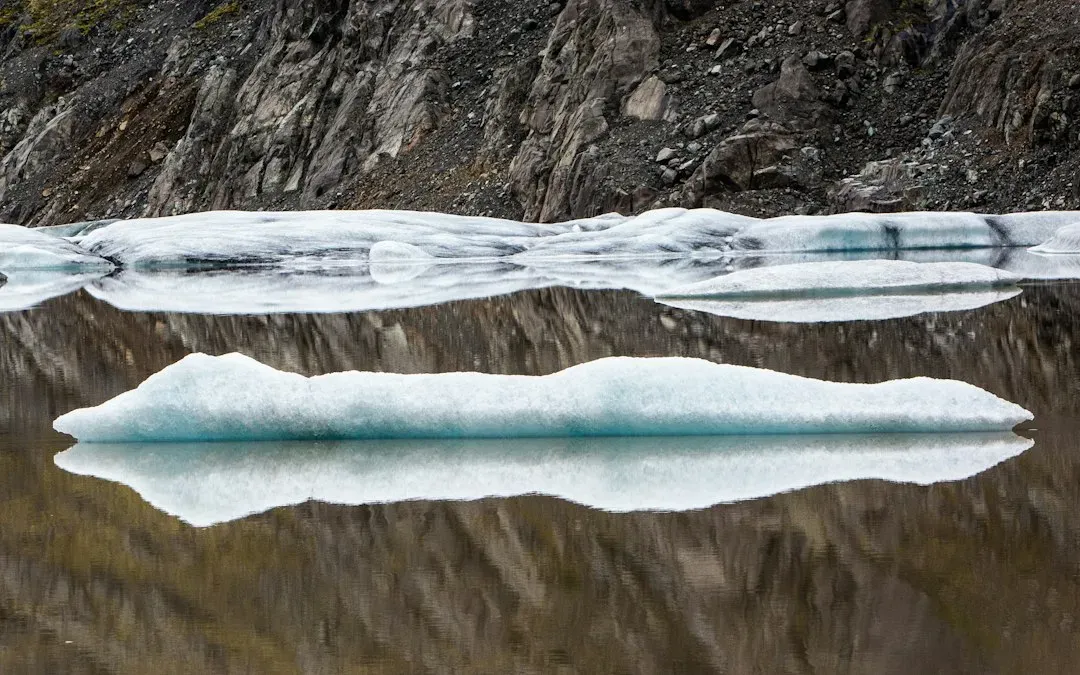
Ice and snow don’t have to melt completely to lose reflectivity. Soot from wildfires and fossil fuel burning, along with dust and algae, can settle on the surface and darken it. A darker surface absorbs more sunlight, which speeds melting and exposes yet darker material beneath.
On glaciers and the Greenland ice sheet, melt ponds add to the effect. Standing water absorbs far more energy than the white ice around it. That’s one reason scientists track surface darkness from satellites, not only the area of ice.
Beyond the Poles: Mountains and Land
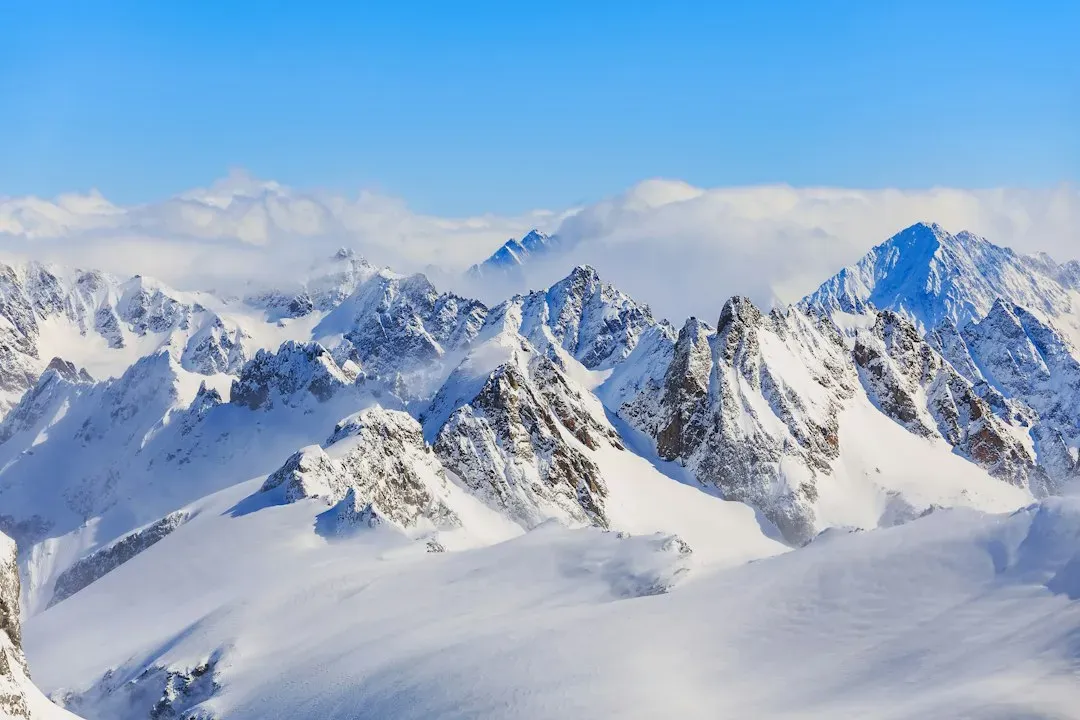
Albedo matters wherever snow falls, including mountain ranges and northern forests and tundra. A snow covered field reflects much more sunlight than the bare soil or dark evergreen forest that replaces it once the snow disappears. Seasonal snow cover therefore acts as a regional cooling layer through winter and spring.
When snow melts earlier in the year, that cooling ends sooner. The land then warms faster, which can dry soils and affect water supplies that depend on a slow spring melt. Albedo ties the visible snowline to the water and heat budgets of entire regions.
How Scientists Track Reflectivity
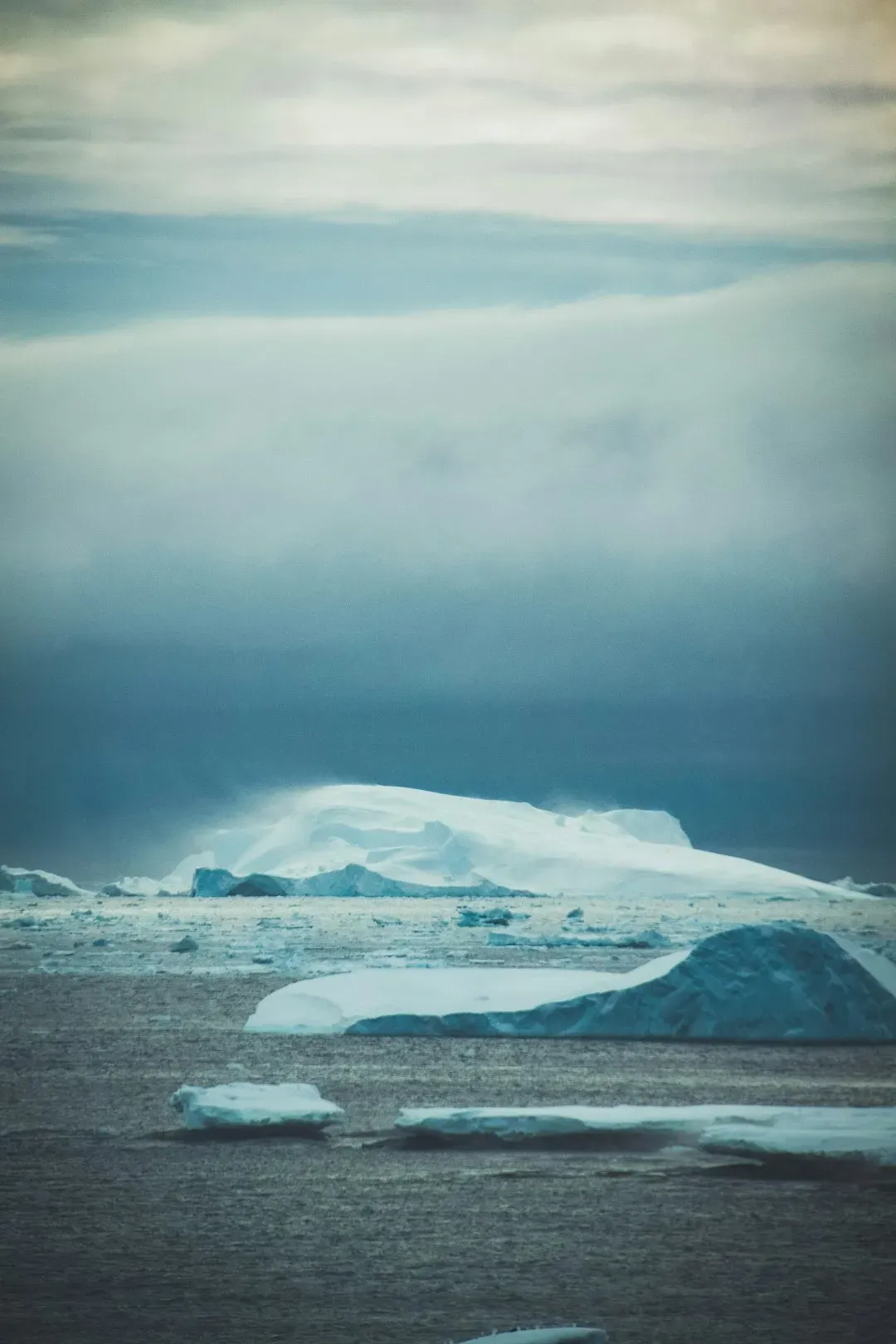
Satellites do most of the heavy lifting. They measure how much sunlight reaches the planet and how much comes back, and they map ice using sensors that detect the concentration of ice across the ocean. NSIDC reports polar sea ice in terms of extent, meaning the ocean area with at least 15 percent ice concentration.
That definition has limits. Extent counts ice cover, but it doesn’t directly show how thick or bright the ice is. NSIDC director Mark Serreze noted this year’s loose ice stretching all the way to the pole despite a fairly cool Arctic Ocean summer. Loose, patchy ice reflects less than a solid pack, so scientists combine several measurements to judge what is really happening.
What Scientists Are Watching Next
Attention now turns to the freeze up and to the south. NSIDC noted that the post minimum freeze up in the Arctic has been rapid. In Antarctica, sea ice extent on September 14 averaged 17.59 million square kilometers, among the lowest on record for a yearly maximum.
Final numbers for the Arctic season are still being confirmed, since NSIDC stresses that wind driven compaction could still push the preliminary extent lower. The winter ice that forms this season will set the starting point for next summer’s melt, and for how much sunlight the Arctic reflects.

- See You In 2061: Where Halley’s Comet Is On Its 76-Year Loop Right Now - November 11, 2026
- 88 Days Vs. 165 Years: How Long A Year Lasts On Each Of The 8 Planets - November 11, 2026
- 9 Wildfire-Season Routines Many California Residents Follow - November 10, 2026
