


- Record planetary extremes loom as the world’s largest climate summit begins - November 12, 2026
- Will travel insurance cover weather-related flight delays and cancellations? - November 11, 2026
- 8 Cities Where the Weather Changes So Fast Locals Carry Everything - November 11, 2026
Picture a ball about as wide as a large city, maybe twenty kilometers across. Now imagine it holds more material than our entire Sun. That’s a neutron star, and it isn’t science fiction.
These objects are the leftover cores of massive stars that have exploded. Astronomers have studied them for decades, and the last few years have sharpened the picture considerably. Here’s what is known, and what still isn’t.
How a Giant Star Becomes a Tiny Core
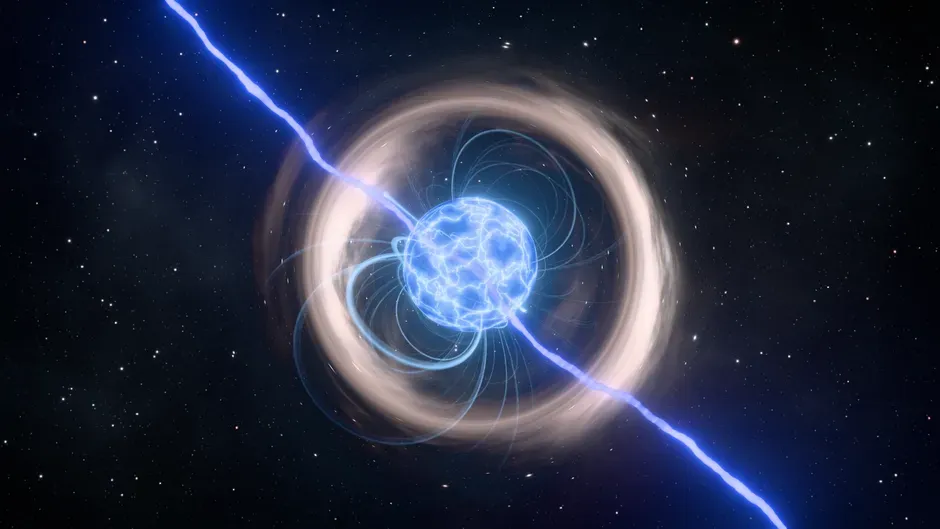
Neutron stars form when a star roughly eight to twenty times the Sun’s mass runs out of fuel. Its core can no longer resist gravity, so it collapses within a fraction of a second. The outer layers are blown away in a supernova.
What remains is a core squeezed to extraordinary density. Protons and electrons are forced together into neutrons, which gives the object its name. Only a quantum effect called degeneracy pressure among neutrons stops the collapse from continuing into a black hole.
The Numbers Behind the Squeeze
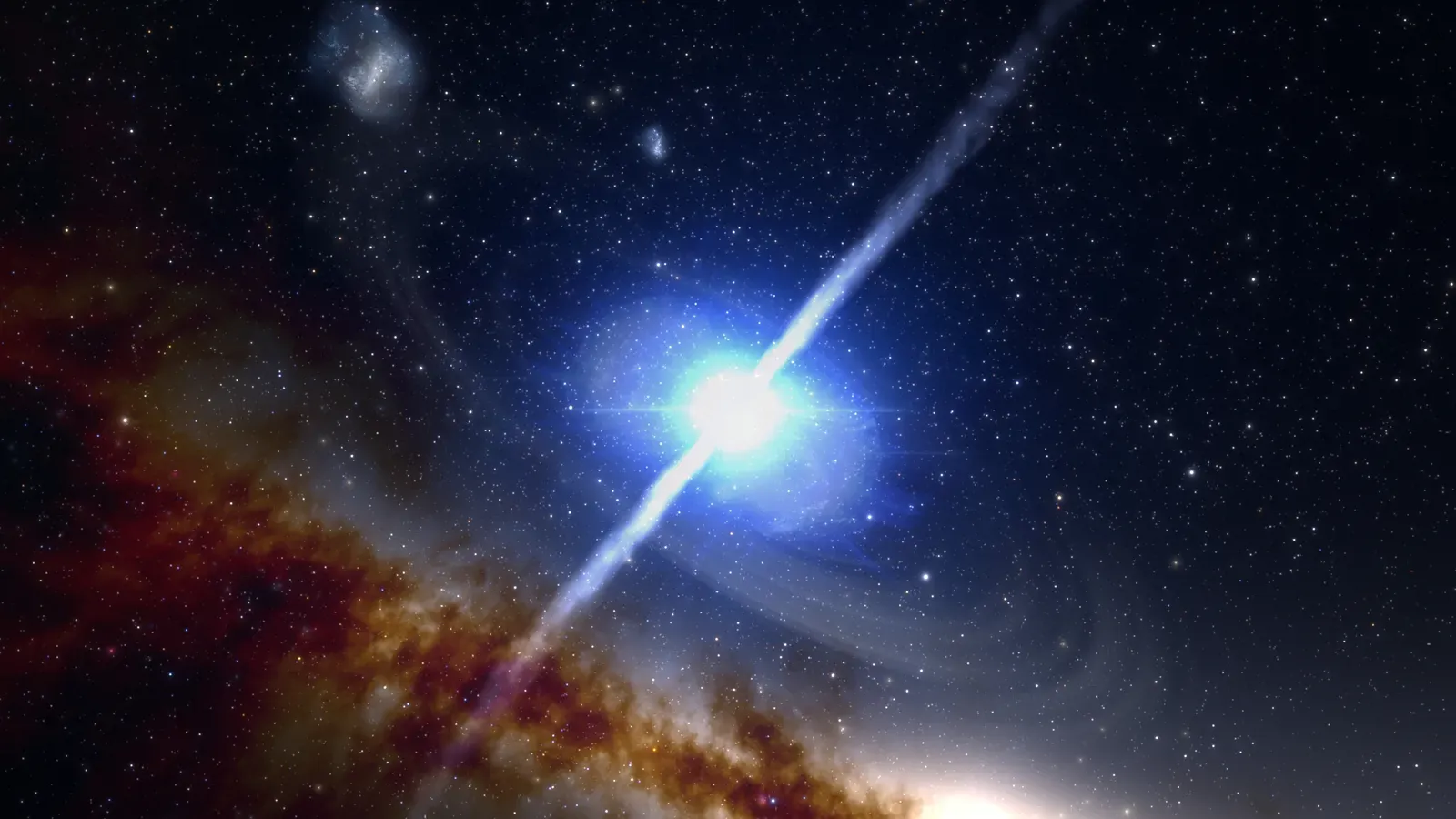
Typical neutron stars hold about one and a half times the Sun’s mass. They measure around twenty kilometers across, according to NASA’s descriptions of these objects. That packs a star’s worth of matter into a space smaller than many metropolitan areas.
The density is hard to grasp. A teaspoon of neutron star material would weigh billions of tons on Earth. Nothing we can build or find naturally on our planet comes close.
Measuring Their Size With NICER
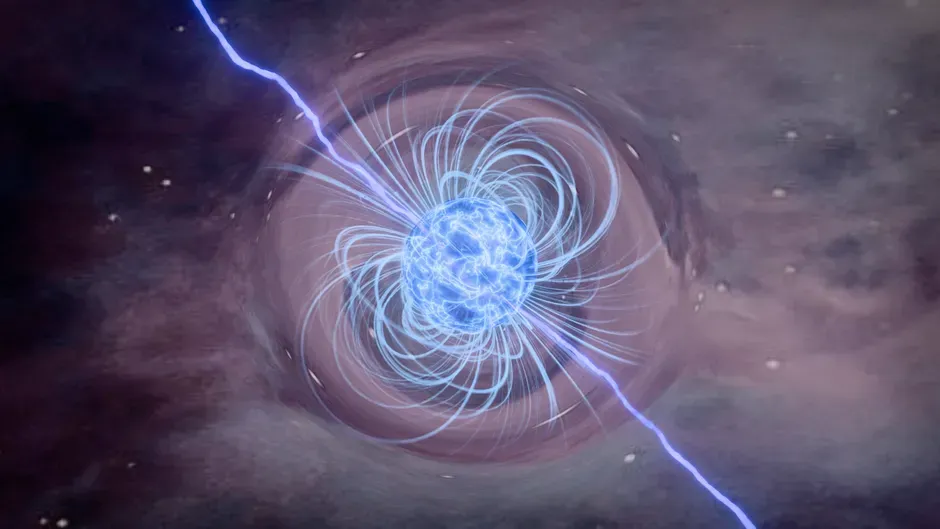
NASA’s NICER instrument on the International Space Station has been central to measuring neutron star radii. It tracks X-rays from hot spots on rotating pulsars, and gravity bends that light in ways that reveal the star’s size and mass. Results for the pulsar J0030+0451 and others pointed to radii of roughly twelve to thirteen kilometers.
Those figures matter because they constrain how matter behaves under extreme pressure. A 2024 analysis of the pulsar J0437-4715, the closest and brightest millisecond pulsar, produced one of the most precise radius measurements yet. Its radius came out near eleven kilometers, which is slightly more compact than some models predicted.
What the Heaviest Ones Tell Us
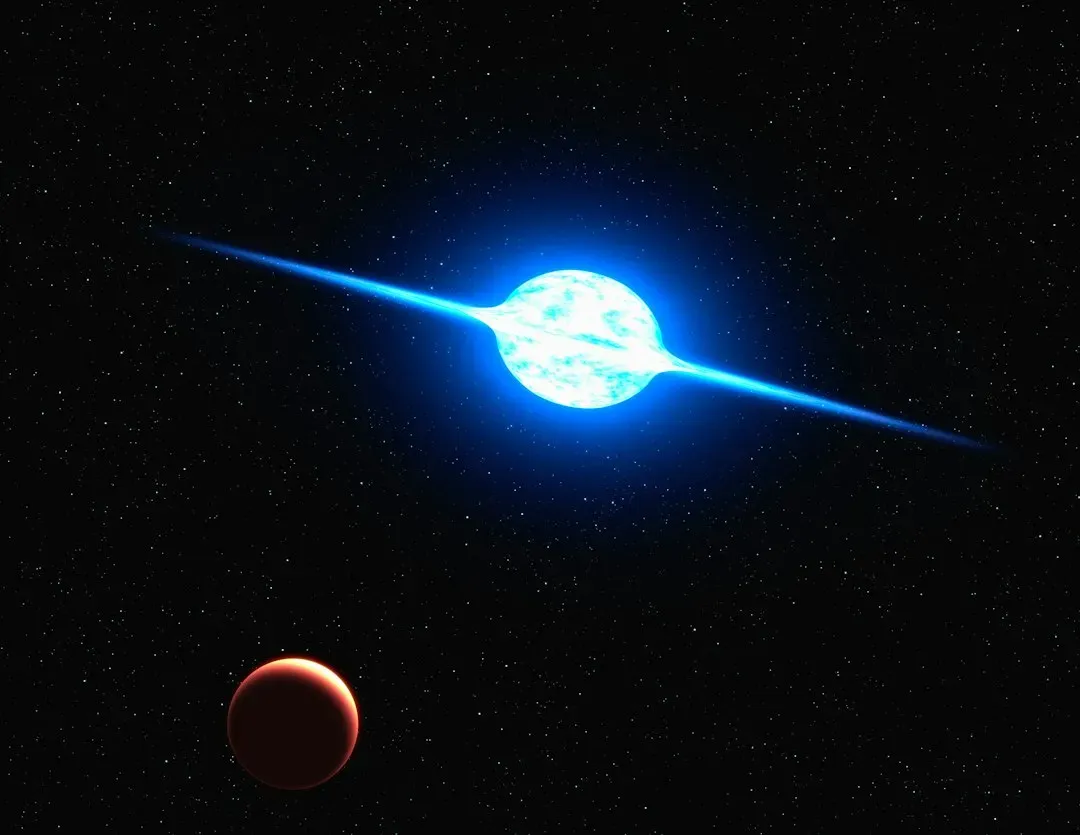
Some neutron stars are far heavier than average. The pulsar PSR J0740+6620 weighs about two Suns’ worth of mass, yet it stays stable. Its existence rules out many theories of dense matter that would be too soft to support such weight.
So there’s a real ceiling somewhere, though its exact value remains uncertain. Most estimates put the maximum near two and a half solar masses. Beyond that, gravity should win and a black hole forms.
Gravitational Waves From Colliding Stars
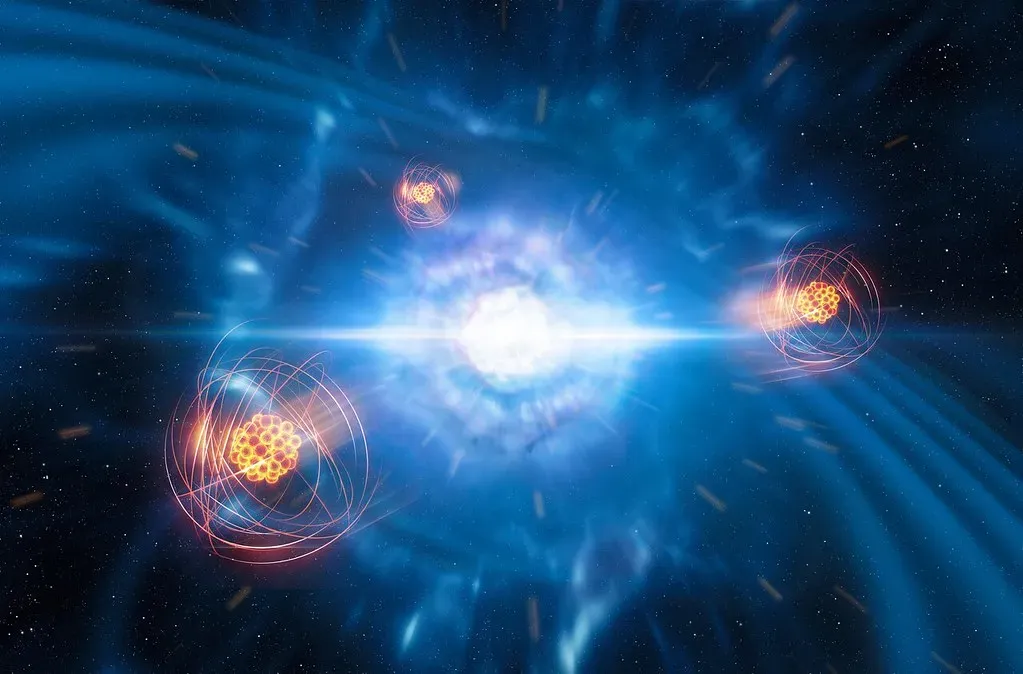
In 2017, the LIGO and Virgo detectors caught gravitational waves from two neutron stars merging, an event called GW170817. Telescopes around the world then saw the light from the aftermath. It was the first time a single cosmic event was observed in both gravitational waves and light.
The signal helped limit how easily neutron stars deform under each other’s gravity. Heavy elements like gold and platinum were also confirmed as products of such mergers, at least in part. Later detections, including GW230529 reported in 2024, found an object in the poorly understood mass range between the heaviest neutron stars and the lightest black holes.
Magnetic Extremes and Magnetars
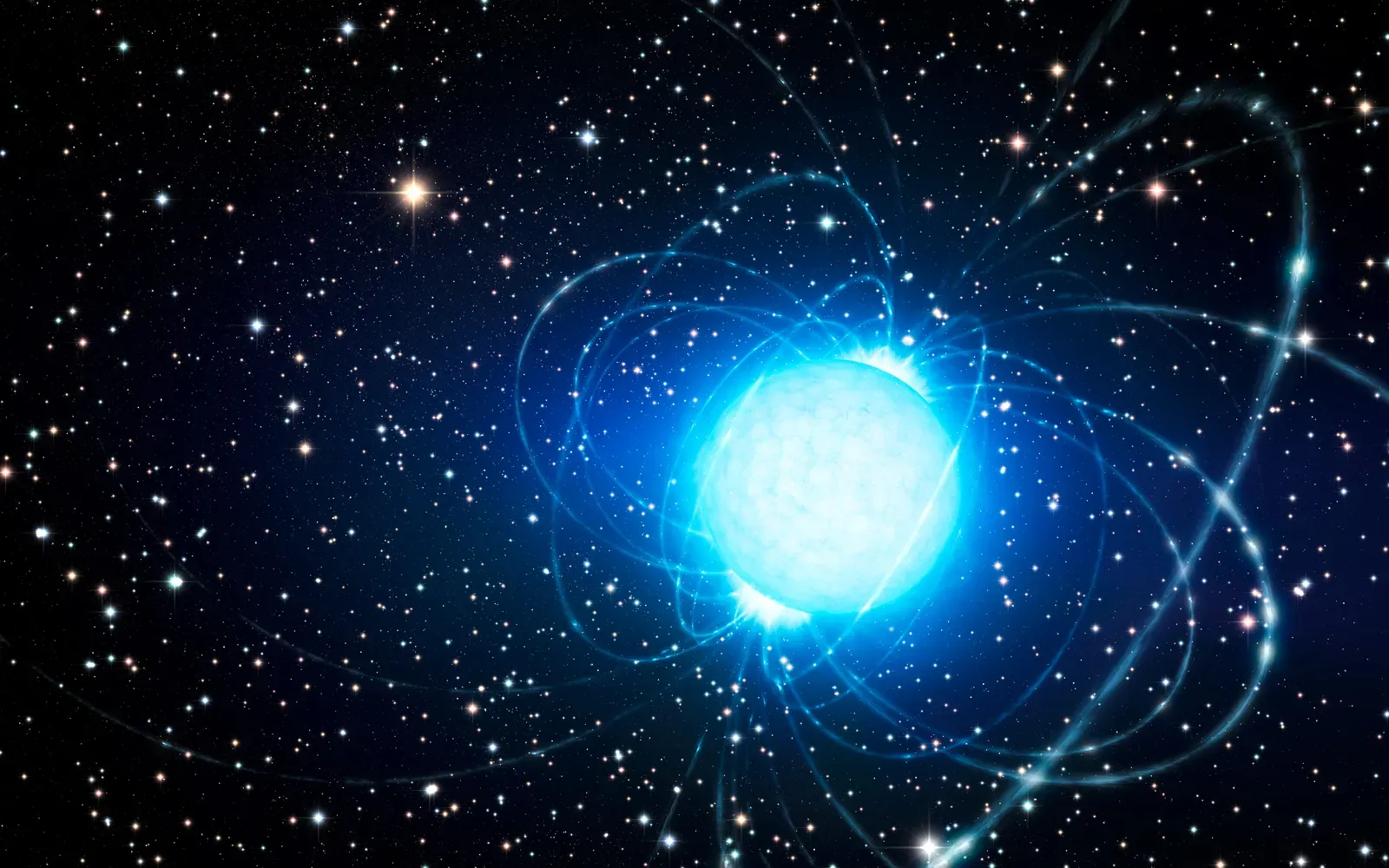
Neutron stars carry intense magnetic fields, often trillions of times stronger than Earth’s. A subset called magnetars goes further, with fields roughly a thousand times stronger still. These are the strongest magnets known in the universe.
Magnetars can release enormous bursts of X-rays and gamma rays. In 2020, one in our galaxy, SGR 1935+2154, was linked to a fast radio burst, a major clue to the origin of those mysterious signals. Research since then has continued to explore that connection.
Pulsars as Cosmic Clocks
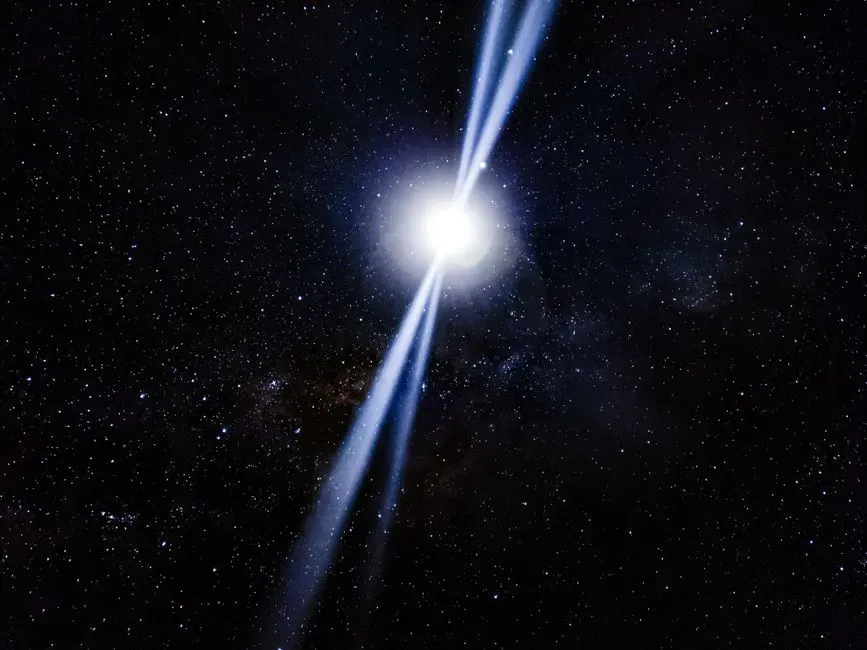
When a neutron star spins and beams radiation toward Earth, we detect regular pulses and call it a pulsar. Some millisecond pulsars rotate hundreds of times per second with remarkable steadiness. Their timing rivals that of atomic clocks.
That regularity has real scientific uses. In 2023, pulsar timing arrays including NANOGrav reported evidence of a background of low frequency gravitational waves. The signal is thought to come from pairs of supermassive black holes, and follow-up work continues.
What Lies Inside
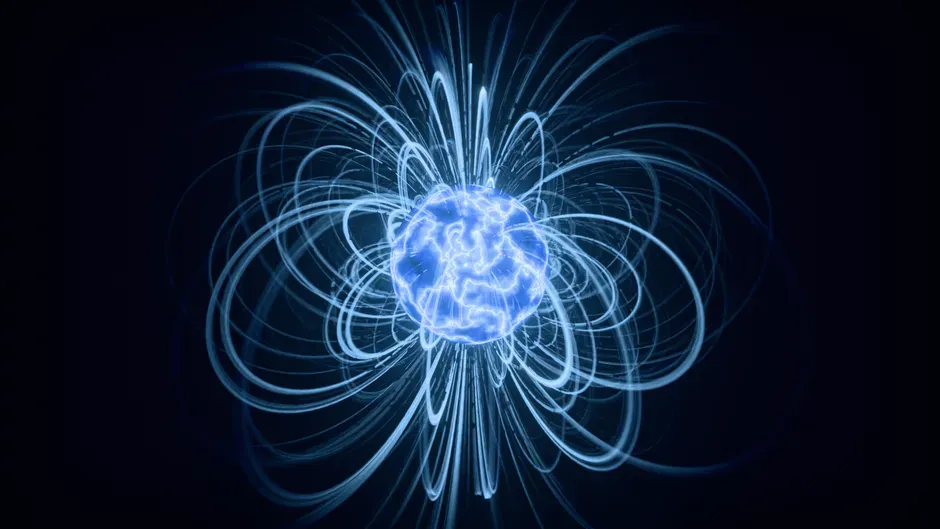
The outer layer of a neutron star is a thin crust of nuclei in a lattice, sitting over a sea of neutrons. Deeper down, nobody knows for sure. Some physicists suggest exotic particles or even free quarks might appear in the core.
Observations of masses, radii, and mergers are the main tools for testing these ideas. So far, the data haven’t settled the question. Each new measurement narrows the possibilities for how matter behaves at the highest densities known.
Where the Research Stands
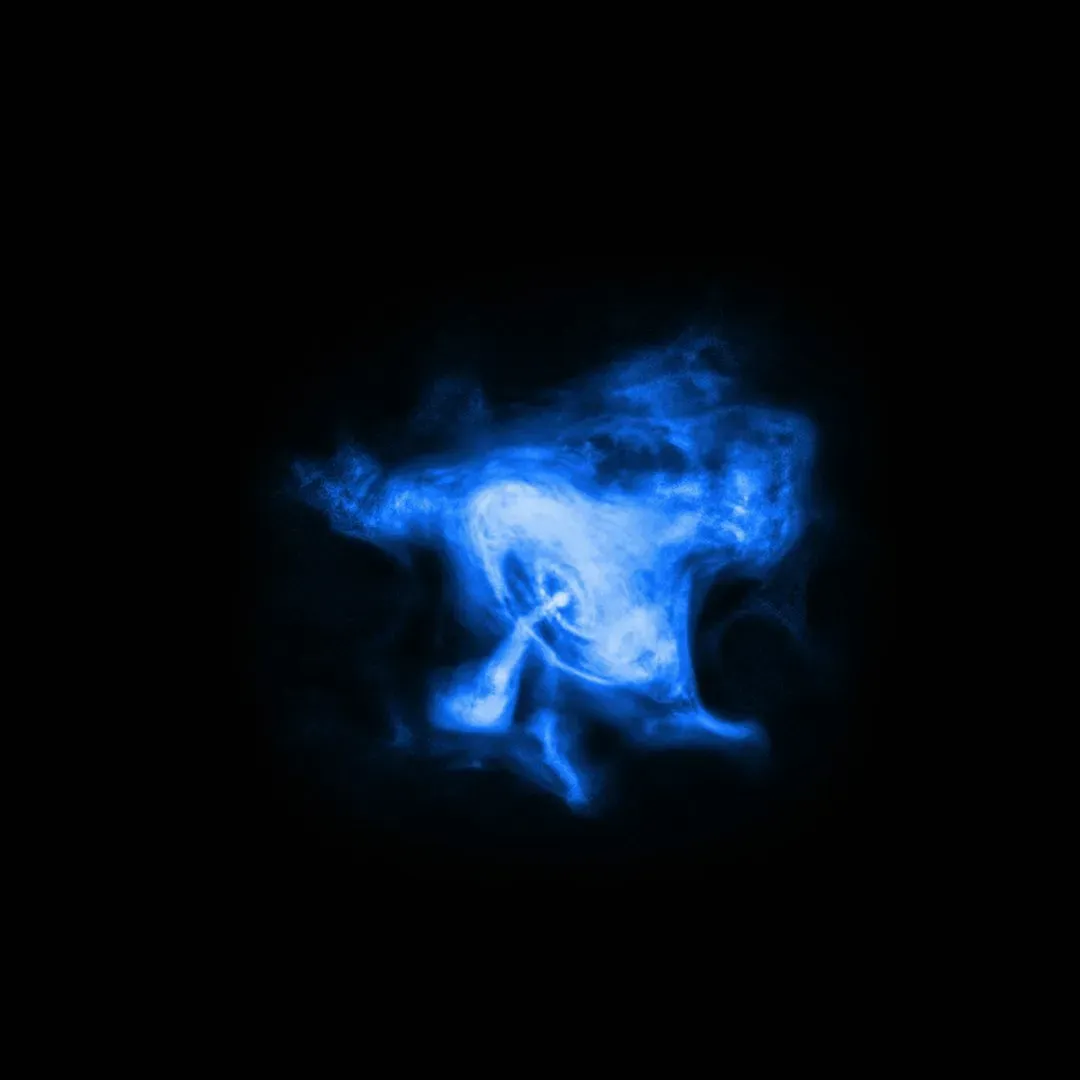
Current work combines X-ray timing from NICER, gravitational wave detections from LIGO, Virgo, and KAGRA, and radio surveys that keep finding new pulsars. Together they supply independent checks on the same physics. Agreement between them has strengthened confidence in the typical radius of roughly eleven to thirteen kilometers.
The remaining gaps involve the core’s composition and the exact maximum mass. Future detector upgrades and larger radio telescopes should add more examples. Until then, a sphere the size of a city holding more than a Sun remains one of the clearest tests of physics at its limits.
