


- The Compostable Cup Left Intact for Years – 5 Backyard Composting Failures - November 15, 2026
- Fast-Fashion “Conscious” Lines Under Scrutiny – 5 Red Flags in Eco-Clothing - November 15, 2026
- Space Engineers Explain 5 Quiet Changes Making Rocket Launches Safer Than Ever - November 15, 2026
Science has a strange habit of making the world feel less solid the more closely you study it. The things we consider obvious – that objects are solid, that time ticks forward at a steady pace, that a living creature can’t exist in two states at once – turn out to be approximations at best, and flat-out wrong at worst. Real physics, biology, and chemistry have quietly dismantled most of the intuitions we grew up with.
The ten discoveries below aren’t science fiction. They’re documented, peer-reviewed, and confirmed by researchers who were often just as astonished as the rest of us. Each one sounds like a mistake until you read the evidence.
1. You Never Actually Touch Anything

When you touch an object, your atoms never truly come into contact with its atoms. What you feel is the electromagnetic repulsion between electrons – the sensation of touch is created by force fields interacting at an atomic level. Your hand doesn’t press against a table so much as it floats a hair’s breadth above it, repelled by invisible electrical forces.
In a very real sense, everything you touch is separated from you by invisible space. That coffee mug you picked up this morning, the chair you’re sitting in, the ground under your feet – none of it is actually in contact with your skin. The solid world you experience is a product of your nervous system interpreting force, not contact.
2. Your Body Is Rebuilt, Piece by Piece, Over Years
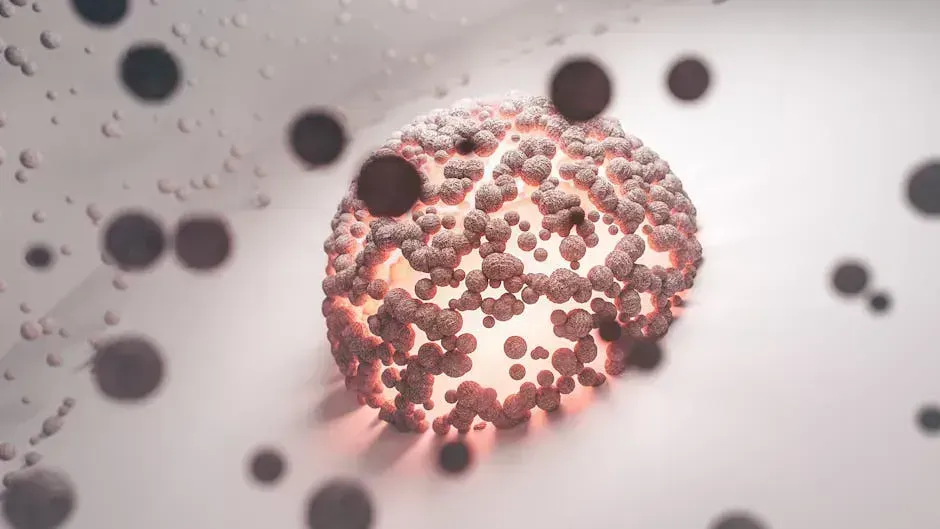
The body replaces cell types every seven to ten years, with the exception of neurons in the cerebral cortex. The most recurring cell changes occur in the skin, bones, liver, stomach, and intestines. The most frequently replaced cells in the human body are those lining the stomach walls and intestine, typically lasting around five days before regeneration.
Despite all this regeneration, the average age of all our cells is about seven years, though we still get old and die because of mutations that appear in our DNA as cells replicate over time. So the “you” of a decade ago is, in a genuinely biological sense, a different physical entity. The identity stays. The matter largely doesn’t.
3. The DNA Inside Your Body Could Stretch to the Sun and Back – Hundreds of Times
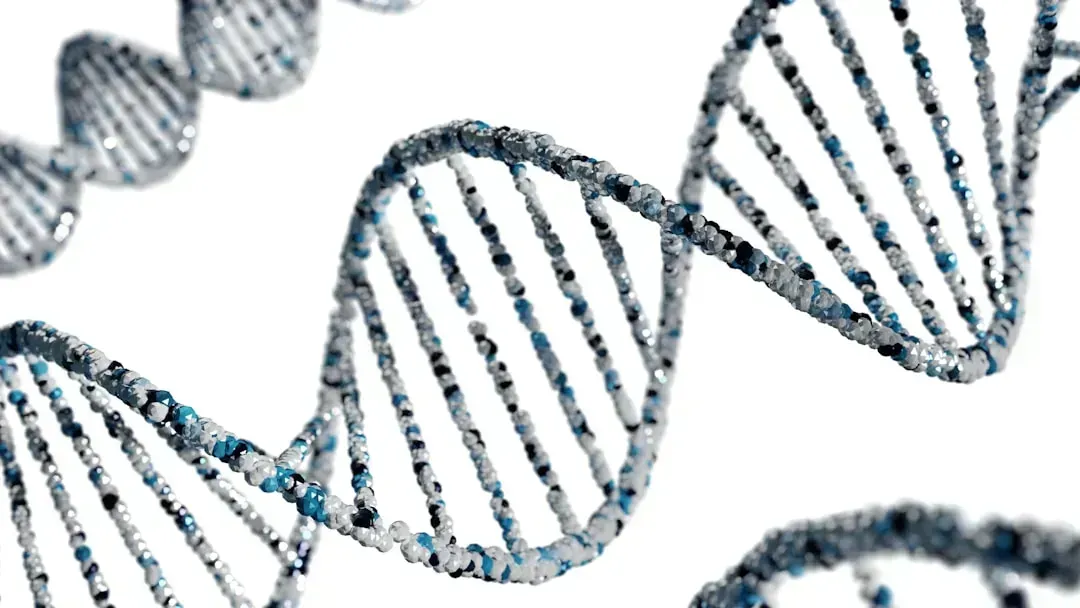
Each human cell contains about 2 meters of DNA when fully uncoiled. Considering that your body has around 30 trillion cells, the total length of DNA in your body would stretch roughly 60 billion kilometers. That number is almost impossible to hold in your head. For context, the distance from Earth to the Sun is about 150 million kilometers.
That’s enough to reach the Sun and back hundreds of times, and yet all that genetic information fits inside microscopic nuclei because DNA is intricately folded and packaged around proteins called histones. Nature essentially solved an extraordinary engineering problem inside every single cell in your body, and did it billions of times over.
4. Your Brain Generates Enough Electricity to Power a Light Bulb
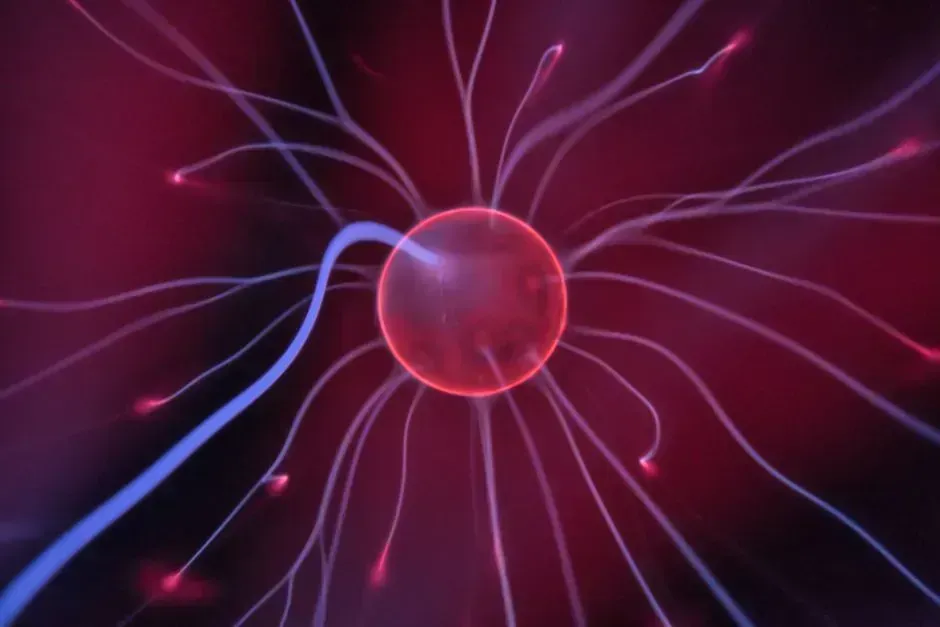
The human brain runs on electrical signals generated by neurons communicating through electrochemical impulses. At any given moment, billions of neurons are firing, producing a measurable electrical output of approximately 20 watts – enough to power a dim LED bulb. Thinking, dreaming, remembering: all of it runs on roughly the same energy as a nightlight.
All your thoughts, memories, emotions, and dreams arise from this electrical orchestra. The fact that consciousness itself can be traced to electrical signals passing between cells is either deeply comforting or mildly unsettling, depending on your perspective. Either way, it’s real and measurable.
5. Time Literally Slows Down When You Move Faster
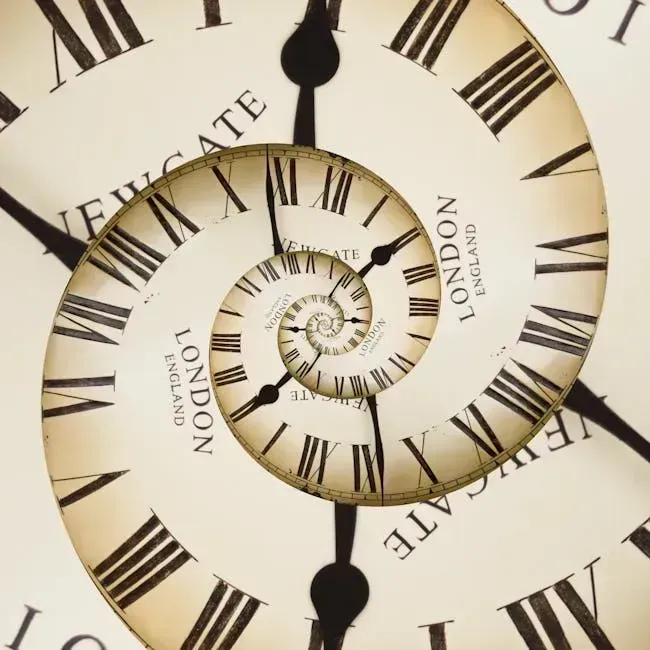
Time is not the constant force we once believed it to be. According to Einstein’s theory of relativity, time literally slows down for objects moving at high speeds – an effect known as time dilation, which has been experimentally confirmed using atomic clocks placed on fast-moving airplanes and satellites. This isn’t a metaphor. The clocks physically tick at different rates.
Astronauts aboard the International Space Station age slightly slower than people on Earth because they are moving faster and experiencing weaker gravity. While the difference is tiny, it is measurable. GPS satellites have to account for this effect in their calculations. Without a relativistic correction, your navigation app would be off by kilometers within a single day.
6. A Day on Venus Is Longer Than Its Year
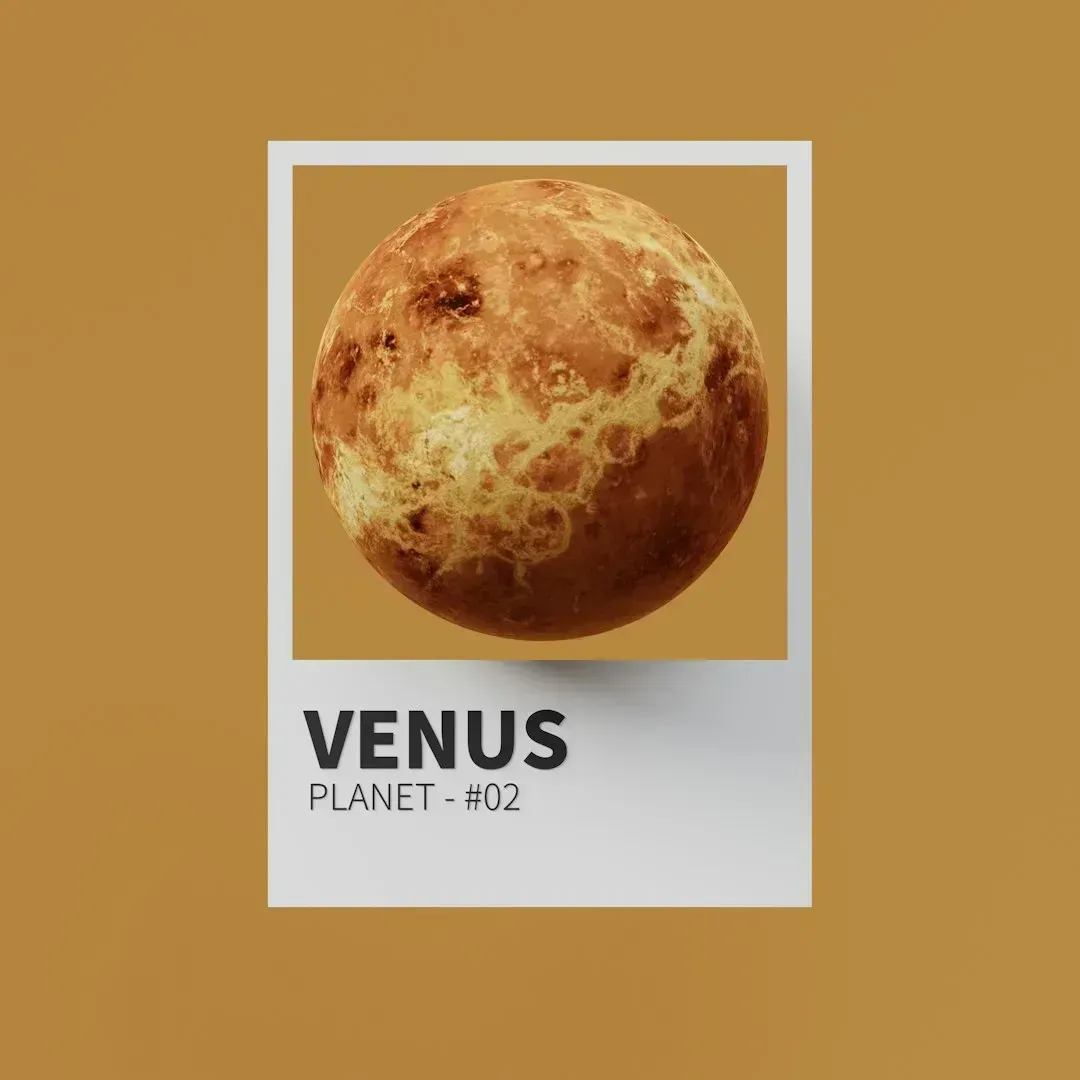
Time on Venus works in a way that seems almost impossible. Venus rotates so slowly on its axis that a single day there lasts about 243 Earth days. But Venus orbits the Sun faster than that, completing one revolution in about 225 Earth days – which means a Venusian day is actually longer than its year. Somehow, that planet completes a full trip around the Sun before it even finishes one rotation.
To make things even stranger, Venus rotates backward compared to most planets, meaning the Sun would appear to rise in the west and set in the east. Standing on Venus – if you could survive the crushing atmospheric pressure and sulfuric acid clouds – you’d watch a slow-moving sunrise from the wrong direction, eventually setting after you’d already circled the Sun once.
7. Earth Has More Trees Than the Milky Way Has Stars

Research suggests Earth is home to roughly three trillion trees, while astronomers estimate the Milky Way contains between one hundred and four hundred billion stars. This means our planet may host several times more trees than our galaxy has stars. The Milky Way sounds enormous, and it is, but our own planet’s forests quietly outpace it in sheer count.
Astronomers estimate that there are about 100 to 400 billion stars in the Milky Way, which sounds like a lot – until you find that scientists estimate there are over 3 trillion trees on Earth. Of course, these are only estimates; no one is counting every tree or star. Still, the rough comparison holds, and it changes how you feel walking through a forest.
8. Neurons Can Scramble Their Own Genetic Code
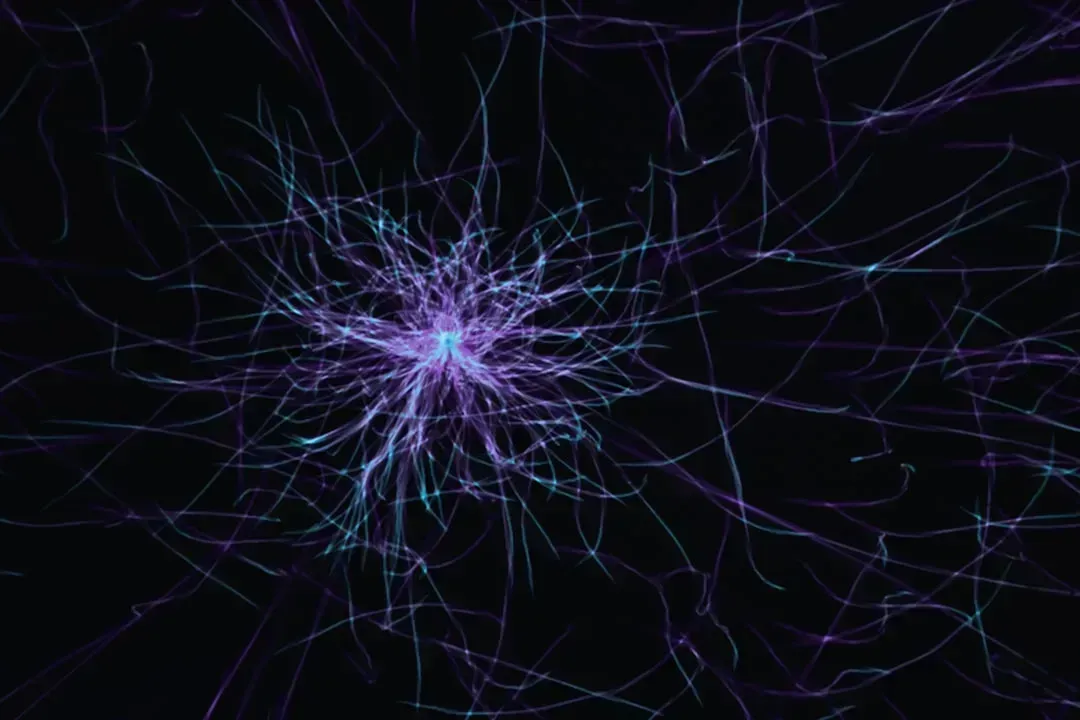
Unlike most cells in our bodies, the neurons in our brain can scramble their genes. This genome tampering may expand the brain’s protein repertoire, but it may also promote Alzheimer’s disease. The idea that brain cells are rewriting their own DNA – not through damage, but as part of an active process – is one of the stranger revelations in recent neuroscience.
Neurons from patients with Alzheimer’s disease contained about six times as many varieties of the APP gene as those from healthy people. Among the alterations were 11 mutations that occur in the rare inherited forms of the illness. Neurons from subjects who died without the disease didn’t have these mutations. The boundary between intentional genetic diversity and disease-causing mutation turns out to be finer than anyone expected.
9. Cancer Cells Use Fat as a Biological Invisibility Shield
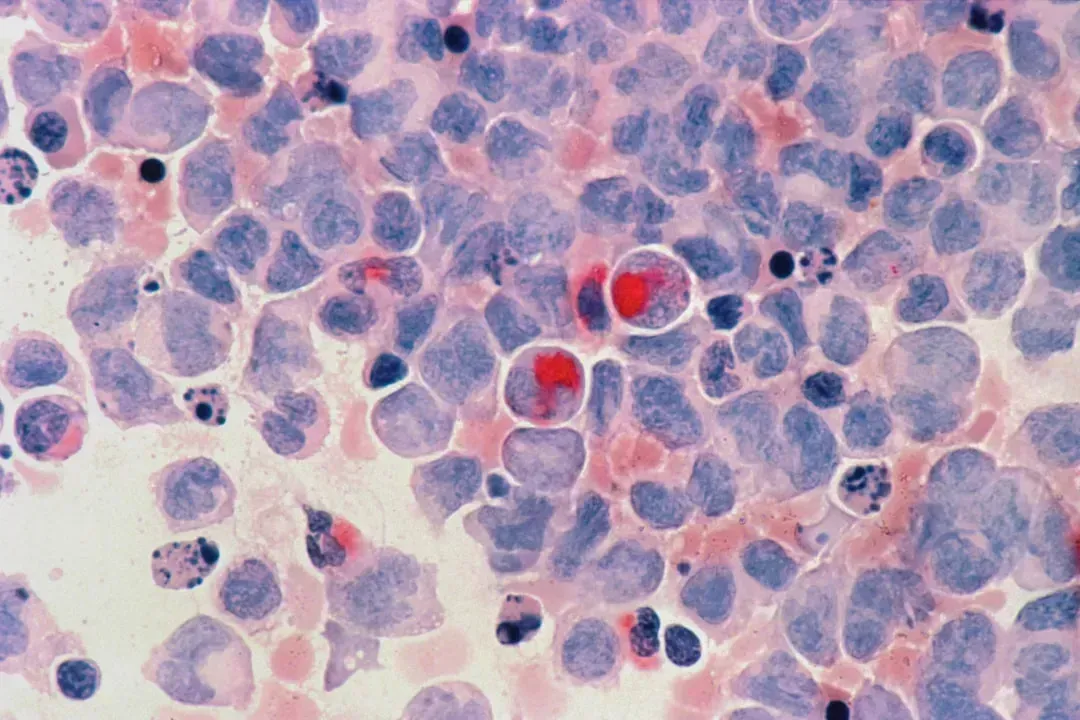
Research revealed a surprising twist in how cancer cells evade the immune system: certain lipids, once thought to be mere fuel for the tumor, actually act as fatty shields that help cancer cells hide. Studies demonstrated that cancer cells specifically hoard these “glycosphingolipids” to obscure inflammatory signals and suppress immune responses. It’s a form of biological camouflage that the immune system struggles to see through.
Researchers used a combination of genetic screening and mouse models to pinpoint glycosphingolipids as essential to aggressive cancers of the pancreas, lung, and colon, and demonstrated that disrupting glycosphingolipid synthesis can make cancer cells more visible to the immune system. The findings suggest that targeting lipid metabolism could bolster the efficacy of existing immunotherapies. A fatty molecule, long overlooked, turns out to be a key part of how cancer hides in plain sight.
10. A Living Animal Was Placed Into a Quantum State
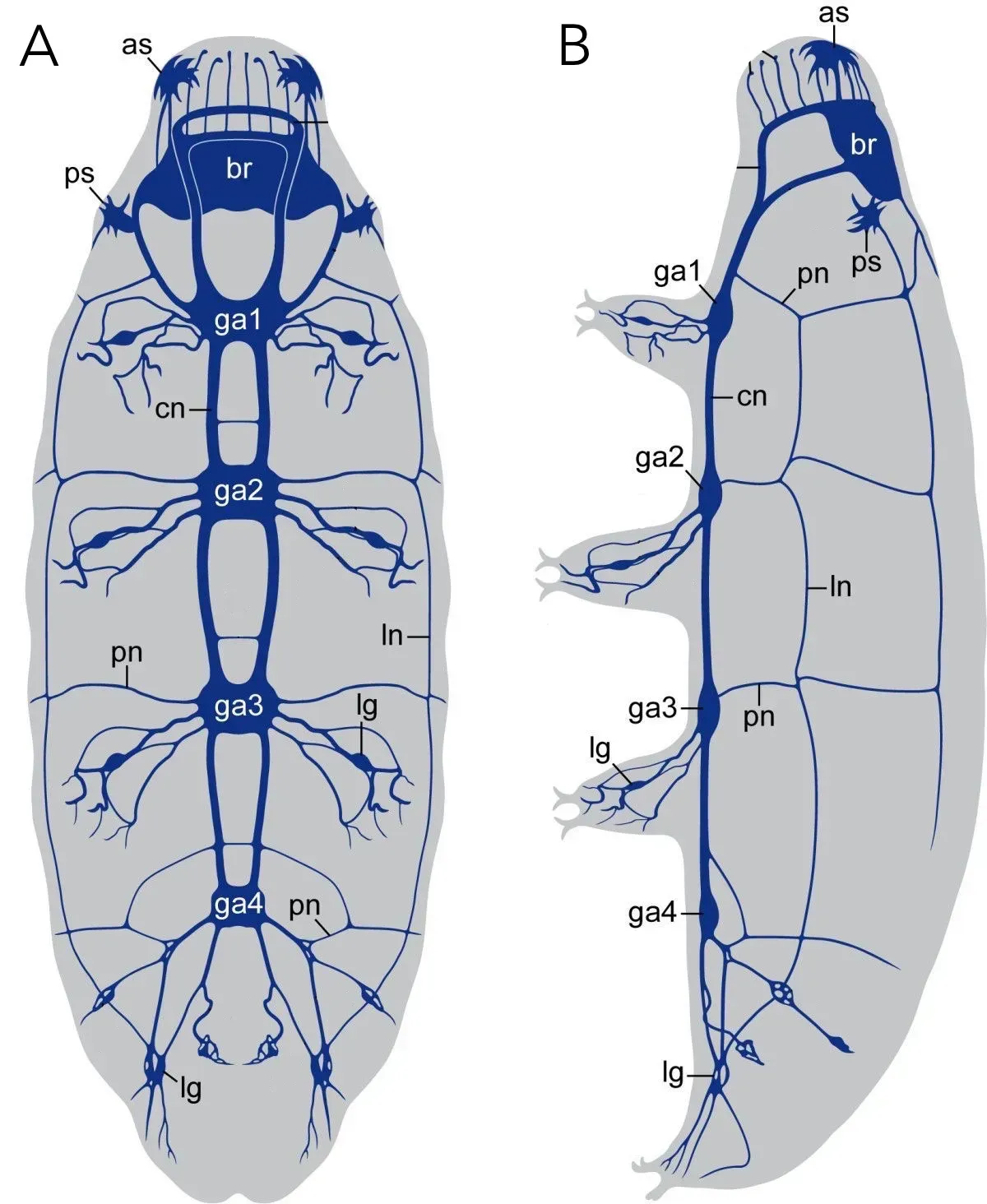
An international team of researchers claimed to have performed the first ever experiment successfully placing a tardigrade – a tiny critter affectionately known as a “water bear” – in a state of quantum entanglement between a pair of superconducting qubits. Tardigrades are well known for surviving extreme conditions by entering a state known as cryptobiosis, induced when the animal is frozen or desiccated. When the temperature rises and water becomes available again, the tardigrade revives, usually in just a few minutes.
To perform their entanglement experiment, researchers cooled the tardigrade to below 10 millikelvin, almost to absolute zero, while reducing the pressure to a millionth of that in the atmosphere. In these conditions, no chemical reaction can occur, so the tardigrade’s metabolism must have entirely halted. Whether or not the tardigrade experienced any “spooky action” from the qubits it was attached to, the study does show that moss piglets are even more durable than previously thought. Some physicists remain skeptical that true quantum entanglement was achieved, but even the skeptics agree on one thing: this tiny animal survived conditions that should have been impossible for any living thing.
Science keeps moving the goalposts on what “impossible” means. Each of these discoveries started as an anomaly – a strange result, a counterintuitive number, a phenomenon that contradicted everything researchers thought they knew. What makes them remarkable isn’t just the fact itself, but the reminder that reality operates on rules far stranger than the ones our everyday experience suggests. The universe, it turns out, doesn’t owe us an intuitive explanation.
