
Most people who store serious amounts of water don’t talk about it. They’re not secretive in an alarming way – they’ve simply decided that self-reliance is a private matter. Water is survival’s most basic currency, and those who’ve taken the time to secure a genuine reserve tend to do so quietly, methodically, and often in plain sight.
The clues are there if you know what to look for. The property might look fairly ordinary at first glance, but small details tell a different story: the layout of downspouts, a particular kind of container tucked along a fence line, or the way a garden thrives even through a dry stretch. Here’s what to watch for.
A Cluster of IBC Totes That Doesn’t Quite Match the Garden
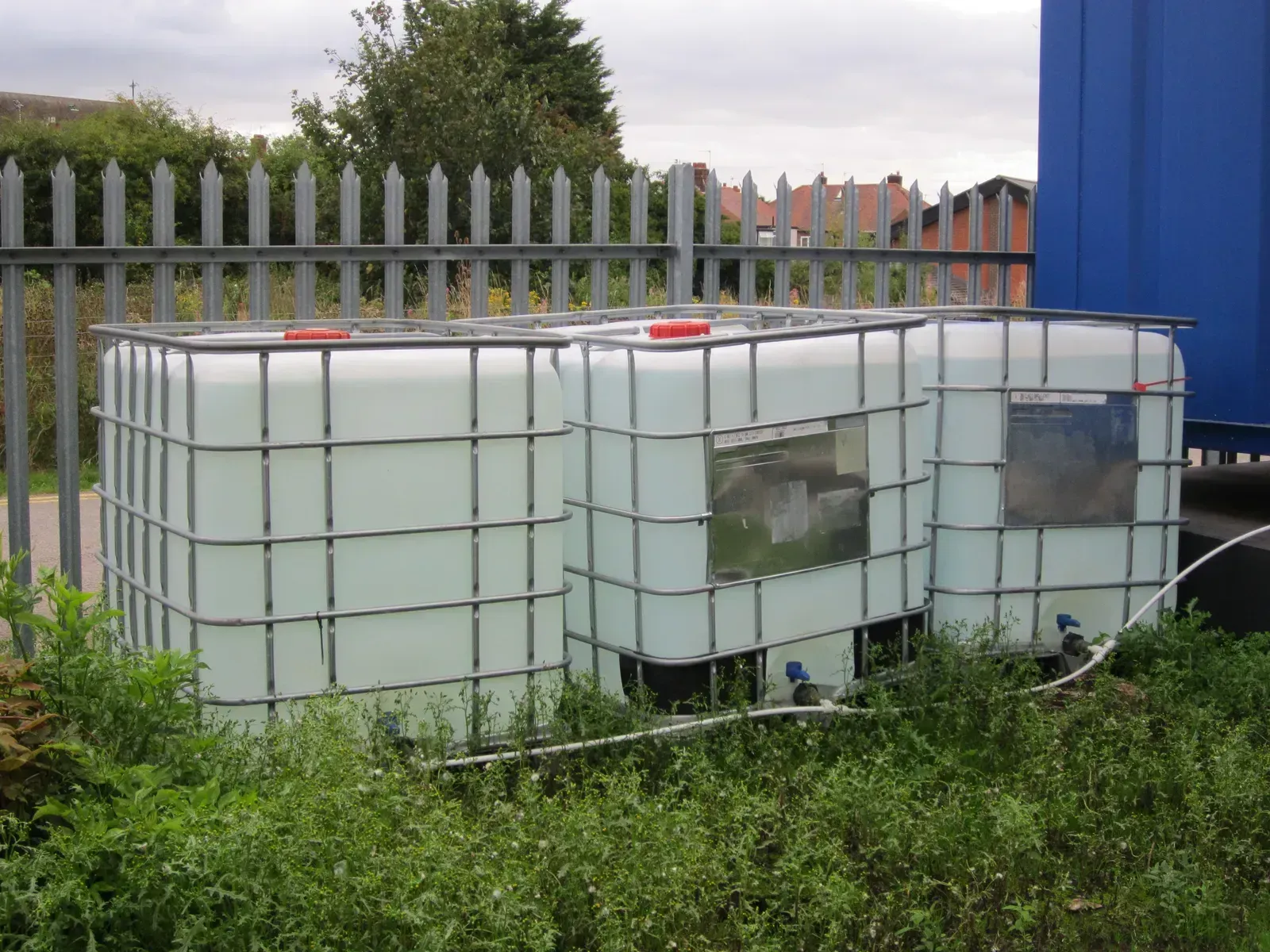
Intermediate bulk containers, commonly called IBC totes, are large-volume, reusable containers made from high-density polyethylene encased in a protective steel frame, with a standard capacity of either 275 or 330 gallons. Spotting one on a rural property is unremarkable. Spotting three, four, or more – raised on wooden platforms and plumbed together – is a different matter entirely.
Multiple IBC totes can be connected together to significantly increase rainwater harvesting capacity, with options for both gravity-fed and pump-driven systems. A single 275-gallon tote could sustain a family of four for roughly 60 days in an emergency. When multiple totes are linked together, the total volume becomes significant enough to cover a wide variety of water needs across a property. A cluster of these containers draped in dark fabric or wrapped in shade cloth is almost certainly not decorative.
Gutters That Are Far Bigger Than the House Needs
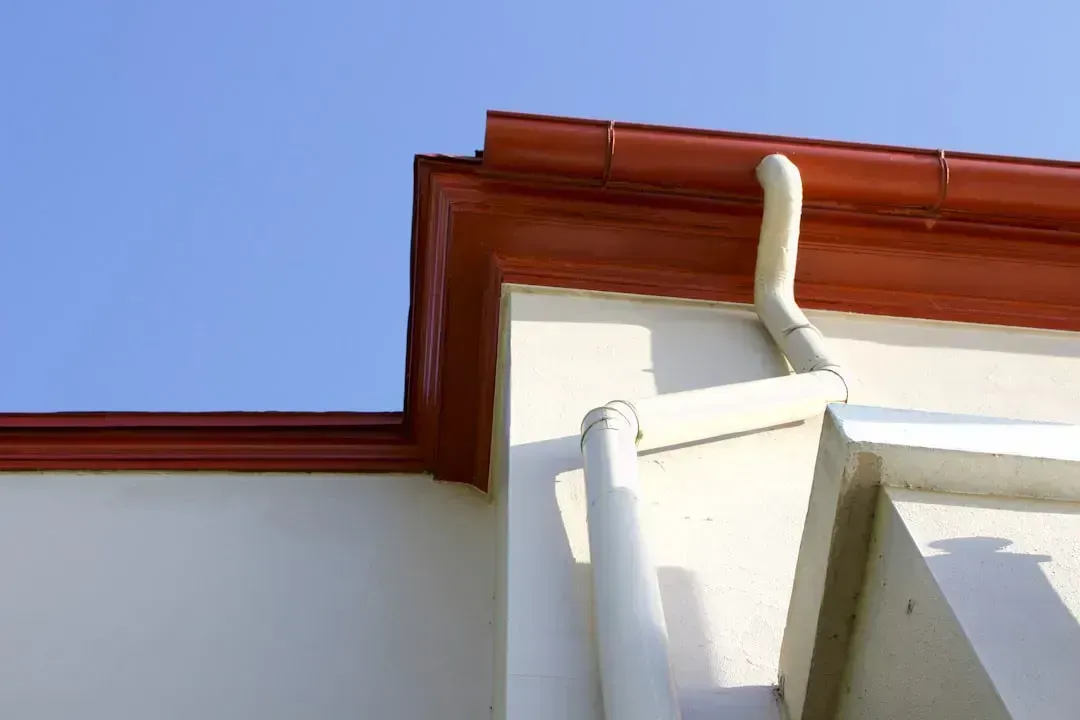
Residential gutters are sized to handle roof runoff during a typical storm. When someone has installed oversized gutters, added multiple first-flush diverters, or run large-diameter PVC pipe from every roofline to a central collection point, that’s a system designed for volume – not just drainage.
Rainwater is a significant and often overlooked source of water. A simple system of gutters and first-flush diverters on a roofline can collect large amounts of water and cisterns placed below can store it until needed. Installing a mesh screen leaf guard and a first flush diverter within the downspout section is highly recommended to prevent debris from entering the containers and maintain water flow and reduce maintenance needs. A property where all of these components are present and carefully arranged is a sign that someone has thought well beyond the casual rainy-day buffer.
Elevated Platforms and Wooden Stands Near the Shed or Barn
Gravity is free. Anyone who understands off-grid water distribution understands this deeply. In gravity-fed setups, the IBC tote or at least the water inside must be positioned higher than where the water is being used or released. To improve pressure, totes can be placed on top of another IBC, on a platform, or on cement blocks.
A two-tote setup gives well over 550 gallons of storage capacity. Building a sturdy wooden stand to raise the totes off the ground helps with gravity-fed water distribution while keeping the containers stable and protected. If you see a solidly built wooden structure near a barn or shed – one that looks far too engineered to just hold tools – it’s likely a water elevation platform. The level of craftsmanship is usually a tell: these stands are built to hold thousands of pounds.
Solar Panels Positioned Near a Pump or Water Line, Not the House
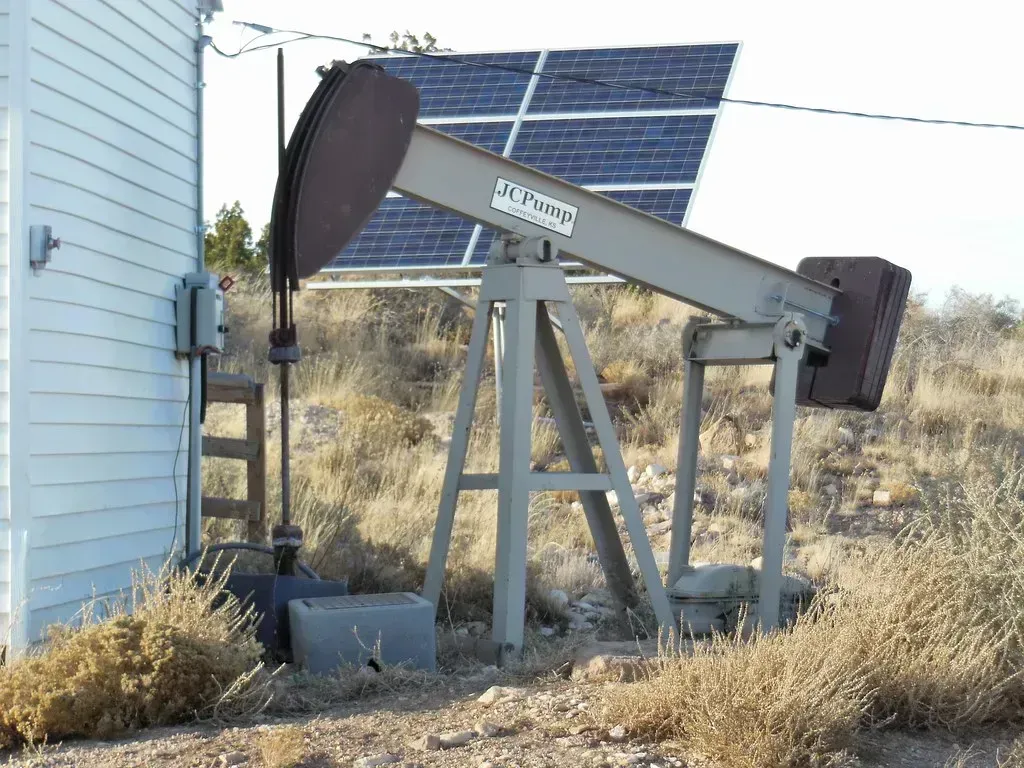
Solar panels on a rooftop suggest energy independence. Solar panels mounted low, near a pump housing or adjacent to a water line running into the ground, suggest something more specific: a solar-powered water pump system.
When a property lacks enough elevation for gravity-fed distribution, booster pumps charged by a small solar-powered battery bank can provide power to the pump when needed. Distribution in off-grid water systems typically flows from elevated storage to a small solar-powered pressure pump, or by direct gravity feed where pressure isn’t critical. A small panel angled toward the sun and wired into what looks like a utility box near the ground is a classic sign of a pressurized water distribution system running quietly in the background.
The Unusual Smoothness of the Yard in One Corner
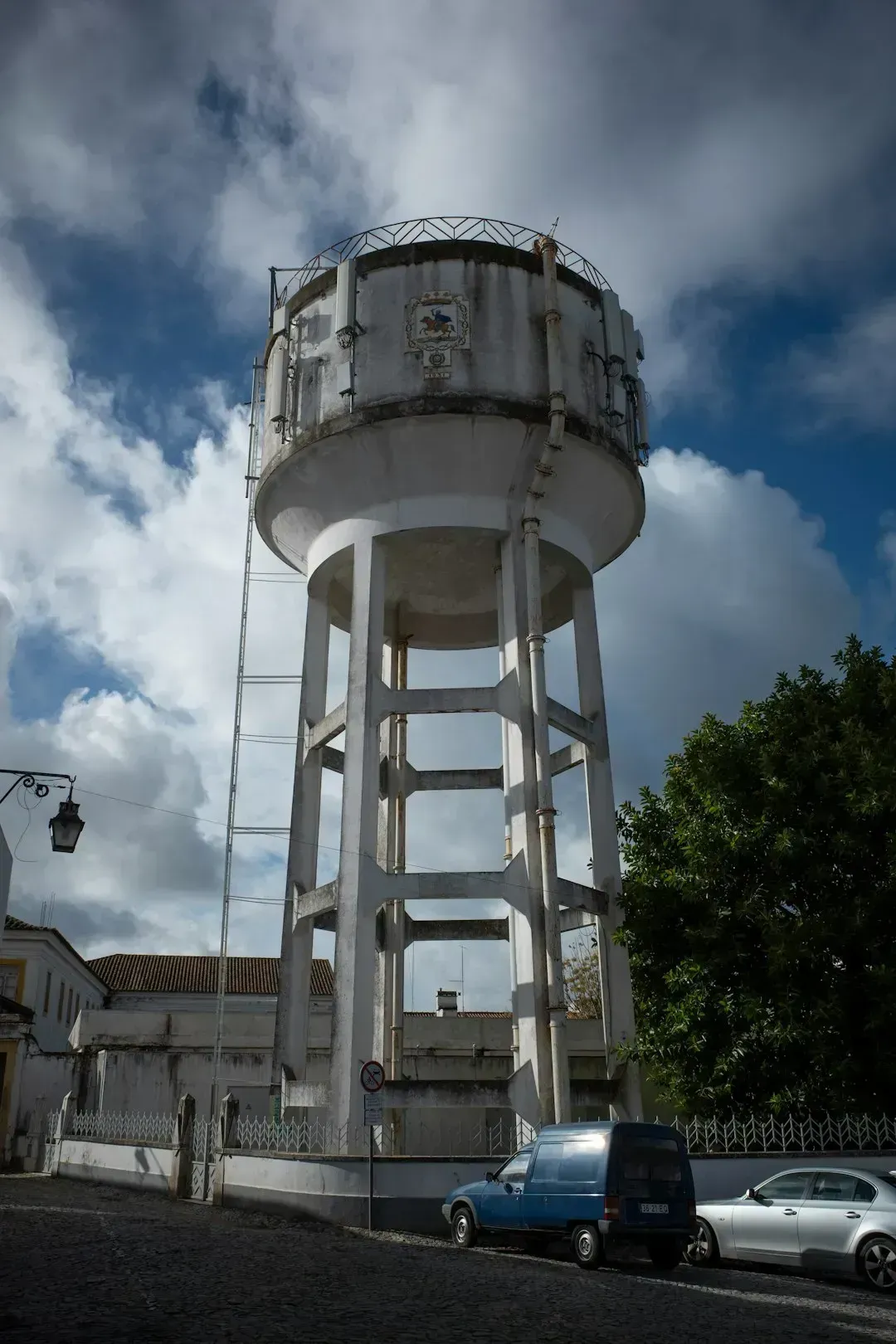
Underground cisterns leave footprints. Underground water tanks are a crucial water management solution for residential, commercial, agricultural, and industrial properties, and they come in different designs, materials, and sizes offering unique advantages that help weather seasonal water shortages. Installing one involves excavation, and while the soil eventually settles, the area often stays noticeably flat, with a small access lid or inspection port just above grade.
A properly cast concrete tank rarely needs replacement. Concrete cisterns can also be made to support traffic loads, meaning they can be buried under driveways or parking areas. That means a buried cistern might be sitting directly under a gravel pad or lightly paved section of the property – invisible from the surface but holding thousands of gallons beneath. Look for a concrete access ring, a subtle depression, or an unexplained pipe stub protruding from the ground with no obvious purpose.
Water Meters That Run Low Despite Active Gardening
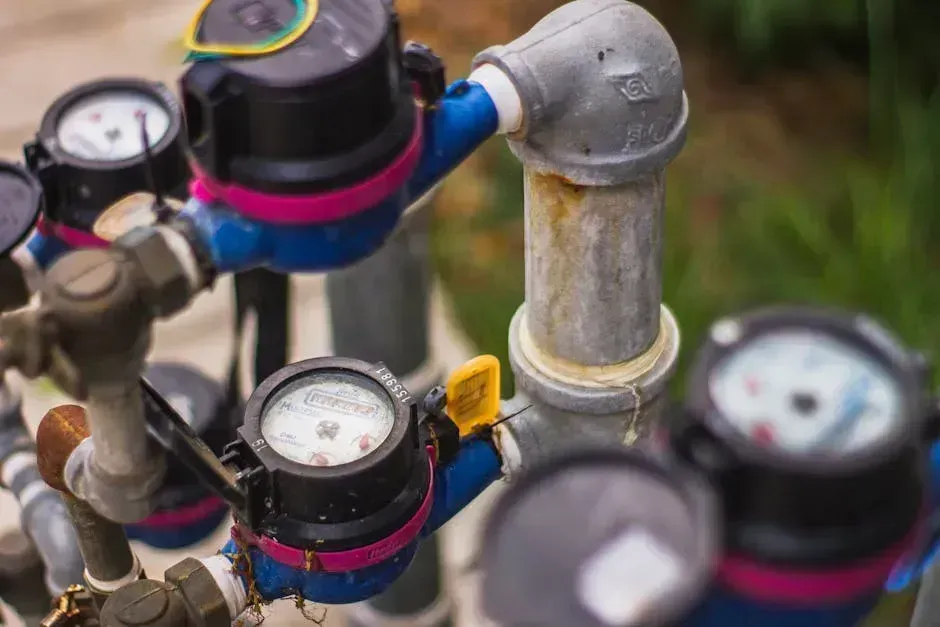
Installing IBC totes for rainwater harvesting can lead to long-term savings on water bills. By collecting and storing rainwater for irrigation, cleaning, and household purposes, users can significantly reduce their reliance on municipal water supplies and lower monthly water costs. Someone who maintains an impressive kitchen garden through a dry summer while their municipal meter barely moves is likely drawing from a separate stored supply.
Even a comparatively large stored water supply of 100 gallons will only last a family of four for 25 days at minimum use. Survival beyond that requires making use of alternative water sources. A household with a healthy garden, livestock, and consistently low water bills almost certainly has a secondary supply that isn’t going through the meter. Rainwater collection or a private cistern fed by a well are the most likely explanations.
Multiple Container Types Stored in Different Locations
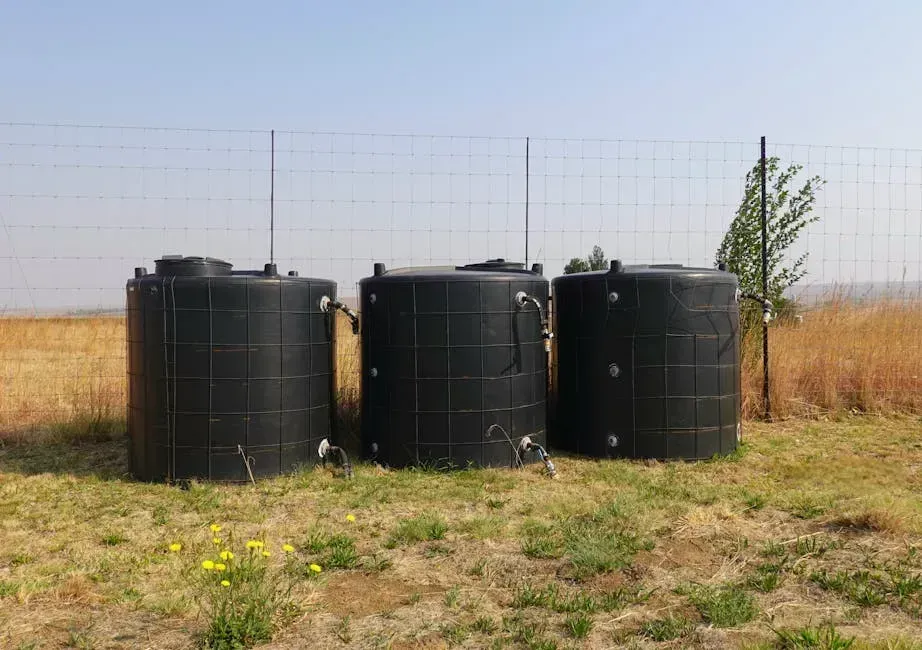
Experienced water storers know that diversification matters. A well-prepared water storage setup can include 275-gallon totes, 55-gallon barrels, 45-gallon barrels, 15-gallon containers, 5-gallon containers, reclaimed juice and soda bottles, canning jars, and commercial water bottles. When you see this range of container types spread across different areas of a property, it’s not disorganization. It’s a deliberate resilience strategy.
The diversity in storage containers helps prepare for a variety of scenarios. Smaller containers can be moved quickly if someone needs to relocate or bug out. Larger tanks handle the bulk of daily needs. Even if someone has giant barrels full of water, having smaller storage jugs on hand is wise in case they need to leave their home quickly. The mix of scales and locations across a property is a strong indicator of someone who has thought the whole problem through.
Filtration Equipment That Goes Beyond a Standard Fridge Filter
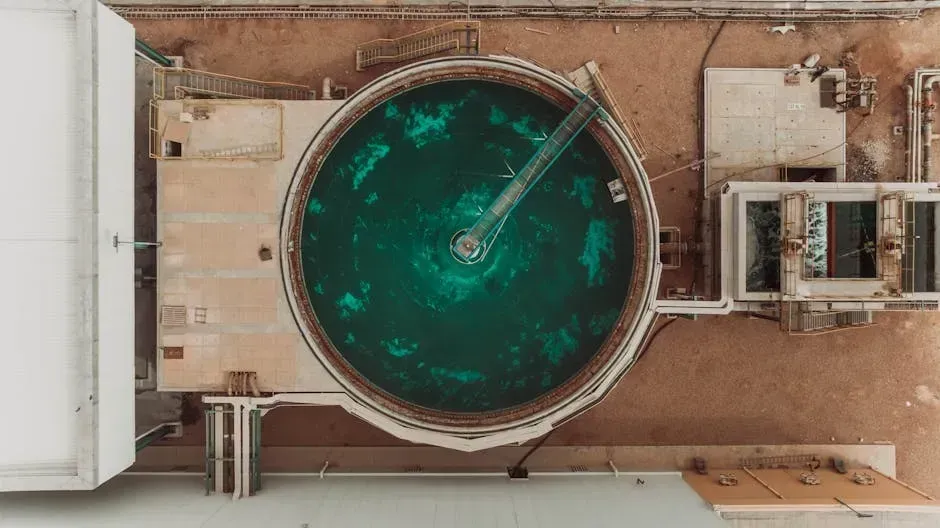
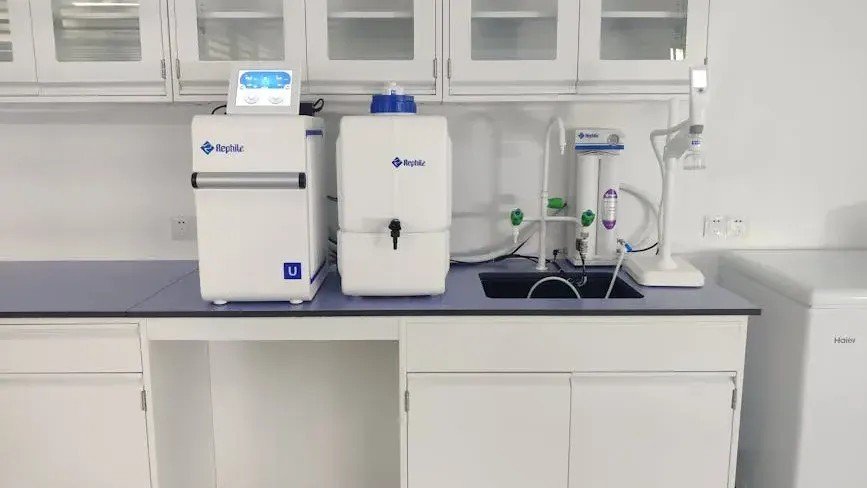
A countertop filter jug is something almost anyone has. Multi-stage filtration systems, UV purification lamps, ceramic filters, and pressure filter housings plumbed into a dedicated water line are something else entirely. These components suggest a household planning to process and drink stored or collected water over an extended period.
For high-quality, potable-grade rainwater, a complete system includes a first flush diverter, a downspout filter, a water pump, a multi-stage cartridge filter, and a UV light treatment filter. Filtering or boiling water that has been in long-term storage is always recommended. When a basement or utility room contains a full bank of filter housings with color-coded cartridges and a UV lamp, that household is not planning for a two-day power outage. They’re planning for something much longer.
Very Large Water Hauling Capacity in Their Vehicles
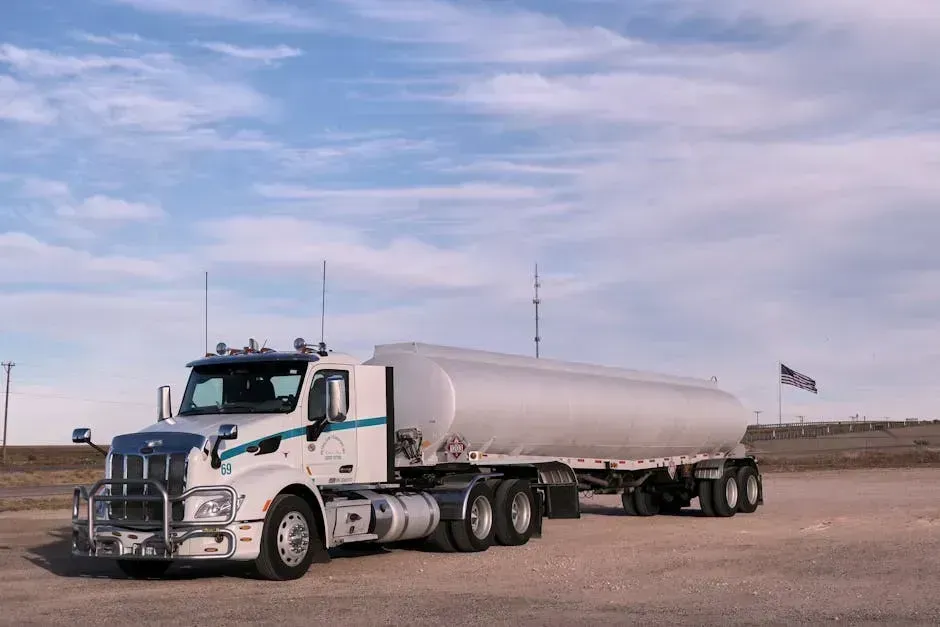
Some off-grid homesteaders live too far from a water source or well to rely purely on rainwater or an on-site cistern. They haul water. Food-grade containers in a trailer or truck bed are common for water transport, with storage transitioning to IBC totes, buried cisterns, or multiple linked barrels located in shade or underground once back at the property.
A practical hauling setup might involve a 330-gallon IBC tote in the bed of a truck, filled at a nearby well share or public fill station, then transferred to a larger fixed storage tank on the property using a transfer pump. A truck with a heavy-duty bed liner, consistent water staining, and a pump mounted in the bed isn’t hauling soil amendments. The water rings left on the bed and the wear pattern on the tailgate are quiet indicators of a regular supply run.
An Unusual Level of Calm During Local Water Advisories
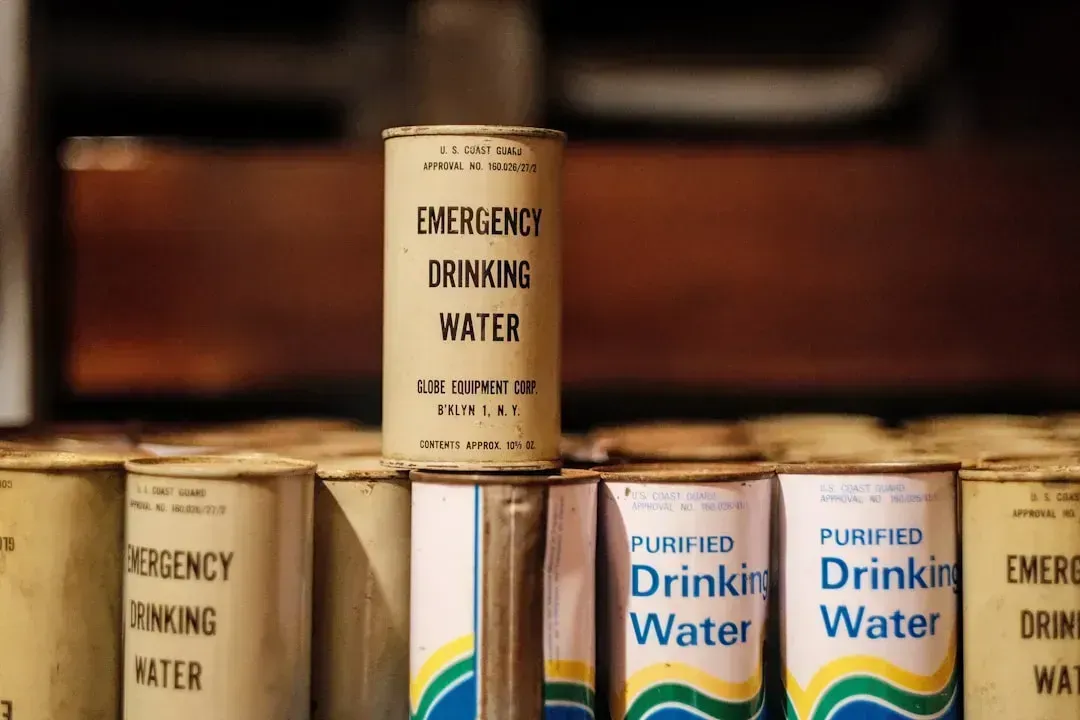
Perhaps the subtlest signal of all is behavioral. While FEMA recommends stockpiling at least two weeks worth of water, water outages can last far longer, and those who are genuinely prepared aim for at least a 30-day supply. When municipal advisories go out – boil orders, pressure reductions, contamination warnings – most households scramble. The person who checks their phone, nods, and goes back to what they were doing has already solved the problem.
During a disaster, having water stored that you know is potable is far better than second-guessing what’s in the public water supply. That quiet composure during a neighborhood-wide water crisis isn’t luck or ignorance. It’s the product of planning that started long before anyone else thought to start. The containers, the pumps, the filters, and the platforms were never really hidden – they just weren’t explained.

- Crows Remembering Human Faces for Decades – 6 Bird Behaviors Far Smarter Than We Knew - November 15, 2026
- 8 Things Astronauts Do on Their First Day in Orbit That Rookies Find Strange - November 15, 2026
- 11 Everyday Routines That Are Completely Normal on the Space Station but Baffle Everyone on Earth - November 15, 2026
