

Most people think of home heat as something that arrives from outside: a blazing sun, a humid afternoon, a summer that keeps pushing records. The past ten years were the ten warmest on record, according to the World Meteorological Organization, with 2024 being the warmest yet. What tends to get overlooked, though, is how much of the heat we feel indoors is actually self-generated, created by ordinary habits happening inside the home every single day.
Research by the Universities of Cambridge and Glasgow has found new ways of detecting indoor mini-heatwaves and the factors influencing them, highlighting that Europe is consistently experiencing the hottest summers on record and that understanding how we respond to heat indoors has become increasingly important. The uncomfortable truth is that our daily routines are often working against us. These are six habits worth rethinking.
Cooking with the Oven During the Hottest Part of the Day
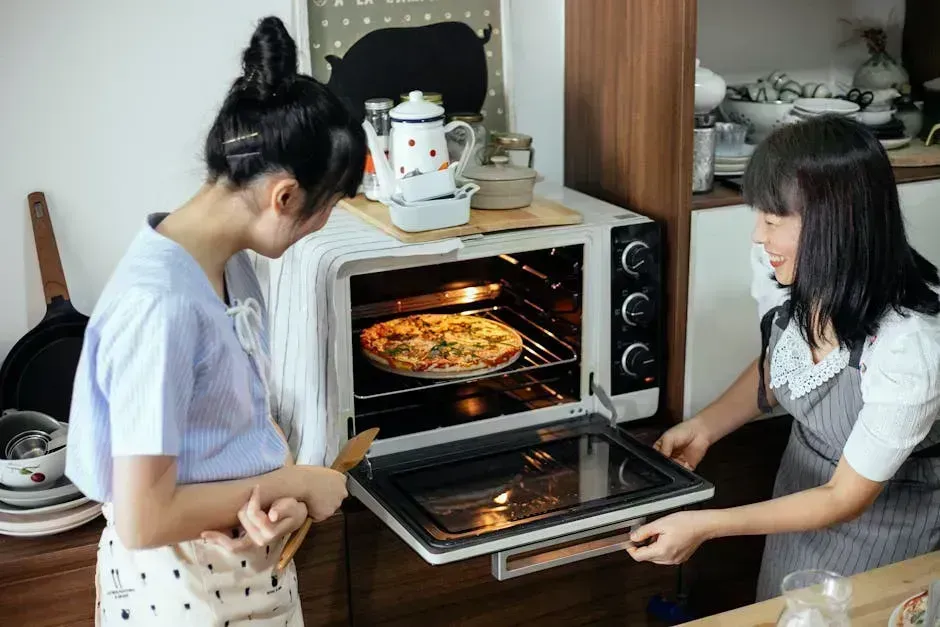
Few things heat a kitchen faster than a conventional oven running for an hour in the middle of a summer afternoon. Cooking on the stove or in an oven adds heat and humidity to the air on a day when the kitchen is already warming up. That extra thermal load doesn’t stay in the kitchen either. It radiates outward, raising the temperature in connecting rooms and forcing any cooling system to work considerably harder.
Research has observed higher indoor air temperature and relative humidity in kitchens specifically due to the cooking process. Shifting heavy cooking to the early morning or evening, or leaning on countertop appliances like air fryers and slow cookers, can make a real difference. The oven is useful, but its timing matters far more than most people realize.
Leaving Blinds and Curtains Open During Peak Sunlight Hours
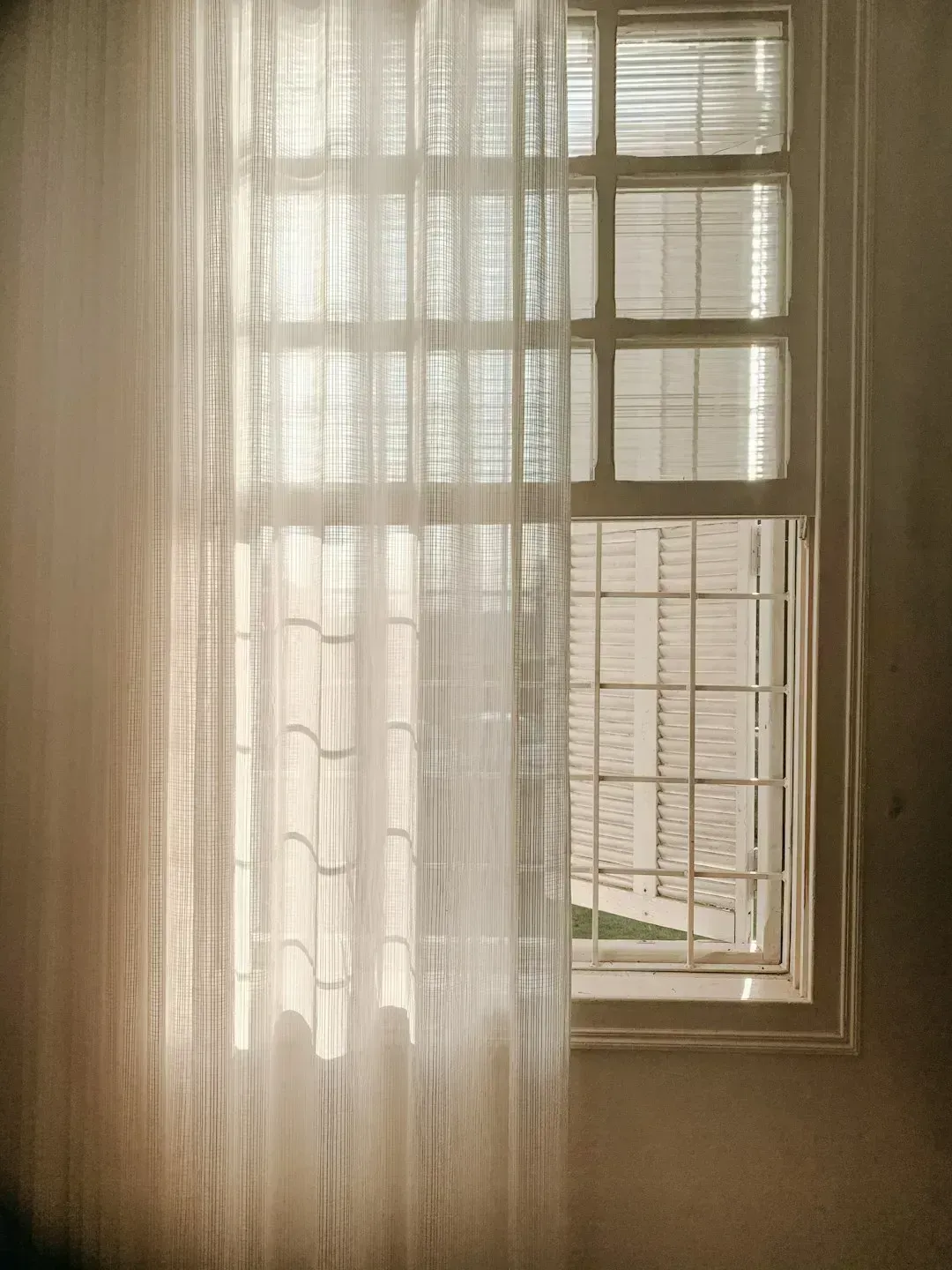
Bare, sun-facing windows are essentially solar panels in reverse, pulling radiant heat straight into a room. The U.S. Department of Energy says that smart management of window coverings can reduce heat gain by up to 77 percent. That is a remarkable figure for something as simple as drawing a curtain before you leave the house in the morning.
Window awnings can reduce solar heat gain by up to 65 percent on south-facing windows and 77 percent on west-facing windows, according to the Department of Energy. For those without awnings, highly reflective blinds, when completely closed, can reduce heat gain by around 45 percent. Closing curtains during peak sunlight hours is particularly effective when floor-to-ceiling options are used, as they cover the entire window and block more light and heat.
Relying on Old Incandescent or Halogen Bulbs

Lighting is one of those heat contributors people rarely think about, partly because the effect seems invisible. A high-wattage incandescent bulb uses around 100 watts of electricity, but as much as 90 watts is simply heat output, with only 10 percent or less converted to light. In a room with several of these bulbs running for hours, the thermal contribution becomes genuinely significant.
The process is incredibly inefficient, as a large portion of the energy is lost as heat rather than light, and the surface temperature of incandescent bulbs can easily reach 150 degrees Celsius or more. LEDs convert a higher percentage of electrical energy into visible light compared to incandescent or fluorescent bulbs, and while incandescent bulbs convert only about 10 percent of energy into light, LEDs can achieve efficiencies of up to 80 percent or more. Switching to LED lighting is one of the simplest heat-reduction steps a household can take.
Running the Clothes Dryer During the Afternoon
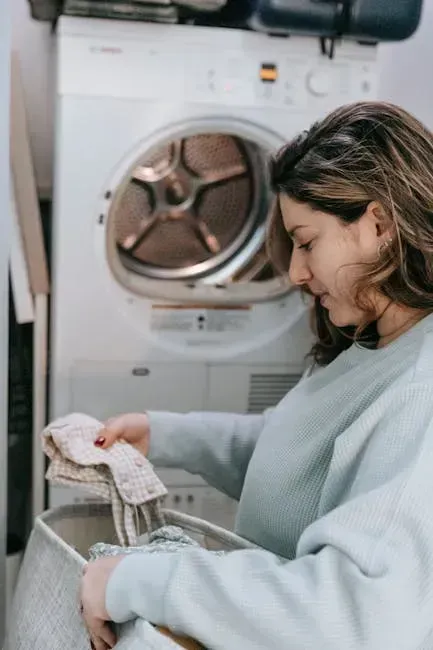
Electric dryers are significant contributors to indoor heat that rarely receive the attention they deserve. Together, clothes washers and electric dryers account for roughly 5 percent of a household’s total energy consumption, and most of that energy ends up as heat that either vents inadequately or radiates from the appliance itself into the surrounding space. On a hot afternoon, running the dryer compounds an already warm environment.
Shifting dryer use to early mornings or late evenings is a straightforward fix. Air drying laundry outdoors or on an indoor rack eliminates the problem entirely during summer months. For many old or poorly insulated homes, indoor temperatures can rise dangerously high, and reducing appliance-generated heat during peak hours gives any home a meaningful thermal advantage.
Ignoring “Phantom Load” from Electronics Left on Standby
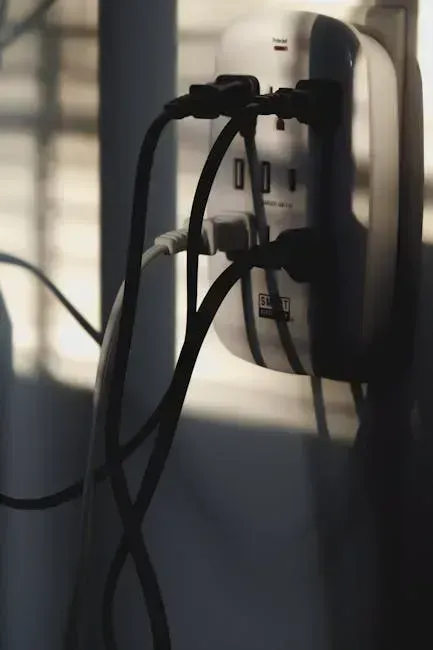
Devices that appear to be off are often still consuming electricity quietly in the background. This phenomenon is commonly referred to as a “phantom load” or “vampire energy,” and a phantom load is any electronic device or appliance that consumes electricity when turned off but still plugged into an outlet. The U.S. Department of Energy says that, on average, 75 percent of the electricity used to power home electronics and appliances is consumed while the products are turned off.
Devices such as televisions and computers use standby power to keep features like clocks and timers ready, which means the device is continuously drawing energy even when it looks inactive. All that consumed electricity eventually becomes waste heat, released from the device into the room. An estimated 5 to 10 percent of residential energy goes to standby power, a figure that adds up to a noticeable thermal contribution across an entire home.
Trapping Warm Air by Keeping Interior Doors Closed at Night

Interior airflow is something most households manage by instinct rather than intention, and it often works against keeping things cool. Closing interior doors throughout the home prevents warm air from circulating to cooler zones and stops natural convection from doing its job. Heatwaves are happening more often, lasting longer, and getting hotter, and for many old or poorly insulated homes, indoor temperatures can rise dangerously high.
Traditional definitions of heatwaves based on outdoor temperature often fail to capture how heat actually manifests indoors, especially in older housing stock. Opening interior doors in the evening allows cooler night air, when it finally arrives, to move more freely through the house. Combined with cross-ventilation using strategically placed windows, this simple habit can meaningfully reduce the temperature that gets locked in by morning.

- The Shoreline Sucked Dry in Seconds – 5 Tsunami Signals Beachgoers Mistake for Low Tide - November 14, 2026
- 9 Dark-Sky Destinations Around the World Where the Stars Look Unreal - November 14, 2026
- The Fault Line That Never Slips – 7 Locked Seismic Zones Overdue for a Massive Release - November 14, 2026
