


- NASA invites students to design a moon base in $1 million challenge - November 11, 2026
- Why Some People Can Feel a Storm in Their Joints, According to Experts - November 11, 2026
- 7 Foods That Taste Better on a Rainy Day, According to Chefs - November 11, 2026
Cities feel permanent. Concrete, glass and steel give the impression that nothing could loosen their grip on the land. Yet almost everything in a big city depends on a steady flow of electricity, from pumps and signals to the lights that hold back the night.
Nature doesn’t swallow a skyline in two days, and it would be misleading to say so. What happens in the first 48 hours is quieter. It’s a series of small handoffs, where machines stop and older processes start. Here’s what that looks like, step by step, using what we know from real blackouts, floods and abandoned places.
The Sky Reappears First
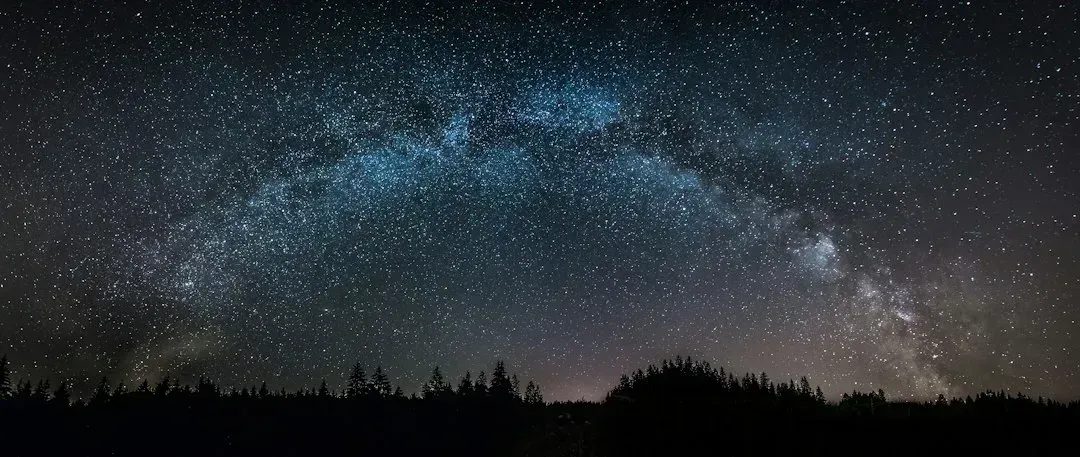
The most visible change comes when the lights go out. During the large Northeast blackout of 2003, which affected roughly fifty million people, many residents of cities like New York reported seeing the Milky Way for the first time. Streetlights, billboards and office towers create skyglow, and it fades fast once they go dark.
Darkness also matters for living things. Artificial light is known to disrupt migrating birds and nocturnal insects, and researchers have documented birds being drawn to lit towers. A blackout wouldn’t fix that overnight, but it removes one of the city’s loudest signals to wildlife in a matter of minutes.
Refrigerators Warm Up and Decay Begins
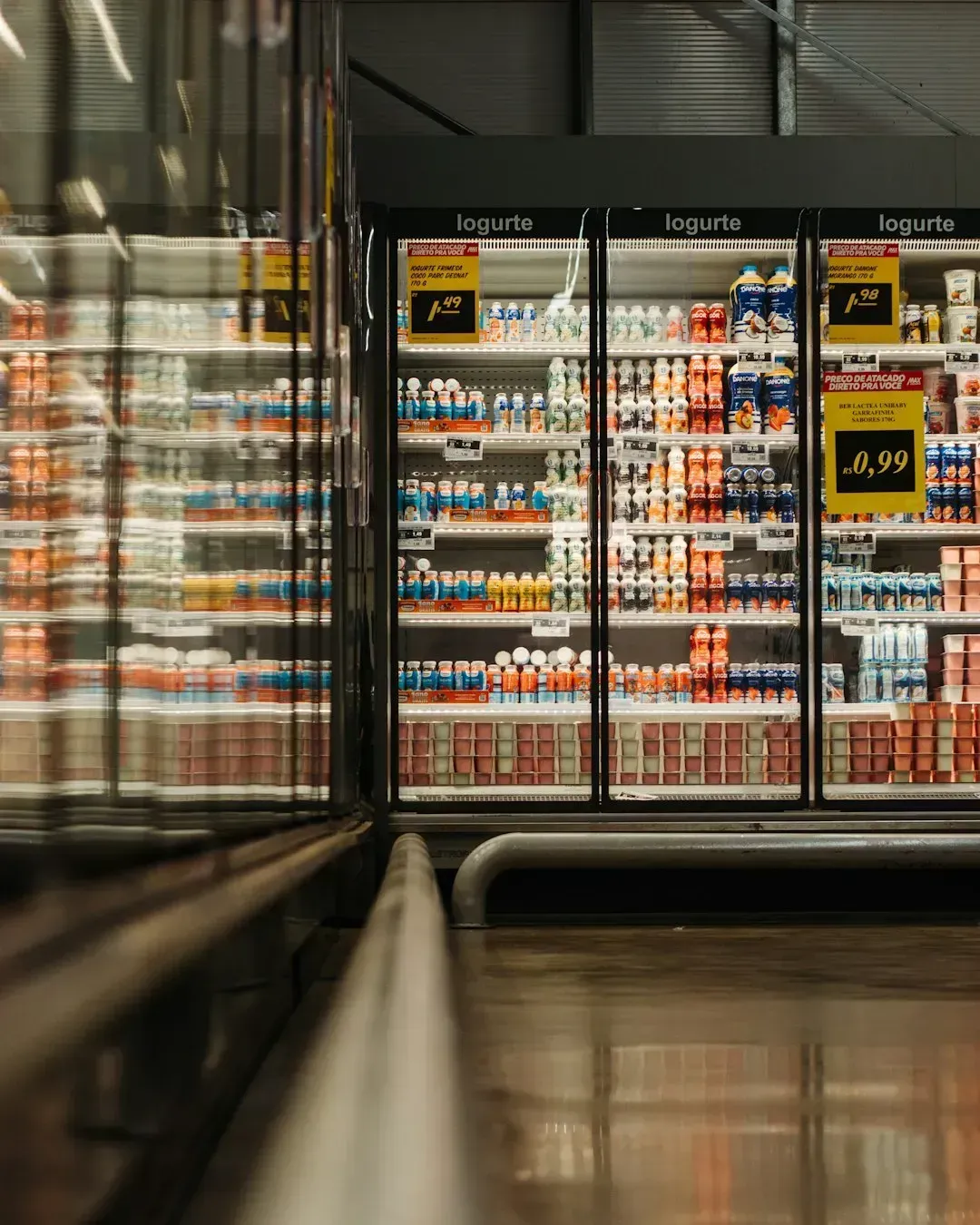
Food is among the first things to turn. The U.S. Food and Drug Administration says a refrigerator keeps food safe for about four hours without power if the door stays closed. A full freezer holds its temperature for roughly 48 hours, and a half full one for about half that.
So by the end of two days, the freezers in a city’s supermarkets, restaurants and apartments are thawing. Microbes do what they always do with warm, moist food. Rot also produces smells, and smells draw scavengers, which is why this early stage matters for what comes later.
Water Pressure Fades and Pumps Go Quiet
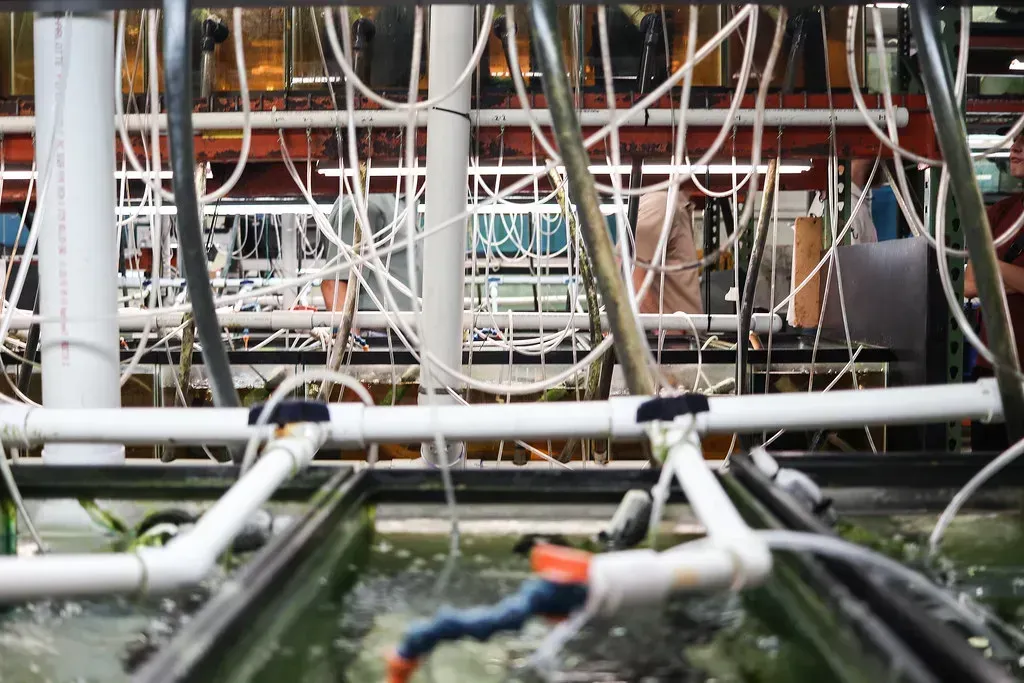
Many tall buildings rely on electric pumps to push water to upper floors. When power fails, taps on high floors can run dry first, while lower floors and buildings with rooftop tanks last longer. Treatment plants and pumping stations typically have backup generators, but fuel is finite.
The effect on the city’s wild side is subtle. Fountains stop, and leaks from damaged pipes may form small puddles that never get repaired. Birds and insects find those puddles quickly, since a reliable bit of water in a paved landscape is valuable.
Subway Tunnels Start Filling With Groundwater
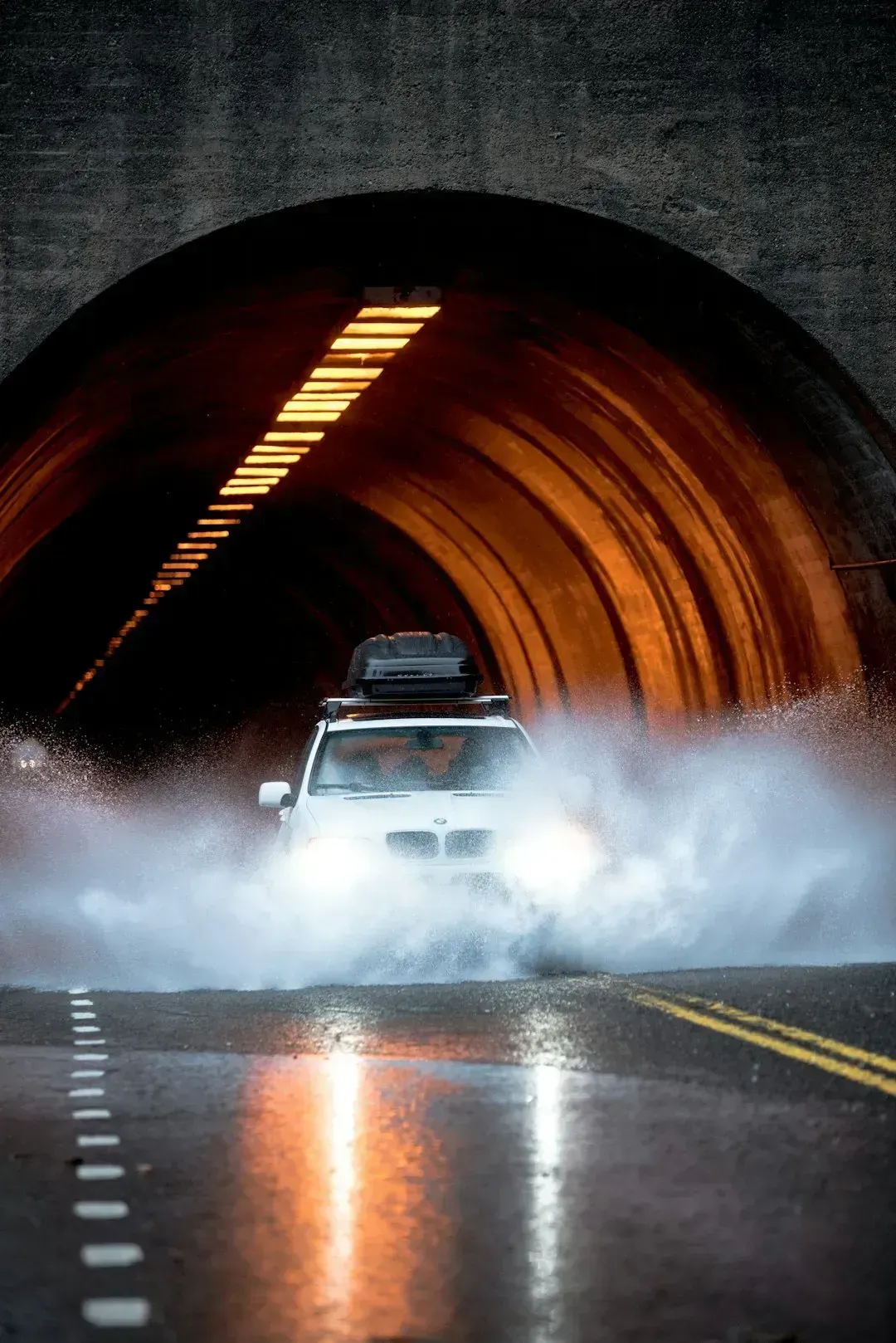
Underground systems are constantly fighting water. New York’s transit authority has said its pumps remove about thirteen million gallons on a normal dry day, because groundwater and rain seep into the tunnels. If pumps lose power, that seepage doesn’t pause.
Hurricane Sandy in 2012 showed how fast tunnels can flood when water arrives in bulk. A blackout alone would be slower, and the rate depends on local geology and rainfall. Still, within a couple of days, low stations in wet areas could begin to collect standing water, turning engineered spaces into something closer to caves.
The City Gets Quiet, and Birds Notice
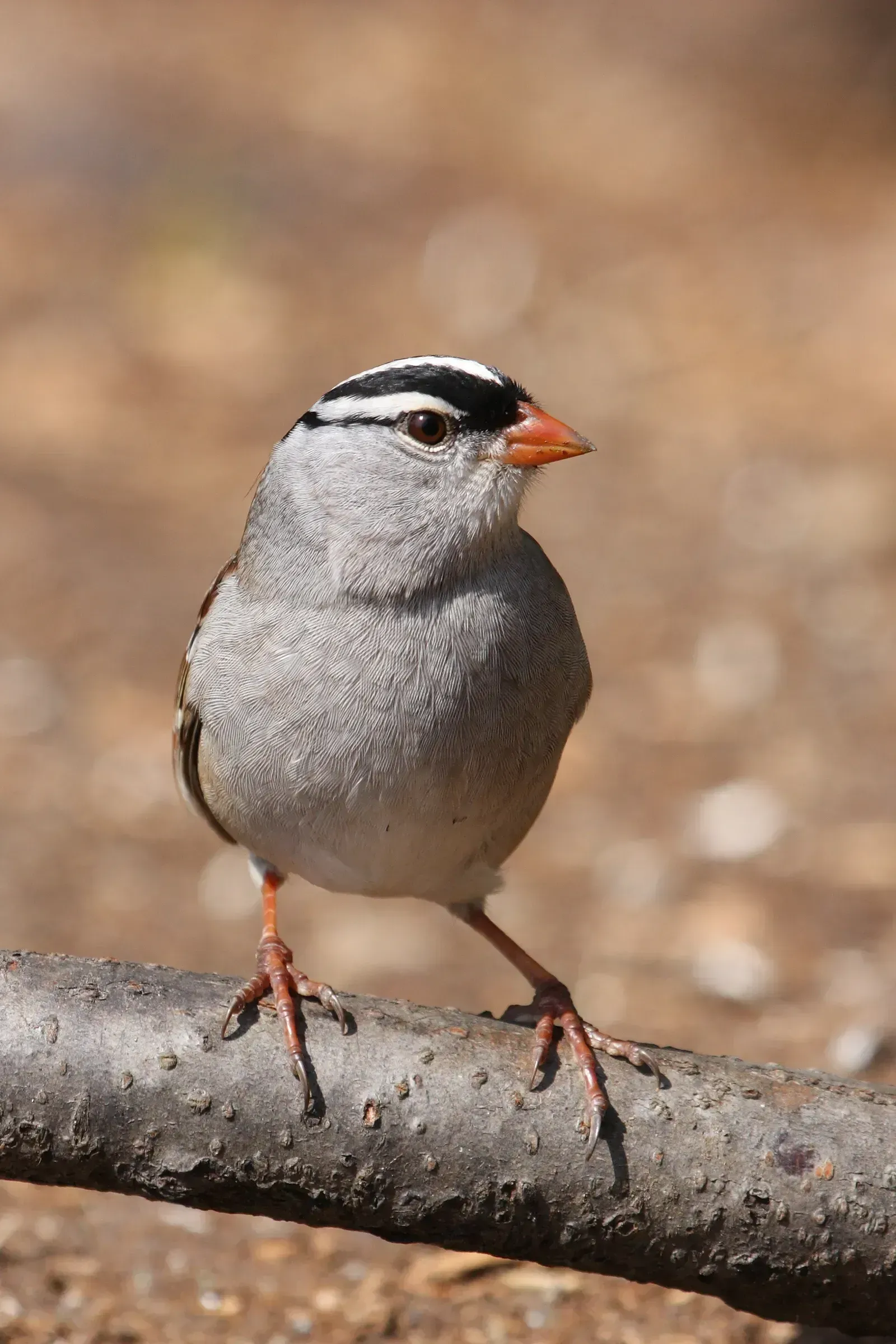
Traffic noise drops sharply when signals fail and people stay home. We got a real preview in 2020, when pandemic lockdowns reduced human activity. A study of white crowned sparrows in the San Francisco Bay Area, published in the journal Science, found that the birds sang more softly and with better range once the noise eased.
That finding gives a grounded sense of what a quiet city could do. Animals that had been shouting over engines could use quieter, more efficient songs. It wouldn’t take weeks for this to start, only a day or so of reduced noise.
Urban Animals Adjust to a New Menu
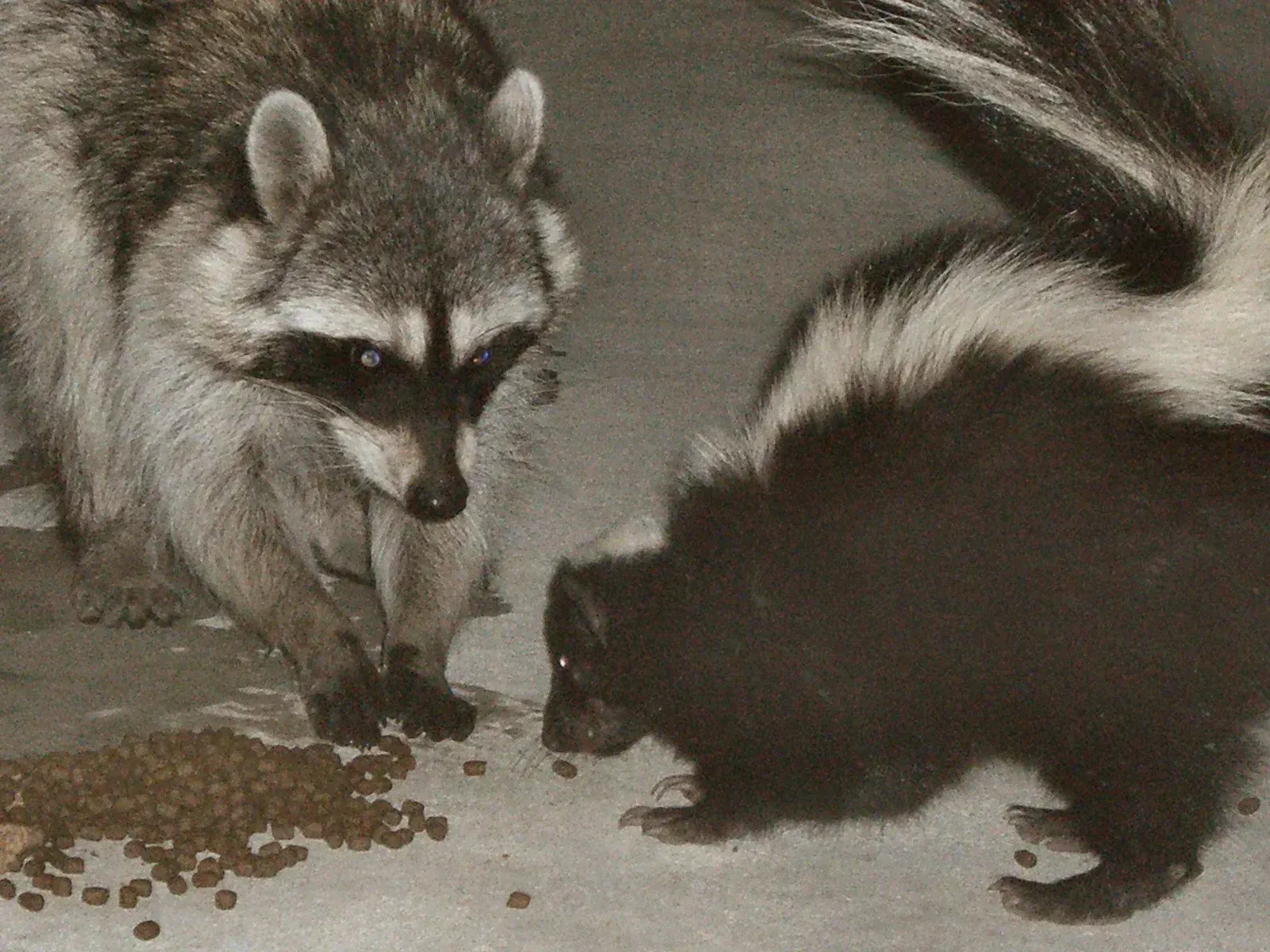
City rats, pigeons, raccoons and gulls already live off human leftovers. When deliveries stop and trash collection halts, garbage piles up in the short term, and scavengers may enjoy a brief surplus. That’s likely to be a temporary windfall, since food waste eventually runs out.
Evidence on exactly how fast populations shift in a prolonged outage is thin, so it’s best to be careful here. What is well established is that these species are flexible and quick to exploit new openings. Forty eight hours is too short for population changes, but behavior can change immediately.
Standing Water Brings Out the Mosquitoes
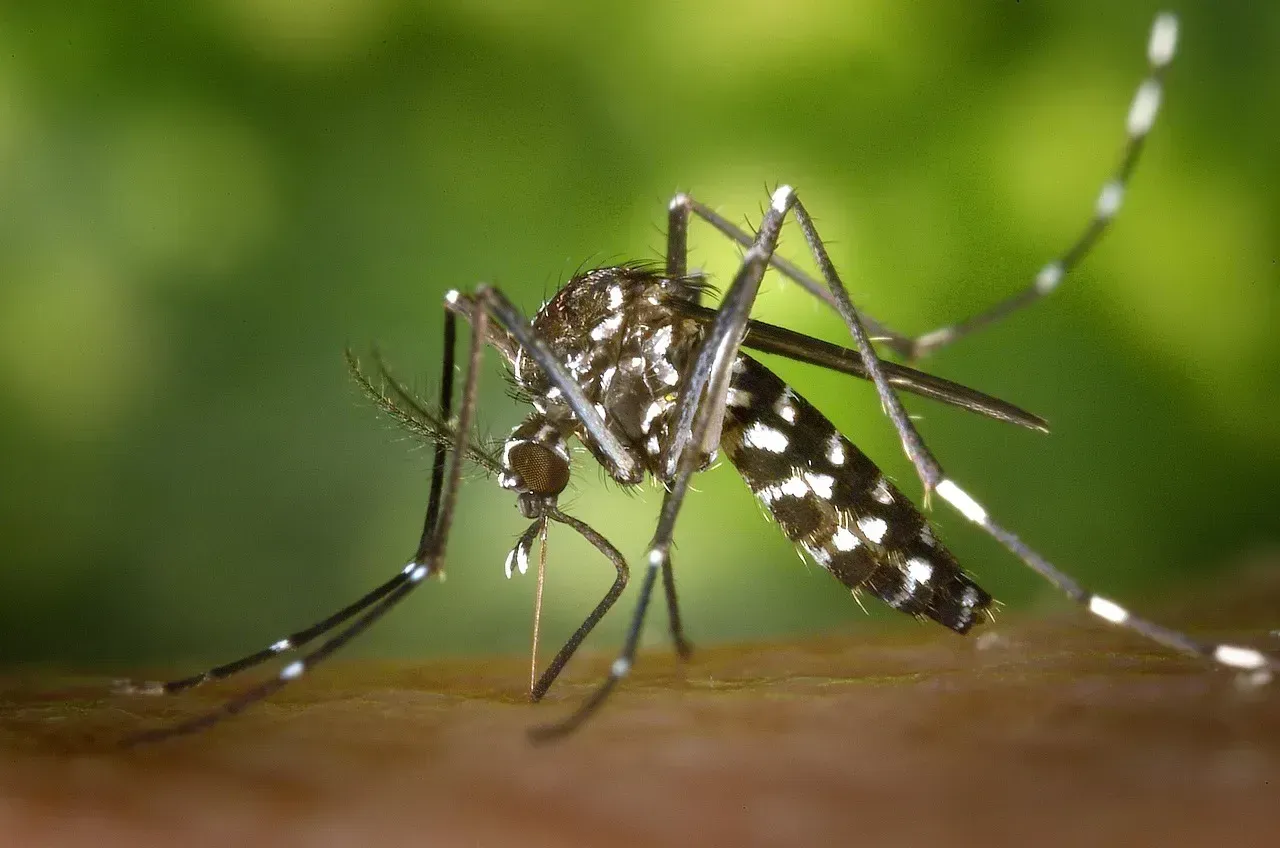
Mosquitoes need very little water to breed. A clogged gutter, a flooded basement or a flowerpot saucer can be enough, and the aquatic stages of many species finish in about a week or so in warm weather. The public health agencies that track these insects regularly advise emptying small containers for exactly this reason.
In the first two days, eggs could hatch in any new pools, but adults take longer to appear. The real surge, if conditions are warm and wet, would come after the 48 hour mark. That’s the pattern across many disaster zones, where insects tend to become a second wave problem.
Weeds Move In Where Maintenance Stops
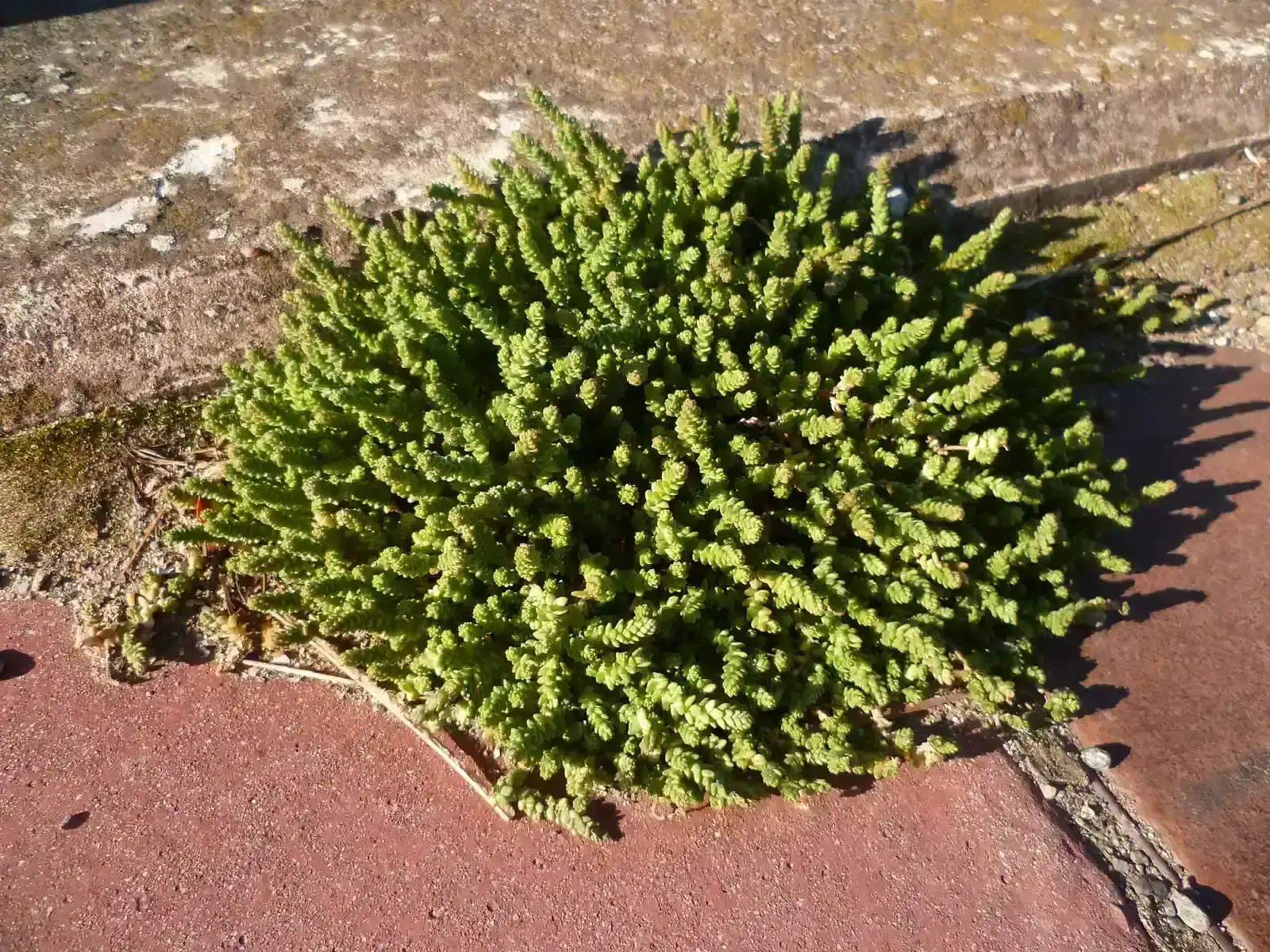
Plants are patient, and cities are full of seeds. Weeds already live in sidewalk cracks, rail beds and roof gutters, held back by mowing, spraying and sweeping. If crews stop working, those controls vanish, though visible change takes weeks or months, not days.
We can see what the longer arc looks like in places like Detroit, where vacant lots have become urban meadows and young woodland. Another example is Varosha in Cyprus, a resort district fenced off since 1974, where vegetation has pushed through buildings. In the first 48 hours, the story is about the seeds already waiting.
Weather Hits Harder Without Climate Control
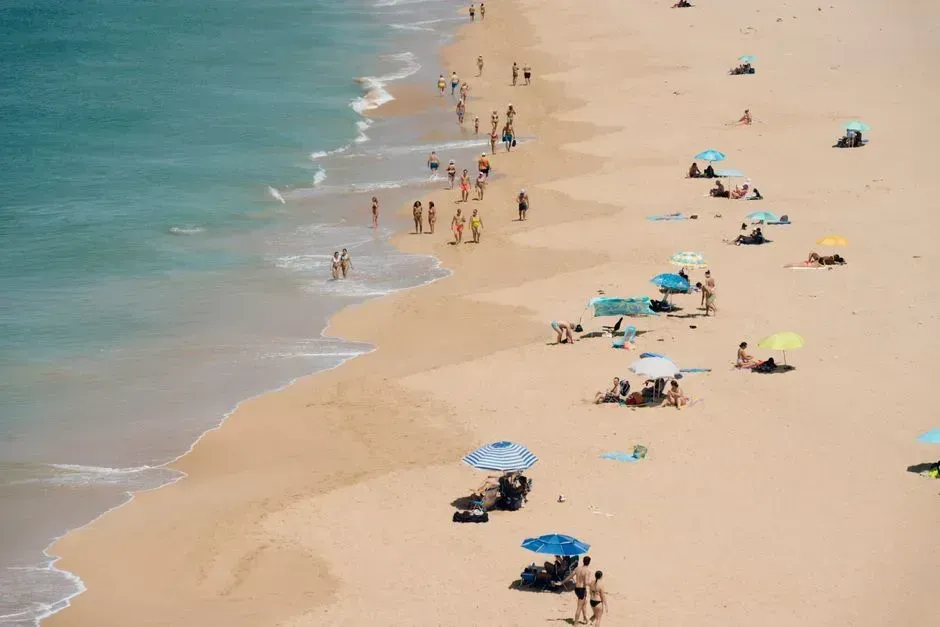
Air conditioning and heating hold the city’s microclimate at bay. In a heat wave, an outage can be dangerous, since heat is among the deadliest weather hazards in the United States. Dense neighborhoods with lots of pavement can also stay several degrees hotter than nearby green areas, which is the urban heat island effect.
Cold works the same way in reverse. The Texas freeze of 2021 showed how quickly a winter storm can overwhelm infrastructure that depends on power. Health agencies also warn that generators used indoors during outages can cause carbon monoxide poisoning, a reminder that the first hazards are often human made responses.
What Abandoned Places Teach Us About the Long Run
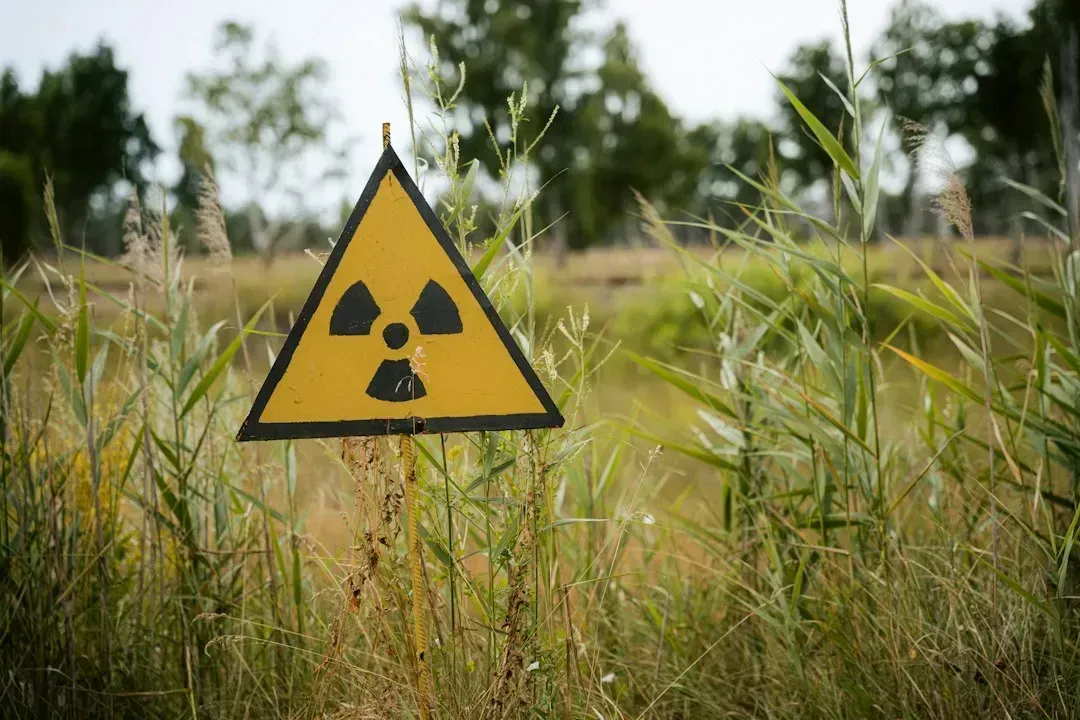
To see where this story leads, researchers look at places where people left suddenly. After the 1986 disaster, the Chernobyl exclusion zone emptied of residents, and the nearby town of Pripyat is now partly overgrown with trees. Studies of wildlife there have reported healthy populations of larger mammals, though scientists debate how to separate the benefit of no humans from the effects of radiation.
That debate is a useful caution. Nature’s return is real, but it’s uneven, slow and messy, and it comes with losses as well as gains. Forty eight hours is only the first page of a very long book.
So a blackout doesn’t turn a metropolis into a forest. It starts a chain of small shifts: darker skies, quieter streets, warmer freezers, rising water and waiting seeds. The grid keeps those processes in check, and when it fails we get a brief look at how much effort holds them back.
The lesson isn’t really about wilderness winning. It’s about how much a city quietly spends every hour to stay the way it is, and how little of that spending we normally notice.
