


- 9 Items Experienced Skywatchers Bring Along That Beginners Always Wish They’d Packed - November 12, 2026
- I Moved to Tornado Alley in Oklahoma – 7 Things I Did Not Anticipate About Storm Season - November 12, 2026
- VR tool shows how rising seas could flood Fort Lauderdale - November 12, 2026
Drive along the Wasatch Front on a clear day and the lake looks like a distant strip of silver. Up close, the story is more complicated, because the ground the water has left behind is a chemical archive.
Scientists have spent the last several years working out what is in that exposed lakebed and how much of it can reach the people living downwind. The findings from 2024 to 2026 are specific, and they’re worth going through one piece at a time.
A Lake Sitting Close to Its Record Low

As of late October 2026, the Great Salt Lake stood at 4,189.8 feet, about a foot and a third above its all time record low of 4,188.5 feet set in November 2022. That’s close enough to the bottom to keep researchers watching the shoreline.
The lake is also far from healthy. Its water level hasn’t reached the minimum healthy mark of 4,198 feet since 2012.
Why the Water Keeps Dropping
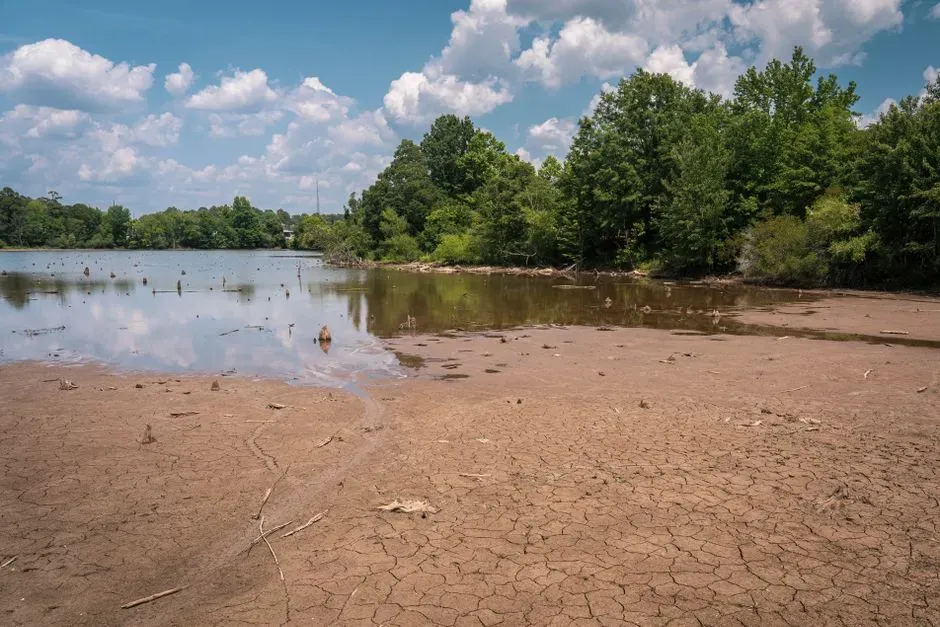
Human water use is the biggest driver. Research led by Wayne Wurtsbaugh estimated that upstream diversions, mostly for agriculture, have lowered the lake by about 11 feet compared with an undeveloped baseline. Drought and a warming climate add to the pressure.
Recent winters haven’t helped. The lake reached its yearly peak early in 2026 after the state’s warmest winter on record, and snowpack was less than half the state’s typical average by March 7.
Where the Arsenic Comes From
Arsenic isn’t only an industrial leftover. The arsenic in this region is generally thought to come from ancient volcanic rocks, and rivers carrying arsenic bearing particles appear to be the main way it accumulates in the lake.
People have added to the mix. Utah State University researchers note that sediments around the lake have been contaminated by a century of mining, waste disposal, oil refining and other human activities.
What Researchers Found in the Dust
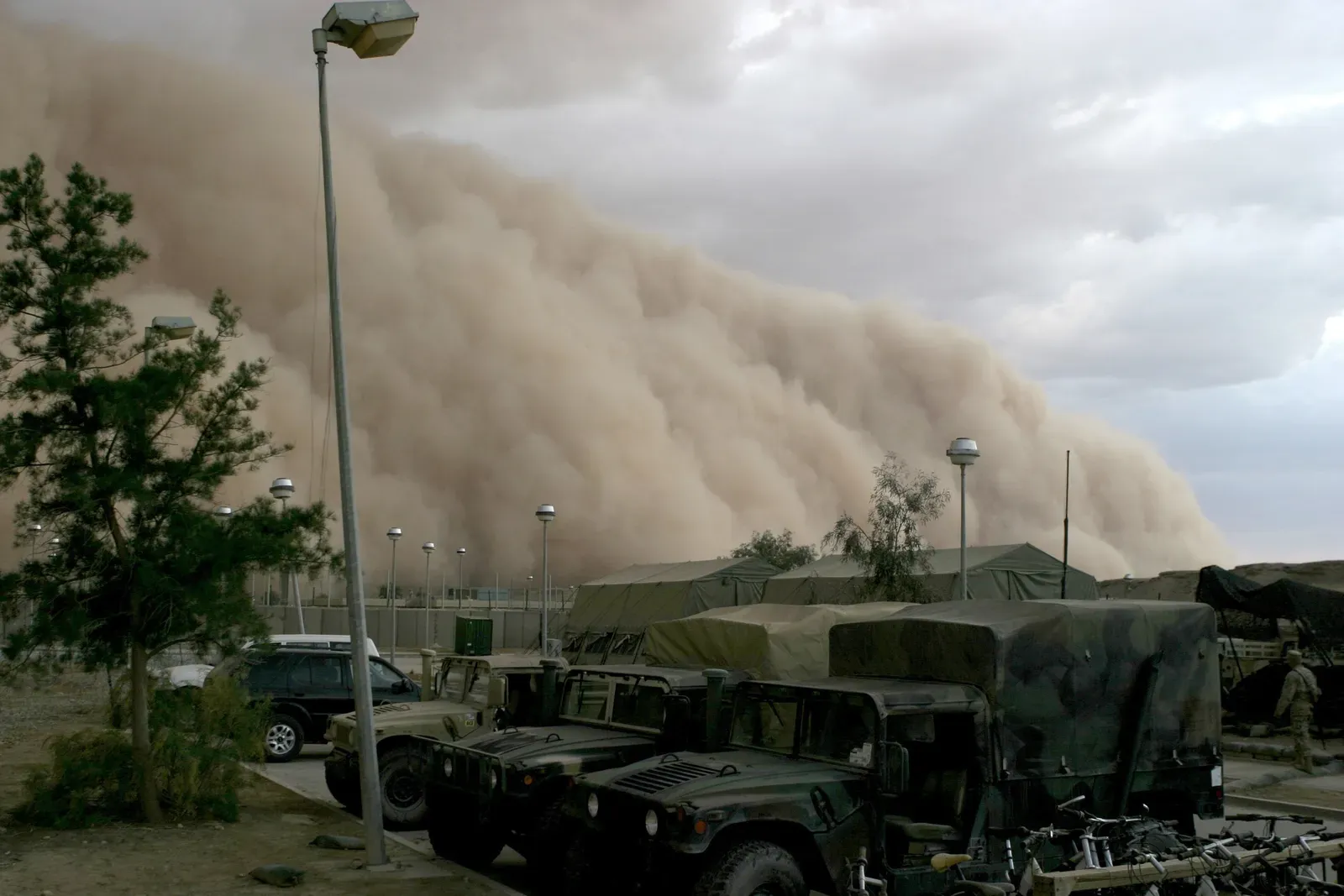
A University of Utah study looked at the chemistry of dust from the exposed lakebed. It found elevated concentrations of several metals, including arsenic, lithium, copper, manganese, iron and lead. The dust’s capacity to cause oxidative stress was closely tied to its metal content.
Another paper adds a regulatory yardstick. Great Salt Lake dust samples contain arsenic at concentrations exceeding the EPA’s residential soil screening levels. A screening level isn’t a danger threshold, but it flags where closer scrutiny is warranted.
Not Every Patch of Lakebed Is Equally Dusty
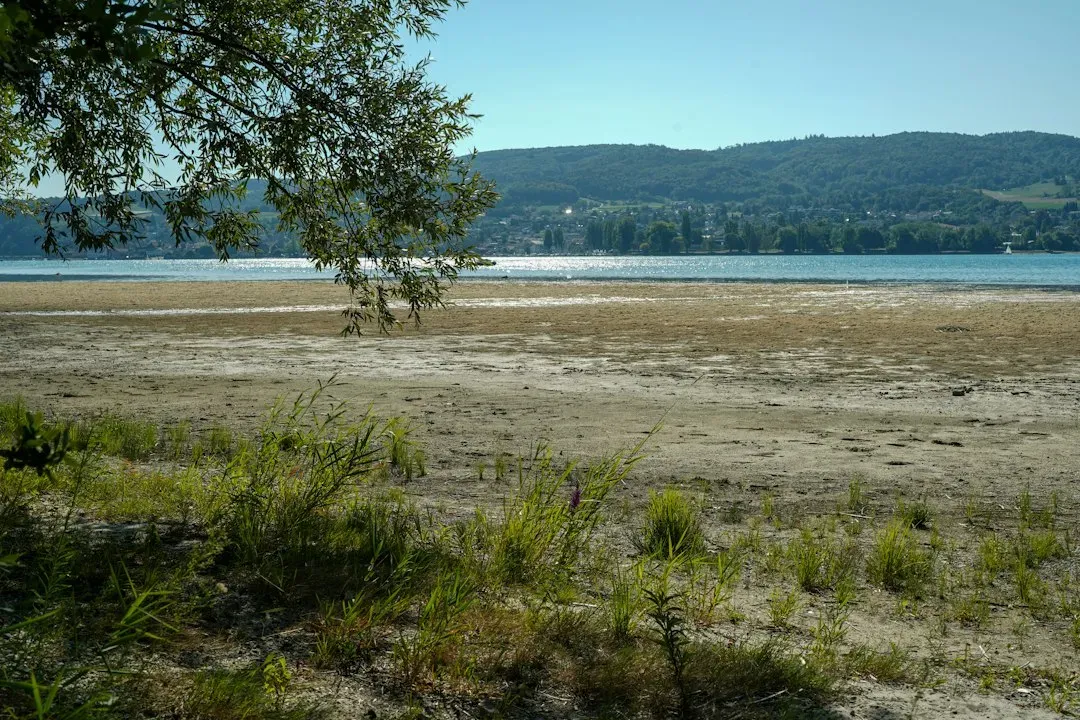
Exposed ground doesn’t automatically become airborne. A 2024 summary of the University of Utah work noted that only about nine percent of the exposed lakebed was emitting dust, with concern that disturbing the crust on the playa could make things worse.
Timing matters too. One study points out that recently exposed lakebed may not immediately contribute to dust. Another finds that wetting and drying cycles influence how soluble arsenic becomes, which affects how it behaves once the shore dries out.
Wind, Geography and the Wasatch Front
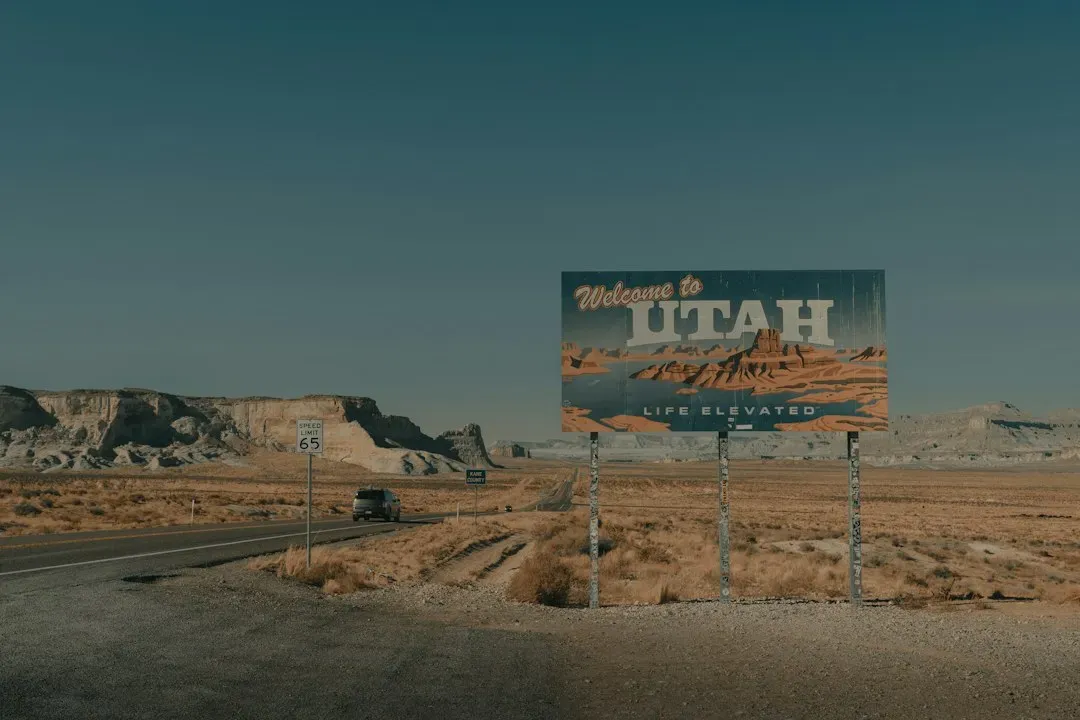
The lake sits west of Utah’s largest cities, and that matters. With predominantly westerly winds, residents of the metropolitan area to the east could be exposed to airborne material from the lakebed.
Evidence of that reach exists. Isotope studies indicate large scale contributions of dust from the dry lakebed to surrounding areas, including the Wasatch Front and the Uinta and Wasatch Mountains.
What Inhaled Dust Does to the Lungs

Laboratory work has started to test the health question directly. One study of inhaled lake dust suggests it could pose a risk to humans through mechanisms including activation of TRPV1/V3, TLR4, and possibly oxidative stress. The title of the paper refers to pro inflammatory effects.
The lake’s situation isn’t unique. The Aral Sea lost about ninety percent of its water volume between the 1960s and 2000s, and Owens Lake and the Salton Sea in California are other examples researchers cite.
Dust on Leafy Vegetables

A 2026 paper in Atmospheric Environment, from Utah State University and the University of Utah, looked at food. Dust from the exposed lakebed contains arsenic, uranium, lithium, beryllium and antimony, which can stick to leafy vegetables even after washing.
The route of exposure made a difference. Dust landing directly on leaves led to higher metal uptake than exposure through soil. The authors also noted that the health effects of exposure to these metals can be additive.
More Than Metals in the Air
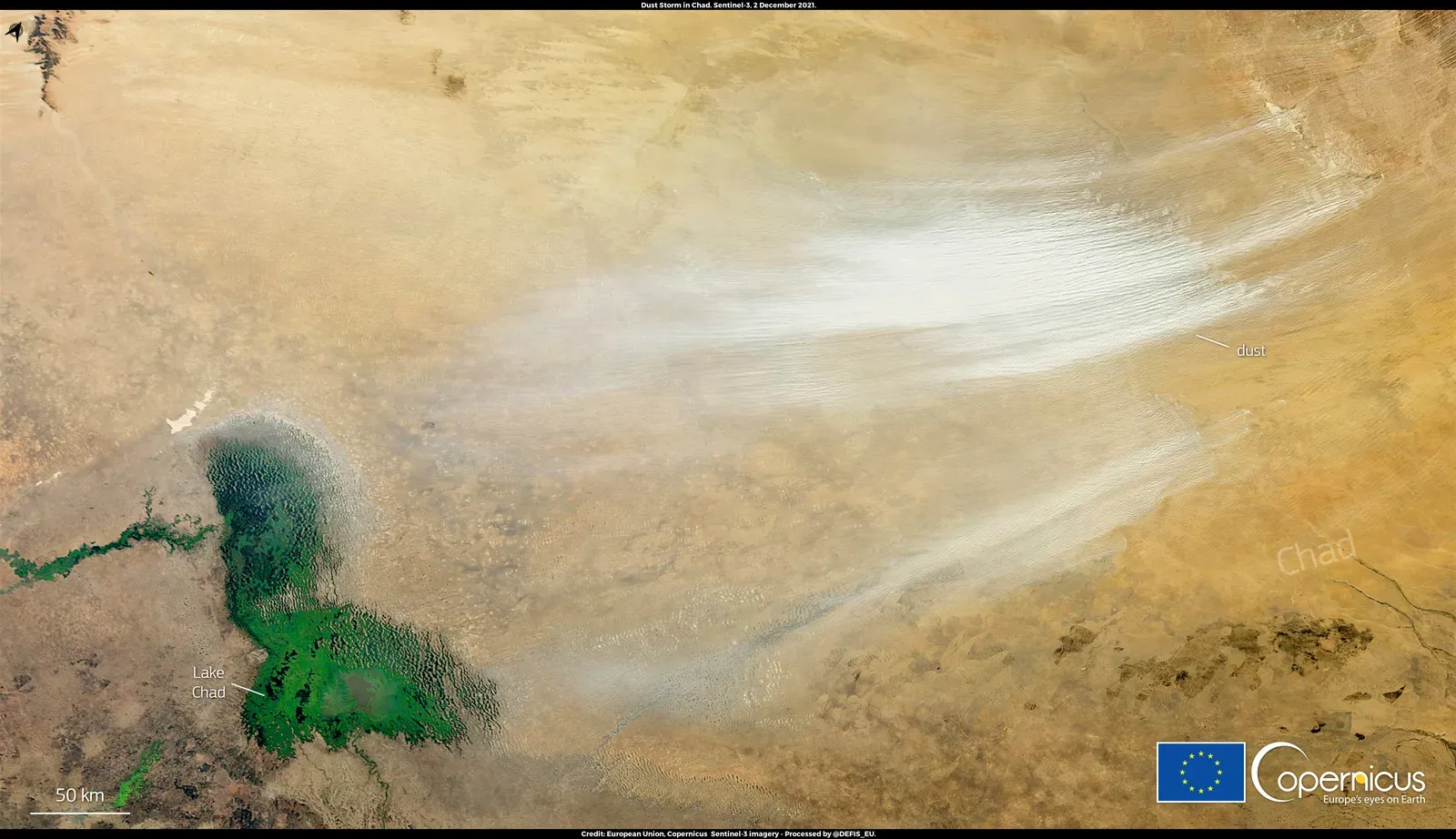
Metals aren’t the only concern. A study of air samples found that BMAA and its isomers, which are cyanotoxins, showed up in some samples, as well as in exposed lakebed samples.
The researchers couldn’t link airborne toxins to specific nearby lakebed spots, suggesting that the toxins may come from diffuse rather than point sources. Heavy metals in the sediment may add to the overall toxicity.
Tracking the Dust and Where the Lake Stands
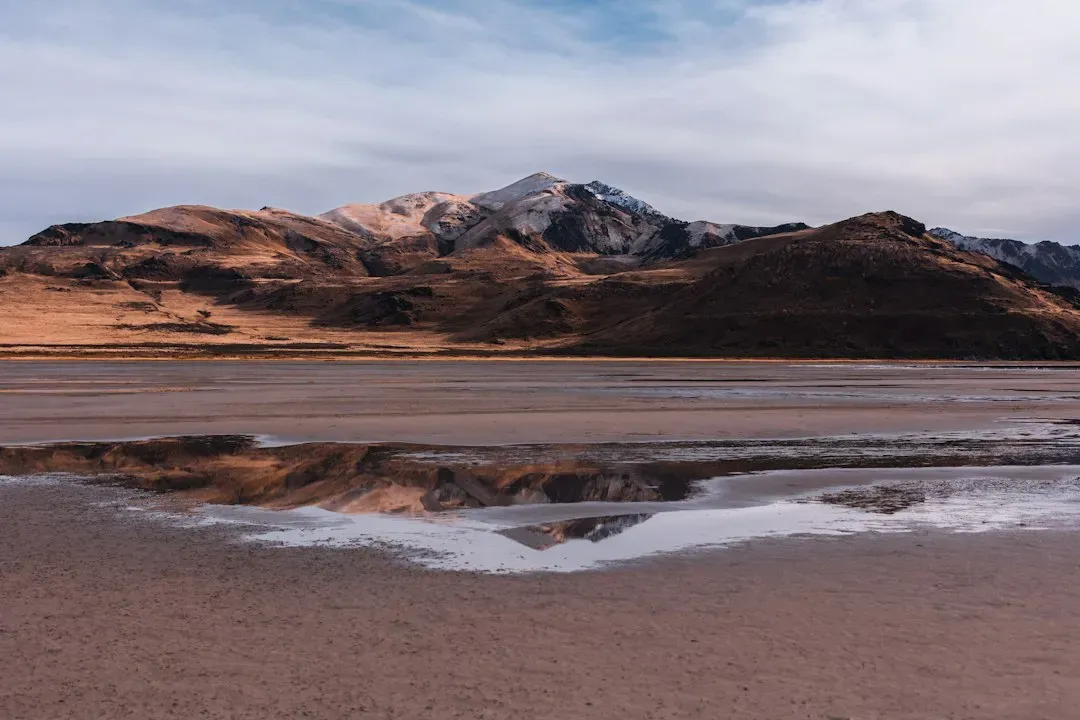
Utah is working on better monitoring. In August 2026, the Utah News Dispatch reported that the state is upgrading its system to track Great Salt Lake dust after a slow start.
The lake’s spring peak in 2026 was about 4,192.6 feet, roughly a foot below the previous year’s high. Officials say reaching the healthy minimum of 4,198 feet by 2034 would require delivering about one million acre feet of water to the lake each year.
