


- Oceans Trapped Under 20 Miles of Ice – 5 Moons More Likely to Host Life Than Mars - November 12, 2026
- Record planetary extremes loom as the world’s largest climate summit begins - November 12, 2026
- Will travel insurance cover weather-related flight delays and cancellations? - November 11, 2026
The ground in the far north looks solid enough to hold anything. For thousands of years, it has held plenty: soil, ice, plant remains, animal carcasses, and the microbes that came with them.
That frozen archive is now warming, and researchers are trying to work out what it contains and what could slip out. The answers so far are more measured than the horror stories suggest, though some of the findings are still unsettling.
A Frozen Archive the Size of a Continent
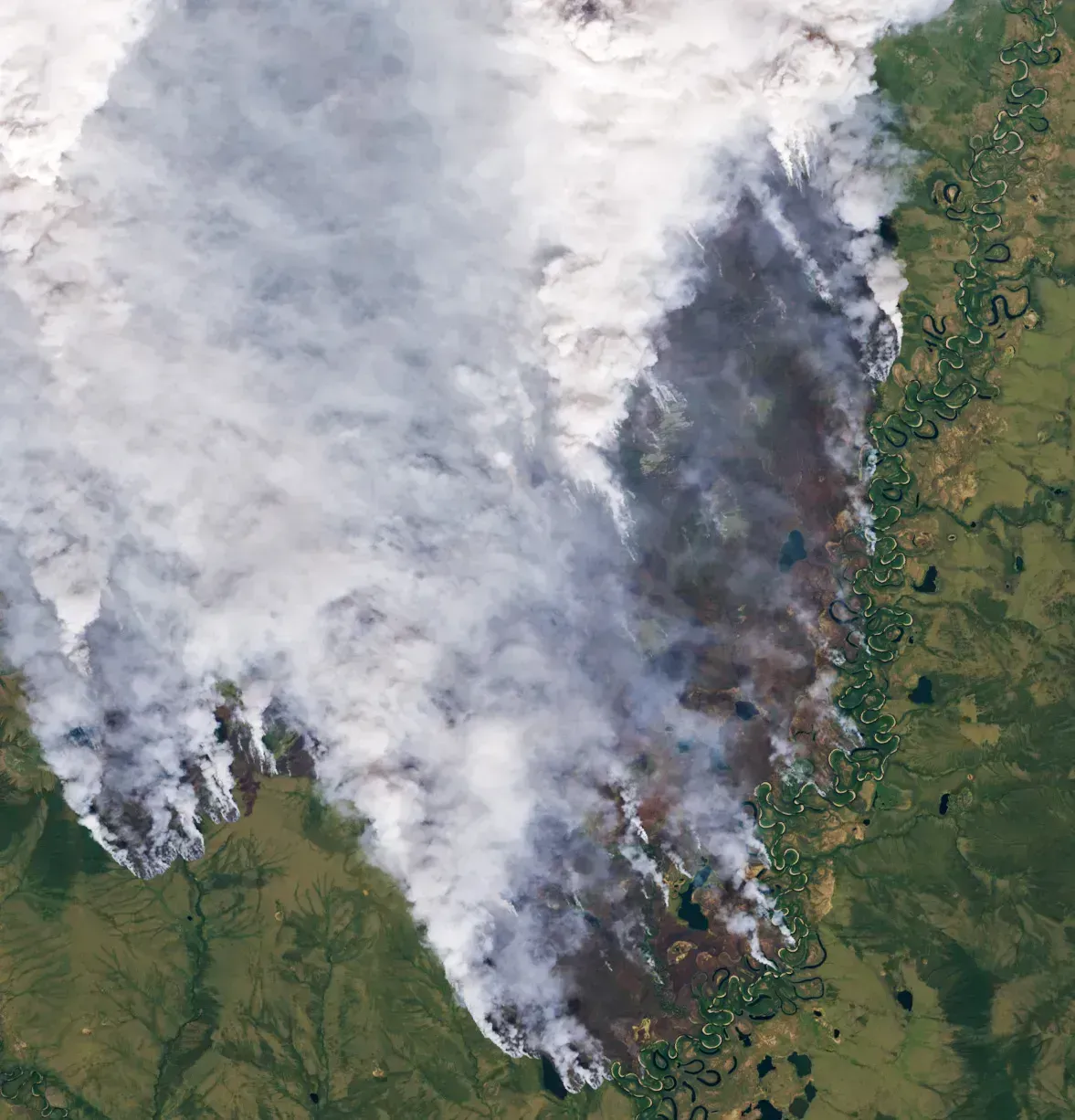
The Arctic spans 14 million square kilometres across eight countries, and it is covered by thick permafrost, a frozen mixture of soil, rocks, ice and organic material. Permafrost is defined as ground that stays at or below freezing for at least two consecutive years. Plenty of it has stayed that way for millennia.
The region is changing fast. The Arctic is warming four times faster than the rest of the globe, and experts say thawing permafrost could set free ancient bacteria and viruses. Whether that actually translates into disease risk is the central question, and it has several competing answers.
The Yamal Outbreak That Started the Conversation
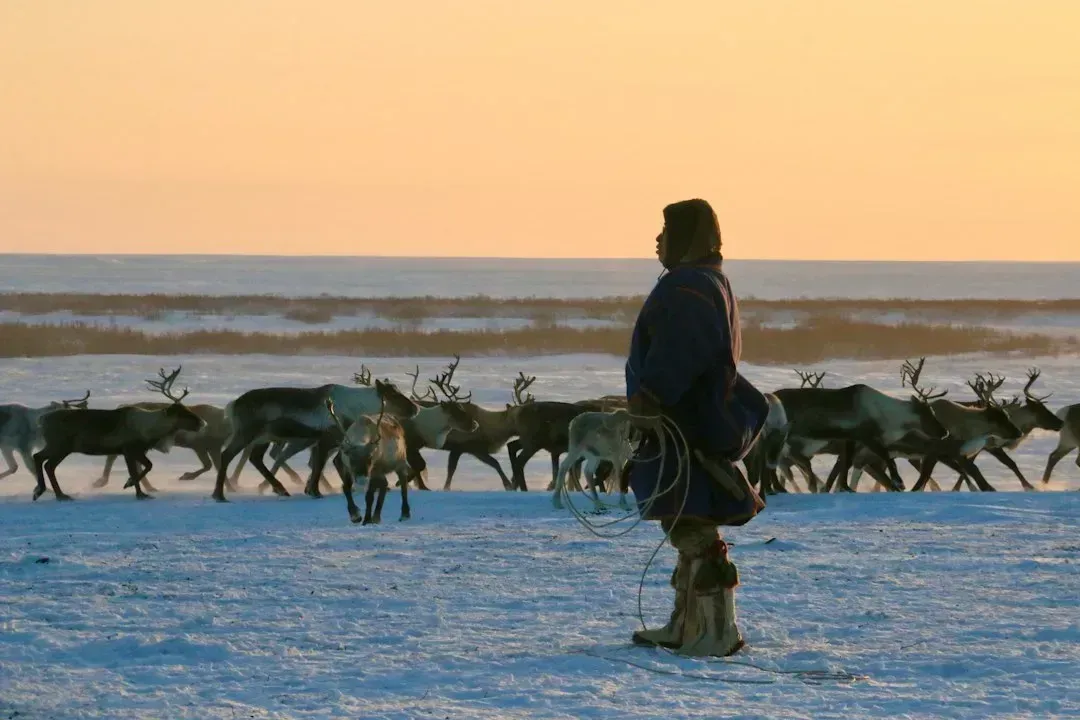
The best known case happened on Russia’s Yamal Peninsula in the summer of 2016. An outbreak of anthrax in reindeer infected 2,650 animals, and 2,350 of them died. The outbreak also hospitalized 90 local residents and killed one child.
Officials suspected a heatwave. The leading hypothesis was that hot weather thawed frozen soil and, with it, a reindeer carcass infected with anthrax decades earlier. July that year was the warmest on record across much of Siberia, including Yamal.
Why the Anthrax Story Isn’t Simple
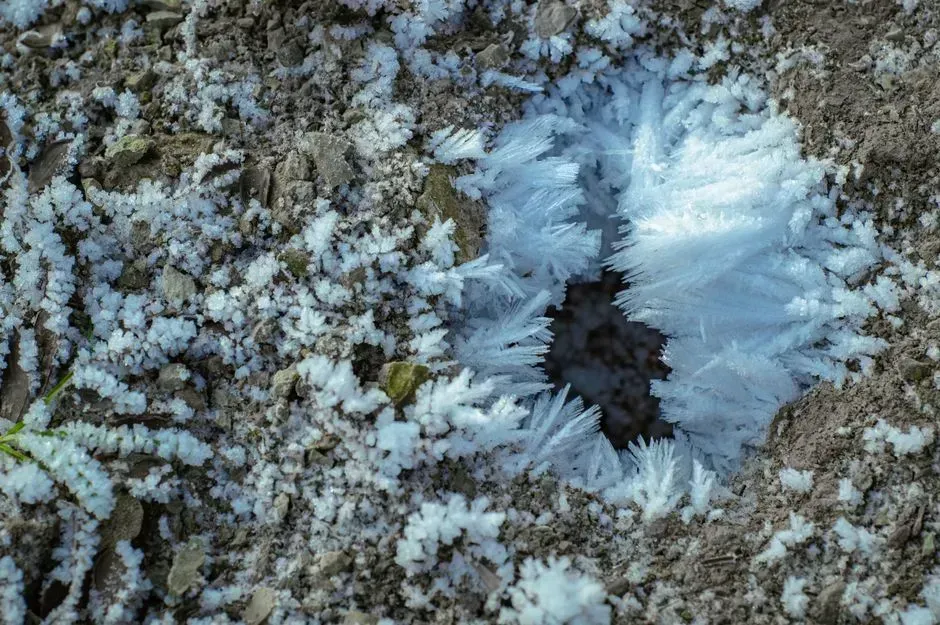
Thaw was probably not the only factor. Reindeer vaccination against anthrax was cancelled in 2007, which increased the population’s susceptibility. After the outbreak, total vaccination of all susceptible animals was resumed.
Climate still appears to have played a part. One analysis found that permafrost had been thawing rapidly for six years before the outbreak, and that an extremely dry summer likely intensified the spread. A separate review also noted that media coverage often linked the outbreak to thawing permafrost and climate change, while researchers explored alternative explanations.
What About Ancient Viruses?
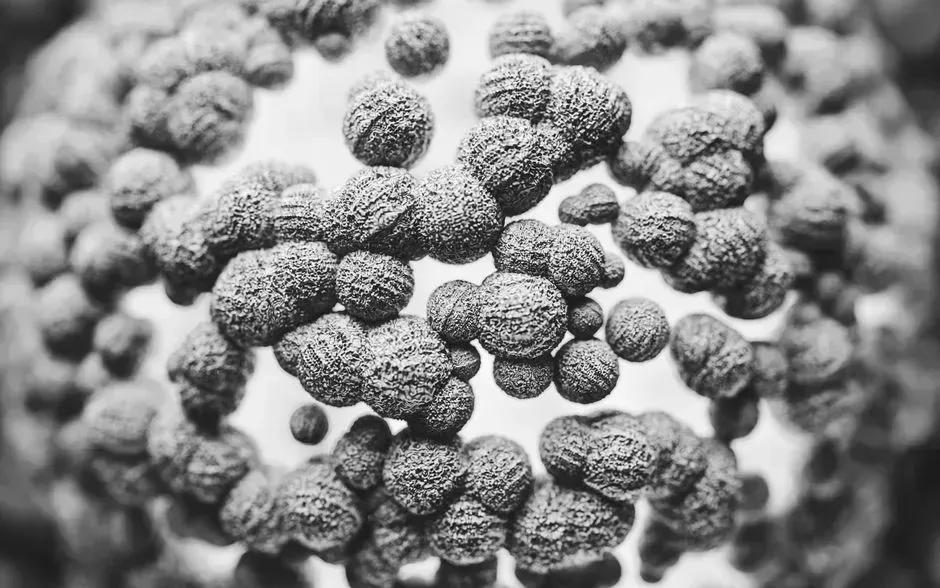
This is where public imagination runs furthest. Scientists have previously revived giant viruses from Siberian permafrost that infect only amoebae, which proved that some viral particles can survive for tens of thousands of years. Those viruses pose no known threat to people.
A 2025 review in mSystems looked at the broader risk. Its authors concluded that the risk from viruses in thawing permafrost is no greater than from viruses in other environments, such as temperate soils and aquatic systems. They did not claim the risk was zero or that surveillance was unnecessary.
Bacteria That Wake Up Faster Than Expected
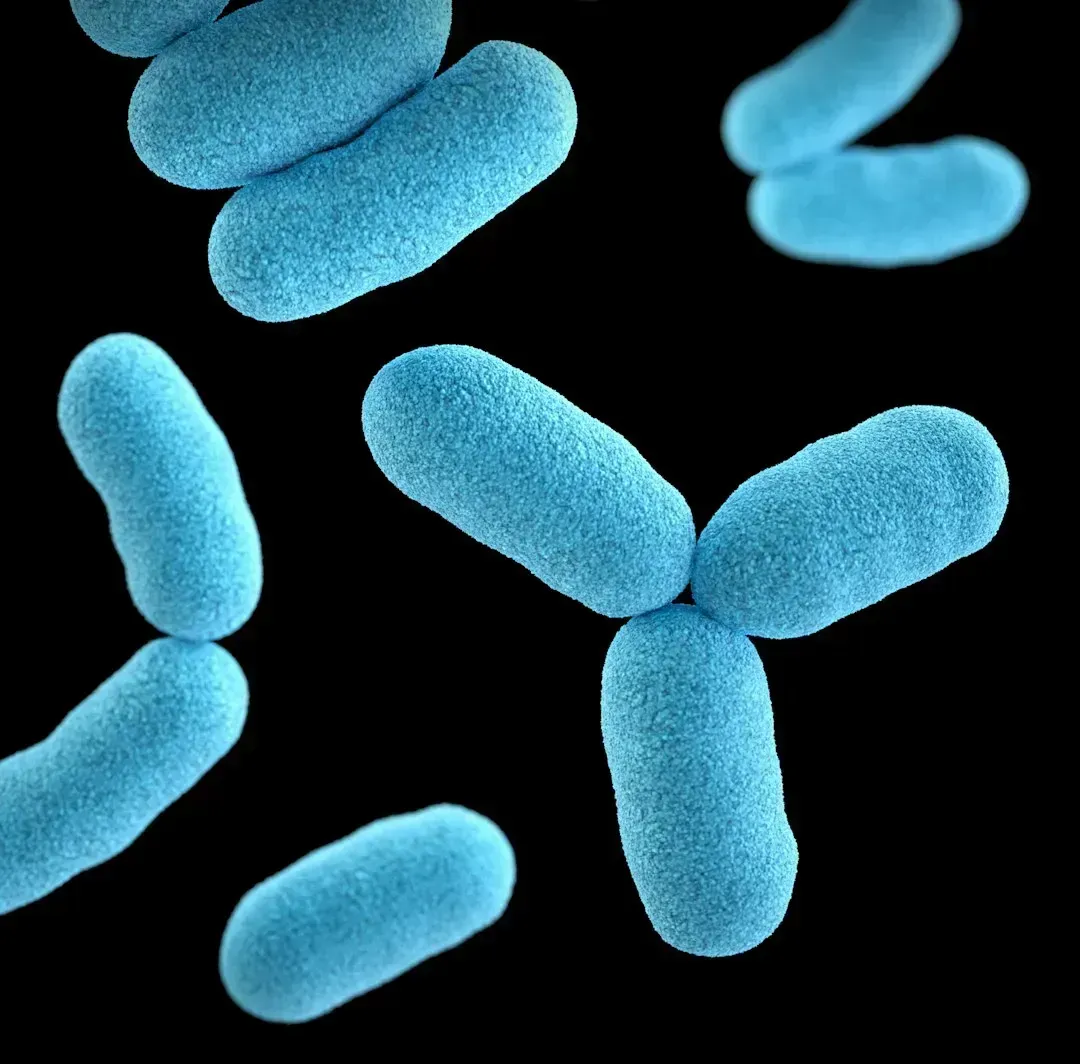
Bacteria are a different matter, because many can form tough spores. A 2025 study in Ecotoxicology and Environmental Safety examined Alaskan tundra soils during experimental thawing. It found that dormant bacteria proliferated, possibly because of increased water and nutrient supply.
The researchers focused on plant pathogens rather than human ones. They tested whether dormant plant pathogenic bacteria could be reactivated and whether they stayed pathogenic. Another 2025 paper reached a consistent conclusion: prokaryotic biomass increased across all sites following thaw.
Microbes That Take to the Air
Thawed microbes don’t have to stay in the soil. In Northern Alaska, microbes once preserved in frozen soils enter thermokarst lakes, rivers and coastal waters, and may also become airborne as bioaerosols. A 2025 study in Environmental Science and Technology reported it as the first evidence of permafrost microbial signatures in bioaerosols from permafrost regions.
The implications are mostly atmospheric for now. The authors suggest the released microbes could influence cloud formation, precipitation and climate feedbacks. Nothing in the study points to an infectious threat.
The Carbon Bomb Everyone Worries About
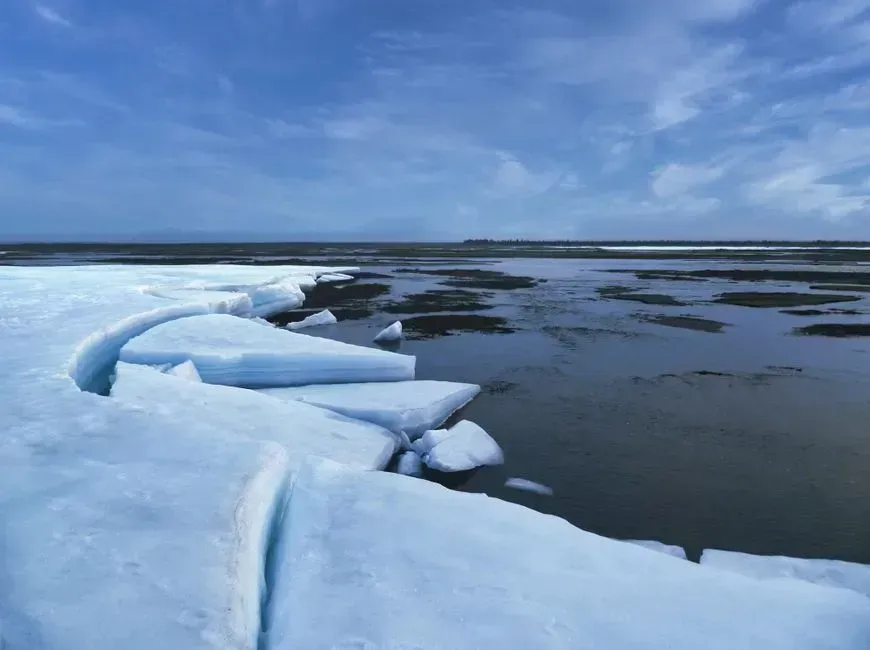
Of all the things stored in permafrost, carbon is the one with the clearest global stakes. Fast thawing permafrost regions hold between 1.4 and 1.6 trillion tonnes of carbon. That is more than the atmosphere contains, and more than half of all the carbon stored in the Earth’s soil.
The 2024 Arctic Report Card delivered a stark finding. The Arctic tundra has transitioned from a carbon sink to a net emitter of carbon dioxide. In 2024 alone, wildfires north of the Arctic Circle released 42.3 million metric tons of carbon dioxide, the second highest fire emissions year on record for the high Arctic.
Mercury, the Quiet Poison
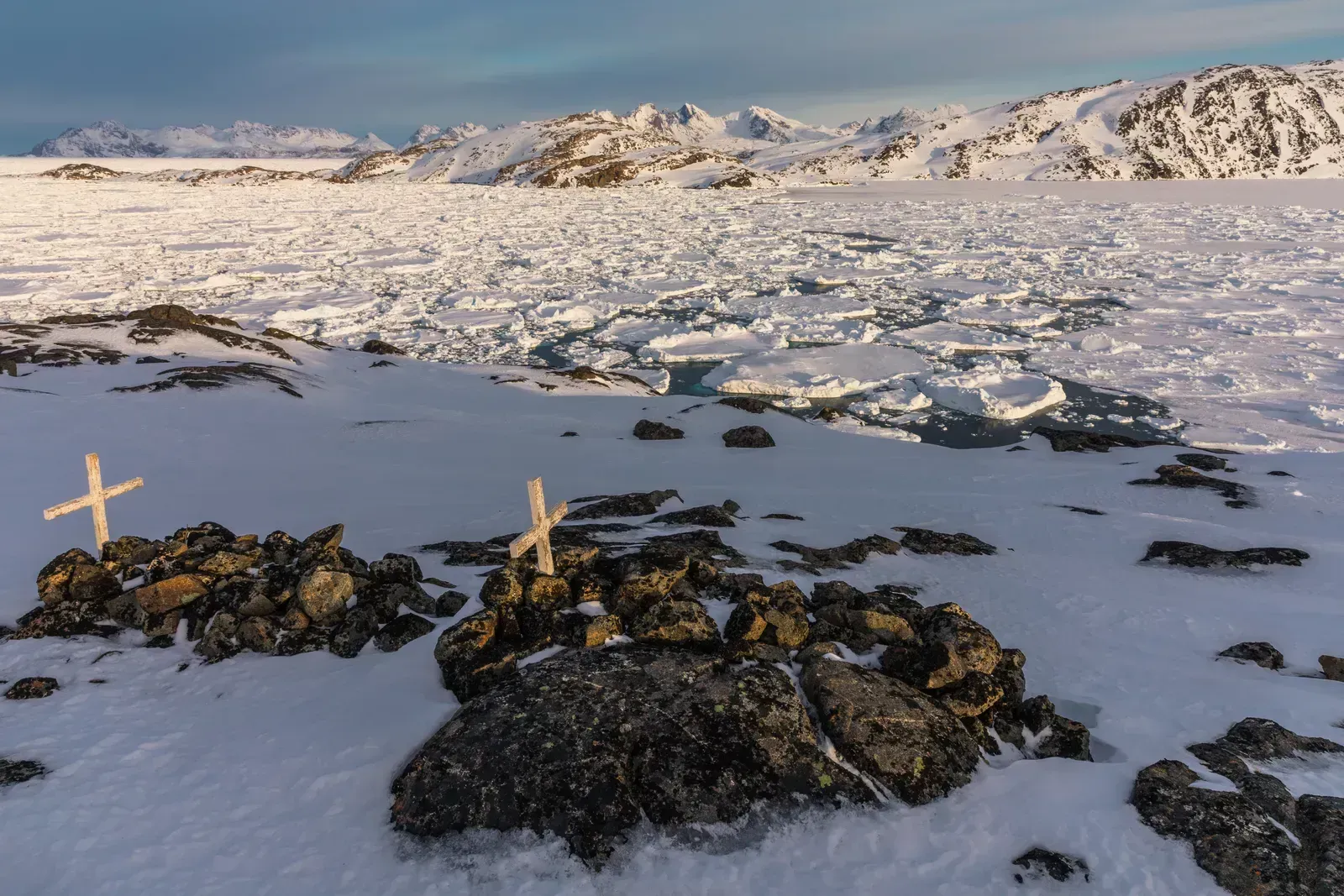
Permafrost also holds a huge natural reserve of mercury. Northern permafrost regions are estimated to store 1656 gigagrams of mercury in the top three meters of soil, with 793 gigagrams frozen in permafrost itself. That is nearly twice as much mercury as all other soils, the ocean and the atmosphere combined.
How much will escape is still unclear. After thaw, microbes that decompose plants may release methylmercury, a more toxic form. A 2025 experiment in Frontiers in Environmental Chemistry found that mercury stocks and methylmercury production stayed unaffected after 17 years of experimental permafrost thaw, which suggests the picture varies by site.
Rivers Turning Orange and Ground Hitting Records
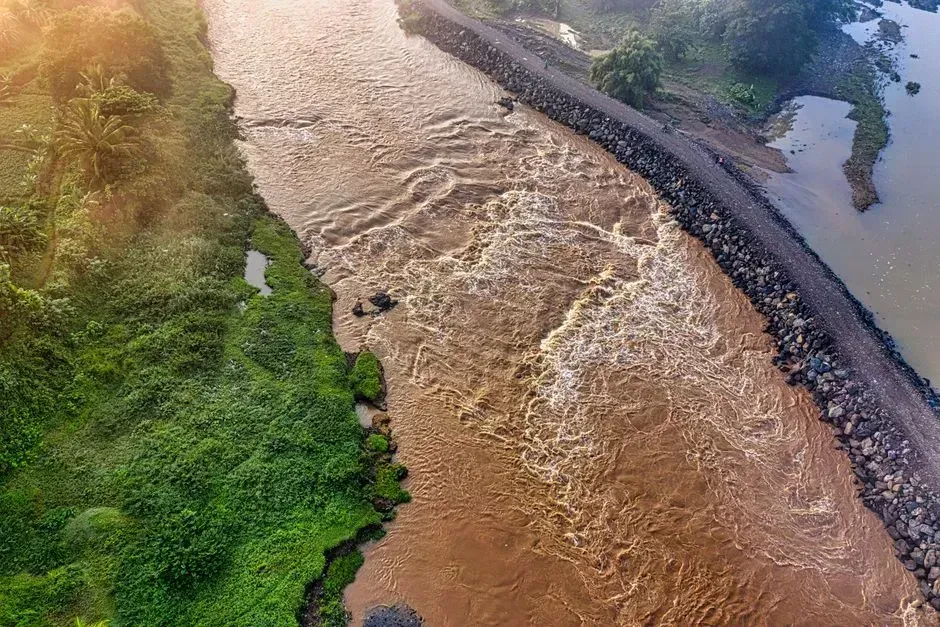
Some of the changes are visible from the air. In the so called rusting rivers phenomenon, rivers turn visibly orange as oxidized iron from thawing permafrost enters the water. The 2025 Arctic Report Card noted that more than 200 Arctic Alaska watersheds show iron and other elements released by thawing permafrost.
The ground itself is running hot. In 2024, permafrost monitoring sites in North America and Svalbard recorded their highest temperatures on record. Those readings are a plain measure of how much the frozen layer is changing.
What Researchers Are Still Watching
The picture that emerges is uneven. The most solid evidence concerns carbon, mercury and river chemistry, while the disease risk remains hard to pin down. Currently, there is no evidence that human or animal viral pathogens frozen in permafrost pose an imminent outbreak threat.
Surveillance and vaccination matter most where thaw meets livestock and people. The Yamal response, with compulsory reindeer vaccination restored, shows how an old hazard can be contained. Continued monitoring of burial sites and warming ground will show how much of the Arctic’s frozen past stays buried.
