


- Real Estate Analysts Just Changed Their Mind About the Safest Places to Buy – Here’s Why - November 12, 2026
- Black Holes Firing Beams at Near-Light Speed – 5 Cosmic Engines Warping Spacetime - November 12, 2026
- Silent Rogue Worlds Drifting in Total Dark – 6 Planets Ejected From Their Star Systems - November 12, 2026
Tornados get the headlines, the movie franchises and the storm chasers. They’re violent, but they’re also small. Most last only minutes and cut a path measured in miles, while the top rating on the Enhanced Fujita scale starts at winds above 200 miles per hour.
Other atmospheric events work on a much bigger canvas. They stretch across states, drown whole regions or throw ice the size of grapefruit. Here are six that deserve more respect than they usually get.
Derechos: The Straight Line Wind Wall
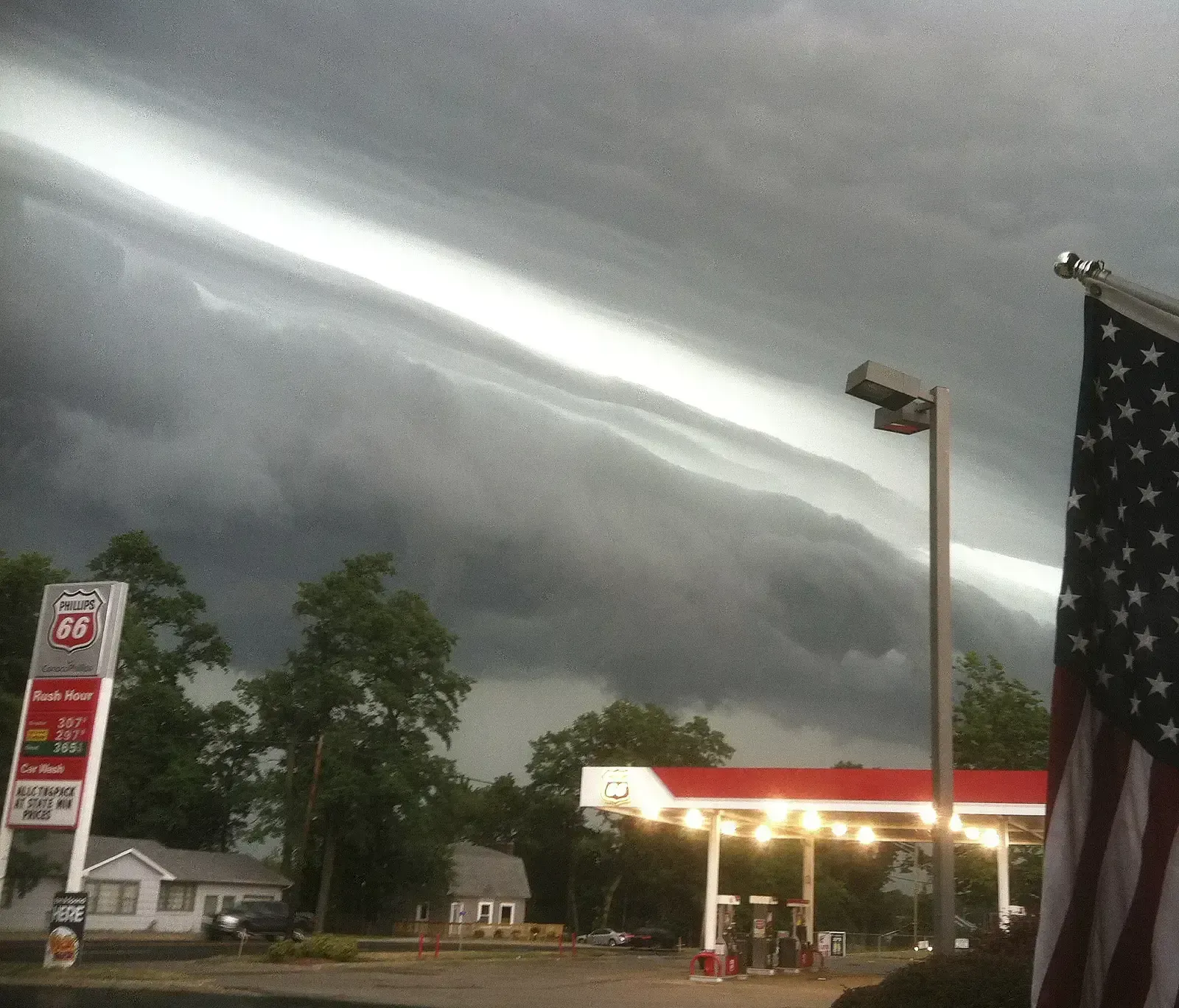
A derecho is a long lived windstorm tied to a fast moving cluster of thunderstorms. The National Weather Service and Storm Prediction Center describe it as wind damage stretching at least 240 miles, with gusts of at least 58 miles per hour along most of its length. That’s a hurricane scale footprint without the hurricane.
The August 2020 derecho in Iowa is the modern benchmark. Gusts reached roughly 140 miles per hour in places, flattening crops and tearing roofs off homes across the Midwest. It’s widely counted among the costliest thunderstorm disasters in US history, with damage estimates around eleven billion dollars.
Hurricane Storm Surge: The Ocean Moves Inland
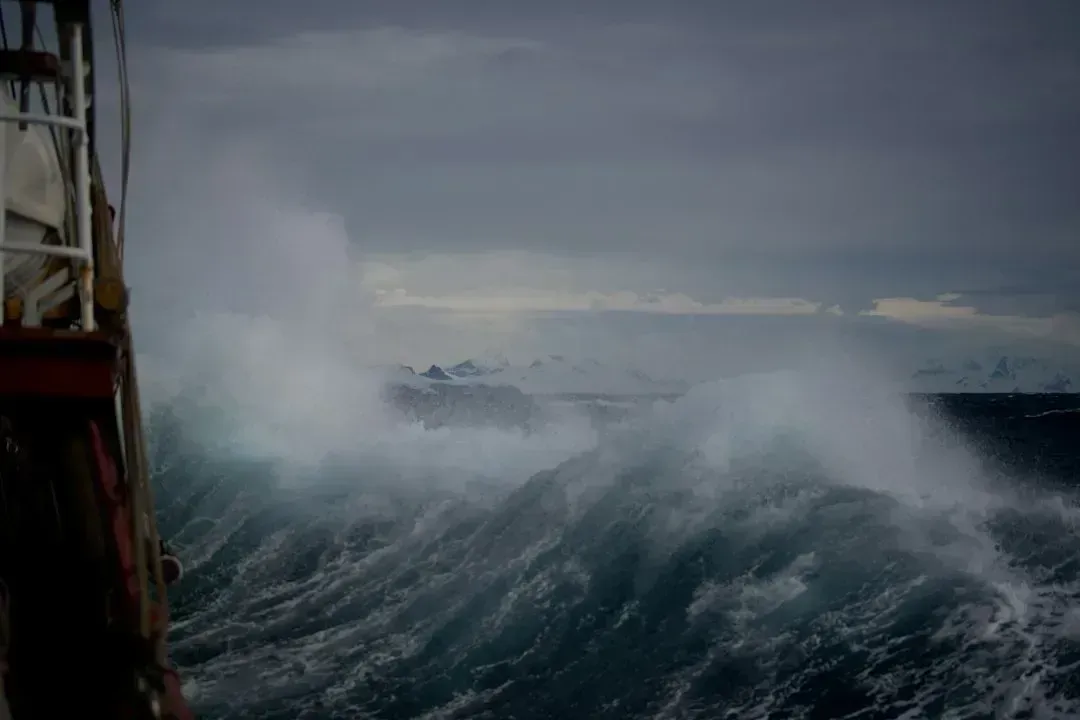
Wind gets the attention, yet water does most of the killing in a landfalling hurricane. Storm surge is the rise of seawater pushed ashore, and it can reach well over twenty feet. Hurricane Katrina in 2005 produced surge of about twenty eight feet along the Mississippi coast.
Inland flooding adds a second punch. Hurricane Helene in 2024 dumped enormous rain on the southern Appalachians, far from the coast, and killed more than two hundred people across several states. In late 2025, Hurricane Melissa struck Jamaica as a Category 5 storm, a reminder that rapid intensification before landfall is still catching communities with little time to prepare.
Megaflash Lightning: Bolts That Cross Several States
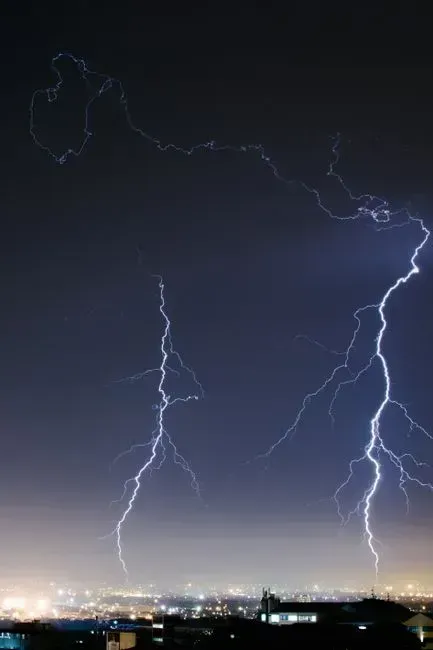
Most lightning strikes span a few miles. Megaflashes are different, branching horizontally through huge storm systems. In 2025 the World Meteorological Organization verified a flash of about 515 miles over parts of Texas, Louisiana and Mississippi, which occurred in October 2017.
The same body also recognized a flash that lasted more than seventeen seconds over Uruguay and northern Argentina in 2020. These records came from satellite lightning mappers that weren’t available a generation ago. Researchers think such flashes were always happening, we just couldn’t see the whole bolt.
Giant Hail: Ice That Falls Like Masonry
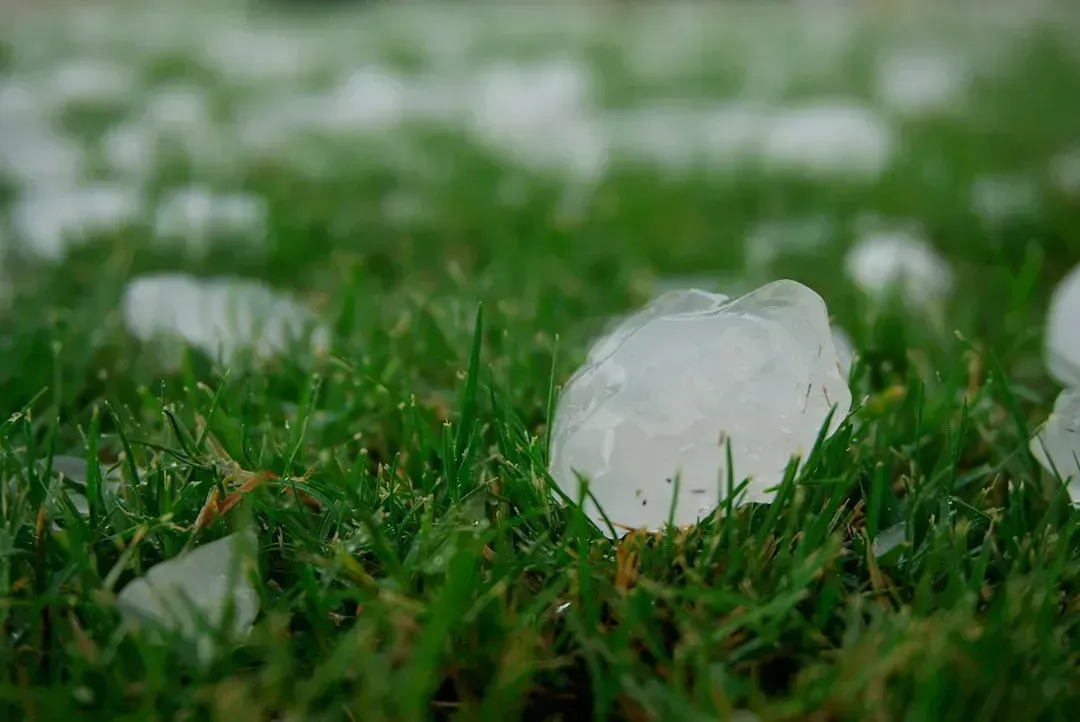
Strong thunderstorm updrafts can hold ice aloft long enough for stones to grow layer by layer. The largest hailstone recorded in the United States fell in Vivian, South Dakota, in 2010. It measured eight inches across and weighed nearly two pounds.
Europe has seen its share too. In July 2023 a stone about nineteen centimeters wide fell in northeastern Italy, setting a continental record. Hail rarely kills, but it wrecks cars, solar panels and roofs, and it does so across wide swaths of farmland and suburbs.
Haboobs: Walls of Dust Rolling Across Cities
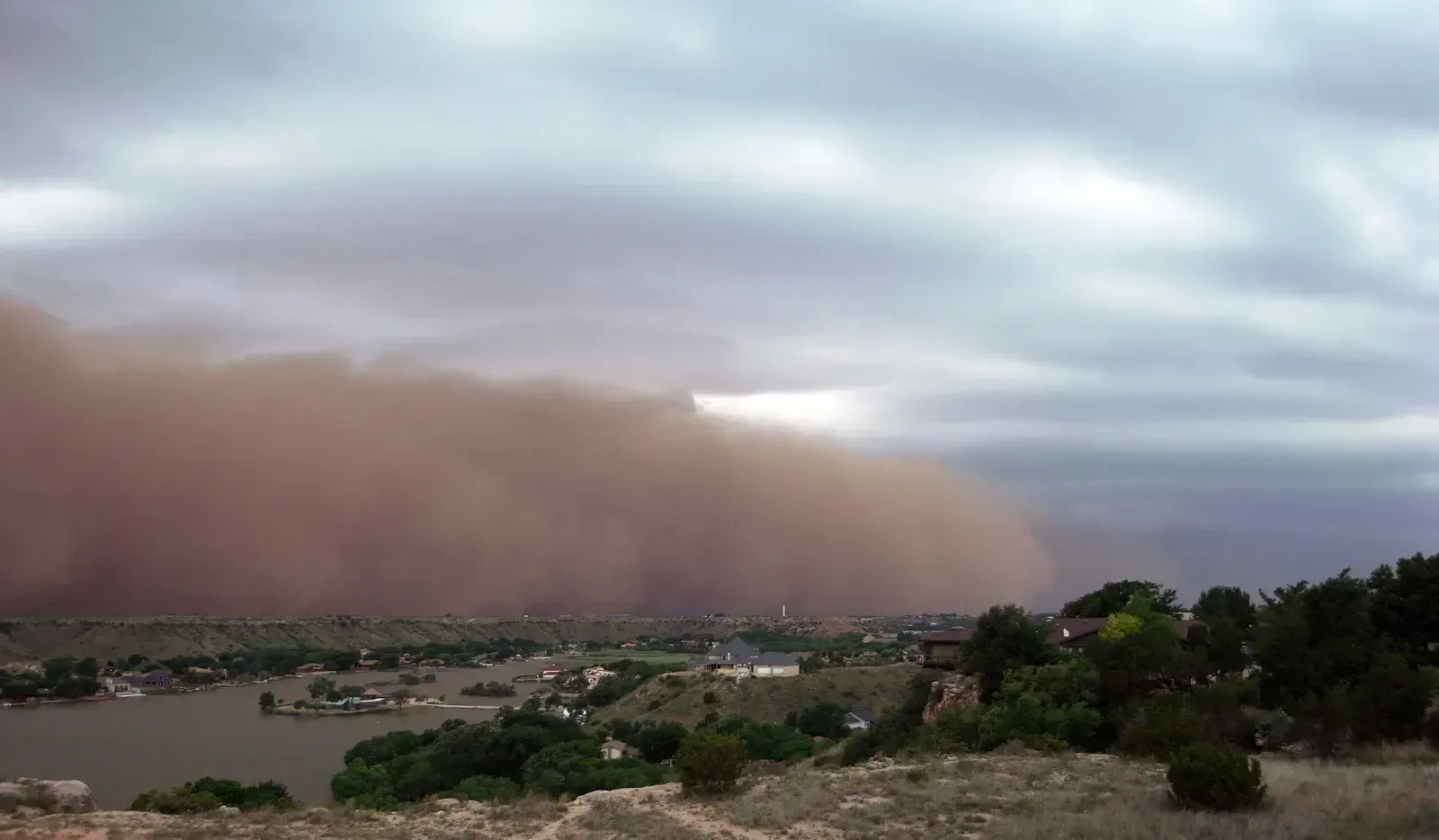
When a thunderstorm collapses, the cold air rushing out of it can scoop up desert soil and push it forward as a towering wall. These dust storms are called haboobs, and they’re a regular feature of Arizona’s summer monsoon. Visibility can drop to near zero within a minute or two.
A famous example hit Phoenix in July 2011. The dust wall rose roughly a mile into the sky and swallowed the metro area, grounding flights and cutting power. Highway agencies now warn drivers to pull off the road and turn off their lights, since cars stopped in travel lanes are frequently struck from behind.
Atmospheric Rivers: Rain From the Sky’s Own Waterways
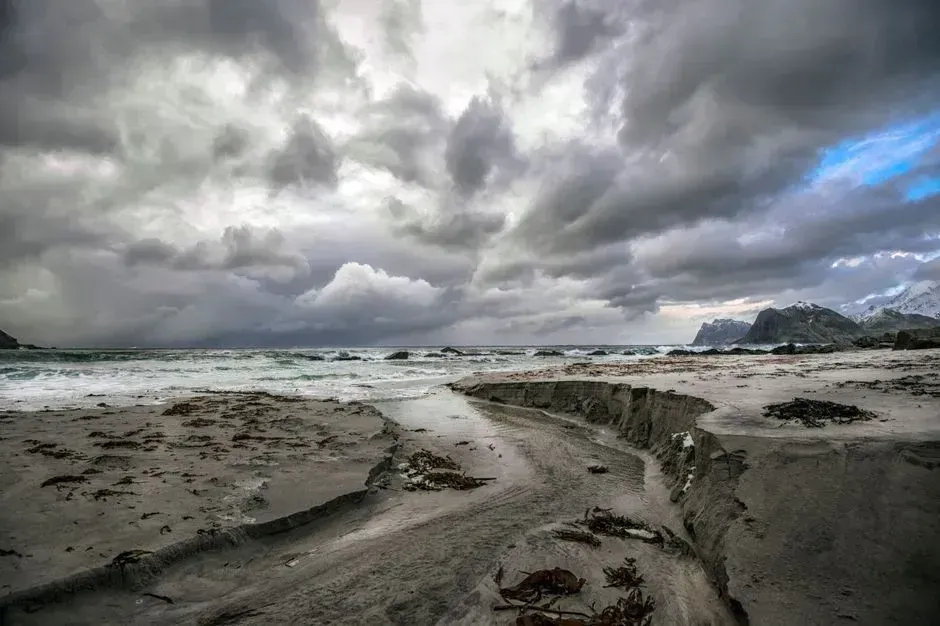
An atmospheric river is a narrow corridor of concentrated water vapor, often stretching thousands of miles over the ocean. NOAA notes that a strong one can carry a volume of water vapor many times the flow of the Mississippi River at its mouth. When that moisture hits mountains, it falls as heavy rain or snow.
These systems supply a large share of the West Coast’s yearly precipitation, which is both a blessing and a hazard. A relentless run of them struck California from late 2022 into early 2023, causing floods, landslides and widespread evacuations. Forecasters now rate them on a one to five scale, much like hurricanes, so communities can judge whether an event is helpful or dangerous.
Final Thoughts
Tornados remain deadly, but their reach is narrow compared with these six. Derechos, surge, megaflashes, giant hail, haboobs and atmospheric rivers each operate over far larger areas or time spans. Knowing their names and warning signs is a practical form of protection.
