

The United States power grid is under pressure that would have seemed unthinkable a decade ago. A July 2025 report from the Department of Energy carries a stark warning: blackout hours could increase a hundredfold by 2030. That is not a fringe prediction. It comes from the same agency that oversees national energy policy, and it reflects something that grid engineers have been quietly watching for years.
According to a detailed analysis from Bank of America Institute, the grid is straining under surging demand, chronically aging infrastructure, and a growing East-West divide, leaving roughly a third of transmission lines and nearly half of distribution infrastructure beyond its useful life. The consequences are uneven across the country. Some communities face risks that are measurably, demonstrably worse than others. Here are seven of them.
1. Houston, Texas
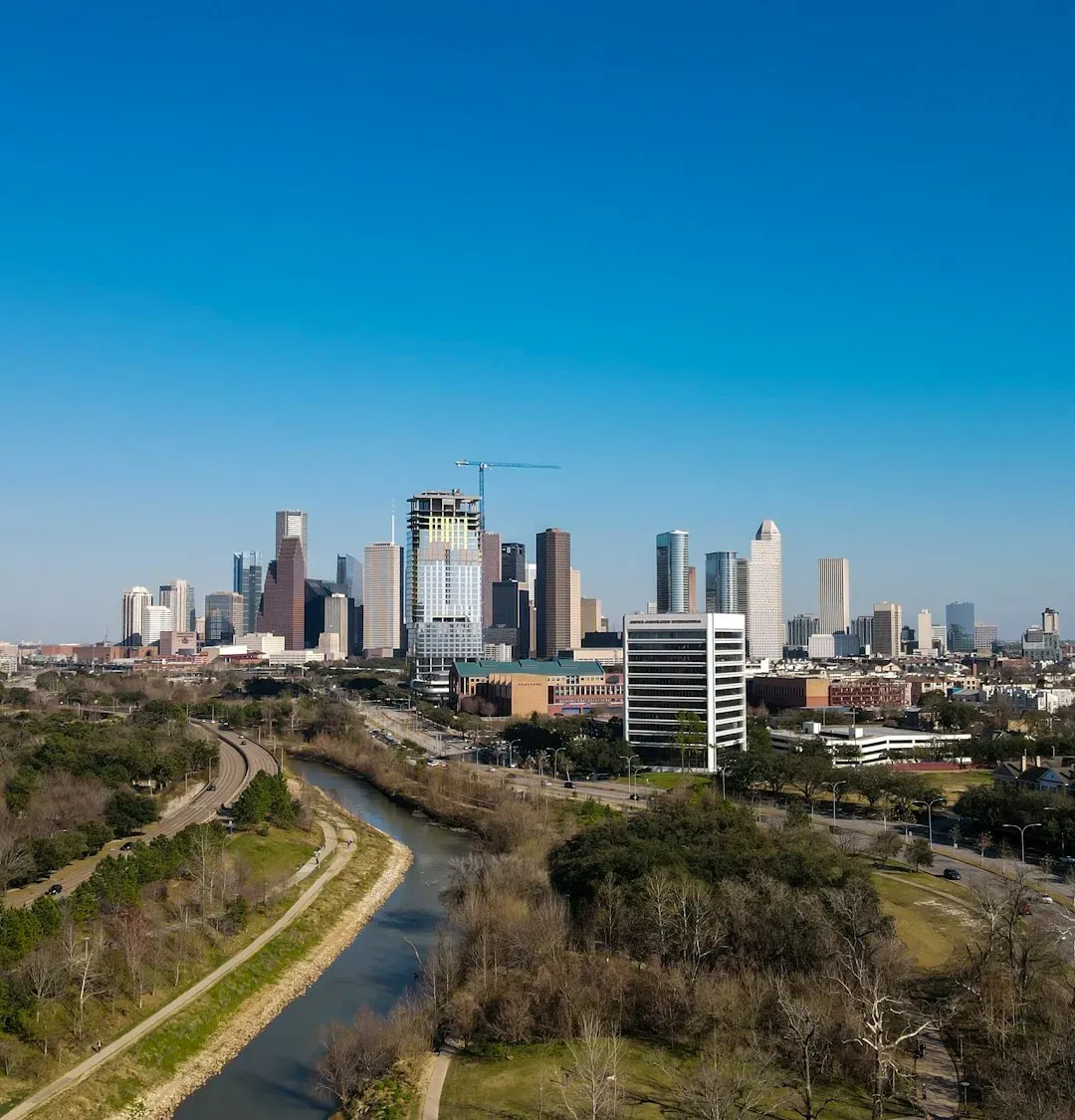
In October 2025, outages surged in Houston, putting its main utility CenterPoint back on top for the highest number of power outages nationwide. The hardest-hit areas were north of Houston, where some neighborhoods saw more than eight outages in a single month. That level of repetition is not typical grid strain. It points to something structural.
During the five-year period from 2019 to 2023, Texas experienced over 7,000 summertime power outages, and it led all states in total hours of summertime power loss, averaging more than 35,000 hours annually. Researchers at the University of Houston warn that the state could face an electricity shortfall of up to 40 gigawatts annually by 2035 if the grid does not expand. For Houston specifically, that math does not look encouraging.
2. San Juan, Puerto Rico

In April 2025, crews scrambled to restore power across Puerto Rico after a blackout hit the entire island, affecting the main international airport, hospitals, and hotels filled with Easter vacationers. The outage left 1.4 million customers without electricity and more than 400,000 without water. It was not a surprise to anyone paying attention.
The island-wide blackout made clear that Puerto Rico’s grid remains a fragile relic, despite decades of reforms and the massive rebuilding effort after Hurricane Maria. Even after that storm prompted twelve billion dollars in federal recovery funding and a series of structural changes, the system still collapses under stress. Much of the territory’s electrical grid equipment is more than 40 years old, and it continues to be crippled by successive storms. A true, lasting total failure is not a distant scenario here. It is the recurring present.
3. Phoenix, Arizona
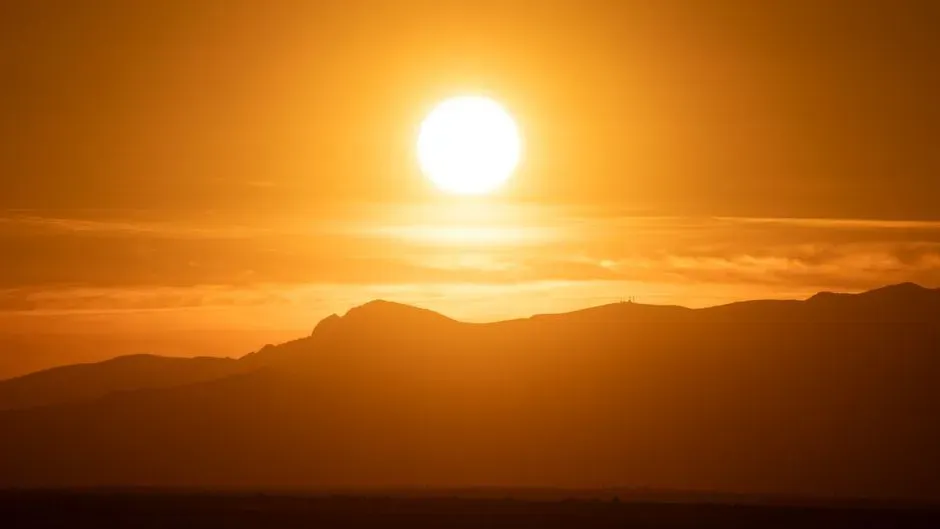
Previous research found that for every degree increase in average air temperature, Phoenix’s risk of power outage increases thirtyfold, and that escalating vulnerabilities within the city’s interdependent water and power infrastructure systems could lead to what one researcher described as a “Katrina of extreme heat.” Phoenix sits at the center of a rare convergence of risk factors: extreme heat, rapid population growth, and an aging grid.
A peer-reviewed study found that the concurrence of a multiday blackout with heat wave conditions would more than double the estimated rate of heat-related mortality across Phoenix, and would require medical attention for more than half of the city’s total urban population in present and projected future scenarios. A 2023 study specifically reported that if a multi-day blackout in Phoenix coincided with a heat wave, nearly half the population would require emergency department care for heat stroke or other heat-related illnesses. The city’s survival depends almost entirely on air conditioning, which depends entirely on an uninterrupted grid.
4. Detroit, Michigan
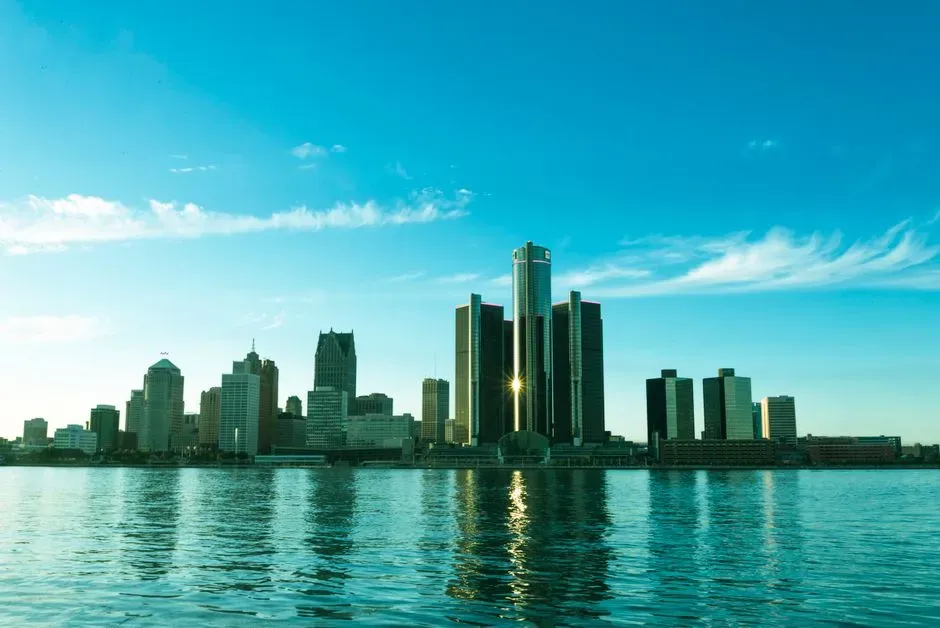
Michigan tops the list of states most at risk for summer power outages, according to an analysis of large-scale outages affecting more than 5,000 utility customers between 2019 and 2023. Detroit sits at the heart of that exposure. The city’s utility infrastructure has been chronically underfunded, and its surrounding region experiences some of the most severe weather-driven outages in the country.
Researchers at Texas A&M University, using machine learning to build a nationwide Power System Vulnerability Index, identified the Great Lakes region as one of the country’s highest-risk hot spots for power outages, with dense development compounding that vulnerability. A separate compound-risk study simulating concurrent heat waves and grid failures found that such events could expose between 68 and 100 percent of the urban population to an elevated risk of heat exhaustion or heat stroke. Detroit’s older building stock and elevated poverty levels make those numbers particularly serious.
5. Asheville, North Carolina
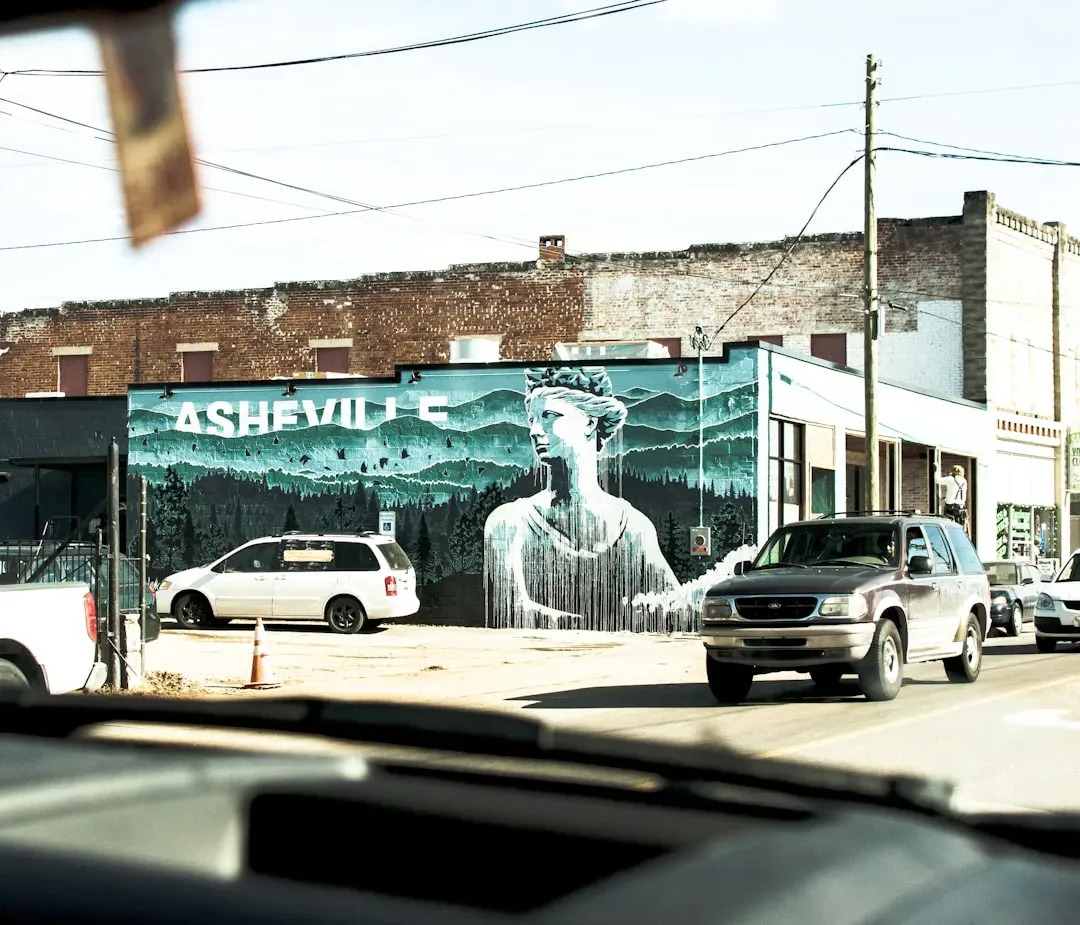
In December 2022, coordinated physical attacks on substations in Moore County, North Carolina, cut power to 45,000 residents for nearly a week. That event revealed something beyond weather risk: the physical vulnerability of local grid infrastructure to deliberate disruption. Asheville and the broader western North Carolina region have since remained on the radar of reliability analysts. The mountains that make the region scenic also make it logistically difficult to restore power once it’s lost.
Pennsylvania’s grid regulator recorded 71 reportable outage events in 2024, the highest number in more than 30 years, marking a sharp increase from 49 events the prior year. The Carolinas sit within the same broader SERC reliability region, and NERC’s Winter Reliability Assessment specifically warns that SERC faces an elevated risk of supply shortfalls under extreme wide-area weather conditions. Asheville’s combination of rugged terrain, aging local distribution lines, and documented substation vulnerability puts it in a distinctly fragile position.
6. Northern Virginia (Loudoun and Fairfax Counties)
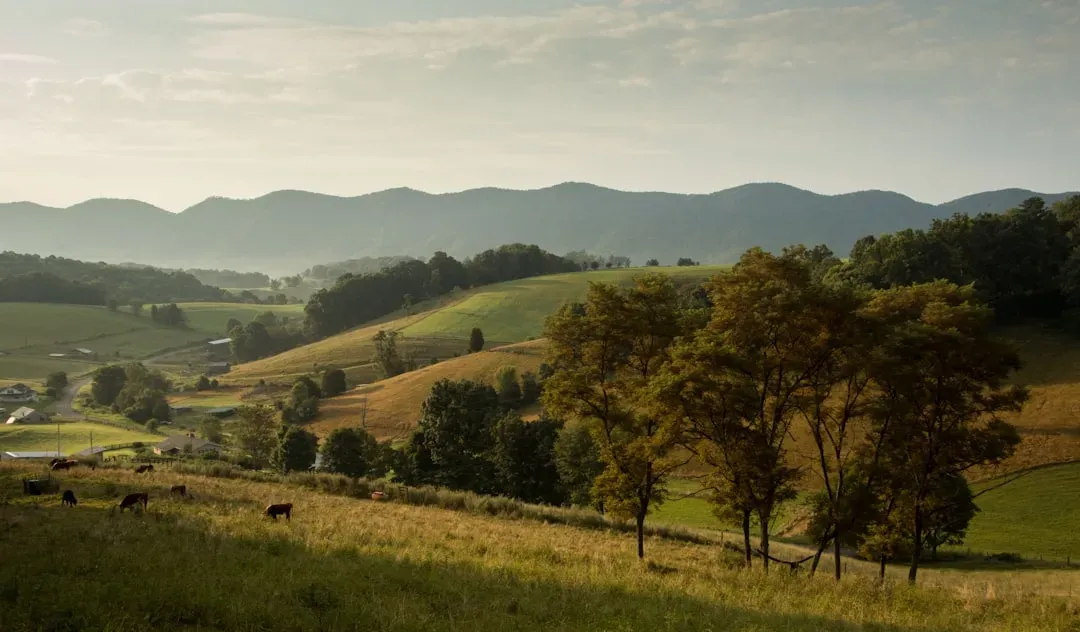
In February 2025, approximately 40 data centers in Virginia’s Loudoun and Fairfax counties, consuming roughly 1,800 megawatts of power, simultaneously transferred to backup power following a high-voltage line failure, causing load to vanish from the regional grid in seconds. It was the second such incident in less than a year, following a July 2024 episode in which 1,500 megawatts of data center load dropped across 60 facilities after a transmission line fault.
NERC flagged both incidents as evidence that voltage-sensitive data center loads represent a new and largely unplanned-for class of grid stability risk, and launched a dedicated task force to study their impact. Federal regulators were forced to recognize a new category of grid vulnerability: unannounced disconnections by data centers. NERC’s Director of Reliability Assessment noted that the grid was simply not designed to withstand the sudden loss of that scale of load. The concentration of data center development in this corridor has outpaced every safety assumption built into the regional grid.
7. Atlanta, Georgia
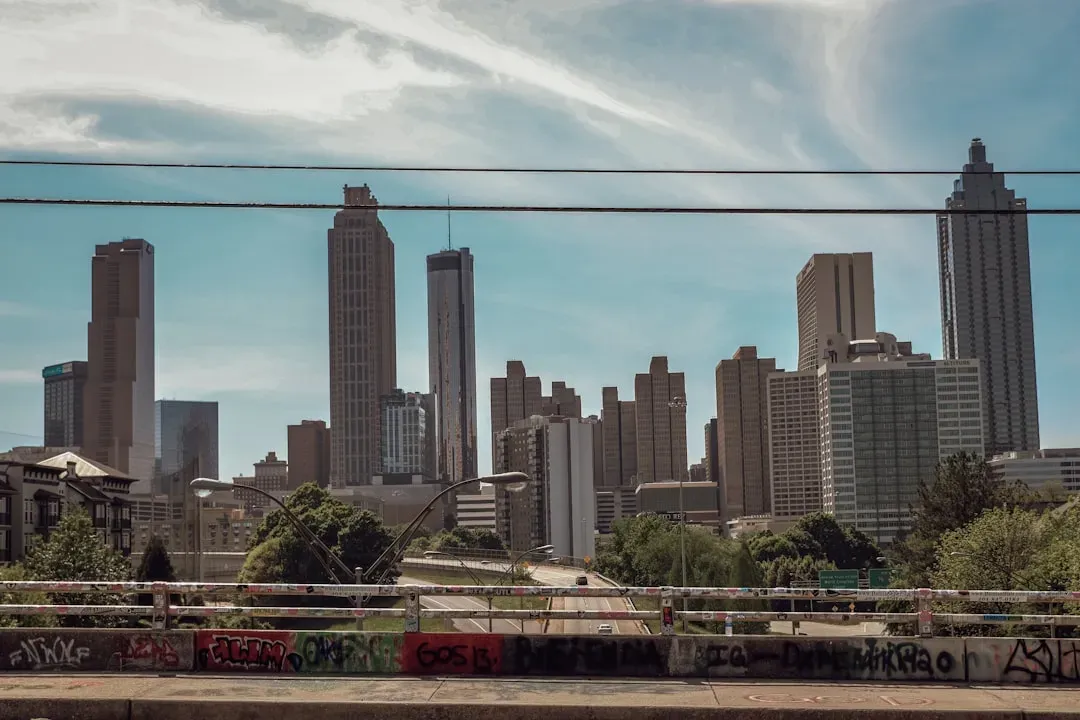
Research modeling heat wave events of historical duration occurring simultaneously with blackout conditions for the full urban population of Atlanta found that such a compound event would more than double the estimated rate of heat-related mortality, with between 3 and 50 percent of the urban population requiring medical attention. Atlanta’s risk is quieter than Phoenix’s, but the underlying infrastructure concern is real. The city’s distribution network is aging, and the Southeast as a whole has drawn increasing scrutiny from reliability analysts.
NERC’s 2024 Long-Term Reliability Assessment reported that over half of North America faces an elevated risk of energy shortfalls over the next decade, with areas at elevated risk specifically including portions of the Southeast. Weather-related power outages have been rising steadily, with roughly 80 percent of major outages in the U.S. over the past two decades caused by weather events, and the number of such outages in the most recent decade doubling compared to the decade before. Atlanta sits in a region that is warming faster than its grid was designed to handle, and the gap between what the infrastructure can absorb and what the climate now demands keeps widening.
What connects all seven of these places is not simply bad luck or poor planning. It is the collision of aging physical infrastructure, accelerating climate stress, and surging demand from data centers, electrification, and population growth. As of 2025, more than half of U.S. transformers were over 33 years old, and 70 percent of all transmission lines had passed the midpoint of their operational lifespan. That is the foundation these communities are relying on every time the temperature spikes or a storm rolls through.

- The Shoreline Sucked Dry in Seconds – 5 Tsunami Signals Beachgoers Mistake for Low Tide - November 14, 2026
- 9 Dark-Sky Destinations Around the World Where the Stars Look Unreal - November 14, 2026
- The Fault Line That Never Slips – 7 Locked Seismic Zones Overdue for a Massive Release - November 14, 2026
