
For years, the affordability conversation in America revolved around the same handful of places: New York, San Francisco, Los Angeles, maybe Boston. Everyone knew those cities were expensive, so people planned around it, moved elsewhere, or simply accepted the cost as the price of admission to certain industries and lifestyles.
But somewhere along the way, a second wave of cities started climbing the same ladder, and most people didn’t notice until the numbers were already startling. These are places that built reputations on being reasonable, even cheap, alternatives to the coastal giants. That reputation is now cracking, one lease renewal at a time.
1. Newark, New Jersey
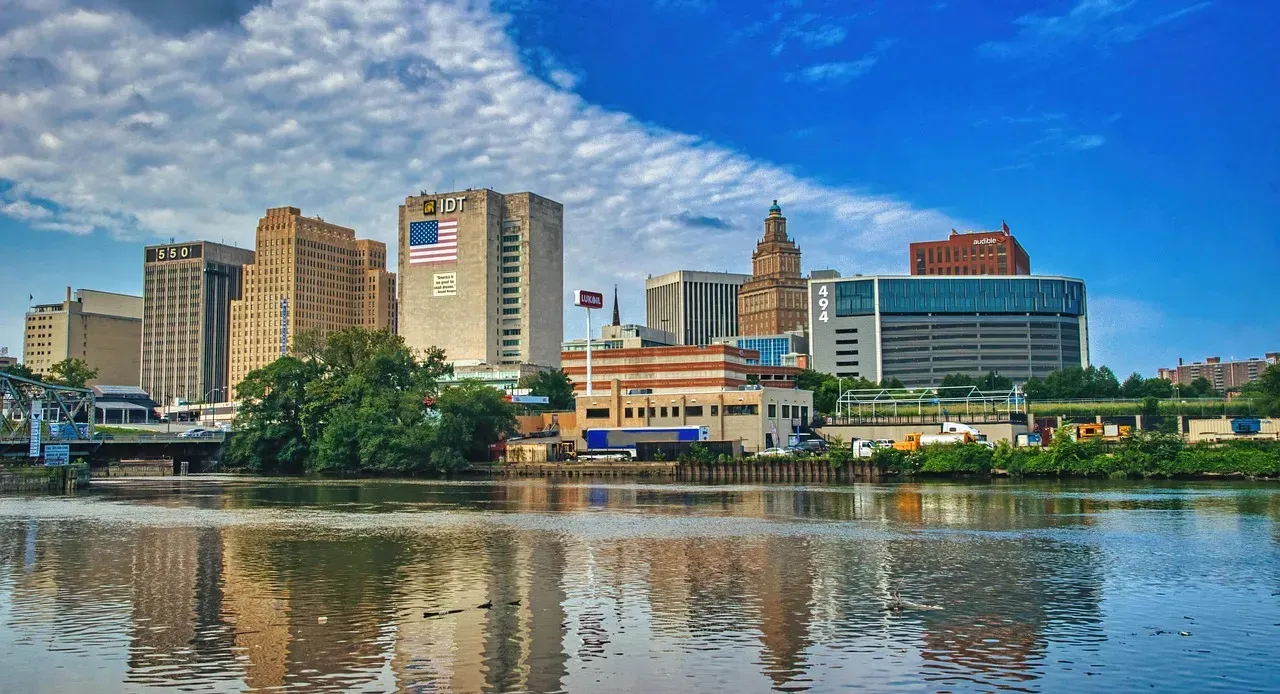
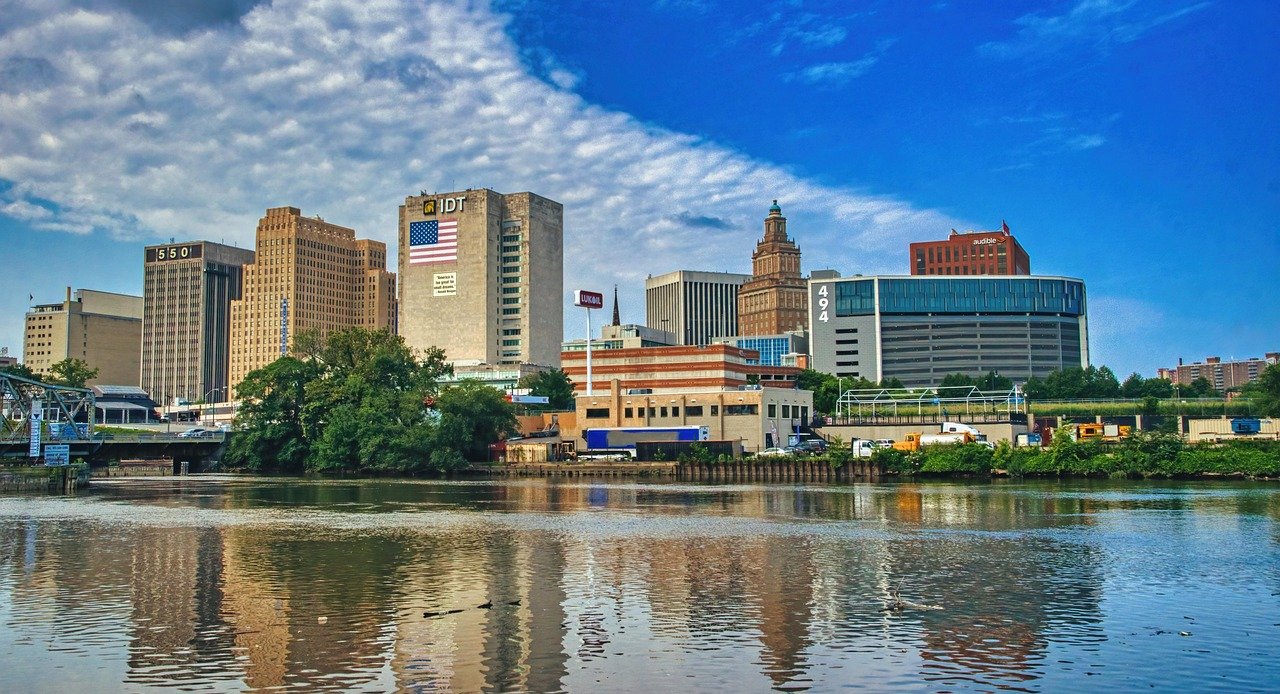
Newark spent decades in the shadow of Manhattan, often treated as the budget-friendly commuter option for people priced out of New York City. That framing no longer holds up the way it used to. Average rent prices in Newark grew 8.1% to $2,241 between 2024 and 2025, the fastest clip of any of the 100 largest U.S. cities, according to SmartAsset.
That kind of jump doesn’t happen in a vacuum. Proximity to New York, combined with limited new construction and renewed interest from renters priced out of the city across the river, has turned Newark into a market landlords can push hard on. For longtime residents, the math simply stopped working the way it used to.
2. Cleveland, Ohio
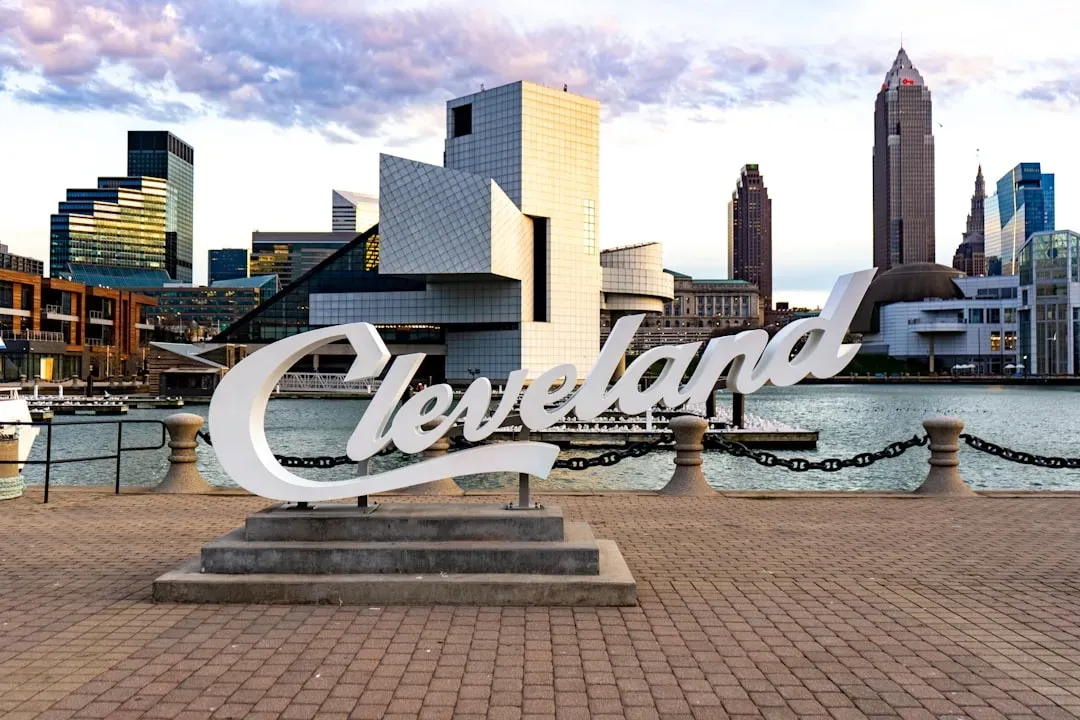
Cleveland’s whole identity has long been built around affordability, a place where a modest paycheck could still buy a decent apartment and a bit of breathing room. That story is getting harder to tell with a straight face. Cleveland experienced the second-fastest annual rent growth among major U.S. cities at 7.3%, though the average rent there remains around $1,303.
The city’s revival has a lot to do with it. Cleveland has quietly become one of the more attractive rental markets in the Midwest thanks to its affordability, healthcare industry, and revitalized downtown neighborhoods, drawing renewed interest from younger residents seeking walkable communities and modern apartment developments. The irony is hard to miss. The very qualities that made Cleveland appealing are now the reason prices are climbing.
3. Columbus, Ohio
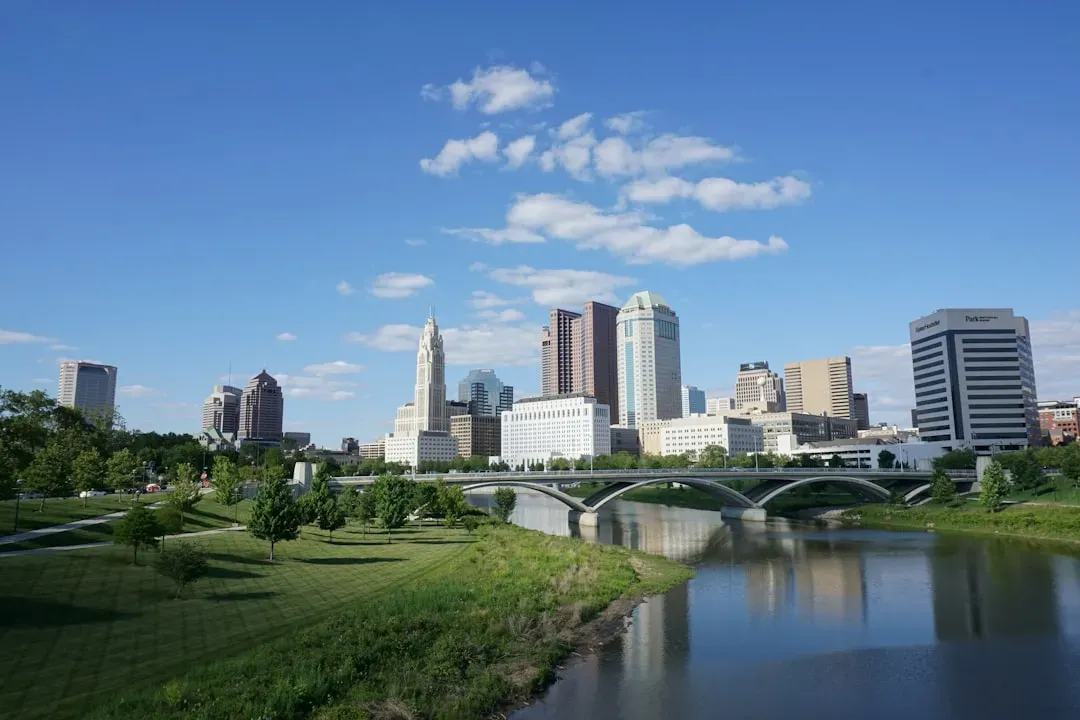
Columbus has spent the last several years absorbing a wave of newcomers, many of them arriving from far pricier coastal metros looking for a cheaper landing spot. The city saw a year-over-year rent increase of 13.3%, with average monthly rent reaching $1,850, as new residents from pricier coastal metros increasingly flocked to Columbus thanks to its strong job market and affordable real estate.
That influx has strained a housing stock that wasn’t built for this kind of demand surge. Though rent increases have slowed in Columbus lately, that doesn’t mean they aren’t still on the up, straining many low-income renters. A city that once marketed itself as the sensible Midwest alternative is now facing its own version of the squeeze it helped people escape.
4. Knoxville, Tennessee
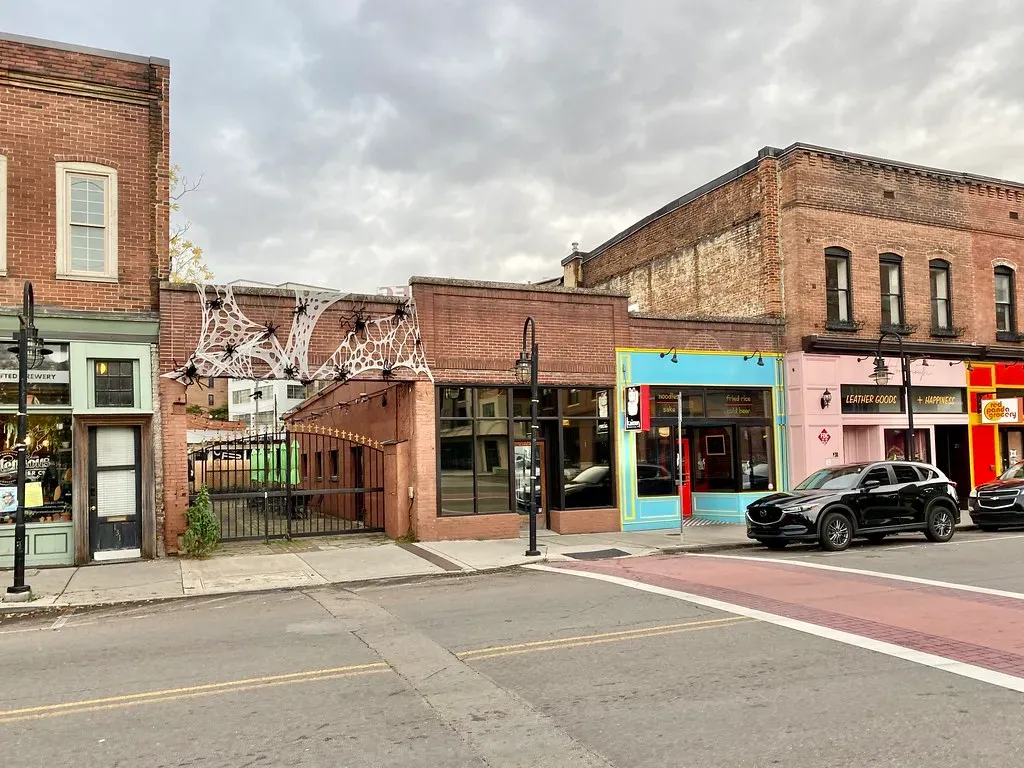
Knoxville rarely made anyone’s list of cities to watch for cost-of-living concerns, and that’s exactly why its recent surge caught so many people off guard. The city’s population has skyrocketed in recent years, with moveBuddha ranking it the No. 1 most popular city for movers in 2026, creating a supply-and-demand imbalance that has driven up rents.
The consequences are landing hardest on the people who can least absorb them. These rising housing costs are pricing low- and middle-income renters out of Knoxville, a trend that’s unlikely to reverse anytime soon. A city known for its outdoor access and laid-back pace is turning into something closer to a competitive rental market, with all the stress that implies.
5. Syracuse, New York
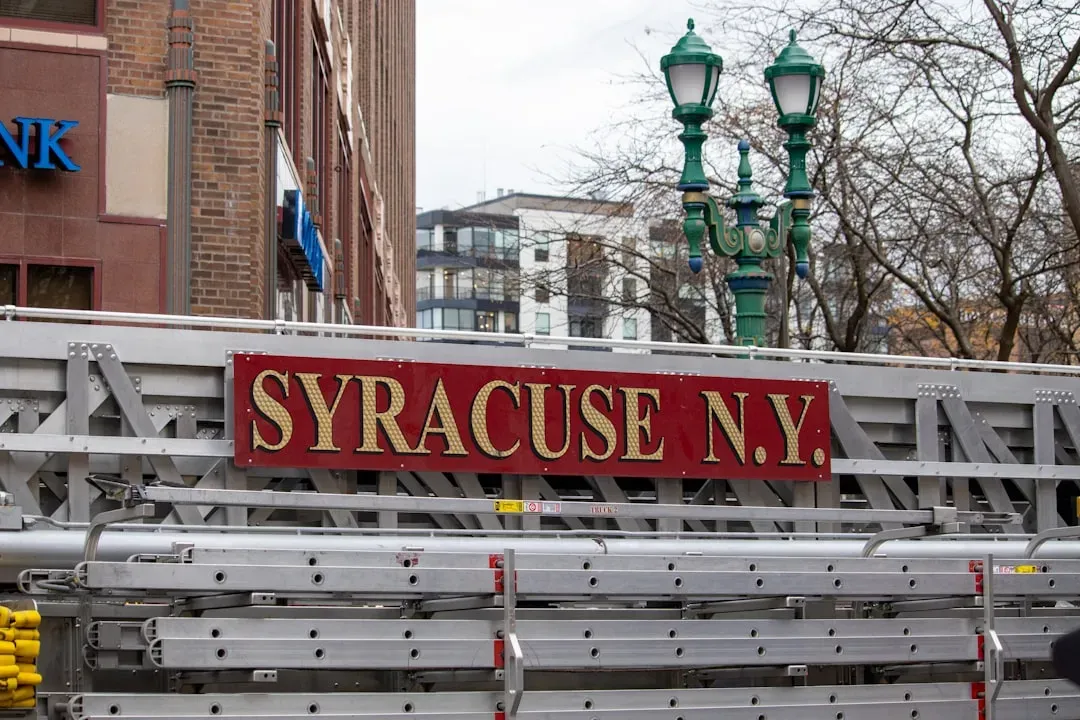
Syracuse has long carried the label of one of New York State’s more affordable cities, a reputation built partly on its distance from the pricing pressures of New York City and its universities’ steady, if unspectacular, local economy. Known as one of New York’s most affordable cities, Syracuse boasts an arts and cultural scene, major institutions like Syracuse University, and easy access to the Finger Lakes region.
Underneath that charm, the cost structure has shifted in ways renters are only now catching up to. Landlords in Syracuse face rising operating costs that are increasingly passed on to tenants, while limited construction and high mortgage rates continue to strain the housing supply. None of that shows up in the postcard version of the city, but it shows up on the rent statement every month.
6. Boise, Idaho
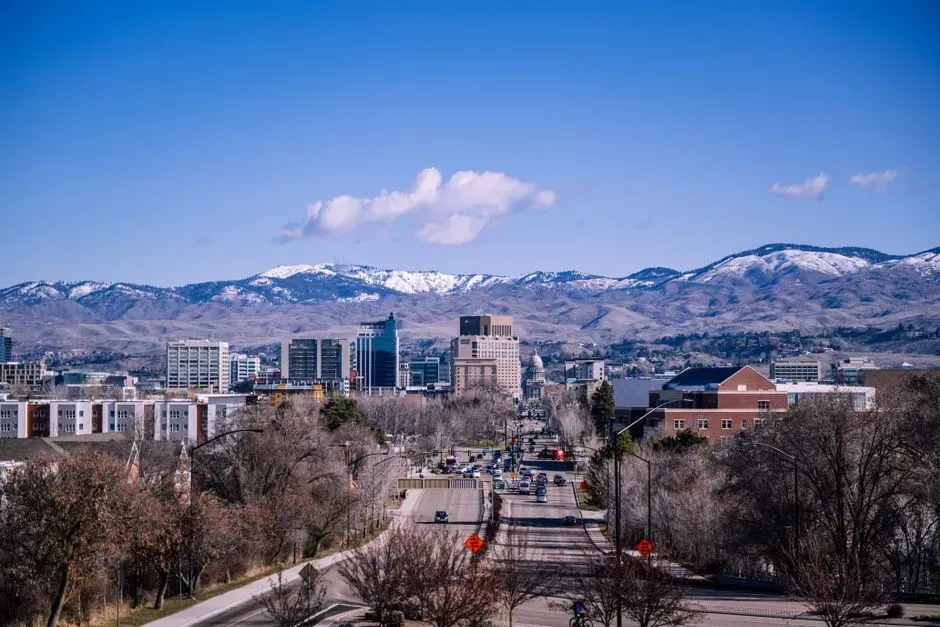
Boise’s transformation has been talked about before, but the scale of it still tends to surprise people who haven’t checked in for a few years. Previously known for its low cost of living, Boise has seen home values surge, with Zillow estimating the median home price at $485,609 in 2026, a 0.9% increase from last year.
What makes Boise notable isn’t a single dramatic spike, it’s the accumulation. Years of steady, compounding growth have quietly pushed the city out of the budget-friendly category it occupied for so long, even as its public image as an affordable escape hatch from bigger Western cities has been slow to catch up with reality.
7. Reno, Nevada
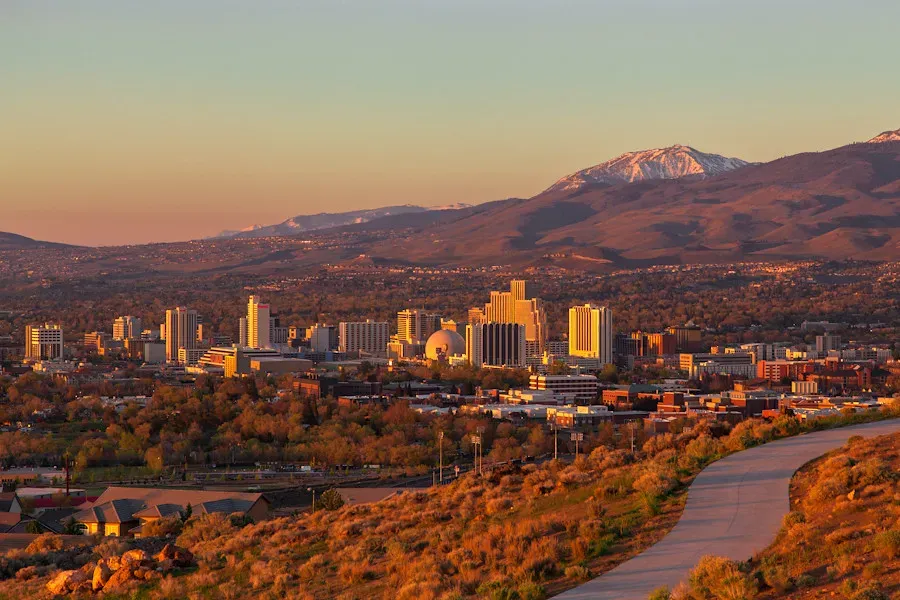
Reno has been riding the coattails of its bigger, more famous casino-town identity for a long time, which made it easy to overlook as prices crept upward. Reno saw a 6.5% increase in typical rent this year, among the sharpest jumps nationally, according to SmartAsset’s 2026 rent study.
Tech investment and warehouse expansion in the region, spillover demand from California’s pricier markets, and limited new housing supply have all converged on Reno at roughly the same time. The result is a city that still sounds like a bargain compared to nearby Lake Tahoe or the Bay Area, but is no longer the deal it once was for the people actually living there.
What ties these seven cities together isn’t a single cause. It’s a pattern of overlapping pressures, population inflows, limited construction, investor activity, and local economic momentum, landing on places that spent years being defined by what they weren’t: expensive. The lesson, if there is one, is that affordability is rarely a permanent label. It’s a moving target, and for renters and buyers in these cities, the target has already moved further than most people realized.

- 7 U.S. Cities Quietly Becoming Unaffordable While Nobody Was Watching - August 30, 2026
- Meet the Region Where America’s Next Major Drought Could Develop - August 30, 2026
- Why the Next Arctic Blast Is Expected Sooner Than Usual – And Where It Will Hit Hardest - August 30, 2026
