


- Rain Shadows: Why One Side of a Mountain Range Can Be Lush and the Other Dry - October 13, 2026
- What Atmospheric Rivers Are and How They Bring Flooding to the US West Coast - October 13, 2026
- White Roofs, Shade Trees and Cool Pavement: 6 Ways Cities Are Cooling Their Streets - October 12, 2026
Air quality remains a pressing concern across parts of the United States, with certain metropolitan areas consistently ranking at the bottom of national reports. Recent data from the American Lung Association and EPA monitoring highlight places where ozone and fine particle pollution reach levels that pose real health risks on a regular basis. These conditions stem from a mix of geography, industry, traffic, and weather patterns that trap contaminants close to the ground.
The following eight cities stand out in the latest available rankings for their frequent unhealthy air days. Residents and visitors often face warnings about outdoor activities, especially during warmer months or inversion events. While progress has occurred in some spots over the years, these locations continue to struggle more than most.
Bakersfield, California
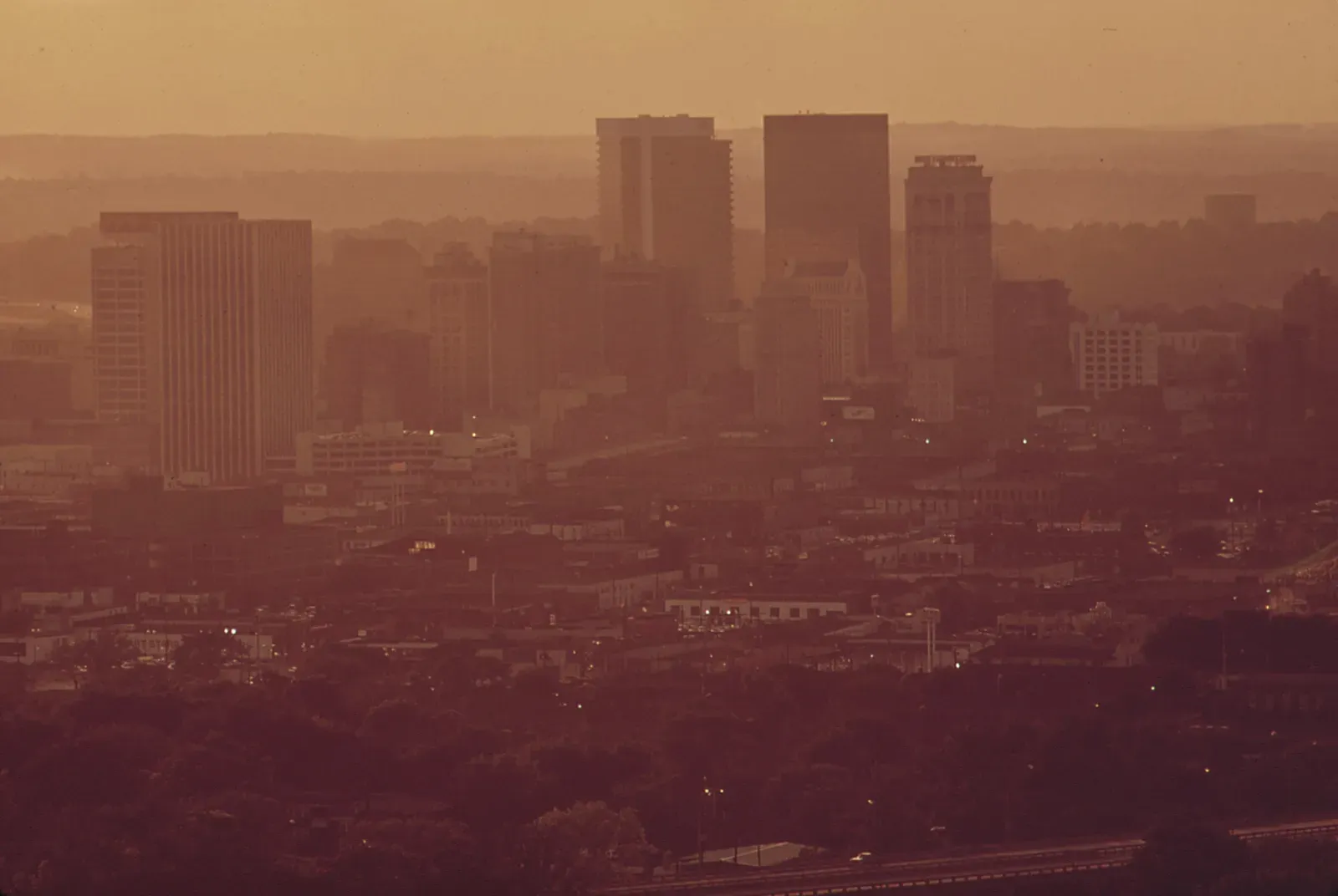
Bakersfield tops multiple lists for year-round particle pollution in the American Lung Association’s State of the Air reports. The city’s location in the San Joaquin Valley creates a natural bowl that traps emissions from agriculture, oil production, and heavy truck traffic. Fine particle levels often exceed national standards, contributing to higher rates of respiratory issues among locals.
Short-term spikes in soot pollution also rank among the nation’s worst, driven by dust, diesel exhaust, and occasional wildfire smoke. Data from recent years shows the area earning failing grades across pollution measures. This combination makes daily life more challenging for sensitive groups like children and the elderly.
Visalia, California
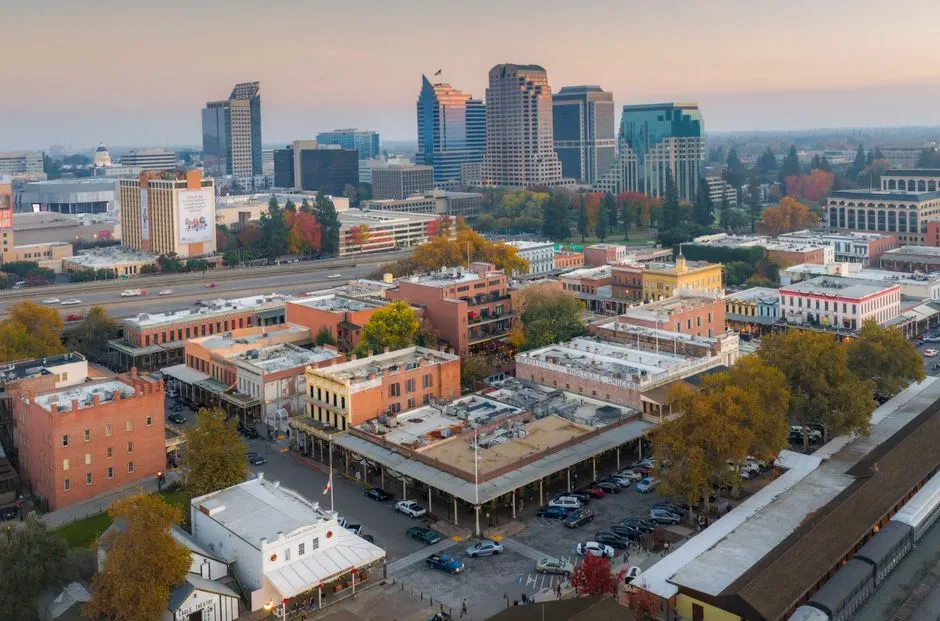
Visalia frequently appears near the top for both ozone and particle pollution in Central Valley rankings. Agricultural activities and vehicle emissions combine with the region’s sunny climate to form ground-level ozone during summer months. The surrounding mountains limit natural dispersion of these pollutants.
Year-round fine particle concentrations remain elevated due to farming operations and regional transport of contaminants. Recent reports note the metro area receiving poor grades for multiple air quality metrics. People living here often check daily forecasts before planning time outdoors.
Fresno, California
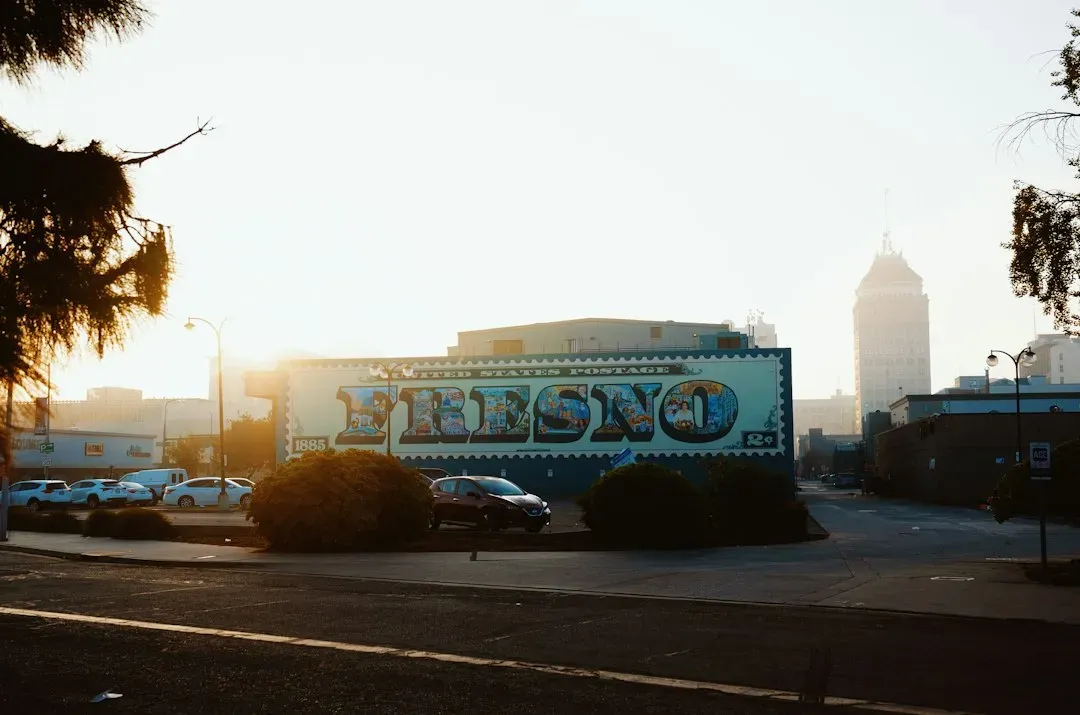
Fresno shares the Central Valley’s pollution challenges, with high rankings for both annual and short-term particle pollution. Emissions from diesel equipment, crop burning, and urban traffic add to the load in this agricultural hub. The valley’s topography keeps pollutants lingering for days at a time.
Ozone levels also climb regularly in warmer weather, pushing the area onto worst-of lists year after year. Monitoring data shows persistent exceedances of health-based standards. Local health officials routinely advise caution during peak pollution periods.
Los Angeles, California
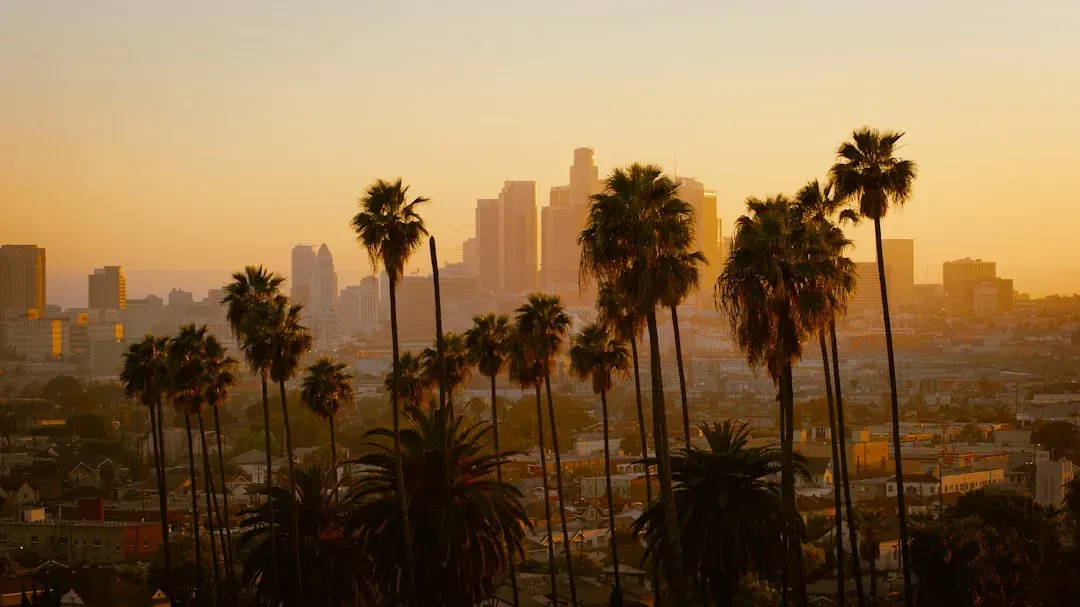
Los Angeles holds the dubious distinction of worst ozone pollution in the nation across most recent State of the Air reports. Vehicle traffic, port operations, and industrial sources feed into smog formation under the area’s abundant sunshine. The basin geography further concentrates these pollutants.
While long-term particle pollution has improved somewhat, the metro area still sees frequent unhealthy days that affect millions. Reports note exposure to dozens of high-ozone days annually. This reality influences everything from school recess schedules to outdoor exercise recommendations.
Phoenix, Arizona
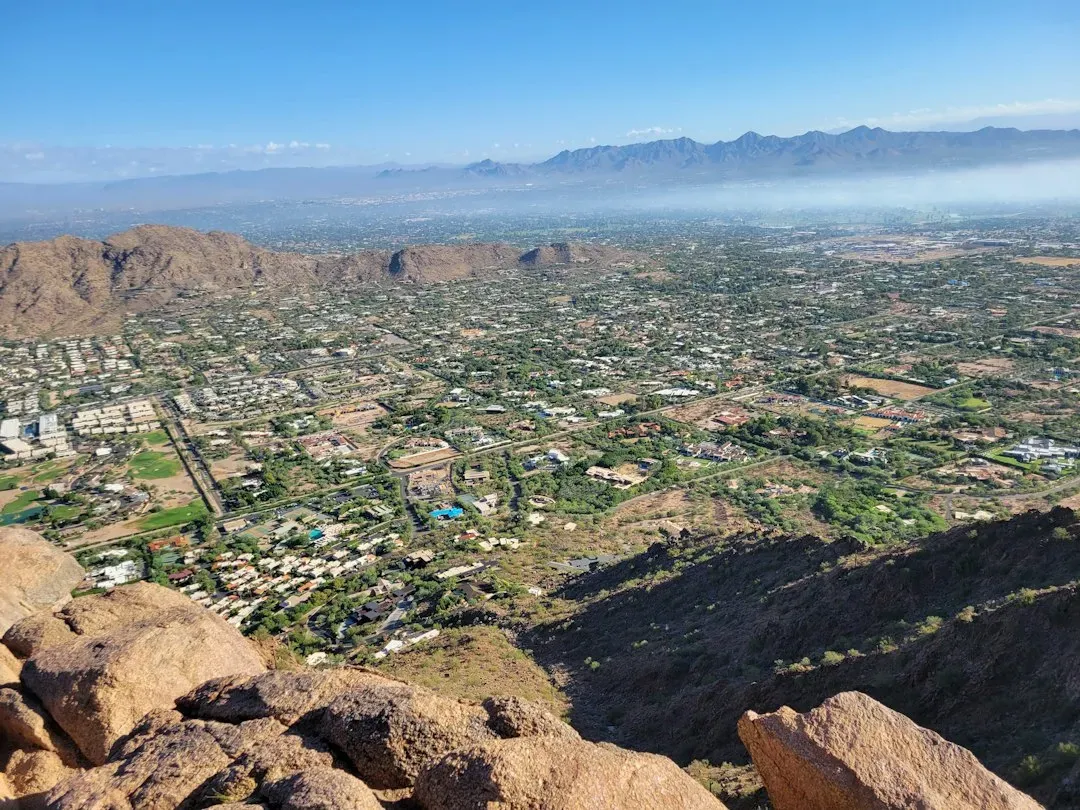
Phoenix ranks high for ozone pollution, fueled by intense heat, vehicle emissions, and desert dust. The metro area’s rapid growth has increased traffic and energy demands that contribute to smog formation. Summer temperatures accelerate chemical reactions that create ground-level ozone.
Particle pollution from construction, wildfires, and windblown dust adds another layer of concern. Recent assessments place the region among the more challenging spots for consistent clean air. Residents often experience hazy skies and air quality alerts during peak seasons.
Houston, Texas
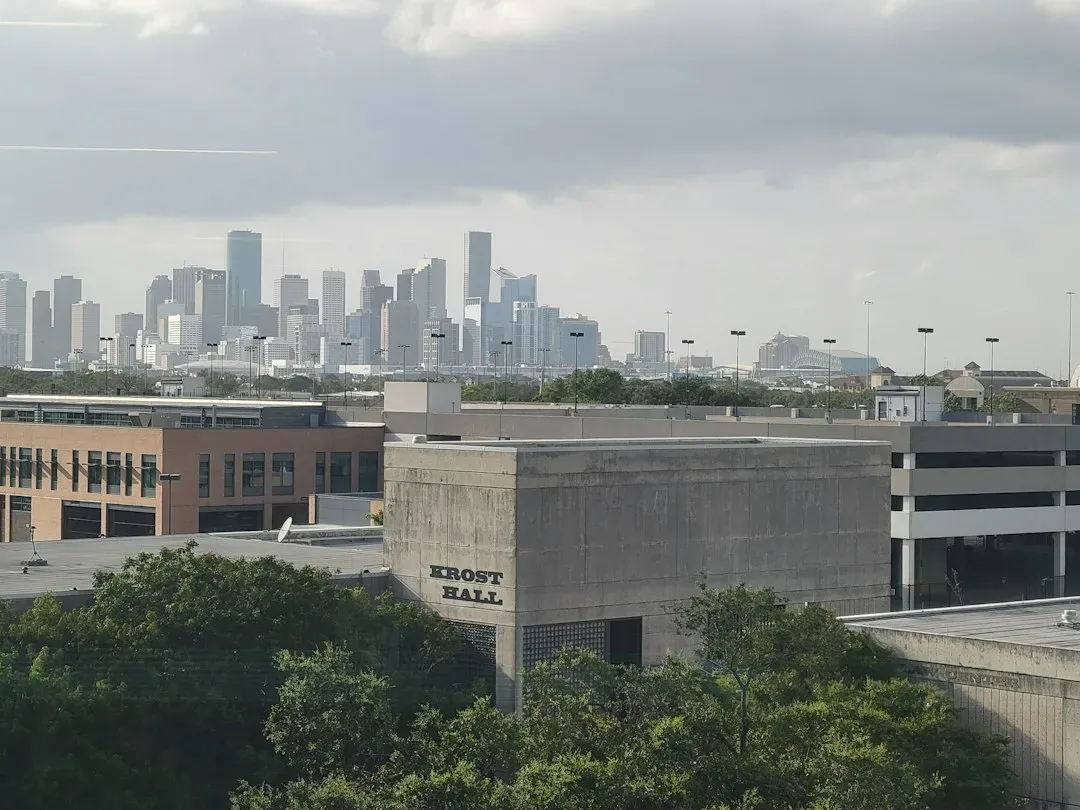
Houston’s industrial base, including petrochemical facilities and ports, drives elevated levels of both ozone and particle pollution. The humid climate and frequent temperature inversions help trap emissions near the ground. Traffic from a sprawling metro area compounds the problem.
Year-round particle pollution rankings place the region in the upper tier of affected cities. Data shows occasional spikes tied to industrial activity and seasonal weather patterns. Health impacts appear in higher asthma rates and respiratory complaints in local studies.
San Diego, California
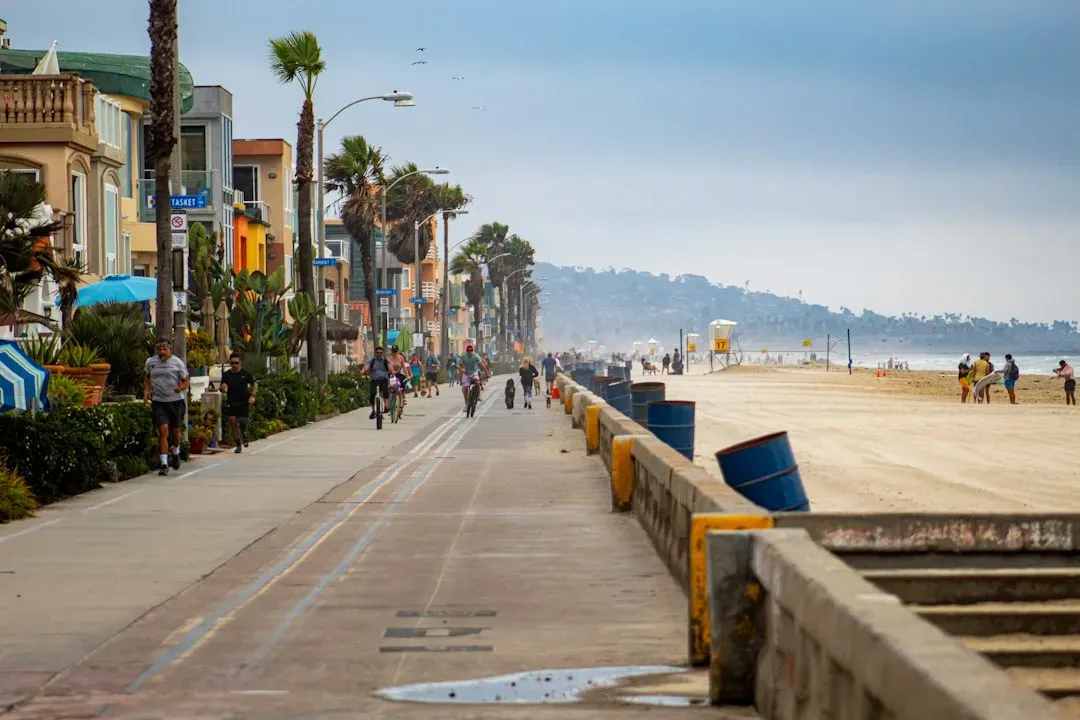
San Diego earns spots on worst lists for particle pollution, influenced by traffic, shipping, and occasional cross-border influences. The coastal setting offers some relief through sea breezes, yet inversions and regional transport still create issues. Ozone formation adds to summer challenges in this sunny climate.
Recent reports tie the area to failing grades for annual fine particles in multiple assessments. Population growth and port activity keep emissions steady. Daily air quality can vary sharply depending on wind patterns and nearby sources.
Denver, Colorado
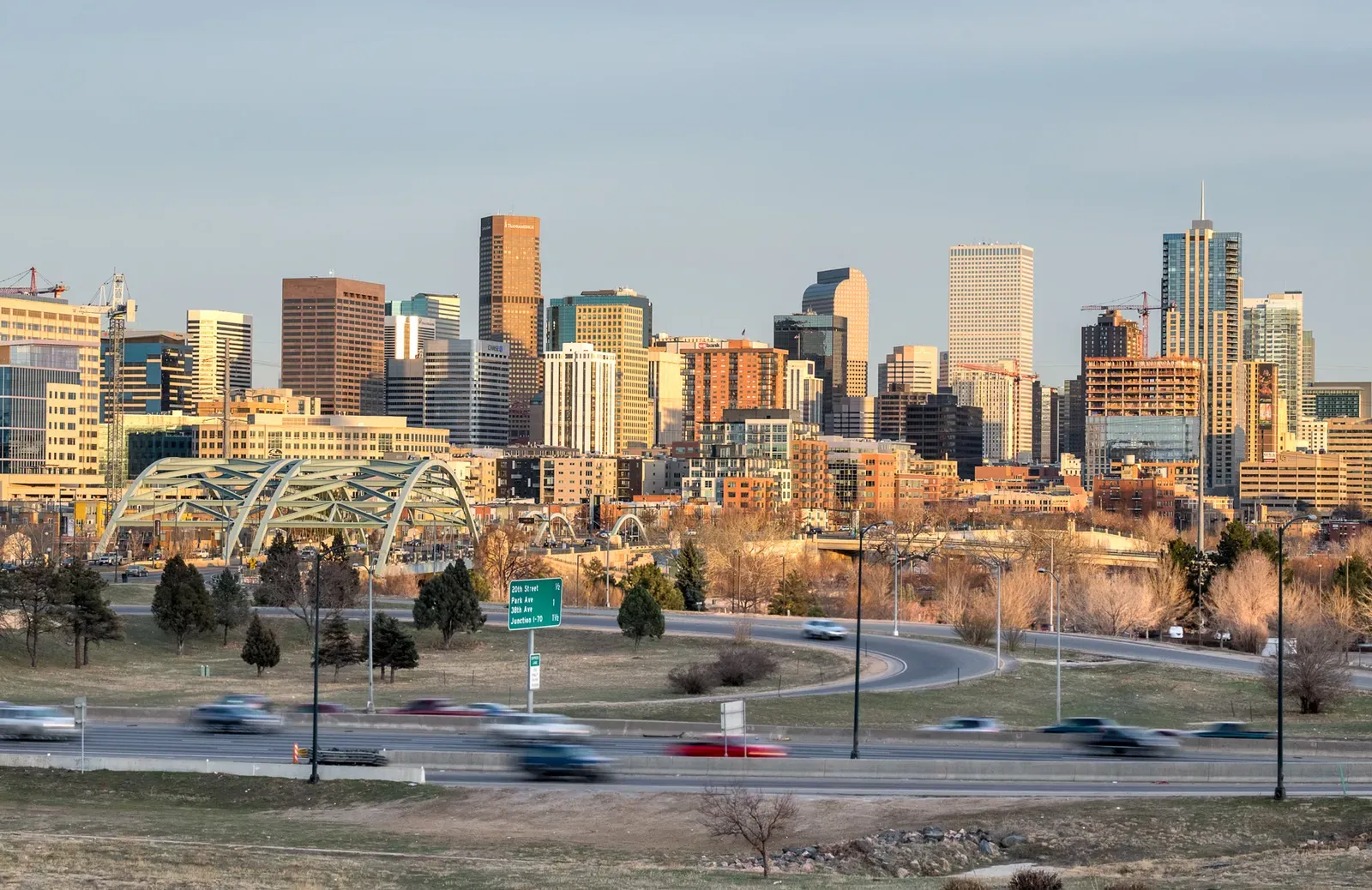
Denver appears on ozone pollution rankings due to vehicle emissions, oil and gas operations, and the high altitude that intensifies ultraviolet-driven smog formation. The Front Range location experiences frequent temperature inversions that trap pollutants in the valley. Wildfire smoke from surrounding regions has added to recent burdens.
Particle pollution from winter heating and dust events further affects air quality in the metro area. Reports consistently note unhealthy days that prompt activity restrictions. The combination of geography and human activity creates persistent challenges for cleaner air.
These cities illustrate how local conditions can amplify pollution problems even as national trends show some improvement overall. Checking current air quality indexes before travel or relocation remains a practical step for anyone concerned about respiratory health. Ongoing efforts by regulators and communities aim to address the root causes, though meaningful change takes time in these complex environments.
