


- Phantom Energy Sucking Power 24/7 – 7 Home Electronics Quietly Inflating Utility Bills - November 14, 2026
- A Million-Mile Storm Raging for Centuries – 6 Violent Weather Wonders in Our System - November 14, 2026
- Animals Flee Hours Before the Tremor – 7 Natural Warnings Before Disasters Strike - November 14, 2026
Most of us treat the trunk like a junk drawer on wheels. Gym bags, old umbrellas and a few stray grocery totes drift around back there for months. Then a winter storm closes a highway, and what’s actually in the car starts to matter a great deal.
Agencies such as the National Weather Service, Ready.gov and AAA publish fairly consistent winter car kit advice. The list below pulls from those recommendations. These nine items are the ones worth keeping in the vehicle all season, not just when snow is in the forecast.
1. An Ice Scraper and Snow Brush
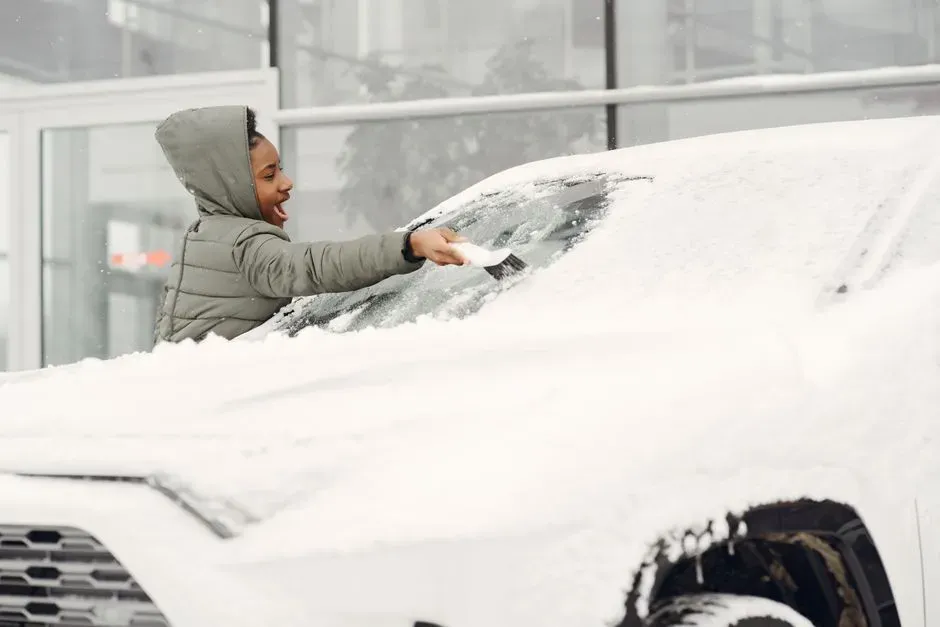
It sounds almost too basic to mention. Yet a scraper is the tool you reach for most often, and Ready.gov lists it among the standard items for a winter vehicle kit. A brush lets you clear the roof, hood and lights, not just a small peephole in the windshield.
Visibility is the whole point. Snow left on the roof can slide onto your windshield when you brake, or fly off and hit the car behind you. Keep the scraper inside the cabin rather than the trunk, because a frozen trunk latch or a buried car makes it hard to reach.
2. Warm Blankets

If you get stuck, the car’s heat is not something you can count on for hours. Ready.gov recommends blankets or sleeping bags in a winter kit for exactly that reason. Wool and fleece hold warmth better than cotton, especially if they get a little damp.
Pack extra layers too, such as a hat, gloves and dry socks. Heat escapes fastest from the head and hands, and wet clothing makes you colder than you’d expect. A compact blanket takes up little room, so there’s little reason to leave it in the closet at home.
3. A Phone Charger or Portable Power Bank
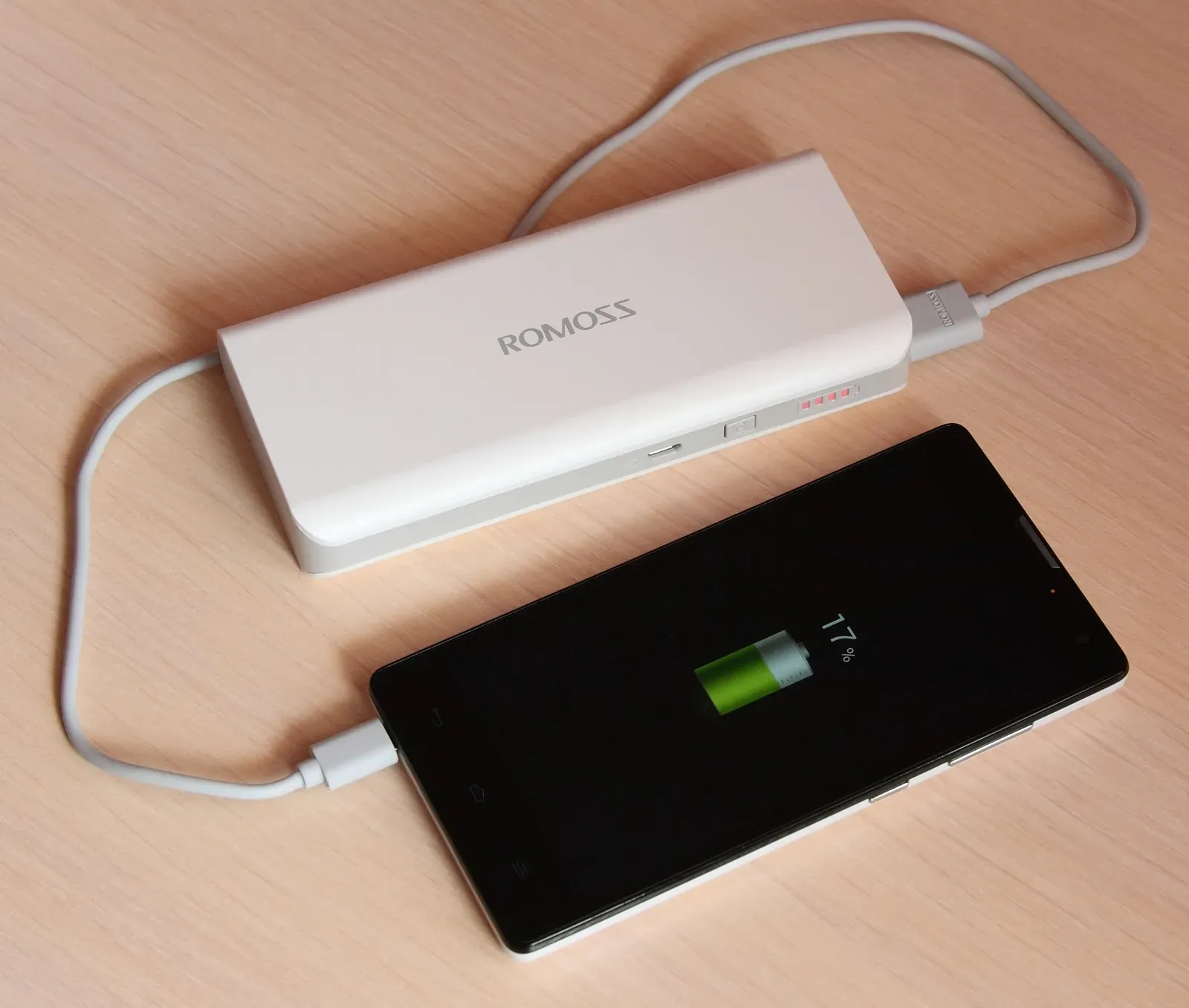
Your phone is your link to tow trucks, emergency services and family. Cold weather drains lithium ion batteries faster than mild weather does, so a phone that showed a comfortable charge in the driveway can fade quickly outside. A charged power bank gives you a backup that doesn’t depend on the engine.
A car charging cable is useful as well. Still, if you’re stranded and running the engine only occasionally, a power bank spares you from burning fuel just to top up a screen. Check it every month or so, since stored batteries slowly lose charge.
4. A Flashlight With Spare Batteries
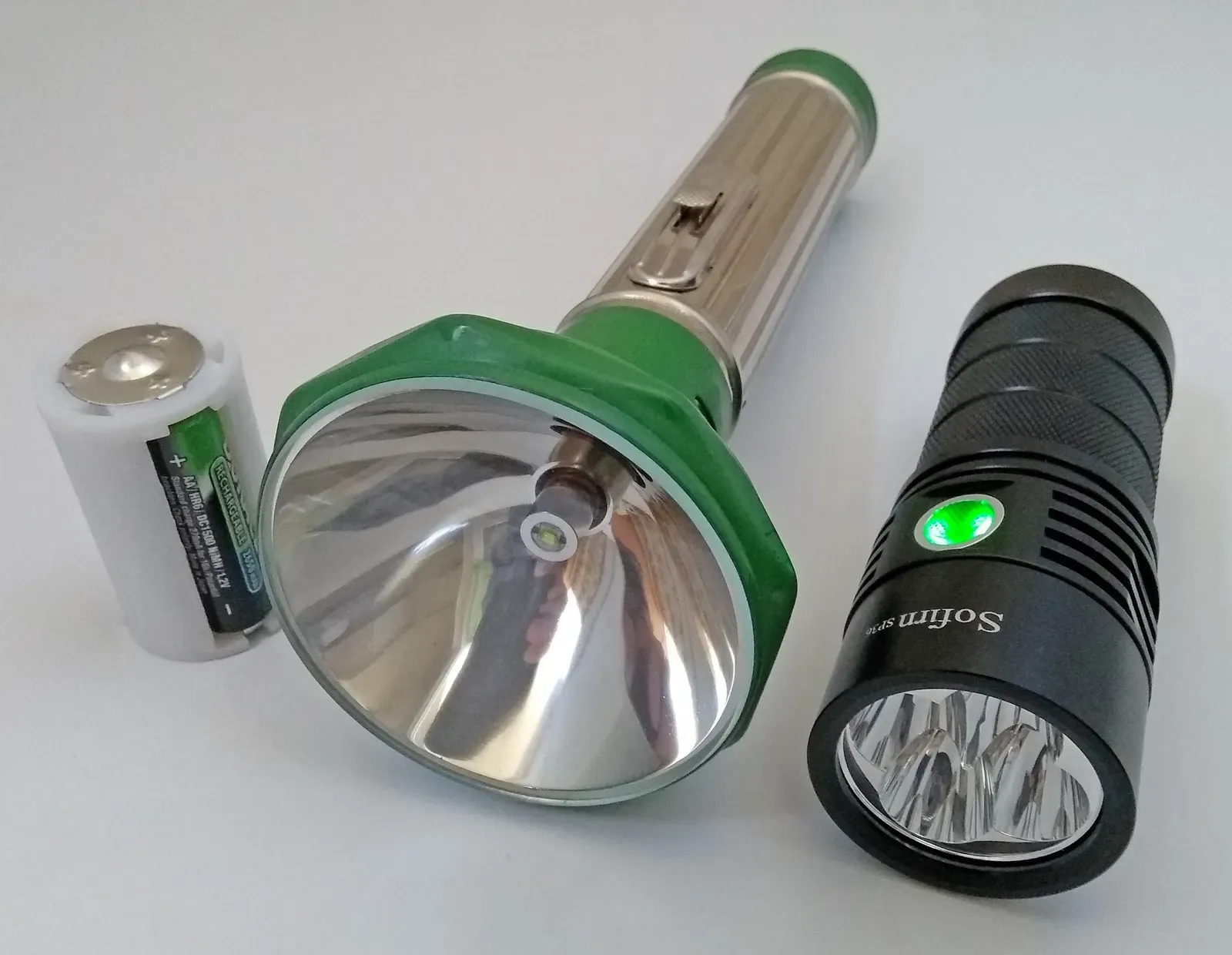
Winter darkness arrives early, and storms make it feel heavier. A flashlight is on nearly every official winter kit list, including Ready.gov’s. It helps you inspect a tire, signal for help or simply find things inside the car without draining your phone.
Pack fresh spare batteries in a separate bag. Cold can weaken batteries, so a flashlight that worked in August may disappoint in January. A headlamp is a handy alternative because it leaves both hands free for changing a tire or digging out snow.
5. Jumper Cables
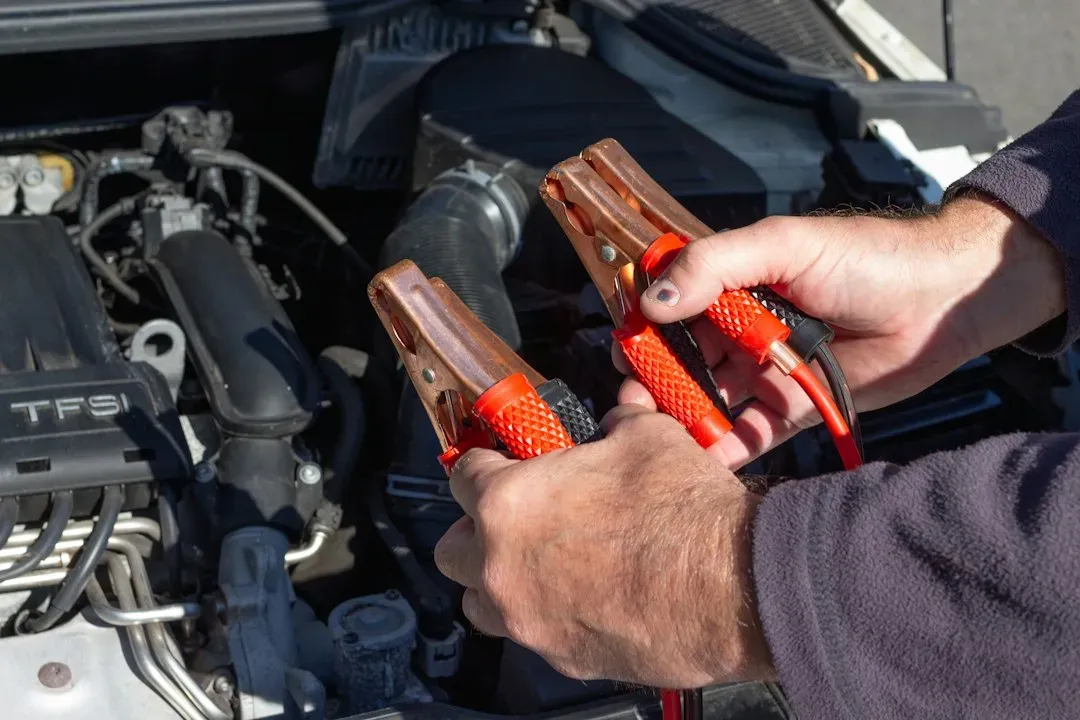
Cold weather is hard on car batteries, and a dead battery is among the most common winter breakdowns that roadside services handle. AAA has long encouraged drivers to have their battery tested before winter and to carry jumper cables. Even if your own battery is healthy, you may end up helping a neighbor or a stranger in a parking lot.
Look for cables with thick, sturdy clamps and enough length to reach between two cars parked awkwardly. Learn the connection order before you need it, because doing it wrong can damage electronics. Many drivers now carry a portable jump starter instead, which works without a second vehicle.
6. Sand or Kitty Litter for Traction
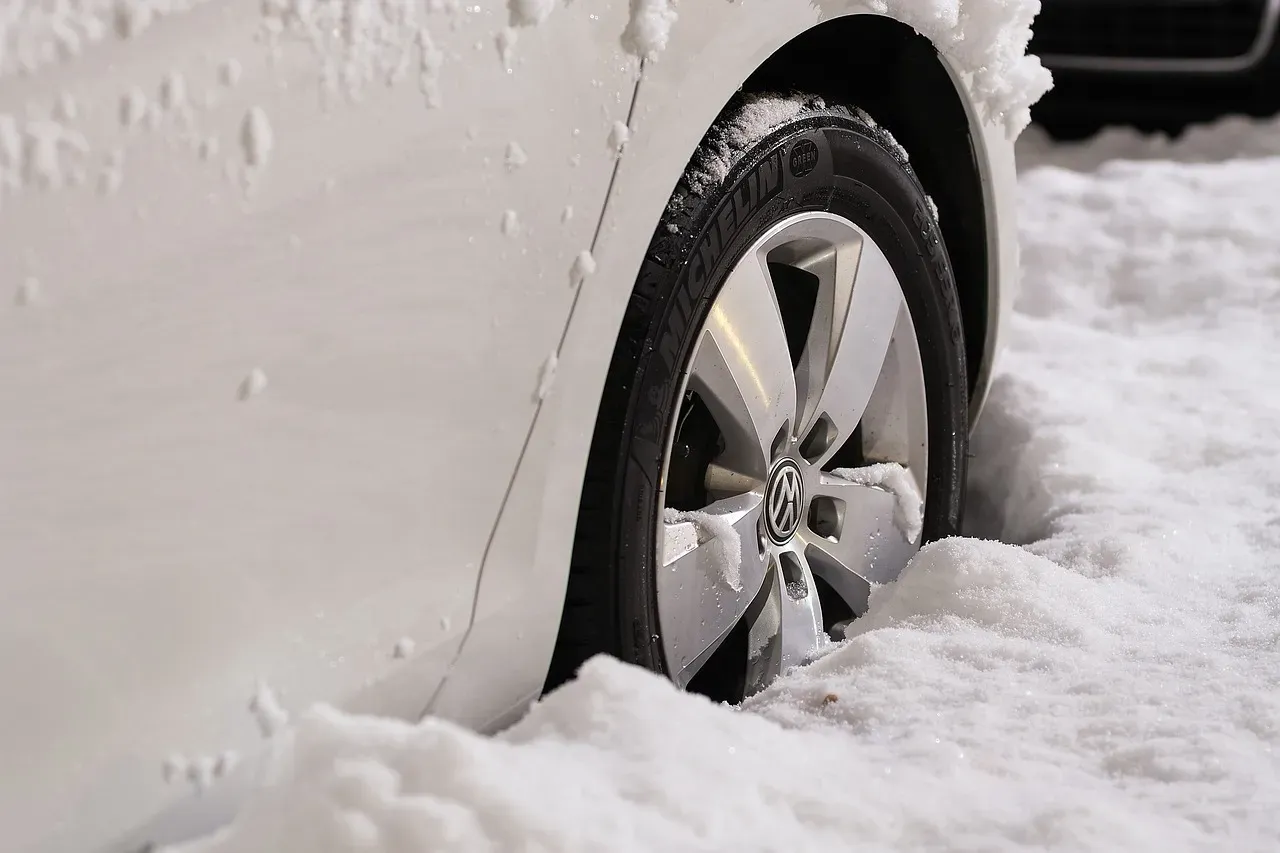
When tires spin on ice, a little grit under them can make the difference between moving and staying put. Ready.gov and many state transportation departments suggest carrying sand or non clumping kitty litter for this purpose. Pour a small amount in front of and behind the drive wheels, and the tires can usually find grip.
The bag also adds weight in the trunk, which some drivers find helpful on rear wheel drive vehicles. Keep it sealed in a sturdy container so it doesn’t spill or freeze into a block. A small bag is plenty for most situations.
7. A Compact Shovel

Snowplows often leave a ridge of heavy snow behind parked cars. A small folding shovel lets you clear around the tires and under the bumper so you can rock free. It appears on standard winter vehicle checklists from Ready.gov for good reason.
Choose metal or strong plastic over flimsy novelty models that crack in the cold. If you’re ever stranded, the shovel also helps you keep the tailpipe clear. The National Weather Service warns that a blocked exhaust can let carbon monoxide build up inside the vehicle, which is a serious danger.
8. Bottled Water and Shelf Stable Snacks

Being stuck for hours is rarely dangerous because of hunger alone. Still, your body uses more energy to stay warm, and a few snacks help. Ready.gov includes food and water in its winter car kit guidance, and items like granola bars, nuts and dried fruit hold up well.
Water can freeze solid in a parked car, so many people keep it in the cabin or pack a bit of extra room in the bottle for expansion. Rotate supplies every few months so nothing goes stale. If the water does freeze, you can often thaw it inside your coat or near the vents.
9. A First Aid Kit
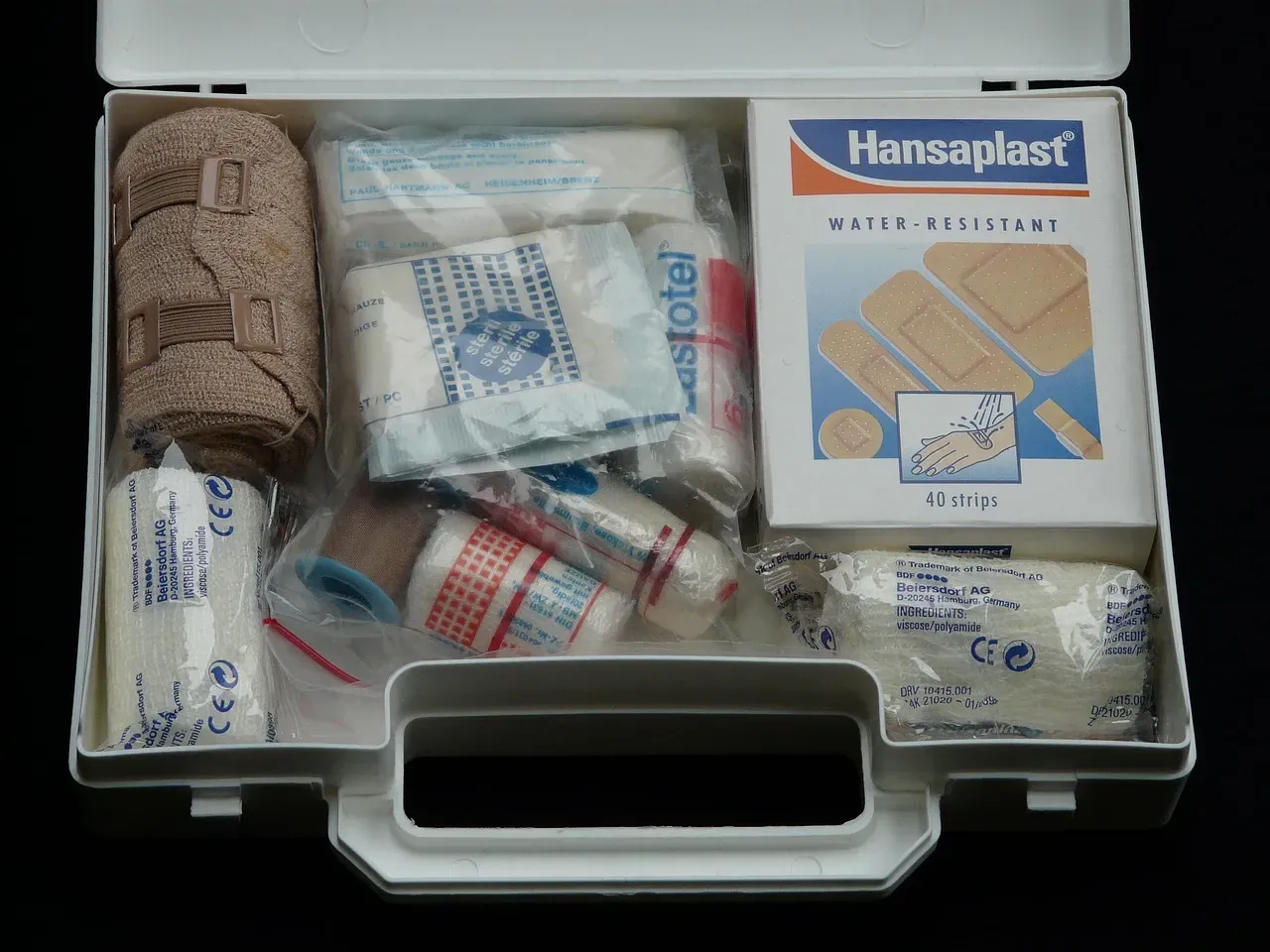
Winter crashes and slips on icy pavement are common, and a basic kit covers small injuries until help arrives. Ready.gov recommends a first aid kit as part of any vehicle emergency supplies. Bandages, gauze, antiseptic wipes, tape and pain relievers cover most everyday needs.
Add any personal items you rely on, such as a spare inhaler or a short supply of regular medication, if storage guidelines allow it. Extreme temperatures can affect some medicines, so check the label for storage advice. Look through the kit each season and replace anything expired or used.
