

- Phantom Energy Sucking Power 24/7 – 7 Home Electronics Quietly Inflating Utility Bills - November 14, 2026
- A Million-Mile Storm Raging for Centuries – 6 Violent Weather Wonders in Our System - November 14, 2026
- Animals Flee Hours Before the Tremor – 7 Natural Warnings Before Disasters Strike - November 14, 2026
In Sweden, the rubbish that leaves your kitchen bin can end up warming a flat across town. Waste isn’t treated only as something to bury. It’s also used as a local fuel in a country with long, cold winters and a big network of district heating.
The system rests on a mix of old infrastructure, municipal responsibility and strict waste rules. It isn’t a magic fix, and it has trade-offs. Here’s how it works, based mainly on figures from Avfall Sverige, the Swedish waste management association.
Heat Networks Make It Possible
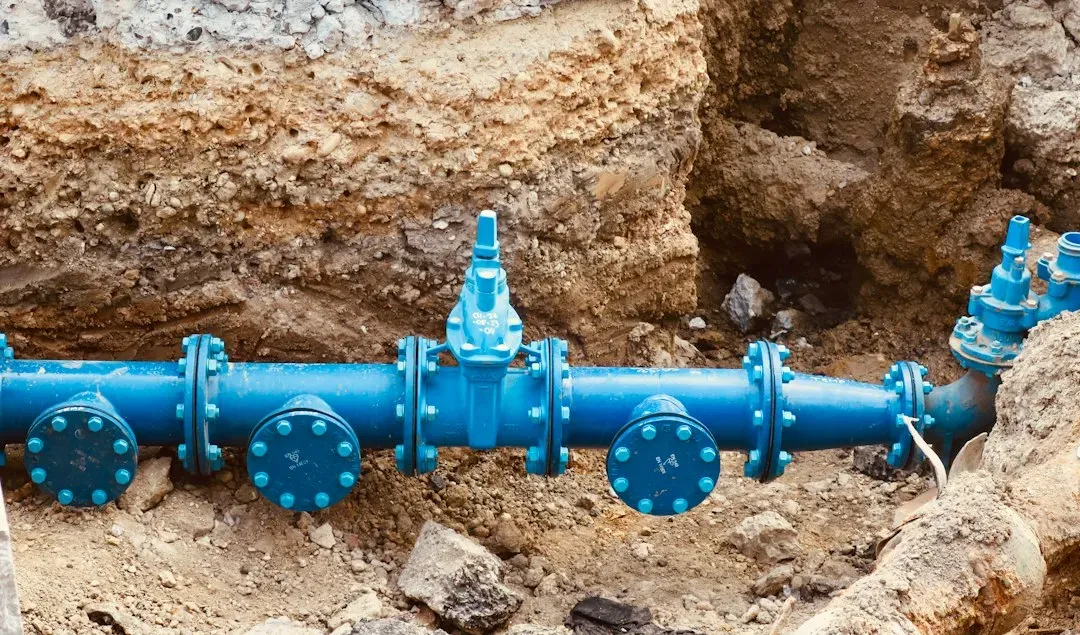
Waste-to-energy works so well in Sweden partly because of the pipes already in the ground. In district heating, a central plant heats water and sends it through underground pipes to many buildings, so each building doesn’t need its own boiler. Sweden’s first district heating network was taken into use back in 1948.
That network gives waste heat a place to go. One older estimate says about half of the nation’s buildings rely on district heating. Without such a network, burning waste would produce heat that nobody could use.
What Happens to a Household Bag of Waste
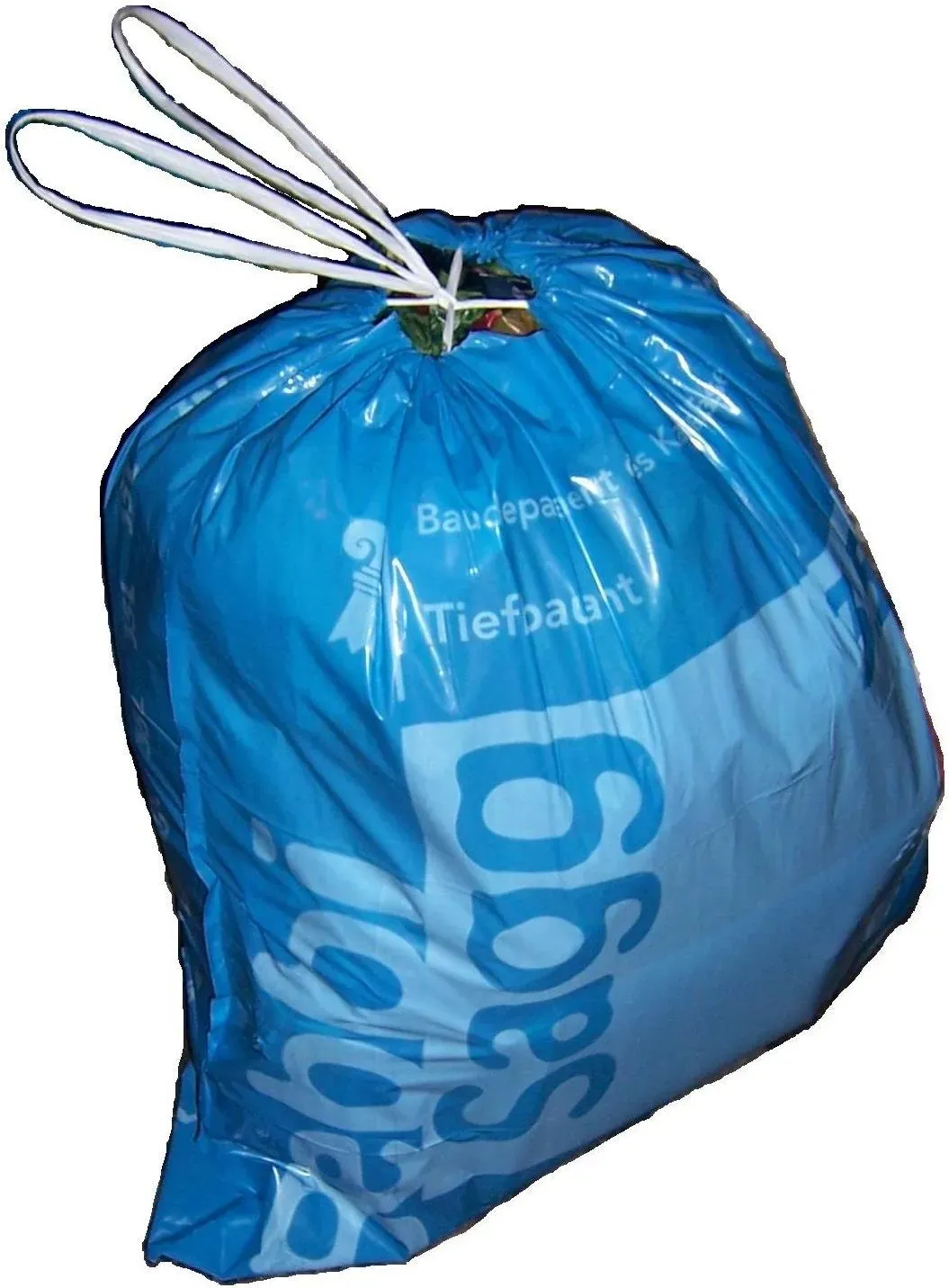
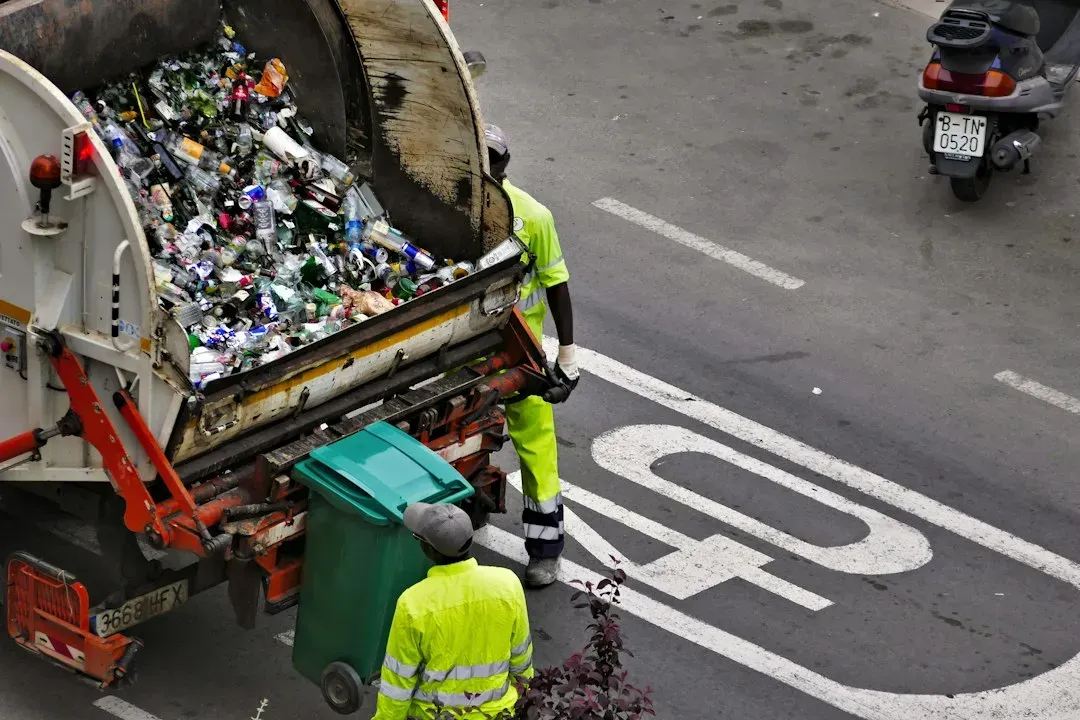
Sweden tries to recover materials first. Waste that can’t be recycled or composted is sent to plants that burn it under controlled conditions. In 2023, household waste from homes and businesses collected and treated in Sweden came to 4.5 million tonnes. That works out to 431 kg for each person, a four percent drop.
The same report puts material recycling at 24 percent of household waste, or 1,105,360 tonnes. Much of the rest goes to energy recovery. Only a small share is landfilled. The figure for landfill loss is 87,000 tonnes.
How Burning Becomes Heat
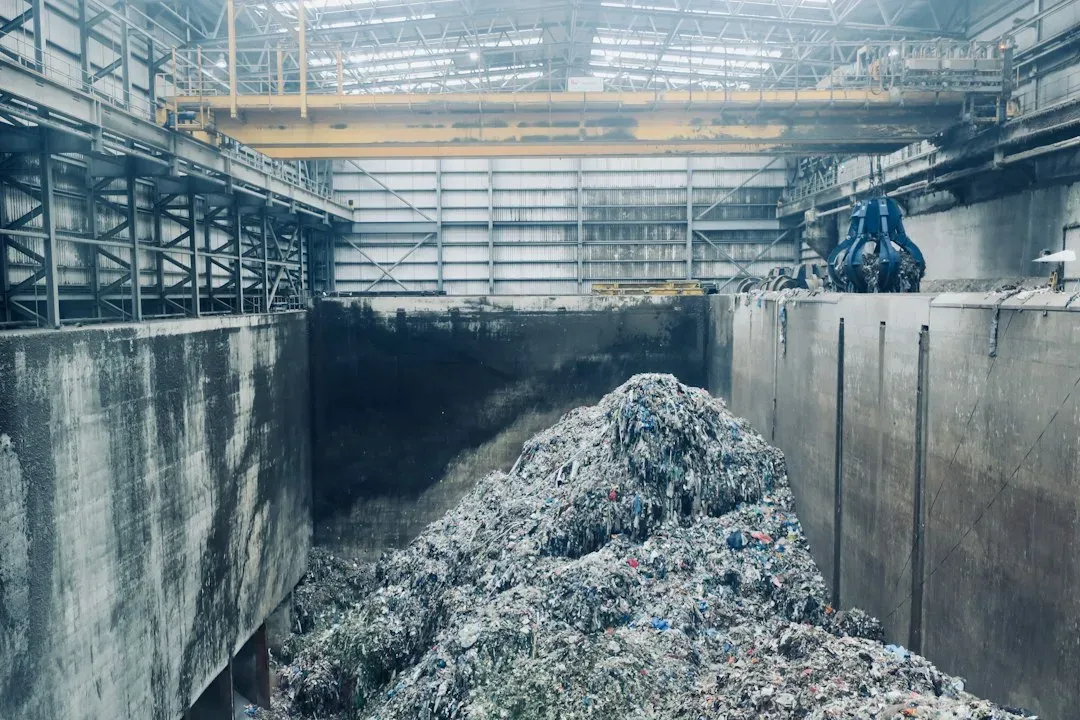
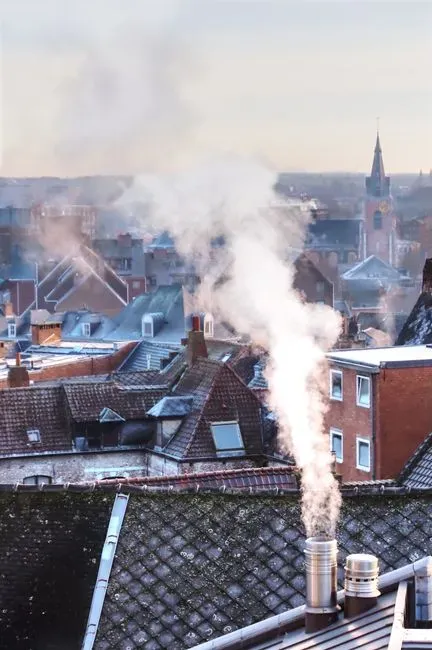
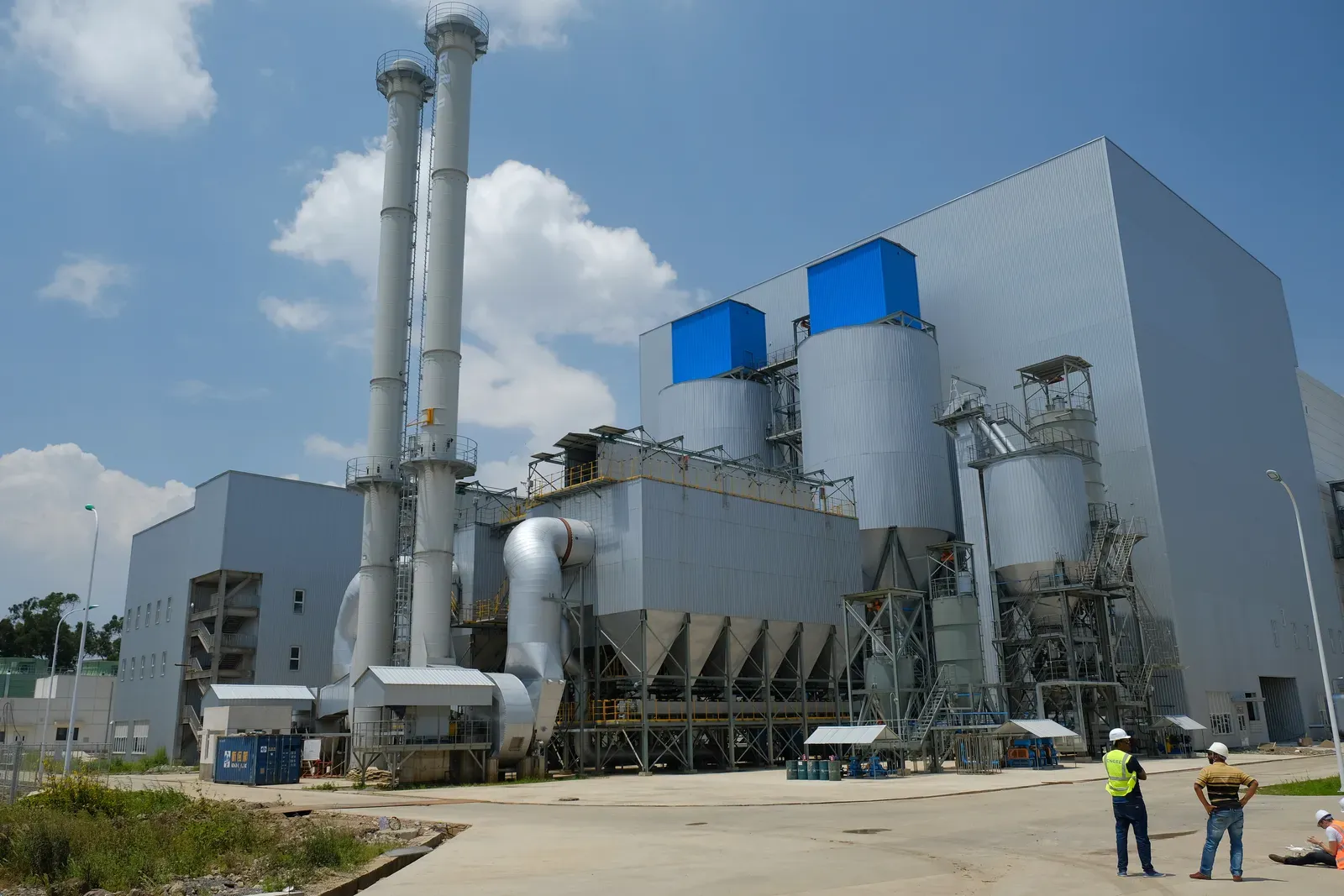
In a waste-to-energy plant, the waste is burned in a boiler. The hot gases heat water into steam, and that heat is passed on to the district heating water. Some plants also run a turbine for electricity, and most of what Sweden recovers goes to heat. In 2022, 21 TWh of energy was recovered, 18 TWh of it for heating and 3 TWh for electricity.
The efficiency stands out. Sweden is among the European countries that recover the most energy per tonne of waste, roughly 3.1 MWh per tonne. Using the heat directly, not just making electricity, is a big part of why.
How Many Homes Are Served
The numbers are large. Avfall Sverige says energy recovery from waste meets the heating needs of more than 1,470,000 apartments and the electricity needs of more than 940,000. Older sources give lower figures, such as 810,000 homes in an earlier brochure, so the contribution has grown over time.
The figures are estimates built on assumptions about how much energy a typical home uses, not metered counts. They’re best read as a sense of scale. Sweden’s most recent report (covering 2023) is also a few years behind us now, so newer numbers may differ.
Who Runs the Plants
Municipalities carry the responsibility for household waste in Sweden. Local municipalities are responsible for household waste. Many plants are owned by municipal energy or waste companies. One example is Renova in western Sweden, whose spokesman once said the only fuel the plant uses is waste.
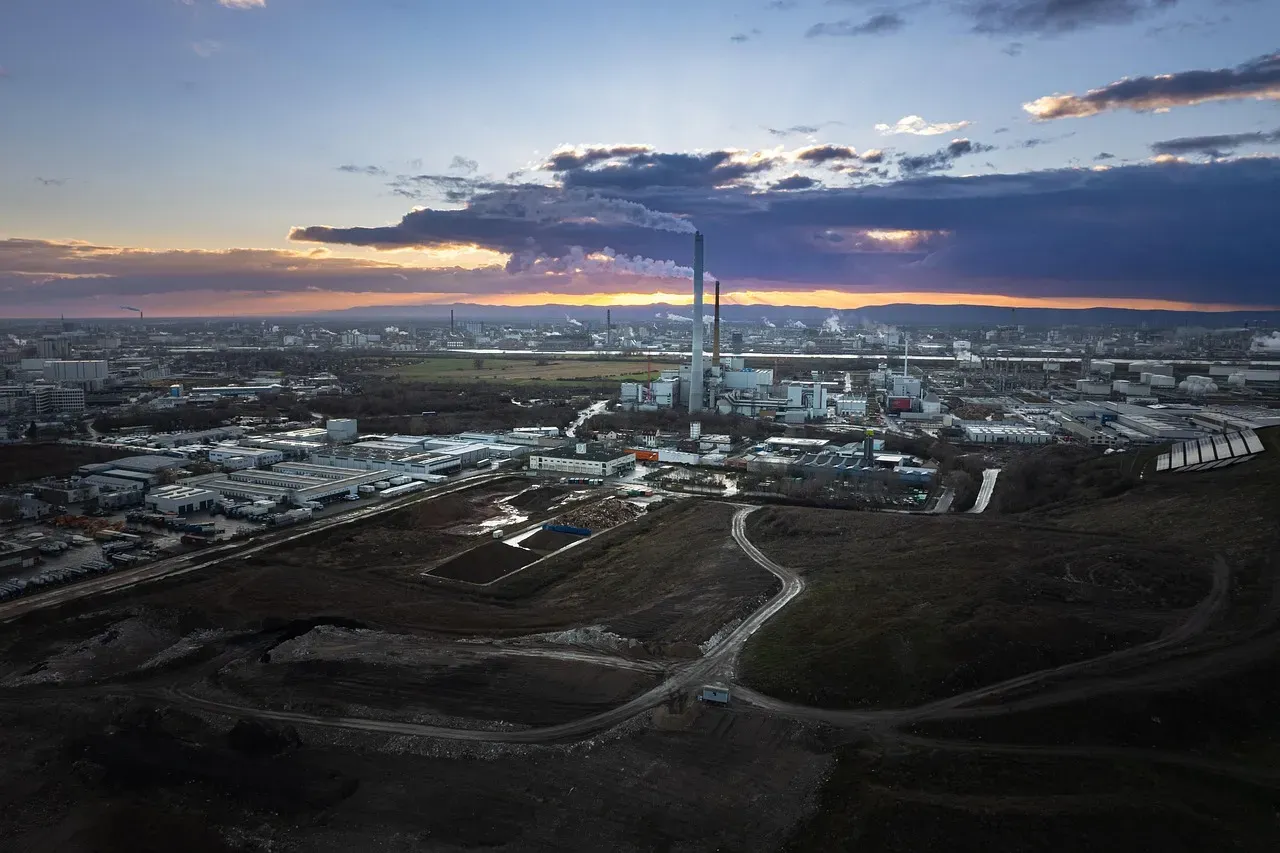
The setup links waste handling and heat supply under local control. Households pay for waste collection, and the heat output feeds district networks. Sweden has 35 incineration plants for household waste with energy recovery, according to the 2022 report.
Waste as a Share of District Heating Fuel

Waste is one fuel among several in Swedish heating plants, alongside biomass such as forestry residues. One older estimate put waste at 19 percent of the fuel in district heating plants. Avfall Sverige itself describes waste as a fuel used in Swedish district heating systems.
That share is important but not dominant. Heating demand varies by region and year, and the mix of fuels shifts as policy and prices change. A single national figure hides these local differences.
Imported Waste and the Supply Question
Sweden’s plants have long had spare capacity. One report says plants received 6.6 million tonnes of waste for energy recovery in 2023, a 2.5 percent decrease on 2022. Only 30 percent of this is household waste, while 70 percent comes from businesses and other industries.
Some of that fuel has been imported. Sweden imported some 800,000 tons of trash in 2014, up from 550,000 tons in 2010, according to Avfall Sverige. That’s old data, and import levels have changed since. The tension is real, though. If a country wants less waste, its plants need less fuel.
Criticism and Limits
Incineration sits below prevention and recycling in the EU waste hierarchy, and Sweden says as much. Avfall Sverige publishes guidance on increasing the pace up the ladder. Burning plastics also releases fossil carbon, so the climate benefit depends on what’s in the waste stream and what the heat replaces.
Plants clean their flue gases, and the residues need handling. Flue gas cleaning residues and fly ash amounted to roughly 267,000 tonnes in the earliest column shown for 2018, versus 281,000 tonnes in 2022. These residues are a cost of the system that rarely makes headlines.
Conclusion
Sweden’s approach works because several pieces fit together: old district heating networks, municipal responsibility for waste, and plants that capture heat. It warms well over a million apartments, but it works best as the last step after reduction and recycling, not a replacement for them. The real test is whether Sweden can keep heating homes while the waste it burns keeps shrinking.
