


- Phantom Energy Sucking Power 24/7 – 7 Home Electronics Quietly Inflating Utility Bills - November 14, 2026
- A Million-Mile Storm Raging for Centuries – 6 Violent Weather Wonders in Our System - November 14, 2026
- Animals Flee Hours Before the Tremor – 7 Natural Warnings Before Disasters Strike - November 14, 2026
Servers see what happens after the plate leaves the table. They notice the half-eaten pasta, the untouched side salad, and the bread basket that gets refilled and thrown out. That view from the dining room says a lot about where food waste really starts.
The numbers back it up. ReFED’s analysis finds that nearly 70 percent of restaurant and foodservice food waste comes from what customers leave behind. Here are ten practices, many of them front-of-house habits, that help shrink that pile.
Offering Half Portions and Flexible Sizes
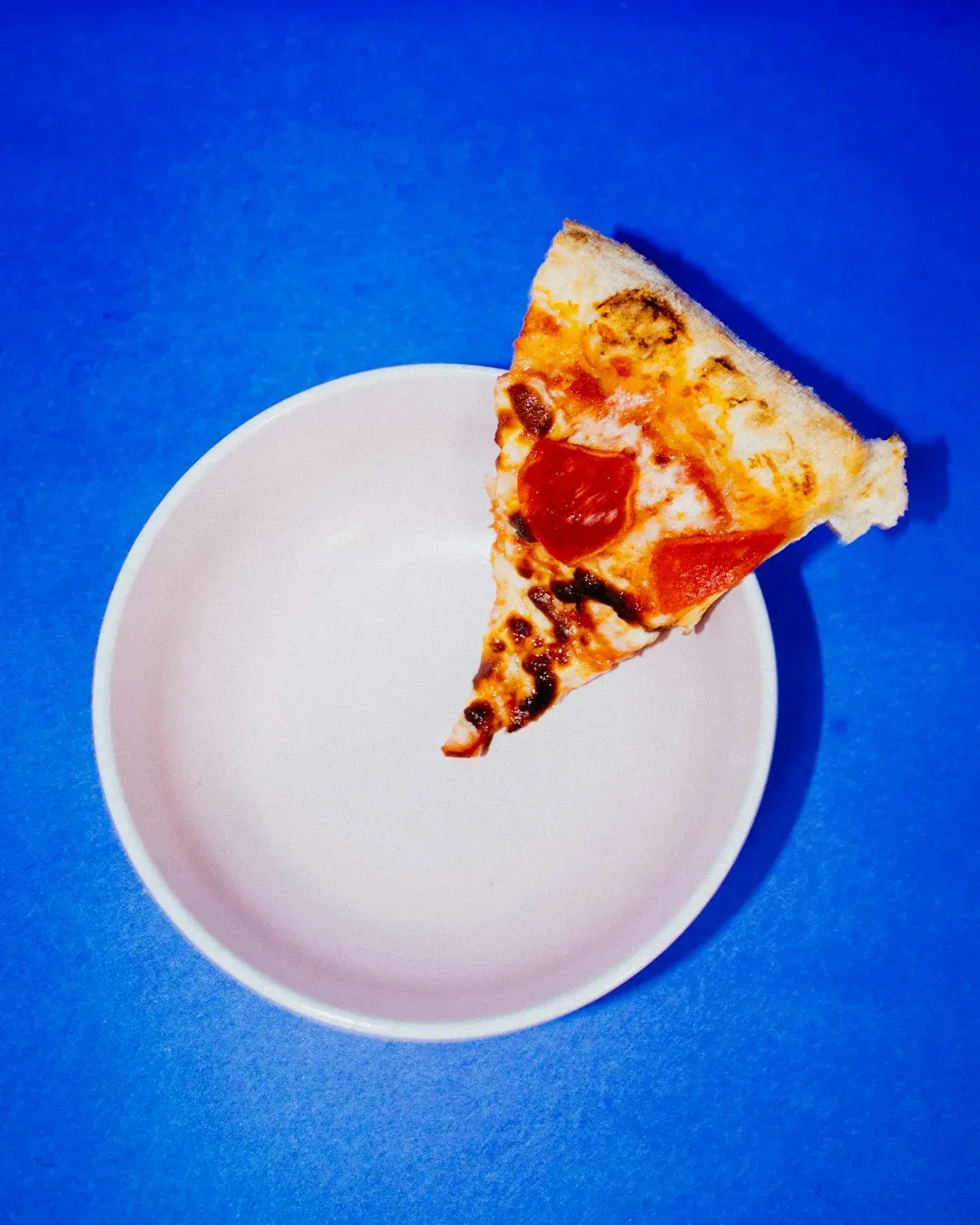
Many guests would happily order less if the menu let them. ReFED recommends flexible portion sizes and à la carte choices to discourage plate waste. A half order of pasta or a smaller entrée gives diners a way to match the meal to their appetite.
The savings can be large across the industry. ReFED’s modeling estimates that offering different portion sizes at restaurants could cut 2.35 million tons of food waste a year and save the foodservice sector $547 million. Servers are often the ones who point out these options at the table.
Asking Guests About Their Appetite
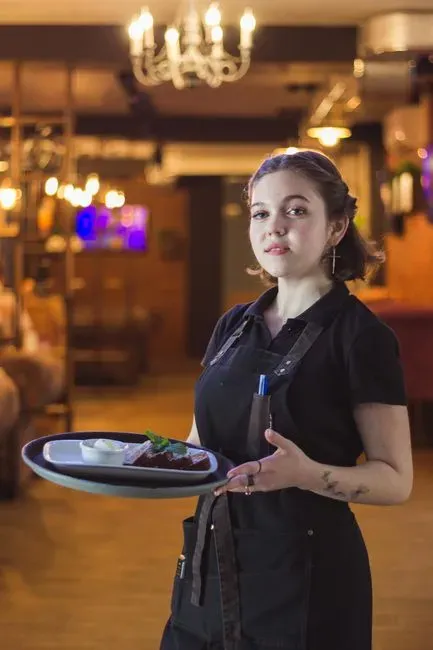
A simple question can steer an order. Some industry guides suggest training servers to ask whether a guest wants a light meal or something hearty. The idea is that good service includes helping guests make appropriate choices.
It doesn’t need to sound like a sales script. A quick note that a dish is large enough to share can prevent an over-order. Guests usually appreciate the honesty, and the kitchen throws away less.
Offering Leftover Containers Proactively
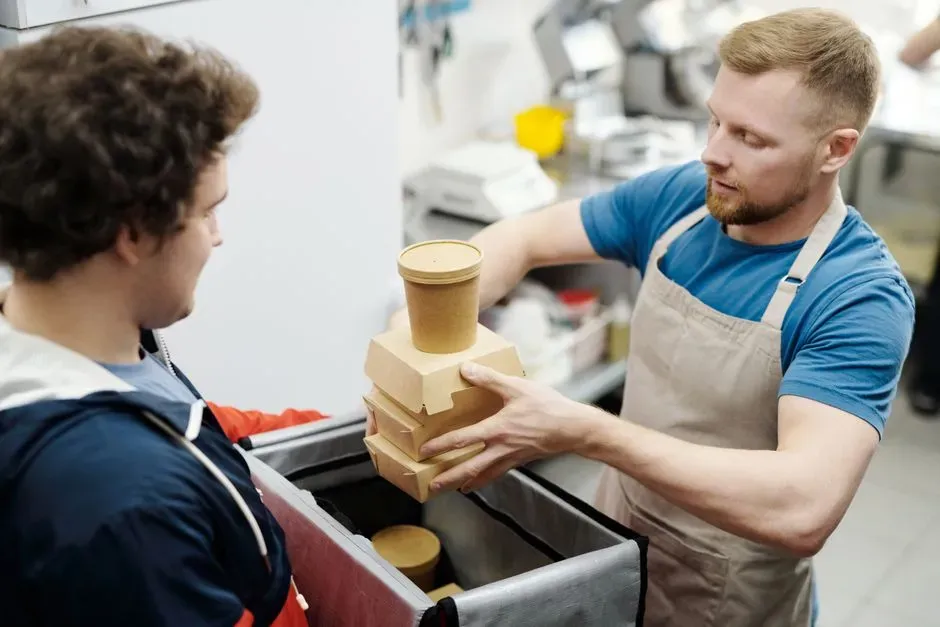
Plenty of diners feel awkward asking for a box. Guides recommend making it easy to take uneaten food home, with servers offering containers before guests have to ask. That small prompt turns a likely scrap into tomorrow’s lunch.
Having the right packaging on hand helps too. Keeping reusable or eco-friendly containers available removes one more reason for a guest to say no.
Letting Guests Swap Sides
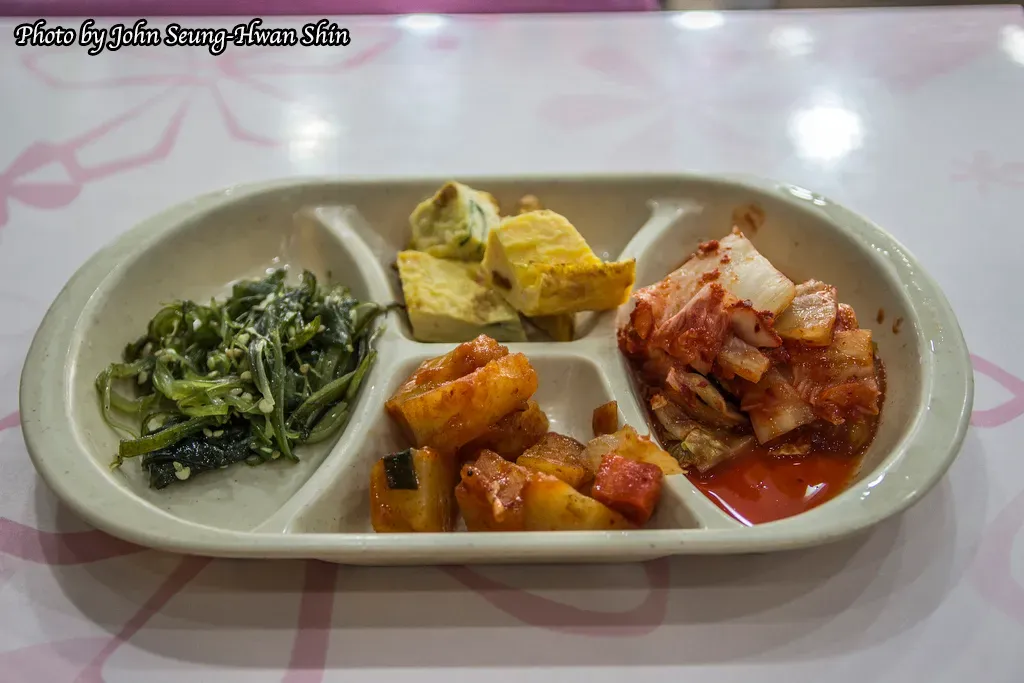
Sides are a quiet source of waste. If a diner never touches the coleslaw that comes with a sandwich, it goes straight into the bin. ReFED’s guide suggests offering a range of sides and clearly marking on menus what can be swapped, so guests get the side they’re most likely to eat.
Servers can reinforce this when taking the order. Asking whether a guest wants fries, a salad, or neither takes seconds. It also tends to improve satisfaction, since people get what they actually wanted.
Serving Smaller Sides With Refills
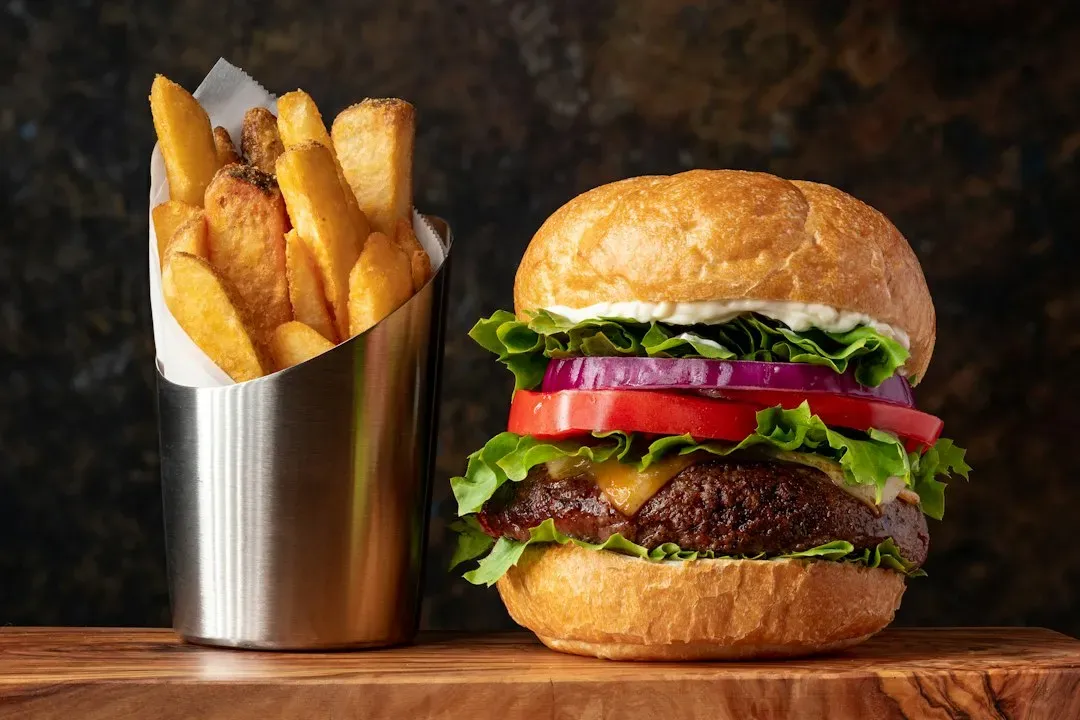
Refills let guests control how much they get. ReFED’s guide describes serving smaller amounts of a standard item, like fries at a burger restaurant, with the option for refills, so guests receive what they want and surplus is avoided.
It works for bread baskets and chips as well. Bringing out a small amount first, then more on request, stops full baskets from being cleared untouched. Servers often find that guests rarely ask for a second round.
Using Smaller Plates
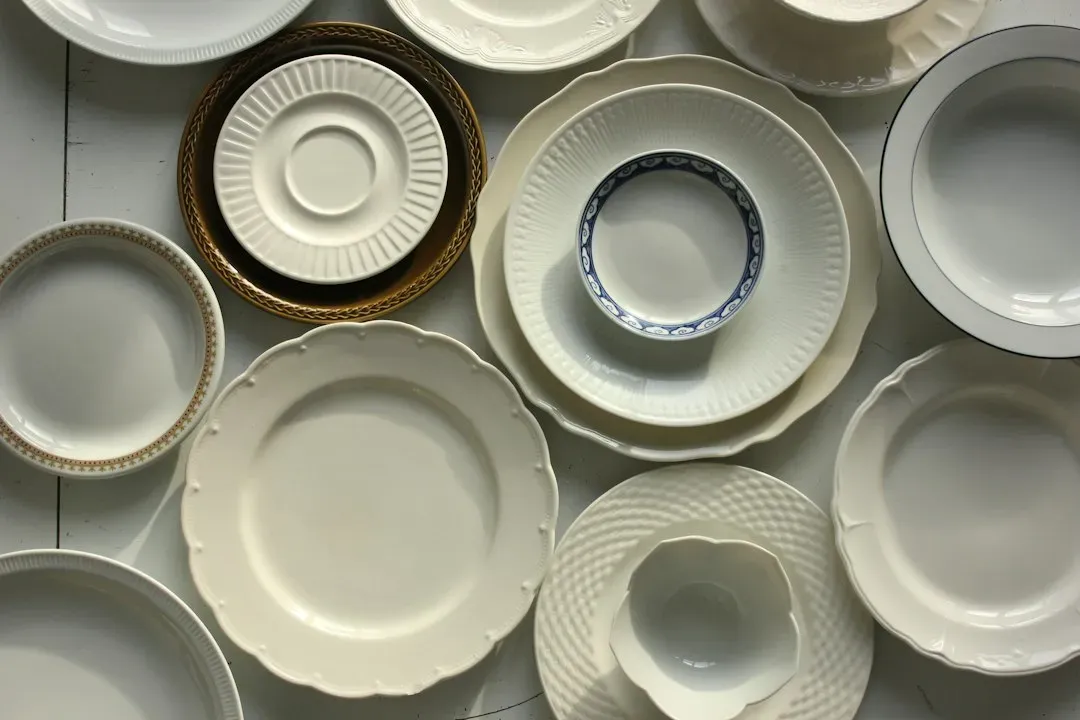
Plate size changes how much food looks right. Psychologically, plate size can influence how much food people think belongs on their plate. A smaller plate can make a moderate portion feel generous.
The effect shows up in buffet settings too. ReFED’s guide says smaller plates can reduce waste by 20 percent at buffet-style operations. That figure comes from an older guide, so results in any given restaurant will vary.
Reporting What Comes Back to the Kitchen
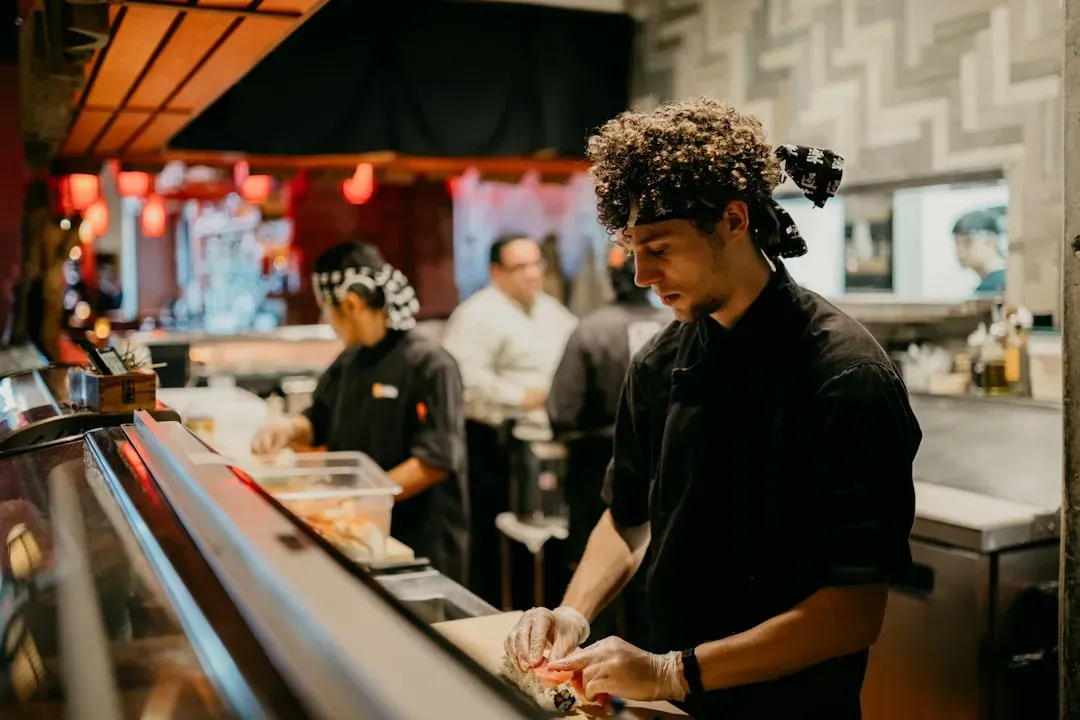
Servers are well placed to spot patterns. If the same item keeps coming back half-eaten night after night, the portion is probably too large. A quick word to the kitchen is often all it takes.
Some guides recommend making it routine. They suggest training servers to note what customers leave behind and report patterns to the kitchen. Trimming a portion by an ounce or two often goes unnoticed by customers, while cutting both food and disposal costs.
Tracking Waste With Simple Tools
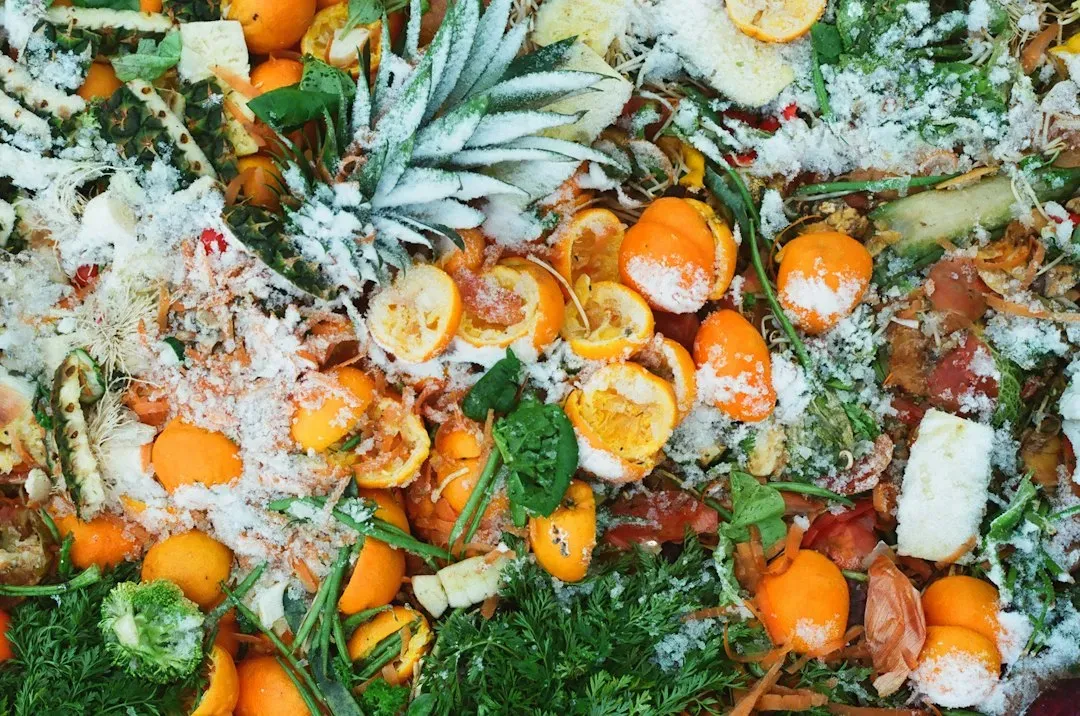
You can’t fix what you don’t measure. ReFED recommends waste tracking to inform production, menu planning, and inventory management. Staff at every level can help by logging what gets discarded and why.
The payoff can be practical. The National Restaurant Association, citing ReFED research from April 2024, found that tracking food waste can cut food costs by two to six percent. Many operations begin with little more than a scale and a log sheet.
Pushing Daily Specials That Use Surplus
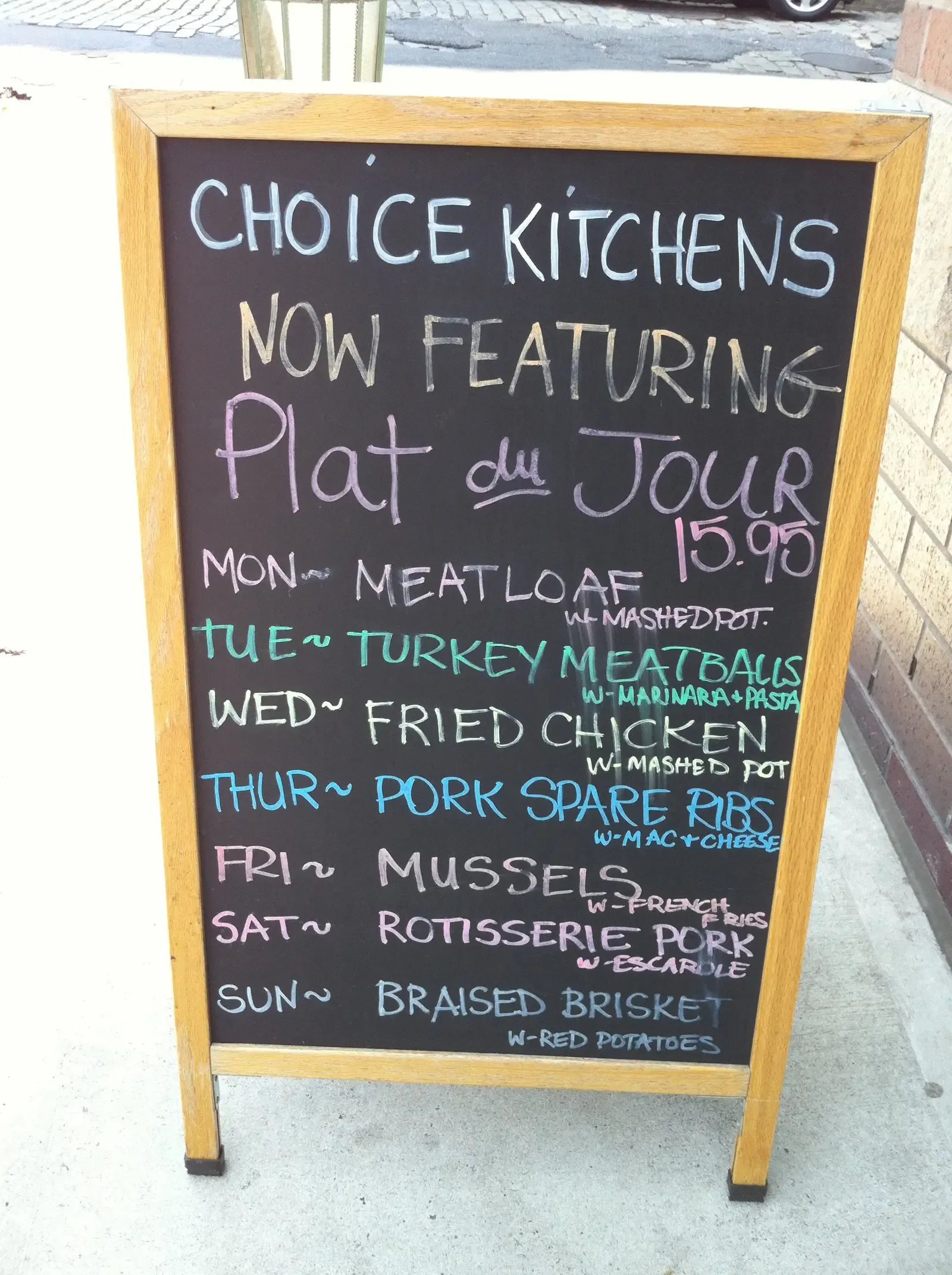
When the kitchen has extra produce or protein, a special is a sensible outlet. Specials are a common way to use up surplus ingredients and reduce waste. Servers play a big part, because a special only works if guests hear about it.
A well-described special can sell out before ingredients spoil. That keeps the menu fresh for regulars and stops usable food from being tossed. It’s a rare case where waste reduction doubles as a selling point.
Supporting Menus That Reuse Ingredients
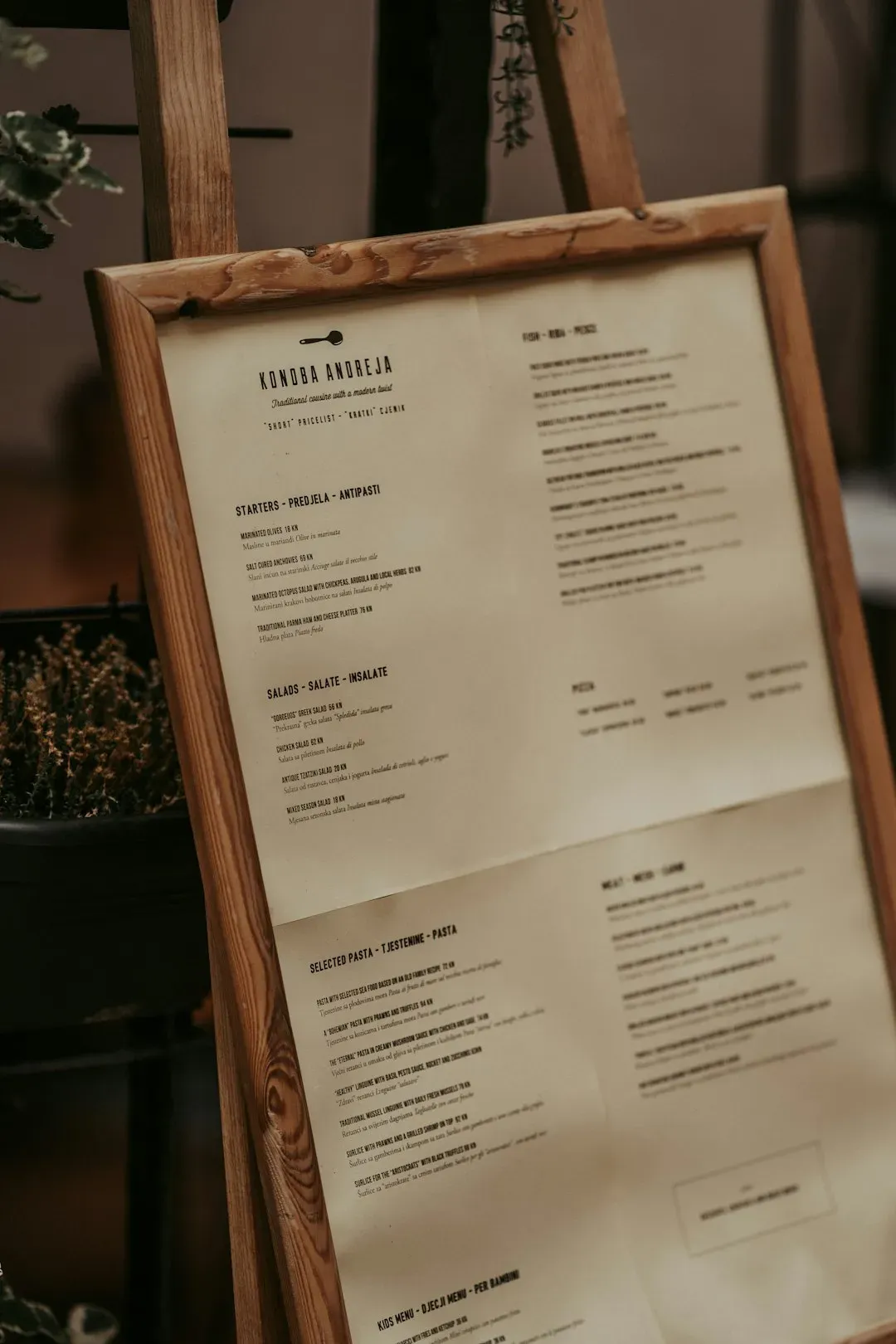
Menu design sets up waste before service even starts. ReFED lists smaller menus, product repurposing, and whole-product utilization among low-waste menu solutions. Fewer dishes mean fewer perishable ingredients sitting unused.
Cross-use is the core idea. One ingredient, such as chicken, can appear across several dishes, with breasts in a salad, thighs in a stir-fry, and bones saved for stock. Servers who know how dishes connect can recommend items the kitchen is better equipped to prepare with what’s on hand.
