

For years, the story sounded settled. A collision between our Milky Way and its largest neighbor, the Andromeda galaxy, was predicted to occur in about 4.5 billion years, and astronomers have anticipated it since 1912. It showed up in textbooks, documentaries and planetarium shows.
Then, in June 2025, a team led from Finland looked at the problem again with better data. Their result, published in Nature Astronomy, turned a near certainty into something closer to a coin toss. Here’s what they did and why it matters.
The old forecast and where it came from
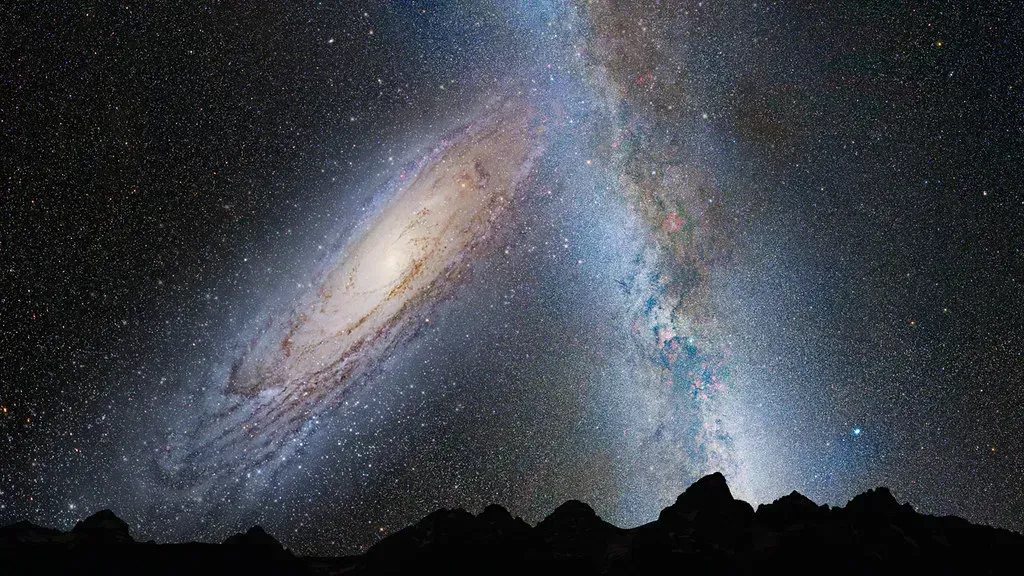
The earlier prediction rested on measurements of how Andromeda moves relative to us. Those observations found Andromeda moving toward the Milky Way at roughly 110 kilometers per hour, which made an eventual encounter look inevitable. Over time, that picture hardened into common belief.
The expected outcome was dramatic. The two large spiral galaxies that define the Local Group would form a new elliptical galaxy. Some have nicknamed that future galaxy Milkomeda.
Who ran the new study
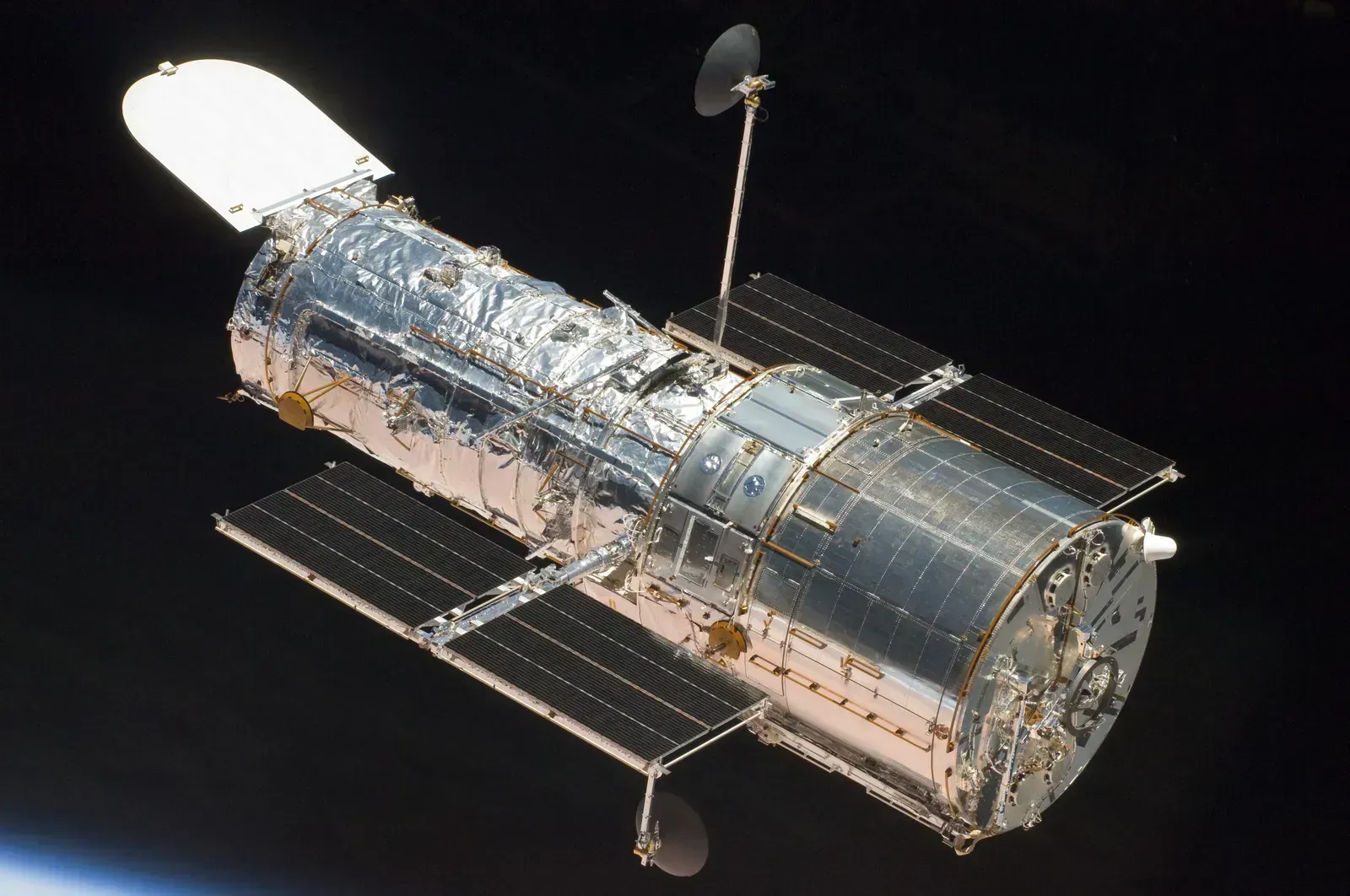
The work was led by Till Sawala, an astrophysicist at the University of Helsinki. The team used observations from the Hubble Space Telescope and the Gaia star-surveying spacecraft to judge how likely a collision really is. The paper appeared in Nature Astronomy in 2025.
The journal lists it as volume 9, pages 1206 to 1217, under the title “No certainty of a Milky Way–Andromeda collision.” That title sums up the finding fairly well.
What the headline number actually says
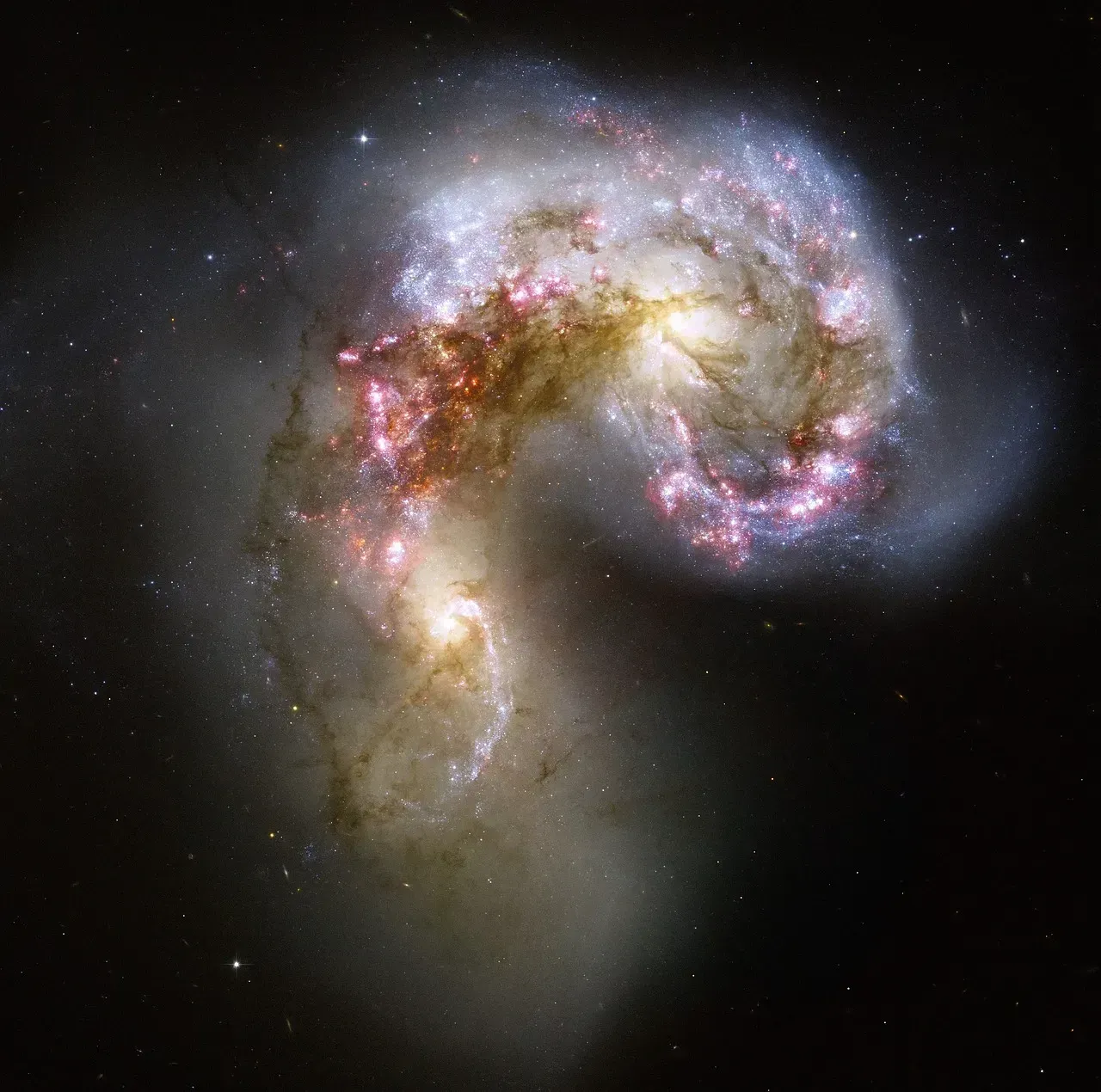
The authors found that uncertainties in the present positions, motions and masses of all the galaxies leave room for drastically different outcomes. They put the probability of no merger during the next 10 billion years at close to half. So the odds are even, and the window is long.
That window matters. There is only about a 2% chance the galaxies will collide in 4 to 5 billion years, as previously thought. A merger is still possible, but it would probably happen much later than the old estimate.
Why a head-on crash is unlikely
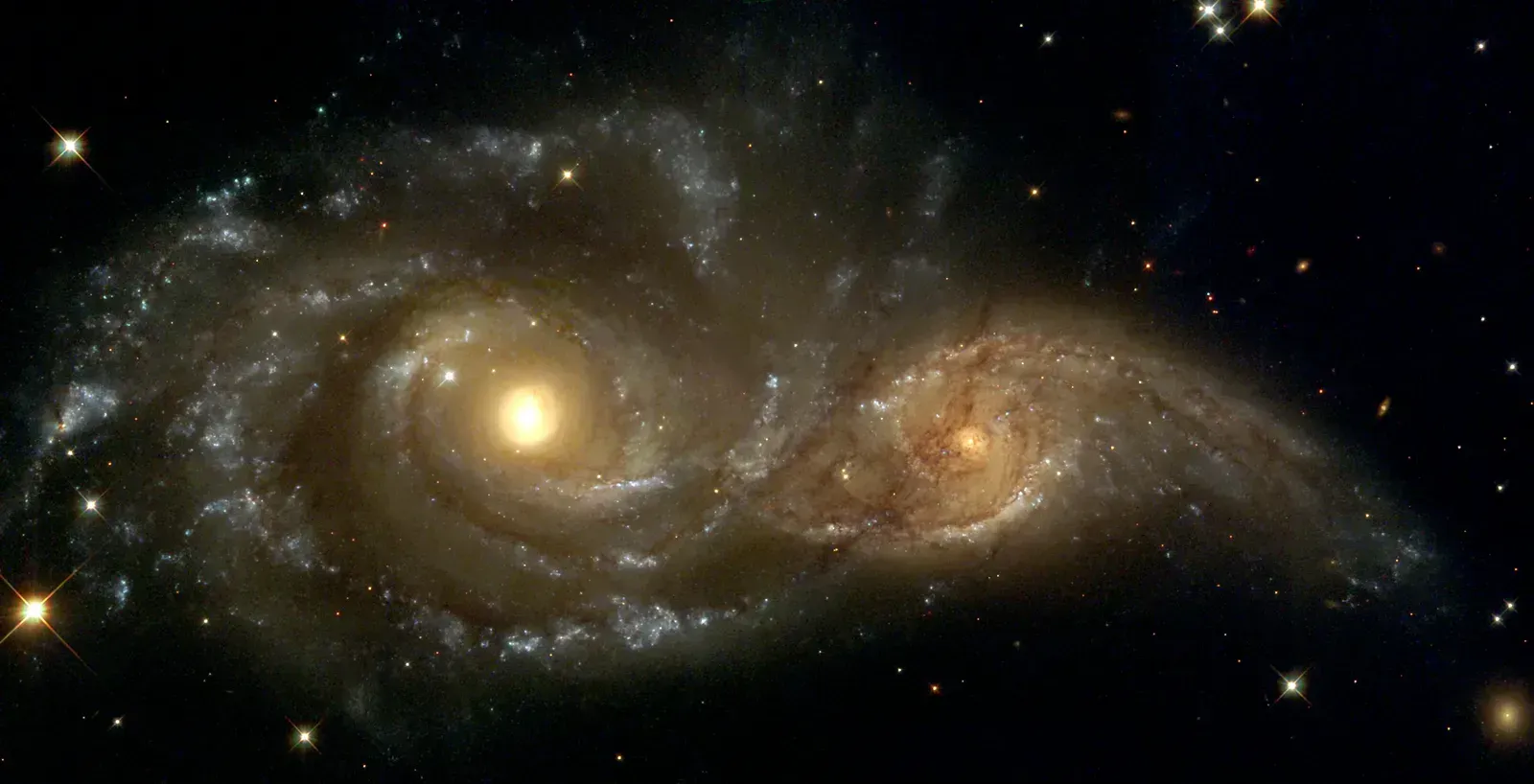
Many people picture two galaxies plunging straight into each other. The study suggests that isn’t the likely route. Sawala said a head-on collision is very unlikely, with a chance of less than 2%.
If a merger does happen, it would more likely follow a looser path. The galaxies could swing past each other, then come back and merge over a long stretch of time.
The Large Magellanic Cloud changes the picture
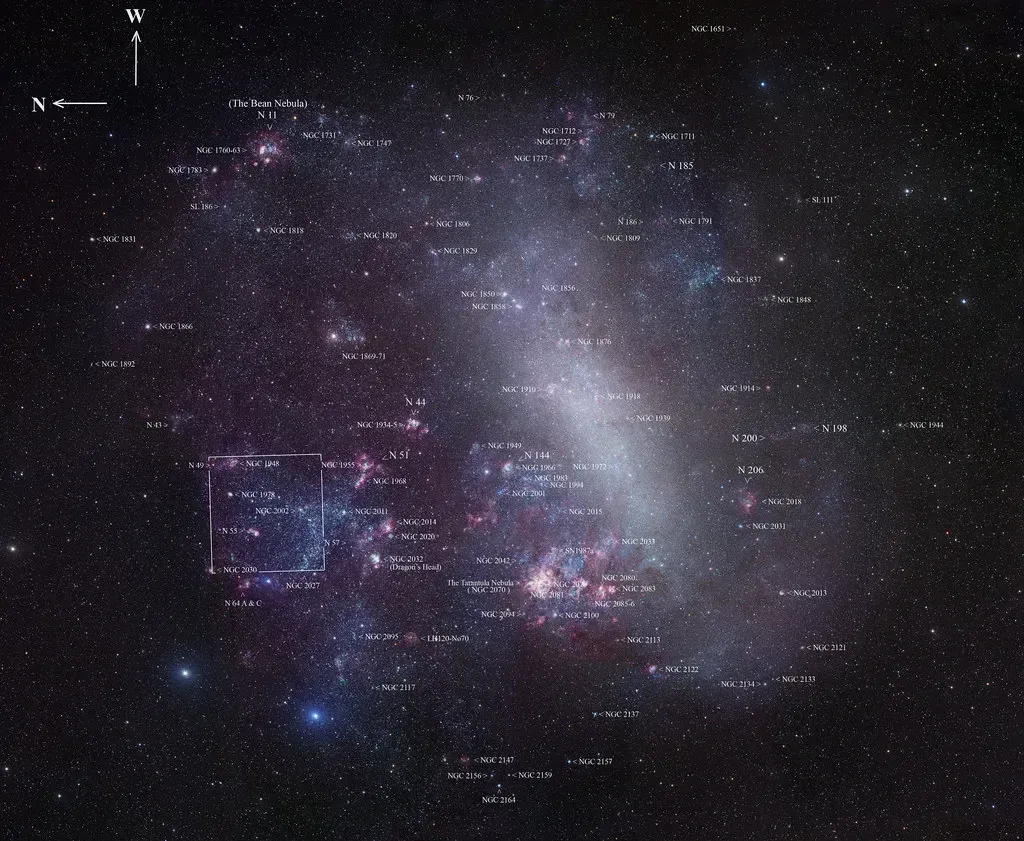
Earlier models often treated the Milky Way and Andromeda as a simple pair. The new work added more players. The orbit of the Large Magellanic Cloud runs perpendicular to the Milky Way–Andromeda orbit and makes their merger less probable.
It’s a smaller galaxy, yet its pull counts. Its mass is only about 15% of the Milky Way’s, but its gravity shifts the Milky Way’s motion enough to lower the chance of a merger.
Triangulum pushes the other way
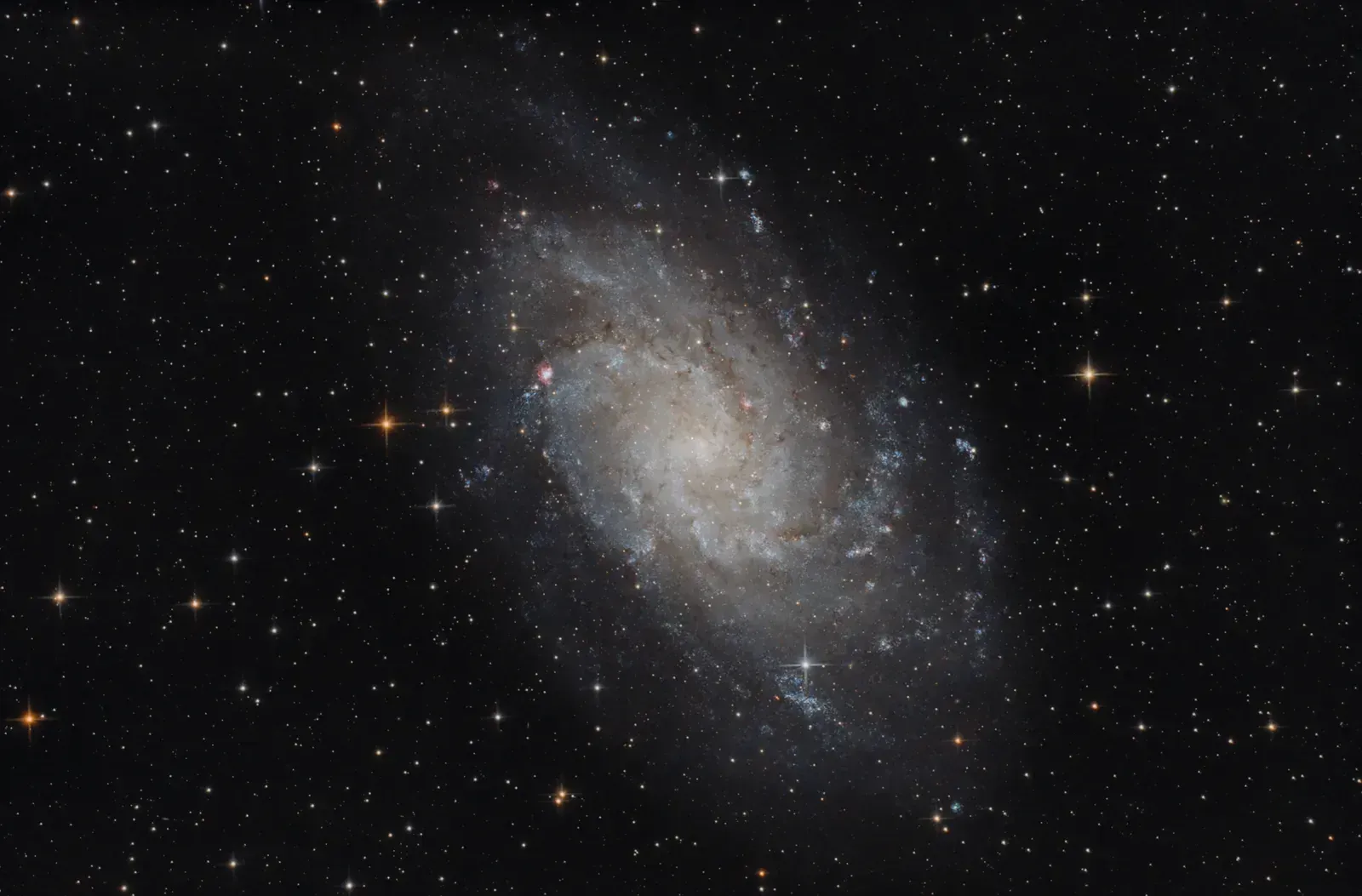
Not every nearby galaxy lowers the odds. The LMC orbits the Milky Way, while M33, also called Triangulum, is a satellite of Andromeda. Its influence runs in the opposite direction.
In the simulations, Triangulum’s gravity increased the chance of a collision, while the LMC decreased it. With all four objects included, the predicted odds of an eventual merger came to 50 percent.
Running the numbers many times
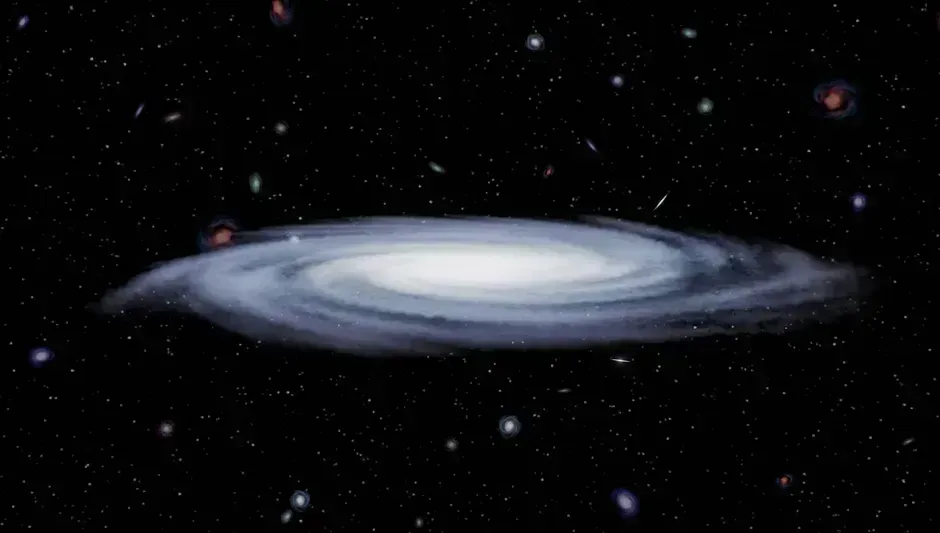
The team couldn’t pin down a single future, so they tested many. They factored in the gravitational pull of Local Group galaxies and ran 100,000 simulations using the new Hubble and Gaia data. Each run started from slightly different, but plausible, measurements.
The method is a Monte Carlo approach. The paper describes 50,000 samples for its fiducial model and 2,500 for each variant, enough to keep statistical errors on the merger rate below 1%.
Why the uncertainty is so large
Small measurement errors add up over billions of years. The team accounted for 22 different variables, including unknowns, that could contribute to a collision. Each one carries its own margin of error.
Better data could narrow the range. For now, the authors are cautious. They wrote that, based on the best available data, the fate of our galaxy is still completely open.
What it means for the Milky Way and for us
The study doesn’t say a collision won’t happen. It says the two galaxies have a 50 percent chance of avoiding one in the next ten billion years. The prediction is now one of several possible outcomes.
For people on Earth, the timing makes it a distant matter. The scenarios that made a merger less likely also showed the Milky Way is far more likely to absorb the Large Magellanic Cloud. The Milky Way’s long future is still being worked out, one measurement at a time.

- The Shoreline Sucked Dry in Seconds – 5 Tsunami Signals Beachgoers Mistake for Low Tide - November 14, 2026
- 9 Dark-Sky Destinations Around the World Where the Stars Look Unreal - November 14, 2026
- The Fault Line That Never Slips – 7 Locked Seismic Zones Overdue for a Massive Release - November 14, 2026
