


- NASA invites students to design a moon base in $1 million challenge - November 11, 2026
- Why Some People Can Feel a Storm in Their Joints, According to Experts - November 11, 2026
- 7 Foods That Taste Better on a Rainy Day, According to Chefs - November 11, 2026
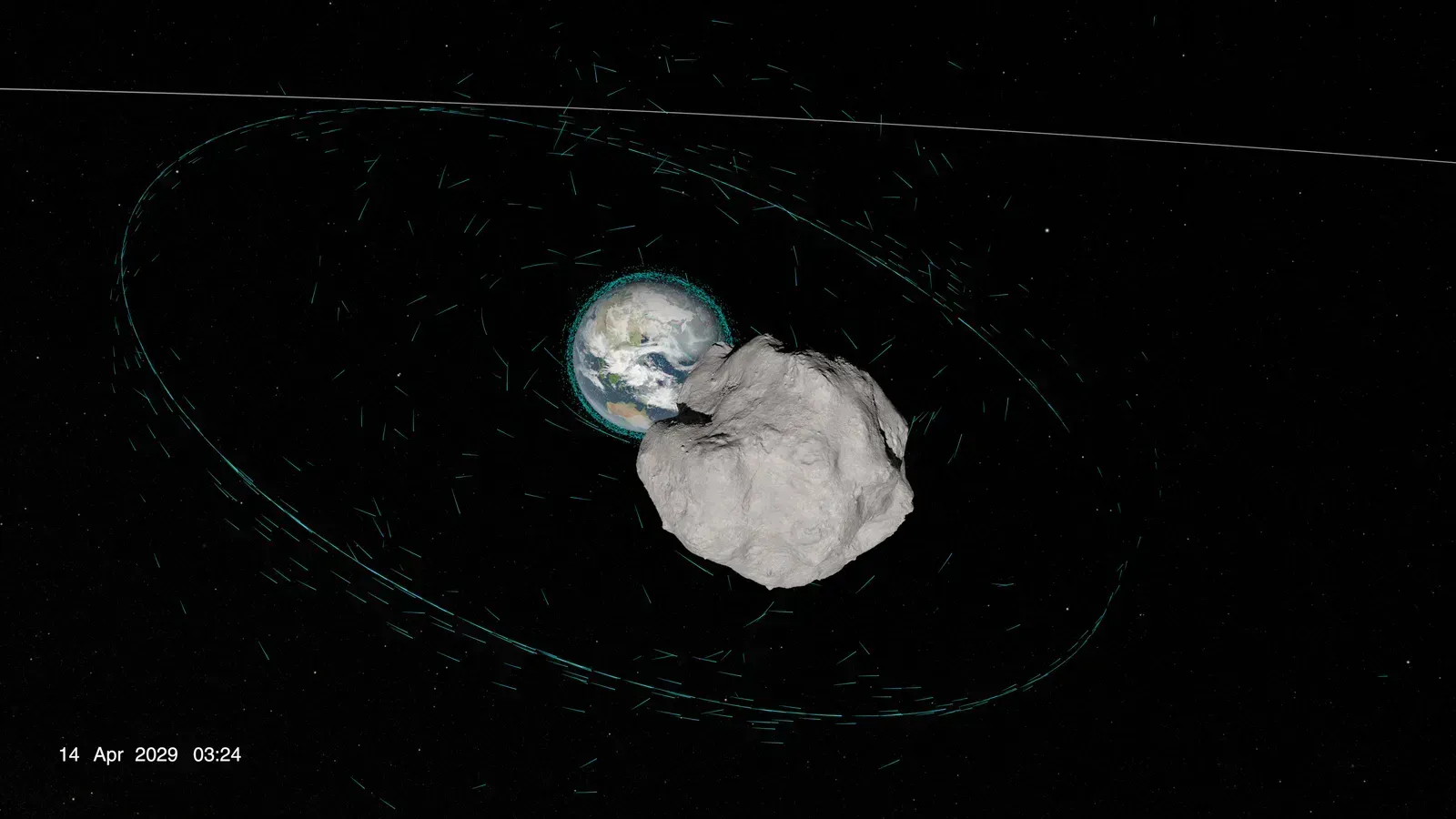
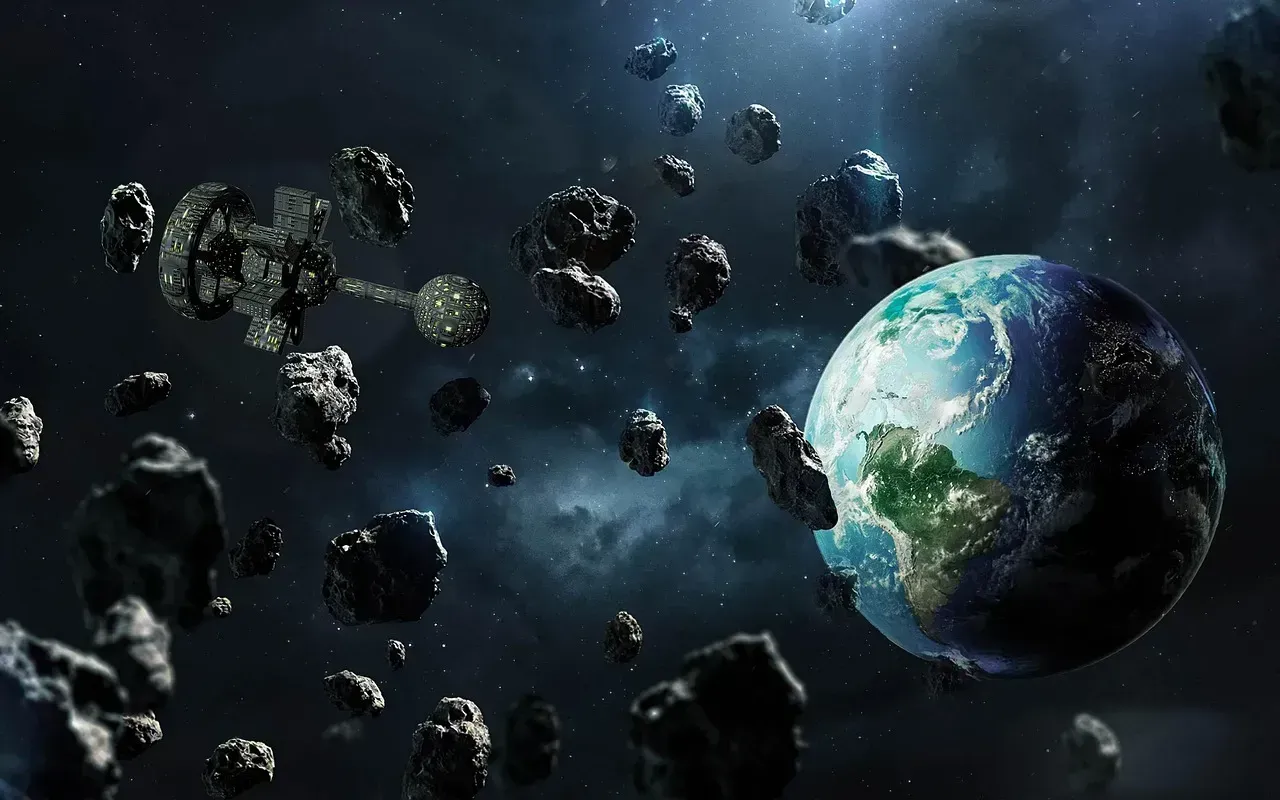
On the evening of April 13, 2029, a rock several hundred meters wide will sweep past our planet. It will pass within about 20,000 miles of Earth’s surface, closer than satellites carrying TV broadcasts and satellite images. Nothing like it has been planned for in advance before.
The asteroid is called 99942 Apophis. It won’t hit us, and that part has been settled for some time. What makes the visit worth following is how much scientists expect to learn from it, and how many spacecraft are being sent to watch.
A Flyby Measured in Satellite Distances
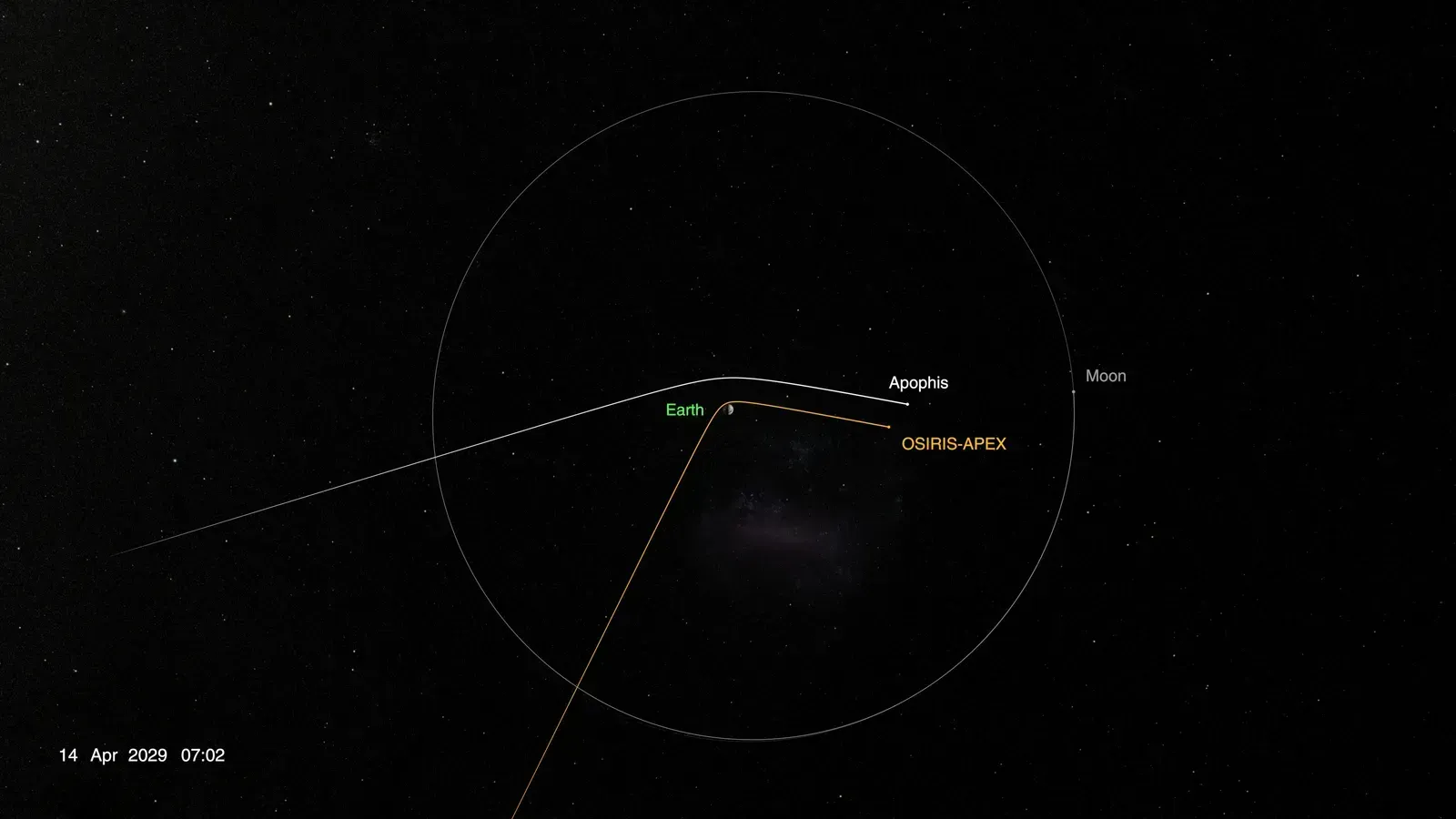
Twenty thousand miles sounds large until you compare it with the places our hardware actually lives. NASA describes the approach as closer to Earth than our highest-altitude satellites. Geostationary satellites orbit at roughly twenty two thousand miles above the surface, so Apophis will slip inside that ring.
Metric figures vary a little between sources. ESA’s account gives a distance of 32,000 km, or 19,900 miles, on 13 April 2029. Both numbers describe the same encounter, just rounded differently.
Why This Isn’t an Impact Story
Apophis became famous soon after its discovery in 2004, when early calculations briefly suggested a small chance of a future collision. Additional observations over the following years removed that worry. NASA has said the asteroid poses no impact risk for at least the next century.
So the 2029 pass is a near miss by design of orbital mechanics, not by luck. Earth’s gravity will bend the asteroid’s path, and astronomers can already model how. That predictability is why the event is being treated as an opportunity.
What Earth’s Gravity May Do to the Rock
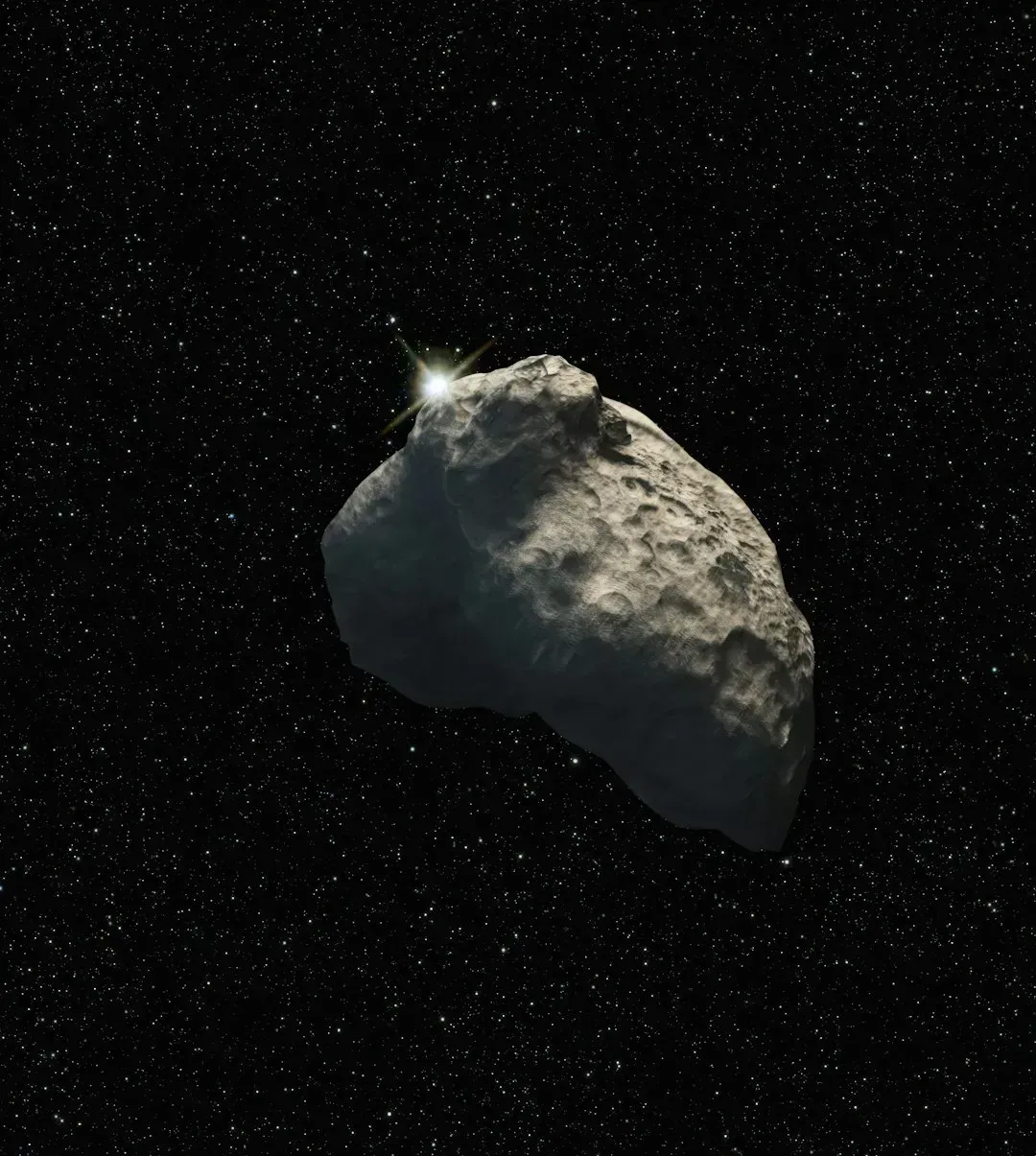
The scientific question is simple to state and hard to answer. Once a spacecraft reaches Apophis, the big question is what Earth’s gravity will do to the asteroid. Tidal pulling could change its spin, its shape, or the way loose material sits on its surface.
Researchers at the University of Arizona note that material on the surface could be thrown upward as Earth tugs on it. Seeing that in action would tell us a lot about how asteroids are held together inside. That matters for anyone thinking about how to nudge one off course someday.
OSIRIS-APEX, a Second Life for a Sample Mission
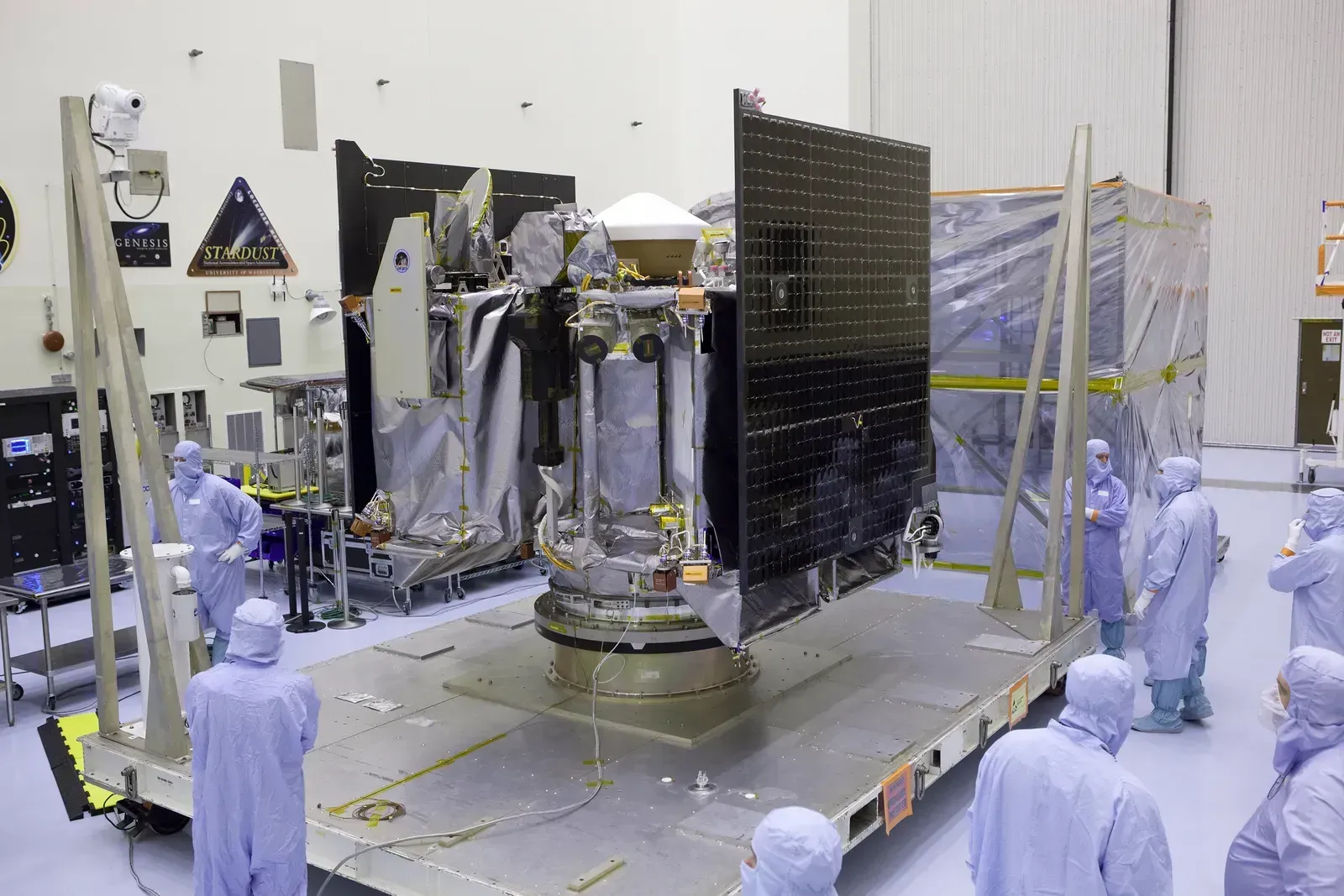
NASA’s contribution is a spacecraft with a history. Rather than shutting down OSIRIS-REx after it delivered its Bennu sample in September 2023, the team proposed a bonus mission to Apophis. NASA agreed, and OSIRIS-APEX was born.
The craft doesn’t carry a sample return capability this time. Unlike at Bennu, it will not collect a sample from Apophis. It may instead use its thrusters to stir up rocks and dust so scientists can see just below the surface.
A Path Home Past Earth
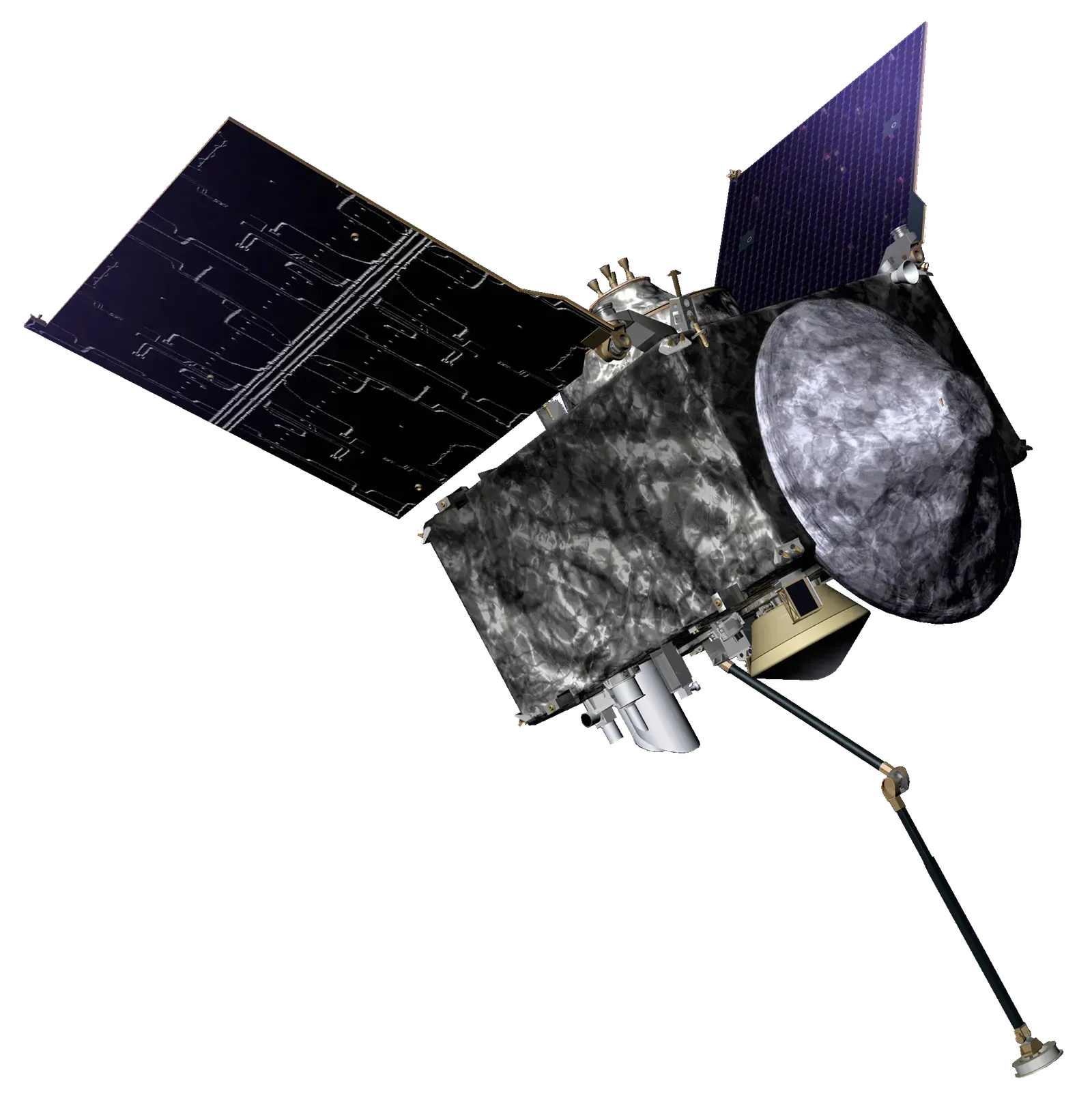
Getting there takes several gravity assists. On Sept. 23, 2025, OSIRIS-APEX flew within about 2,100 miles of Earth as part of its journey. That is about one hundred times closer than the Moon’s orbit, and the pass changed the spacecraft’s trajectory and velocity.
The plan for 2029 is a careful chase. The spacecraft will pass by Earth just an hour behind Apophis, using our planet’s gravity to set up a parallel course. It’s expected to reach the asteroid in late spring of 2029.
Europe’s Ramses Aims to Arrive First
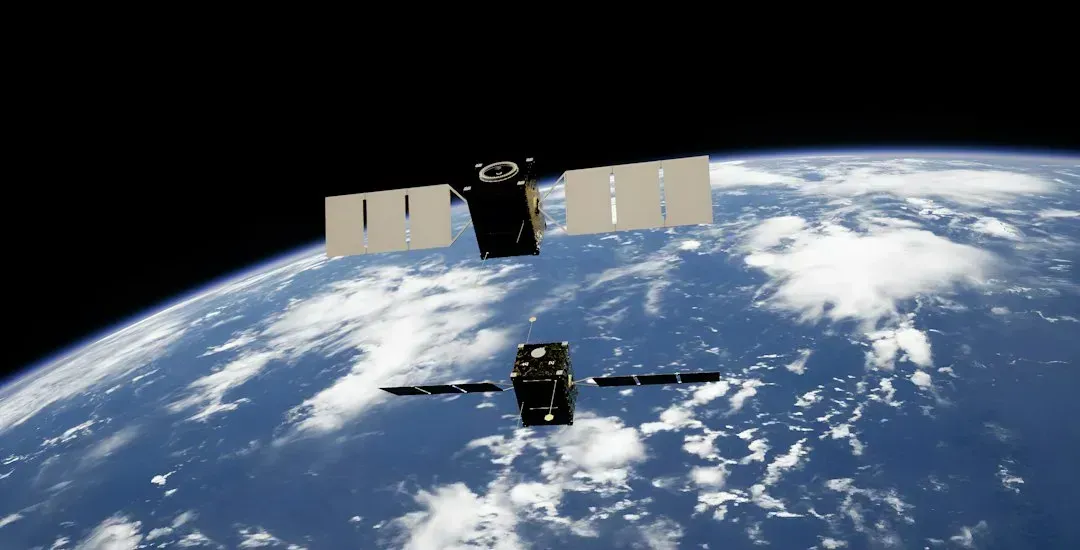
ESA’s Rapid Apophis Mission for Space Safety, known as Ramses, is built to be there before the encounter. The plan NASA describes has it launching in April 2028 and arriving in February 2029, two months before the close approach. That would let it measure the asteroid in its undisturbed state, then watch what changes.
Details have shifted along the way. A report on a 2025 science meeting said Ramses will launch with DESTINY+ on a Japanese H3 rocket, and that after Apophis it would continue toward the asteroid 3200 Phaethon. Mission dates can move, so the exact launch window is worth checking against ESA’s latest announcements.
Money, Politics and an Uncertain Budget
Not every piece is guaranteed. A peer reviewed overview points out that OSIRIS-APEX is the first approved mission to explore Apophis, though its continuation depends on NASA’s annual budget allocation. That caveat is not just theoretical.
Space.com reported that the Trump administration’s budget request would see OSIRIS-APEX canceled. The team has kept preparing for the encounter, hoping Congress passes language that would save the mission. I couldn’t confirm a final funding outcome beyond that reporting.
Telescopes on the Ground Will Join In
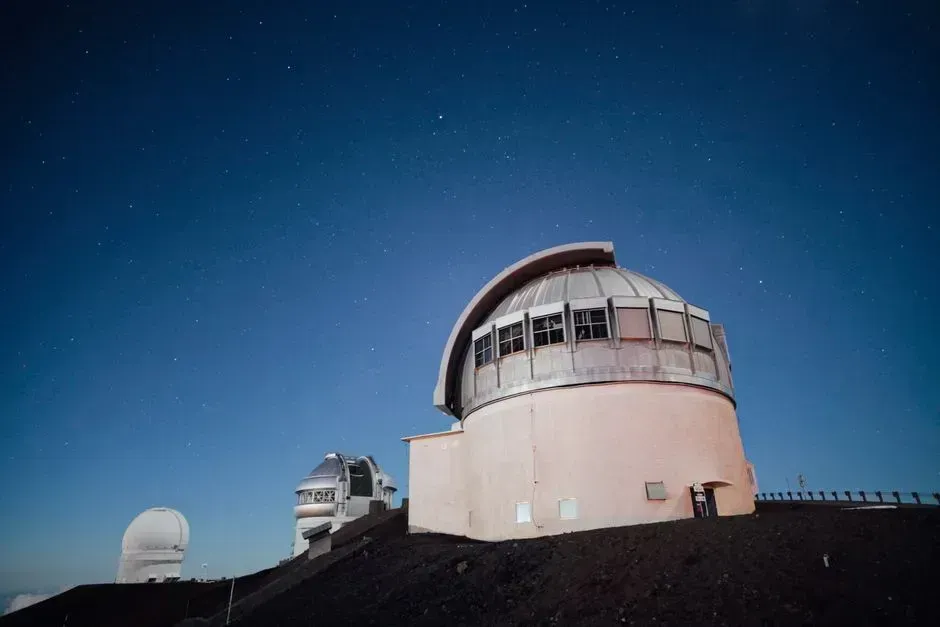
Spacecraft won’t be the only observers. NASA also organizes the International Asteroid Warning Network, which will coordinate Earth-based telescopic observing campaigns before and around the flyby. Amateur and professional astronomers alike will have a rare target.
The asteroid is expected to be visible to the naked eye from parts of the world, mainly across Europe, Africa and western Asia, as a moving point of light. It will be fast, crossing large swaths of sky in a matter of hours. Anyone hoping to see it will want to check local viewing guides closer to the date.
What Comes After the Closest Approach
Once Apophis has passed, the real comparison begins. Scientists will line up measurements taken before and after to see whether its rotation, shape or surface shifted. ESA says Ramses is meant to measure changes in the asteroid’s shape, rotation, surface and internal properties.
The data will also test how quickly a spacecraft can be sent to study a potentially hazardous asteroid. OSIRIS-APEX is expected to arrive in June 2029 to continue the study from close range. Together, the two missions will give researchers the most detailed look yet at what a close planetary encounter does to an asteroid.
