- Sudden Wind Pushes on Sunny Days – Why Thermal Air Columns Collapse - November 16, 2026
- 6 Hidden Challenges of Living in Space That Rarely Make the Headlines - November 16, 2026
- Puddle Ripples Vanishing When Cold Hits – How Water Viscosity Shifts Near Freezing - November 16, 2026
Chamonix, France
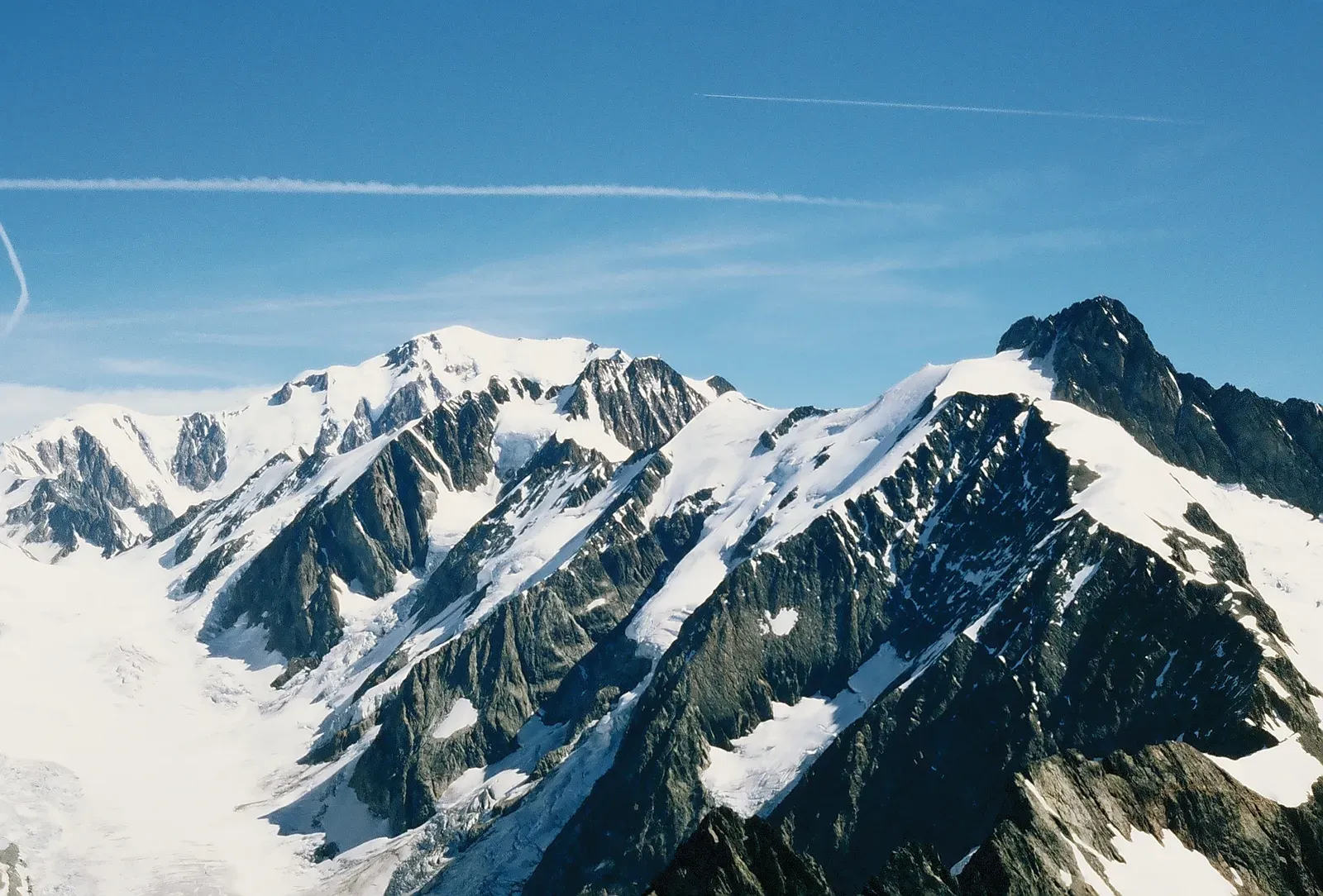
Chamonix sits at the foot of Mont Blanc and has built its identity around glaciers and deep alpine snow for more than a century. That identity is now under pressure. The World Meteorological Organization has partnered with the International Ski and Snowboard Federation, which is headquartered in the town, specifically because the WMO launched a partnership with FIS to raise awareness of the existential threat to tourism and snow sports, with the federation based in Chamonix, which would also see some of its slopes at risk from rising snow altitude.
The financial stakes are considerable. The region attracts about 3 million visitors annually, and the tourism industry generates substantial revenue, with direct expenditure amounting to £731 million per year plus an additional £344 million in indirect spending. If snowlines keep climbing, around 6,000 jobs in the Chamonix Valley will be at risk, a number that reflects just how tightly the local economy is woven into winter tourism.
Aviemore and Cairngorm Mountain, Scotland
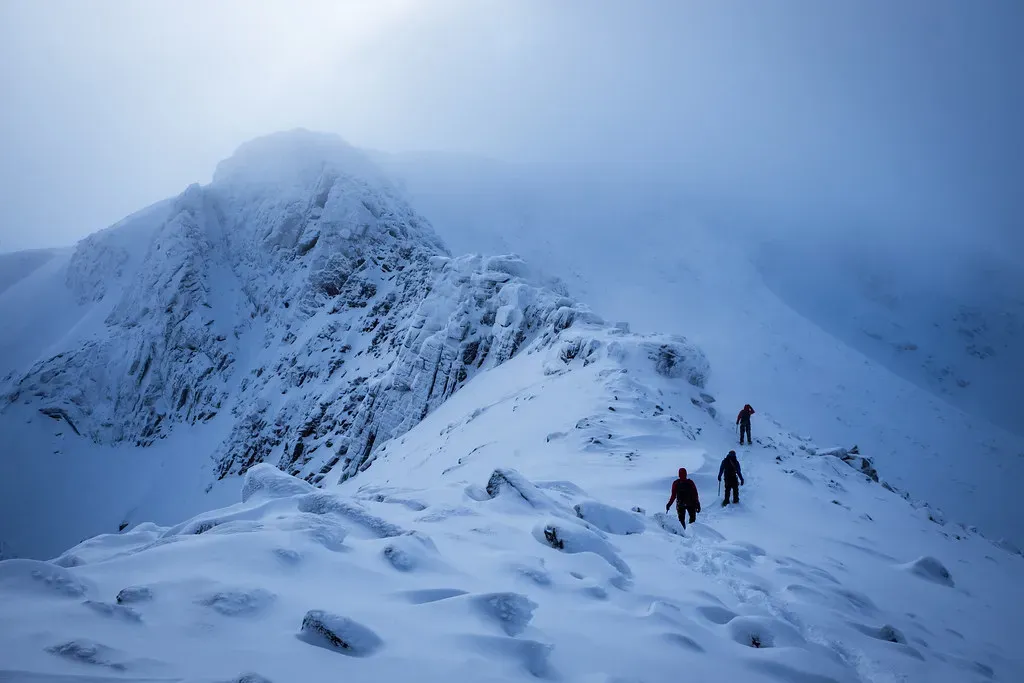
Scotland’s ski scene has never been glamorous, but it has been a genuine part of Highland life for generations. That is changing faster than many locals expected. Research on Cairngorm Mountain found that observed maximum snow depth has decreased by about 10cm and average depth by about 3cm since the winter of 1983-84, with a decrease in days with shallower snow depths of about 10 days.
The forward-looking numbers are more sobering. Researchers explain that with temperatures now cooling later in winter and warming earlier in spring, they estimate that by 2040-50 snow cover on the Cairngorms will be in rapid decline, and by 2050-80 some years may see no snow on the mountain range at all. Recent seasons already hint at this trajectory. During one particularly bleak stretch, Glenshee, The Lecht, Cairngorm Mountain, Glencoe Mountain and the Nevis Range all shut for skiing and boarding well before spring.
Truckee and Lake Tahoe, California
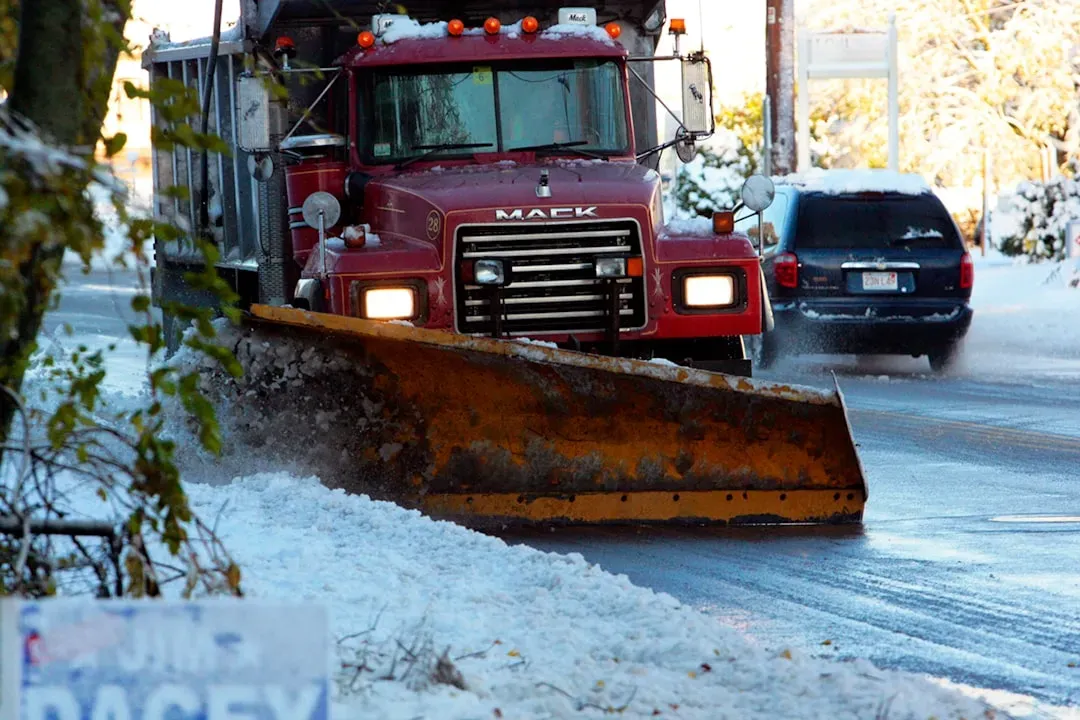
Truckee has long served as the gateway to Tahoe’s ski country, benefiting from cold Sierra Nevada winters that reliably turned precipitation into snow. That reliability is eroding. Climate projections show Truckee is projected to lose up to 80% of its sub-freezing days by the end of the century under a high emissions scenario, a shift that strikes at the physical basis for natural snowfall rather than just the amount of it.
The economic ripple effects are already visible in ordinary winters, not just extreme ones. During one underwhelming snow season, a bad snow season led to a 42% decrease in business for one local store, a small but telling sign of how directly Tahoe’s shops and services depend on consistent snowpack.
Park City, Utah
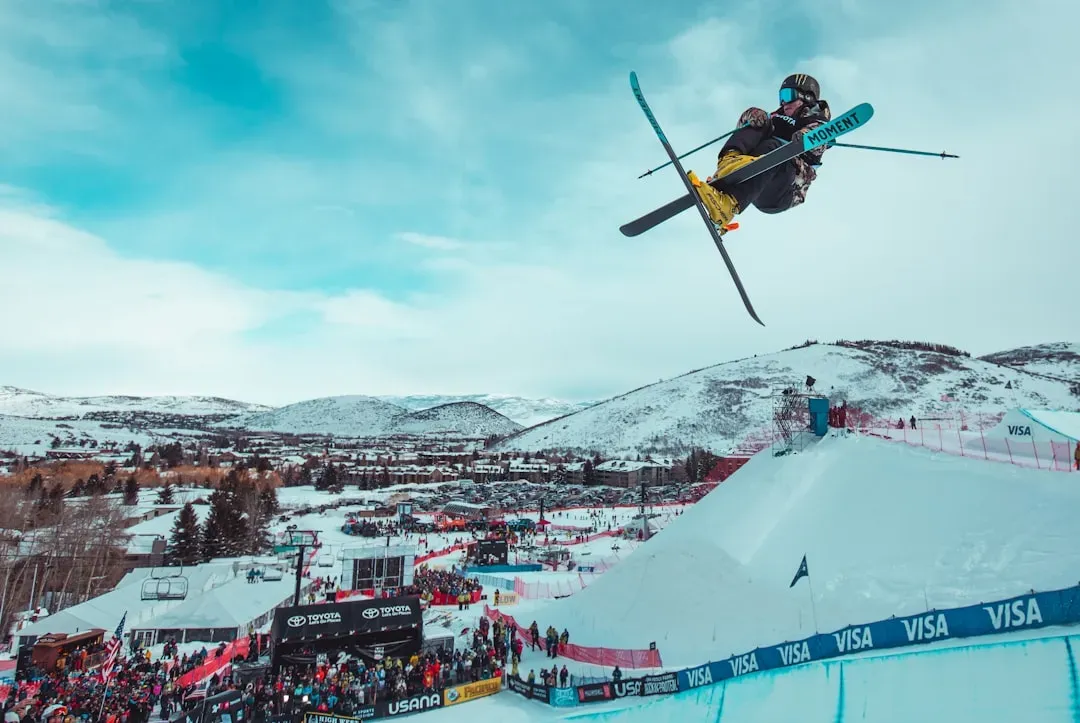
Park City built a global reputation on Utah’s famously light, dry powder, and hosted Olympic events on the strength of that reputation. Long-term modeling suggests that reputation has an expiration date. A Colorado-based study found that the resort should be in fairly good shape for the next 25 years, but after that there will be less snowpack or no snow at all at the base areas, with the season shortening because snow accumulates later and melts earlier, and under a high-emissions path, the average temperature at Park City will be 10.4 degrees warmer by 2100 with likely no snowpack at all.
More detailed local modeling narrows the window further. Researchers evaluating the Wasatch Range found that by 2050, temperatures are estimated to increase 1.4 to 3.7 degrees Celsius, and skiing on or before Thanksgiving and after mid-March may not be possible at the ski area base. That kind of compression would squeeze the holiday season, historically the industry’s most profitable stretch, right out of the calendar.
Aspen, Colorado
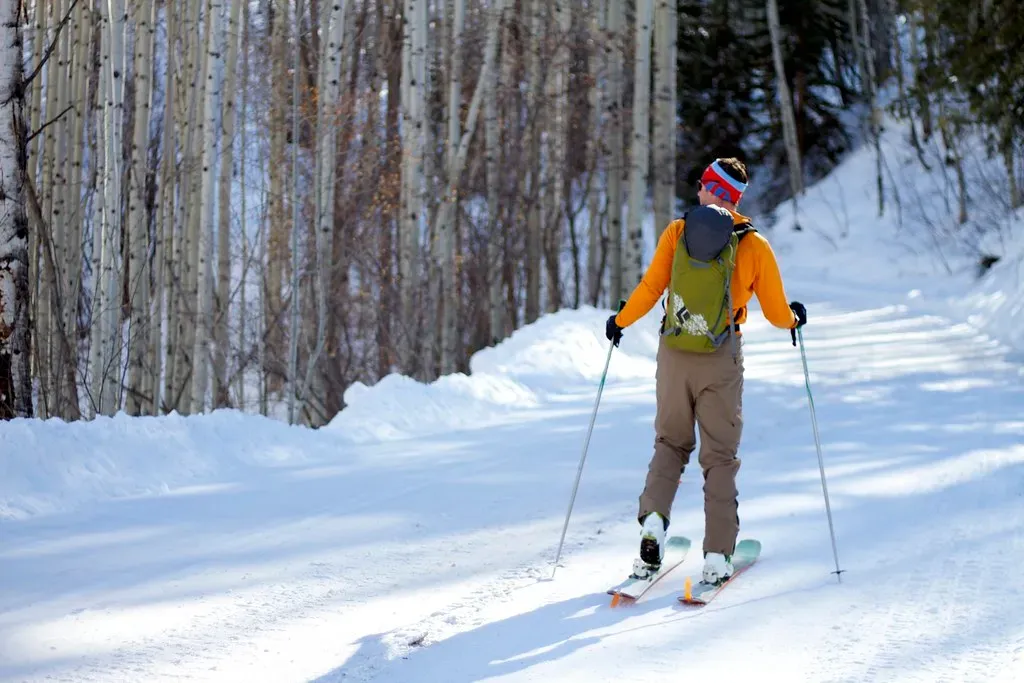
Aspen occupies a strange middle ground in these projections: high enough in elevation to avoid the worst outcomes, but not immune to warming. The same Colorado study that examined Park City found that skiing at Aspen, with an average temperature 8.6 degrees higher than now, will be marginal by the century’s end under a high-emissions scenario.
Locally observed warming already shows up in the record books. Reporting on the town has noted that in Aspen, Colorado, one of the world’s most popular ski towns, the annual temperature has risen by about 3 degrees since the 1980s. Season-length modeling backs this up, with researchers finding that average season lengths at Aspen Mountain decrease by 10 to 20 days under a moderate emissions path by 2050, and by 25 to 75 days under a high emissions path by 2090.
Whistler, British Columbia
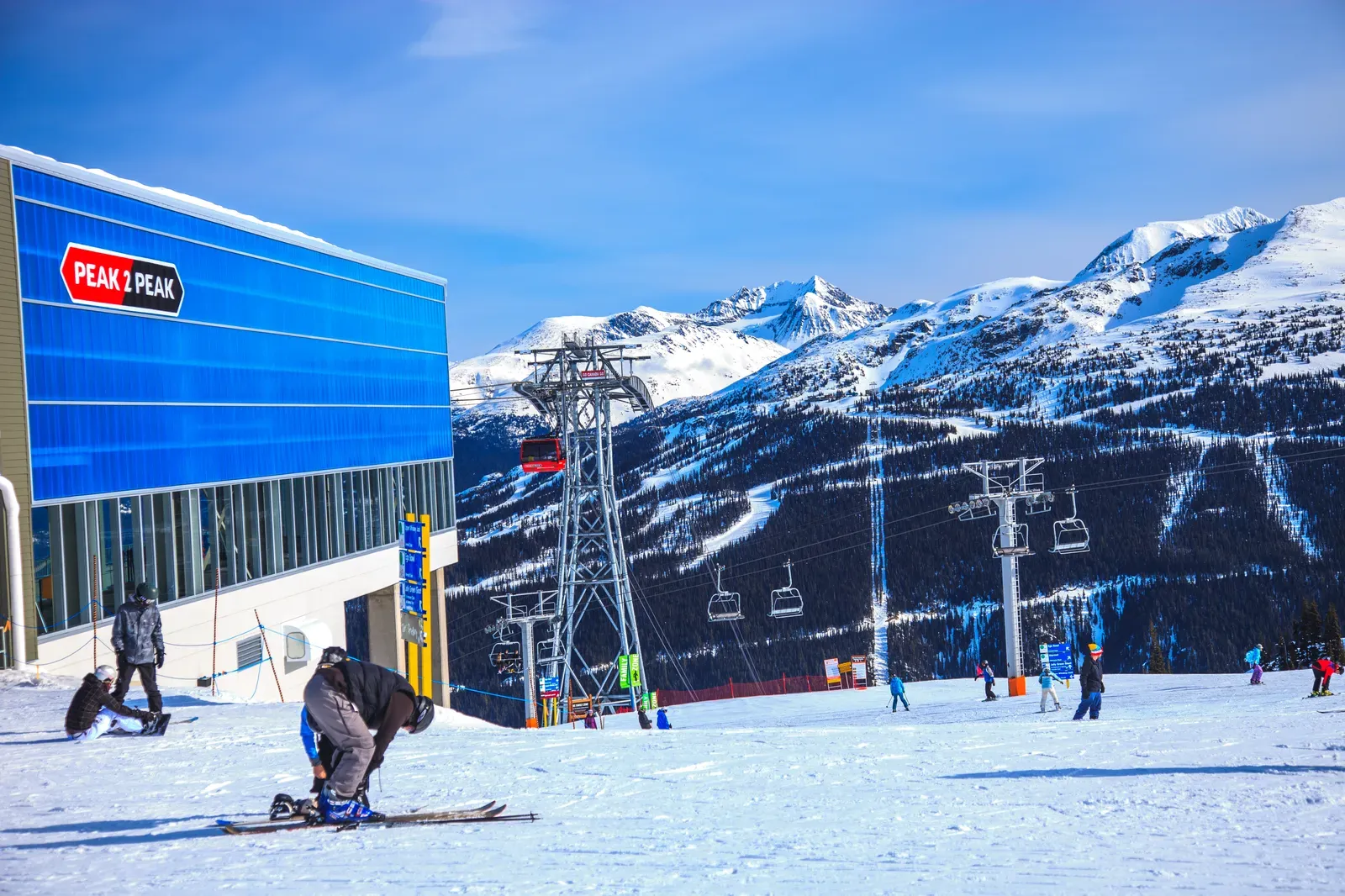
Whistler Blackcomb draws skiers from around the world to British Columbia’s biggest terrain, and it still enjoys some of the most dependable snow in North America. Yet even here, the trend line points downward. Assessments note that as the climate warms, snow seasons are growing shorter and natural snowfall is increasingly unreliable, with glacial retreat and warming temperatures between 5 and 15 degrees Celsius threatening to reduce snow reliability, with a 25% decline expected by 2035.
That single figure matters because Whistler has traditionally been treated as a climate-resilient outlier thanks to its coastal snowpack and high alpine terrain. A quarter-loss of reliability within roughly a decade suggests that even the industry’s flagship resorts are not exempt from the broader pattern playing out across the Rockies, the Alps, and the Sierra.
Vermont and New Hampshire’s small ski towns
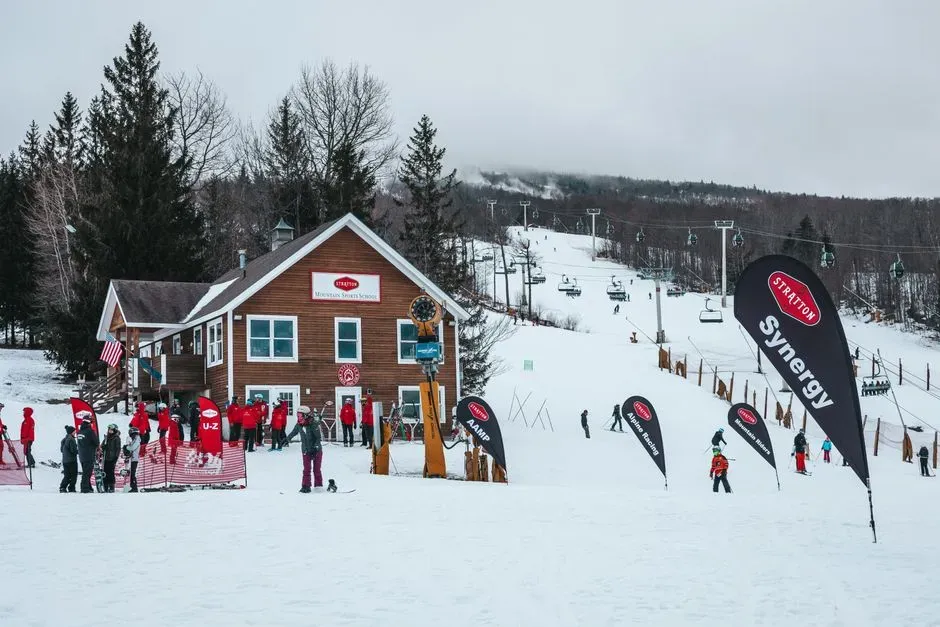
New England’s ski towns tend to run smaller and lower in elevation than their western counterparts, which makes them especially exposed. A widely cited study by a University of Waterloo researcher concluded that half of the 103 ski resorts in the Northeast will not be able to sustain a 100-day ski season by 2039 under certain forecasts.
The state-by-state breakdown is even sharper. The same research suggested that by 2039 no ski resort in Connecticut or Massachusetts will be financially feasible, and only 7 out of 18 resorts in New Hampshire and 8 out of 14 in Maine will be. Vermont’s slightly higher terrain gives it a bit more breathing room, but the regional trend of shorter, warmer winters still applies across the board.
Perisher and Thredbo, Australian Alps
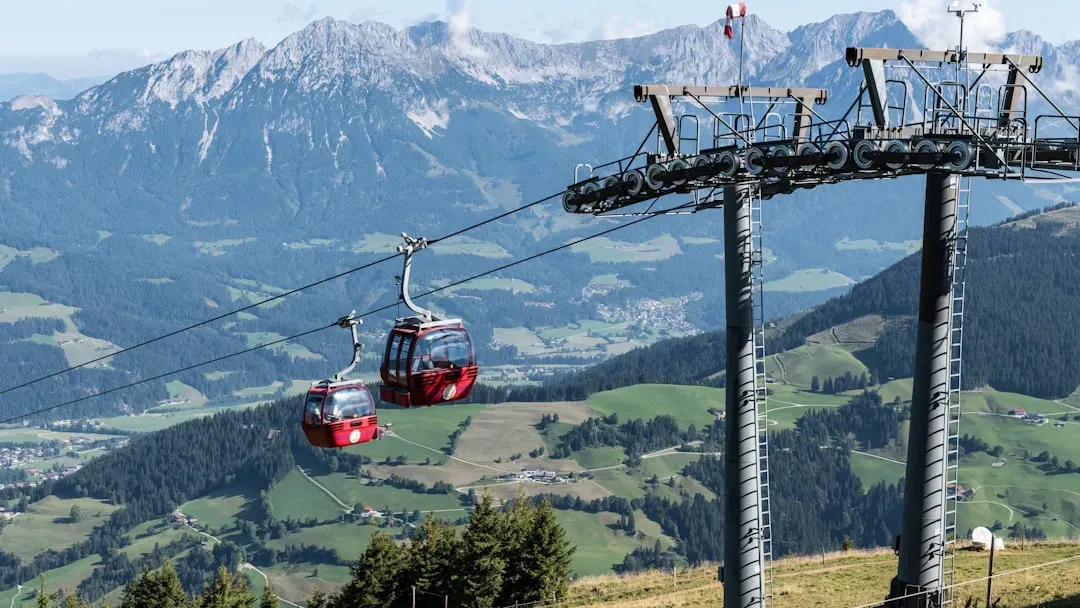
Australia’s ski season is already short and unpredictable, and the long-term modeling for its alpine resorts is among the starkest anywhere. Older but still-cited research projected that the total area with at least one day of snow cover per year could decrease by 22 to 85 percent by 2050, while the length of the ski season could decrease by 15 to 99 percent under the same window.
More recent global modeling reinforces the same conclusion from a different angle. A 2024 study found that average annual snow cover days are predicted to decline most in the Australian Alps, by 78 percent, by the period 2071 to 2100, a steeper drop than any other ski region examined worldwide. For towns like Jindabyne, which serve as gateways to Perisher and Thredbo, that scale of decline threatens the seasonal economy those communities were built around.
Garmisch-Partenkirchen, Bavarian Alps
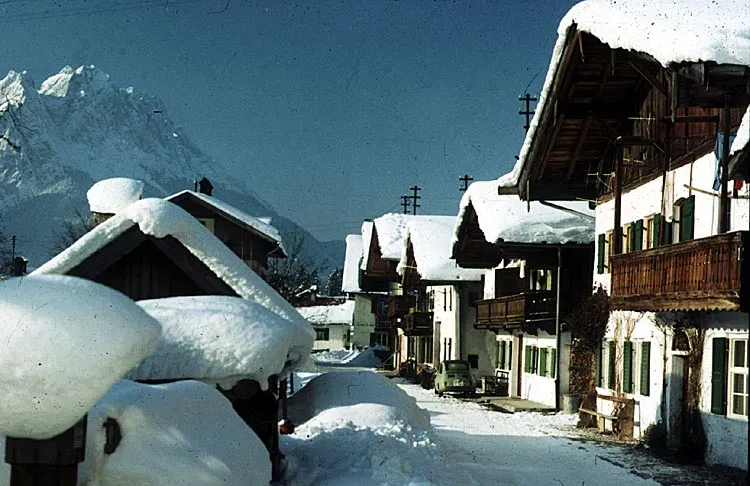
Germany’s Bavarian Alps sit at generally lower elevations than the high peaks of Switzerland or Austria, which makes towns like Garmisch-Partenkirchen particularly vulnerable to warming. Continent-wide modeling of European ski resorts found that 53 percent of resorts were at very high risk for reduced snow supply if warming reaches 2 degrees Celsius, and 98 percent are in danger if temperatures rise by 4 degrees, and lower-altitude German resorts fall squarely into the more exposed end of that range.
Snowmaking offers only a partial fix in places like this. The same research noted that using snowmaking on 50 percent of resort slopes could meaningfully restore snow supply in the Alps and Nordic mountains, though in other regions even increasing snowmaking to 75 percent coverage would do little to forestall widespread snow loss. For a mid-elevation town like Garmisch, that means artificial snow can buy time, but it cannot fully replace what the mountain used to provide on its own.
What comes next for these communities