

A workforce shrinking faster than anyone expected
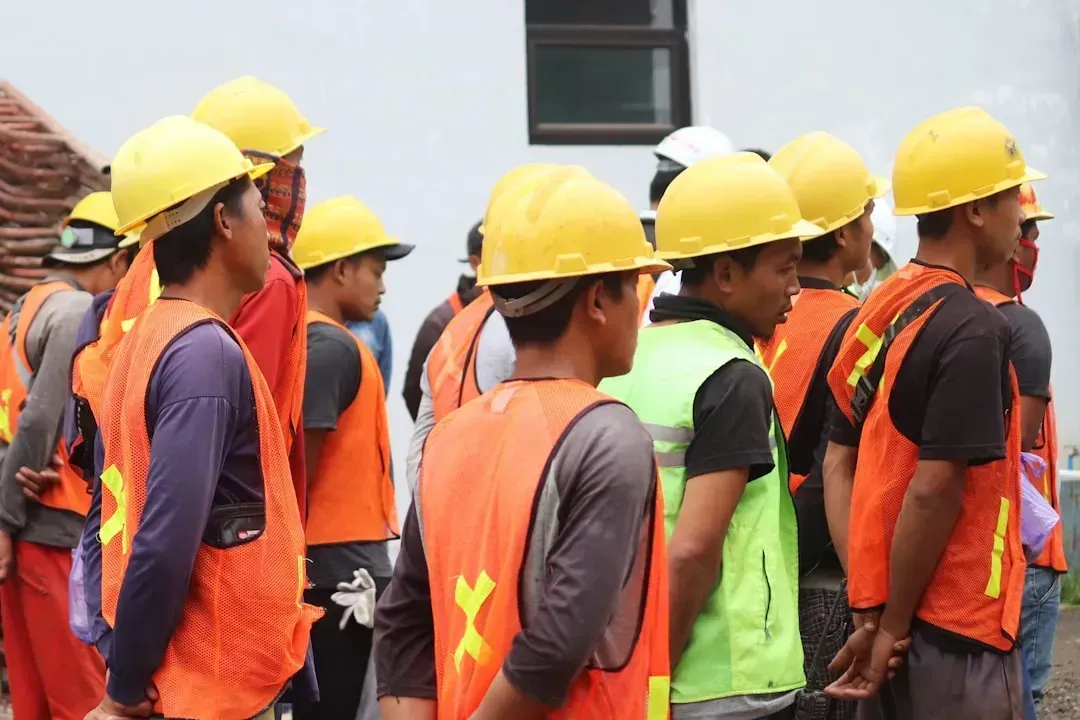
The scale of the staffing loss is hard to overstate. Since January 2025, the National Park Service has lost almost a quarter of its permanent workforce, more than 4,000 positions, driven primarily by mass terminations, early retirements and deferred resignations. That figure has been echoed across multiple independent analyses, not just advocacy groups.
By the middle of 2025, the NPS was among those hit hard by the cuts, losing about 1,000 workers, and by August, the agency had lost roughly 24 percent of its staff. While many of those positions were later reinstated by court order, some of those affected took buyouts or retired early. The net effect is a workforce that looks smaller on paper and feels even smaller on the ground.
Trails are going longer without maintenance
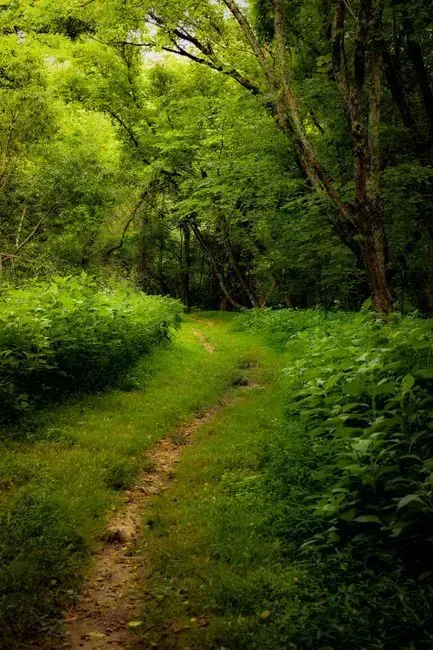
Trail upkeep is one of the first things to slip when a park loses staff, and hikers are the ones who feel it directly. Erosion, downed trees, and washed out sections that used to get cleared within days can now sit untouched for weeks. Fewer boots on the ground doing routine trail work eventually means more obstacles for the hikers who follow.
Maintenance delays can lead to deteriorating trails, overflowing trash, and increased wear on natural resources, while higher visitor numbers put additional strain on already fragile ecosystems. That combination, more foot traffic paired with less upkeep, is exactly the scenario staffing shortages create. It’s a slow kind of damage, the kind that doesn’t make headlines until a trail is closed for repairs that could have been avoided.
Search and rescue capacity has thinned out

This is the piece that worries longtime park advocates the most. Search and rescue teams depend on trained personnel being available and ready, and fewer rangers on staff means fewer people positioned to respond quickly when something goes wrong on a remote trail. Fewer rangers could mean, for instance, fewer people to reach dehydrated, stranded or lost hikers, according to the California desert director for the National Parks Conservation Association.
Advocacy groups have been blunt about where this leads. Parks like Joshua Tree and Yosemite are struggling with search and rescue, law enforcement and even basic medical services, while some parks have no maintenance staff at all. For a hiker who twists an ankle miles from a trailhead, the difference between a fast response and a slow one can matter a great deal.
Visitor centers and ranger programs are disappearing
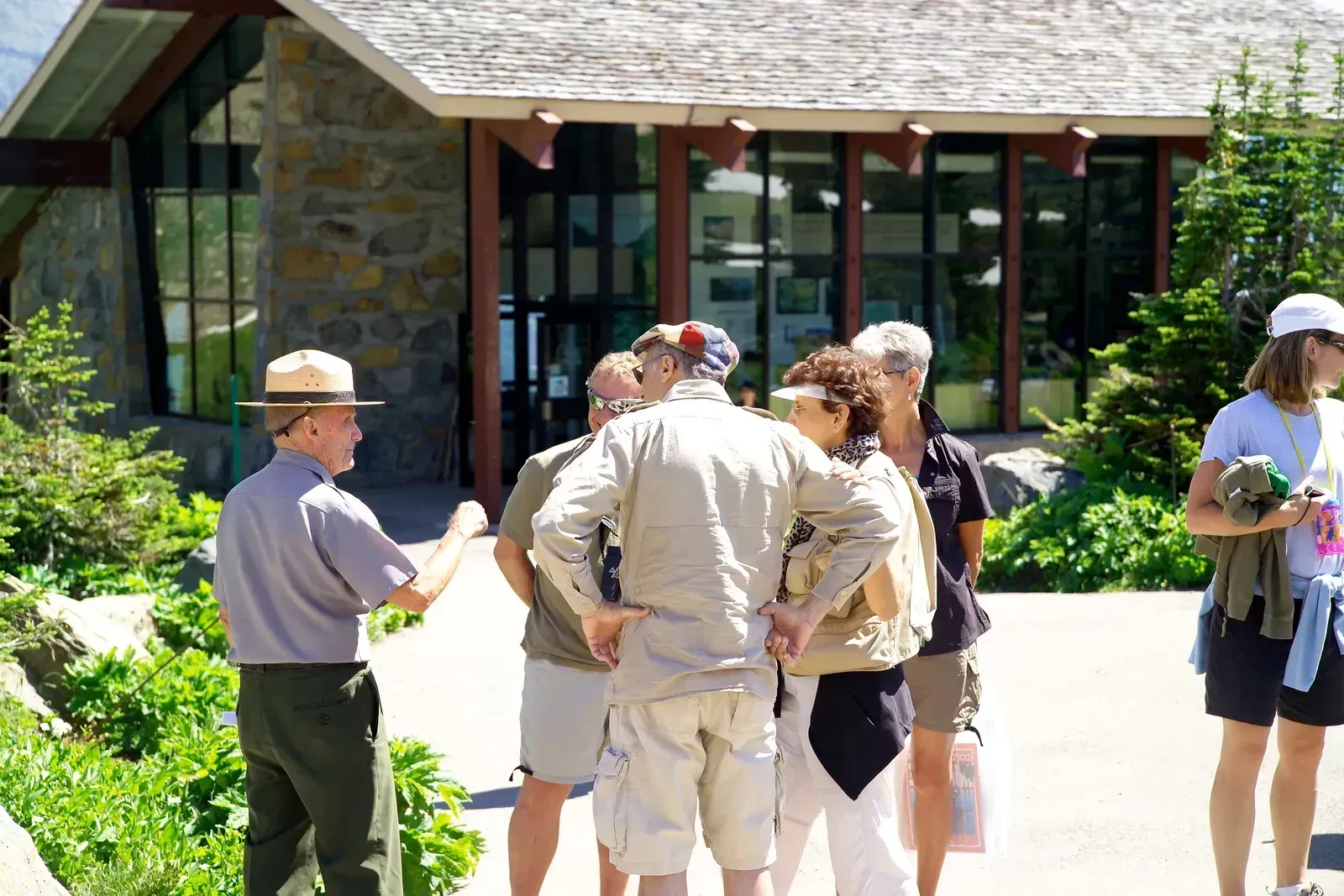
Ranger talks, guided hikes, and staffed visitor centers used to be a routine part of the park experience. Many of those programs have simply been cut, not because demand dropped, but because there’s nobody left to run them. Visitors may notice longer lines, fewer ranger programs and shuttered facilities, but the deeper impact behind the scenes is harder to see.
Specific closures have already piled up around the country. Blue Ridge Parkway was forced to close its Rocky Knob Visitor Center in Virginia for the 2025 season due to staffing shortages, cutting off vital visitor services. The Buffalo National River in Arkansas scaled back visitor services across the board with reduced hours at its entrance station and main visitor center, and ranger-led tours and school programming were also canceled. These aren’t small inconveniences for people planning a trip around a specific ranger talk or interpretive tour.
Entrance stations sitting empty during peak hours

Fee collection might sound like an administrative detail, but it directly funds the visitor services hikers rely on. When entrance booths go unstaffed, parks lose the revenue stream that pays for trail crews, restroom cleaning, and seasonal rangers. At times, entrance stations at Glacier National Park in Montana have gone unstaffed during normal hours, impacting recreation fee revenue that the park relies on to pay staff and visitor services.
This creates a feedback loop that’s hard to break. Fewer staff means less fee revenue, and less fee revenue means fewer resources to hire the staff needed to fix the problem. It’s a cycle that park managers have publicly acknowledged but have had little power to reverse given federal hiring restrictions.
Reservation systems that managed crowding are gone
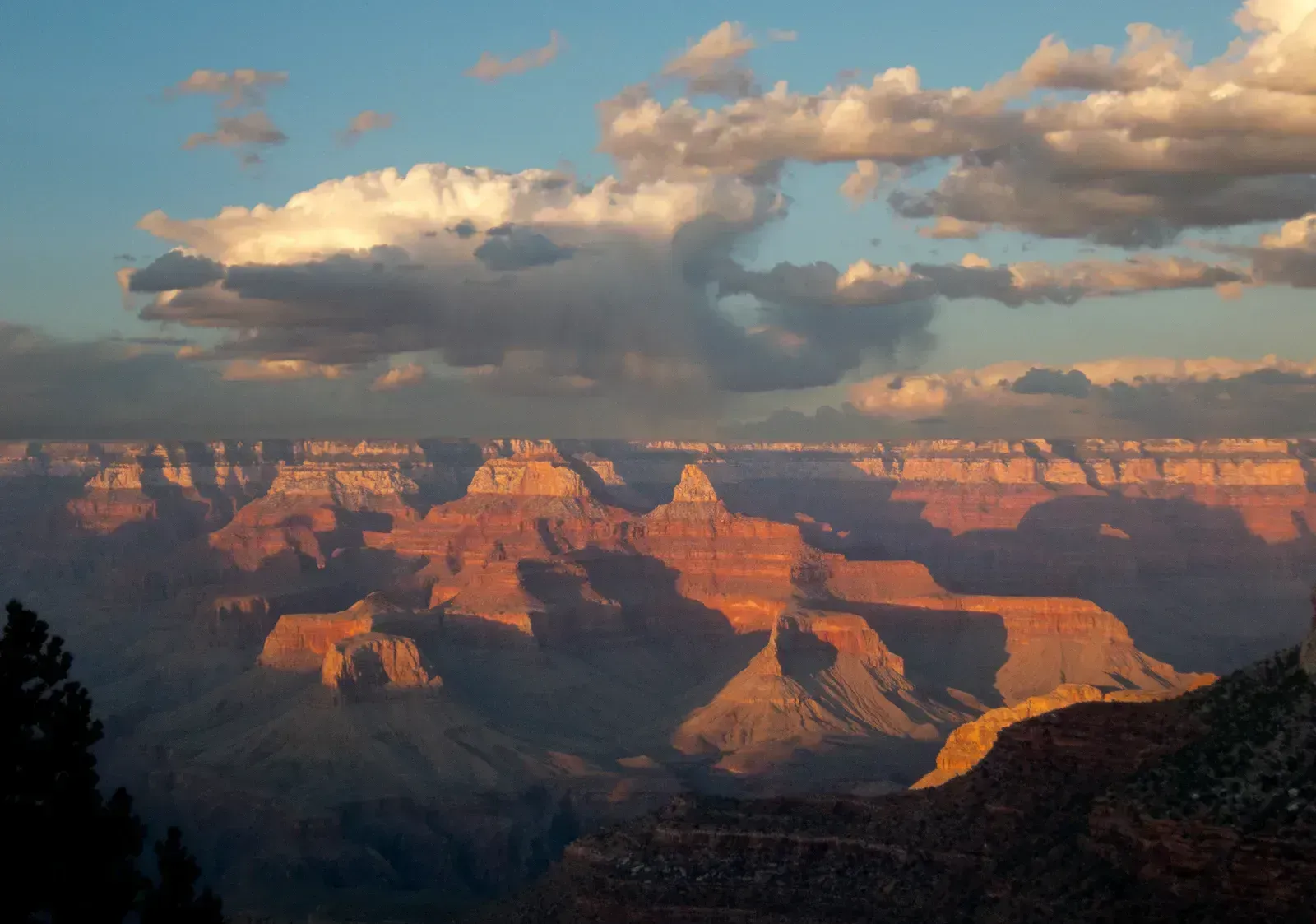
Some of the busiest parks had spent years building reservation systems specifically to prevent overcrowding on popular trails. Those systems are now being unwound at the exact moment staffing is thinnest. The administration is pushing a free-for-all approach this year by cancelling the successful, common-sense reservation systems that managed access at Yosemite National Park and Arches National Park.
The timing could hardly be worse. With semiquincentennial special events and new free entrance days on already-busy holidays, parkgoers can expect larger crowds from Arches to Yosemite. Hikers who used to count on managed access to avoid gridlock at trailheads are instead being told to expect traffic, crowding, and unpredictability, all while fewer staff are on hand to manage it.
Hiring freezes have left seasonal gaps unfilled
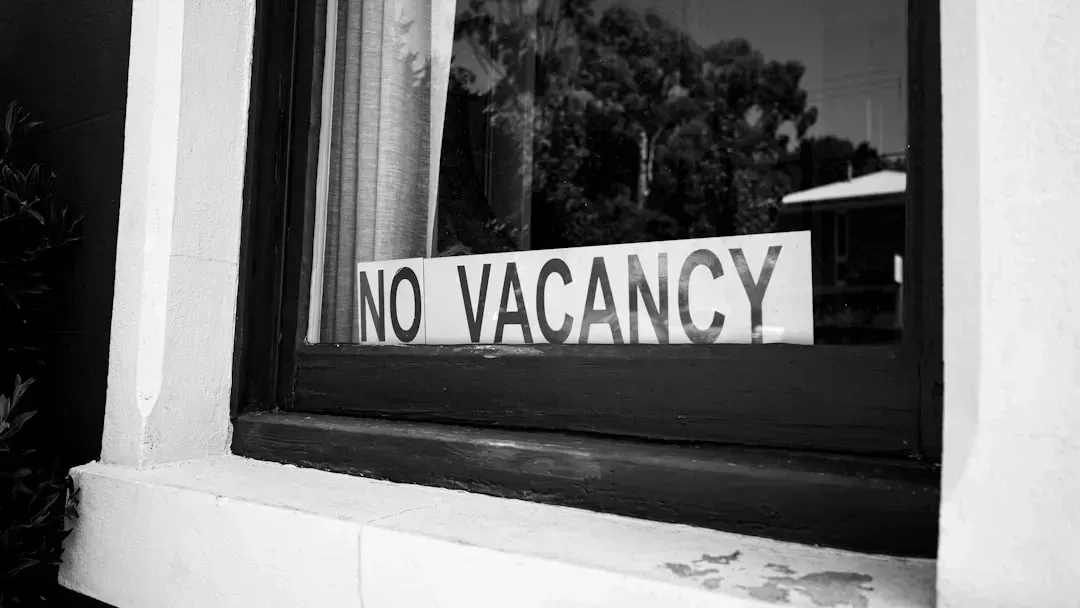
Seasonal rangers are usually the backbone of summer operations, staffing trailheads, leading programs, and filling in wherever permanent staff are stretched thin. That pipeline broke down badly heading into recent summers. The 2026 summer season began with significant hiring shortfalls, as ranger season typically ramps up in May and June, but paperwork delays, background check backlogs, and housing shortages slowed the process, leaving many parks without their full seasonal complement.
The hiring bottleneck wasn’t just about paperwork delays either. A seasonal ranger, a term employee, or someone from another DOI bureau all count as external, meaning even filling a vacancy with an existing, experienced Park Service ranger can still count against the region’s hiring cap. That kind of internal red tape has made it harder for parks to quickly backfill positions even when qualified people are available and willing to work.
Employees are absorbing the slack, and it shows
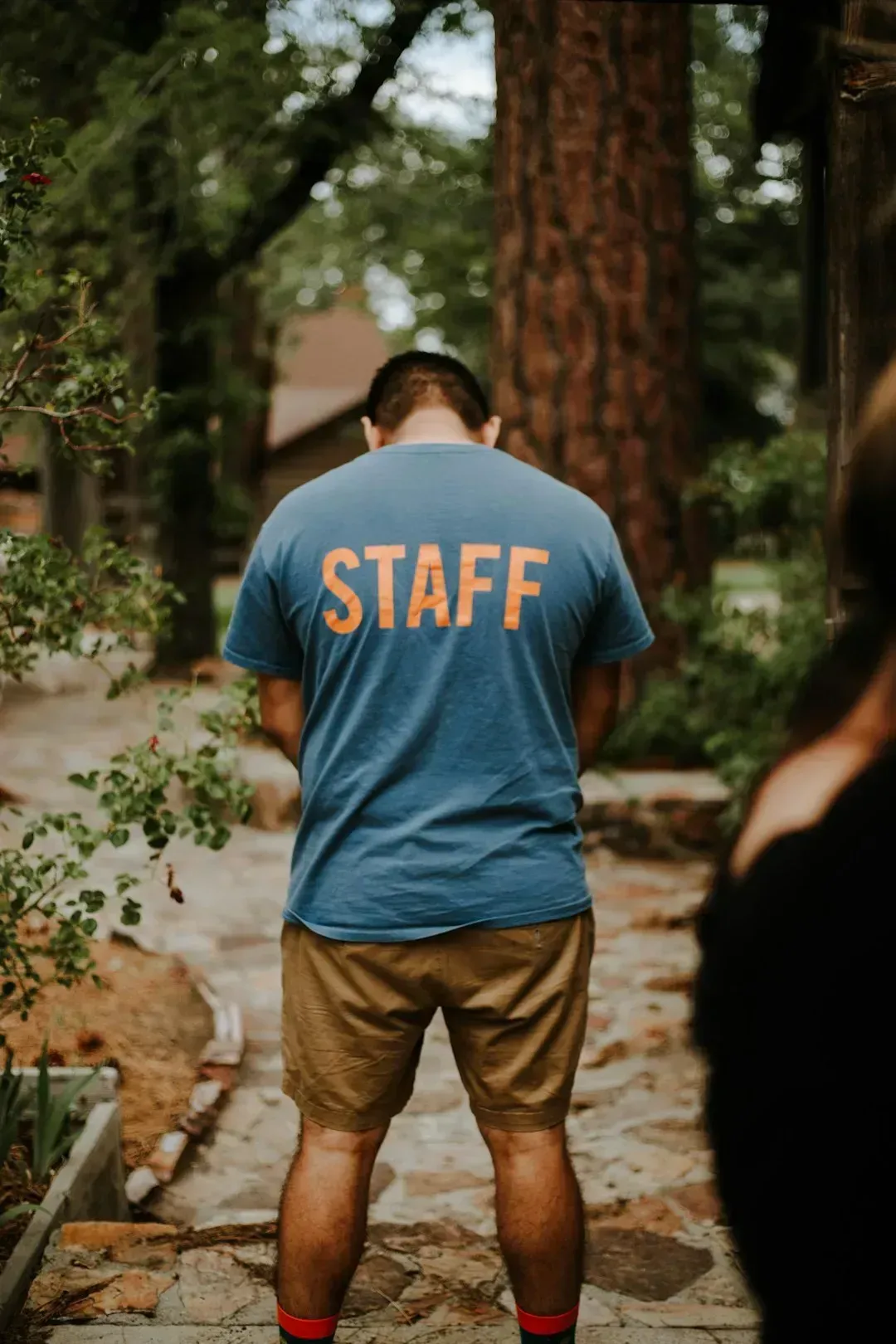
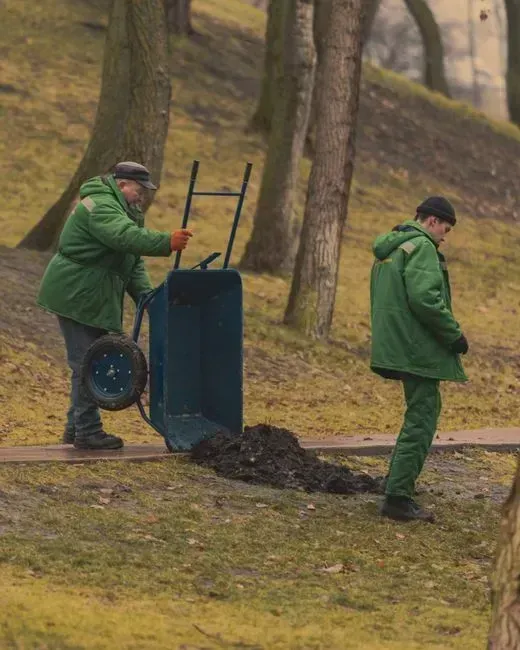
With fewer hands available, remaining staff have been asked to cover jobs well outside their usual roles. Heavy restrictions on hiring left full-time jobs unfilled at the already short-staffed agency, leading some employees to pull additional shifts and take on extra responsibilities like cleaning bathrooms and collecting trash. That kind of stretching only works for so long before quality slips somewhere.
Park managers have also been given little flexibility to adjust operations to match their reduced staff. Interior Secretary Douglas Burgum issued Secretarial Order 3426, requiring the NPS to keep all parks open and accessible, meaning no closures to trails, visitor centers, or other areas, even with the shortage of staff. A ranger working inside Rocky Mountain National Park described the result plainly, saying “the way things are being run at the present moment is not sustainable,” adding that “this summer has been unlike any other, and not in a good way.”
The problem stacks on top of a decade of thin staffing
This isn’t the first time park staffing has fallen behind visitation growth. Senators warned years ago that the pattern was already unsustainable before the most recent round of cuts even began. As a result of onerous budget caps during the 2010s, the National Park Service lost 15% of its staff while park visitation also increased by 15%.
Recent data confirms the long-term trend has only gotten worse. The NPCA warns that this decline is already coming off the back of wider staffing declines, with levels down 20 percent between 2010 to January this year. Each new round of cuts lands on a system that had already been running with less than it needed for over a decade, which is part of why the current shortages feel so severe to people showing up on the trail.
Final thoughts

What hikers are experiencing right now isn’t a temporary rough patch that will smooth itself out once summer ends. It’s the visible edge of a staffing decline that’s been building for years and accelerated sharply since early 2025. Longer waits, quieter visitor centers, slower rescue response, and rougher trails are the practical, everyday signs of a much larger structural shift inside the agency that manages these places.
Whether that trend reverses depends largely on decisions still being made in Washington, including budget proposals that could cut National Park Service funding even further in the years ahead. For now, hikers heading into any major park should plan for fewer staffed facilities, less guidance, and more self-reliance than they might expect from a system once known for its ranger presence at nearly every turn.

- I Asked AI and a Waste Auditor How to Cut My Household Trash – Where They Disagreed - November 12, 2026
- Einstein’s equations suggest gravity can reconnect like the sun’s magnetic field - November 12, 2026
- This Map Shows Which States Get the Most Severe Storms Each Year – And It’s Not What You’d Expect - November 12, 2026
