

- The Compostable Cup Left Intact for Years – 5 Backyard Composting Failures - November 15, 2026
- Fast-Fashion “Conscious” Lines Under Scrutiny – 5 Red Flags in Eco-Clothing - November 15, 2026
- Space Engineers Explain 5 Quiet Changes Making Rocket Launches Safer Than Ever - November 15, 2026
Somewhere beneath the plains of central Iran, a slow-motion catastrophe is playing out that most people never see. Aquifers that took thousands of years to fill are being emptied in decades. The ground above them is sinking. Wells that once supplied whole villages are running dry. And the country that pioneered one of history’s most brilliant water management systems is now being described by its own hydrologists as approaching “water bankruptcy.”
Iran is facing one of its most severe droughts in 60 years, with more than half its plains suffering drastic groundwater depletion. The problem isn’t just rainfall or bad luck. The crisis is rooted less in the sky than in decades of flawed policy: rushed dam-building, inefficient farming, and poor governance. What’s happening underground is the culmination of choices made over many generations, and the consequences are now impossible to ignore.
A Nation Already Living on the Edge of Scarcity
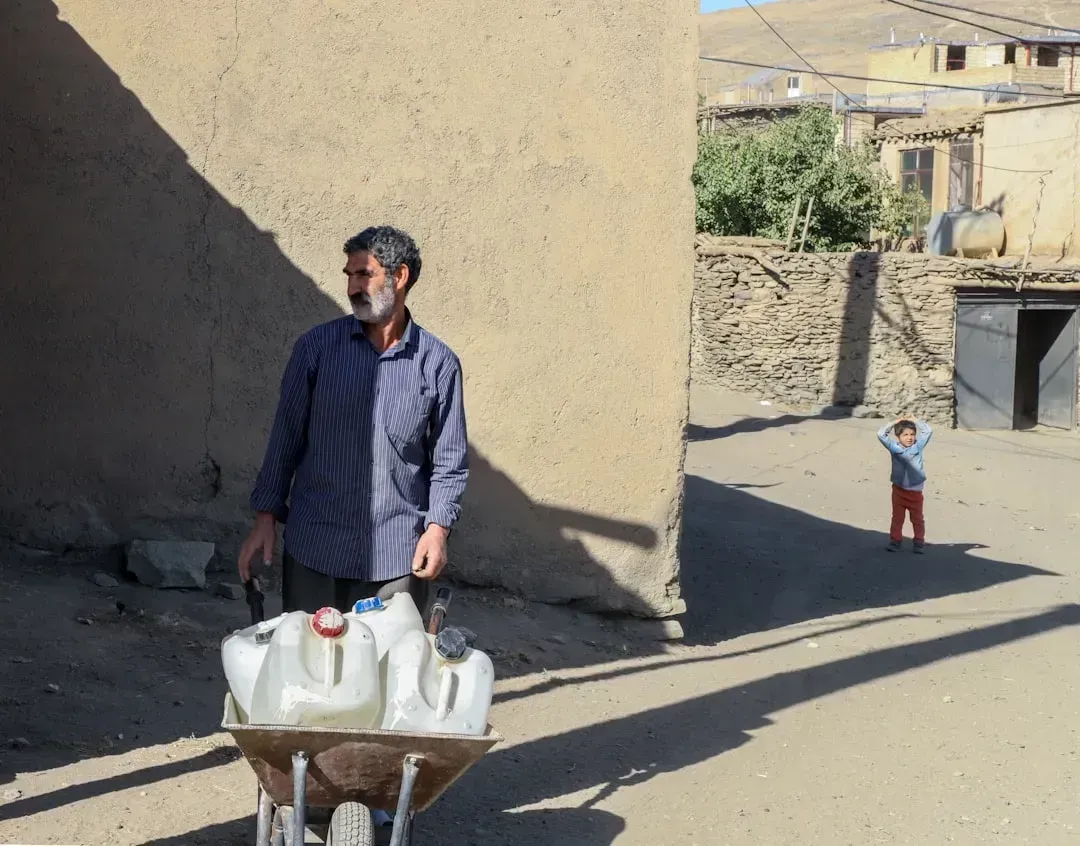
The United Nations defines a water crisis as less than 1,000 cubic meters per capita per year. With a population of around 94 million in 2025, the estimated 850 cubic meters per person places Iran firmly in the category of absolute water scarcity. That’s not a warning level. That’s already past the threshold of crisis.
Historically, between 1977 and 2001, Iran’s renewable internal water resources averaged 128 billion cubic meters annually. The long-term average is now estimated at around 80 billion cubic meters for the 2024 to 2025 water year. That drop reflects both climate shifts and the systematic destruction of the country’s natural water systems over half a century.
Decades of Extraction Faster Than Recharge
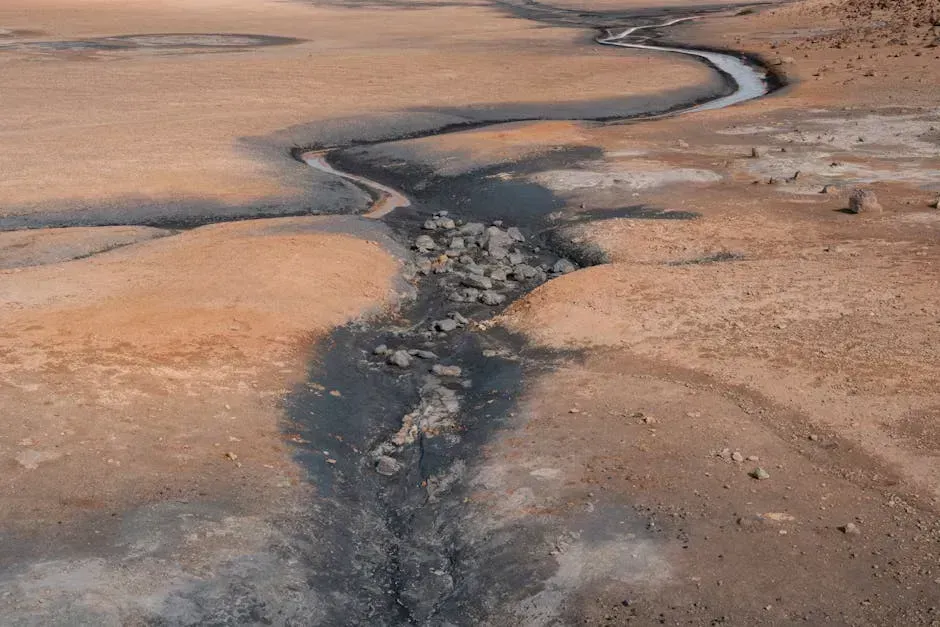
More than three quarters of Iran’s land is under extreme groundwater overdraft, where the rate of human uptake is higher than the rate of natural recharge. Mismanagement by the country’s authorities is exacerbating existing strains on the semi-arid country’s aquifers through an inefficient agriculture industry. This imbalance has been building for decades, and it has reached a point where natural recovery is no longer realistic in many regions.
An estimated 74 cubic kilometers of groundwater was depleted from the country’s 500 basins and sub-basins between 2002 and 2015 alone. The Iranian Ministry of Energy estimates that the country loses 5 billion cubic meters of groundwater annually due to over-extraction. Over the last five decades, Iran has depleted around 70% of its groundwater reserves.
Agriculture: The Dominant Force Behind the Drain
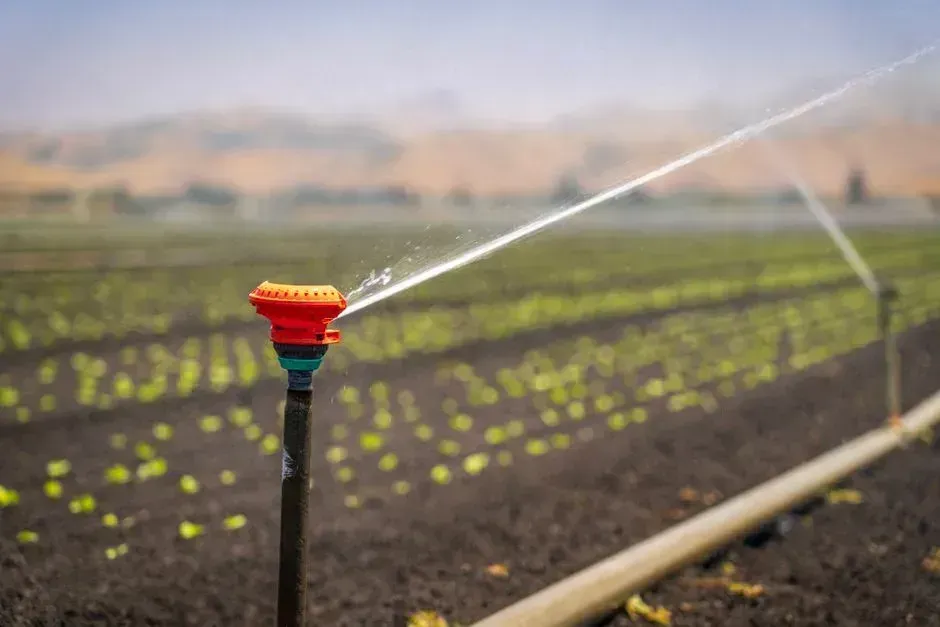
The core of Iran’s water crisis lies in agriculture, which consumes over 80% of renewable water resources, often with less than 40% efficiency. Much of the water used in irrigation is simply lost through evaporation, leakage, or outdated techniques. The scale of that waste is staggering when you consider how little water is actually available.
Traditional water-saving practices have been abandoned in favor of thirsty crops like wheat, rice, and sugar beet – sometimes in arid zones wholly unsuited to such cultivation. This shift was fueled not only by farmers’ choices but also by politically connected mega-projects. The Islamic Republic’s long-standing commitment to agricultural self-sufficiency prioritized national food security over environmental sustainability. Crops such as rice, wheat, and sugar beet were promoted even in areas unsuitable for high water consumption. Subsidized water pricing and low-cost energy encouraged excessive irrigation, depleting rivers and aquifers.
The Illegal Well Problem and a Million Holes in the Ground
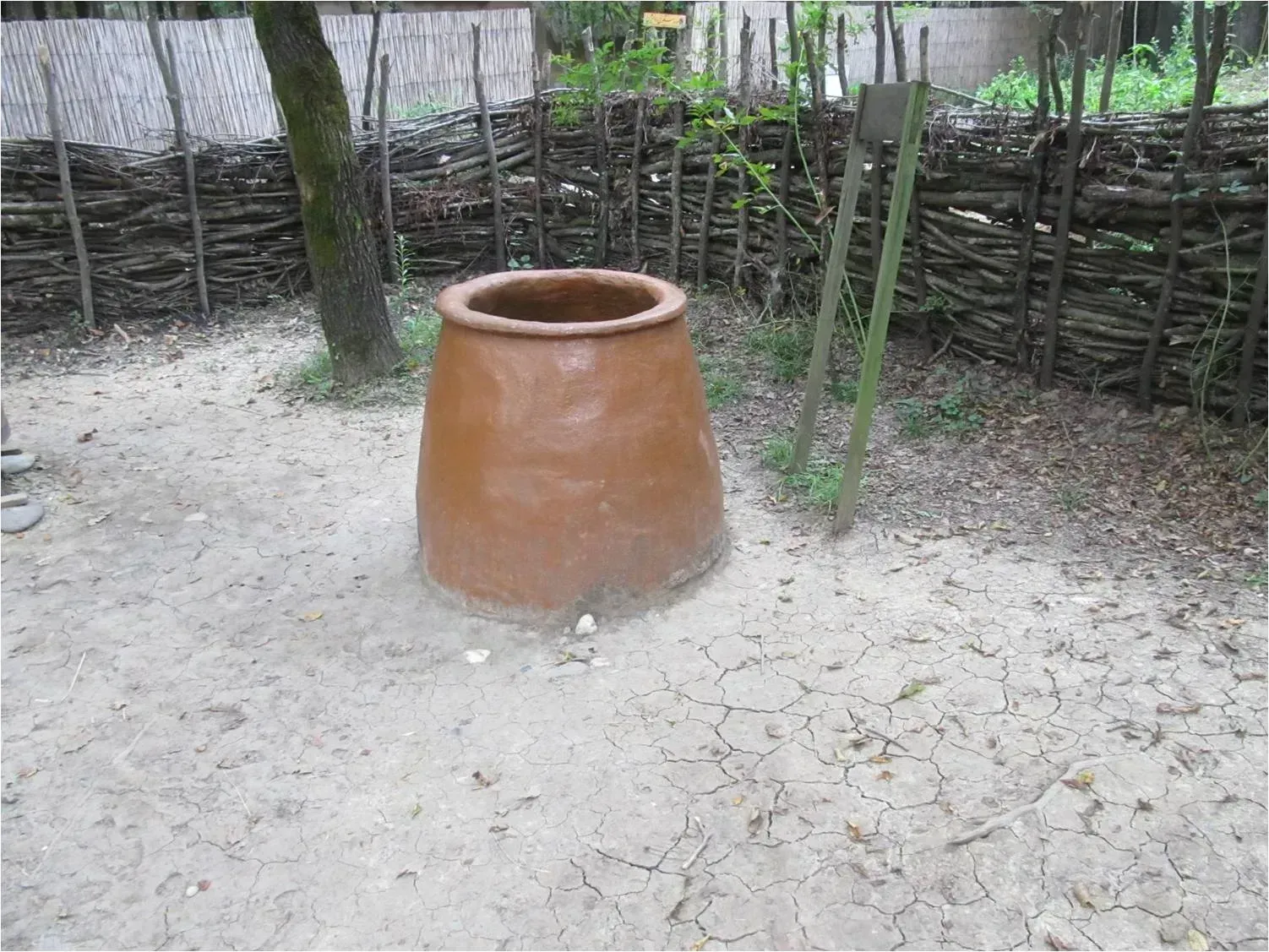
Iran has around one million wells, half of which are illegal. Excessive pumping has severely depleted aquifers, particularly in the Central Plateau, the Tehran region, and the central desert basins. The sheer number of unregulated extraction points makes enforcement nearly impossible, even when the political will exists.
Iran has about 650,000 wells, both legal and illegal, along with 39,000 qanats and 146,000 springs. Groundwater levels are dropping at an average of 2 to 4 meters per year, since the slow-filling aquifers have not been able to keep up with the growing number of water users and withdrawals. The government’s 2010 decision to legalize some 30,000 previously illegal groundwater wells directly accelerated the depletion of aquifers. That decision was driven by political pressure from agricultural constituencies, and it made an already fragile situation significantly worse.
The Collapse of the Qanat: Abandoning an Ancient Solution
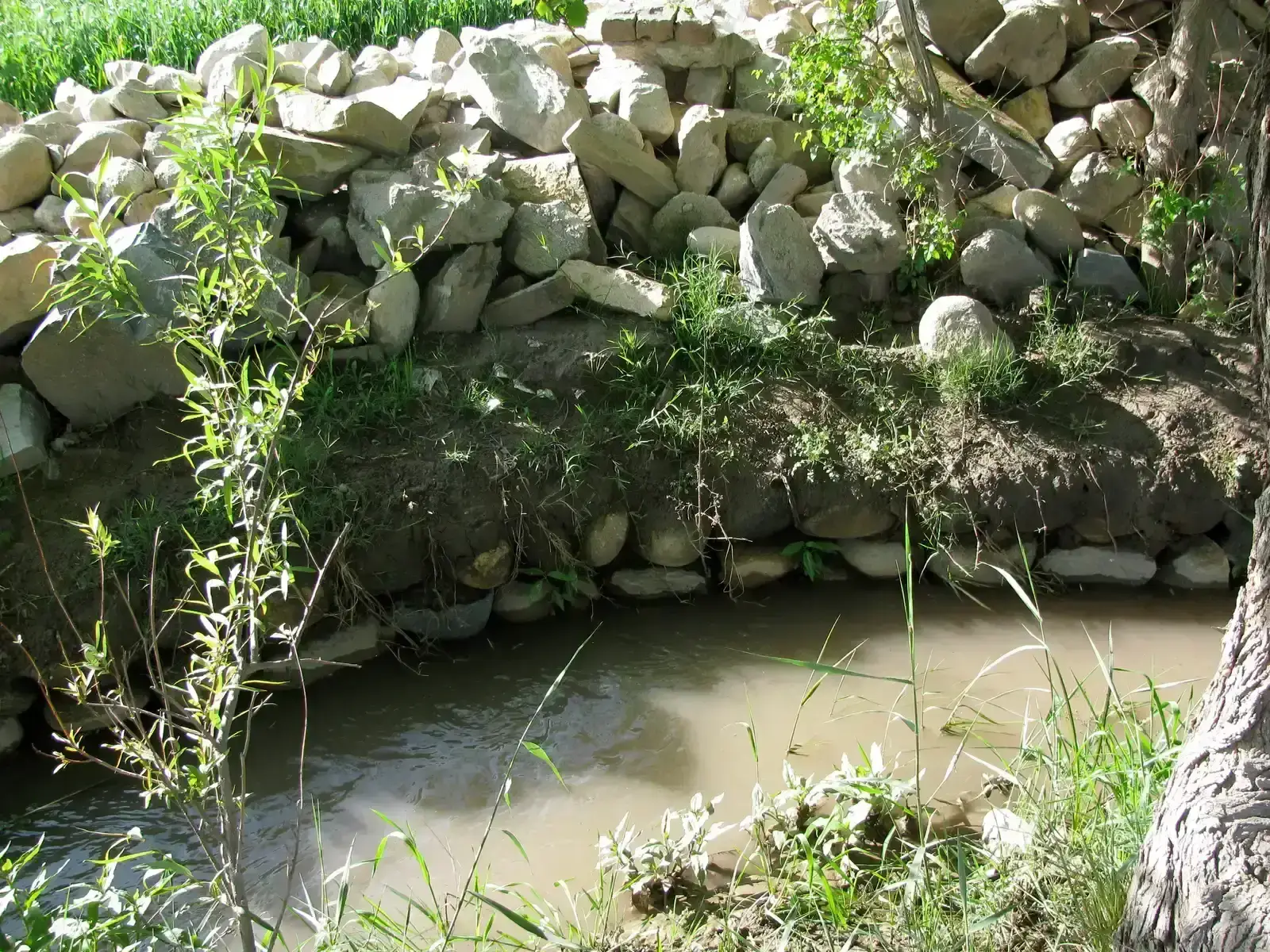
This modern failure stands in stark contrast to Iran’s historical legacy of sophisticated water management. For nearly 3,000 years, Persian civilization thrived in an arid climate through the ingenious system of qanats, hand-dug underground aqueducts that tap into the water table and transport water via gravity over many kilometers. These gravity-fed channels required no pumps, consumed no energy, and worked in harmony with natural recharge rates.
Approximately 35,000 qanat systems have been lost over the past 50 years due to a combination of climate change, unregulated well drilling, and environmental degradation. While Iran once had nearly 70,000 functioning qanats, poor environmental policies and widespread neglect have led to the loss of at least half. Besides overpumping, a second reason why Iran’s underground water reserves are slipping away is that less water is seeping down from surface water bodies and soils to replenish them. Research found a 35% decline in aquifer recharge since 2002.
The Ground Is Literally Sinking
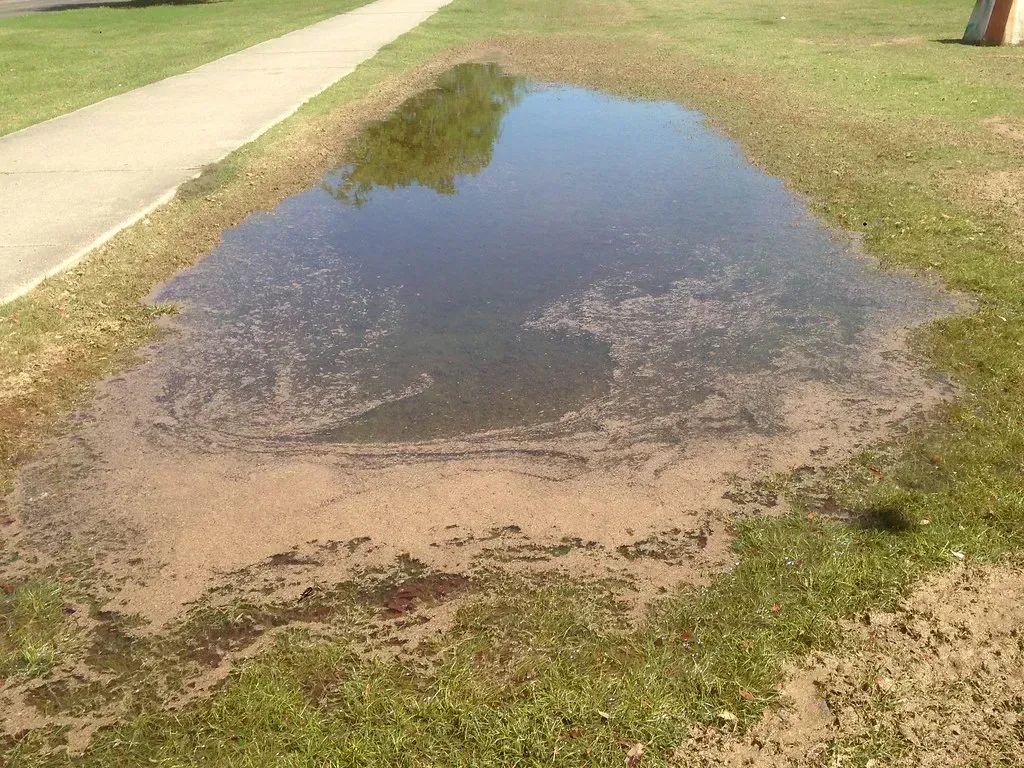
Approximately 56,000 square kilometers, or roughly 3.5% of the country’s area, is subject to land subsidence, primarily linked to irrigation. The central plateau catchment hosts two-thirds of the country’s depleting aquifers, with locations sinking at rates higher than 35 centimeters per year. That’s not a slow geological process. That’s a rapid, human-driven collapse happening within a single lifetime.
Land subsidence is worsening dramatically: in southern Tehran, the ground is sinking up to 31 centimeters per year, damaging infrastructure including roads, railways, and heritage sites such as Persepolis. Geologists call it a “silent earthquake.” While surface structures can be repaired, the geological wreckage underground cannot. Once significant subsidence and compression occurs, much of the water storage capacity is permanently lost and cannot be restored, even if water levels later rise.
Tehran on the Brink
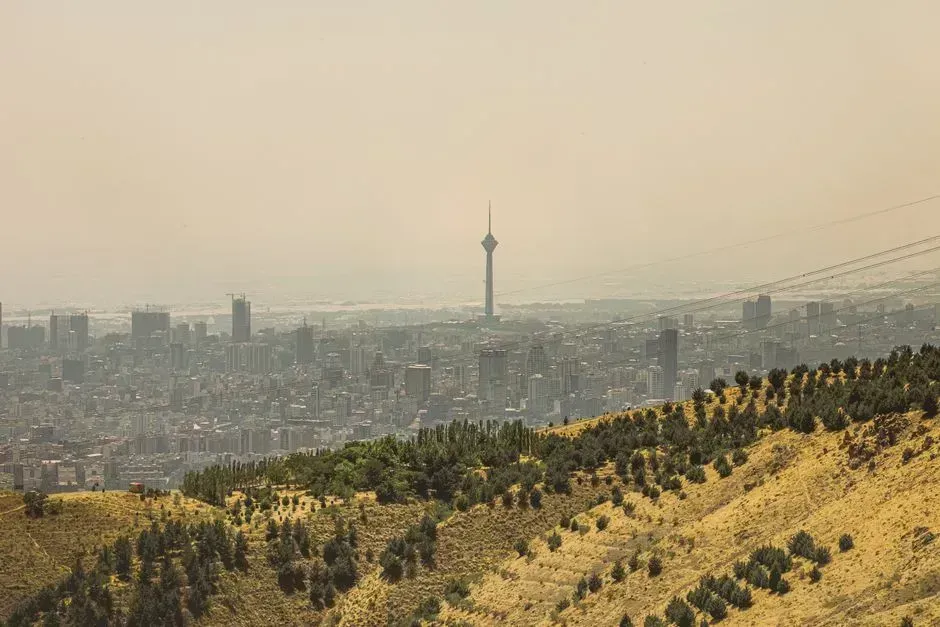
In 2025, when Iran’s rainfall was roughly 40% lower than the long-term average, reservoirs supplying the capital fell to about 12% of their capacity. Even as Tehran struggles with drought, roughly one third of the water entering its supply systems is lost to leaks and theft before reaching consumers. Uncontrolled expansion has also slashed the city’s vegetation cover by nearly 90%, replacing green spaces with impermeable surfaces that impede rainfall from infiltrating the soil to replenish rivers and groundwater aquifers.
Tehran draws 30 to 60% of its water supply from the Tehran aquifer, a groundwater reserve it shares with surrounding farmers. Groundwater withdrawals for crop production account for half of Tehran Province’s total water footprint. Chronic over-exploitation, exacerbated by widespread illegal wells, is rapidly depleting this collective resource, with the region now irretrievably losing 101 million cubic meters of groundwater annually. Tariffs are set far below the cost of provision, and in 2024, urban consumers paid only about half of the actual costs for receiving their water, starving utilities of the resources to effectively maintain supply networks while encouraging over-consumption.
Lake Urmia and the Wider Environmental Collapse
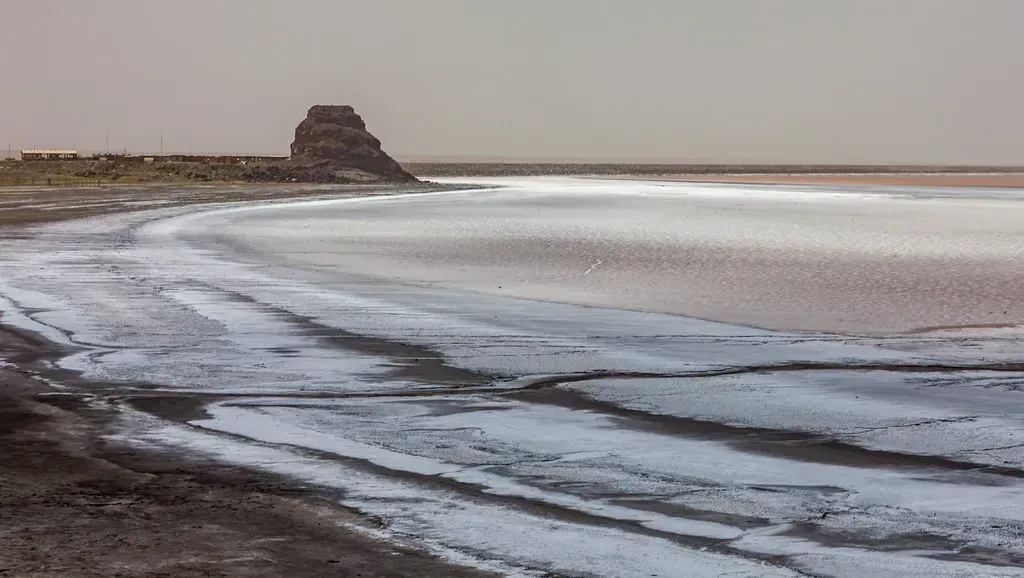
In northwestern Iran, Lake Urmia, once the Middle East’s largest saltwater lake, has lost more than 90% of its volume and surface area. Environmental experts have warned that “salt storms” from the dried lakebed are beginning to hit surrounding provinces, damaging crops, raising health risks, and prompting what officials describe as the early stages of forced relocations from nearby towns and villages.
Groundwater overdraft has contributed to a host of contemporary socioecological problems, including the drying up of wetlands, desertification, sand and dust storms, deteriorating water quality, and population displacement. Iran’s rivers, once lifelines for agriculture and ecosystems, are heavily polluted. Industrial waste and untreated sewage contaminate drinking water in cities like Ahvaz and Isfahan. Groundwater contamination from pesticides is widespread in farming zones, while saltwater intrusion is rising along the coast.
Water Refugees and Social Unrest
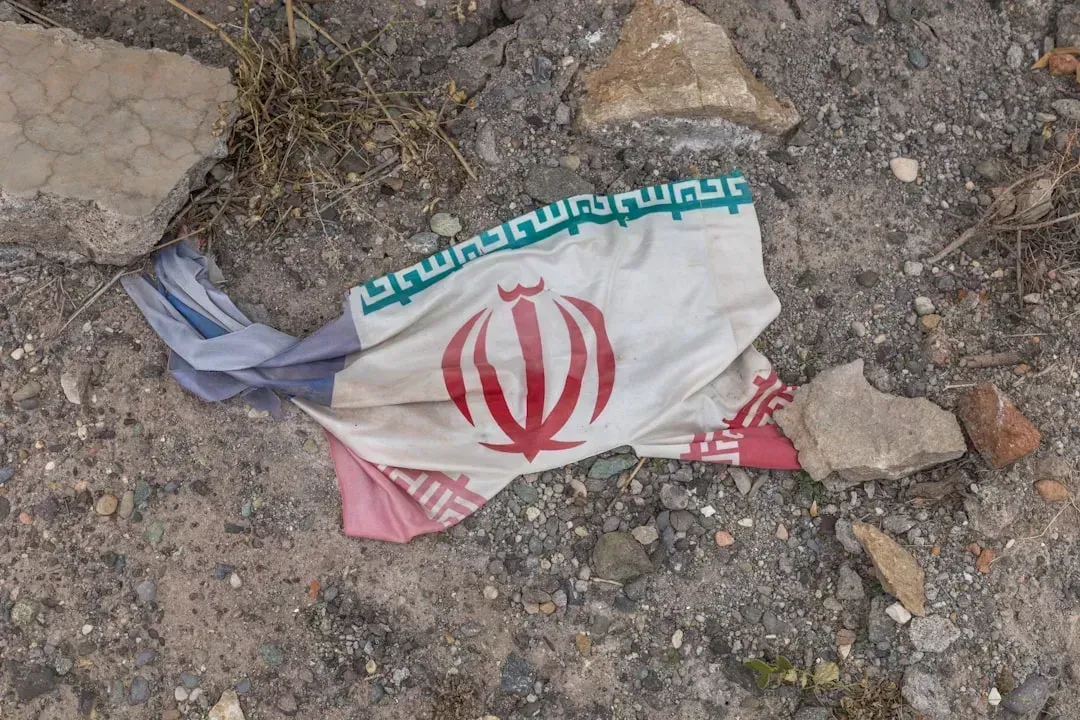
A state-run Iranian daily coined a new term for a rapidly intensifying reality: “water refugees.” An accelerating wave of internal migration is pushing families from drought-stricken provinces toward the greener Caspian coast, particularly Gilan and Mazandaran, with entire neighborhoods now crowded with newcomers fleeing dried wells, dust storms, and the collapse of local agriculture.
Widespread water shortages and rolling blackouts triggered mass demonstrations in 2025 beginning in early May, initially led by university students. These were soon joined by truck drivers, bakers, farmers, retirees, and other social groups. What began as protests over basic necessities rapidly evolved into broader demands for systemic change. The crisis also contributed to several large protests, including some in Isfahan and Khuzestan in 2018, 2021, and 2025 that were specifically triggered by water scarcity.
The Policy Failures That Made It Worse
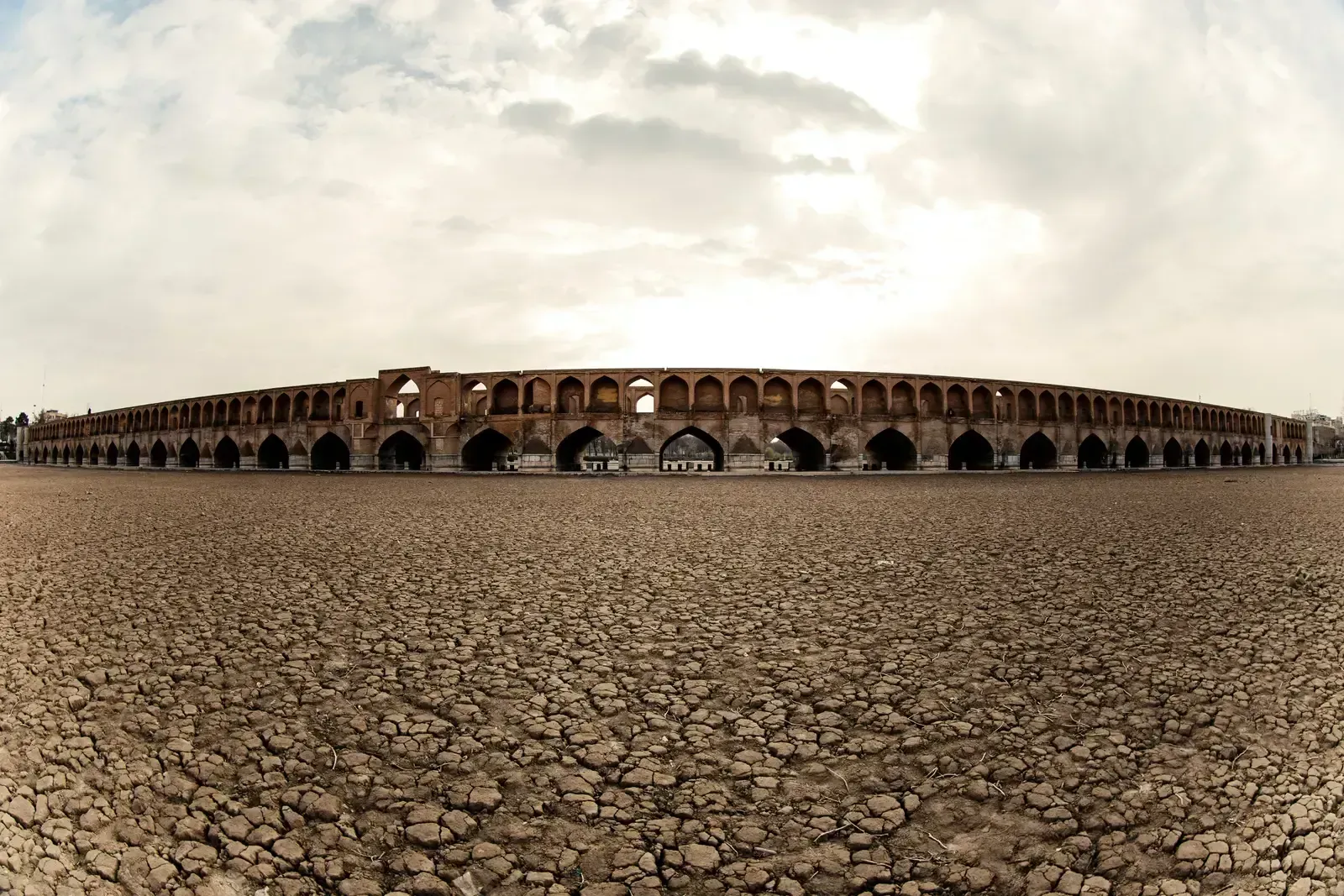
The defining problem is management: a lack of coordination among key ministries and short-term crisis fixes that ignore long-term realities. One striking example came in July 2025, when schools and offices in Tehran and several provinces were temporarily shut down to reduce electricity and water consumption. The move briefly eased pressure but underscored the absence of durable policy.
The institutional framework for managing water is paralyzed. Multiple ministries and organizations, including the Ministry of Energy and the Ministry of Agriculture, have overlapping and often conflicting responsibilities, with no single empowered authority capable of enforcing a coherent national strategy. A survey conducted in September 2025 found that roughly three quarters of Iranians blame the water crisis on domestic mismanagement and inefficiency, while only a small fraction attribute the crisis to natural factors.
The Road Ahead: Partial Solutions and Hard Choices

Iran’s president, Masoud Pezeshkian, warned that Iran had “no choice” but to move its capital away from arid Tehran, which now has a population of about 10 million, to wetter coastal regions, a project that would take decades and has a price estimated by analysts at potentially $100 billion. The idea of relocating a capital city underlines just how far beyond ordinary policy responses this crisis has moved.
Some experts suggest investing in non-conventional sources such as desalination in coastal regions, yet warn that even these efforts cannot offset long-term depletion without demand-side reform. Agriculture, the primary water consumer, must undergo a transition toward more sustainable practices including drip irrigation and crops adapted to aridity such as pistachio, saffron, and sorghum. Experts estimate that a 30 to 40% reduction in agricultural consumption is achievable within ten years. Whether the political conditions exist to actually implement such reforms is a separate and considerably harder question.
