

- Phantom Energy Sucking Power 24/7 – 7 Home Electronics Quietly Inflating Utility Bills - November 14, 2026
- A Million-Mile Storm Raging for Centuries – 6 Violent Weather Wonders in Our System - November 14, 2026
- Animals Flee Hours Before the Tremor – 7 Natural Warnings Before Disasters Strike - November 14, 2026
Electric vehicles have become the defining symbol of a cleaner future. Governments around the world have committed billions to accelerating their adoption, automakers have restructured entire production lines, and consumers are increasingly trading petrol pumps for charging cables. On the surface, it looks like a straightforward win.
The reality is more complicated. Beneath the promise of zero tailpipe emissions sits a web of environmental, social, and infrastructural costs that rarely surface in mainstream coverage. These are not reasons to dismiss the electric transition, but they are reasons to look at it more honestly.
The Manufacturing Carbon Debt Nobody Talks About
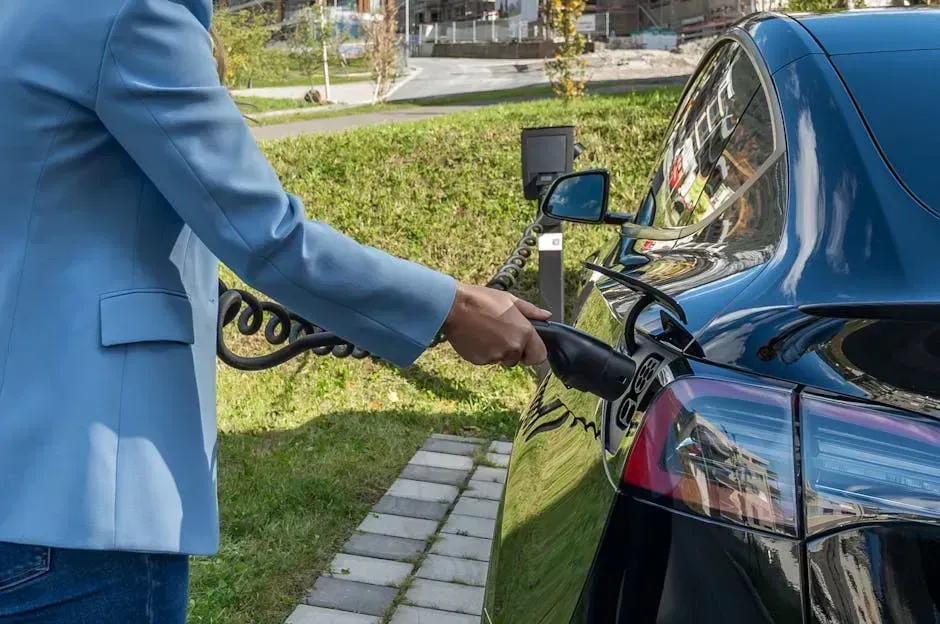
Manufacturing an average gas-powered sedan creates about six metric tons of carbon dioxide emissions, but manufacturing an electric vehicle of the same size creates more than ten metric tons. That gap is almost entirely driven by the battery. It’s a carbon debt that every EV owner carries from the moment they drive off the lot.
Greenhouse gas emissions are released elsewhere in the global supply chain, especially during the production of materials and battery manufacture. The mining and refining of materials, cell manufacturing, and battery assembly processes together account for roughly ten to thirty percent of the total lifecycle emissions of a battery electric vehicle. The good news is that this debt eventually gets repaid through cleaner driving, but the timeline depends heavily on where that electricity comes from.
What Lithium Mining Actually Does to Landscapes
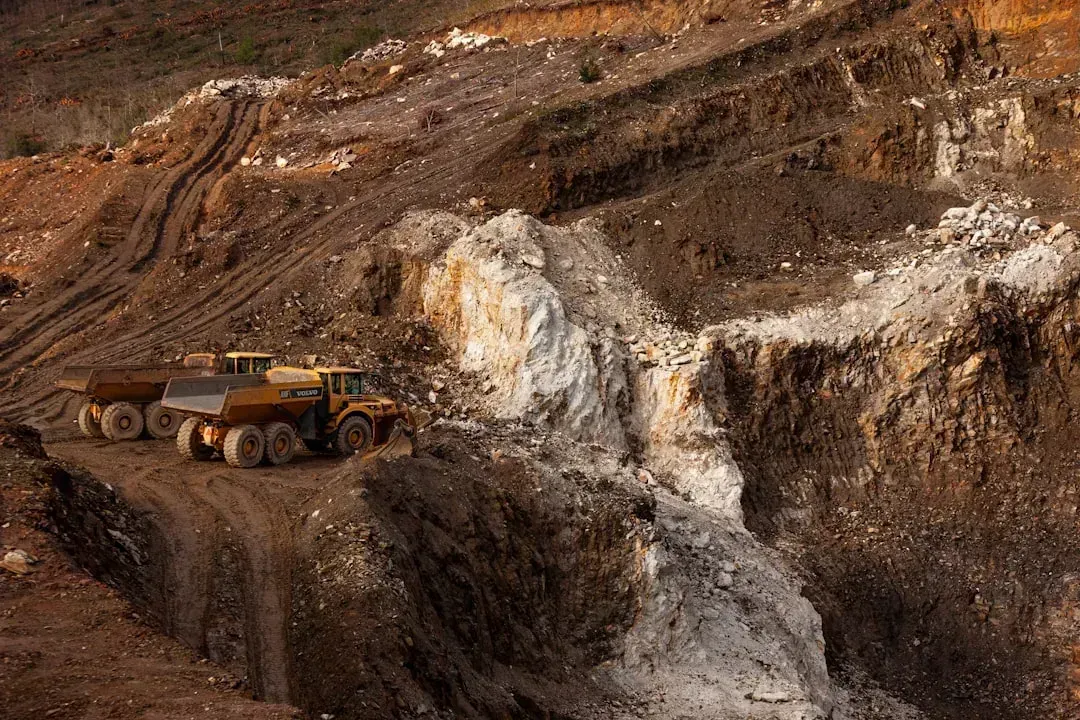
Mining battery materials has a high environmental cost, a factor that inevitably makes the EV manufacturing process more energy intensive than that of a conventional vehicle. The environmental impact of battery production comes from the toxic fumes released during the mining process and the water-intensive nature of the activity. In some regions, the land around active lithium operations has been reshaped in ways that take decades to recover.
Mining affects water systems through both direct use and contamination. It impacts local biodiversity. There are also documented social impacts, including Indigenous peoples in Latin America who have not been fully consulted before large-scale mining projects were built on or near their territories and culturally sensitive sites. These are costs that rarely appear on a vehicle’s window sticker.
The Cobalt Problem and Human Rights
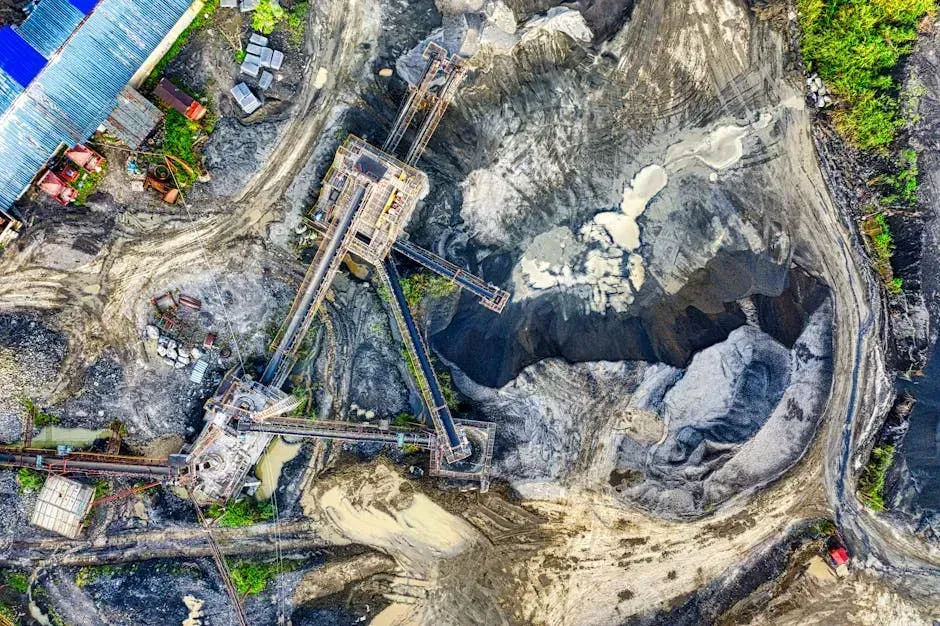
The key component powering an electric vehicle is its battery, a complex unit made up of critical minerals such as cobalt, lithium, and nickel. A 2024 Amnesty International report assessing the human rights practices of thirteen leading EV manufacturers revealed significant ethical shortcomings in the mining of these minerals. None of the companies assessed scored above 51 out of 90. That result is striking given how prominently sustainability features in these companies’ public messaging.
Cobalt is one of the most controversial materials due to its environmental impact and human rights concerns, particularly in the Democratic Republic of Congo, which supplies over seventy percent of the world’s cobalt. This has led many to push for innovations in battery chemistry, such as solid-state batteries and sodium-ion batteries, which could significantly reduce the reliance on these materials. Progress exists, but the timeline for widespread adoption of those alternatives remains uncertain.
Straining a Grid That Was Never Built for This
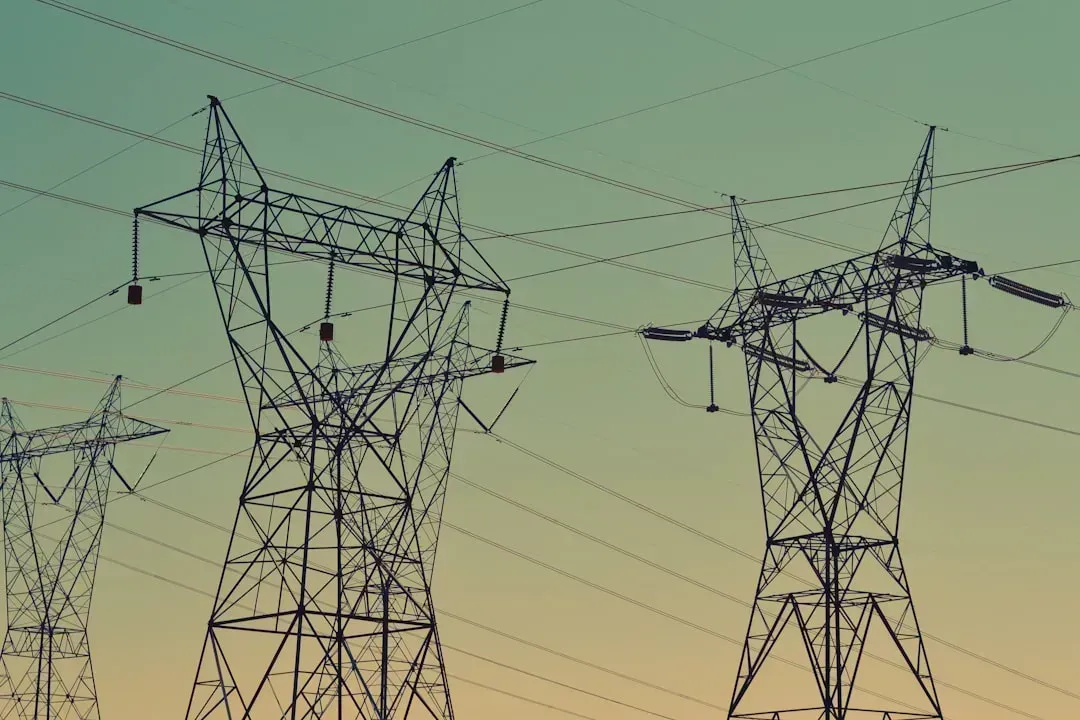
The increasing widespread adoption of EVs poses significant challenges for local distribution grids, many of which were not designed to accommodate the heightened and irregular power demands of EV charging. Components such as transformers and distribution networks may experience overload, voltage imbalances, and congestion, particularly during peak periods. The problem isn’t theoretical. It’s showing up in utility planning documents right now.
Research published in the Proceedings of the National Academy of Sciences found a substantial need for infrastructure upgrades in half of California’s power grid feeders by 2035, and in more than two thirds by 2045. The distribution system across California must upgrade its capacity by 25 gigawatts by 2045, at an estimated cost of between six and twenty billion dollars. California is not an outlier. It is simply further along in the adoption curve than most places.
Who Actually Pays for Grid Upgrades
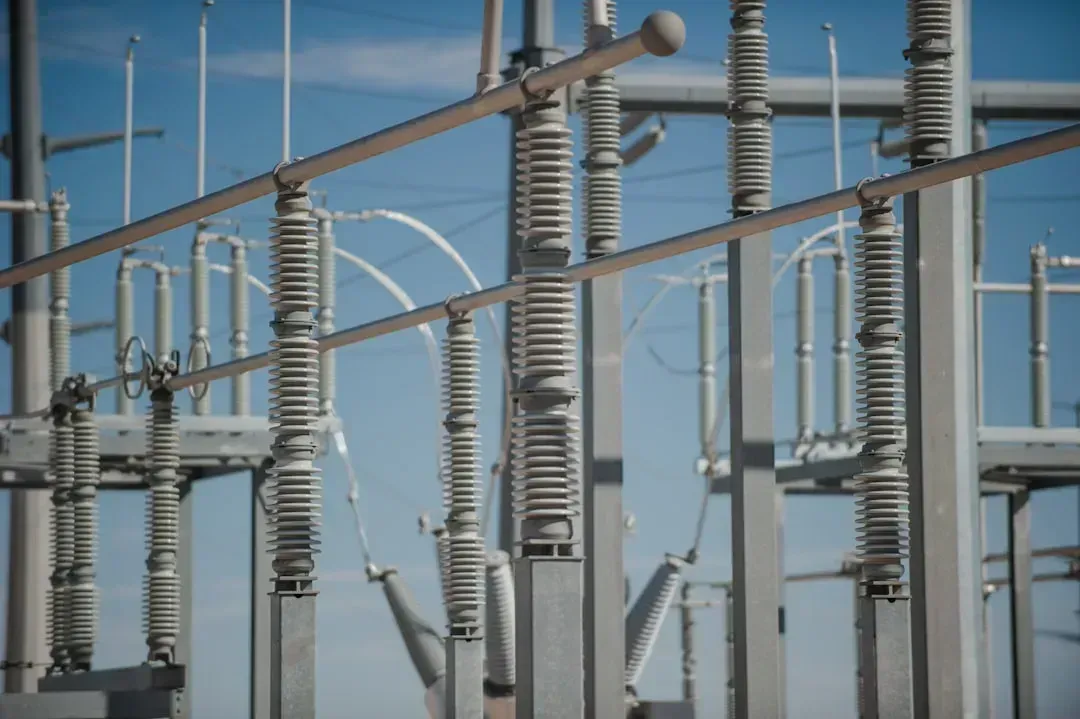
Research using real-life driving profiles predicts massive cost asymmetries, with infrastructure investment demand up to 33 times higher in higher-income neighborhoods compared to lower-income ones. Many grid operators may redistribute these costs through an across-the-board electricity price increase for all households. In times of rising electricity prices, these inequitable cost allocations could lead to severe challenges and energy poverty.
In other words, households that may never own an electric vehicle could still end up subsidizing the grid upgrades required to charge their neighbors’ cars. Policymakers are being urged to consider countermeasures like dynamic electricity pricing schemes, income-based electric vehicle subsidies, or improved charging network access to ensure energy equity. How many governments are actually moving on those countermeasures remains an open question.
The Charging Access Gap
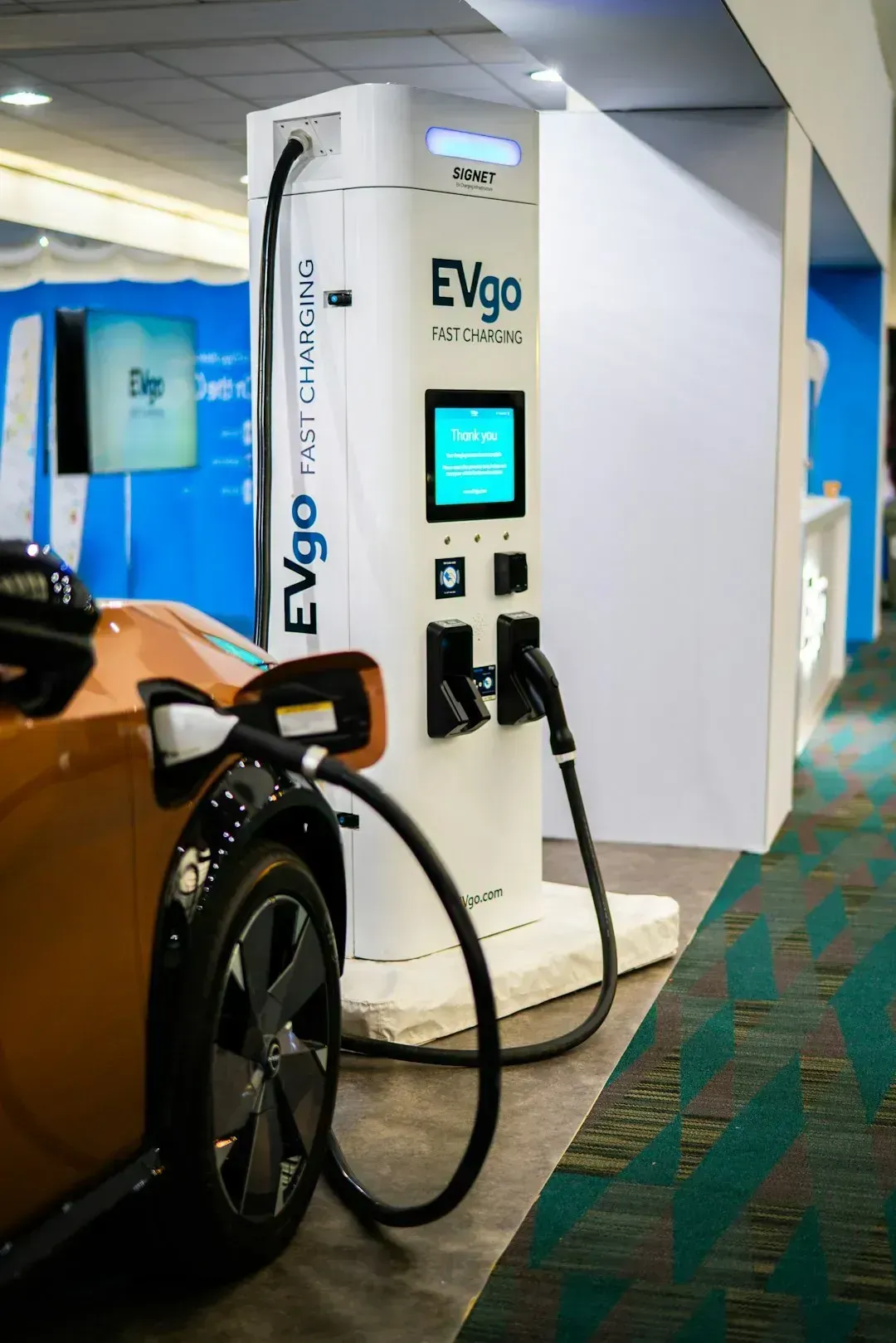
Early adopters of electric cars have tended to live in single-family detached homes with affordable and convenient access to home charging, meaning most charging to date has been private. Public chargers, meanwhile, have tended to be installed in urban areas where utilization rates are likely to be higher. That pattern creates a quiet but significant divide between who benefits from electrification and who gets left out.
Low-income communities and communities of color, already facing disproportionate exposure to pollution, are often excluded from the benefits of electrification. Charging stations primarily reside in affluent areas, denying marginalized groups the opportunity to participate in the transition to EVs. The equity dimension of the electric car boom tends to get overshadowed by the headline sales figures.
The Looming Battery Waste Wave
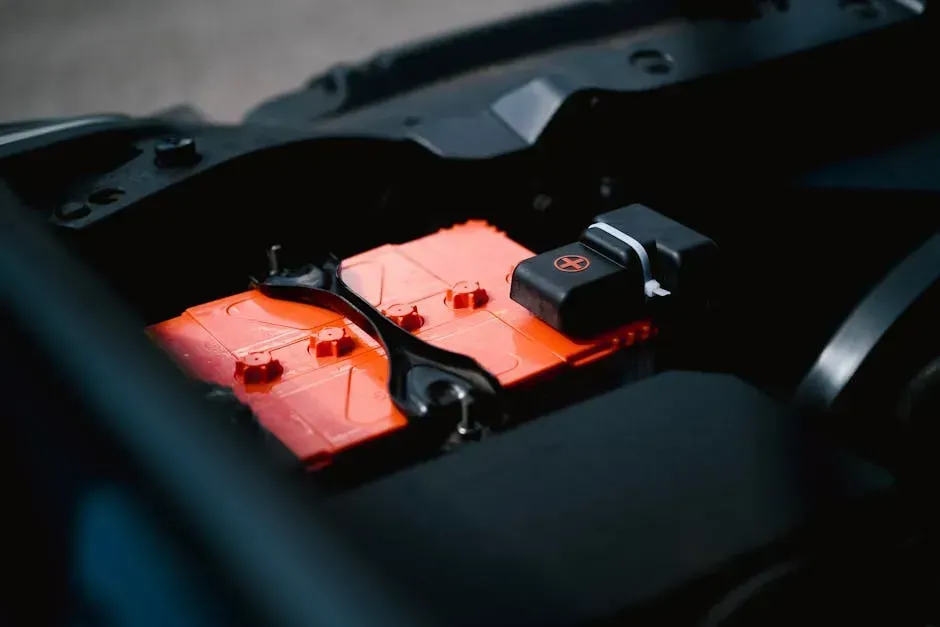
The global volume of end-of-life lithium-ion batteries was around 900 kilotons in 2025, a relatively low figure because end-of-life batteries from electric vehicles are not yet significant in volume. However, with increasing usage, that volume is expected to increase by an average of roughly one quarter annually, potentially reaching over 20,000 kilotons by 2040. The industry is only now beginning to reckon with what that means at scale.
The growing use of electric vehicles has led to a sharp increase in battery waste, particularly from end-of-life lithium-ion batteries. A significant portion of this waste is not properly recycled but instead ends up being incinerated, landfilled, or processed through informal channels. Such practices contribute to environmental degradation by releasing potentially toxic elements into the air, soil, and water. The recycling infrastructure needed to handle this wave responsibly is still far from ready.
Why Recycling Is Harder Than It Sounds
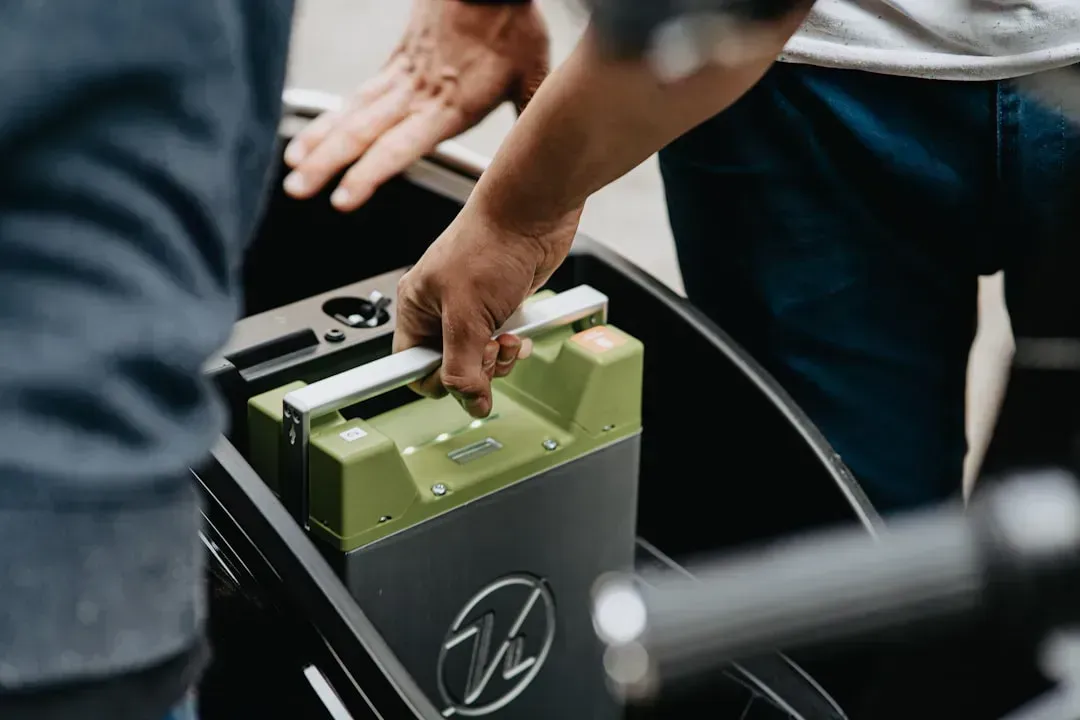
Long-term scalability, cost-efficiency, and regulatory alignment remain significant hurdles for battery recycling. Until the EV market begins to plateau, and given the ten-year average lifespan of the battery, the industry should not expect an equal amount of batteries being recycled versus new production. That gap matters because it means virgin mineral extraction will continue to accelerate well before recycling catches up.
There is often less attention given to sustainability in stages of the EV lifecycle beyond driving, including raw material extraction, manufacturing, end-of-life treatment, and final disposal. The significant investment in materials and resources for the production of large battery packs represents an environmental drawback of the mass adoption of electric vehicles. Solving the recycling challenge is not impossible, but it requires investment and regulation that most markets have only begun to put in place.
The Dirty Grid Problem
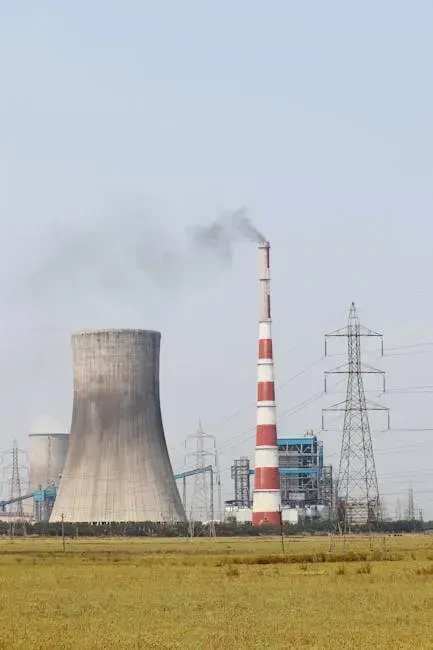
The source of the electricity used to charge electric vehicles is a critical variable. If an EV is charged via a power grid heavily reliant on coal or natural gas, the “zero emission” claim becomes a relocation of pollution from the urban street to the rural power plant, rather than a total elimination of carbon output. That distinction matters enormously and varies dramatically from one region to another.
The environmental impact of an EV is determined not just by its tailpipe emissions, which are zero during use, but by the entire lifecycle: mining rare minerals like lithium and cobalt, energy grid sources, and battery end-of-life. Taken together, these factors mean that an EV in one part of the world can carry a meaningfully different environmental footprint than the exact same model driven somewhere else. The car hasn’t changed. The grid has.
The Bigger Picture
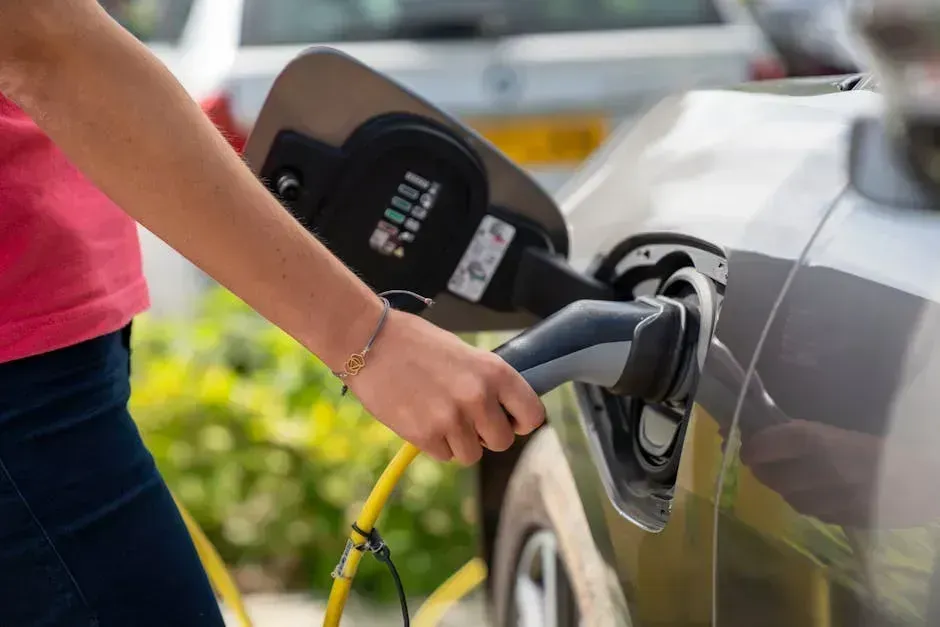
Comprehensive lifecycle analyses consistently demonstrate that EVs generate roughly thirty to seventy percent fewer total emissions over their lifespan, with the break-even point typically occurring within fifteen to thirty thousand miles of driving. That finding is important and shouldn’t be lost in the noise. The electric transition is still, on balance, a step in the right direction.
What gets obscured is the difference between a policy narrative and the messy ground-level reality. The mining disruptions, the grid inequities, the battery waste wave, the charging gaps – none of these are arguments against electrification. They are arguments for doing it more carefully, more honestly, and with a much clearer eye on who bears the costs when the industry moves fast and the infrastructure moves slow.
