


- The Planet Where It Rains Liquid Glass – 7 Alien Worlds Defying Known Physics - November 14, 2026
- Stars Consuming Entire Worlds – 6 Planetary Systems Swallowing Their Own Worlds - November 14, 2026
- The Ground Liquefies Like Water – 6 Silent Fault Lines Geologists Watch Closely - November 14, 2026
Something strange has been happening along coastlines around the world. Creatures that belong thousands of feet below the surface, in cold, pressurized darkness that most humans will never experience, have been turning up in shallow waters, on beaches, and even on camera in ways that scientists are still trying to fully explain. It’s not one isolated event. It’s a pattern.
The ocean covers most of our planet, yet the deep sea makes up roughly 95 percent of the living space on Earth and plays an enormous role in regulating our climate. Despite that, we know remarkably little about what lives down there and why, on occasion, those inhabitants seem to drift upward into a world they were never built for.
The Oarfish: World’s Longest Bony Fish Keeps Appearing on Shores
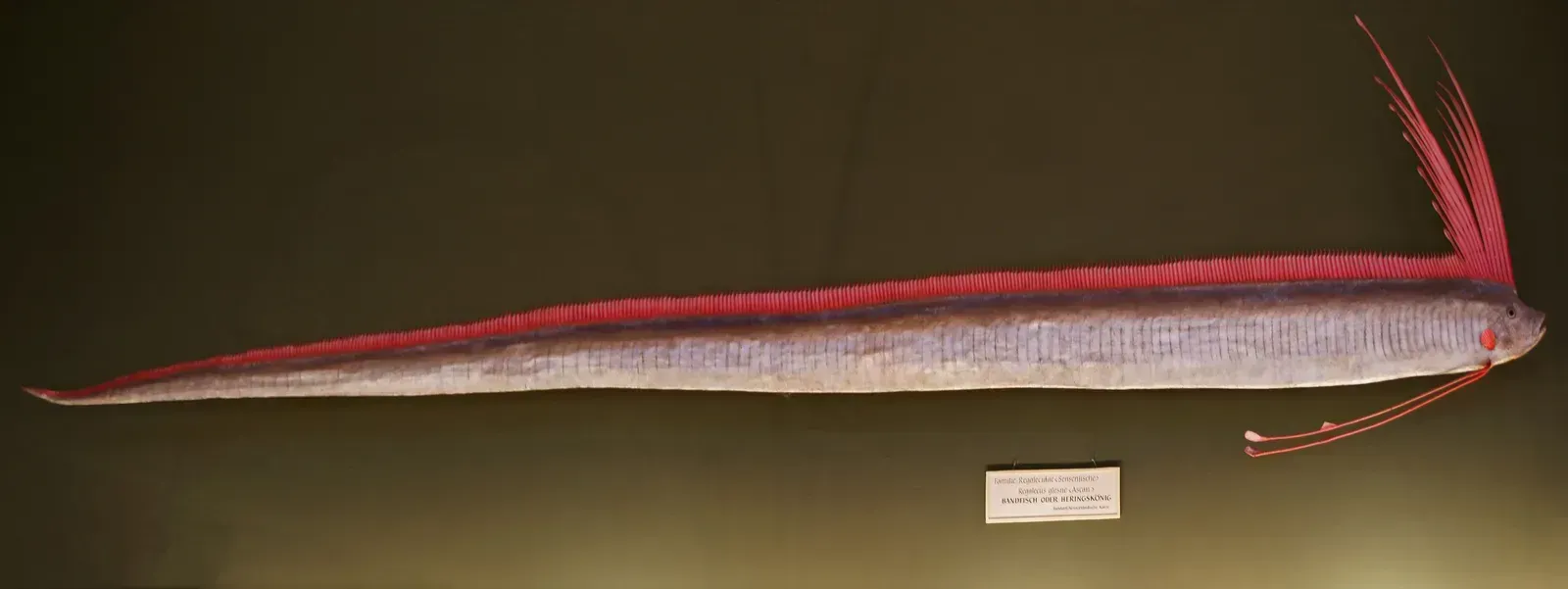
The oarfish has a long, eel-like body that shimmers with a metallic sheen, accented by translucent orange fins. It can stretch over 36 feet, making it the longest bony fish in the ocean, and typically lurks in the mesopelagic zone, hundreds to thousands of feet below the surface where sunlight fades to black. It’s an animal most people never expected to see in person.
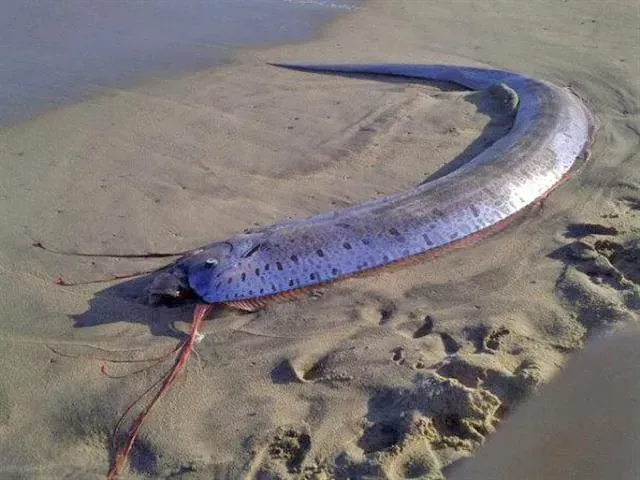
In late 2024, a researcher spotted a washed-up oarfish on Grandview Beach in Encinitas, California. It was the third found in Southern California since August of that year. Before August’s discovery, scientists had only recorded 19 oarfish that had washed up on the California coast since 1901. Three in just a few months was genuinely unusual.
Oarfish Sightings in Mexico and the Canary Islands in 2025

On a sunlit beach in Lanzarote, Canary Islands, a silvery ribbon of a fish washed ashore on February 10, 2025, catching the eyes of startled beachgoers. Within days, a video of the find racked up over nine million views on Instagram. The timing was striking, arriving just weeks after another sighting thousands of miles away.
A rare deep-sea fish was recently found on a beach in Mexico, with video from February 9 showing the long, silvery fish washing onto the shores of Playa El Quemado in Baja California Sur. The fish typically surface when they are dead, according to reports, but this one appeared to be alive and swimming. Then, in March 2026, two massive deep-sea oarfish suddenly appeared in the shallows of Cabo San Lucas, turning a casual beach walk into a surreal rescue mission caught on video, with locals trying to return the deep-sea creatures to the ocean.
What Science Says About Why They Surface
The current group of oarfish washing ashore may have to do with changes in and increased numbers of oarfish off the coast, according to Ben Frable, manager of the Scripps Oceanography Marine Vertebrate Collection at UC San Diego. Many researchers have suggested this as to why deep-water fish strand on beaches, and sometimes it may be linked to broader shifts such as the El Niño and La Niña cycle, though many variables could be the cause.
Some scientists wonder if there’s more to the story. Rachel Grant, a lecturer in animal biology at Anglia Ruskin University, suggests that when an earthquake occurs there can be a build-up of pressure in the rocks, leading to electrostatic charges that cause electrically-charged ions to be released into the water. This could form hydrogen peroxide, a toxic compound, or oxidize organic matter, harming or displacing deep-sea dwellers like the oarfish. The science is still preliminary, but it’s a live area of inquiry.
The Anglerfish: A Deep-Sea Predator Appearing in the Shallows
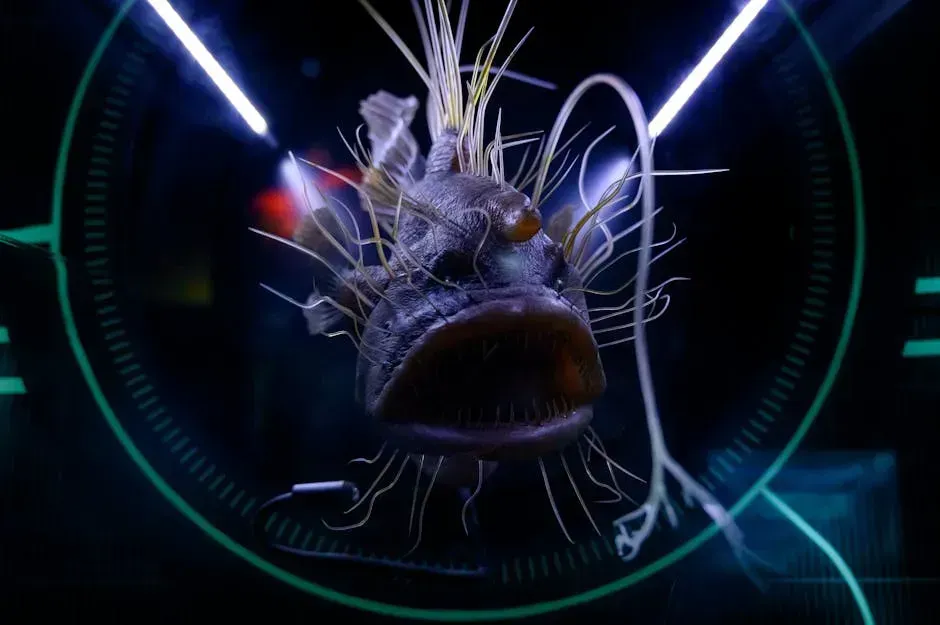
Anglerfish typically live in the dark depths 1,000 to 4,000 feet beneath the surface where there’s hardly any food source, and they’re known as predators, sometimes using a glowing light to attract prey. Finding one on a beach is, by any measure, an unusual event. Yet it’s been happening with increasing regularity on the West Coast of the United States.
One such creature that washed ashore in Carlsbad, California was a Pacific footballfish. While rare, it wasn’t the first in the research collection. About seven have washed ashore on the West Coast since 2021, with three in San Diego County alone. As for why these anglerfish are coming ashore more frequently, scientists are still trying to figure that out.
Ocean Warming and Shifting Currents as a Driving Force

In 2023 to 2024, sea surface temperatures rose about 2.0 degrees Celsius above average during a significant El Niño event. Those kinds of thermal disruptions don’t stay at the surface. They ripple downward, reshuffling the layered temperature structure that deep-sea animals depend on for orientation and prey availability.
Data from Argo, an international program that uses thousands of seaborne probes to measure ocean temperatures and salinity, showed record warming of the oceans in 2025. Marine biologists believe rising ocean temperatures and shifting currents may be disrupting the natural habitats of deep-sea species, forcing them into unfamiliar territory. Many experts attribute these events to climate change, which is altering marine ecosystems, shifting ocean temperatures, and disrupting marine species’ natural behaviors.
The First-Ever Live Footage of the Colossal Squid
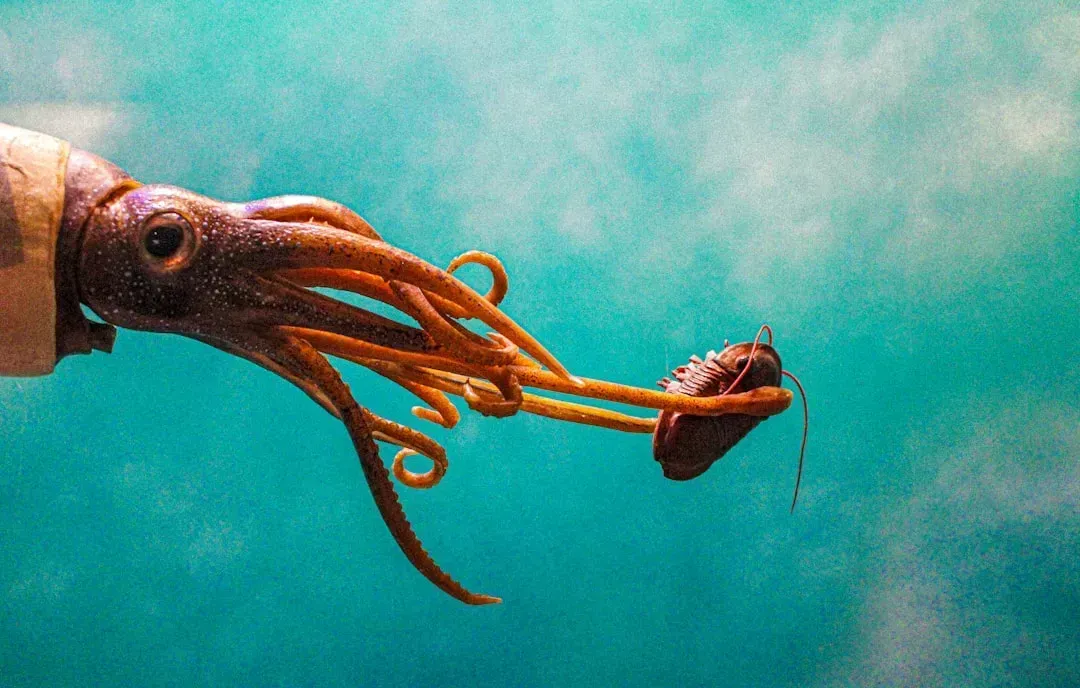
Scientists captured the first confirmed footage of the elusive colossal squid in its natural environment, 100 years after the marine creature was first identified and named. The video, taken near the South Sandwich Islands in the South Atlantic Ocean, shows a juvenile squid named Mesonychoteuthis hamiltoni swimming at a depth of 1,968 feet. It was a moment decades in the making.
While the colossal squid is thought to grow up to 23 feet long and weigh as much as 1,110 pounds, making it the heaviest invertebrate on the planet, this juvenile squid measured nearly 1 foot long. Little is known about the life and behaviors of the colossal squid. Most of what scientists understand about the animal has come from dead or dying specimens found within the stomachs of whales and seabirds, or as predators of toothfish that are harvested and caught for human consumption.
New Deep-Sea Species Discovered in Unexplored Zones
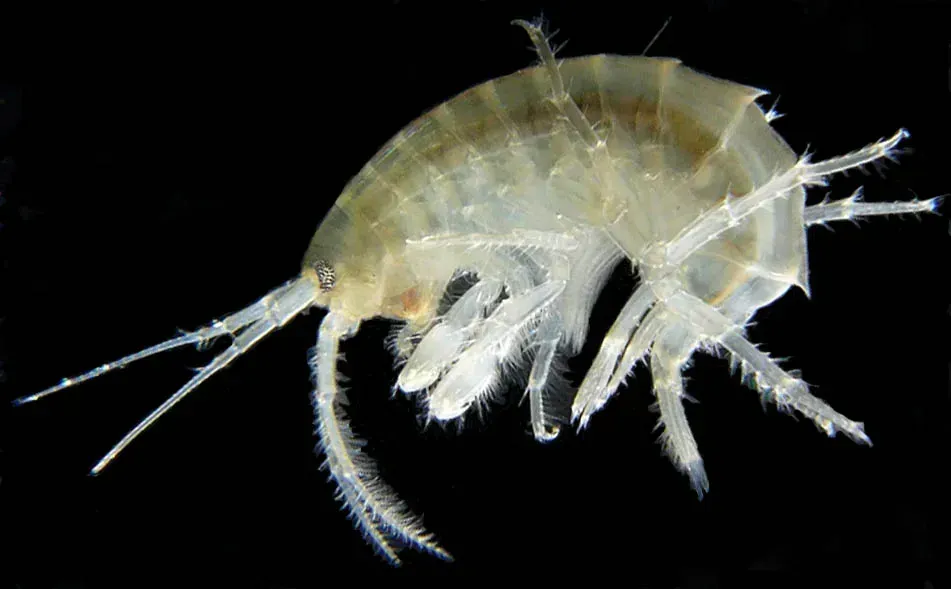
Scientists identified 24 previously unknown deep-sea amphipod species, including one entirely new superfamily, in the Clarion-Clipperton Zone in the central Pacific Ocean. The findings were published in an open-access ZooKeys special issue and represent a major step forward in documenting life in the CCZ, a vast region stretching across six million square kilometers between Hawai’i and Mexico that remains one of the least understood ecosystems on Earth.
Scientists are revolutionizing how new marine species are described through the Ocean Species Discoveries initiative. Using advanced lab techniques, researchers unveiled 14 new species from ocean depths exceeding 6,000 meters, including a record-setting mollusk, a carnivorous bivalve, and a popcorn-like parasitic isopod. Earth’s oceans hold extraordinary biodiversity, yet only a small portion of an estimated two million marine species have been formally identified and described. One of the biggest hurdles in ocean science is the lengthy delay, sometimes lasting decades, between when a species is first discovered and when it is officially documented.
The Seismic Folklore vs. Scientific Reality Debate

According to Japanese legend, oarfish will purposefully beach themselves to warn of an impending disaster, most commonly an earthquake or tsunami. They have been spotted in the past ahead of natural disasters, including the 2011 Fukushima quake. That association has lingered in public consciousness for generations, gaining renewed traction each time another oarfish surfaces.
Researchers in Japan looked into this in 2019, noting that Japanese folklore suggests uncommon appearances of deep-sea fish are an earthquake precursor. However, when they scoured news reports of deep-sea fish washing up, they determined that there wasn’t much of a relationship between those sightings and earthquakes. With their distinct, elongated bodies shimmering in silver and hues of blue and crimson, these rare sightings capture the imagination. Scientists, however, urge a more rational perspective, emphasizing that the appearance of these deep-sea dwellers is not a harbinger of doom.
What These Emergences Mean for Ocean Science
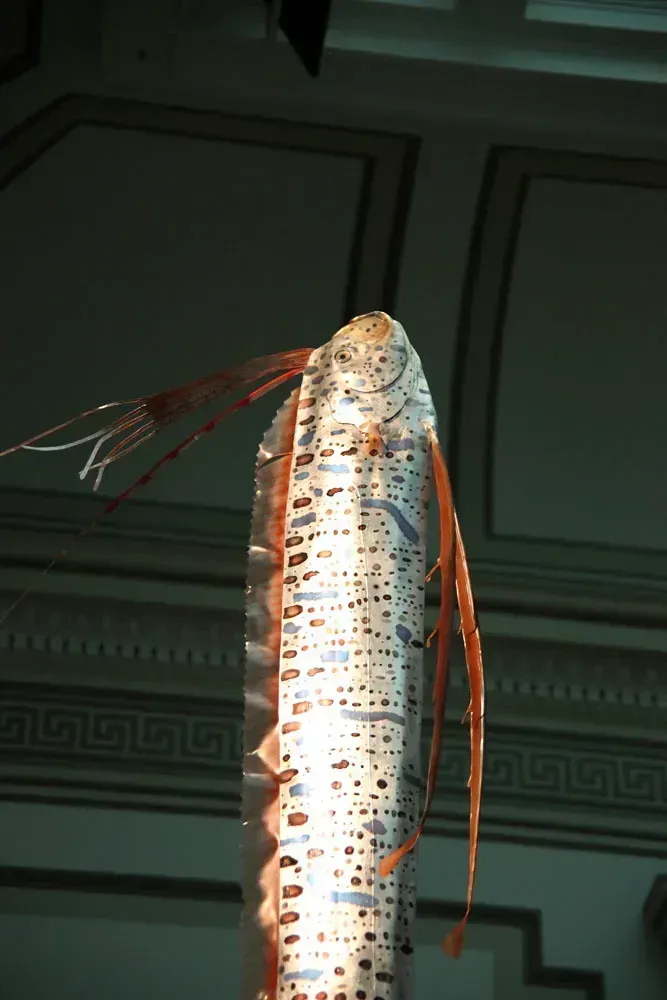
Beyond their mythical status, oarfish captivate scientists and the public alike due to their enigmatic existence. These deep-sea residents remain largely a mystery, with much of their biology and behavior still unknown. Their sudden appearances on shores offer rare opportunities for study, and for researchers, the chance to examine these creatures up close can provide invaluable insights into deep-sea ecosystems.
Discoveries like these are not only about wonder. They are also about baseline knowledge. When researchers can confirm which species live where and at what depths, it strengthens the science behind fisheries management and protected areas, especially in remote ocean regions where so much is still uncertain. The deep sea is not a static, sealed vault. It responds to the world above it, and the creatures emerging now may be telling us something worth listening to.
