


- The Compostable Cup Left Intact for Years – 5 Backyard Composting Failures - November 15, 2026
- Fast-Fashion “Conscious” Lines Under Scrutiny – 5 Red Flags in Eco-Clothing - November 15, 2026
- Space Engineers Explain 5 Quiet Changes Making Rocket Launches Safer Than Ever - November 15, 2026
1. The Heat Feels Like a Physical Object
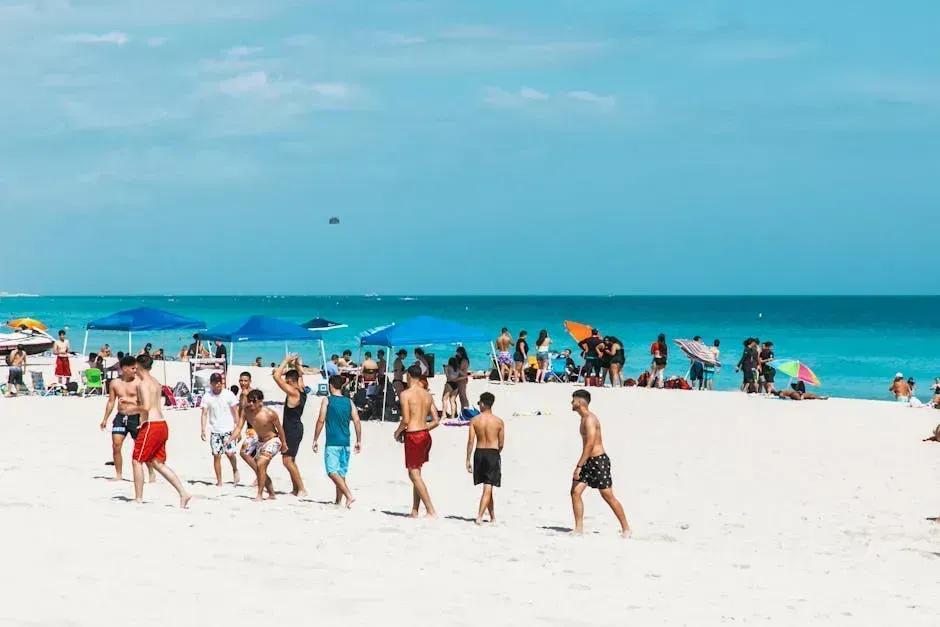
Most people imagine Florida heat as warm and pleasant, the kind that calls for sunscreen and a cold drink. What they don’t expect is a heat index – the temperature the body actually perceives when humidity mixes with air temperature – that regularly climbs well above what the thermometer says. During a stretch of late summer 2024, average high temperatures outside hovered around 91 degrees, and that figure doesn’t even account for the heat index, which the National Weather Service describes as what the temperature feels like to the human body when relative humidity is combined with air temperature.
The number of extreme heat days, classified as days when the weather reaches 95 degrees or higher, is projected to keep rising, according to the Florida Climate Center. What that means practically is that stepping outside in the middle of a July afternoon in central or south Florida isn’t uncomfortable – it’s genuinely punishing. In the summer of 2023 alone, there were 84 heat-related deaths in Florida, according to an Associated Press analysis of Centers for Disease Control and Prevention data.
2. Your Electric Bill Becomes a Monthly Shock
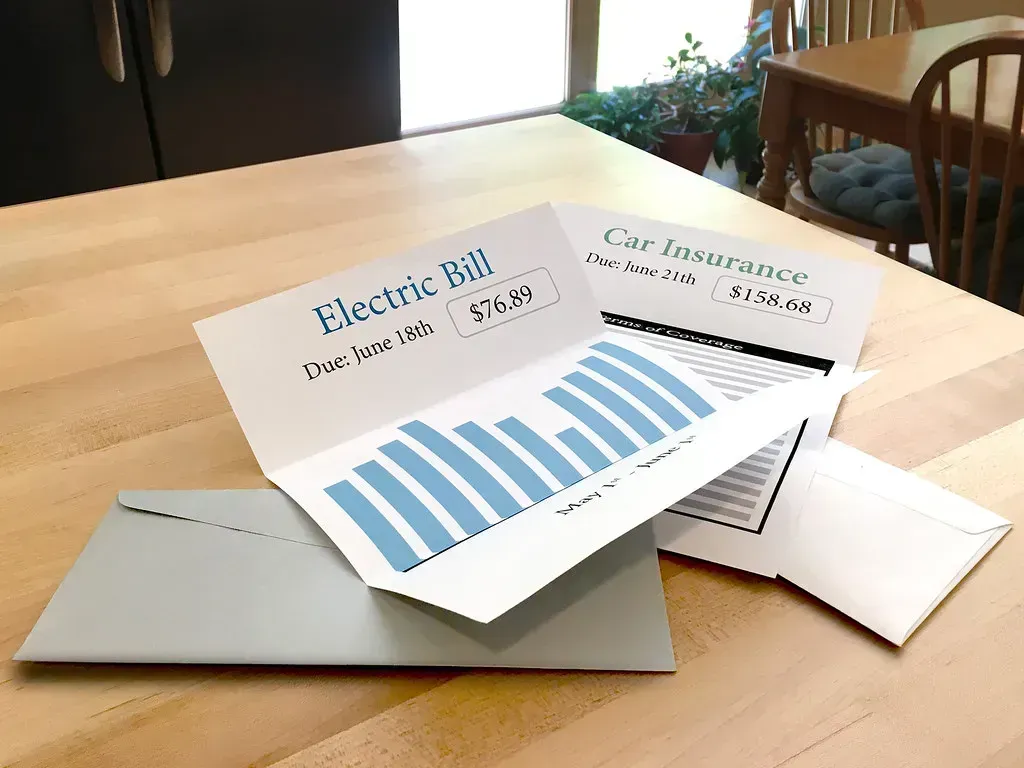
Running the air conditioning isn’t optional in Florida – it’s survival infrastructure. The bill that comes with it catches most newcomers completely off guard. Florida has the 15th highest average residential electric bills in the country as of 2023, tying with Rhode Island at $130.40 a month. That’s a baseline figure. During the peak summer months, bills climb considerably higher for households that keep the thermostat at a reasonable setting.
In Southeast Florida alone, nearly a quarter of households are highly or severely energy burdened, defined as 6 to 10 percent of gross monthly income spent on energy bills, while severely burdened households spend more than 10 percent of their gross income on those costs. Even middle-income earners feel the squeeze. A Climate Shift Index level 5 indicates that human-caused climate change made dangerous excessive heat at least five times more likely, and over one extended heat period in 2024, 17 million people in Florida experienced at least one such day.
3. The Rainy Season Is More Like a Second Climate
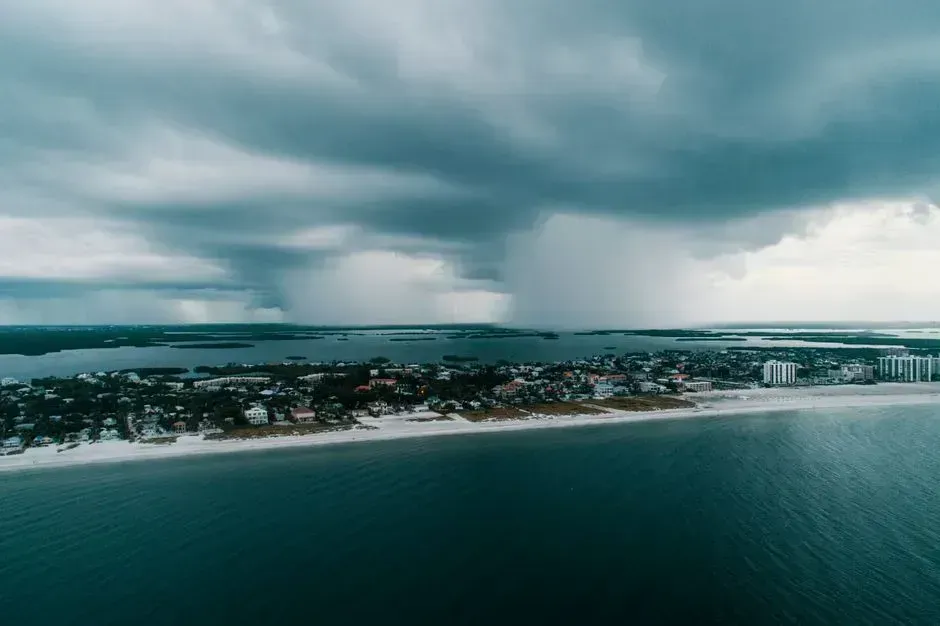
Florida doesn’t really have four seasons. It has two: a dry season and a wet season. The wet season runs roughly from late May through October, and it’s not gentle. 2024 was remembered by many as a year with highly variable rainfall totals across Florida, and multiple hurricanes were the source of that variation. But even in a non-hurricane year, afternoon downpours arrived with such regularity that locals planned errands around them.
Florida has the highest average annual temperature at just over 72 degrees and the second-highest annual rainfall at nearly 56 inches. The intensity of daily storms surprises newcomers the most. A clear blue morning sky can turn into a full thunderstorm within an hour, dump two inches of rain in forty minutes, and then clear up again – leaving the pavement steaming and the humidity even thicker than before.
4. Lightning Is Not Just a Background Feature
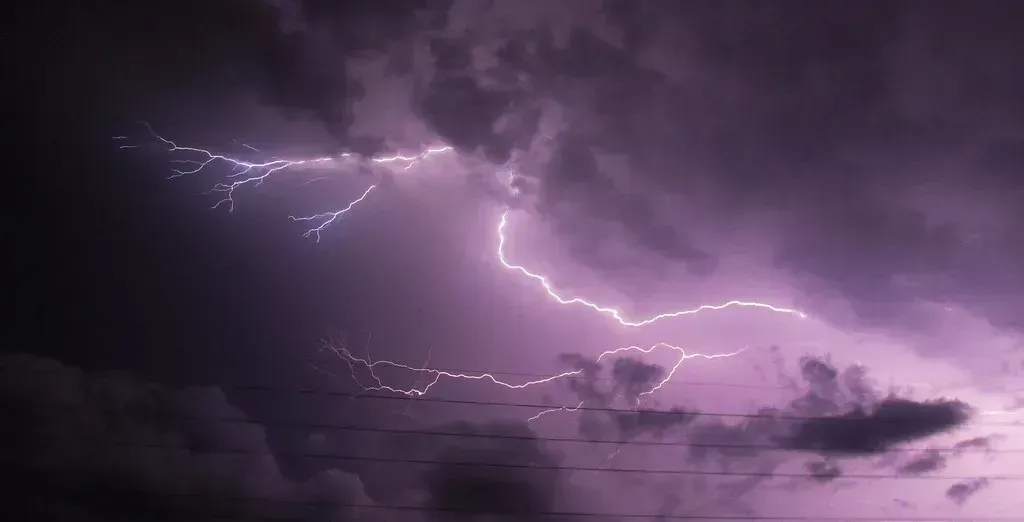
Most people think of lightning as something that occasionally happens during a storm. In Florida, it’s a constant seasonal companion. While Florida is known as the Sunshine State, it is notorious for thunderstorms, lightning strikes and fatalities – averaging around 3,500 cloud-to-ground lightning flashes per day and 1.2 million flashes per year, according to a recent study by Vaisala.
Florida is the perfect breeding ground for lightning because of three key ingredients: heat, humidity, and two sea breezes, one on each coast. Because of the dense population and the number of people who spend time outdoors year-round, more people are struck and killed by lightning in Florida than in any other state, according to both Vaisala and the National Weather Service. More specifically, the corridor between Tampa and Orlando sees the highest frequency of cloud-to-ground lightning strikes of any area in the United States. Outdoor plans – golf, beach afternoons, children’s sports – require a different kind of weather vigilance than most newcomers are used to.
5. Mold Moves In Without Warning
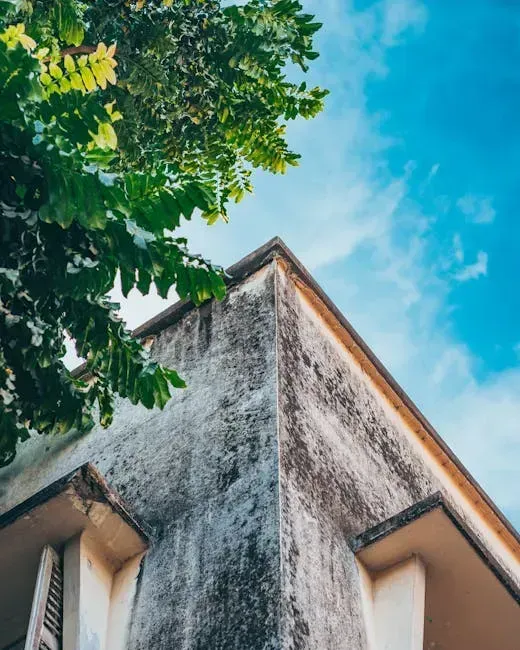
This one isn’t dramatic enough to make the news, but it drives people out of Florida homes quietly and steadily. Florida ranks behind only Louisiana as the state with homes most likely to have mold. Researchers examining the issue looked at four contributing factors: average temperature, humidity, rainfall, and the age of housing. Florida scores poorly across all four categories.
The problem is worse during Florida’s summer rainy season, when heavy showers and localized flooding can saturate structures. In 2022, an estimated 264,000 mold-related claims were filed in Florida, accounting for over 20 percent of all home insurance claims in the state. Mold doesn’t just damage property – it affects air quality in ways that are particularly hard on people with respiratory conditions. Many residents don’t discover how persistent the problem is until they’re already living in a house that smells wrong by their second summer.
6. Hurricane Season Is Six Months Long – and It’s Gotten More Intense
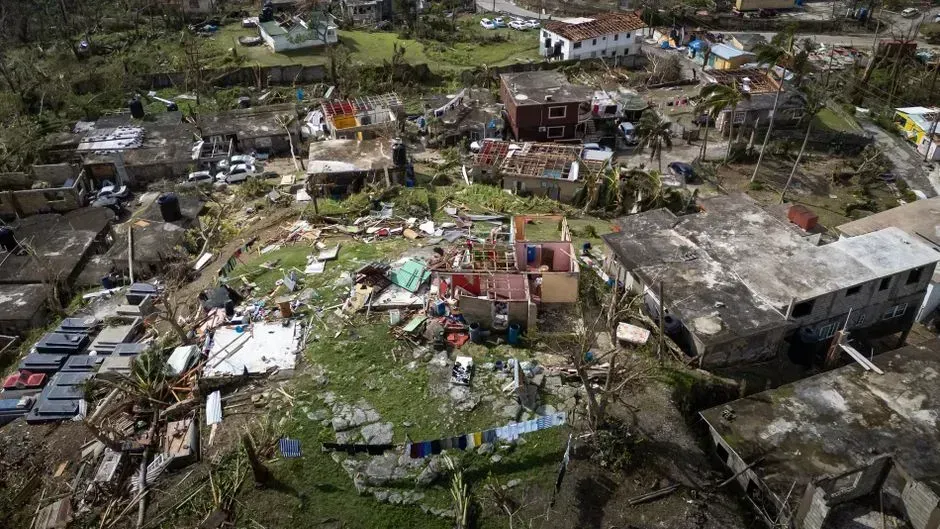
The official Atlantic hurricane season runs from June 1 through November 30. That’s half the year spent in some degree of preparedness mode. What changed in recent years is just how unrelenting the back-to-back impacts have become. The 2024 Atlantic hurricane season will be remembered as one of the most intense and devastating in recent memory, featuring 18 named storms including eleven hurricanes and five major hurricanes – surpassing traditional averages.
Hurricane Milton barreled through Florida’s west coast arriving less than two weeks after Hurricane Helene sideswiped an already battered Sarasota, which had experienced flooding in a deluge of rainfall caused by Hurricane Debby. Three hurricanes hit Florida in one season, one after another. More than 180,000 buildings in Florida were identified as having been impacted by flooding during the 2024 season alone.
7. Rapid Intensification: Storms Become Catastrophic With Almost No Warning
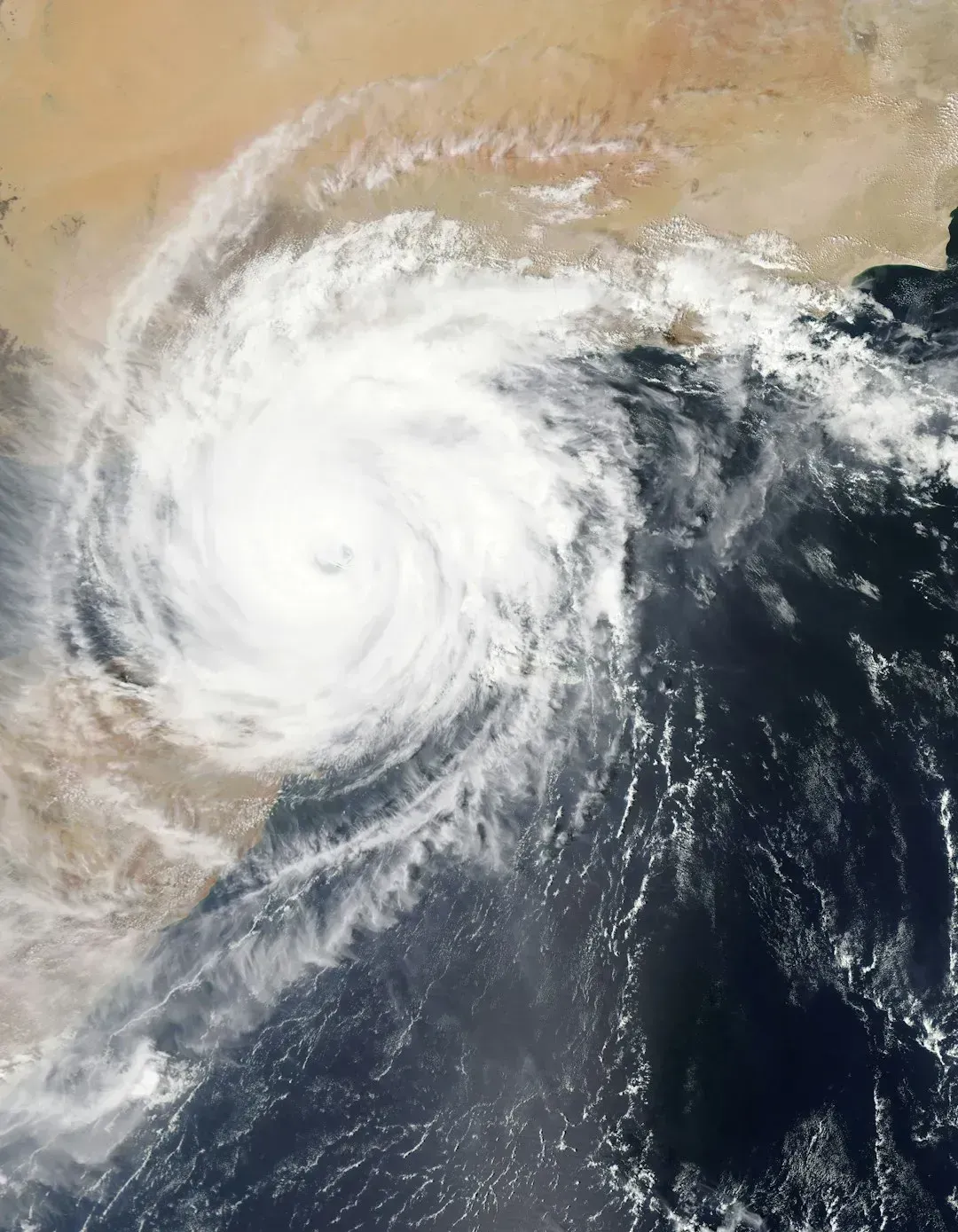
One of the more terrifying aspects of modern Florida hurricane seasons is rapid intensification – when a storm jumps in strength in a matter of hours. It compresses the decision window for evacuation. Hurricane Milton made landfall as a Category 3 hurricane near Siesta Key on October 9, 2024, causing widespread damage with deadly tornadoes and storm surge. The storm’s rate of rapid intensification, a 90-mile-per-hour increase in wind speed during a single 24-hour period, was among the highest ever observed.
Hurricane Milton formed in the Gulf of Mexico and explosively intensified into a Category 5 hurricane, becoming the most intense tropical cyclone worldwide in 2024. It later made landfall near Siesta Key, Florida as a Category 3 hurricane, causing at least 39 deaths and an estimated $34.4 billion in damage, mostly in Florida. For residents who had planned to shelter in place, the speed of Milton’s strengthening left almost no margin for error.
8. Storm Surge Can Flood Neighborhoods That Have Never Flooded Before
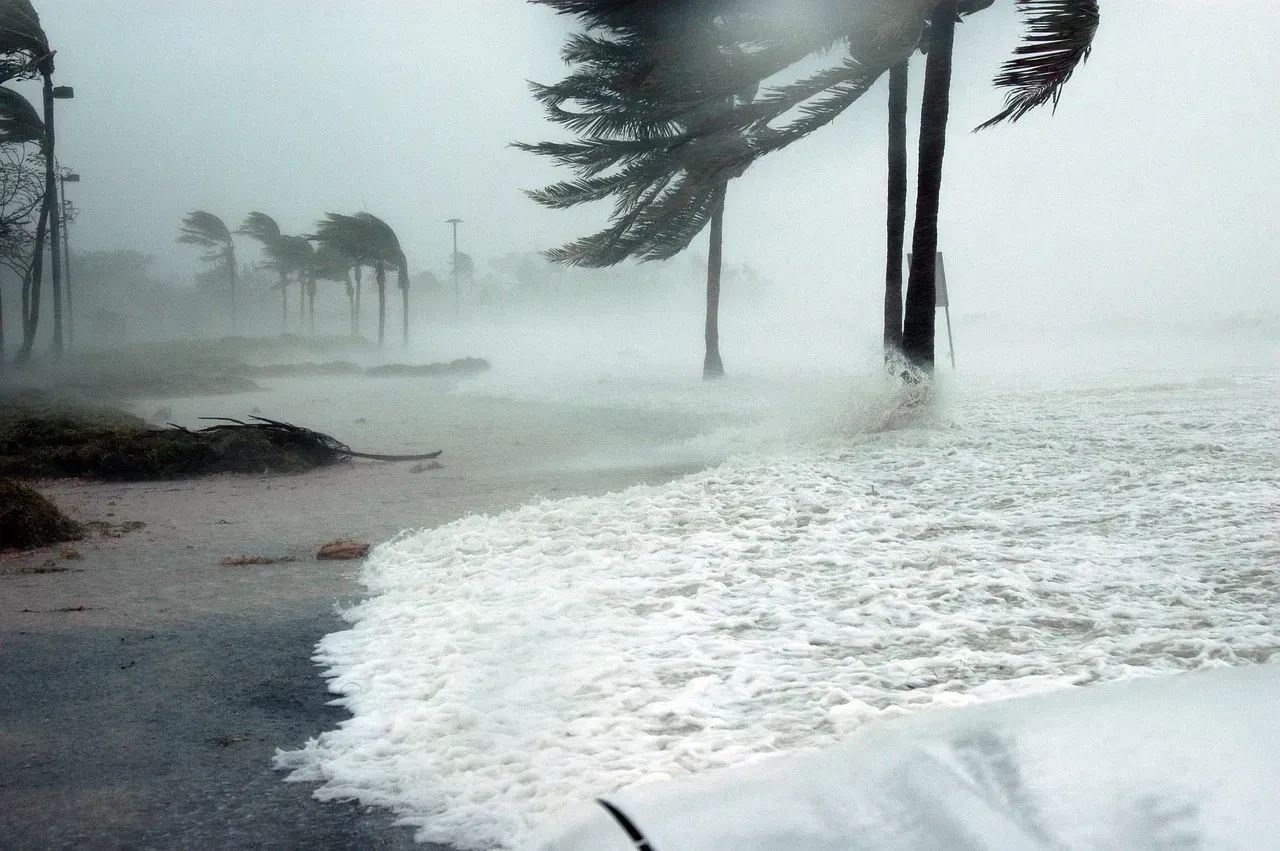
Many people buy homes in Florida based on flood zone designations that turn out to be poorly predictive of real-world risk. Storm surge – seawater pushed inland by hurricane winds – can reach neighborhoods that appear safe on paper. Heavy rainfall from Hurricane Debby flooded areas of Sarasota that had never seen flooding before. That’s a statement that should give anyone shopping for a coastal or near-coastal Florida home serious pause.
Data analyzed by The Washington Post found that Hurricane Helene broke storm surge records by more than two feet in six coastal towns and cities in Florida. Approximately a quarter of flood claims happen in low-risk areas – meaning even homeowners not in a designated flood zone can still face thousands in damage costs. The gap between official flood maps and lived experience has become a recurring source of financial devastation for Florida residents.
9. Homeowners Insurance Has Become a Crisis of Its Own
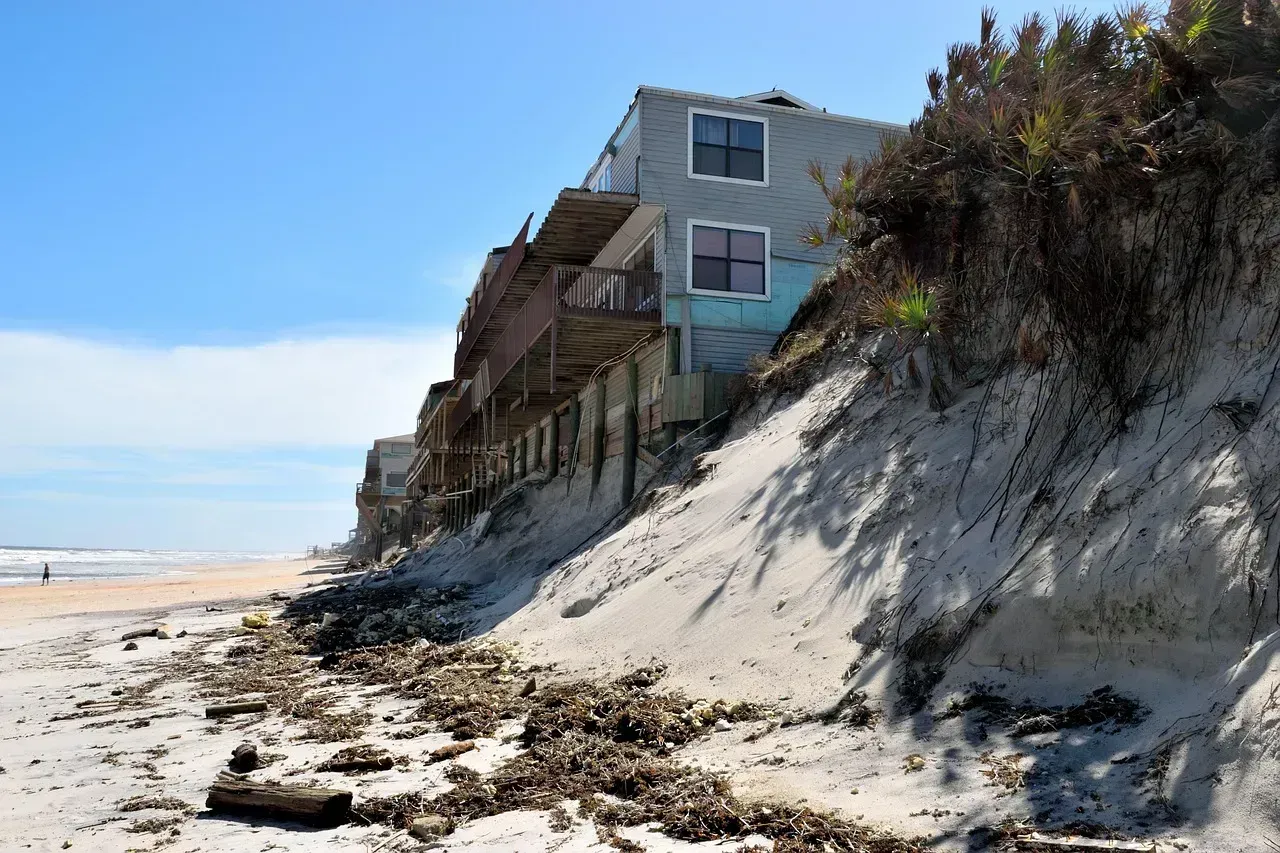
After a few hurricane seasons, the insurance situation in Florida stopped being merely expensive and started becoming genuinely untenable for many residents. As hurricanes have ravaged Florida, home insurance costs have surged. Some homeowners reported their bills doubling compared to the prior year, and following hurricanes Helene and Milton, homeowners and insurance agents began fearing another round of rate hikes.
Dozens of insurers in Florida have collapsed or been declared insolvent following catastrophic hurricanes. Meanwhile, prominent national insurers including Progressive, Allstate, and State Farm have fled high-risk states or scaled back on writing new policies. In 2023 and 2024 alone, Florida was battered by back-to-back hurricanes, tropical storms, and flooding that caused more than $38.85 billion in damages. For many homeowners, the insurance crisis became the financial breaking point – the moment when the math of staying simply stopped working.
10. More People Are Quietly Leaving Than the Headlines Suggest
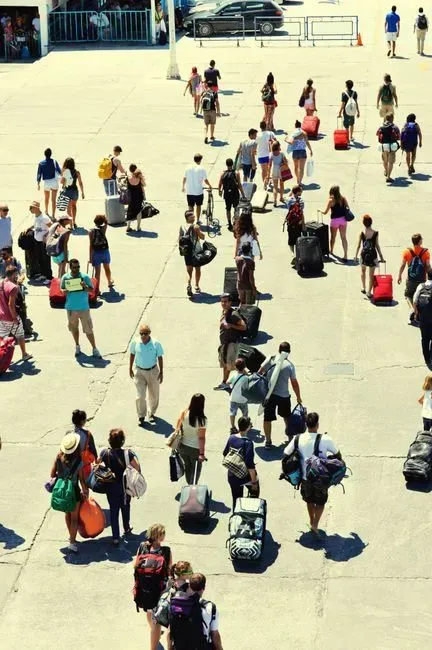
There’s been a narrative for years that Florida is where people move to. That story is getting more complicated. A Redfin-commissioned survey conducted by Ipsos in May 2025 found that climate risk is the top reason Florida residents say they are likely to move. That’s a notable shift in the psychology of Florida living – the weather that once attracted people is now the primary thing pushing them out.
Miami’s net outflow widened to 67,418 people in 2024, up from 50,637 in 2023, the largest acceleration of any high-flood-risk county in the country. Redfin agents in flood-prone areas say high housing costs, climate risk, rising insurance premiums, and politics are among the factors that have made people reluctant to stay or move in. The dream didn’t disappear – it just turned out to cost more than the original asking price, in ways that no one put in the listing.
