

Weather in America is anything but uniform. Drive south from the placid streets of San Diego and you’ll be on a different planet from the lightning-charged summer skies above Tampa, Florida. The country’s sheer geographic size means it contains wildly different climate stories within the same national borders.
Some cities deal with thunder, flooding, and tropical threats as a routine part of life. Others coast through most of the year with little more than a drizzle to worry about. What makes the contrast so interesting is that it rarely lines up with what most people assume. Here is a closer look at both ends of that spectrum.
1. Fort Myers, Florida – The Undisputed Thunderstorm Capital
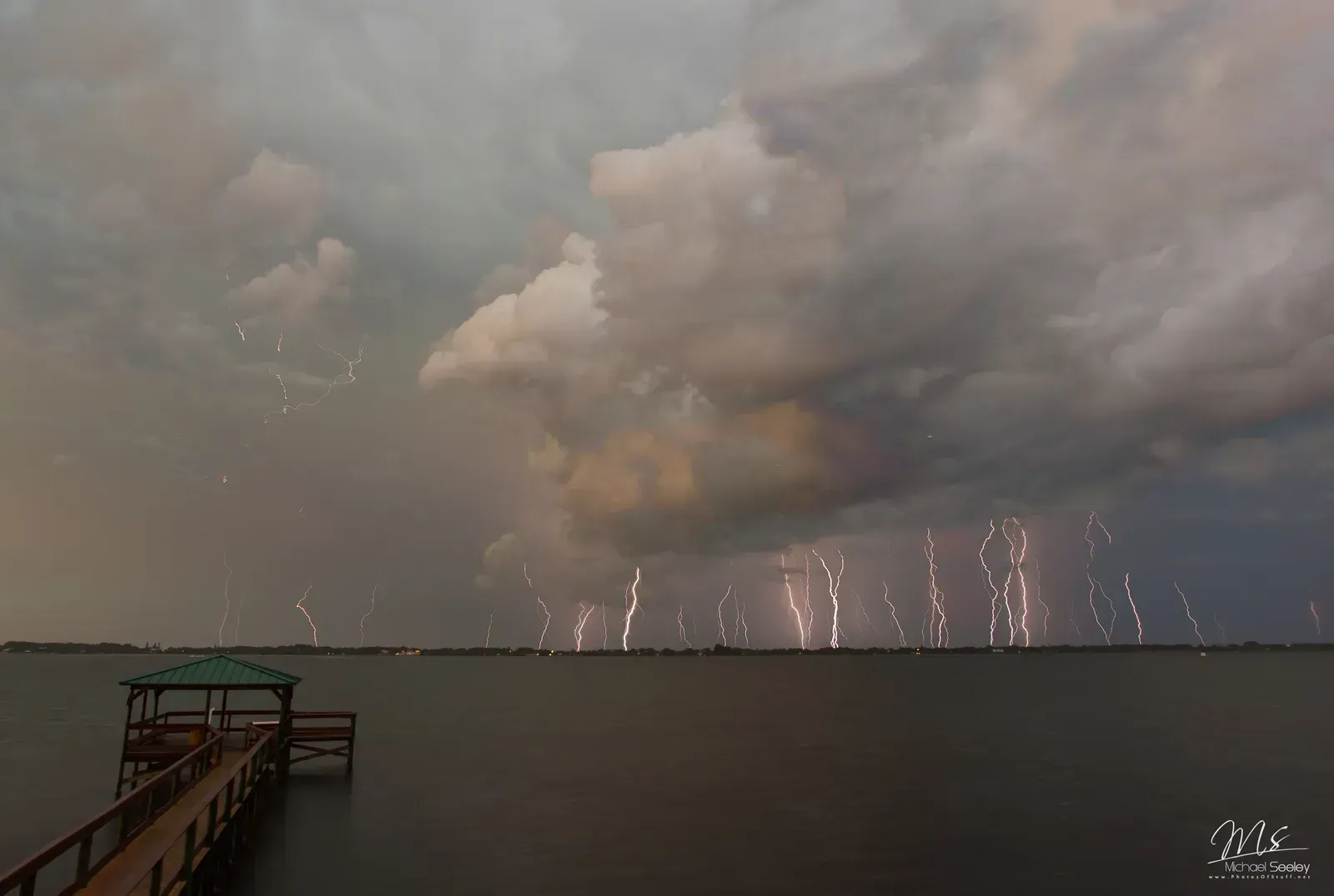
Fort Myers, Florida logs roughly 89 thunderstorms a year on average, making it the thunderstorm capital of the United States. That figure isn’t just an outlier. Eight of the ten stormiest cities in the country are in Florida, and Fort Myers sits at the very top of that list. Summer afternoons here routinely follow the same script: sunshine in the morning, anvil-shaped storm clouds by early afternoon, and a violent electrical show by mid-afternoon.
Hot sun heats humid tropical air that collides with cooler sea breezes from both coasts, creating instability and convection – the two ingredients a thunderstorm needs. Florida’s flat peninsula geography produces that collision almost every summer afternoon. Residents learn quickly that outdoor plans after noon in July come with a mental asterisk attached.
2. Tampa, Florida – The Lightning Capital of North America
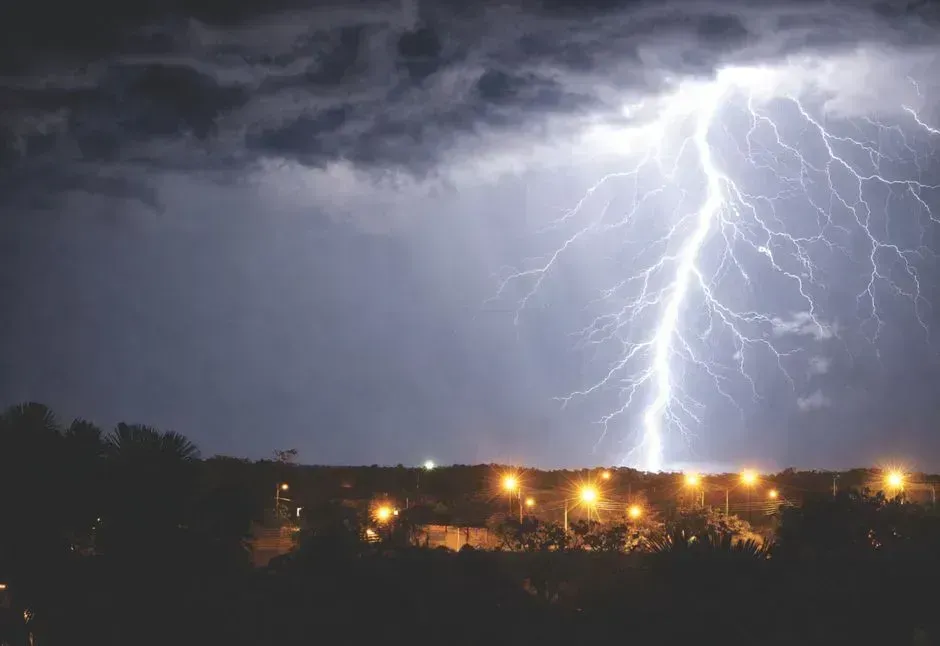
Often termed the “Lightning capital of North America,” Tampa, Florida, is one of the stormiest cities in the country. Tampa holds the number two spot with 82 thunderstorm days per year, and lightning often illuminates the city’s famous skyline. The city sits in a unique geographic pocket where sea breezes from both the Gulf of Mexico and Tampa Bay converge with remarkable consistency.
Due to the Gulf’s moisture, Tampa often experiences intense electrical storms, especially during the peak summer months, with inland and coastal suburbs typically experiencing the most impact. The local professional sports teams, theme parks, and outdoor event venues have all had to become highly attuned to the rapid rhythm of the storm season. It’s simply part of living and working here.
3. Tallahassee, Florida – Storms in the State Capital
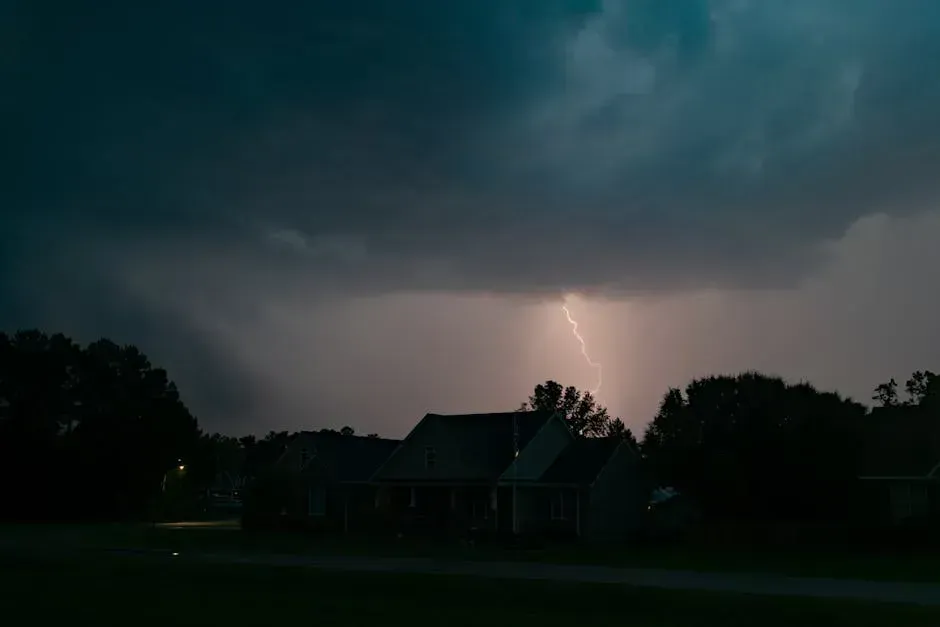
Florida’s capital city is no stranger to storms, with an average of 81 thunderstorm days yearly. Tallahassee sits further inland than Tampa or Miami, but that does nothing to spare it from the Gulf’s influence. Inland northern Florida is a storm magnet in its own right. Tallahassee sees a very high frequency of thunderstorm days, often fueled by the same Gulf moisture that is carried northward by prevailing winds, leading to dramatic displays of lightning.
What makes Tallahassee’s storminess feel different from the coastal cities is how quickly the weather can change. The surrounding canopy of tall pine and oak trees means lightning strikes have real consequences. Residents there have learned to watch the sky in a way that’s almost instinctive by midsummer.
4. New Orleans, Louisiana – Thunderstorms, Hurricanes, and Everything Between

New Orleans is a Gulf Coast city steeped in humidity and storm potential, facing a double threat: the daily summer thunderstorms that brew from the sea breeze and the ever-present risk of tropical systems and hurricanes during the season from June to November. Known for its vibrant culture, New Orleans also sees its fair share of storms, averaging 75 thunderstorm days per year. Few major American cities carry that kind of double burden.
Hurricane Katrina was an extremely powerful and catastrophic tropical cyclone that killed 1,392 people and caused damage estimated at $125 billion, particularly in and around the city of New Orleans, in late August 2005. More recently, Hurricane Ida in 2021 passed just west by 22 miles with 120 mph winds, leaving the entire city without power or cell connectivity. The pattern of severe storm events in New Orleans is not occasional. It is structural.
5. Buffalo, New York – Where Winter Means War
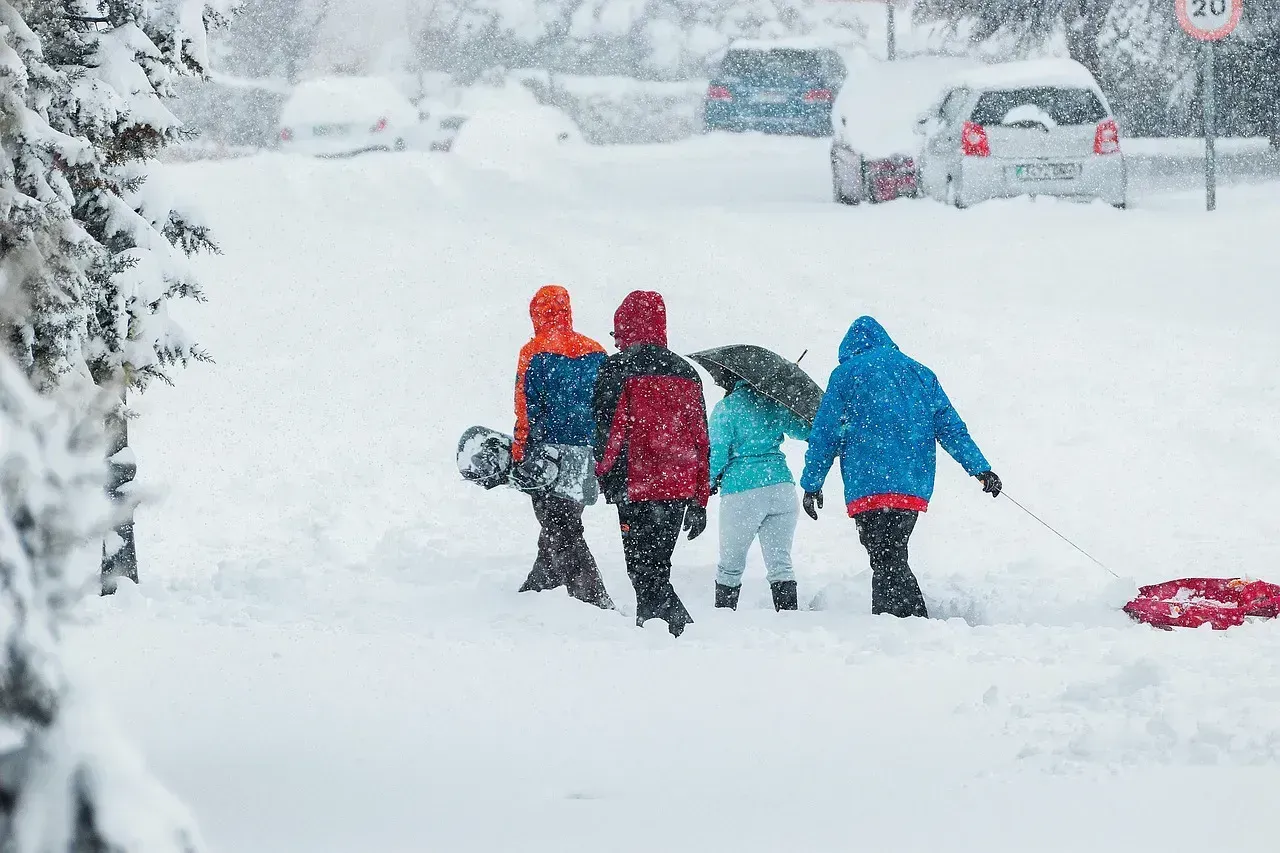
Buffalo excels at enduring massive snowstorms. The city normally has four days each winter when fresh snowfall totals five inches or more, and one of those days on average amounts to at least ten inches. The force behind this is Lake Erie. Over half of the annual snowfall comes from the lake-effect process, which occurs when cold air crosses the relatively warm lake waters and becomes saturated, creating clouds and precipitation downwind, with the location of the snowbands determined by wind direction.
The 2022 Christmas blizzard stands as a vivid reminder of just how extreme things can get. A lake-effect snowstorm on November 18, 2022 brought residents of Buffalo and surrounding communities six feet of snow in 24 hours, one of the top three heaviest snowfalls in the region’s recorded history. The December 2022 blizzard that followed claimed an estimated 39 lives in Erie County alone. Buffalo doesn’t just get snow. It gets buried.
San Diego, California – America’s Calmest Major City
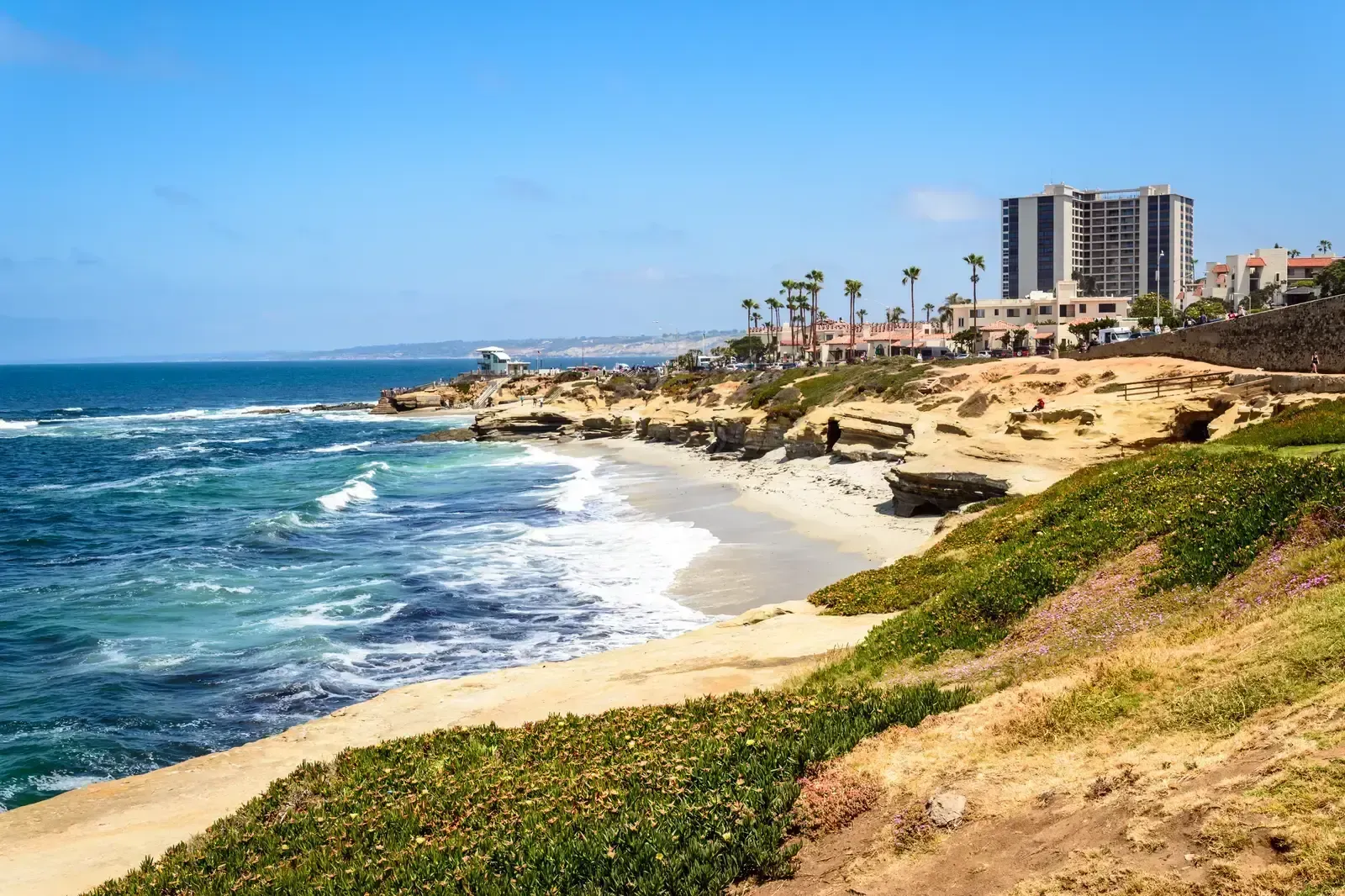
Among California’s cities with gentle climates, San Diego stands out as enjoying the least stormy weather of all. San Diego averages just five days a year with either thunderstorms or major rainstorms and never has snowstorms. That’s a staggering contrast to the cities listed above. The Pacific storm track largely bypasses the region, and the marine layer that drifts in from the ocean tends to suppress, rather than fuel, any dramatic weather development.
When it comes to ideal daytime temperatures, no other large US city rivals San Diego. Nearly every day – 319 a year on average – warms up into the range of 60 to 80 degrees Fahrenheit, which is quite comfortable for most people. The Pacific storm track usually sits well to the north of San Diego, keeping most clouds and heavy precipitation out of the region. It’s the kind of weather that most people describe as almost suspiciously pleasant.
Las Vegas, Nevada – Sunshine and Very Little Rain
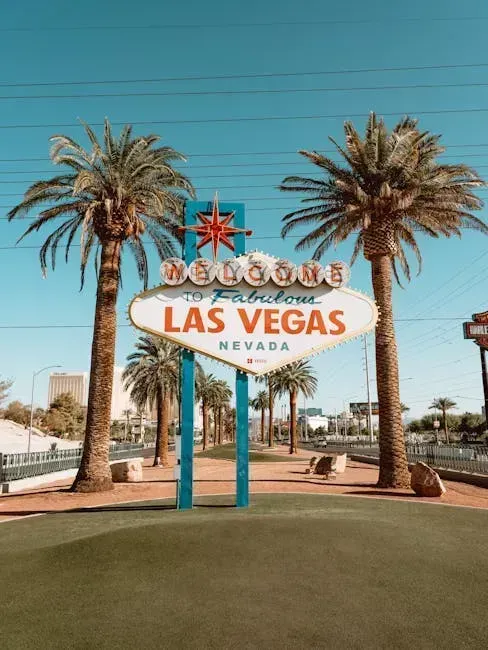
Las Vegas rates high among American cities that seldom have storms and is the city least likely to see heavy rain. Las Vegas is the major American city that least often gets drenched by a heavy rainstorm, averaging just one day in five years when an inch or more of rain lands. The Mojave Desert setting keeps moisture at bay for most of the year, and the surrounding mountains act as a natural barrier to Pacific weather systems.
What reaches cities like Las Vegas is dry air, high pressure, and a great deal of sunshine. Las Vegas and Phoenix tie for second place in annual sunshine at roughly 85 percent of possible sunshine hours. The trade-off, of course, is heat in summer. But from a pure storm perspective, Las Vegas is one of the quietest major urban environments in the country.
Phoenix, Arizona – Sun-Drenched and Storm-Light
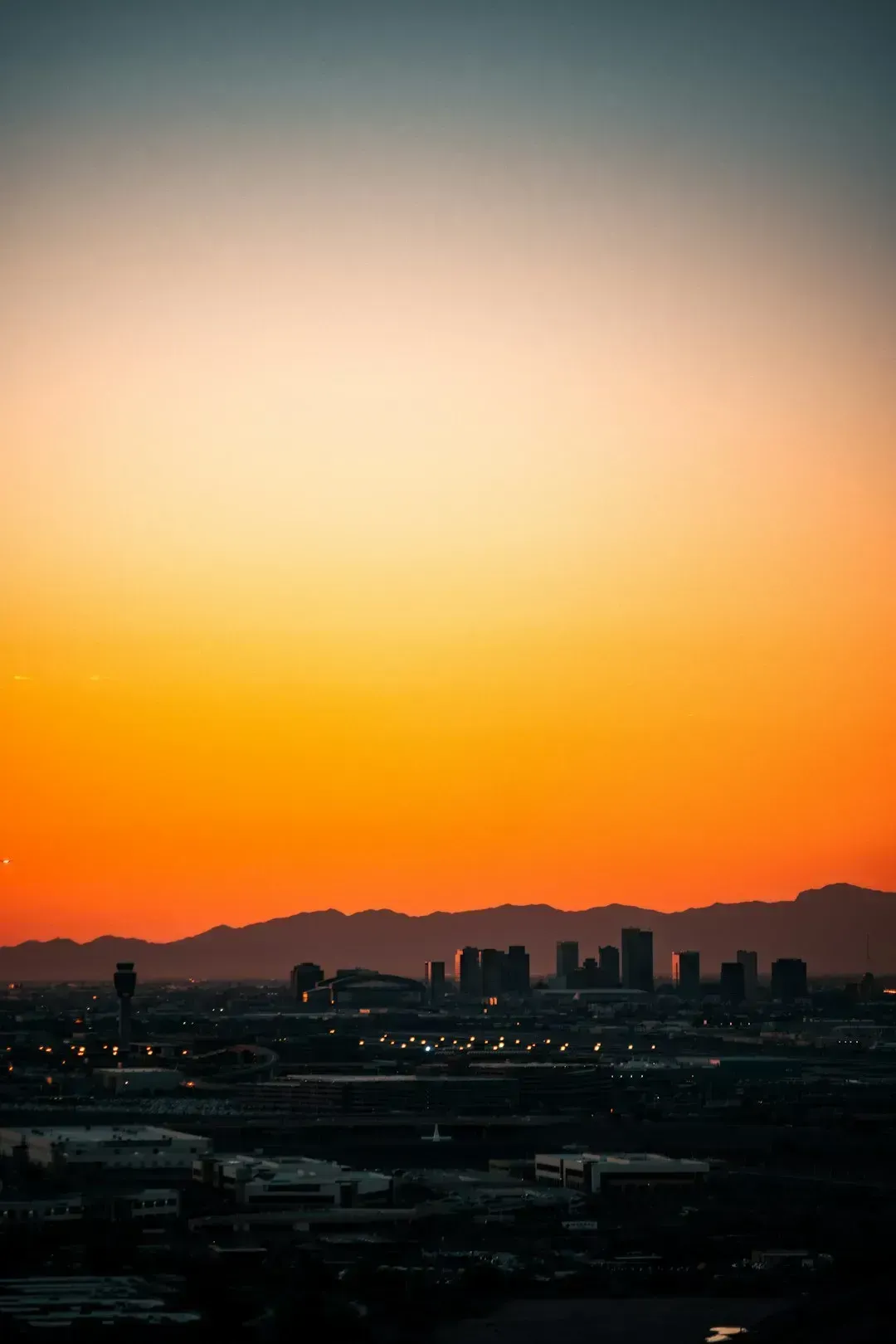
With around 313 sunny days per year, Phoenix, Arizona, is the sunniest place in the United States year-round. The desert basin geography keeps convective storms largely at bay for most of the year. The Sonoran Desert is squeezed between the Pacific storm track and the Rocky Mountains, and moisture coming off the ocean loses most of its water crossing the Sierra Nevada and the Transverse Ranges. By the time air masses reach Phoenix, they’re largely wrung dry.
Phoenix does experience a summer monsoon season between July and September, which can bring brief but intense dust storms and rain events. Still, the total annual thunderstorm count is dramatically lower than any city in the Southeast or Gulf Coast. For most of the year, the sky above Phoenix is a reliable, cloudless blue, which is exactly what millions of residents moved there expecting.
San Francisco, California – Low Storm Risk, High Overall Resilience
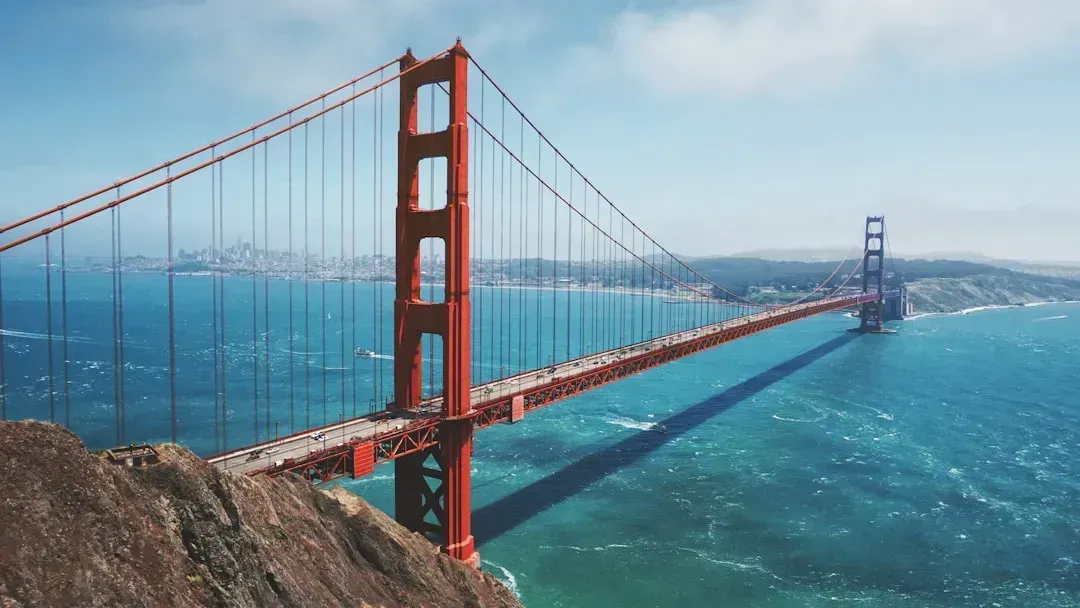
San Francisco is a top-rated US city when it comes to a low risk of natural disasters. The downtown area has virtually no risk of storms or flooding threats, and the city also ranks near the top in terms of overall climate vulnerability. Seattle, Portland, and San Francisco all record far fewer thunderstorms than any city found on the stormiest US cities list. The Pacific Ocean moderates temperatures so consistently that the sharp thermal contrasts needed for thunderstorm formation rarely develop along this stretch of coast.
This is reflected in San Francisco having one of the lowest average homeowner insurance premiums in the country, despite being a high-cost-of-living area. The city does carry real risks in the form of earthquakes, wildfires in surrounding areas, and drought. But when it comes to the kind of violent atmospheric events – lightning, tornados, blizzards, and hurricanes – San Francisco sits in a remarkably sheltered position by North American standards.
Why Geography Shapes Everything
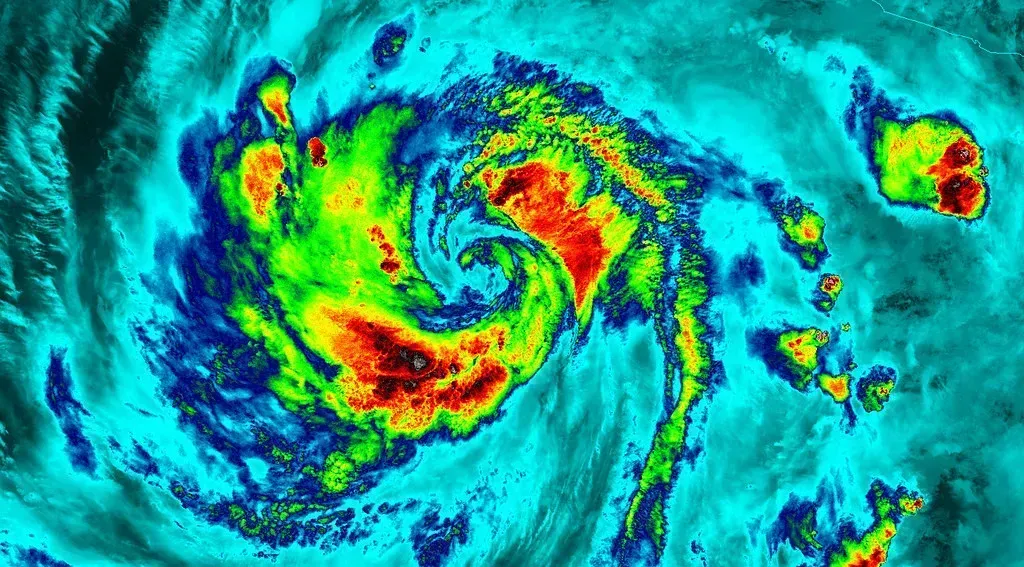
The stormiest cities in the United States are concentrated in two primary regions: the southeastern US and the Gulf Coast, often categorized as a natural storm corridor, primarily due to warm, moisture-laden air from the Gulf of Mexico clashing with cooler, drier air masses descending from the north. The mildest cities, almost without exception, sit along the Pacific Coast or in the desert Southwest – regions where those collisions simply don’t occur with any regularity.
The mirror image of the stormiest cities ranking is the Pacific Coast. Seattle, Portland, and San Francisco all record far fewer thunderstorms than any city on the stormiest list. The Pacific Ocean moderates coastal temperatures so consistently that the sharp hot-air-plus-cool-air collision a thunderstorm needs almost never materializes. Climate, ultimately, is geography in disguise. Where you live doesn’t just shape your wardrobe – it shapes the entire rhythm of the sky above you.

- The Shoreline Sucked Dry in Seconds – 5 Tsunami Signals Beachgoers Mistake for Low Tide - November 14, 2026
- 9 Dark-Sky Destinations Around the World Where the Stars Look Unreal - November 14, 2026
- The Fault Line That Never Slips – 7 Locked Seismic Zones Overdue for a Massive Release - November 14, 2026
