

- The Planet Where It Rains Liquid Glass – 7 Alien Worlds Defying Known Physics - November 14, 2026
- Stars Consuming Entire Worlds – 6 Planetary Systems Swallowing Their Own Worlds - November 14, 2026
- The Ground Liquefies Like Water – 6 Silent Fault Lines Geologists Watch Closely - November 14, 2026
When a Category 5 hurricane makes landfall or a tornado tears through a forest at nearly 300 miles per hour, it’s easy to assume that nothing biological survives untouched. The destruction is immediate and total for anything in the direct path. Yet across millions of years of evolution, a surprisingly diverse range of animals have developed sensory tools, behavioral instincts, and biological tricks that allow them to either escape in time or simply endure what most living things cannot.
The strategies vary wildly from one creature to the next. Some flee before the storm even arrives. Others dig in, slow down, or go almost completely dormant. A few are so physically rugged that the chaos barely registers. What unites all of them is a relationship with violent weather that has been shaped over far longer timescales than any single storm.
Sharks: Reading Pressure Before the First Raindrop Falls
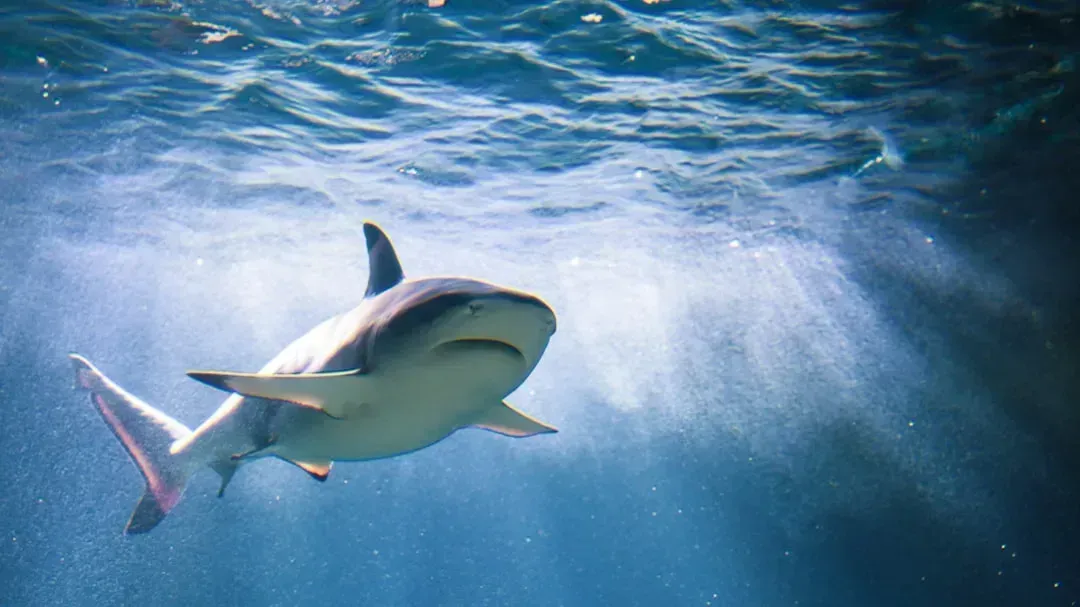
Sharks sense impending storms, likely detecting a drop in barometric pressure, and will head to deeper water until the fury passes and normal salinity returns. This is not a slow or reluctant retreat. Research on blacktip sharks during Tropical Storm Gabrielle documented the animals responding to falling barometric pressure well before the storm made any visible impact on the water surface.
The larger the sea creature, the better its chances of survival during an impending hurricane. A shark can swim at a fast enough speed to elude storms, in addition to being developed enough to detect pressure changes in the water that give them an indication that evacuation is necessary. Whether they choose to swim deeper or simply relocate depends on the magnitude of the storm, but larger sea animals are more adept at surviving hurricanes than their smaller counterparts.
Golden-Winged Warblers: The Birds That Outran a Tornado
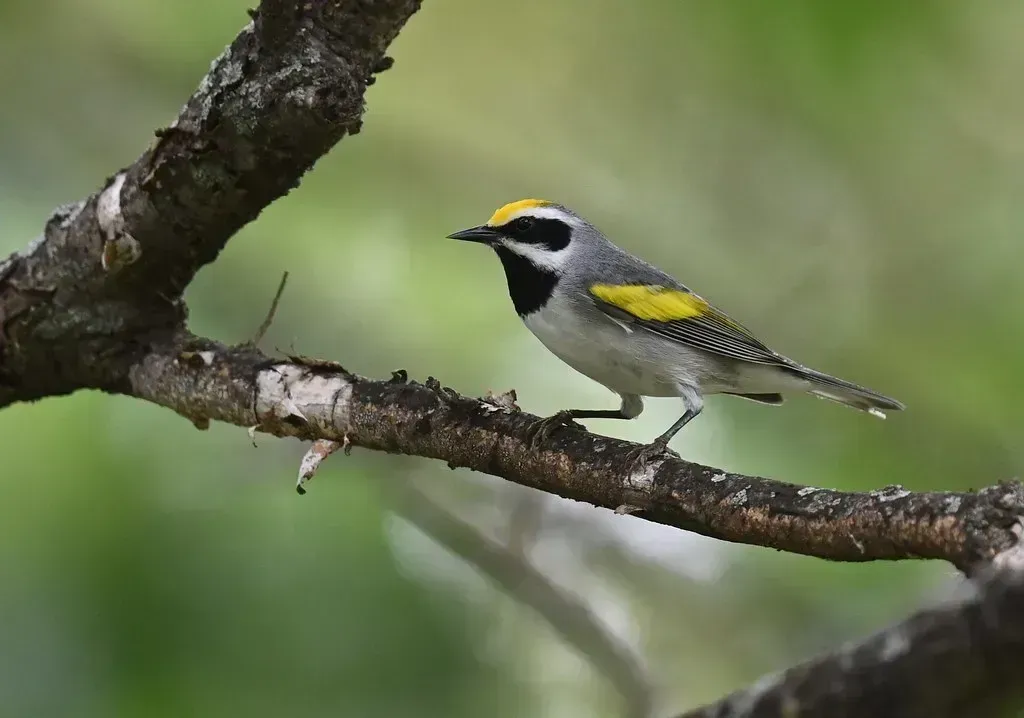
In 2014, researchers were startled to discover that golden-winged warblers nesting in Tennessee fled the area well before devastating tornadoes struck. Reporting in Current Biology, they speculated that the birds may have been sensing low-frequency “infrasound” waves traveling long distances from the approaching storms. The birds left roughly a day before the tornadoes arrived, covering hundreds of miles in the process, only to return once conditions cleared.
Some research suggests that birds can detect infrasound, which are low-frequency sound waves that travel long distances. These infrasound waves can be generated by severe weather events like tornadoes and hurricanes, allowing birds to detect storms from afar. Before a storm even arrives, birds eat heavily to build energy reserves. Storms can bring high winds, heavy rain, and freezing temperatures, all of which make it challenging for birds to find food, so consuming extra food before a severe weather event lets birds store energy in the form of fat to sustain themselves for the duration.
Tardigrades: Built to Survive Almost Anything
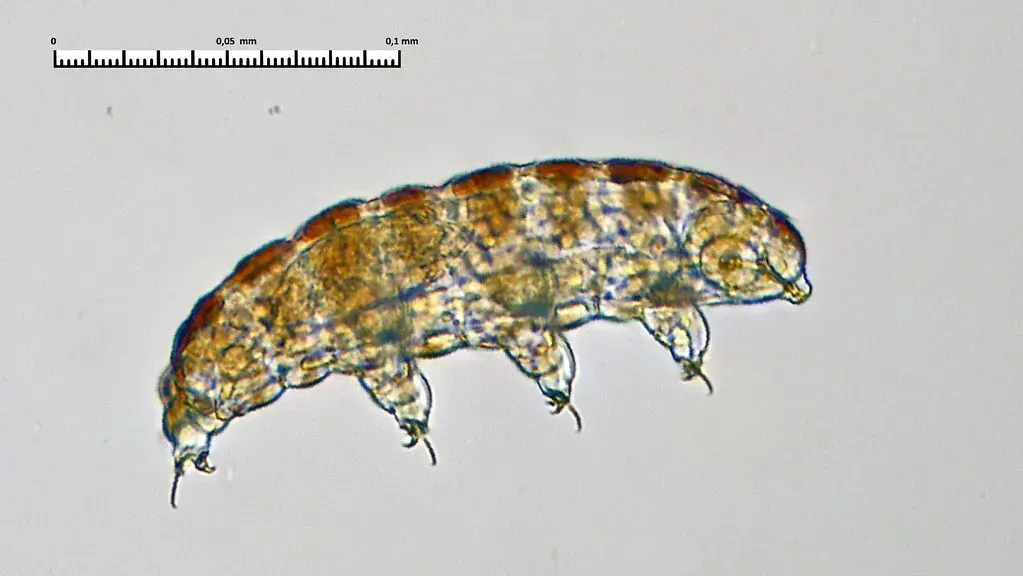
Tardigrades live across Earth’s biosphere, from mountaintops to the deep sea, from tropical rainforests to the Antarctic. They are among the most resilient animals known, with individual species able to survive severe conditions including extreme temperatures, extreme pressures, air deprivation, radiation, dehydration, and starvation. Tardigrades have even survived exposure to outer space. A hurricane’s wind and rain barely factor into the list of threats these microscopic animals can shrug off.
Tardigrades can survive almost complete desiccation by entering a dormant state called anhydrobiosis, which allows them to reversibly halt their metabolism. Tardigrades can also survive impacts up to about 900 metres per second and momentary shock pressures up to about 1.14 gigapascals. When storm floodwaters carry them off a rooftop or moss-covered rock and deposit them somewhere entirely new, they simply wake up and carry on.
Wild Horses of the Barrier Islands: Centuries of Storm Instinct
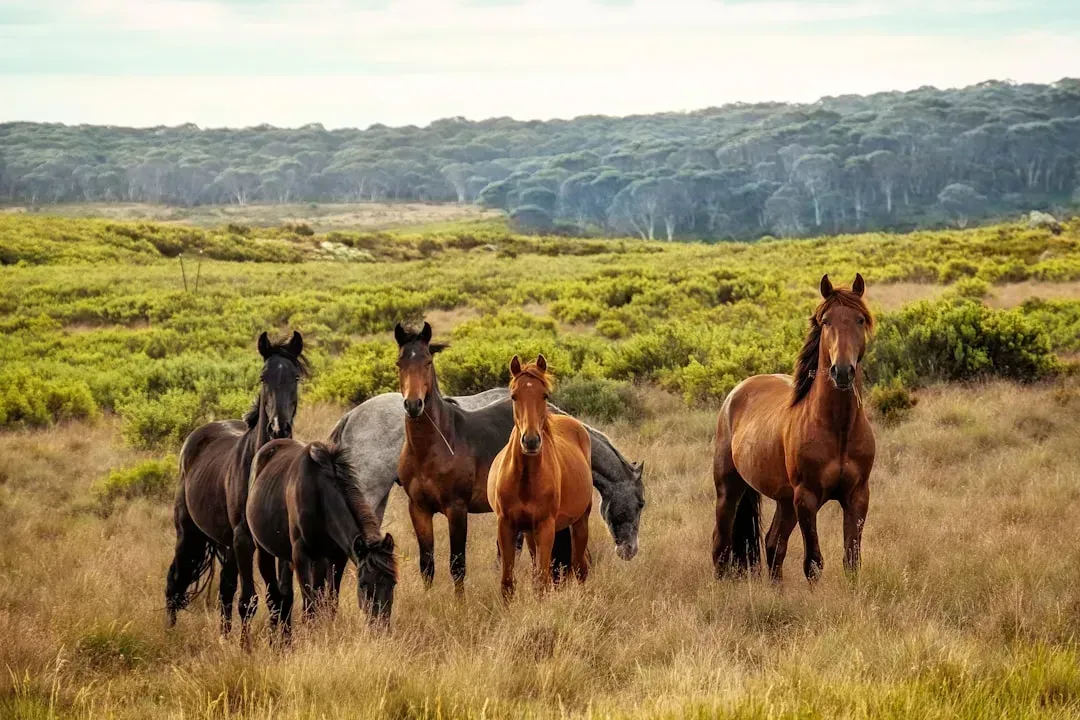
More than 100 of North Carolina’s free-roaming beach horses live on Cape Lookout National Seashore across three different barrier islands. Hurricane Florence was by no means their first major storm, as the horses have been riding out tempests for hundreds of years. Well-attuned to changes in the weather, they instinctively seek out high ground during floods and take refuge in thickly-vegetated areas once the winds get violent.
Censuses taken after Hurricane Florence showed that while some individuals remain unaccounted for, a large majority of the beach-loving horses weathered the storm. Their survival isn’t luck. It’s the product of generations of natural selection on a landscape where violent Atlantic storms are simply a recurring fact of life. The horses that didn’t know where to go didn’t pass on their genes.
Dolphins and Whales: Salinity Sensors in a Freshwater Surge
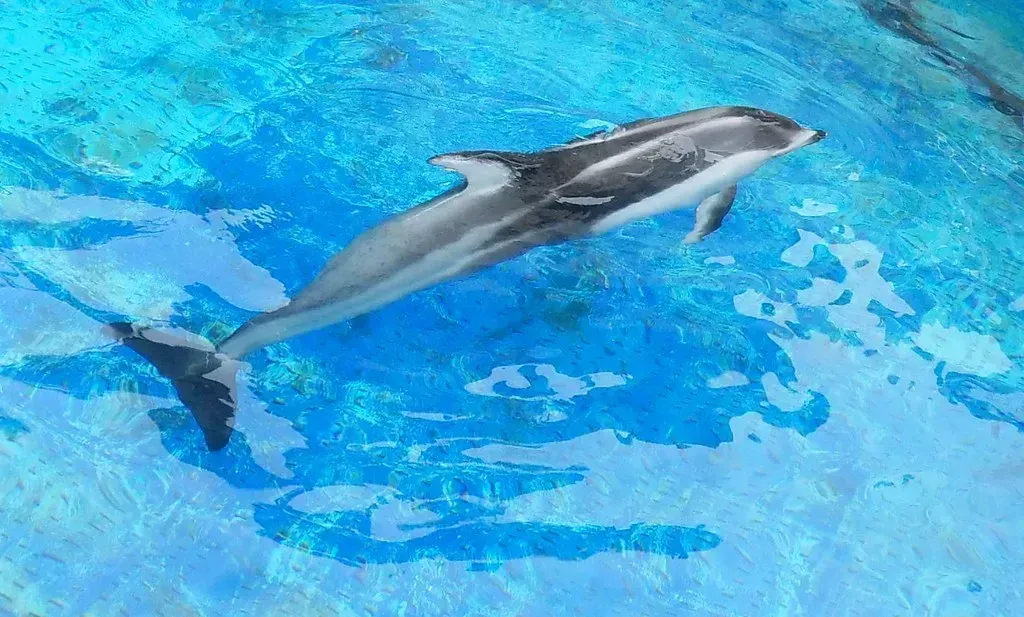
Marine scientists theorize that dolphins and whales can detect the salinity change that happens when outer hurricane bands bring heavy freshwater rain to an area. Since they must surface to breathe, they are likely to swim far away to where salinity levels are normal and wait out the storm. This ability to detect salinity changes may function like an early warning system that saves their lives.
Large marine animals such as dolphins and sharks seem to sense these storms as they approach, possibly detecting changes in air or water pressure or changes in salinity due to heavy rainfall. Such free-swimming animals swim into deeper, calmer waters away from shore and return to shallower areas days or weeks after the storm has passed. It’s a quiet, unhurried evacuation that happens entirely below the surface while the storm rages above.
Burrowing Frogs and Toads: Going Underground
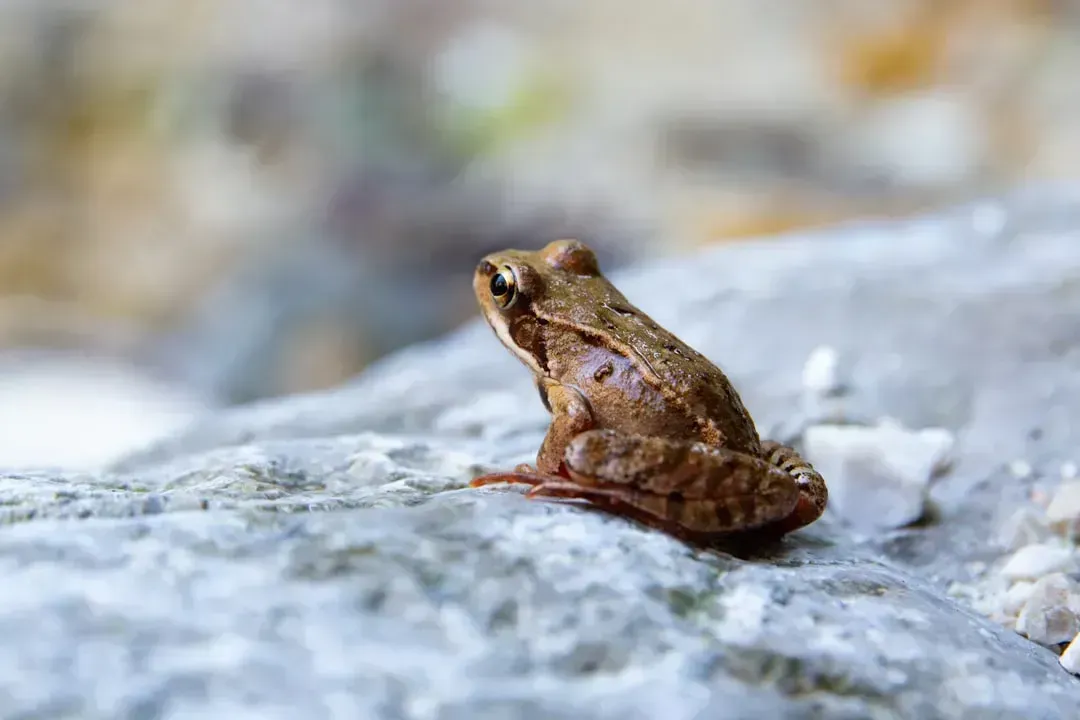
Some animals simply hunker down and hide. Ground-dwelling animals, including snake, frog and toad species, plus some small mammals, can burrow to create DIY storm cellars. Cold-blooded creatures like snakes, lizards, frogs, and salamanders use burrowing into the ground, mud, or water as a primary strategy to shield themselves from violent weather. The earth itself becomes their shelter.
Some species such as the water-holding frog can estivate underground and emerge after storms, while other burrowing frogs remain in the ground for extremely long periods of time. For surviving frogs, storms can even provide a useful dispersal mechanism to bring them or their eggs toward new habitats. What looks like displacement from the outside can actually be a form of accidental colonization.
Seabirds: Riding the Wind Rather Than Fighting It
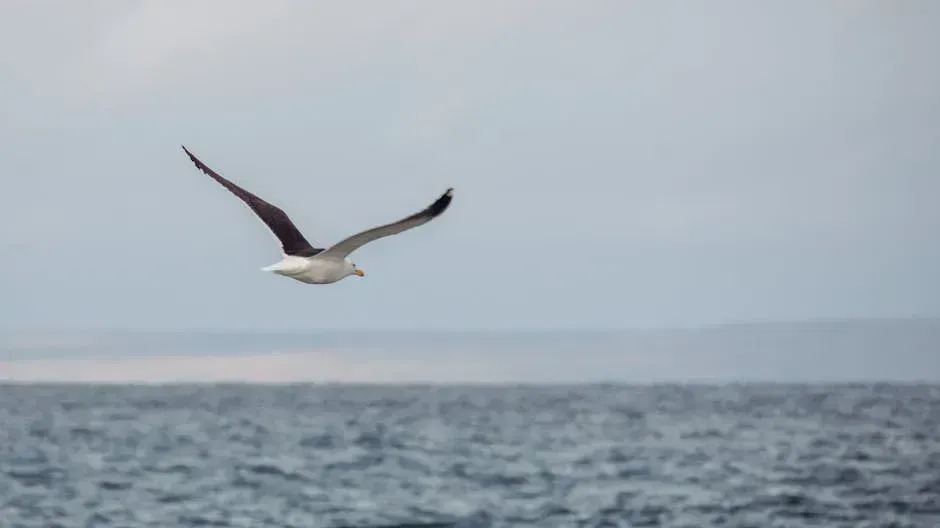
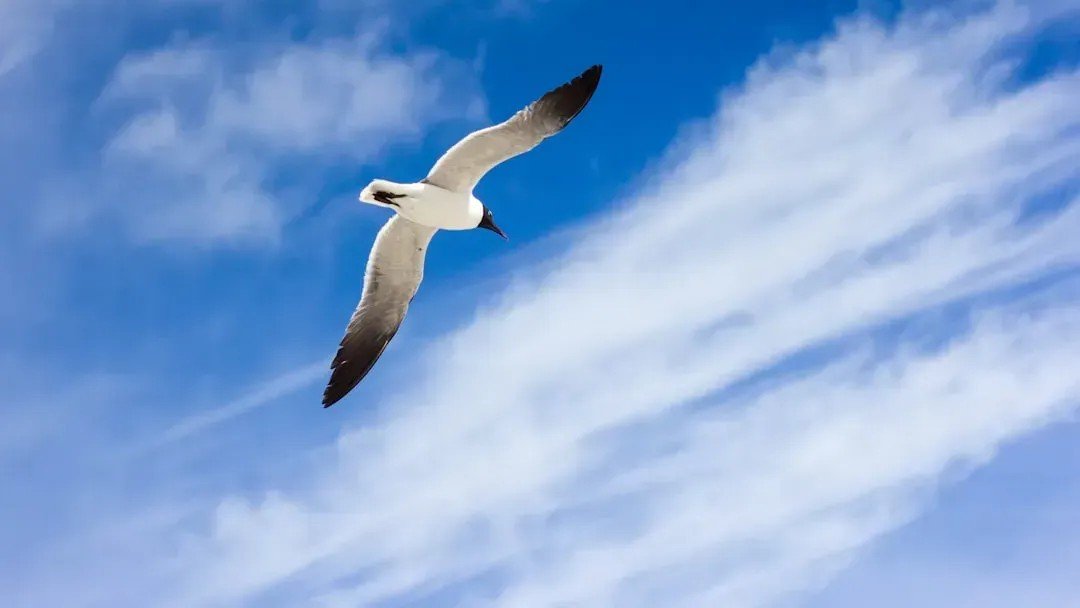
Seabirds like albatrosses and gulls use wind gradients to gain lift and conserve energy, allowing them to ride out storms with minimal effort. Rather than fleeing the storm’s edge, certain pelagic species move into and around the storm system itself, exploiting the powerful wind dynamics that would shred any ordinary aircraft. The albatross, with a wingspan that can stretch over eleven feet, is particularly well adapted to this kind of extreme aerodynamic navigation.
For several weeks after a hurricane passes through, the ocean experiences an increase in marine life. This attracts a variety of larger animals, including seabirds that fly toward storms to take advantage of the feast that follows in their wake. The storm, in other words, isn’t just something to survive. For the right species, it’s a feeding opportunity.
Small Mammals: Burrows, Huddles, and High Ground
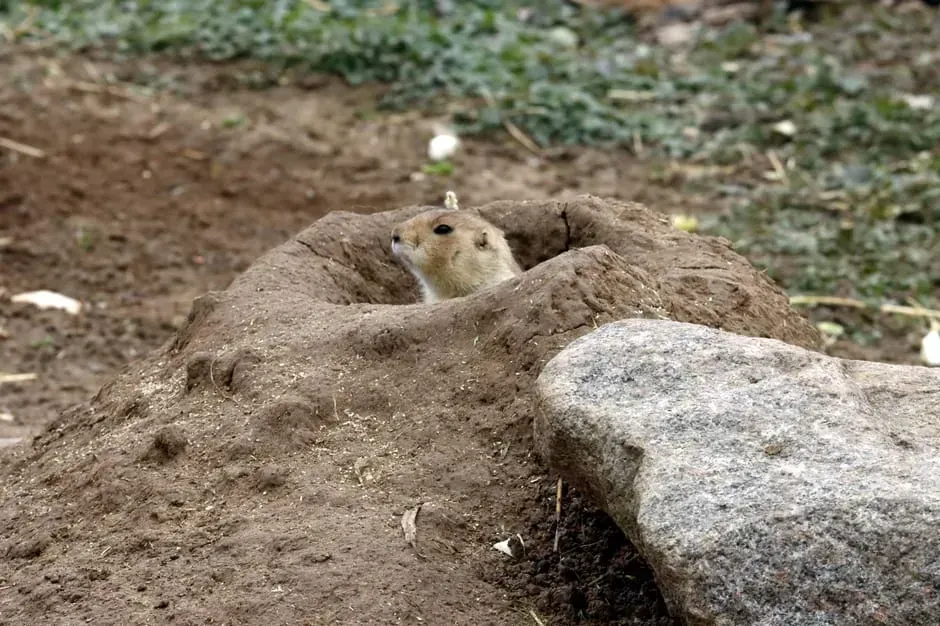
Animals in the wild rely on their innate survival instincts when confronted by dangerous weather like hurricanes and tornadoes. Many have heightened senses that allow them to detect changes in barometric pressure, vibrations, and distant sounds indicating the approach of storms. You might notice birds beginning to fly lower, and small mammals going underground to hide in their burrows, while herd animals move together to secure locations and aquatic creatures swim to deeper, calmer waters.
Animals that can burrow or hide away in the underbrush have a much better survival rate. Raccoons and scavenger animals that live on the forest floor often take advantage of the newly created chaos of a storm and root out new food sources in the debris. Medium-size animals seem to have the best chance of riding out a storm unharmed if they can take cover. Their size is neither a liability nor an advantage on its own. What matters is knowing where to go.
Manatees: Riding the Surge Into the Unknown
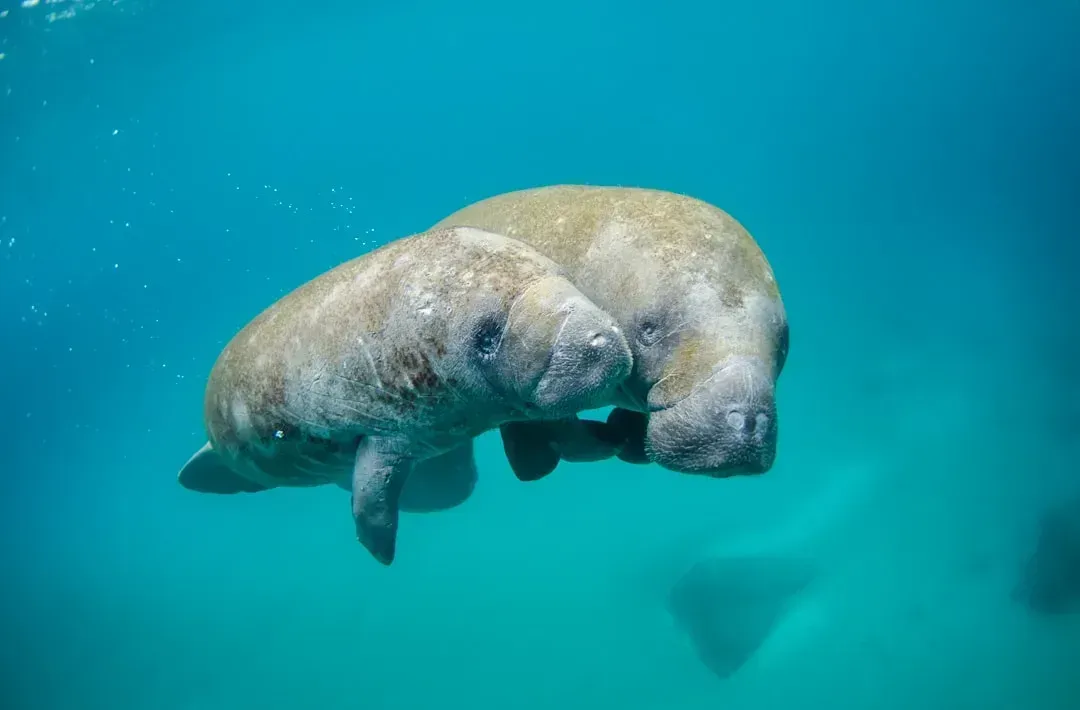
Manatees usually find a mangrove-lined channel to ride out a storm. However, manatees are also notoriously curious, and this leads some of them to explore areas opened by storm surge. Some can become trapped as the waters recede, like manatees that have been found stranded in ponds on golf courses in Florida. Their storm survival is genuinely mixed. The instinct to seek shelter exists, but the instinct to explore sometimes overrides it.
Large, slow-moving manatees don’t always fare well in storms. Thirteen of these gentle giants were reported stranded when Hurricane Irma came up the Gulf Coast in 2017. Still, manatee populations have persisted through centuries of Atlantic hurricane seasons. Their resilience as a species is partly a numbers game, and partly an ability to recover shallow coastal habitat once the worst has passed.
Tardigrades in Storm Dispersal: The Accidental Travelers
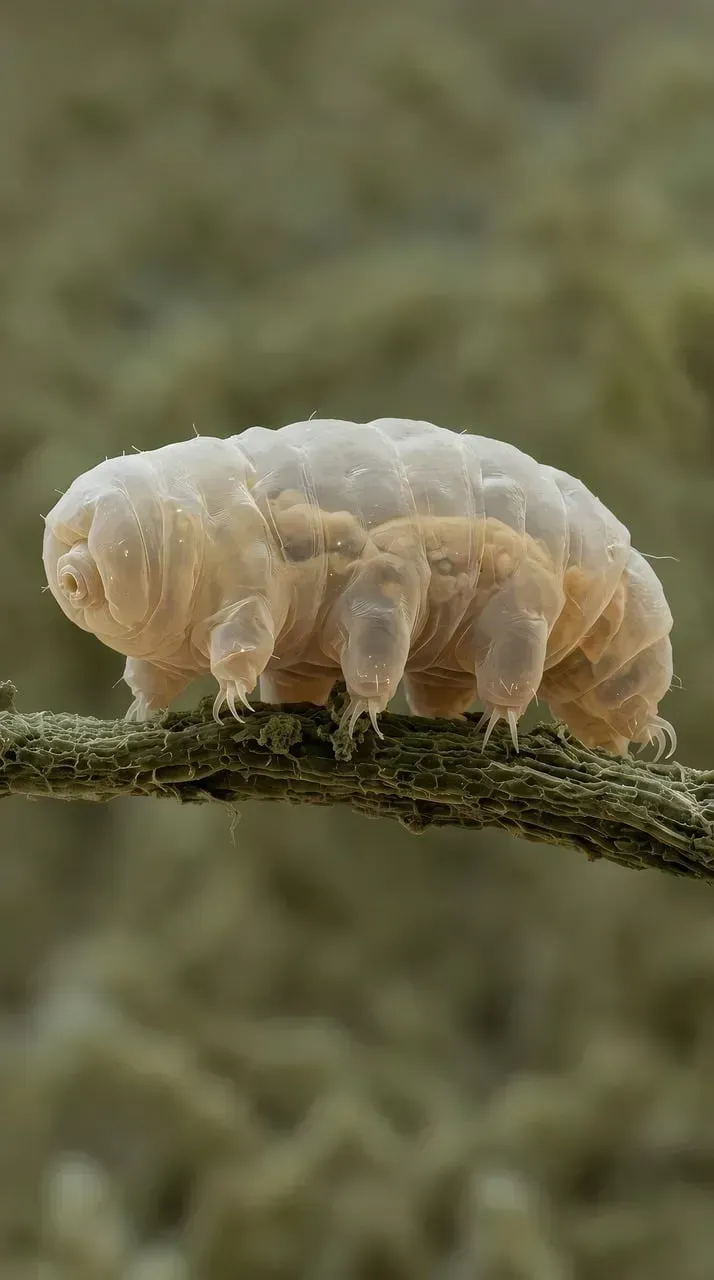
Tardigrades always live in environments where water is present, including oceans, glaciers, rivers, and house gutters, as well as in mosses and lichens on trees or rocks. Nearly 1,500 species are known, and they are the survival champions of the planet and the undisputed members of the extremophile club, organisms capable of surviving in the most extreme environments. Storm systems are actually an effective distribution mechanism for these microscopic animals, carrying them on wind and water to entirely new locations.
Starting in 2016, the genetic tools that enable tardigrades to withstand extreme environments began to be identified during the first sequencing of their genomes. Scientists are already interested in these tools for future biomedical applications such as the preservation of drugs and vaccines in dehydrated form, or the protection of cells against lethal radiation. Geneticists believe tardigrades acquired these genes to enable them to withstand dehydration, but also suggest that the same genetic tools allow them to survive in all kinds of deadly environments. The storm, for a tardigrade, is merely one more test it was always going to pass.
