


- 9 Items Experienced Skywatchers Bring Along That Beginners Always Wish They’d Packed - November 12, 2026
- I Moved to Tornado Alley in Oklahoma – 7 Things I Did Not Anticipate About Storm Season - November 12, 2026
- VR tool shows how rising seas could flood Fort Lauderdale - November 12, 2026
Ask ten people what shrinks a travel footprint fastest, and most will say flying less. The research mostly agrees, though the size of the effect depends on who you are, where you go and how you’d get there instead.
The numbers behind that answer are more uneven than the slogans suggest. Here is what the studies say, starting with what one trip adds.
What a single return flight adds up to
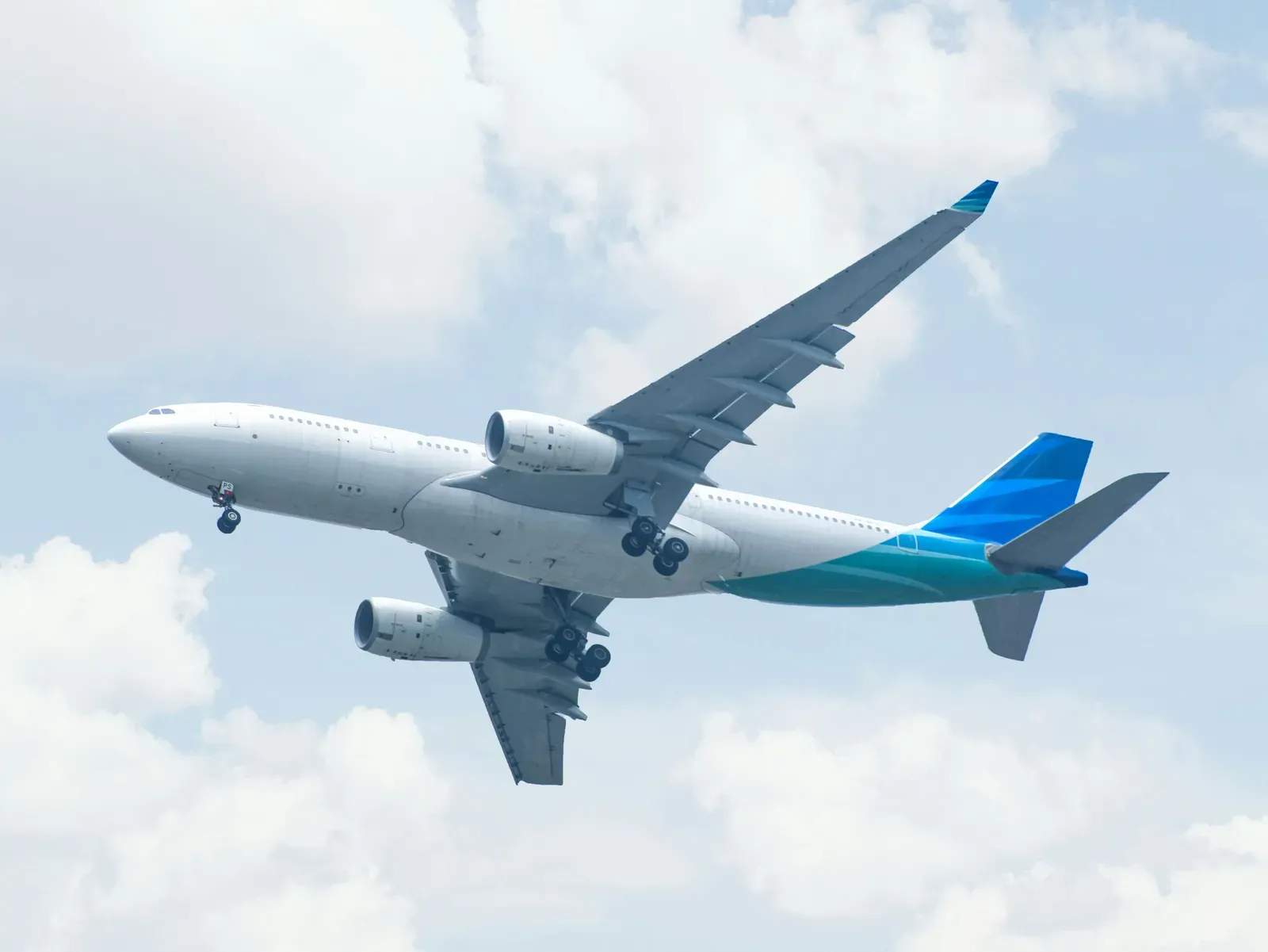
One of the clearer individual level estimates comes from Austrian travel survey data covering 2014 to 2016. Each return flight in that study generated roughly 1,100 kg of CO2 equivalent. That is more than a tonne for one round trip.
Averages hide a lot, since routes, aircraft and seating all change the result. Still, a figure like that shows why a single long holiday can outweigh many smaller choices made at home.
Aviation’s slice of the global picture
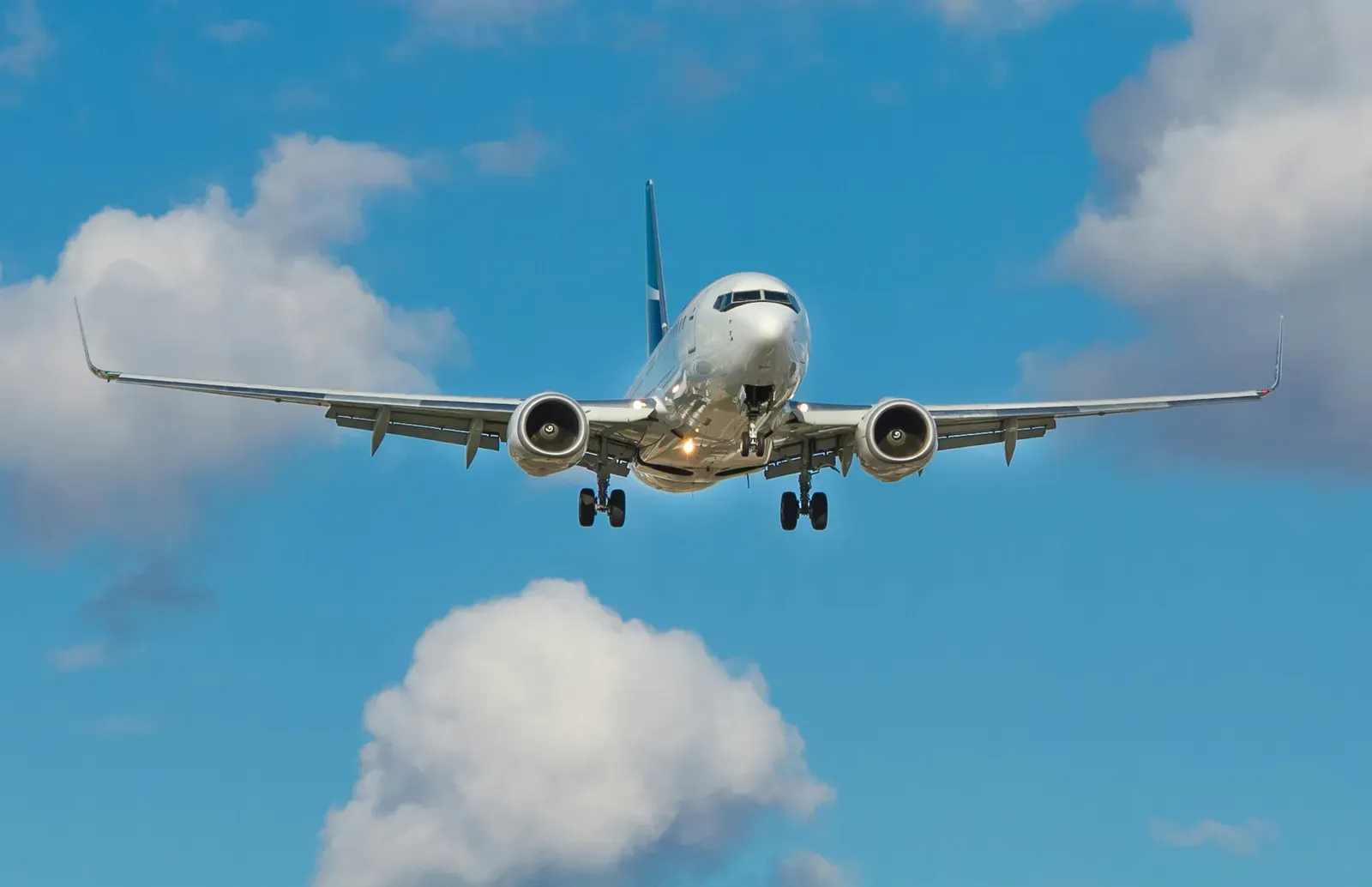
Aviation looks modest in global totals. It accounts for roughly two and a half percent of global CO2 emissions. Including contrails and other non-CO2 effects, it makes up roughly 4% of human caused warming to date.
The non-CO2 part matters more than many travelers realize. Those effects are estimated to make up about two thirds of aviation’s total warming effect, based on Lee et al. 2021. So a footprint that counts only carbon dioxide understates what a flight does.
Most people barely fly at all
A widely cited 2020 study by Stefan Gössling and Andreas Humpe looked at pre-pandemic data. It found that about 11% of the world’s population flew in 2018, and at most 4% took international flights. Even in wealthy countries, large shares never fly, including 53% in the USA and 65% in Germany.
So for a large part of the world, flying less isn’t an available option. They’ve never flown much to begin with. The advice applies mainly to people who already travel by air, and the next section shows how lopsided that group is.
A small group drives half the emissions
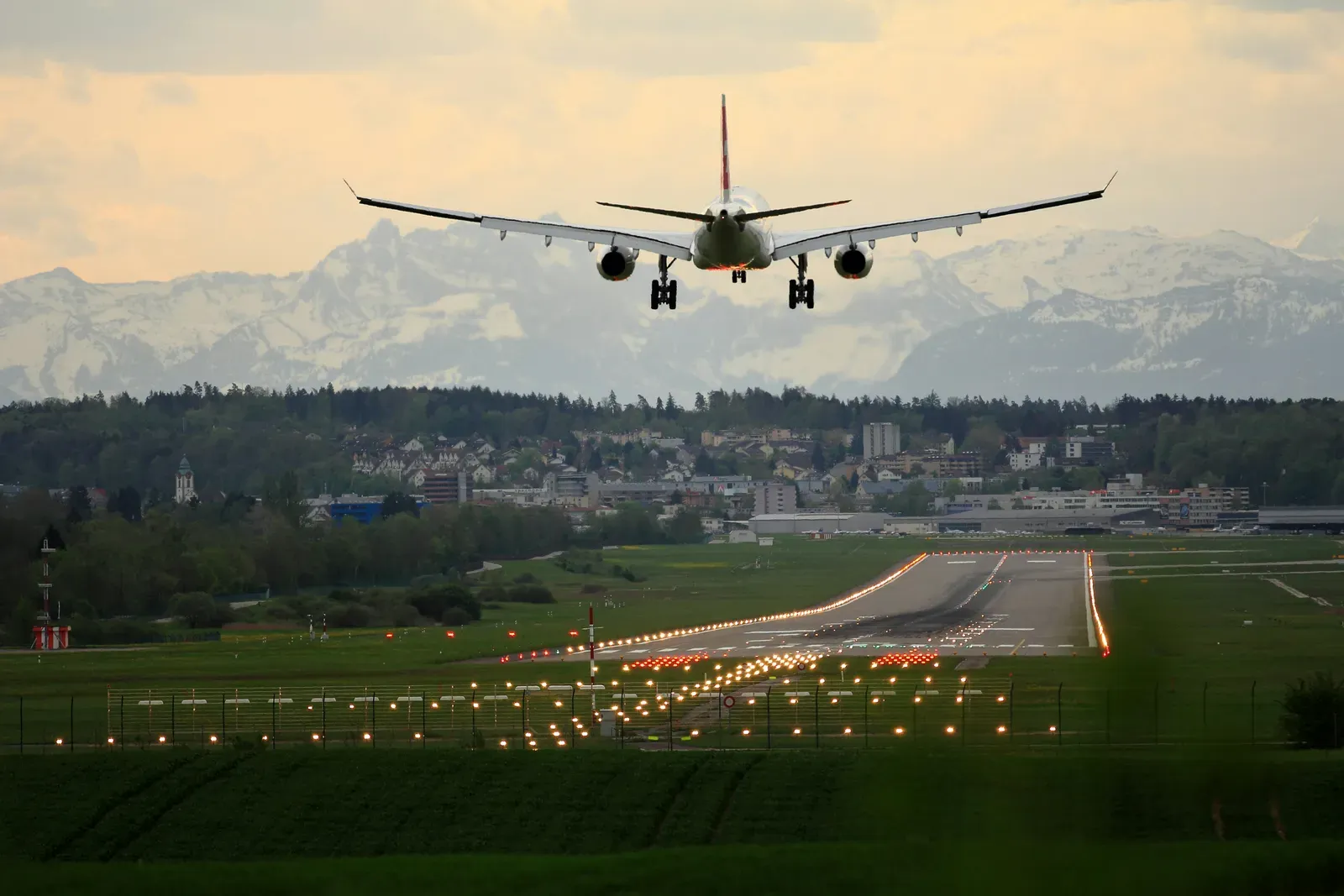
The same research found that the most frequent fliers, at most 1% of the world population, likely account for more than half of passenger air travel emissions. Newer summaries of the data still repeat that finding, though the underlying figures date to 2018.
That has a plain implication for individuals. Someone who takes one trip a year is in a very different position from someone flying every few weeks. Cutting a dozen flights saves far more than cutting one.
Flying as the biggest line in a personal footprint
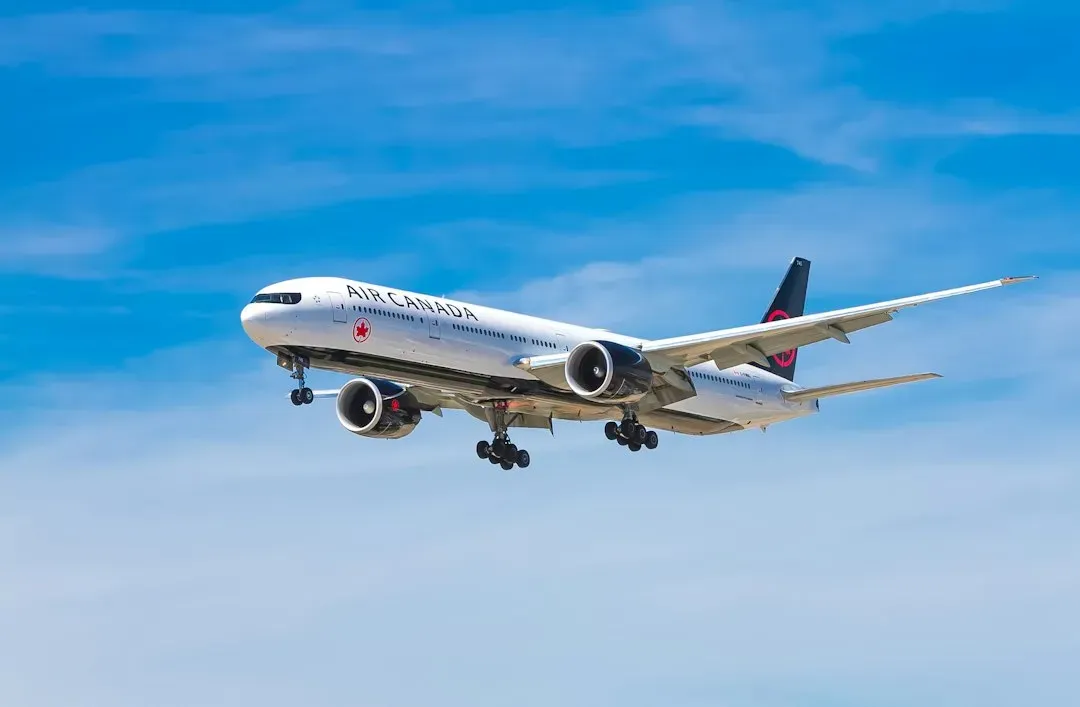
One 2026 overview puts it this way: aviation is a small share of global emissions but the dominant line in a frequent flyer’s personal footprint. It’s a secondary source, but it fits the findings above.
For an occasional traveler, flights may be only one item next to home energy, driving and diet. For a regular flyer, they can overshadow all of those combined. That’s why advice to fly less carries more weight for some people than others.
Swapping short flights for trains
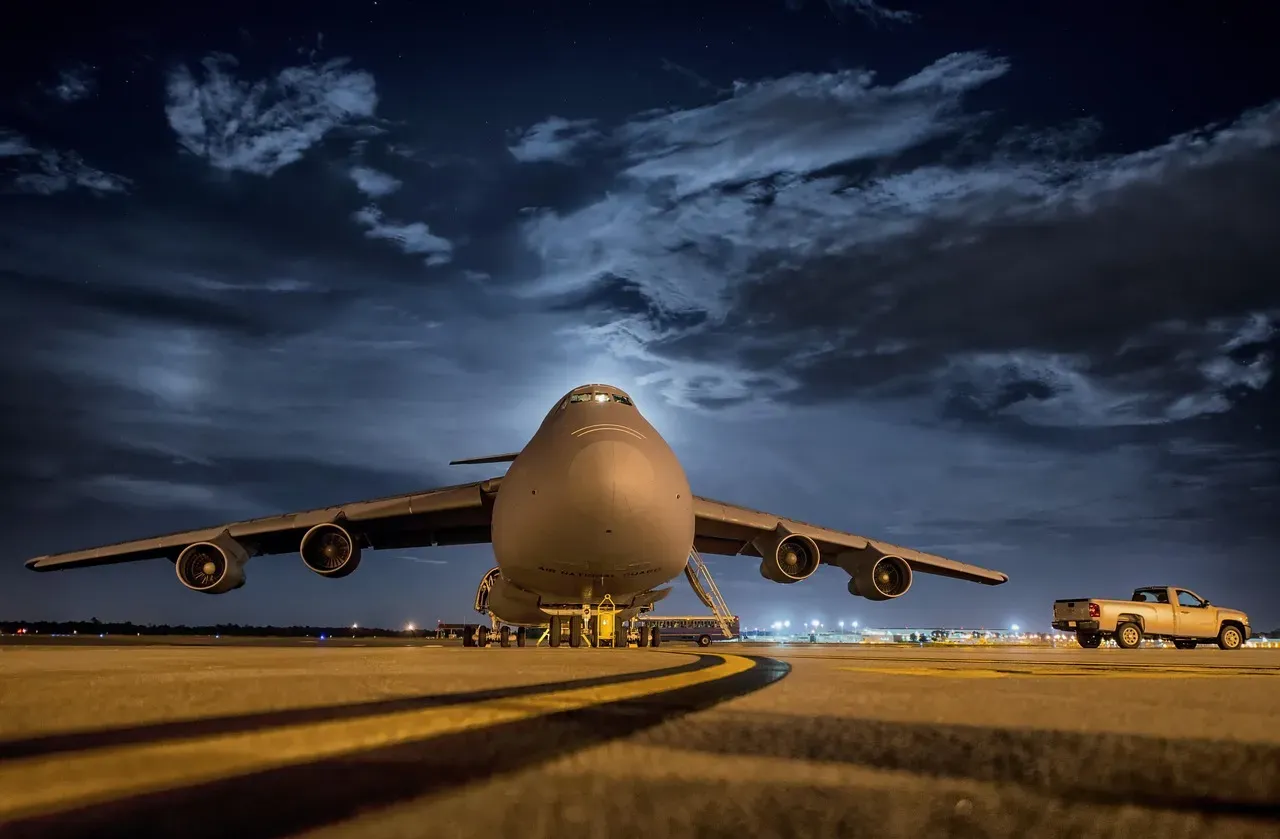
Short routes are where alternatives are easiest to find. On a 200 mile trip, a flight emits about 109 pounds of CO2 per passenger, against 26 pounds by train and 19 by charter bus. A travel writer’s comparison for Vienna to Brussels found a flight creating about 220 kg per person and a night train about 40 kg.
These come from commercial and blog sources rather than peer reviewed work, so treat them as illustrations. Even so, the direction is consistent. Takeoff and climb burn a lot of fuel, which makes short flights costly per mile.
Choosing a better flight when you do fly

Not every flight on the same route emits the same amount. An ICCT analysis of 20 popular US domestic routes in 2019 found that the least emitting itinerary can emit 63% less CO2 than the most emitting one, and 22% less than the route average.
The same paper found exceptions to common advice. Flying a fuel efficient aircraft and flying nonstop don’t always lead to the most climate friendly flight. Checking itinerary level estimates at booking beats following a rule of thumb.
Cabin class and the weight of a seat
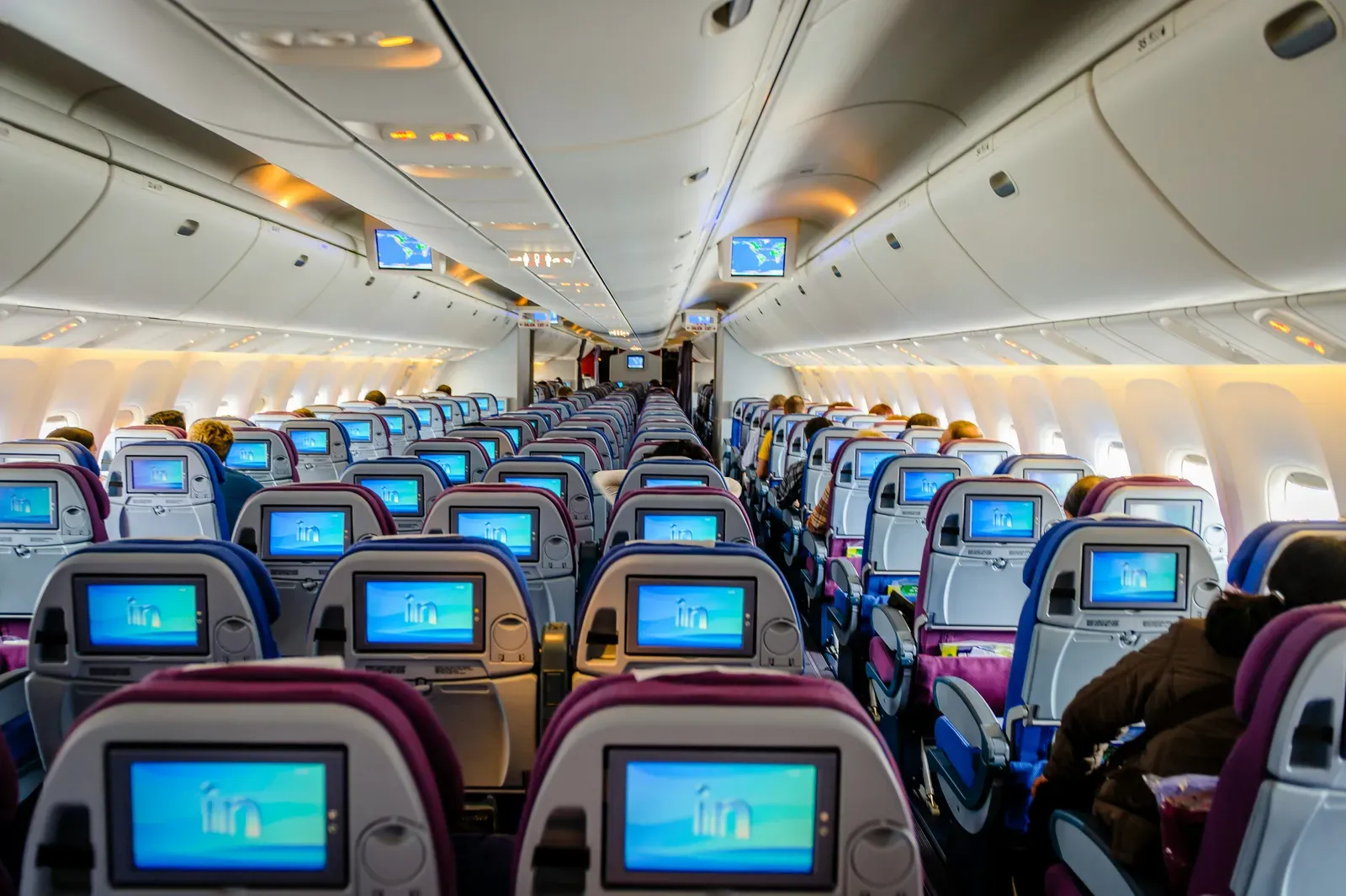
Where you sit changes your share of the fuel burned. One industry source lists business class at 228 g of CO2 per passenger kilometre and economy at 79 g, around 65% less. Premium seats take up more floor space, so each passenger carries a larger part of the plane’s emissions.
That makes class a lever for people who can’t skip a trip. It won’t match the saving from not flying, but it costs nothing in time.
Driving, carpooling and group trips

Flying less doesn’t always mean a lower footprint if you swap it for a half empty car. A solo driver on a 200 mile trip emits more than a passenger on a plane, at 120 pounds of CO2 against the plane’s 109.
Passenger count shifts the balance. In one example, three people on a cross country flight account for 1.86 tons of carbon, against 1.26 tons for the vehicle. Families and groups often come out ahead by driving.
