


- Phantom Energy Sucking Power 24/7 – 7 Home Electronics Quietly Inflating Utility Bills - November 14, 2026
- A Million-Mile Storm Raging for Centuries – 6 Violent Weather Wonders in Our System - November 14, 2026
- Animals Flee Hours Before the Tremor – 7 Natural Warnings Before Disasters Strike - November 14, 2026
California: the state seismologists watch most closely

California remains the benchmark for earthquake risk in the United States, and the data backs up the reputation. Southern California has the highest level of earthquake risk in the United States, with half of the expected financial losses from earthquakes in the nation expected to occur there. The region sits along a genuinely unstable stretch of crust, and it shows in the fault count alone.
Southern California has over 300 faults capable of producing magnitude 6 and larger earthquakes. The probability numbers are equally sobering. The USGS estimates a 99.7% chance of one or more magnitude 6.7 or larger earthquakes occurring in California within the next 30 years, with the southern San Andreas fault carrying a 59% likelihood of producing such an event. For homeowners in the state, that translates into a very concrete recommendation: bolt the structure to its foundation and brace any cripple walls, since those two weak points fail first when the shaking starts.
Alaska: the most seismically active ground in the country

Alaska rarely gets the same media attention as California, but by sheer frequency it outpaces every other state by a wide margin. Alaska has more large earthquakes than the rest of the United States combined. That is not a small distinction. It reflects a landscape where the Pacific Plate is actively sliding beneath the North American Plate, generating seismic energy on a near-constant basis.
The scale of exposure for residents is significant. More than three-quarters of the state’s population live in an area that can experience a magnitude 7 earthquake. Combine that with the region’s extreme cold and often remote housing stock, and structural resilience becomes less of an upgrade and more of a baseline necessity, particularly for older homes built before modern seismic codes existed.
Washington: living on the Cascadia subduction zone
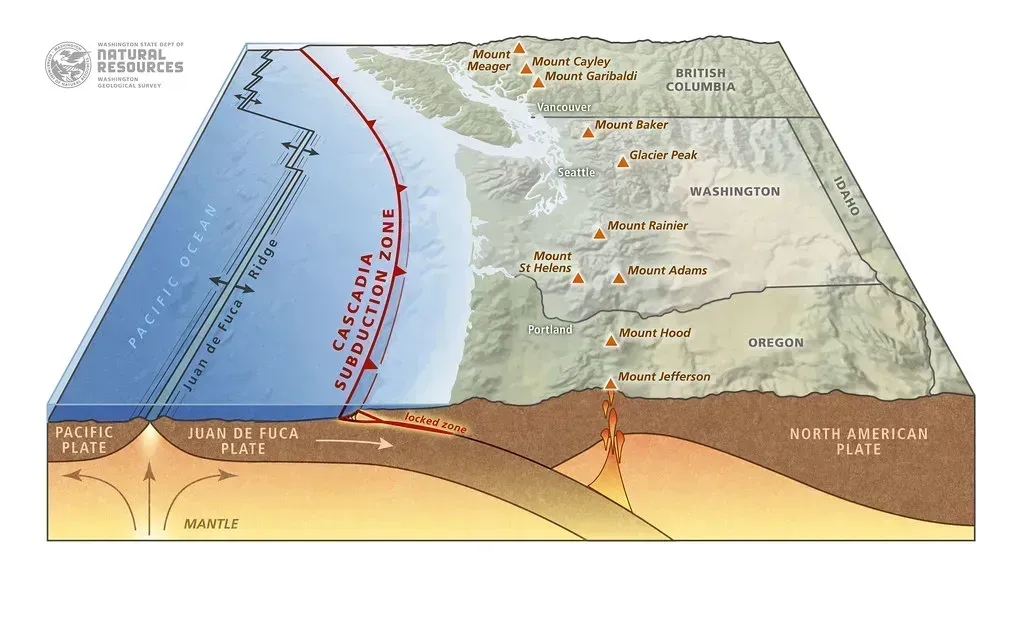
Washington shares a geological feature with its northern and southern neighbors that few residents fully appreciate until they read about it. Large earthquakes on the 1100-km-long plate-boundary fault of the Cascadia subduction zone beneath Washington, Oregon, and northern California pose a significant hazard to population centers of the U.S. Pacific Northwest. This is not a minor regional fault. It is a megathrust system capable of producing some of the largest earthquakes on the planet.
The tsunami risk compounds the shaking risk along the coast. Tsunamis from a Cascadia megathrust earthquake, and from earthquakes on other trans-Pacific subduction zones, pose a threat along the Pacific Coast. Seismologists studying the fault’s long-term behavior note that a rupture here would look nothing like a typical California quake. It would involve a much longer duration of shaking, which is exactly the kind of stress that exposes unbolted foundations and unreinforced masonry.
Oregon: waiting on the same fault line as Washington

Oregon sits on the same Cascadia system, and the scenario planning around it is specific enough to have a shorthand name among researchers. Oregon’s worst-case scenario is referred to as an M9.0 Cascadia Subduction Zone event. A magnitude 9 earthquake is not a routine occurrence anywhere in the world, and Oregon’s coastal communities are built directly in its potential path.
Longer-term probability estimates from the broader Cascadia region reinforce why this matters for home preparedness. The probability of earthquakes off the coast of British Columbia in the next 50 years ranges from 10 to 15 percent and will only increase over time. Oregon sits further south on the same fault system, and building code updates in the state have increasingly reflected that reality, pushing new construction toward stricter seismic standards than were used even a decade ago.
Utah: the Wasatch Front’s slow-moving hazard

Utah’s risk is tied almost entirely to one geological feature running through its most populated corridor. Active faults of the segmented Wasatch fault zone are next to the largest and growing population centers of central Utah. Researchers have documented an extensive history along this fault, which is part of why current models take it so seriously.
Geologic studies show that at least 22 surface-faulting earthquakes have occurred on the Wasatch fault during the past 6,000 years. Current forecasting reflects that pattern. The Working Group on Utah Earthquake Probabilities calculated a probability of 43% for one or more magnitude 6.75 or larger earthquakes occurring within the Wasatch Front region. Salt Lake City’s rapid growth over the past two decades means more homes now sit atop this hazard than at any point in the state’s history.
Missouri: the New Madrid legacy still shapes the map
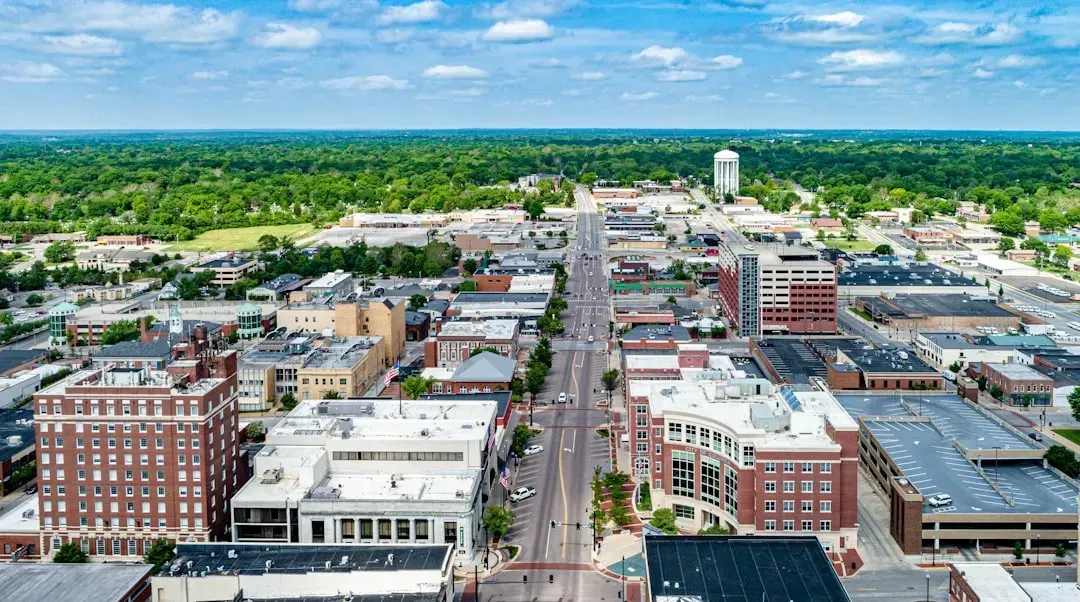
Missouri’s earthquake risk traces back to a seismic zone that produced some of the most powerful quakes in recorded U.S. history, even though the region sits nowhere near a plate boundary. Missouri, Tennessee, Arkansas, and Kentucky face risk from the New Madrid Seismic Zone, tied to the 1811 to 1812 magnitude 7.5 to 8.1 earthquakes. Those historical events remain a reference point for hazard modelers because they demonstrated how far shaking can travel through the softer soils of the Mississippi River basin.
Modern vulnerability assessments have flagged the region again for a different reason: infrastructure and preparedness gaps. Shelby County scores quite high due to the danger posed by the New Madrid Seismic Zone and the population of Memphis, with other nearby areas making the list for the same fault zone risk. Much of the older housing stock across this corridor predates any seismic design requirement at all, which is precisely why retrofitting conversations have picked up in the region over the past couple of years.
South Carolina: an East Coast risk many residents overlook
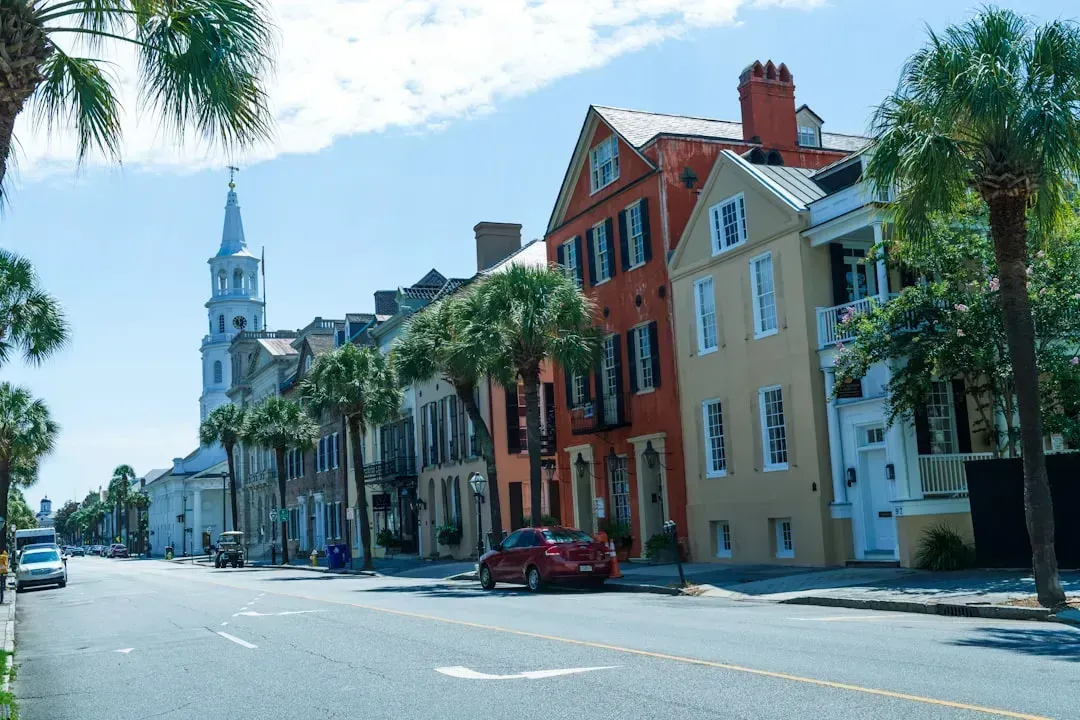
South Carolina rarely comes up in conversations about earthquake country, yet it carries one of the more unusual seismic histories on the East Coast. Other lesser-known areas with some risk include Charleston, South Carolina, where a major earthquake happened in 1886. That 1886 event remains one of the most damaging earthquakes ever recorded east of the Rocky Mountains, and the underlying fault structure that produced it is still active.
The broader eastern seismic zones tied to Charleston continue to factor into regional hazard maps decades later. Missouri, Tennessee, Arkansas, and South Carolina face moderate to high earthquake risk from the New Madrid and Charleston seismic zones, far from any plate boundaries. Because the state’s building stock was never designed with seismic loads in mind, even a moderate repeat of the historical event could cause disproportionate damage to older homes, particularly those with unreinforced brick chimneys and masonry foundations.
What earthquake-proofing actually involves

Retrofitting a home for seismic activity is less about dramatic renovation and more about fixing a short list of known weak points. Foundation bolting is one of the most effective and cost-efficient steps homeowners can take, and it prevents a home from sliding off its base during strong shaking. Cripple walls, the short wood-framed sections between a foundation and the first floor, tend to be the next priority.
Bracing, shear panels, and code-compliant structural supports keep walls from racking or collapsing, and cripple walls are a common weak point that benefit most from this step. Roof-to-wall connections matter too, since a roof that separates from its supporting walls during shaking becomes both a structural failure and a safety hazard. None of these fixes require rebuilding a house from scratch. They simply require identifying the specific vulnerabilities a professional inspection would catch before an earthquake does.
Weighing the cost of preparation against the cost of doing nothing

Retrofitting work carries a real price tag, and that is often what keeps homeowners from starting. Foundation bolting, cripple wall bracing, and utility shutoff upgrades typically run into the thousands of dollars depending on the size and age of the house. Set against the cost of structural failure, gas line rupture, or a total rebuild, though, the math tends to favor prevention.
Earthquakes represent one of the nation’s most significant and costly natural hazards, with estimated annual losses from earthquakes close to 15 billion dollars in 2023. That figure covers the whole country, not just California, which is a useful reminder that the financial exposure is already spread across more states than most people assume. For homeowners in any of the seven states discussed here, a modest upfront investment in retrofitting remains one of the few earthquake-related decisions that stays entirely within their control.
