

- Atlantic Hurricane Activity Has Often Rebounded After Strong El Niño Years, Records Show - November 15, 2026
- The Planet Where It Rains Liquid Glass – 7 Alien Worlds Defying Known Physics - November 14, 2026
- Stars Consuming Entire Worlds – 6 Planetary Systems Swallowing Their Own Worlds - November 14, 2026
Corpus Christi, Texas
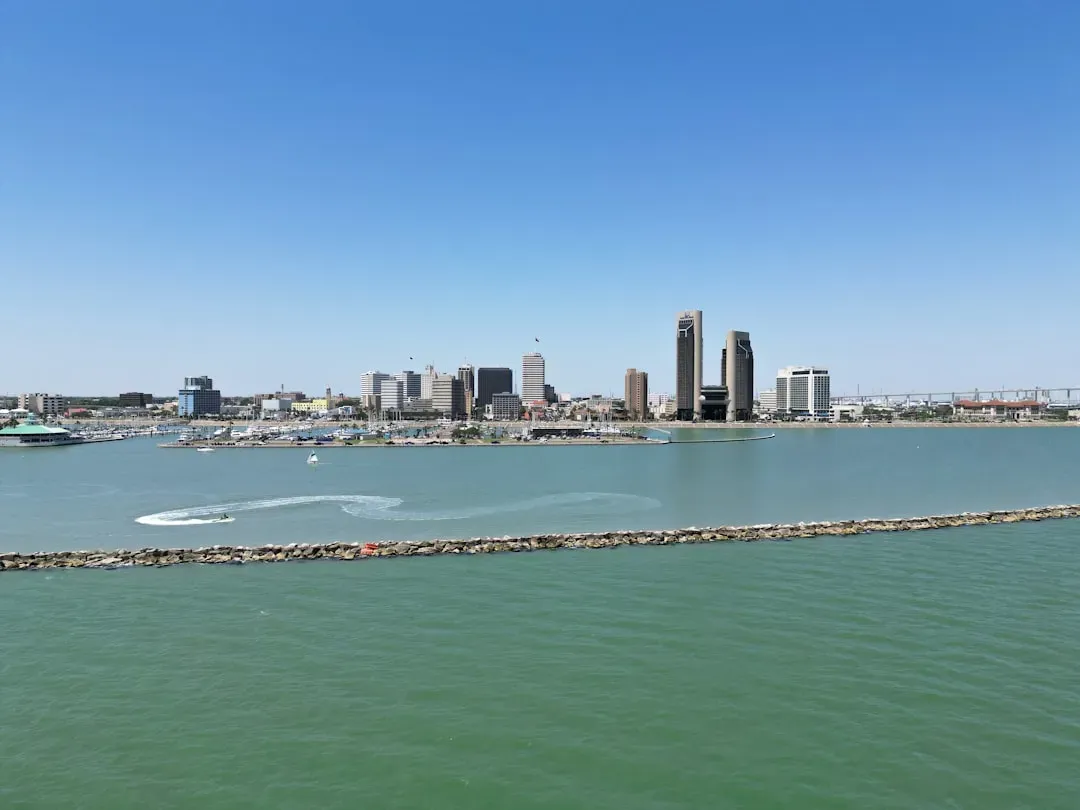
Corpus Christi has become something of a cautionary tale in national water coverage this year. The city could soon completely run out of water, and it is the eighth largest city in Texas and a major industrial node on the Gulf Coast. The city is already operating under Stage 3 mandatory conservation tied to what officials describe as a reservoir crisis.
Corpus Christi is on track to be the first American city to completely run out of water, as its reservoirs near empty following a five year drought. The ripple effects extend well past city limits too. Nearby Mathis, Texas depends on the same water source, and officials there are already exploring backup wells because the reservoir has dropped so low it threatens the intake system itself.
San Antonio, Texas
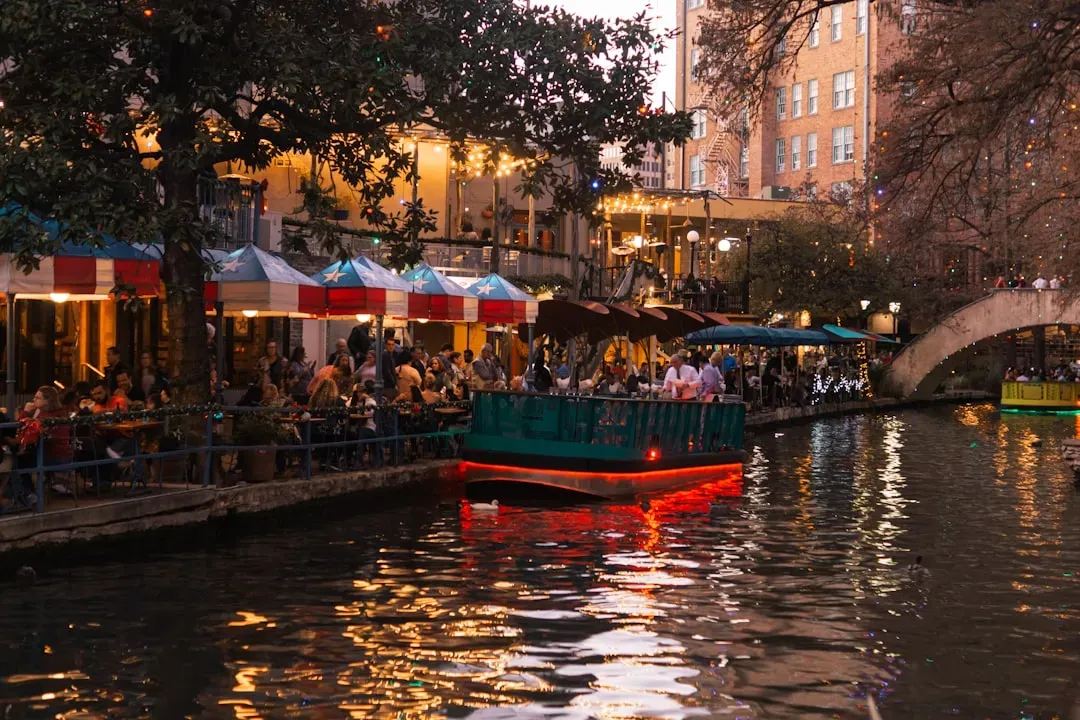
San Antonio’s water utility has entered territory it has not seen in decades. The city is under SAWS Stage 3, a historic first ever restriction level since June 2024, tied to the Edwards Aquifer J-17 well sitting at 625.9 feet against a trigger of 640 feet. That gap matters because the Edwards Aquifer feeds much of the region’s drinking water.
Under Stage 3, homeowners are limited to one watering day per week on an address based schedule, with a first offense fine of 137 dollars. For a city this size, that level of restriction touches hundreds of thousands of households almost overnight. It also signals to neighboring utilities that the aquifer itself, not just individual reservoirs, is under real strain.
Austin, Texas
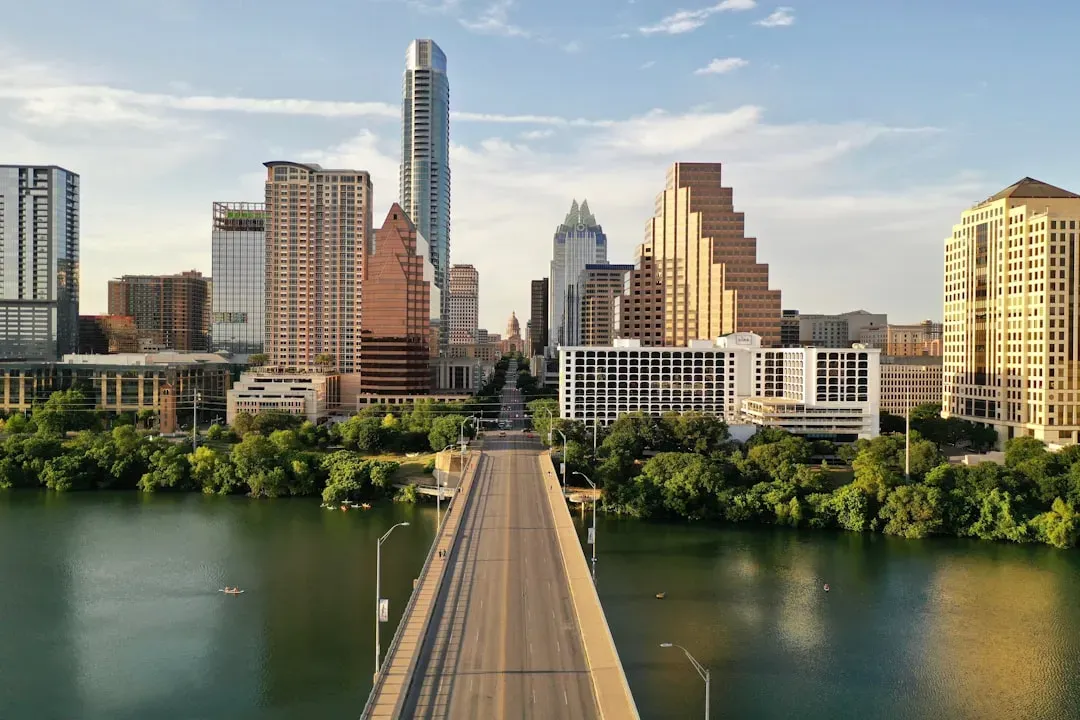
Austin’s restrictions have been building for a while now rather than arriving suddenly. The city has been under Stage 2 since July 2025 due to declining levels at Lakes Travis and Buchanan. Those two reservoirs form the backbone of the Highland Lakes system that much of Central Texas relies on.
Current rules allow one watering day per week on an odd or even schedule, with a 75 dollar fine for a first offense. What makes Austin’s situation notable is the duration. A restriction that has already run for a full year without easing suggests the underlying water supply problem is not a short term blip.
Pflugerville, Texas
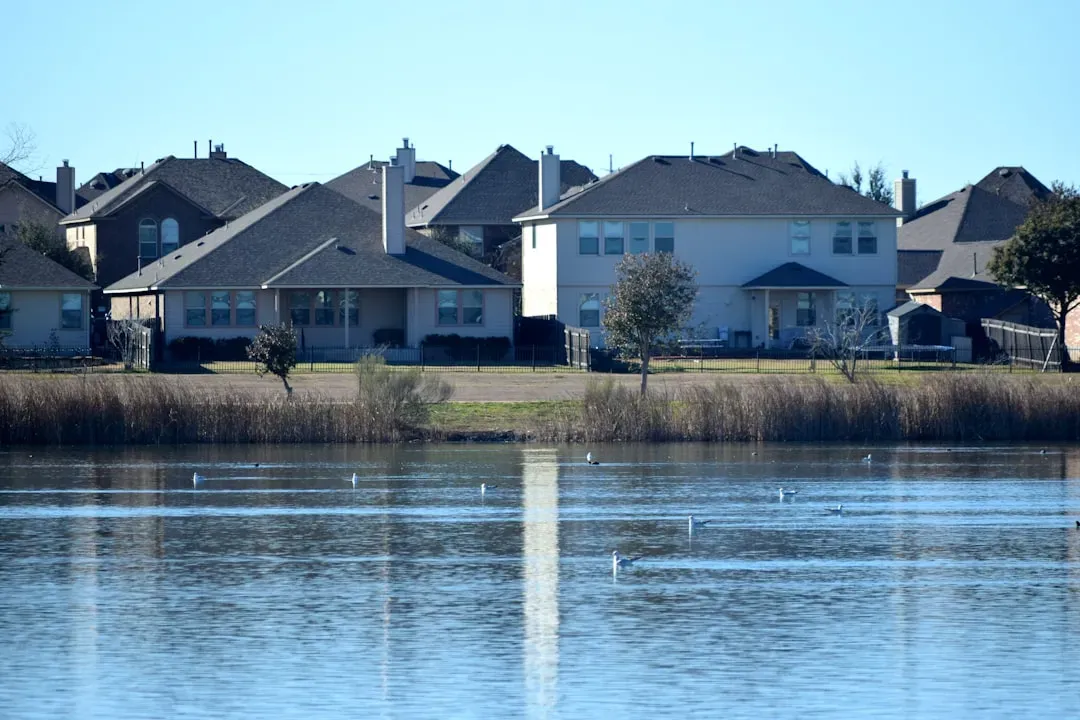
Just north of Austin, Pflugerville made a move few Texas suburbs have ever had to make. The city declared a Stage 3 Emergency under its Drought Contingency Plan effective March 4, 2026, the first such declaration in city history, with the mayor signing a disaster declaration alongside the order to enable state aid.
The rules are strict by suburban standards. Outdoor irrigation is prohibited entirely, with only indoor use and variance approved foundation or tree watering permitted, and citations starting at 2,000 dollars. The trigger was historically low storage at the city’s own off channel reservoir, a reminder that even communities with independent water supplies are not immune once drought sets in long enough.
Salt Lake City and the Wasatch Front, Utah
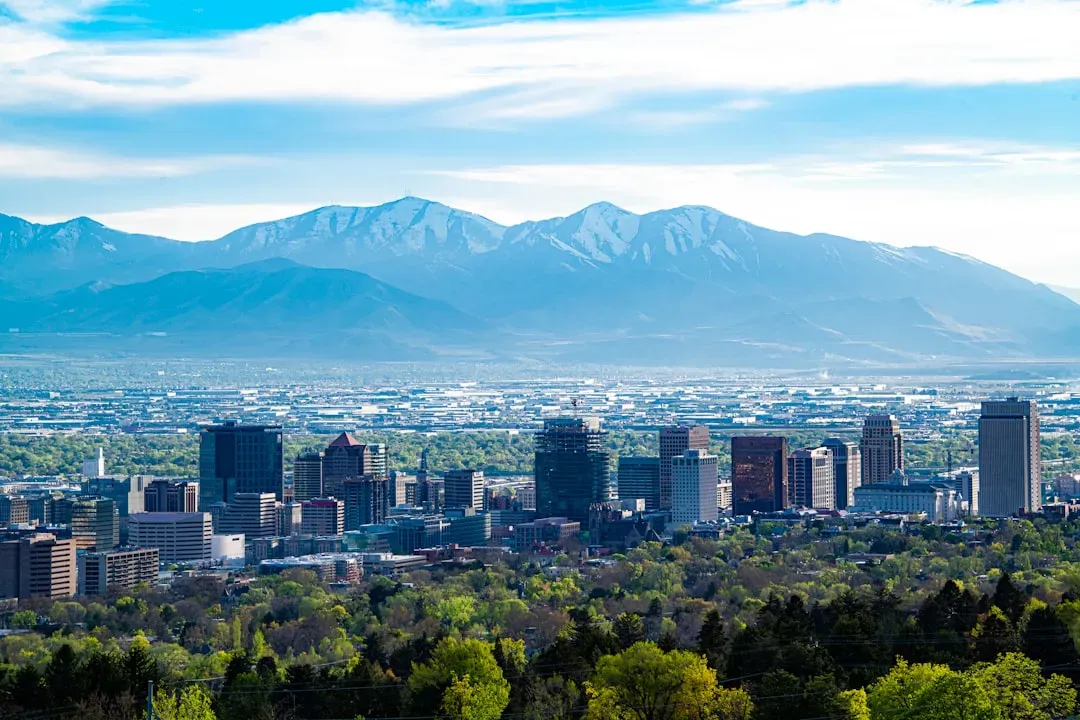
Utah’s situation this year is about as serious as the state has recorded. Utah has declared a statewide drought emergency, and the state is experiencing one of its worst droughts in recorded history, with snowpack at its lowest level since 1930. That snowpack normally feeds reservoirs well into summer, so a record low start changes everything downstream.
Record low snowpack across the Wasatch, Uinta, and southern mountain ranges peaked a full three weeks ahead of schedule at roughly half of normal accumulation, and as of spring 2026, 98 percent of the state is classified under some form of drought, triggering mandatory conservation in 11 of 13 tracked municipalities. Salt Lake City and Provo are currently relying on voluntary Stage 2 advisories, but nearby Sandy, Millcreek, and West Jordan have gone further, layering drought advisories on top of year round watering ordinances that already existed before this crisis began.
Denver and Colorado’s Front Range
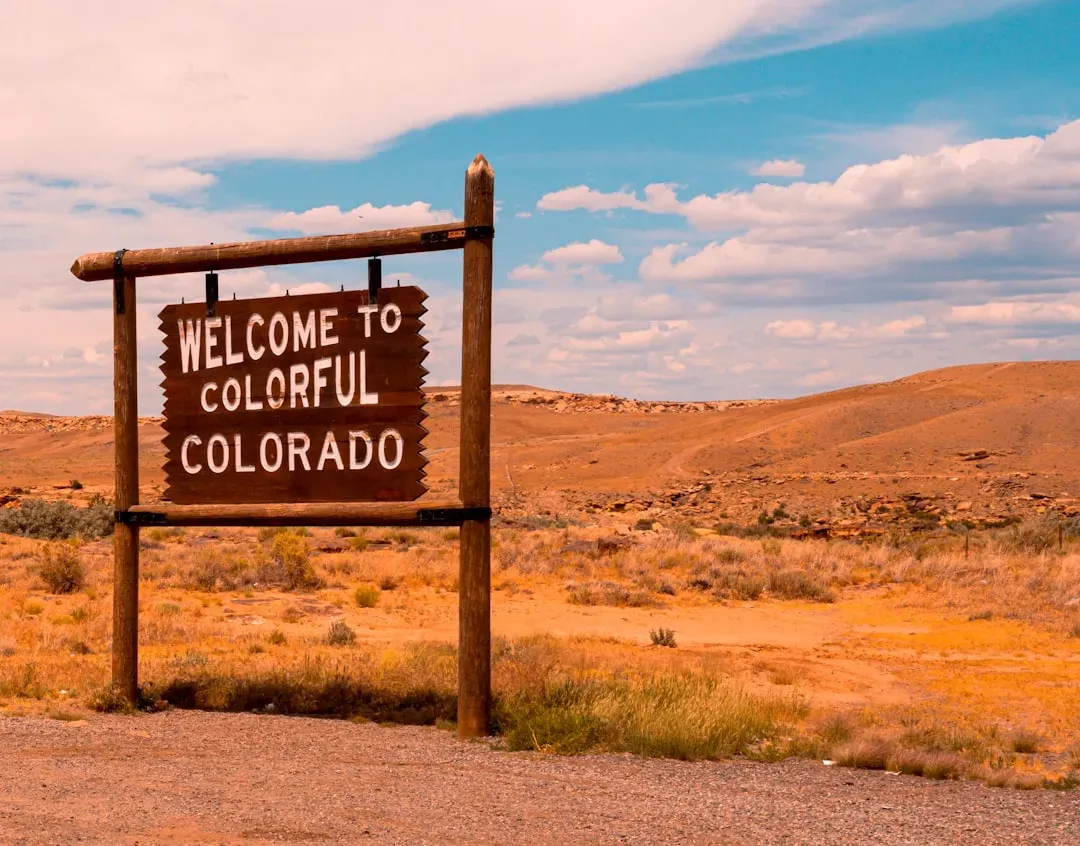
Colorado’s drought this year is not limited to the mountains. The state is under emergency level drought conditions, with more than 20 Front Range cities now under mandatory watering schedules. Denver Water’s own restrictions reach far beyond the city itself.
Customers in portions of Centennial, Greenwood Village, Lakewood, Littleton, and Wheat Ridge are bound by the same Stage 1 rules as Denver residents, following a Stage 1 declaration on March 25, 2026. A few mountain towns are further along still. Vail is currently running Stage 3, described locally as the most severe active drought stage anywhere in Colorado, with fines reaching 500 dollars for repeat violations.
Charlotte, North Carolina
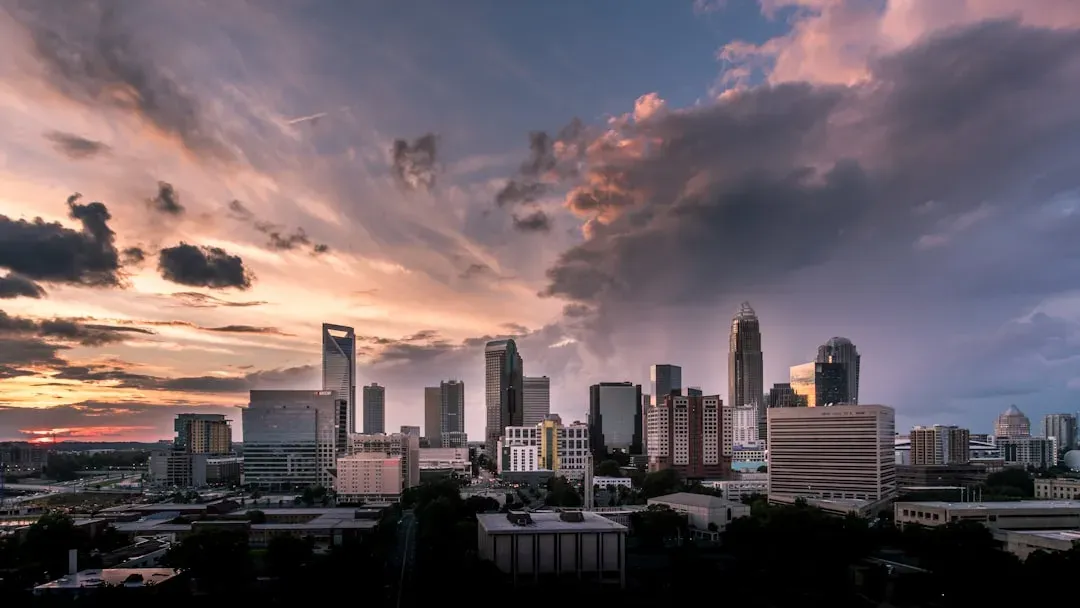
North Carolina rarely makes lists like this, which is part of why 2026 has caught so many residents off guard. The state is in the middle of its driest year since federal records began in 1895, and on April 30, 2026, state regulators introduced the Drought Monitor’s most severe classification, exceptional drought, for parts of the state for the first time in this cycle.
Charlotte has responded with mandatory action. Charlotte and Raleigh are under mandatory restrictions. Charlotte specifically sits at Stage 2, and water managers have been direct that the bigger worry right now is not an empty tap but what concentrated contaminants and disinfection byproducts do to water quality as reservoir volumes shrink.
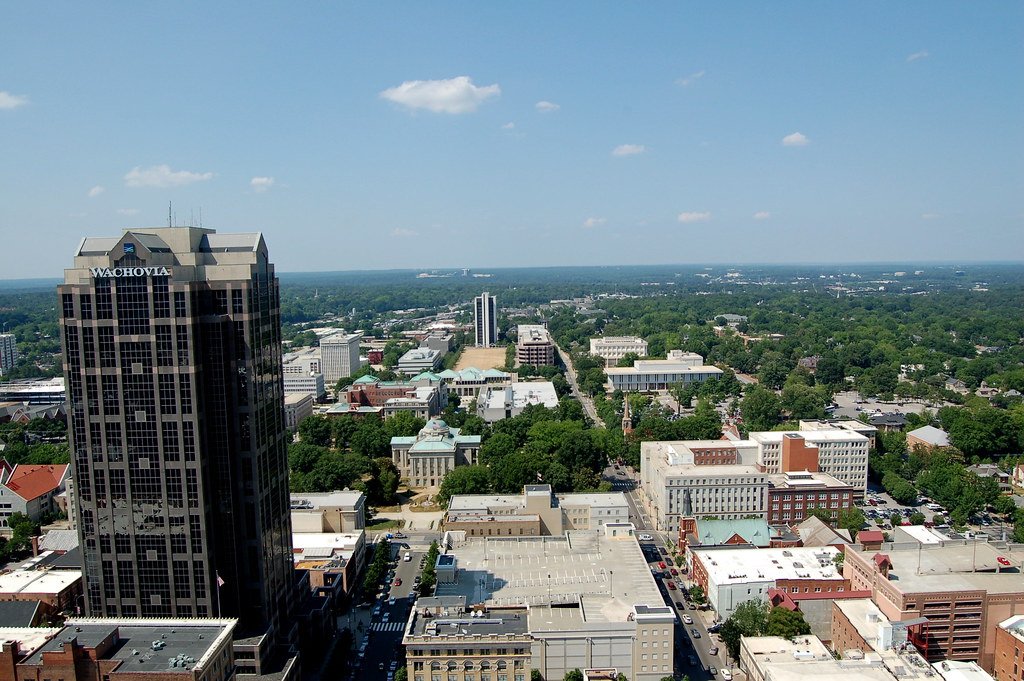
Raleigh, North Carolina
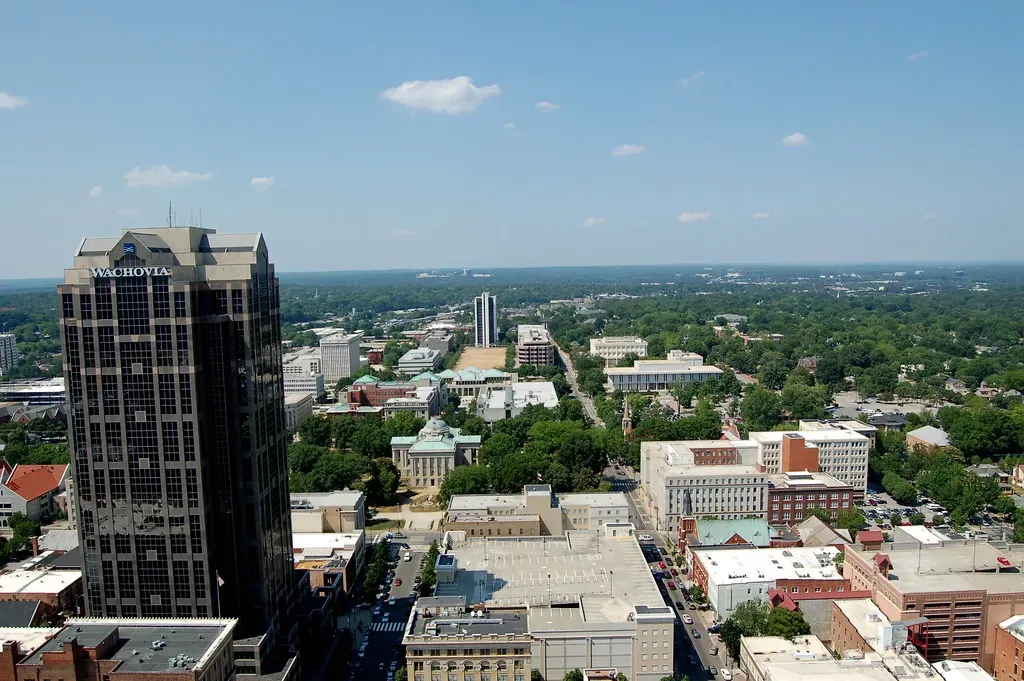
Raleigh’s restrictions arrived alongside Charlotte’s as the drought spread statewide. Raleigh is under mandatory restrictions, similar to Charlotte’s own stage. The city draws heavily on Falls Lake, and regional trackers have flagged that lake as approaching a threshold that would force even tighter rules nearby.
Neighboring Durham illustrates how close the region is to a wider mandatory push. Durham remains on a drought watch with reservoirs at 84 percent, while Falls Lake is approaching the 85 percent mandatory restriction trigger. If that threshold gets crossed, expect the entire Triangle area to shift from watch status to enforced limits fairly quickly.
Las Vegas, Nevada
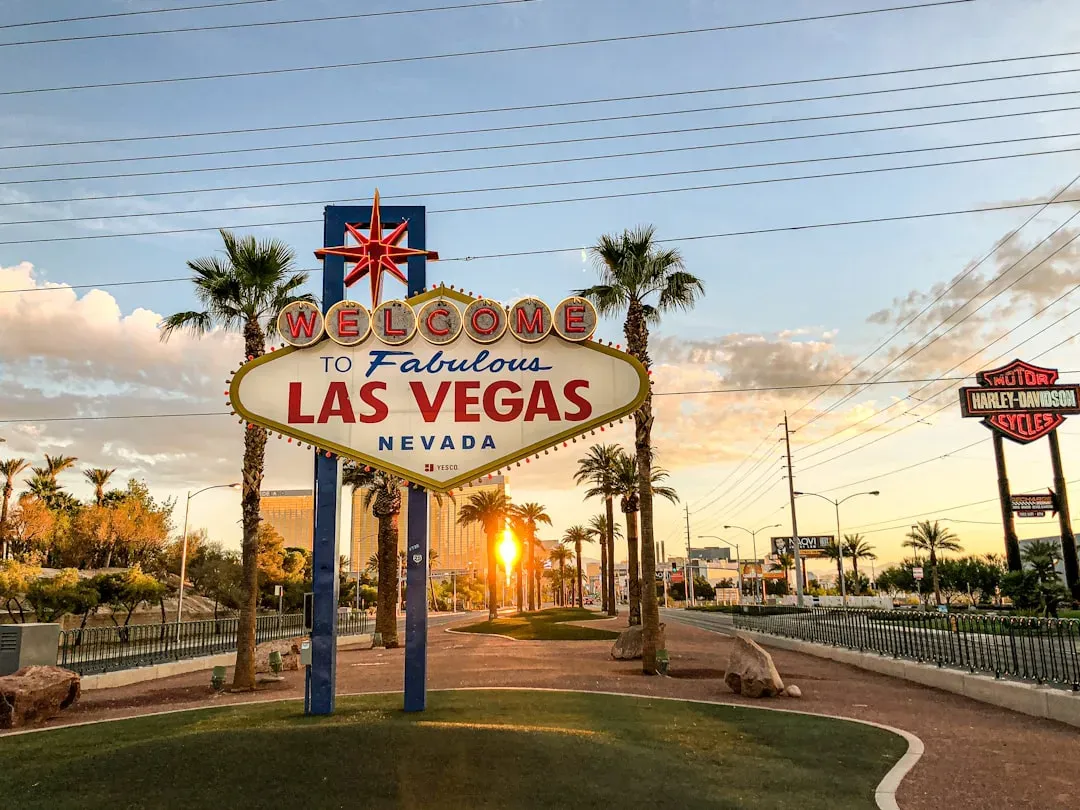
Las Vegas has spent years bracing for this moment, and Lake Mead is the reason why. Lake Mead’s elevation has dropped by approximately 160 feet since 2000, and water levels are expected to decline even further. That is not a seasonal dip. It is a two decade trend line pointing in one direction.
Federal projections make the near term picture even clearer. The Bureau of Reclamation’s 2025 forecast projected a Lake Mead elevation between 1,050 and 1,075 feet for January 1, 2026, with a Tier One shortage remaining in effect through 2026 for Lower Basin operations, cutting Nevada’s available Colorado River supply by 21,000 acre feet annually. Las Vegas has already built much of its water conservation infrastructure around this exact scenario, but a shrinking allocation still means tighter outdoor watering rules are likely to tighten further rather than ease up.
Cape Coral and the Florida Gulf Coast
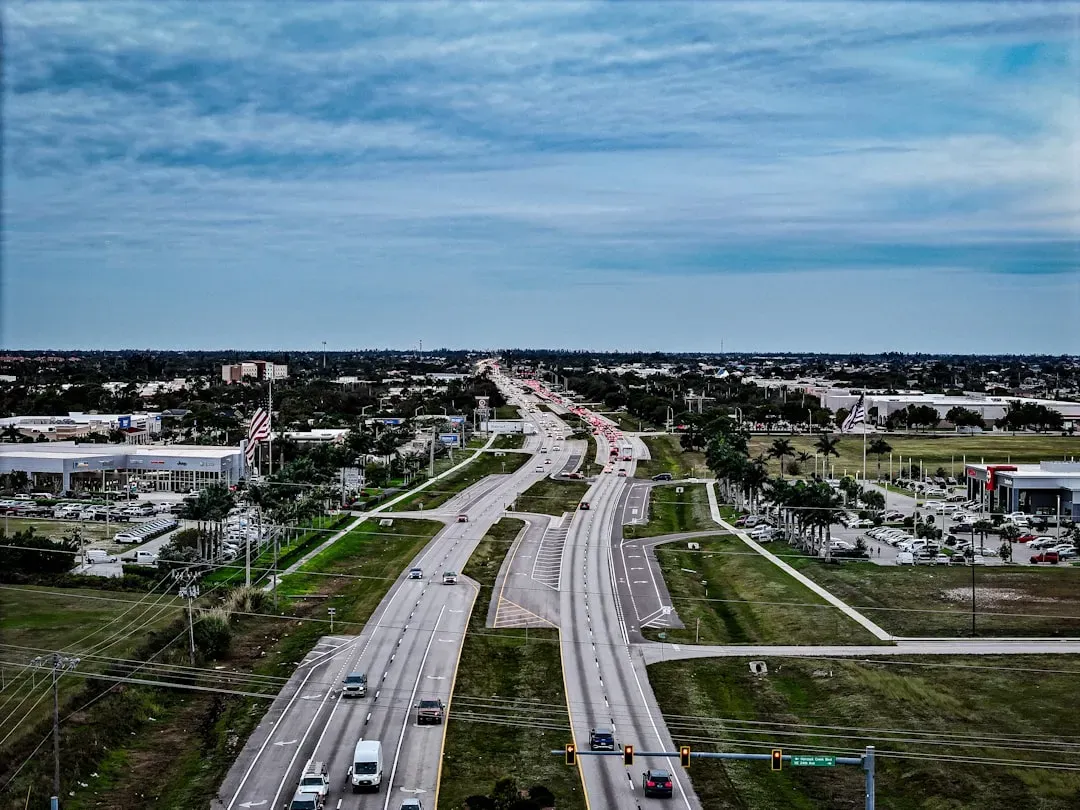
Florida’s water restrictions tend to fly under the radar nationally, partly because the state gets so much rain overall. Yet several Gulf Coast cities are currently under some of the strictest tiers on record. Cape Coral is operating under a Modified Phase IV restriction affecting private wells in its northeast service area, while Bradenton, Clearwater, Dunedin, Lakeland, and Largo are all under Modified Phase III severe water shortage rules.
Dunedin’s situation is described locally as an extreme water shortage rather than just severe, which puts it a notch above most of its neighbors. These tiered phase systems in Florida tend to escalate quickly once triggered, since the state’s water management districts monitor aquifer and surface water levels closely and adjust stages as conditions shift. Residents in these areas should expect watering day limits to tighten further if the current dry pattern continues through the rest of summer.
