


- The Compostable Cup Left Intact for Years – 5 Backyard Composting Failures - November 15, 2026
- Fast-Fashion “Conscious” Lines Under Scrutiny – 5 Red Flags in Eco-Clothing - November 15, 2026
- Space Engineers Explain 5 Quiet Changes Making Rocket Launches Safer Than Ever - November 15, 2026
What “uninsurable” actually means in 2026

The word gets thrown around loosely, but insurers rarely say a home cannot be insured at all. What happens instead is more subtle and, in some ways, more troubling. For most homeowners, insurance is not optional in any meaningful sense, and without it, owning, financing, or protecting a home becomes far more difficult. When coverage disappears or becomes too expensive, families can face major repair costs, mortgage complications, and a property that is harder to keep or sell.
Insurify, the insurance comparison marketplace, built a formal scoring system to measure this. Researchers assigned an insurability score from 0 to 100 to more than 3,100 counties, measuring how difficult and costly homes are to insure in these areas. A high score doesn’t necessarily mean zero coverage exists. It usually means coverage is thin, expensive, and often backstopped by a state program rather than a private carrier willing to compete for your business.
Monroe County, Florida sits at the very bottom
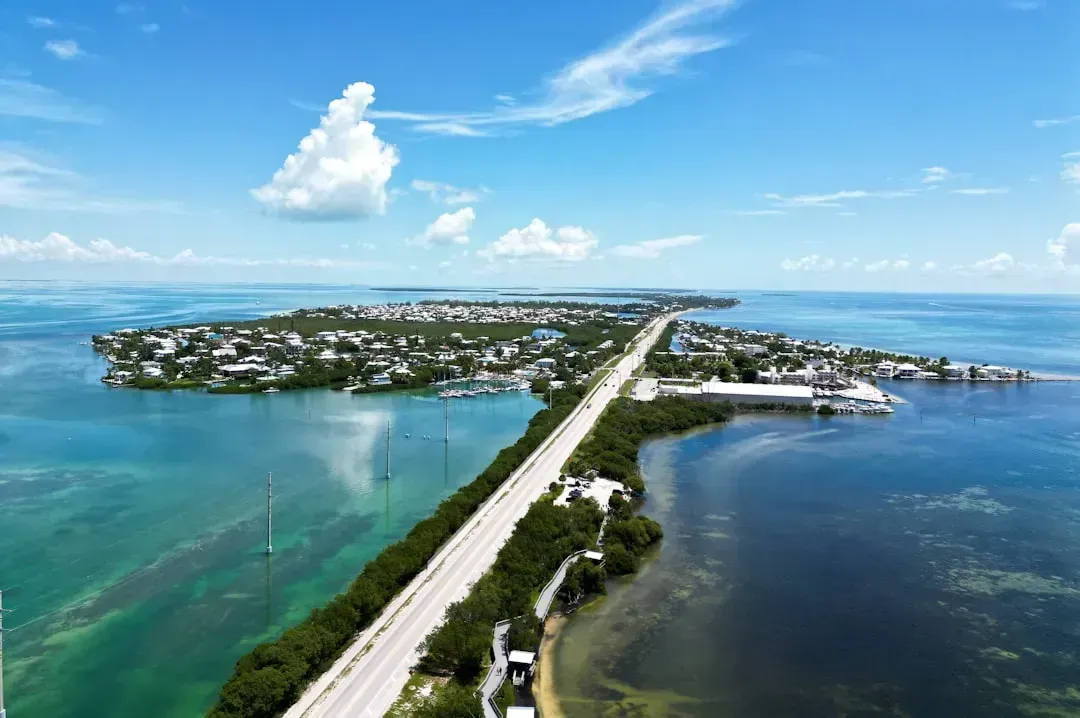
No place in the country scores worse than the Florida Keys. Researchers assigned an insurability score from 0 to 100, and Monroe County recorded the worst score in the nation at 99.5 out of 100. That’s about as close to the ceiling as the math allows, and it reflects a place where hurricanes, storm surge, and flood exposure converge on a narrow strip of islands with nowhere to retreat.
The price tag matches the risk. The county also registered the highest costs, with an average annual homeowners premium of $22,436, 661 percent above the national average, and on top of that, Monroe County homeowners pay $4,697 for flood coverage through the National Flood Insurance Program, more than triple the statewide average. Add those two bills together and a typical Keys homeowner is spending more on insurance each year than many Americans spend on their mortgage.
Louisiana’s parishes tell a story of a market already broken
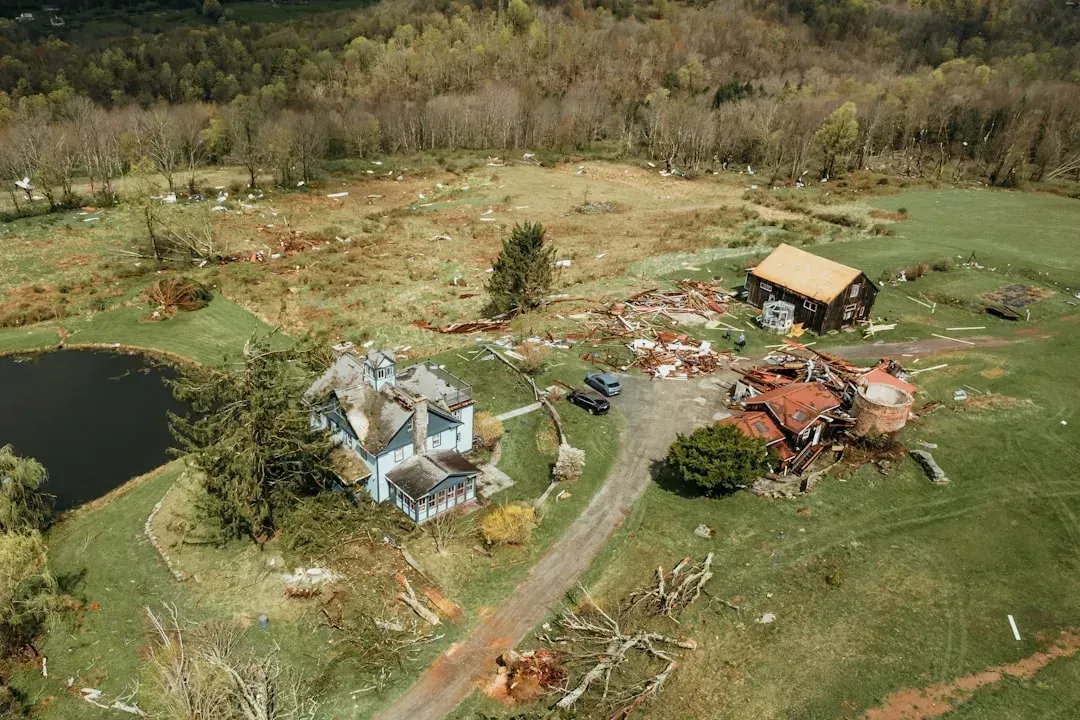
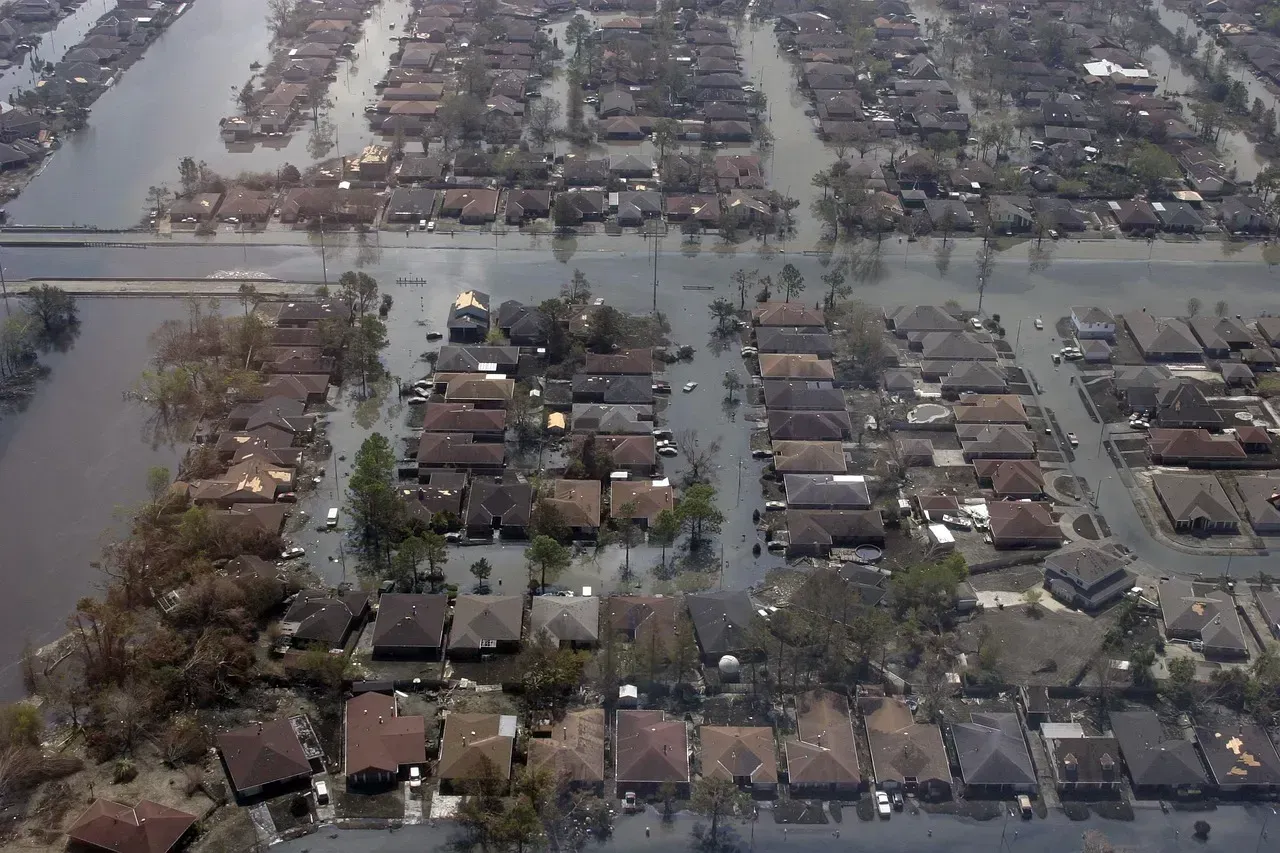
Florida gets most of the headlines, but Louisiana has arguably suffered the deepest structural damage to its insurance market. Louisiana had four of the top 10 least insurable counties in total, with Plaquemines Parish, Orleans Parish, St. Charles Parish, and Cameron Parish ranking third, fourth, fifth, and eighth, respectively. Plaquemines still carries the scars of Hurricane Katrina, a storm so devastating that it drove out a large share of the county’s residents and never fully let them return.
The insurer exodus there wasn’t gradual. Between 2020 and 2022 alone, 11 home insurance companies became insolvent in Louisiana, and 11 additional insurers, including AIG, left the state entirely, leaving the state-run insurer of last resort overwhelmed with more policies than it can sustainably handle. That’s not a warning sign. That’s a system that has already broken. Premiums reflect that collapse, with the state posting a rate jump so sharp that few states in modern insurance history have matched it in a single year.
California’s wildfire zones are pushing the crisis inland

California’s problem doesn’t look like Florida’s or Louisiana’s, but it’s arguably just as serious. Wildfire risk has moved insurers away from treating entire regions the same and toward flagging individual ZIP codes, sometimes just a few blocks at a time, as too dangerous to write new policies. The report also found that California stands out on the West Coast because of wildfire risk, with Los Angeles and Santa Cruz counties both receiving scores above 95.
The regulatory response has been unusually aggressive. California’s Sustainable Insurance Strategy permits insurers to use forward-looking catastrophe models and the net cost of reinsurance in rate filings, provided they commit to writing at least 85% of their statewide market share in ZIPs the state has identified as undermarketed and high-risk, defined as those where more than 15% of policies sit on the FAIR Plan. Whether that trade-off actually keeps carriers writing policies in fire country remains one of the more closely watched experiments in American insurance regulation right now.
Tornado Alley has quietly become one of the priciest places to insure
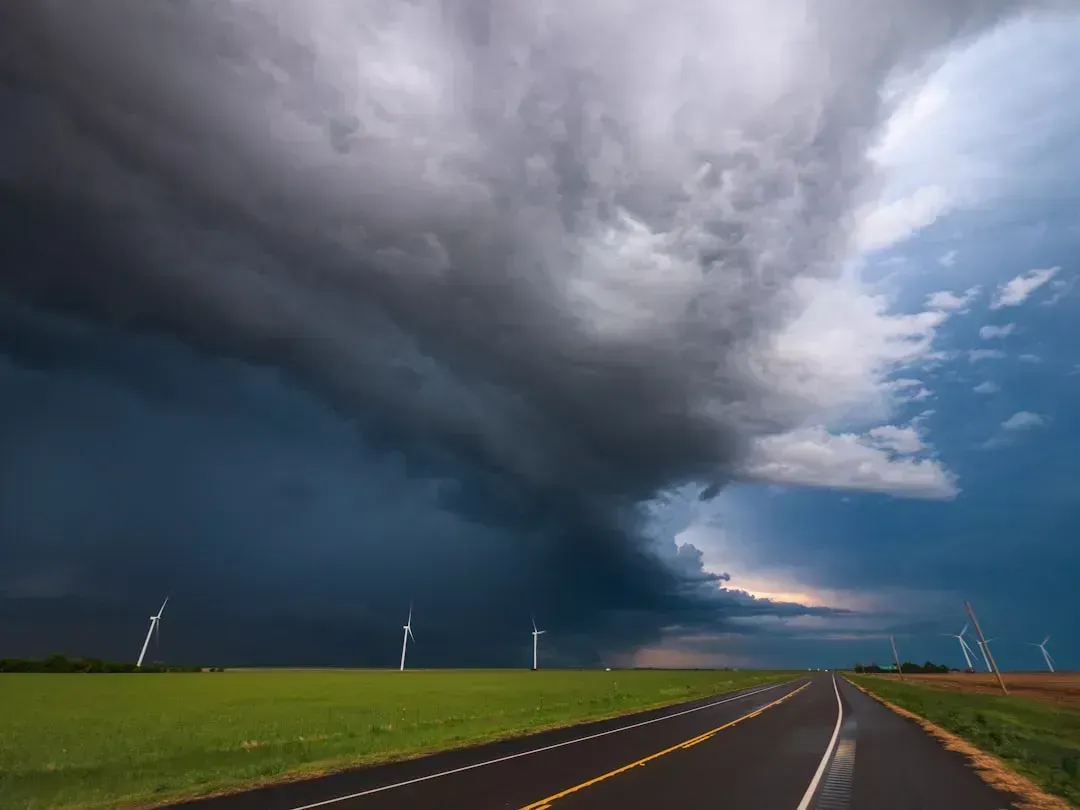
Oklahoma doesn’t get the same media attention as coastal disaster zones, but the numbers there are startling. Oklahoma wins, or loses, for highest home insurance rates at $7,255. Part of the reason traces back to a single, brutal weather statistic. In fact, Oklahoma set a state record with 152 tornadoes in 2024.
Nebraska and Kansas sit right alongside Oklahoma in the same wind corridor, and their premiums have followed a similarly rough trajectory. Nebraska holds the grim distinction of having some of the most expensive home insurance in America, sitting alongside Louisiana, Florida, Oklahoma, and Kansas as one of the five priciest states, all sharing extreme windstorm exposure, with Nebraska’s average premium topping $4,956 after leading the entire country in single-year rate increases in 2024 at over 20%. These aren’t hurricane zones or wildfire corridors. They’re ordinary Great Plains suburbs getting hammered by hail and straight-line winds that insurers once treated as background noise.
Colorado, Iowa, and Minnesota are seeing the fastest rate growth in the country
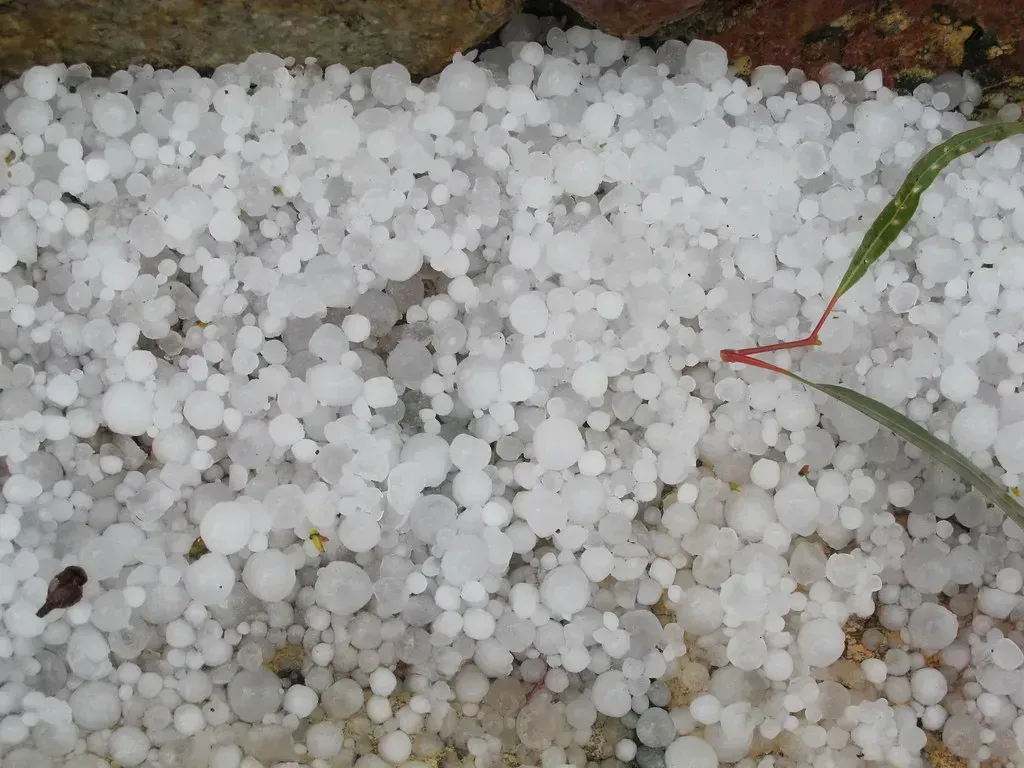
If you want to see where premiums have risen the fastest in raw percentage terms, look to the upper Midwest rather than the coasts. Colorado has seen the largest cumulative increase in home insurance rates, with costs rising 100.8%, more than doubling, from 2020 to 2025, and Iowa followed at 96.0%, with Minnesota at 88.2%, each nearing a doubling of rates over the period. None of these states are typically associated with a home insurance crisis, yet their homeowners have absorbed some of the steepest increases in the entire country.
The cause is consistent across all three: increasingly severe convective storms rather than any single catastrophic event. Colorado is ranked second in the nation for homes at moderate or greater wildfire risk, with more than 321,000 homes exposed and roughly $141 billion in reconstruction cost value, and the state also had the highest loss cost from catastrophe-related home insurance claims in 2024, driven largely by hail, wildfire and severe storm damage. Minnesota’s Twin Cities suburbs have been hit especially hard by repeated hail events, prompting some major carriers to scale back their policy books in specific neighborhoods rather than pull out of the state entirely.
North Carolina’s coast is caught between flood damage and slow-moving regulation
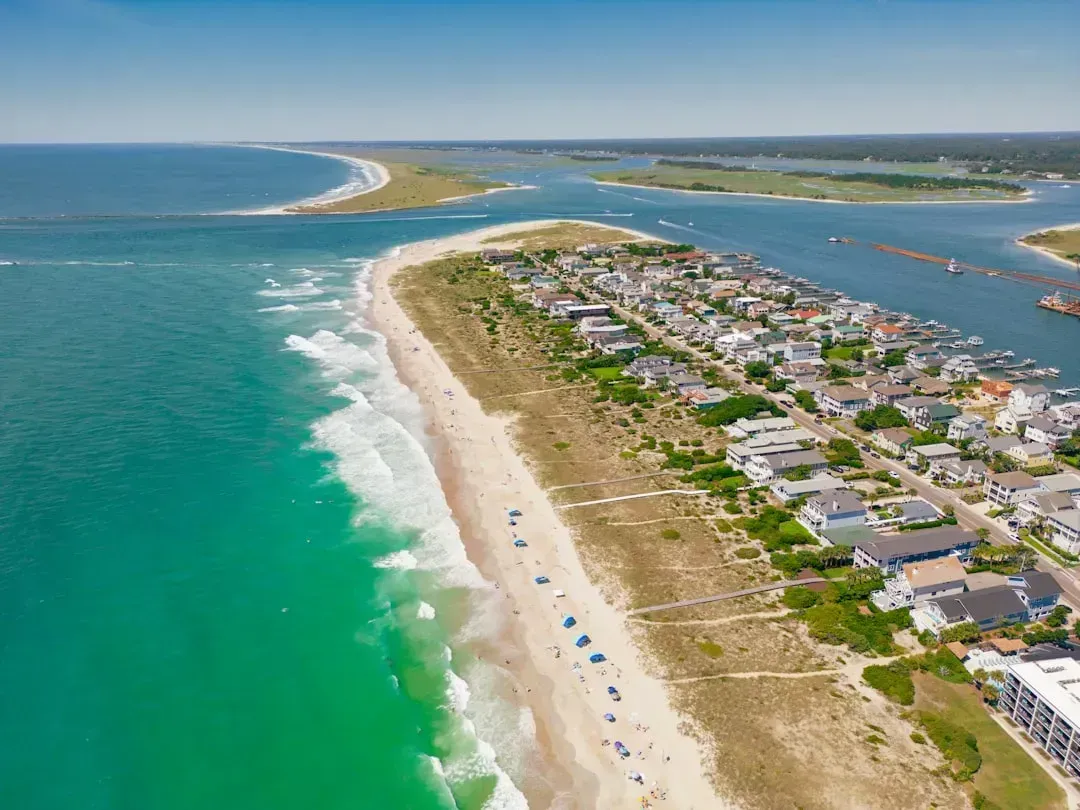
North Carolina presents an unusual case because its official rate increases look modest compared to Florida or Louisiana, yet the underlying risk tells a different story. The state’s rate bureau asked for a 42 percent rate hike last year, citing increased, risky development in hurricane-prone coastal areas and billions in storm damage from Hurricane Helene, but the state insurance commissioner granted just a 7.5 percent increase, and Insurify now projects the state’s premiums to rise in 2026 by about 5 percent. That gap between what insurers asked for and what regulators approved is exactly the kind of friction that eventually shows up as nonrenewals rather than price increases.
Dare County, home to the Outer Banks, illustrates just how exposed the coastline has become. Counties in the Gulf and South Atlantic coasts dominated the rest of the top 10 least insurable counties in the nation, with Dare County, North Carolina, following Monroe County with a score of 99.3 out of 100, where homebuyers exposed to high winds and floods pay an average home insurance of $9,394 annually, triple the national figure. Much of the recent damage across the state has come from flooding tied to storms like Helene, a peril that standard homeowners policies typically don’t cover at all, leaving many residents underinsured even when they technically hold a policy.
Insurers are now redrawing risk maps ZIP code by ZIP code

One of the more significant shifts in 2026 isn’t about price at all. It’s about precision. Those decisions are increasingly happening at a very local level, with insurers zeroing in on specific ZIP codes rather than treating an entire city or region the same, as disaster losses, higher reinsurance expenses, and faster risk scoring help insurers move away from wildfire-, flood-, and coastal-exposed areas. That granularity means two neighbors a few blocks apart can end up with wildly different coverage options.
Texas has responded with new transparency rules that other states are watching closely. Companies like State Farm and Allstate are using satellite imagery and AI to identify specific neighborhoods, sometimes just a few blocks, that they’ve deemed uninsurable, and Texas passed a law effective January 1, 2026, requiring insurers to publicly disclose their reasons for nonrenewals by ZIP code and report those reasons quarterly to the state’s insurance department. If more states adopt similar disclosure rules, homeowners may finally get a clearer picture of why their coverage disappeared instead of just a form letter.
State backstop plans are absorbing more risk than they were built to handle
When private insurers retreat, someone has to fill the gap, and that role usually falls to a state created insurer of last resort. Florida’s version, Citizens Property Insurance, grew so large that it briefly became the biggest insurer in the entire state. Citizens Property Insurance peaked at approximately 1.42 million policies in October 2023, and by January 2026 the count had fallen to approximately 385,000 to 395,000 policies, the lowest level since 2012.
That decline sounds like good news, and in a narrow sense it is, since it means private carriers are willing to take policies back. But the underlying vulnerability hasn’t vanished. Millions of homeowners across the United States are being denied or priced out of property insurance coverage, with an estimated 7 to 13 percent of all homes in the country uninsured, a number on the rise, and since 2020, 1.2 million property owners dropped by their insurance companies have had to secure higher-priced, less comprehensive coverage from state-created insurers of last resort. These backstop programs were designed as temporary safety nets, not permanent housing for a growing share of the market.
What actually drives a city onto the least insurable list
It isn’t just hurricanes or wildfires that push a county toward the bottom of the insurability rankings. Insurify’s methodology factors in home values, rebuilding costs, and even local legal environments. The analysis examines the county’s median home value, since insurers generally charge higher premiums for more expensive homes because they are more costly to replace, and it incorporates average annual home insurance premiums by county, which capture risk factors that physical hazard models don’t fully reflect, including local litigation and claims environments, crime rates, rebuilding cost inflation, and insurance market dynamics.
Population density matters too, in a way that surprises a lot of people. The analysis found that densely-populated counties tend to have higher insurance risk scores than more rural areas, highlighting how a combination of climate threats, home values, and rebuilding costs is making insurance more expensive, and in some cases, harder to obtain, for millions of homeowners. More people packed into a flood plain or a fire corridor simply means more claims when disaster hits, and insurers price that concentration into every policy they write nearby.
