

Coffee: Arabica’s narrowing window
Arabica coffee is a fussy plant. It grows best within a fairly tight temperature band, and Arabica coffee grows optimally at mean temperatures of 18–23 °C, while Robusta prefers slightly warmer conditions of 23–26 °C. Once conditions drift outside that range, researchers have found that even minor variations beyond these thresholds can disrupt physiological processes, reduce yields and decrease bean quality. That sensitivity is why coffee keeps showing up near the top of every list of climate vulnerable crops.
The numbers behind that concern are becoming harder to dismiss. Recent modeling suggests that by 2050, more than half of Arabica-growing regions could become climatically unsuitable for cultivation without targeted adaptation measures, and separate analysis found that land suitable for coffee farming may decrease by 50% by 2050 without adequate adaptation. Brazil, the world’s largest producer, already got a preview of what that looks like when the worst drought in 70 years reduced yields in early 2025 by as much as 12%. Heat is compounding the problem too, since the top five coffee-growing countries, responsible for 75% of the world’s supply, experienced on average 57 extra days of coffee-harming heat annually because of climate change.
Cocoa: West Africa’s vanishing margin
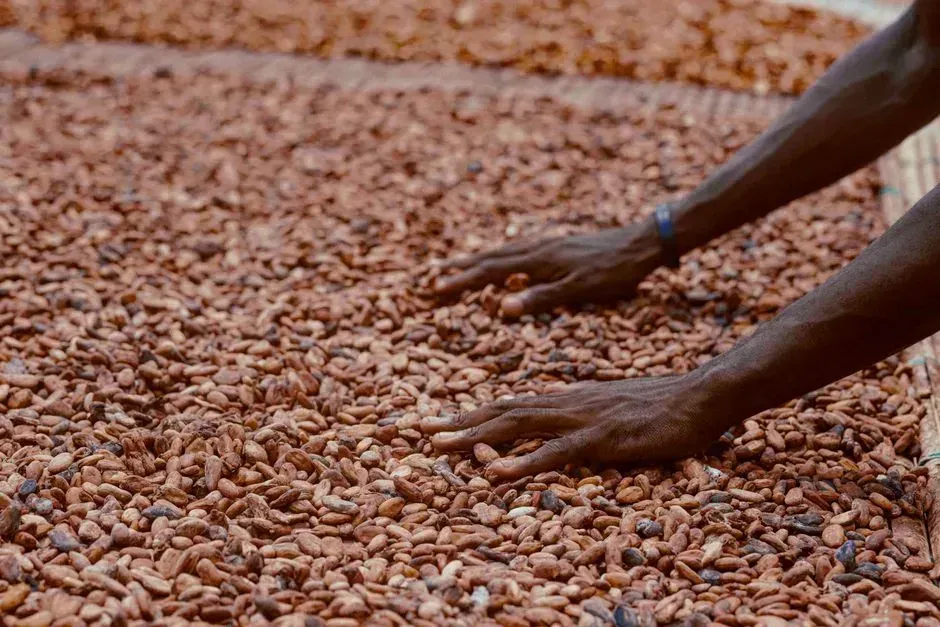
Chocolate depends almost entirely on one region holding steady, and that region is under real strain. West Africa handles the overwhelming share of global supply, with Climate Central analysis found that human-caused climate change is bringing more excessive heat to West Africa, which produces 70% of the world’s cocoa. The cacao tree has its own comfort zone too, since warm to hot temperatures up to 90°F (32°C) are optimal for cacao growth, and temperatures above this range can reduce the quality and quantity of harvests. Growers in Côte d’Ivoire and Ghana are already logging far more of those hot days than they used to, with researchers finding climate change added about 40 days per year with maximum temperatures above 90°F in cacao-growing regions of Côte d’Ivoire and Ghana.
The market has felt this shift directly. Weather driven shortfalls helped push climate-driven yield disruptions caused cocoa prices to rise by more than 400% between 2023 and 2024, a jump that rippled straight through to chocolate bar prices worldwide. El Niño years make things worse, since past events have shown that an El Niño-driven drought caused 15% of trees to die and reduced cocoa yields by 89% in affected regions, and the 2023/24 El Niño alone wiped out a substantial share of global supply. Disease adds another layer of risk, since heavier rains have triggered outbreaks of swollen shoot virus and black pod disease in the same growing areas.
Wine grapes: vineyards on the move
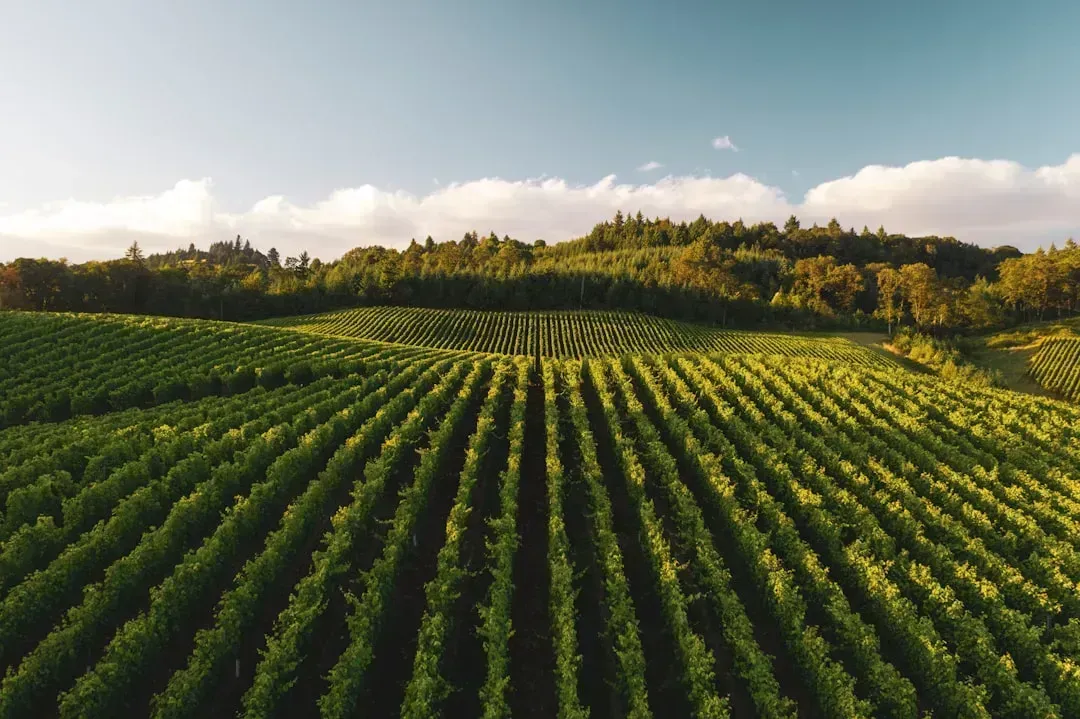
Wine has always been about place, but that relationship is being tested. One 2024 study found that warming temperatures could make 70% of the world’s wine-growing regions unsuitable to produce grapes if global temperatures exceed a certain threshold. The damage happens at the level of the individual berry, since researchers note that when temperatures soar above 100 degrees Fahrenheit, grape clusters can heat up to nearly 140 degrees, leading to shriveled berries, degraded color compounds, and significantly reduced yields. Red varieties are especially exposed, losing prized color compounds once temperatures pass roughly ninety five degrees.
Growers are responding in different ways depending on how bad the outlook is for their specific region. Some are testing shade cloth and drought tolerant rootstocks, others are experimenting with entirely new grape varieties, and a few are relocating altogether to cooler ground. Meanwhile, places once considered too cold for serious viticulture are seeing new opportunity, with emerging wine regions are capitalizing on warming trends as previously too-cool areas like England have seen 400% vineyard expansion since 2004. It is a slow motion redrawing of the wine map, and not every classic region will end up on the winning side of it.
Potatoes: a thirsty crop in a drying world
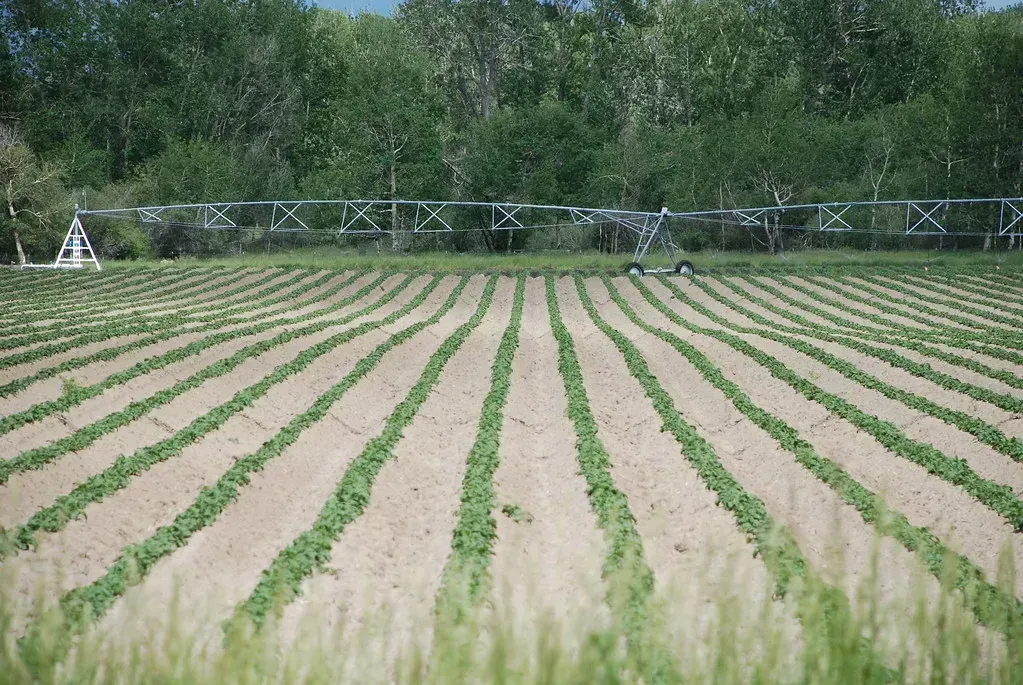
Potatoes rarely get the same attention as coffee or cocoa, yet they are just as exposed to changing rainfall patterns. Researchers project that by 2050, the global production of potatoes could decrease by as much as 9%, driven largely by water stress rather than heat alone. The crop simply needs a dependable supply of moisture, and as potatoes need a steady supply of water to grow, fewer areas will be suitable for potato production.
The regions most at risk share a common thread: they depend on a single, increasingly unreliable water source. Places like Idaho lean on melting mountain snowpack, while growers in Bolivia count on a predictable rainy season, and in both cases farmers will need to adapt varieties or invest in irrigation to maintain production. Without that investment, supply gaps could translate into higher prices for a crop that is a dietary staple across much of the world.
Wheat, corn and rice: the calorie crops under strain
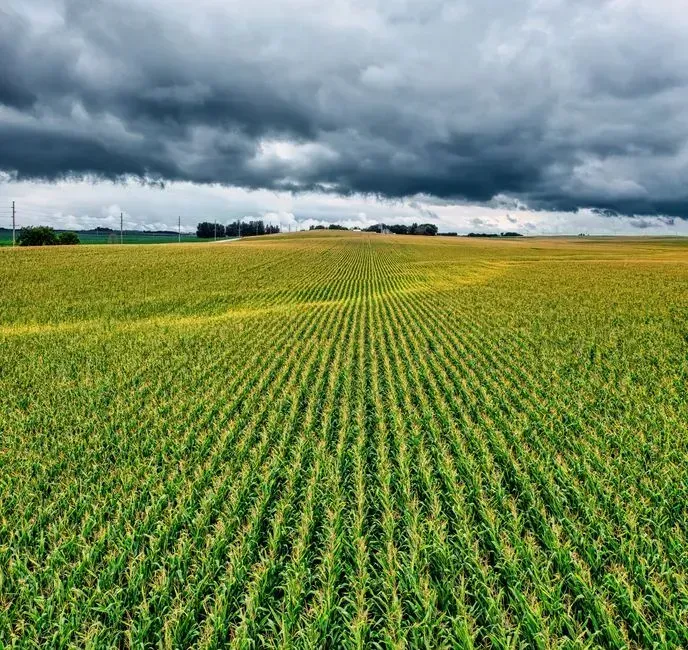
The staples that feed most of humanity are not immune either, even with realistic farmer adaptation factored in. A comprehensive 2025 Nature study looked at wheat, corn, rice, soybeans, barley and cassava, crops that together provide two-thirds of humanity’s calories, and found troubling long term trends. Under a high emissions path, the same research team estimated that after adjusting for how real farmers adapt, researchers estimate global yields of calories from staple crops in a high-emissions future will be 24% lower in 2100 than they would be without climate change.
What makes this study different from earlier work is that it actually measured how farmers behave, rather than assuming perfect or zero adaptation. It found that practical adjustments like switching varieties or shifting planting dates offset about one-third of climate-related losses in 2100 if emissions continue to rise, but the rest remain. Even in a rapid decarbonization scenario, the damage does not disappear, since by 2050 the authors estimate climate change will drag global crop yields down by 8 percent, regardless of how much emissions rise or fall in the coming decades, a reminder that some warming is already locked into the system.
Cashews and avocados: winners with limits
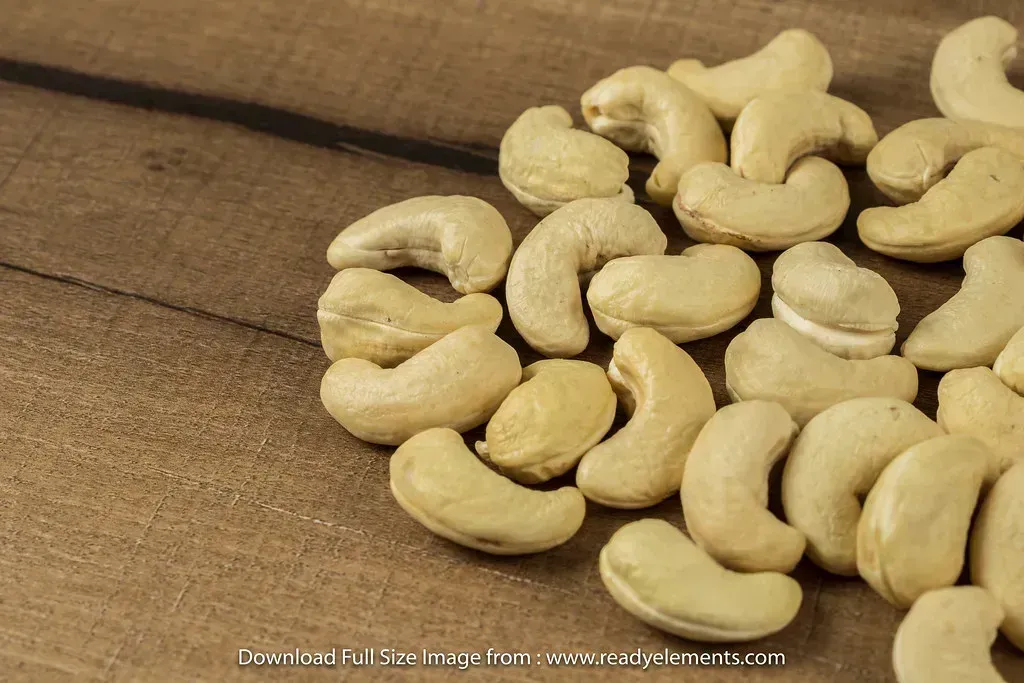
Not every crop is losing ground, and that nuance matters for understanding the bigger picture. Modeling that compared coffee, cashew and avocado side by side found sharply different fates, since researchers concluded that coffee proved to be most vulnerable, with negative climate impacts dominating in all main producing regions. Cashew and avocado told a different story, with the same research showing that suitable growing areas for both crops are actually expected to expand in many parts of the world as temperatures rise.
That expansion comes with caveats, though. New land opening up for cultivation often sits at higher elevations or in previously marginal zones, which can mean new infrastructure, new pest exposure, and sometimes friction with existing forests or communities. The lesson researchers draw from comparing these crops is less about universal doom and more about how unevenly climate change is reshaping which regions can grow what, and how quickly farmers can pivot to take advantage of it.
Tea: following coffee’s difficult path
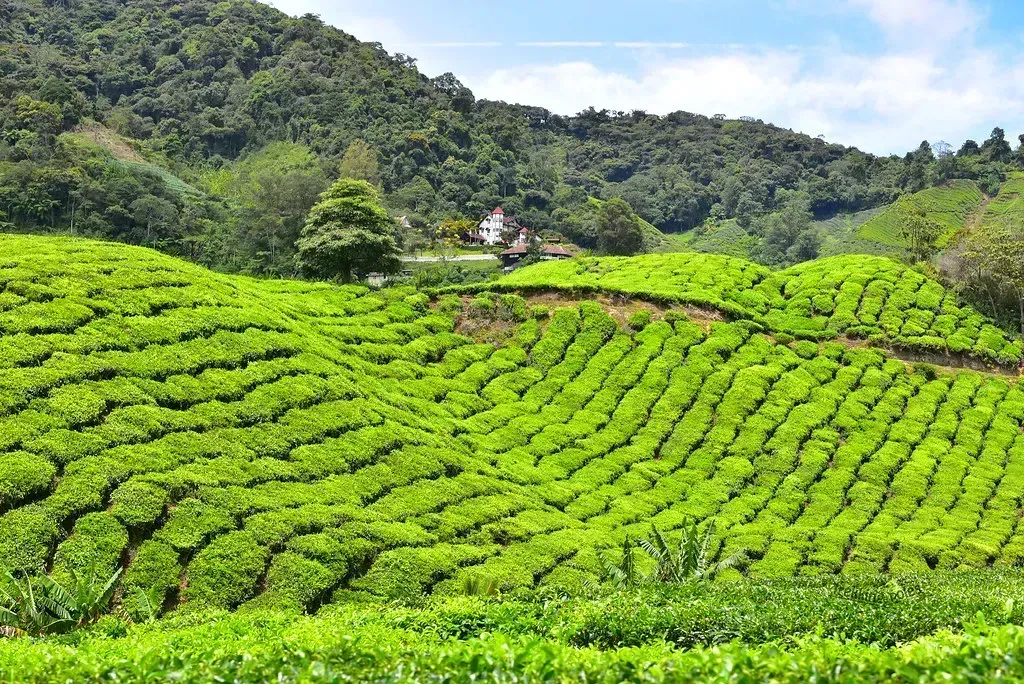
Tea shares more with coffee than just a place in the morning routine. Scientists studying plantation crops have grouped it with cocoa and rubber as facing comparable pressure, noting that similar climate-driven risks have been documented for tea, cocoa and rubber, underscoring the broader vulnerability of plantation crops to environmental change. Like coffee, tea is a perennial crop grown mostly by smallholders in tropical and subtropical highlands, which limits how quickly whole regions can shift practices.
The overlap with coffee’s story is not a coincidence. Both crops rely on specific elevation and rainfall bands that took centuries of trial and error to identify, and both are now watching those bands narrow or move. For tea growing communities in places like Assam, Kenya, and Sri Lanka, the practical response looks similar to what coffee farmers are attempting: shade management, soil moisture retention, and in some cases, testing whether the crop can be grown successfully at higher altitudes than before.
Why adaptation has a ceiling
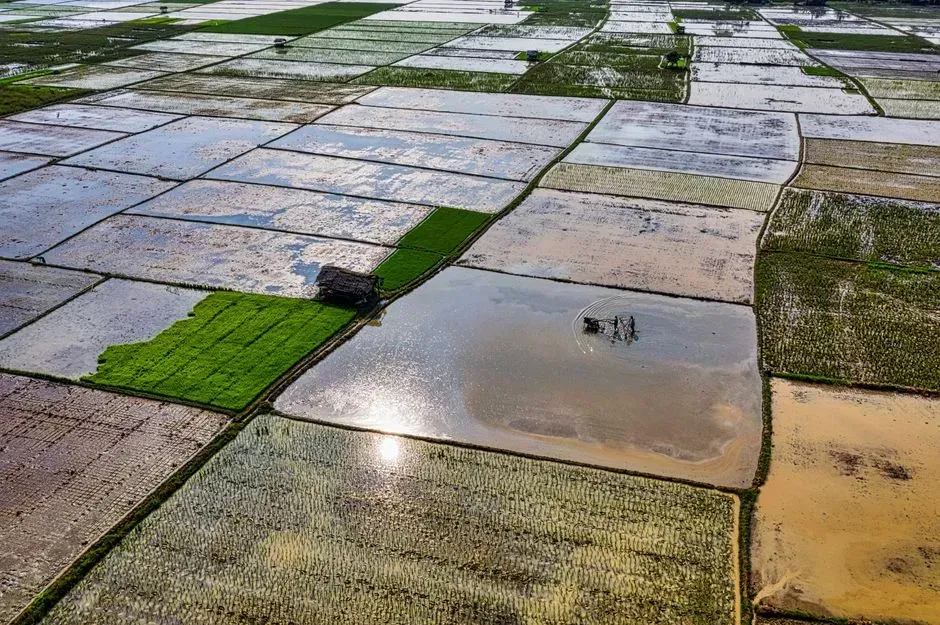
It would be reassuring to think farmers can simply out innovate the problem, but the research keeps pointing to real limits. Global assessments from the IPCC have already found that extreme weather events will push some current food-growing areas beyond the safe climatic space for production. Even where adaptation planning exists, gaps remain wide, since despite the progress, adaptation gaps exist, and will continue to grow at current rates of implementation, and current global financial flows for adaptation are insufficient.
Smallholder farmers, who grow much of the world’s coffee, cocoa, and tea, often lack the resources to make these changes fast enough. One environmental economist studying South America put it plainly, observing that it’s very worrying, especially for small farmers…They don’t have enough adaptive capacity for climate change. Longer term econometric work on US maize and soybeans reached a similar conclusion, finding that adjustments of maize and soybean cultivation in the United States over time-frames of decades or more have resulted in only modest attenuation of the adverse effects of extreme heat exposures on yield losses. Taken together, these findings suggest adaptation can soften the blow, but it rarely cancels it out entirely.
The bigger picture for global food supply
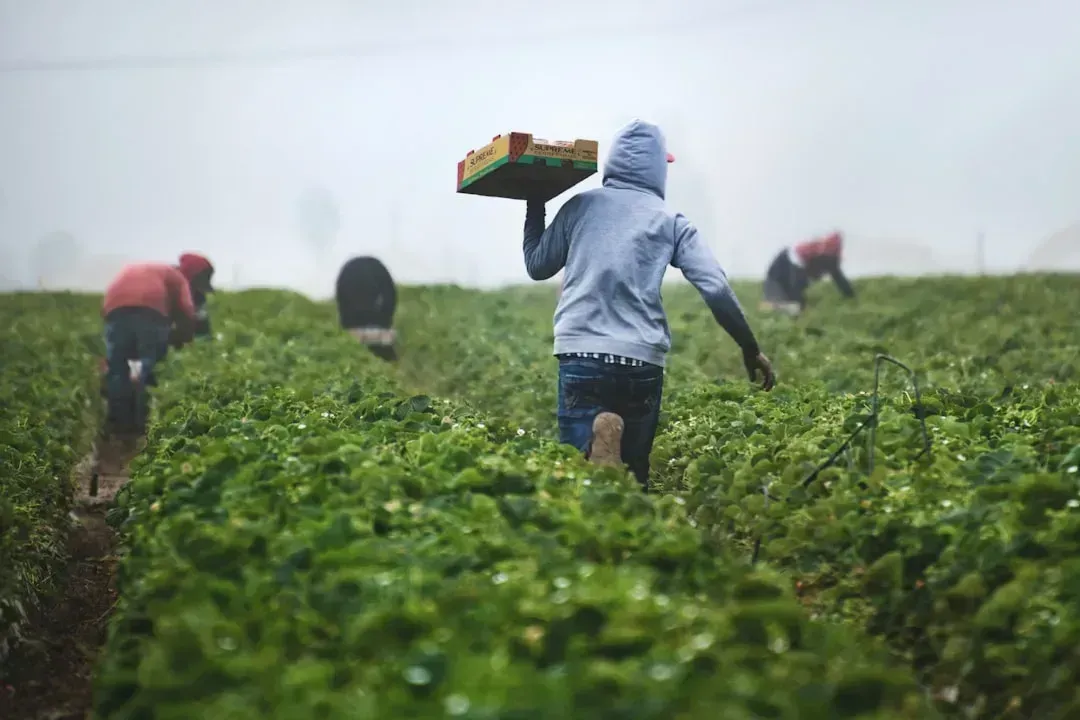
Zooming out from any single crop, the pattern that emerges is one of concentration risk. A small number of countries produce the bulk of the world’s coffee, cocoa, and export bananas, which means a bad season in Côte d’Ivoire or Vietnam ripples through grocery store prices on the other side of the planet. Researchers studying staple grains found that some regions could actually benefit from warming, since the Nature study noted U.S. agriculture and other breadbaskets are among the hardest-hit in the study’s projections, while regions in Canada, China, and Russia may benefit.
That unevenness is part of what makes the topic so difficult to summarize in a single sentence. Some crops are shifting geography, some are losing suitable land outright, and others are gaining ground even as their traditional homelands struggle. What ties them together is a shrinking margin for error, where the adjustments that used to buy farmers a decade or two of stability now need to happen faster than most farming systems, especially smallholder ones, are built to handle.
Final thoughts
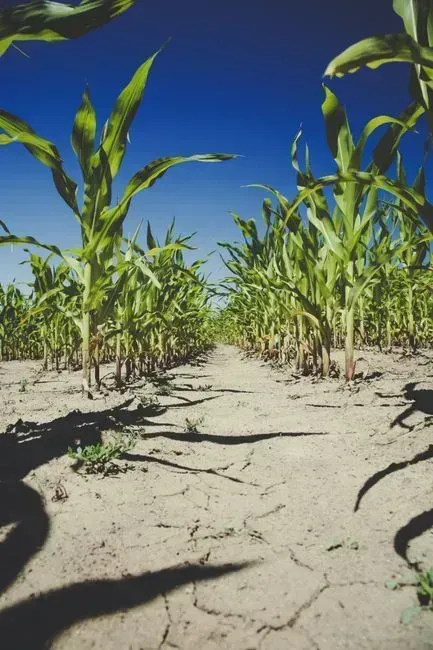
None of this means the crops on this list are destined to disappear from shelves anytime soon. Plant breeders, agronomists, and farmers themselves have a long history of stretching what seemed like fixed limits, and some of the innovations already underway, from drought tolerant cocoa strains to heat resistant grape varieties, are genuinely promising. Still, the research is fairly consistent on one point: the pace of change is testing those efforts in ways that were rare just a decade ago.
For now, the crops under the most pressure share a common profile. They are tied to narrow climate windows, grown heavily by farmers with limited resources to adapt quickly, and concentrated in a handful of regions that leave little room for a bad year to be absorbed elsewhere. Watching how coffee, cocoa, wine grapes, and bananas fare over the next decade may say as much about the limits of agricultural adaptation as it does about the crops themselves.

- The Shoreline Sucked Dry in Seconds – 5 Tsunami Signals Beachgoers Mistake for Low Tide - November 14, 2026
- 9 Dark-Sky Destinations Around the World Where the Stars Look Unreal - November 14, 2026
- The Fault Line That Never Slips – 7 Locked Seismic Zones Overdue for a Massive Release - November 14, 2026
