

The numbers behind the claim

The core statistic driving this conversation comes straight from federal data. Extreme heat is the deadliest weather-related hazard in the U.S., claiming roughly 2,000 people annually, according to data from the Centers for Disease Control and Prevention. That figure has fluctuated year to year, but the overall direction since record keeping began has been upward.
US heat-related mortality has followed a highly volatile but generally upward trajectory since CDC tracking began in 1999, climbing 124% from 1,069 deaths that year to a record 2,415 in 2023. The following two years brought a modest reprieve. That’s down from a peak of 2,415 in 2023 and 2,394 in 2024, marking the second consecutive year of decline, though the 2025 figure is still higher than the 1,719 heat-related deaths recorded in 2022.
A recent slowdown that comes with caveats

On the surface, the last two years look like good news. According to provisional Centers for Disease Control and Prevention data, heat was a contributing factor in 1,837 U.S. deaths in 2025, and 2025 marks the second consecutive year that the number of heat-related deaths declined. Researchers, though, are cautious about reading too much into this dip.
Part of the hesitation comes from how the data itself works. Provisional CDC data hasn’t yet completed the National Center for Health Statistics’ full review process and could be revised upward once finalized. There’s also a broader undercounting problem that shadows every heat mortality estimate. Experts note the official heat-related death toll may be undercounted due to heat sometimes not being considered as a factor in someone’s death.
Why heat outpaces hurricanes and tornadoes

The comparison that tends to surprise people most is the one against more dramatic weather events. Extreme heat is the deadliest form of extreme weather and, in most years, kills more Americans than floods, tornadoes, and hurricanes combined. Over a longer stretch, the toll adds up to a striking total. More than 21,000 deaths in the United States from 1999 to 2023 were recorded as being related to heat, with mortality rates starting to increase the most from 2016 onward.
The acceleration in recent years has been notable to researchers studying the trend. JAMA researchers calculated that between 2016 and 2023, heat deaths increased at a compound annual rate of 16.8%, attributing the acceleration to a combination of continued increases in average temperatures, a rising number of hot days, and greater frequency and intensity of heat waves. If that pace had continued unchecked, the long-term projection would have been alarming, though the recent plateau suggests the trajectory isn’t purely linear.
The overnight temperature problem

One detail that often gets lost in heat coverage is that the deadliest events aren’t always the hottest by daytime thermometer readings. Historical data backs this up clearly. The record of major US heatwave events reveals a critical pattern that underpins all modern heat mortality science: the deadliest heat waves are not always the hottest ones.
The 1995 Chicago disaster remains the textbook example of this dynamic. The 1995 Chicago heat wave killed 739 people in five days because overnight temperatures stayed in the upper 70s to low 80s, warm enough to prevent any physiological recovery. The body needs that overnight cooldown to reset. The human body can tolerate daytime heat stress if nighttime temperatures allow cardiovascular systems to reset. Climate change is steadily eroding that nighttime buffer in cities across the country.
Who bears the greatest risk

Heat does not distribute its danger evenly across the population. Certain groups face outsized exposure and vulnerability at the same time, which compounds the risk considerably. Elderly adults who live alone without air conditioning, unhoused individuals without access to cooling, outdoor workers in industries that provide inadequate cooling and hydration access, infants whose thermoregulatory systems are not fully developed, and people whose medical conditions or medications impair their body’s ability to shed heat make up the bulk of those at highest risk during any major heat event.
Age plays an especially large biological role. Age-related impairments in thermoregulatory mechanisms, such as reduced skin blood flow and sweating, often coincide with declines in cardiovascular and kidney function, and increased basal inflammation, making extreme heat not just a thermoregulatory challenge but an all-systems stressor in ageing populations. Cardiovascular strain in particular has drawn close scrutiny from researchers examining decades of federal mortality records.
The cardiovascular connection

Heat rarely kills on its own in a simple, singular way. More often, it acts as a trigger that pushes an already strained body past its limit, particularly for the heart. Heat exposure can exacerbate underlying cardiovascular conditions and precipitate acute adverse events.
A recent analysis using federal mortality data set out specifically to quantify this link. The study aimed to evaluate trends in heat-related deaths associated with cardiovascular conditions in the United States from 1999 to 2024, with a focus on variations by age, sex, race/ethnicity, geographic region, and urban–rural status, in order to better identify high-risk populations and guide targeted public health interventions. The findings reinforce something clinicians have observed for years: a heat wave is rarely just a heat wave for someone with existing heart disease.
Geography matters, and not just the obvious way
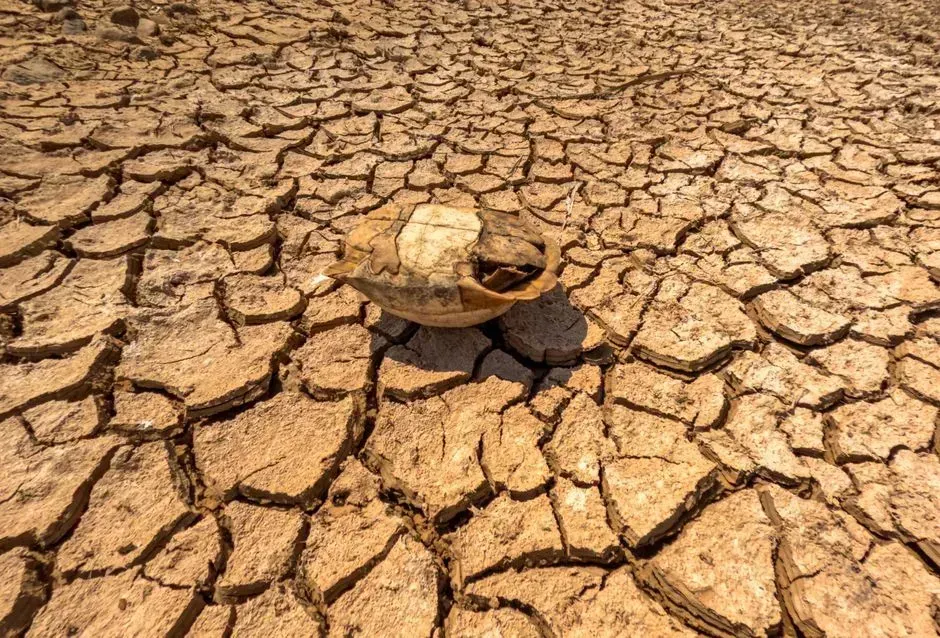
It would be easy to assume the hottest states automatically post the highest death rates, and to a large extent that assumption holds. Heat-related deaths relative to population are most common in Arizona and Nevada, where, from 2022 to 2025, heat was among the causes of death for 2,940 people in Arizona and 1,029 in Nevada, equating to 9.81 and 7.97 deaths, respectively, per 100,000 residents. Those two desert states sit well above the national baseline.
Louisiana rounds out the top tier of at-risk states, a reminder that humidity, not just raw temperature, drives danger. Louisiana ranks next, with 203 heat-related deaths from 2022 to 2025, or 1.11 per 100,000 residents. Humid heat prevents sweat from evaporating efficiently, which makes it just as dangerous as dry desert heat in a different way.
Emergency rooms feel the strain first

Long before a death certificate gets filed, hospitals see the early warning signs in their emergency departments. The scale of that burden is considerable. Between Jan. 1, 2023, and Dec. 31, 2023, there were a total of 119,605 emergency room visits across the country for heat-related illnesses, with 92% of those visits occurring between May and September, according to a report published in April 2024 by the CDC.
The seasonal concentration of these visits lines up almost exactly with when temperatures peak. July and August had higher than average ER visits due to heat than other warm-season months, including May, June and September, findings the CDC described as “consistent with record-breaking temperatures observed” in 2023. Broader research on excess emergency visits during heat events found similarly striking numbers over a longer study window. A large-scale study analyzing nearly 22 million emergency department visits across 2,939 US counties between 2010 and 2019 found that days of extreme heat were associated with a 66.3% excess relative risk of ED visits specifically for heat-related illness.
Cities as heat traps

Urban design itself amplifies the danger in ways that go beyond weather alone. Concrete, asphalt, and dense building clusters absorb and hold onto heat far longer than natural landscapes do. Cities are consistently warmer than surrounding rural areas, typically by 1-3°C on average but sometimes by as much as 10-12°C on calm, clear nights.
This effect doesn’t fall evenly across a city, either. Low-income neighborhoods, which often have less tree cover and more impervious surfaces, experience the most extreme heat. Those same neighborhoods frequently face additional secondary risks tied to heat. Higher urban temperatures also degrade air quality, and ground-level ozone, a harmful pollutant that causes respiratory disease, forms more rapidly at elevated temperatures.
A widening gap in federal disaster policy

Despite the death toll, extreme heat occupies an odd legal position compared to hurricanes or floods. Current federal disaster law simply hasn’t caught up with the data. Despite that toll, extreme heat has never received a federal major disaster declaration under the Stafford Act, meaning FEMA cannot deploy its full toolkit, including individual assistance for cooling costs, medical expenses, or housing, even as heat kills more people annually than floods, tornadoes, and hurricanes combined.
Advocacy groups have pushed for legislative fixes, so far without traction. The Federation of American Scientists specifically recommended in 2025 that Congress amend Section 102(2) to add heat, wildfire smoke, and compound events, and amend the damage definition to include human impacts. Workplace protections have moved just as slowly. A federal OSHA heat standard has been in development since 2021 and a proposed rule was published in August 2024, but as of today, no finalization date exists and the rule is not a current administration priority.
What 2026 has already shown
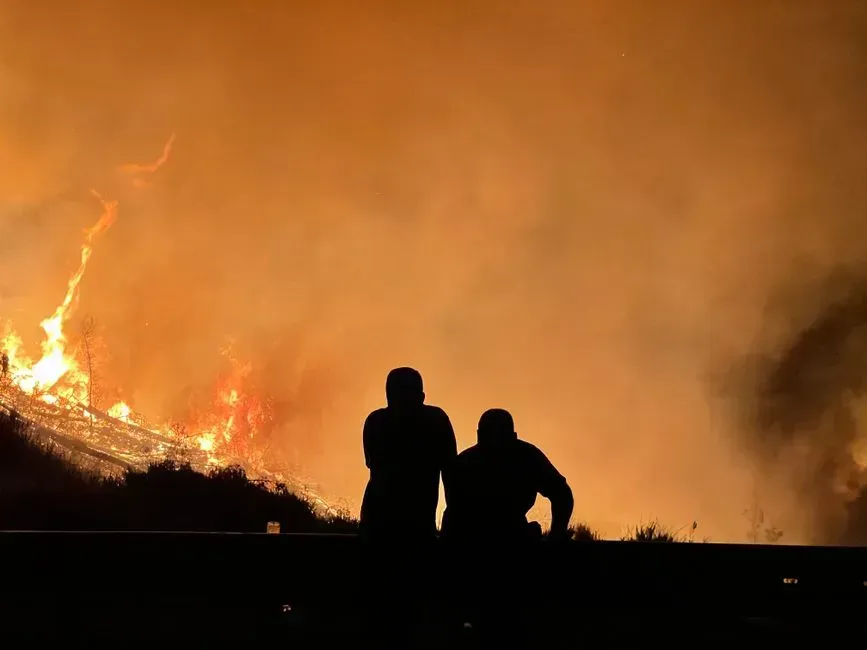
This year has offered an early and forceful preview of what a warming climate looks like in practice. Records fell at a pace that surprised even climate scientists who study these trends closely. The U.S. just experienced its hottest 12-month period on record since 1895, with March 2026 marking the most abnormally hot month in 132 years of records.
The scale of exposure across the population has been enormous throughout the year. Fifty million people faced temperatures surpassing 90°F in May 2026, with another 11 million reaching 100°F, while nearly 30 million people on the East Coast faced “High Risk” heat levels in June 2026. By early July, the alerts had spread even further. CDC reported “extremely high rates of heat-related illness” across the Northeast on 2 July 2026, as more than 180 million Americans faced Level 3 “major” or Level 4 “extreme” heat risk simultaneously.
The Takeaway
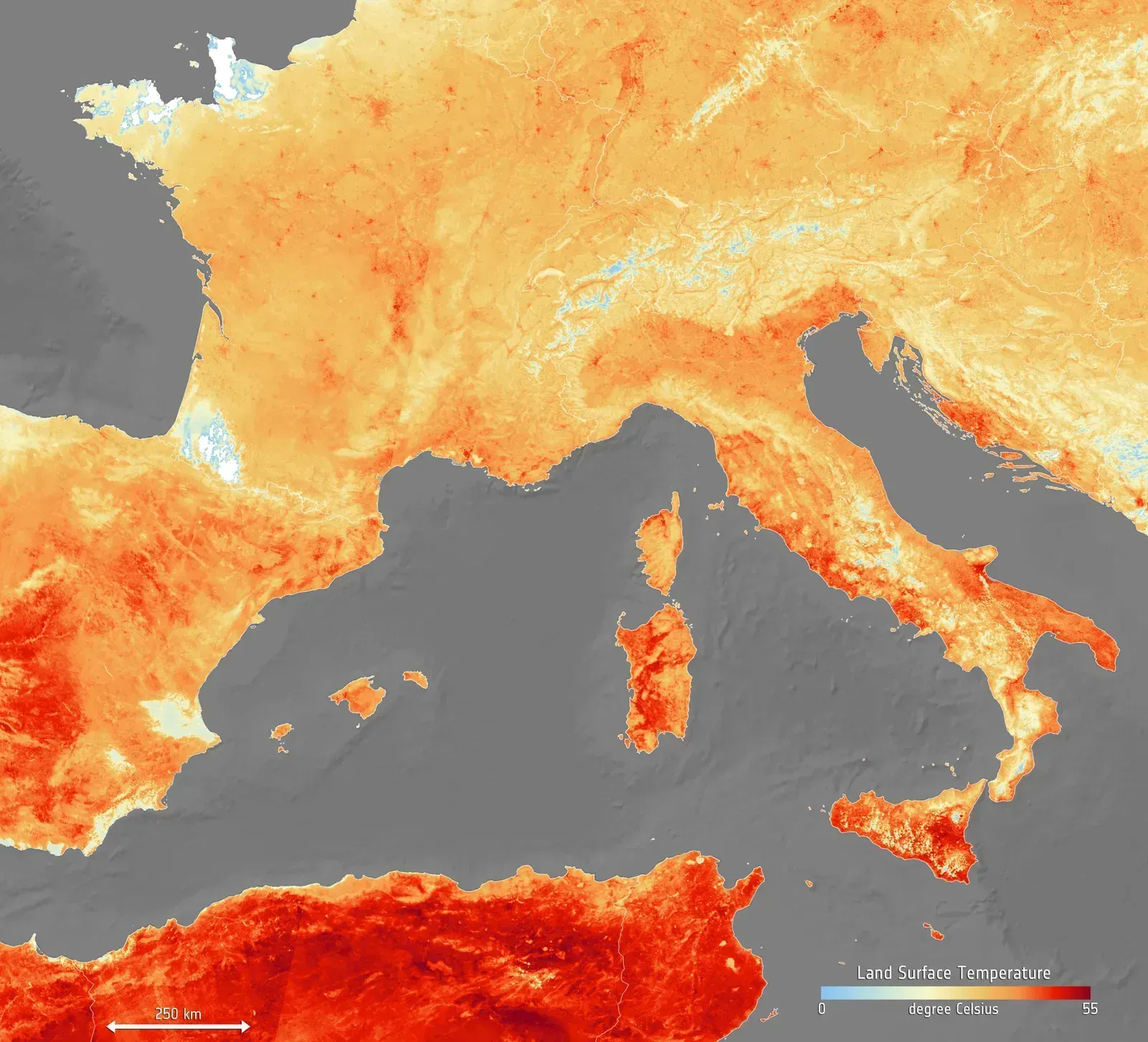
Extreme heat rarely announces itself the way a hurricane does, with a name, a forecast track, and days of advance warning on every news channel. It arrives instead as a slow accumulation of stress on bodies already working hard to survive it, particularly among older adults, outdoor workers, and people without reliable access to cooling. The data collected over the past quarter century makes a fairly plain case that this is the weather threat killing the most Americans, even if it rarely gets treated that way in policy or public attention.
Whether the recent two-year decline in deaths holds up as a genuine trend or simply a pause before the numbers climb again remains an open question among researchers. What seems less uncertain is that the underlying conditions driving the risk, hotter summers, warmer nights, and aging infrastructure ill suited to a changing climate, are not going away on their own.

- The Shoreline Sucked Dry in Seconds – 5 Tsunami Signals Beachgoers Mistake for Low Tide - November 14, 2026
- 9 Dark-Sky Destinations Around the World Where the Stars Look Unreal - November 14, 2026
- The Fault Line That Never Slips – 7 Locked Seismic Zones Overdue for a Massive Release - November 14, 2026
