
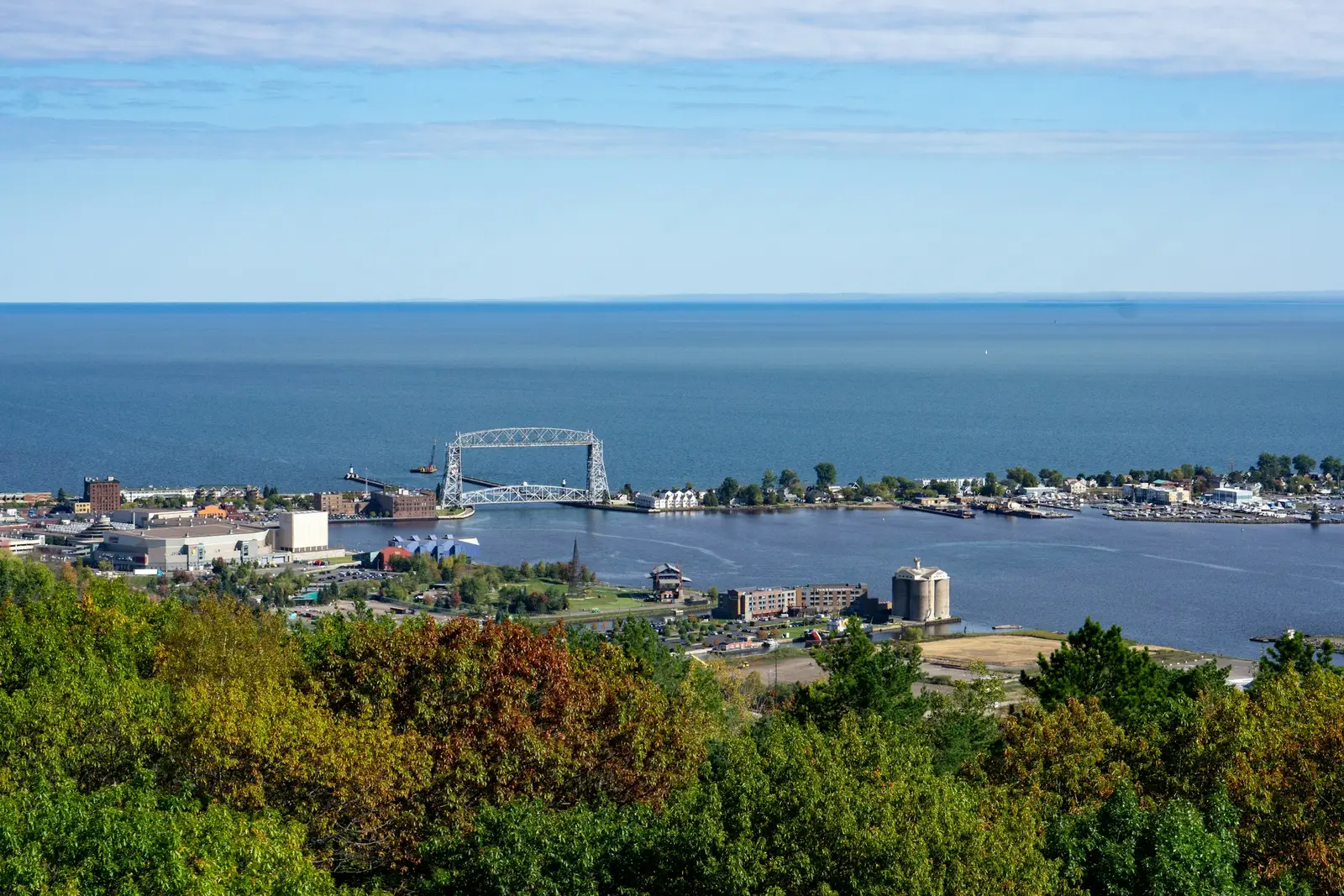

Why Duluth Wasn’t Supposed to Be This Story
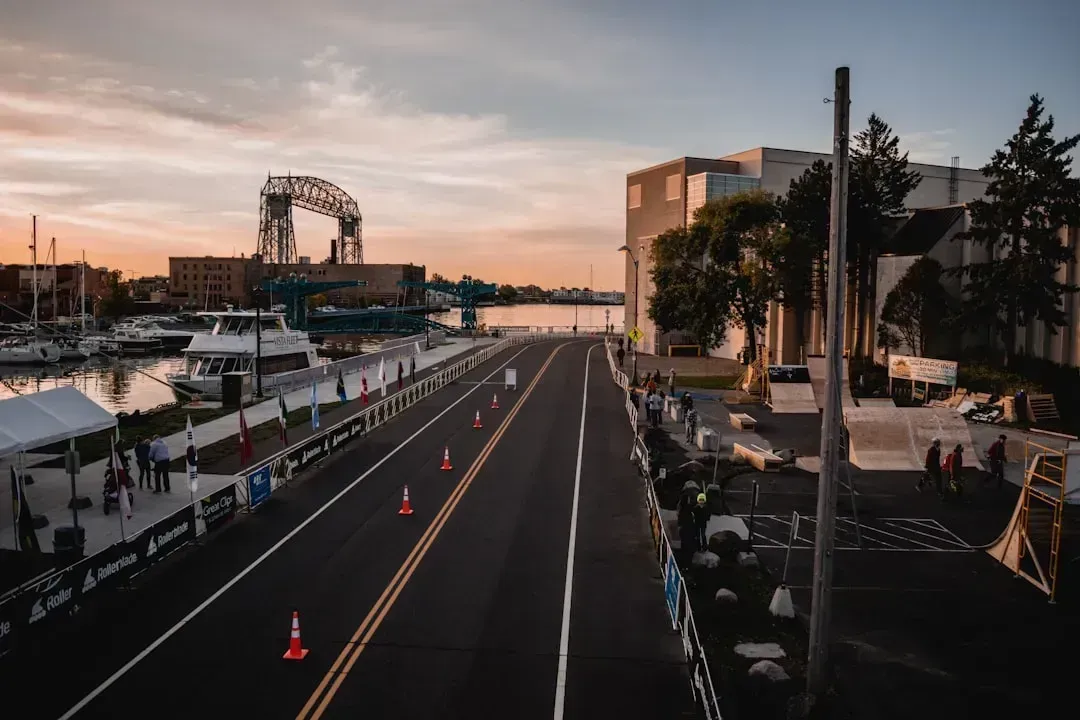
For most of the last half century, Duluth, Minnesota was a city people left, not one they moved toward. It built its identity on shipping, mining, and manufacturing, industries that thinned out through the late twentieth century and left the population far below its peak. Nobody was writing headlines about Duluth as a boomtown, and frankly, nobody expected to.
That changed as climate researchers started ranking American cities by how well they could handle a warming planet. A ranking of the world’s best prepared cities for climate change placed Duluth first, followed by Buffalo, Cincinnati, and Madison, with the rest of the list rounded out by Copenhagen, Stockholm, and Wellington. Suddenly a city known mostly for iron ore and cold winters was being mentioned in the same breath as European capitals built around climate resilience.
The Numbers Behind the Quiet Population Uptick
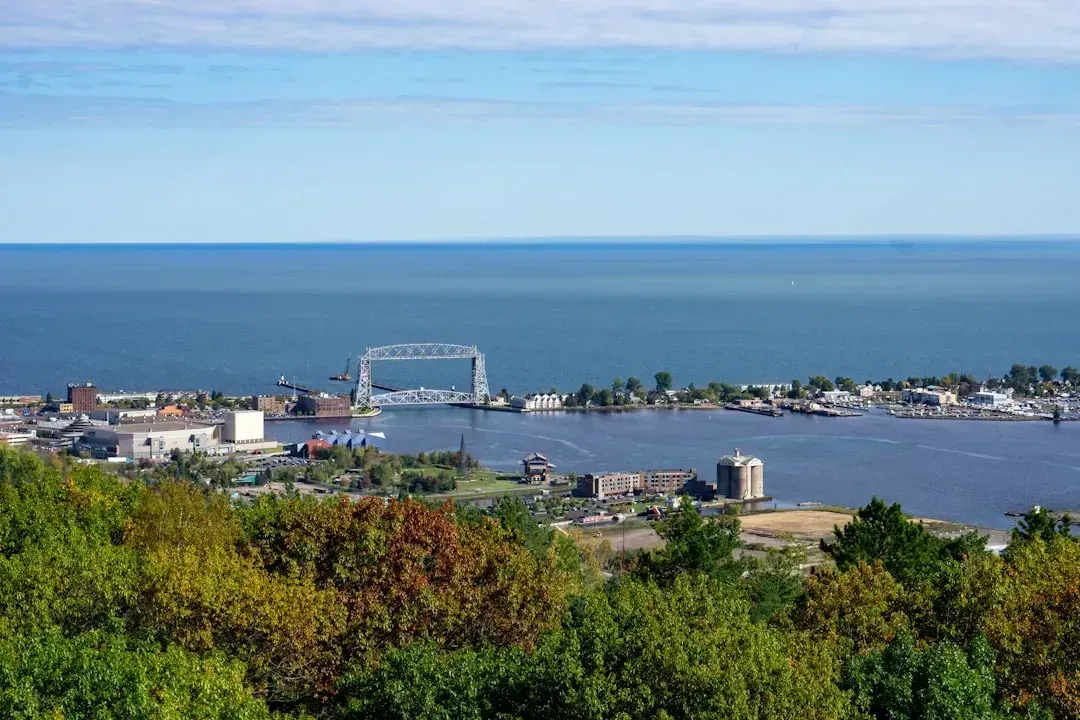
The growth in Duluth isn’t explosive, and it would be misleading to pretend otherwise. Duluth’s 2026 population sits at roughly 88,642, growing at about 0.35% annually, with the population up 2.03% since the 2020 census count of 86,878. Separate demographic estimates put the increase at a 1.4% population change from 2019 to 2024, according to the Census Bureau’s American Community Survey.
Those are modest figures by Sun Belt standards, where some Florida metros have grown by double digit percentages in a single year. Still, for a city that spent decades losing residents, even a slow and steady uptick counts as a meaningful reversal. The bigger story might be Minnesota as a whole, where the state entered 2026 with a larger population than the year before, adding about 123,672 residents since the 2020 estimate base, a gain of 2.2% for the decade.
Lake Superior: The City’s Biggest Selling Point
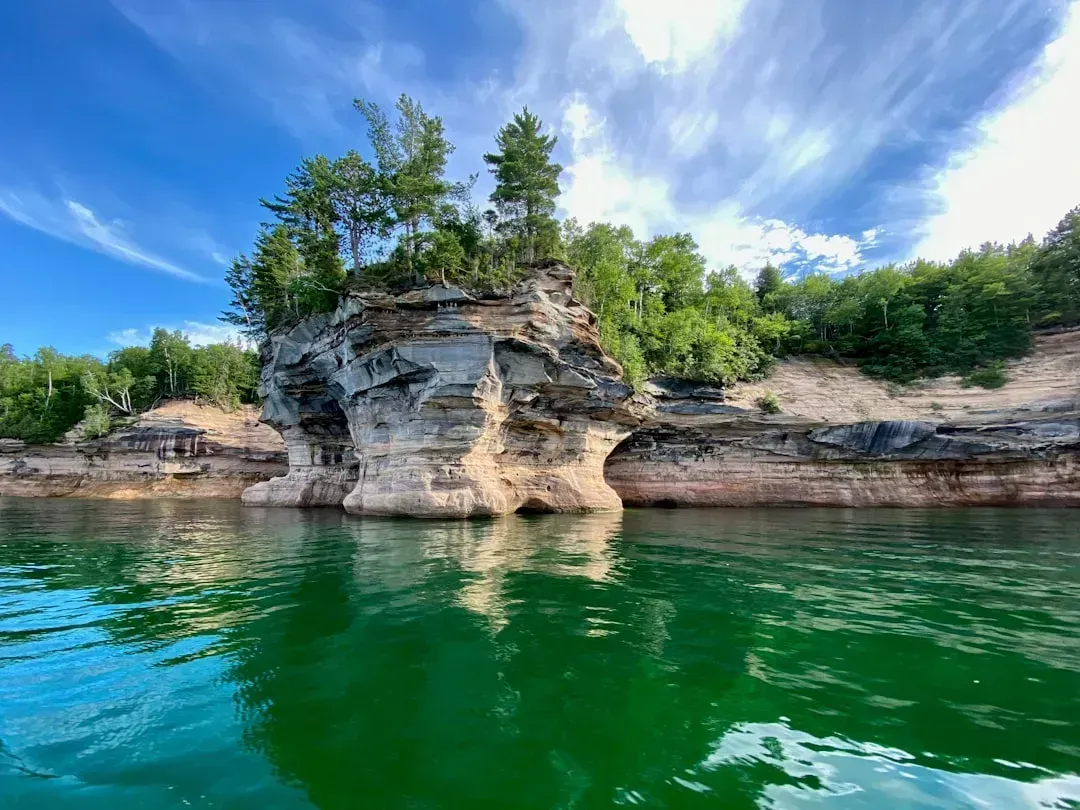
Water scarcity is becoming one of the defining anxieties of the coming decades, and Duluth happens to sit next to one of the largest freshwater lakes on the planet. The city has access to a near-infinite supply of fresh water in Lake Superior. That single fact does more to explain Duluth’s appeal than almost anything else in the conversation.
Beyond water, the region offers a temperate summer and a genuinely brutal winter, which sounds like a drawback until you consider the alternative. The lakefront city has some of the coldest temperatures outside Alaska in the country, and gets more than seven feet of snow each winter on average. For people fleeing wildfire smoke or hurricane season, that trade off is starting to look less like a punishment and more like a feature.
From Rust Belt to Climate Haven Branding
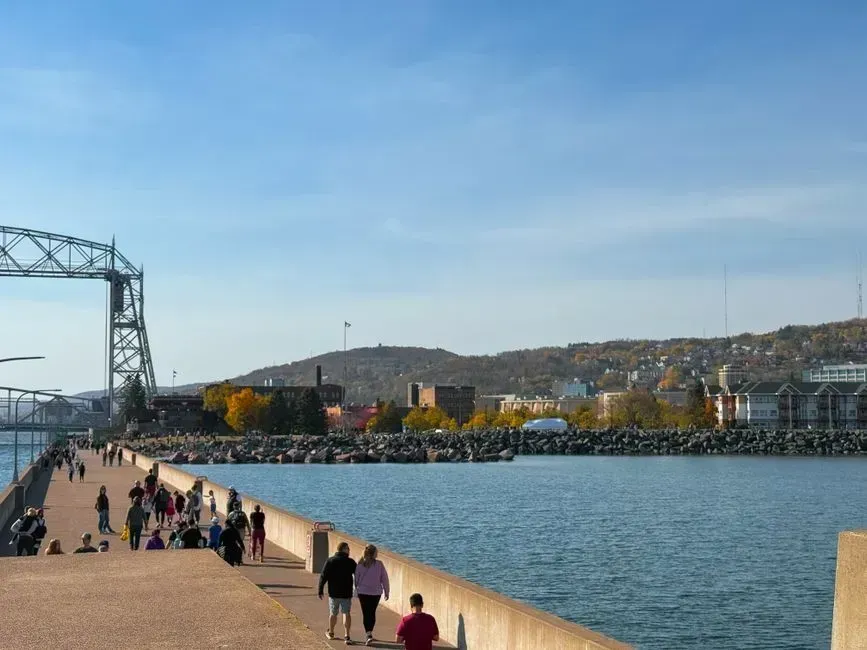
Duluth isn’t shy about leaning into this new identity. Planners in the city, along with counterparts in Buffalo, are already launching efforts to rebrand themselves as destinations of the future in a climate changed world. The city’s former mayor was among the first local officials to publicly engage with the idea that Duluth could become a receiving city for people displaced by climate pressures elsewhere.
This branding push isn’t happening in isolation. Cities across the old industrial north, from Ohio to Wisconsin, have started framing their underused infrastructure and available housing stock as an asset rather than a symbol of decline. Places like Detroit, Milwaukee, Cleveland, Buffalo, and Duluth have housing, space, extra road lanes, and wastewater treatment capacity that could readily serve more people again in the future, a trait researchers refer to simply as capacity.
Who’s Actually Moving to Duluth

The people arriving aren’t exactly who you’d expect from a “climate migration” headline. Real estate agents report plenty of anecdotal evidence about climate conscious buyers and young professionals choosing Duluth in recent years, but the largest recent influx of new residents appears to be remote workers. That distinction matters, because it suggests climate concern is one motivation layered on top of a broader shift in how and where people can work.
The remote work numbers back that up. A regional labor analyst noted that just 4% of the city’s residents worked remotely in 2019, a figure that climbed to 12% by 2022. Add in a national mood shift where climate is now part of the calculation, and you get a small but steady stream of newcomers who might never have considered northern Minnesota a decade ago.
The Housing Squeeze That Comes With Growth
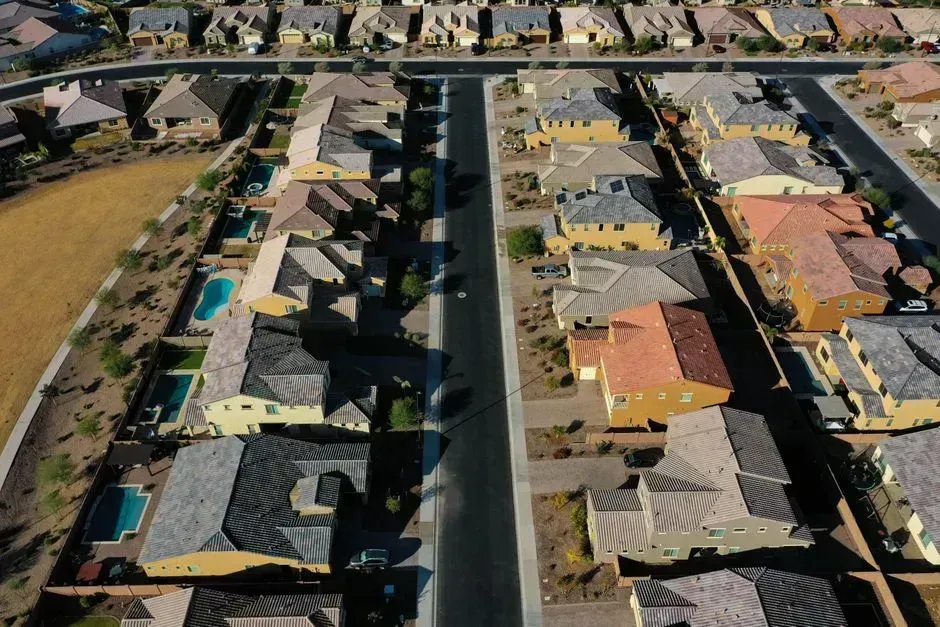
Growth, even slow growth, runs into a familiar problem here: there simply isn’t enough housing to go around. Whether Duluth can reach its population goal of 90,000 depends largely on housing, the hardest thing to build in mass quantities in this long and narrow city, especially freestanding homes. The geography that makes Duluth charming, a narrow strip of land squeezed between a hillside and the lake, also makes large scale construction genuinely difficult.
Longtime residents are watching this play out with some unease. Housing advocates have raised concerns that an influx of wealthier newcomers buying up available homes could price out the people who already live there, particularly lower income residents and Native American communities in the region. It’s the same tension showing up in every so called climate haven city, where the promise of new residents comes bundled with the risk of displacing the old ones.
What City Planners Are Doing About It
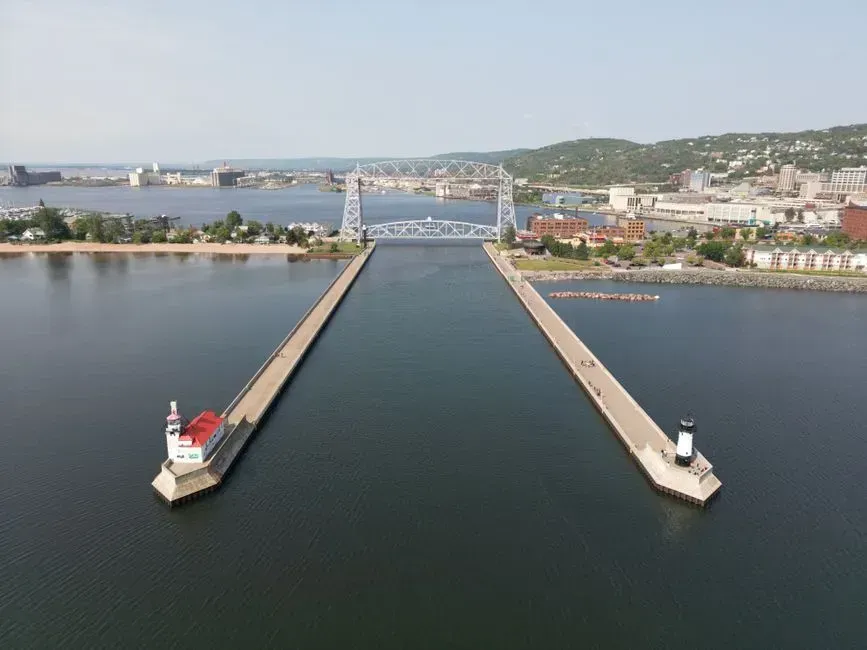
City officials seem aware that growth without preparation could backfire. There’s been talk of turning Duluth into more of a remote access hub, improving broadband competition to attract the kind of workers who no longer need to live near an office. Housing advocates have also pushed hard for construction that specifically targets lower income residents rather than only high end properties aimed at cash buyers from out of state.
Neighboring cities are facing the identical dilemma. In Cincinnati, officials have acknowledged the city’s population declined sharply from its mid century peak, and now see an opportunity in the vacant housing stock left behind. The city’s population has fallen by about 40 percent from its 1950 peak, largely due to declining manufacturing demand, leaving up to 40,000 vacant housing units across the wider county. Duluth doesn’t have quite that scale of vacancy, but the underlying logic, using old infrastructure to absorb new residents, is the same.
How Duluth Compares to Other Named Climate Havens
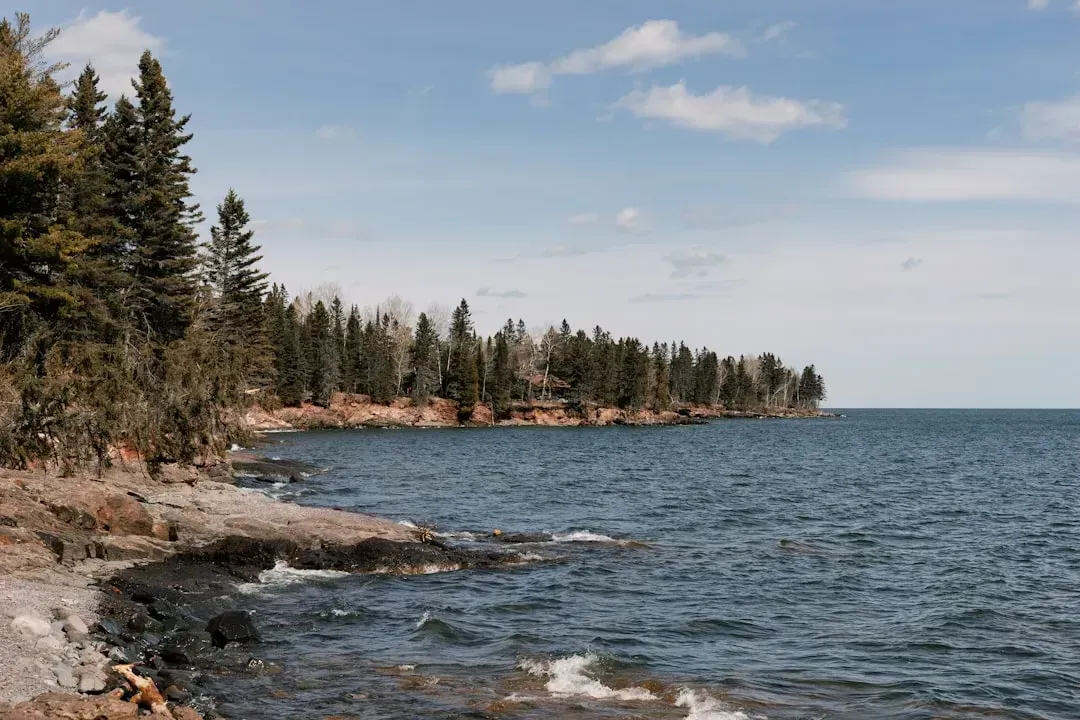
Duluth doesn’t stand alone in this conversation. Researchers frequently mention it alongside a small cluster of cities considered relatively insulated from the worst climate impacts. So called havens commonly cited in this research include Duluth, Ann Arbor in Michigan, Buffalo in New York, Burlington in Vermont, and Madison in Wisconsin.
None of these cities are actually immune to a warming world, and researchers are careful to say so. Six often cited cities, Ann Arbor, Buffalo, Burlington, Duluth, Madison, and Minneapolis, will face some of the country’s most significant temperature increases in coming years, according to research from the University of Michigan. The pitch isn’t that these places will stay untouched by climate change. It’s that they’ll likely fare better than coastal Florida or drought stressed parts of the Southwest.
The Risks Duluth Faces Too
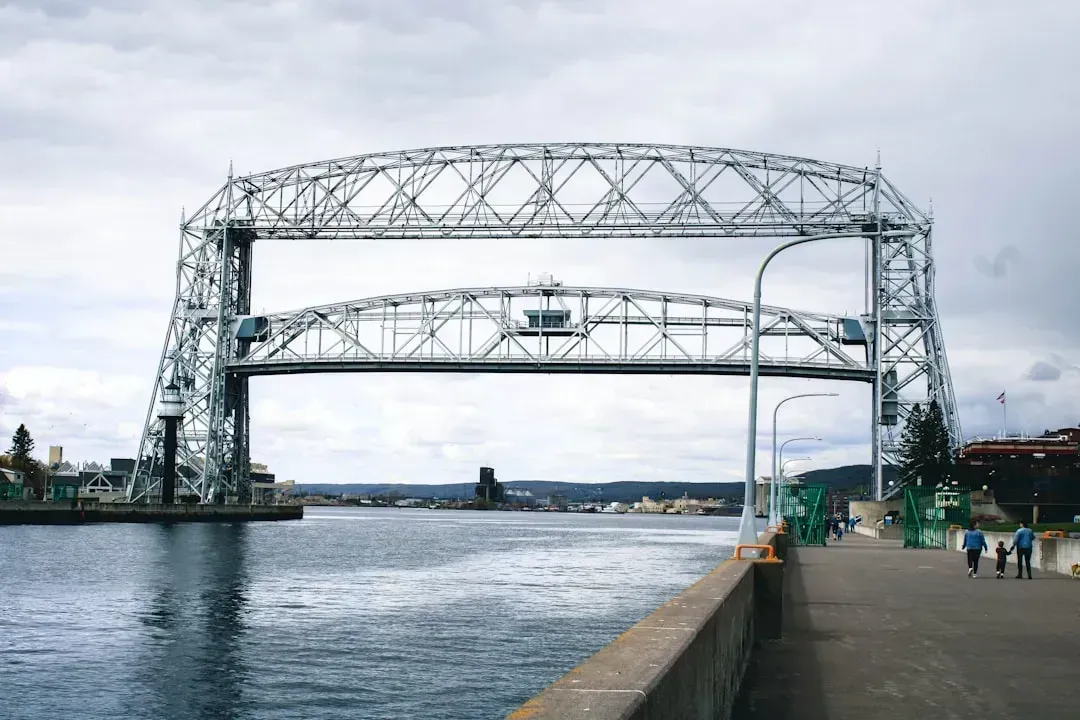
It would be inaccurate to present Duluth as some kind of bulletproof refuge, because the evidence doesn’t support that framing. While many Great Lakes cities boast a temperate climate and plenty of space, some researchers believe that doesn’t necessarily translate into climate haven status in the short term, and there’s little evidence that U.S. climate migrants are already moving north on a mass scale, with the populations of Cleveland, Duluth, and Buffalo remaining largely stagnant over the past decade. That’s a useful reality check against some of the more dramatic framing that’s circulated in recent years.
Even the region’s own researchers admit the climate haven label oversimplifies things. A local economic researcher based at the University of Minnesota Duluth has pointed out that community resilience matters just as much as natural resources when it comes to absorbing new residents, and that these northern communities aren’t fully shielded from climate disruption themselves, including smoke drifting down from increasingly frequent Canadian wildfires.
