

- 8 South American Countries Producing the Best Coffee – Ranked Worst to Best - September 12, 2026
- Essential Climate Facts for Anyone Traveling to Coastal South America in 2026 - September 12, 2026
- 6 U.S. States Where Obesity Rates Are Near Historic Lows – and 4 Struggling - September 12, 2026
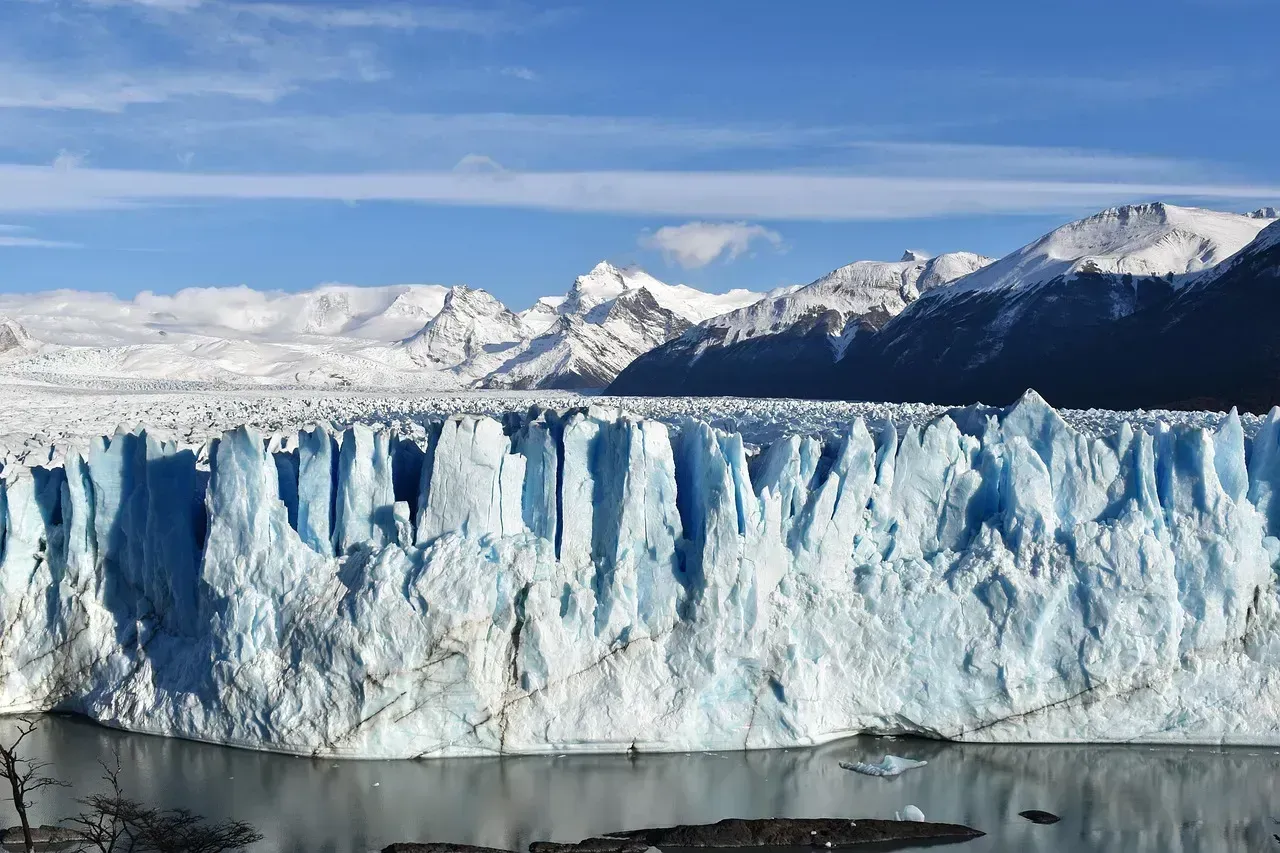
Perito Moreno’s sudden shift from stability to retreat
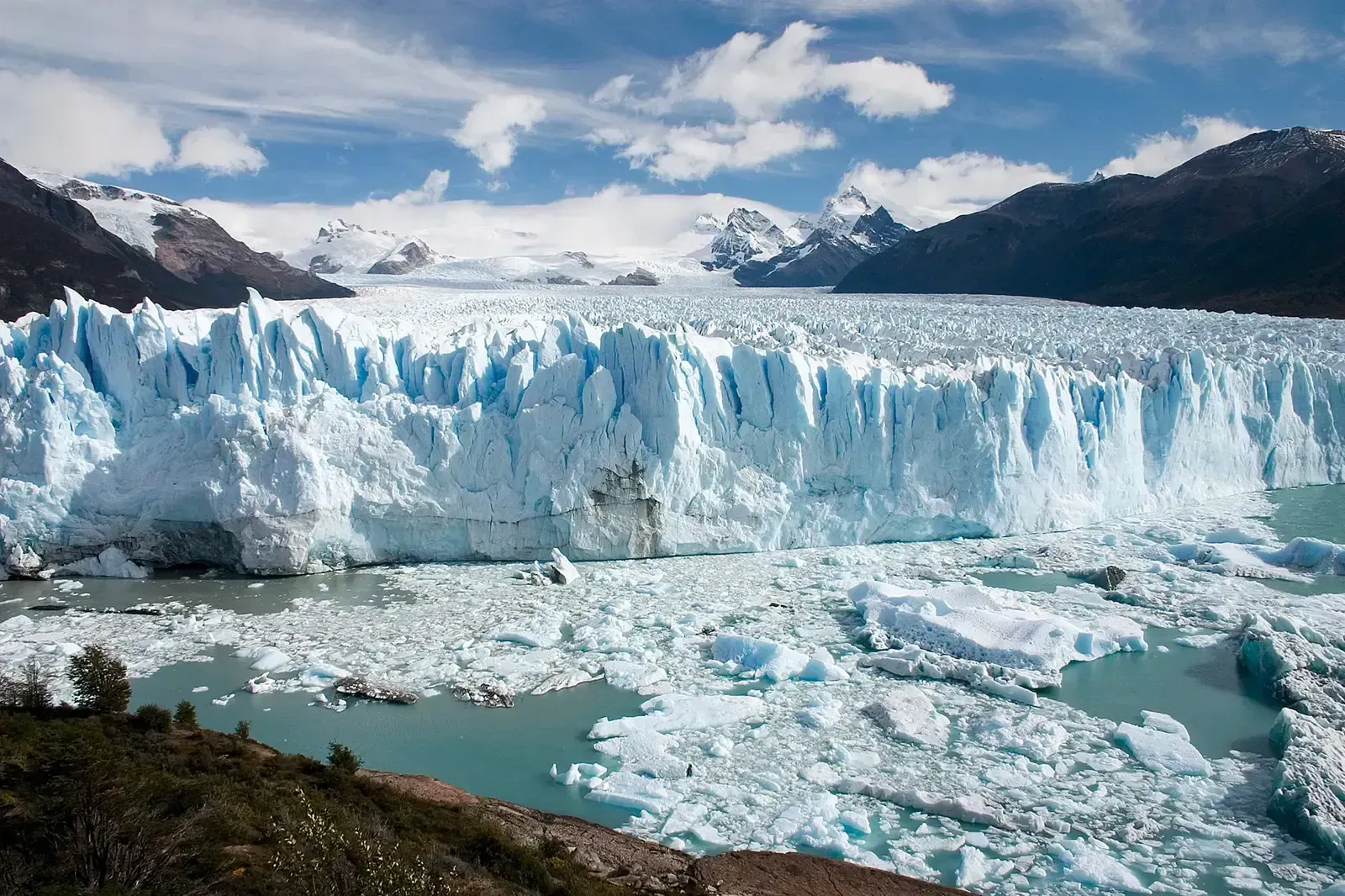
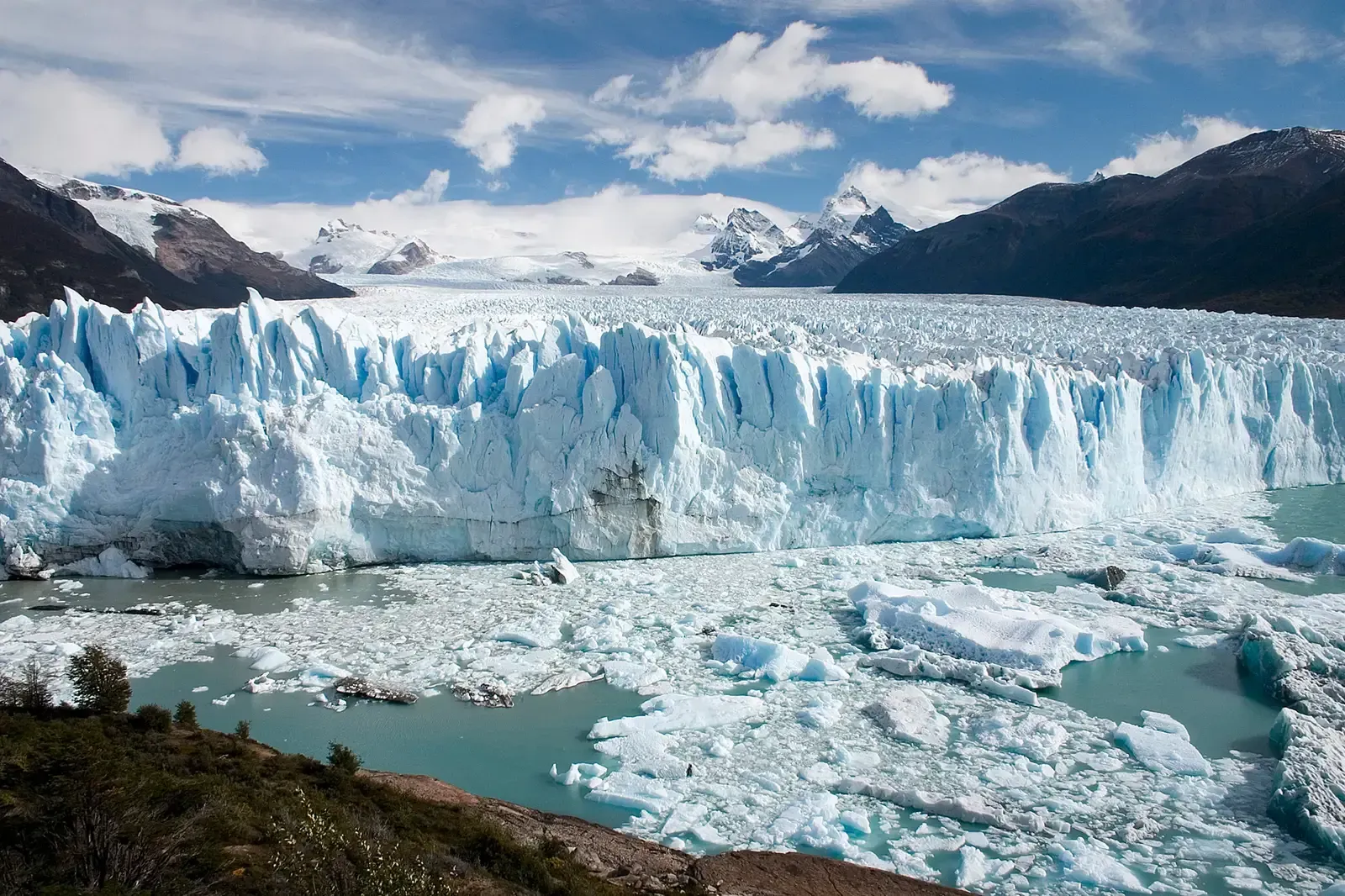
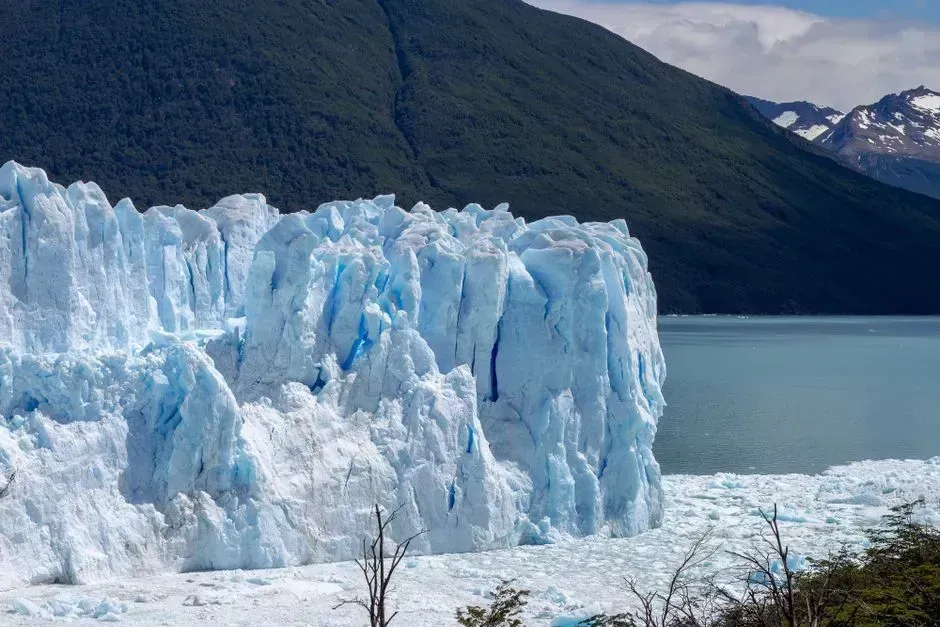
Perito Moreno was long considered a rare success story, a glacier that stayed roughly balanced even as its neighbors thinned. That changed dramatically according to a study led by Moritz Koch of the University of Erlangen-Nuremberg, which found the glacier lost an average of 34cm in thickness per year between 2000 and 2019, then shrank between 5.5m and 6.5m per year from 2019 to 2024.
The retreat is not evenly distributed either. In some areas, the glacier retreated by more than 800 meters over a five-year span to 2024. Researchers describe this as the glacier’s “most substantial retreat in the past century”, a phrase that carries weight given how long Perito Moreno was used as a counterexample by skeptics of glacier decline.
The glacier is losing its grip on the bedrock beneath it
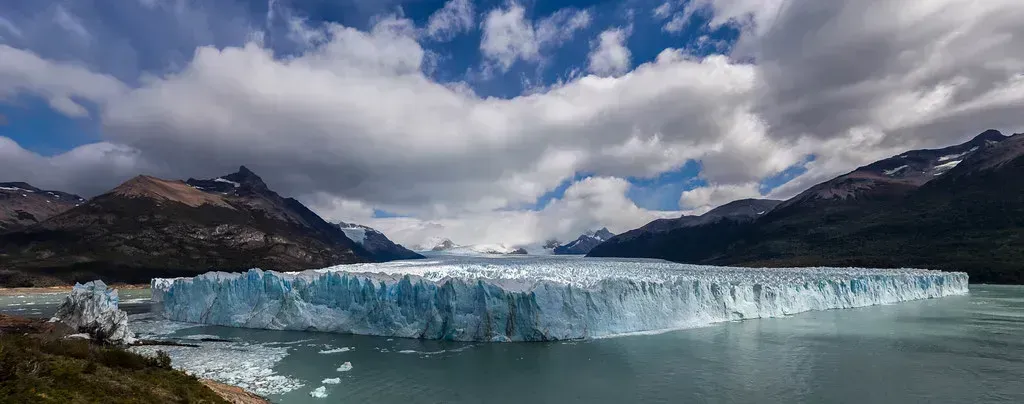
What makes this case scientifically interesting is not just the speed of the melt, but the mechanism behind it. The Perito Moreno Glacier in the Southern Patagonian Ice Field for decades has been wedged securely in a valley, but it’s started losing contact with the bedrock below, causing it to shed more ice as it inches backward.
Glaciologists note that this kind of structural detachment is notoriously hard to forecast. As one expert not involved in the study put it, predicting exactly when and how a glacier will destabilize is “harder to predict when and exactly how they’re going to break apart”, much like guessing when a cracked object will finally give way.
A shift in atmospheric circulation is driving the region’s mass loss
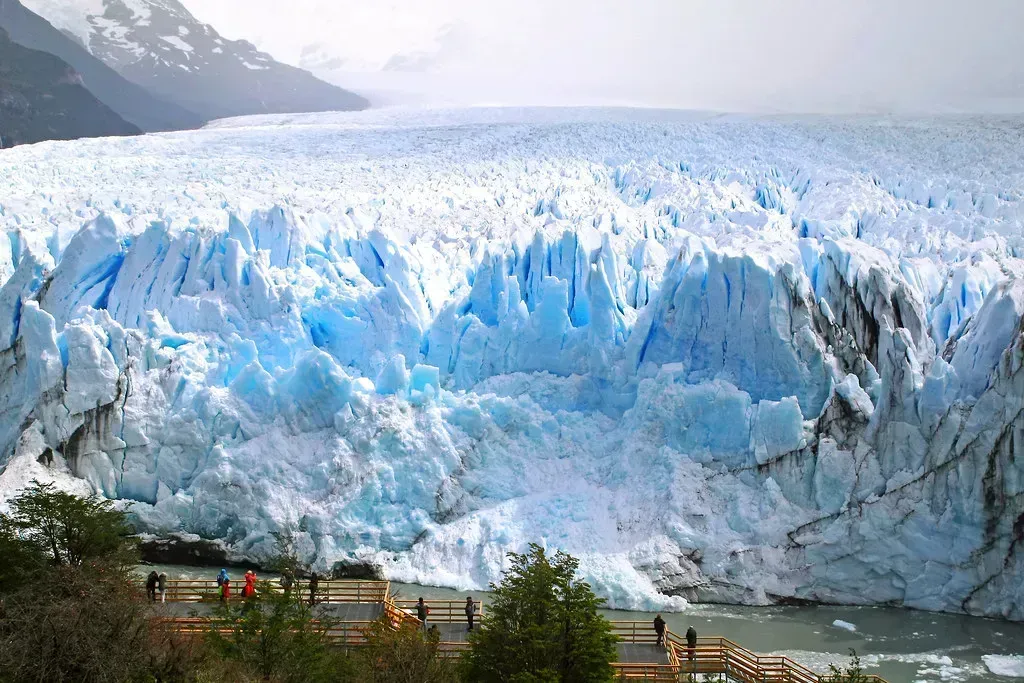
New research from the University of Liège points to something bigger than local weather patterns. A study published in Nature Communications found that Patagonian glaciers have been rapidly losing mass in the last two decades, but the driving processes remain poorly known, until researchers traced it back to shifting global wind belts.
Specifically, scientists linked the mass loss to a long-term surface mass balance decline primarily driven by enhanced surface runoff and steady precipitation, tied to a poleward shift of the subtropical highs favouring warm northwesterly air advections towards Patagonia. In plain terms, the atmosphere’s major pressure systems are migrating toward the poles, and that shift is funneling warmer air directly into one of the last major ice reserves outside Antarctica.
Quarter of the region’s total ice volume already gone since the 1940s
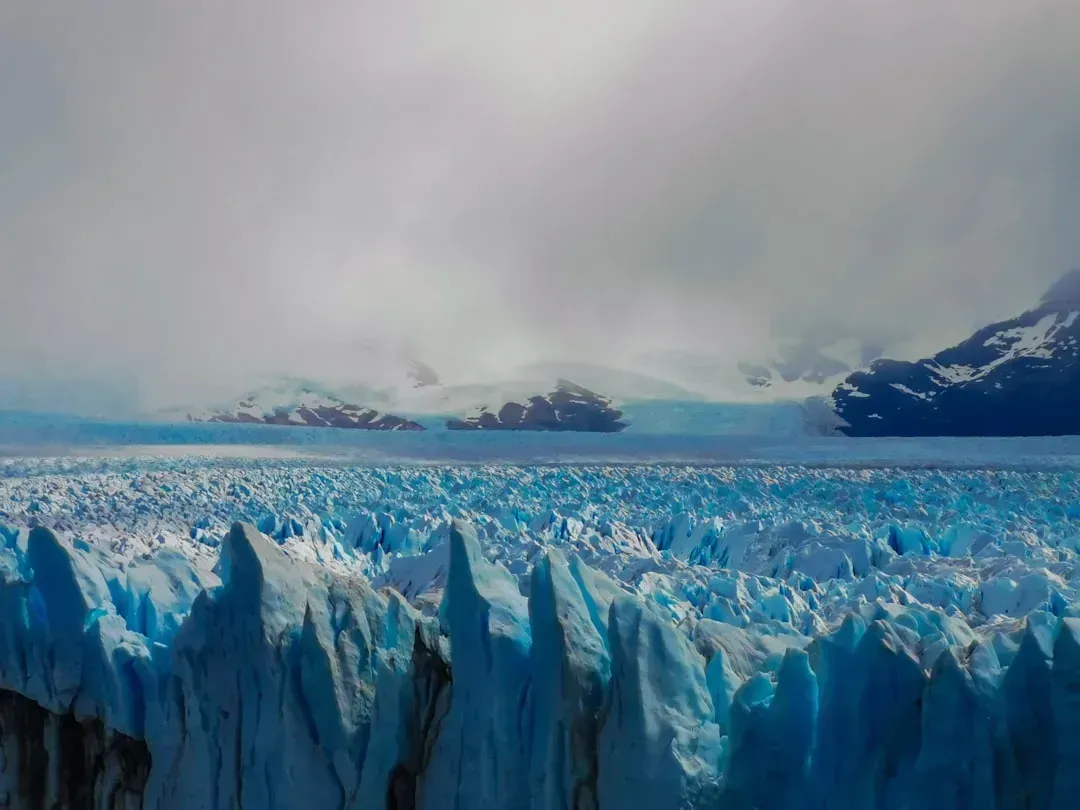
The cumulative toll is striking when measured over the long run. According to the same research team, since the 1940s, Patagonian glaciers have lost over a quarter of their total ice volume, raising global sea level by 3.7 millimeters.
That figure matters because Patagonia hosts the largest and wettest glaciated region in the Southern Hemisphere outside Antarctica. Losing a quarter of that reserve in less than a century is a faster pace than most historical climate models anticipated, and it puts the region’s glaciers on a trajectory that increasingly resembles polar ice sheets rather than stable mountain glaciers.
Snowfall’s protective effect is starting to reach its limits
One reason Patagonia held out longer than expected is precipitation. Heavy snowfall at high elevations has historically offset melting lower down, and a 2024 study in Scientific Reports found that precipitation, not temperature, was the main culprit of glacier fluctuation during around 4,500 of the past 6,000 years, or 76% of the time.
That buffer is now under strain. The same research team concluded that this protective effect might be pushed up against its limits soon, and a related Nature Reports paper adds that precipitation needs to increase by 10 to 50 percent to maintain present-day glacier volumes, depending on the climate scenario. In other words, snow has been buying Patagonia time, but that clock is running out faster than earlier models suggested.
Why scientists are watching Patagonia as a preview of polar ice behavior
Perhaps the most important reason this matters extends well beyond South America. Glaciologists studying Patagonia have pointed out that the bigger concern is using studies like this one to understand “what might happen to the big guys” in Antarctica.
Because Patagonia’s glaciers respond quickly to atmospheric shifts and are easier to study at high resolution than the vast polar ice sheets, they function as an early warning system. If a glacier once considered stable, like Perito Moreno, can undergo its fastest retreat in a century within just a handful of years, it raises uncomfortable questions about how quickly similar dynamics could unfold in Greenland or West Antarctica once comparable thresholds are crossed.
The bigger picture behind the numbers
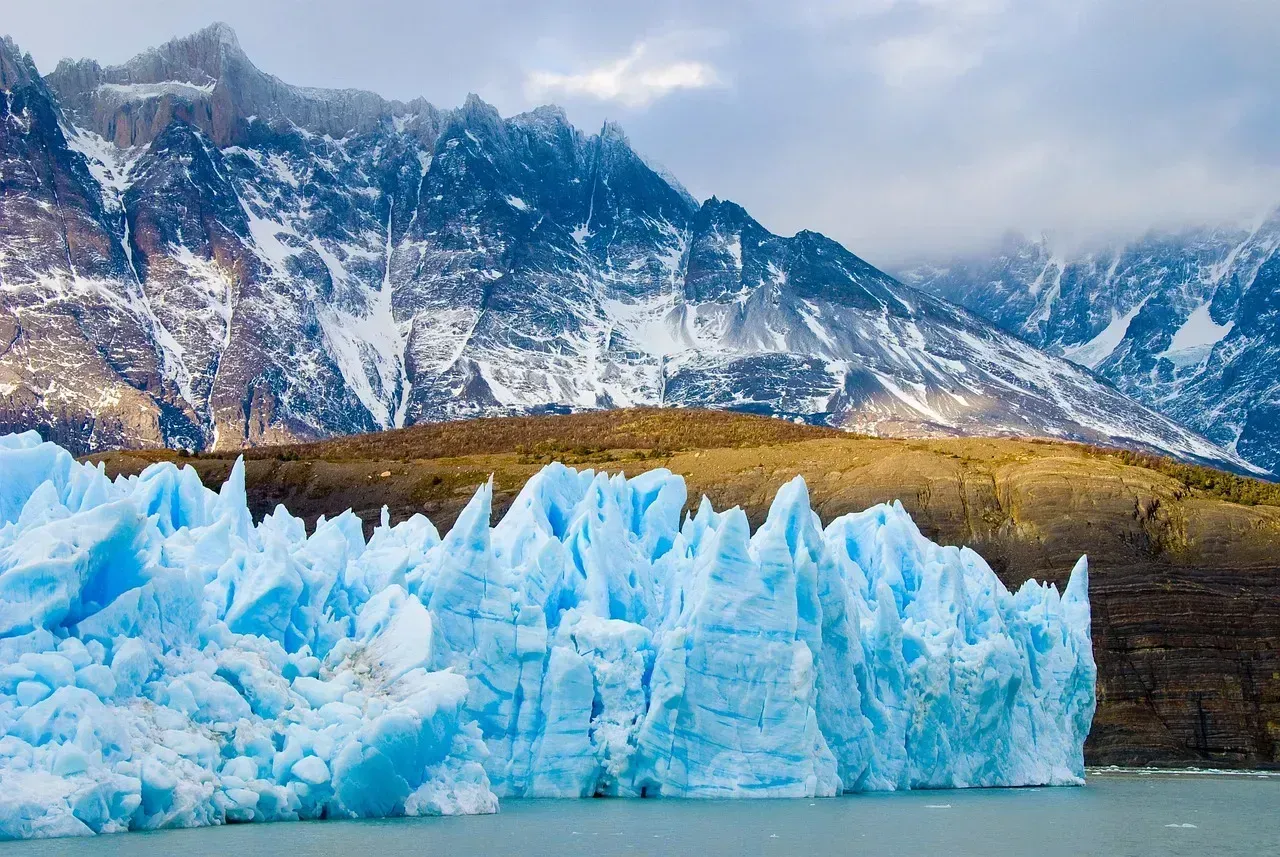
Taken together, these five signs point to a region that has quietly shifted from being a climate anomaly to becoming one of the clearer examples of accelerating ice loss on the planet. The mechanisms differ, from bedrock detachment to atmospheric circulation changes to the erosion of snowfall’s protective buffer, but they converge on the same conclusion: Patagonia’s glaciers are changing faster than the models built even a decade ago anticipated.
What happens next will depend heavily on emissions trajectories and whether snowfall patterns can partially offset warming, as some researchers still believe is possible under lower-emission scenarios. For now, the ice fields of southern Chile and Argentina remain one of the more closely watched barometers of how quickly the planet’s frozen reserves are responding to a warming atmosphere.
